Photo credit: WHO_TEE_WHO/YouTube
Some hunting rifles earn a great reputation and then spend years living off it. That is how you end up with guns people still praise because of what they used to mean, not because of how they honestly stack up now. Maybe they were good values once. Maybe they had the right name at the right time. Maybe they simply got so common that people stopped questioning whether the old reputation still made sense.
That is where the problem starts. A rifle can remain popular long after better-built, smoother, more confidence-inspiring options have been sitting right there on the rack. These are the rifles people keep defending because the reputation stayed loud even after the rifle itself stopped feeling all that impressive. Here are 15 hunting rifles that hung onto popularity longer than they hung onto real shine.
Remington 770
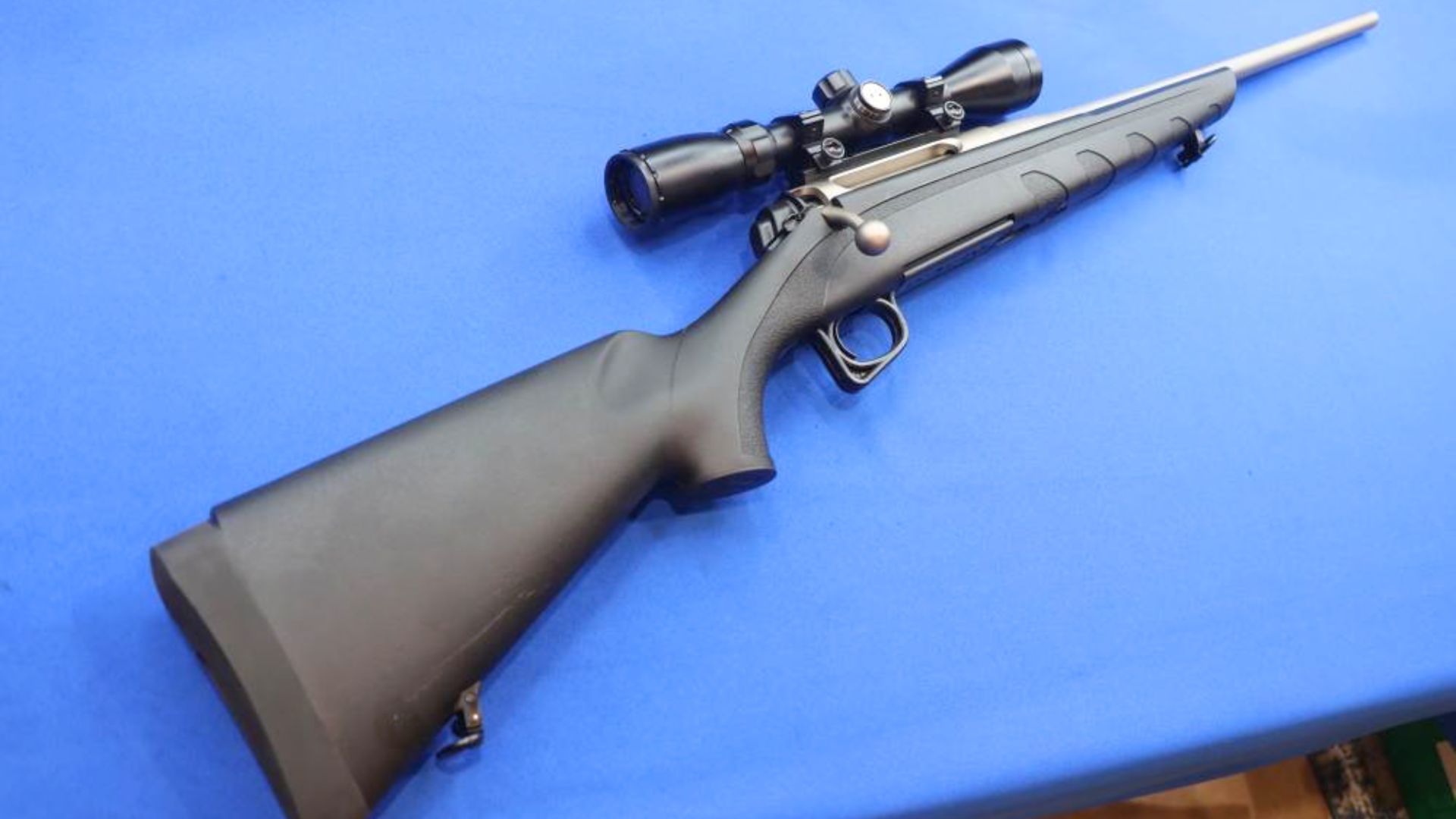
The 770 stayed popular because the Remington name still had enough pull to move budget rifles long after buyers should have been more skeptical. For a lot of hunters, especially first-time buyers, it looked like an easy shortcut to a “real” hunting rifle without spending much money. That alone kept it alive longer than it deserved.
Once people actually spent time with it, the rough action, cheap feel, and overall lack of refinement became hard to ignore. It was never the sort of rifle people loved after years of ownership. It was the sort of rifle people tolerated because of price and name recognition. That is a very different thing from being impressive.
Remington 783

The 783 sold on the idea that Remington could still give buyers a serious budget hunting rifle with enough modern credibility to matter. A lot of people bought into that because the company name still carried weight, even when the rifle itself felt more like a cost-managed compromise than something truly sharp.
That is the issue here. It stayed popular because buyers wanted the old trust to remain true. But once you got past the pitch, the rifle rarely felt like something special. It felt like a rifle people were willing to settle for, which is not the same as a rifle that stayed impressive.
Mossberg Patriot

The Patriot has stayed around because it looks better in the rack than it often feels in real ownership. It has enough styling, enough package-gun appeal, and enough brand familiarity to keep moving. That has carried it a long way with buyers who want to believe they found a smart affordable answer.
In practice, a lot of shooters discover that the rifle feels more ordinary than the early confidence suggested. It can work well enough, but “works well enough” is doing a lot of the heavy lifting. The popularity lasted because the market likes approachable hunting rifles. The actual impression often cools off once range time starts piling up.
Savage Axis

The Axis stayed popular because it gave people the one thing that sells budget rifles better than almost anything else: the promise of decent accuracy for cheap. That created a lot of loyalty very quickly. People were willing to forgive a lot if the rifle printed acceptable groups and left money for a scope.
That same popularity outlasted the rifle’s ability to feel impressive. The stock, action, and general refinement often leave owners wanting more once they have spent time behind better rifles. It hung around because it made budget-minded buyers feel smart. That does not mean it stayed genuinely satisfying.
Ruger American original

The Ruger American built a lot of goodwill because it did exactly what buyers wanted a low-cost hunting rifle to do: shoot well enough and not cost too much. That made it easy to praise and even easier to recommend. For a while, that was enough to keep it feeling like the practical answer.
The problem is that many people started talking about it like it was more than that. Once the market matured and more buyers compared it honestly against rifles with better fit, smoother actions, and stronger overall feel, the American started looking much more like a serviceable value play than an actually impressive hunting rifle.
Remington Model 710

The 710 stuck around in memory and recommendation longer than it should have because buyers kept giving the Remington badge more credit than the rifle itself earned. It filled a budget slot, it came ready enough for casual hunters, and it looked like it could get the job done without much fuss.
That was about the limit of the charm. Once real use started exposing the cheap feel and general roughness of the platform, it became much harder to pretend the rifle was anything beyond a low-end shortcut. Its popularity came from recognition. Its actual impression usually fell off fast.
Winchester XPR

The XPR has stayed popular because buyers want Winchester hunting rifles to matter. That brand loyalty is real, and it has helped this rifle get a lot of grace. It looks like a clean, practical modern hunting rifle, and that is enough to keep it moving with people who want something familiar without paying Model 70 money.
But the rifle itself often feels much more middle-of-the-road than the brand halo suggests. It can certainly work, but “it works” is not the same as “it impresses.” A lot of the platform’s popularity has more to do with what buyers hoped the name still guaranteed than what the rifle actually delivered in the hands.
Browning A-Bolt late-market examples

The A-Bolt earned real fans, but some later enthusiasm around it outlasted the rifle’s ability to feel like a front-running hunting design. It had a smooth enough image, a respected badge, and enough lingering loyalty that buyers kept talking like it was still one of the obvious smart choices long after newer rifles started catching up or passing it in overall feel.
That is what puts it here. It stayed respected because people already knew the name and already trusted the pattern. But a lot of that respect was momentum. The rifle’s popularity stayed stronger than the actual “wow” factor once you really compared it side by side with stronger modern competition.
Weatherby Vanguard package rifles

The Vanguard is a better rifle than some others on this list, but the package-rifle version of its popularity has sometimes lasted longer than the impressive part of the experience. Buyers see the Weatherby name and assume the rifle is carrying more class and performance than the actual complete setup always delivers.
That disconnect matters. A plain Vanguard can still be a sensible buy. The issue is that the broader popularity often acts like the package-rifle world somehow becomes premium just because Weatherby is on the box. A lot of buyers are responding to the badge and the old image more than the actual finished impression.
T/C Compass
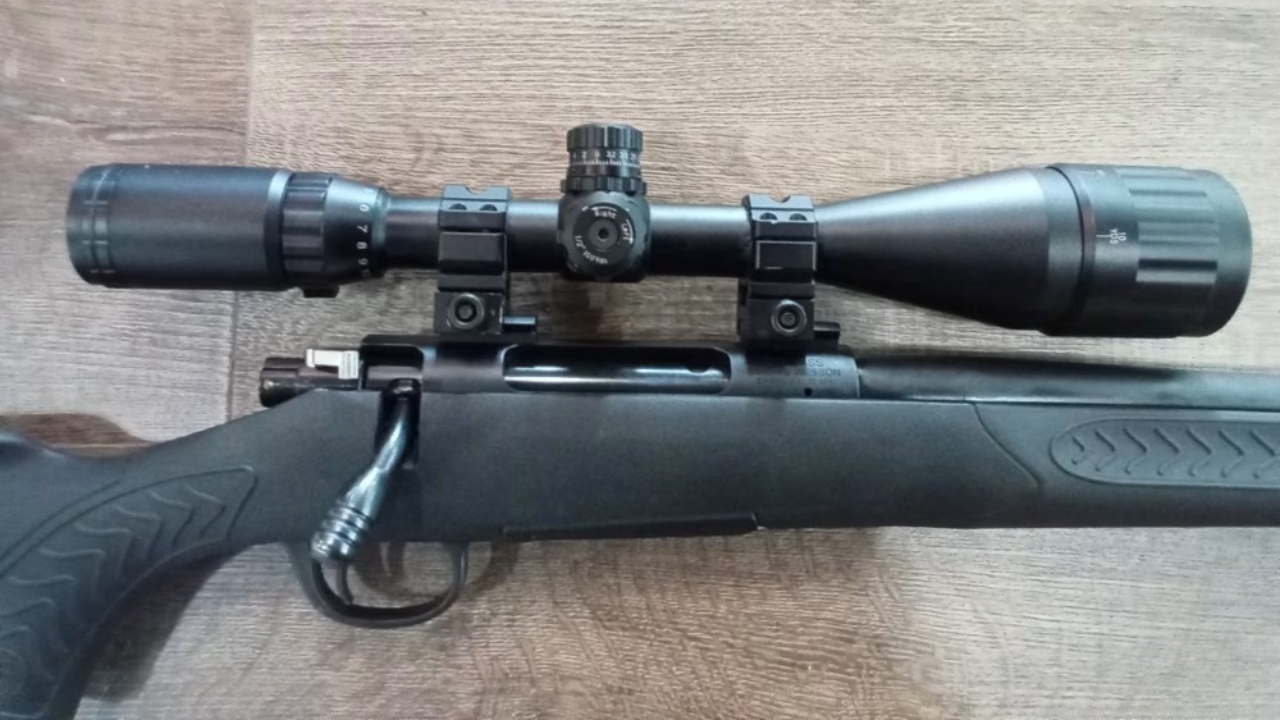
The Compass had a brief phase where people talked about it like one of the smartest budget hunting rifle moves around. It was inexpensive, shot acceptably for many owners, and had enough buzz that buyers started recommending it like they had found a little giant killer.
That confidence usually softened with more experience. The rifle often felt like exactly what it was: a budget rifle with budget-rifle manners and just enough accuracy to keep people defending it. It stayed popular because the value story was attractive. The actual ownership experience did not always stay equally impressive.
Savage 110 budget trims
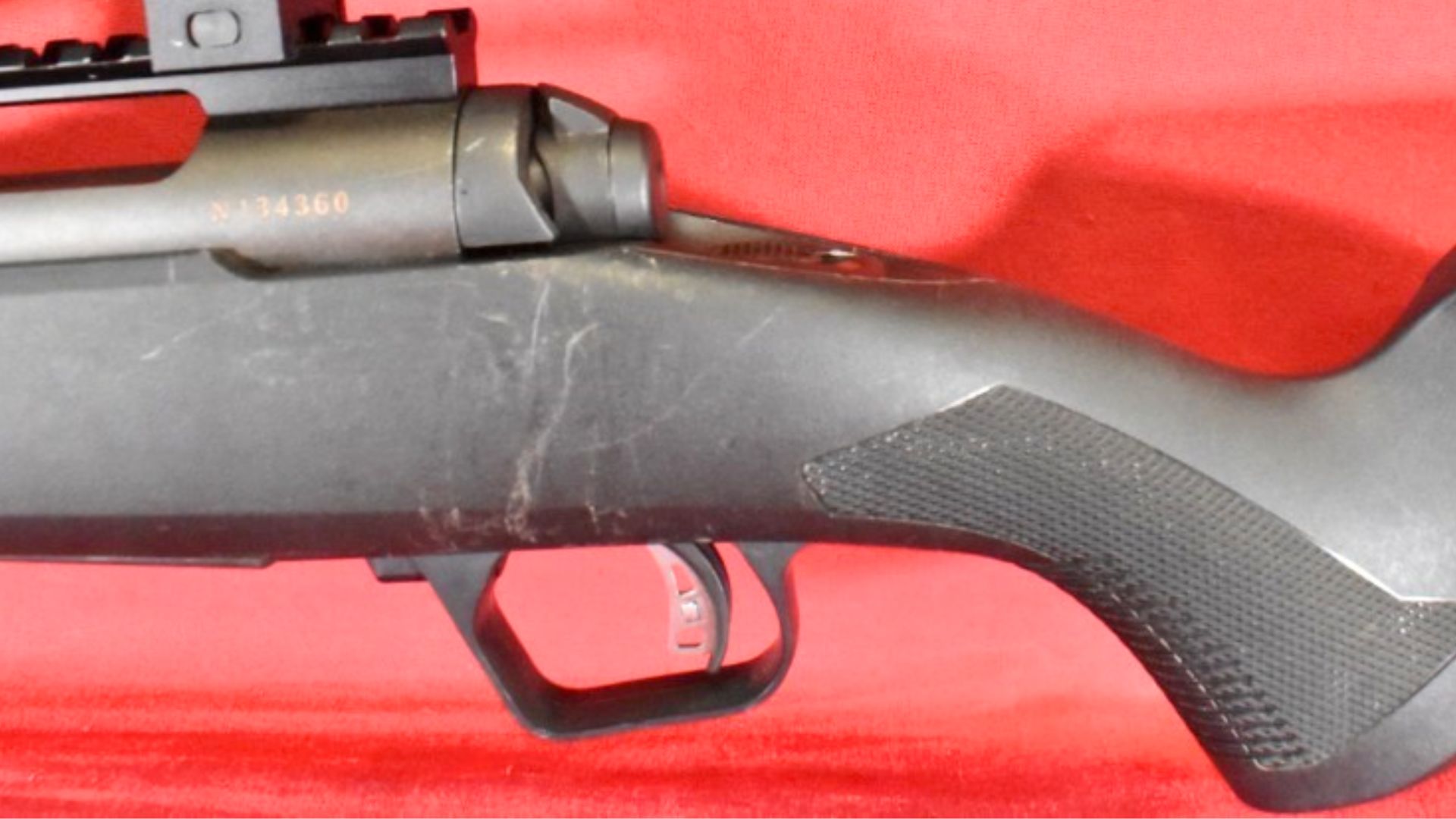
The 110 as a platform has real strengths, but some of the lower-trim modern hunting variants have stayed popular more on the back of the name and old accuracy reputation than on feeling especially refined or satisfying in current form. Buyers hear “Savage 110” and often assume the old practical magic still covers every version equally.
That is where popularity can start outrunning reality. Some models are still strong. Others feel like they are coasting on the brand’s long-standing image as the smart accuracy-first hunting rifle. Plenty of hunters keep buying them. That does not automatically mean the rifles still feel especially impressive in the hands.
Mossberg 4×4 / ATR legacy types
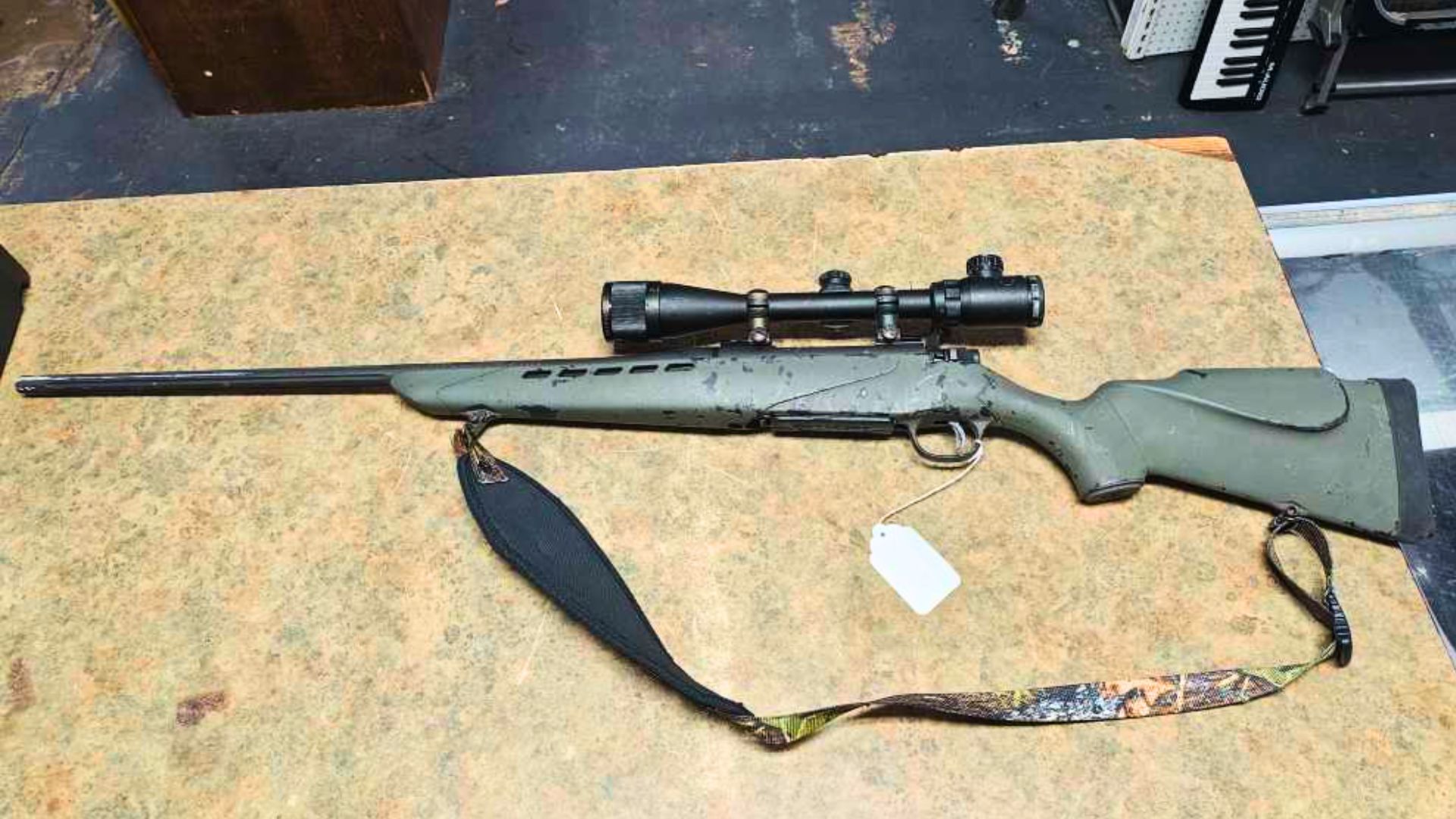
These rifles stayed in hunting conversation longer than they should have largely because they were cheap, available, and attached to a name buyers already trusted for shotguns. That was enough to keep them moving with budget hunters who just wanted something functional.
But there was rarely much about them that truly impressed once the owner lived with one. They were often exactly the kind of rifles people recommended because of price and convenience, then quietly moved on from once they had the chance. Popular, yes. Memorable in a good way, not so much.
Remington 700 ADL current budget-minded appeal
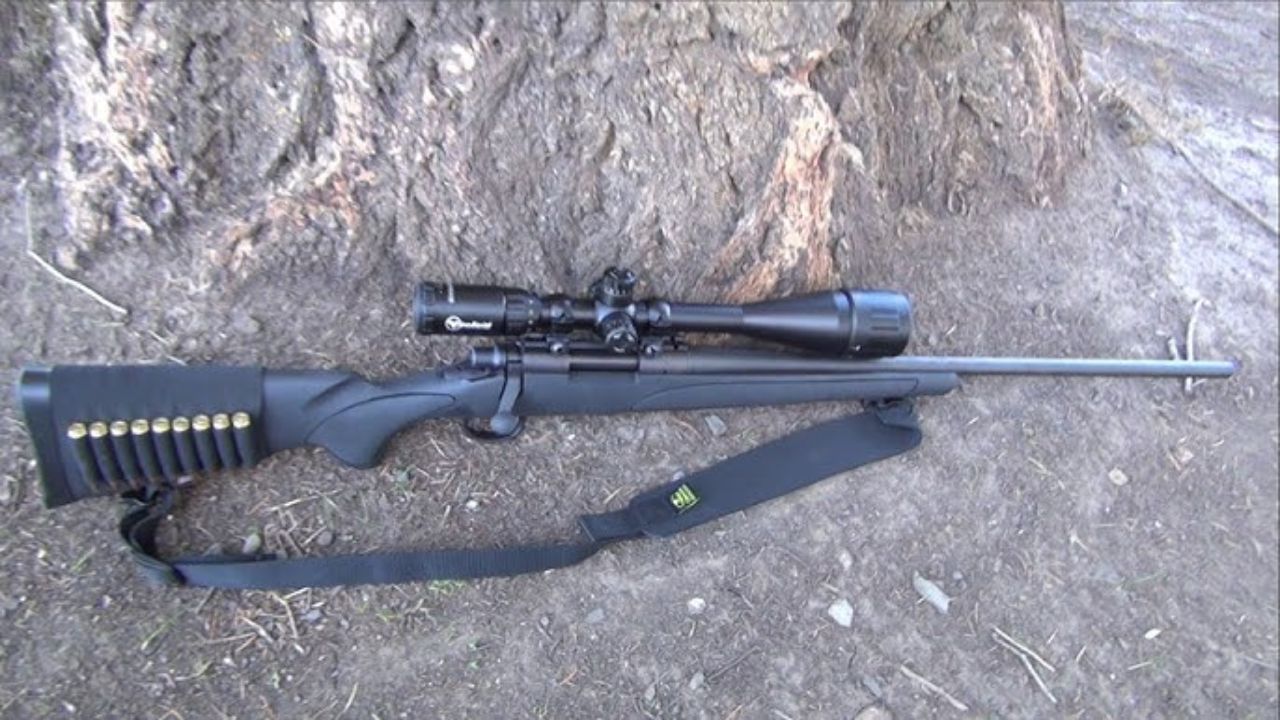
The 700 name still does an enormous amount of work, especially with hunters who grew up hearing it treated like the default answer. That is exactly why some current budget-oriented 700 appeal feels carried more by inherited confidence than present-day impression. Buyers still think they are buying into an old standard.
Sometimes they are mostly buying into an old story. The 700’s popularity as a hunting rifle has absolutely lasted longer than the “of course this is still the obvious answer” feeling deserves in every case. Plenty of people still want the name badly enough to overlook how much the market changed around it.
Winchester Model 70 low-end modern trims

The Model 70 is a respected classic, but some lower-end modern trims have benefited from the name more than the actual finish and feel would have justified on their own. Buyers hear “Model 70” and bring a lot of expectations with them, which is powerful enough to keep certain rifles popular whether or not they truly impress.
That does not make them bad. It makes them a little inflated by reputation. The popularity survives because of what the Model 70 once represented at its highest level. The actual rifle some buyers end up with does not always live up to the full glow surrounding the name.
Rossi and other lower-tier budget hunting bolt rifles

These rifles stay popular because there is always a market for “good enough to hunt with this season.” That can carry a rifle surprisingly far, especially when the buyer is focused on cost and the seller is focused on getting them into the field quickly. Popularity in that lane is real.
But impressive is a much higher bar. A lot of these rifles remain talked about and purchased because they are accessible, not because they continue to leave owners deeply satisfied after years of use. That is the difference the market often blurs, and that is exactly why they belong here.
Like The Avid Outdoorsman’s content? Subscribe to our newsletter so you never miss an article.
Here’s more from us: