Photo credit: 704 TACTICAL/YouTube
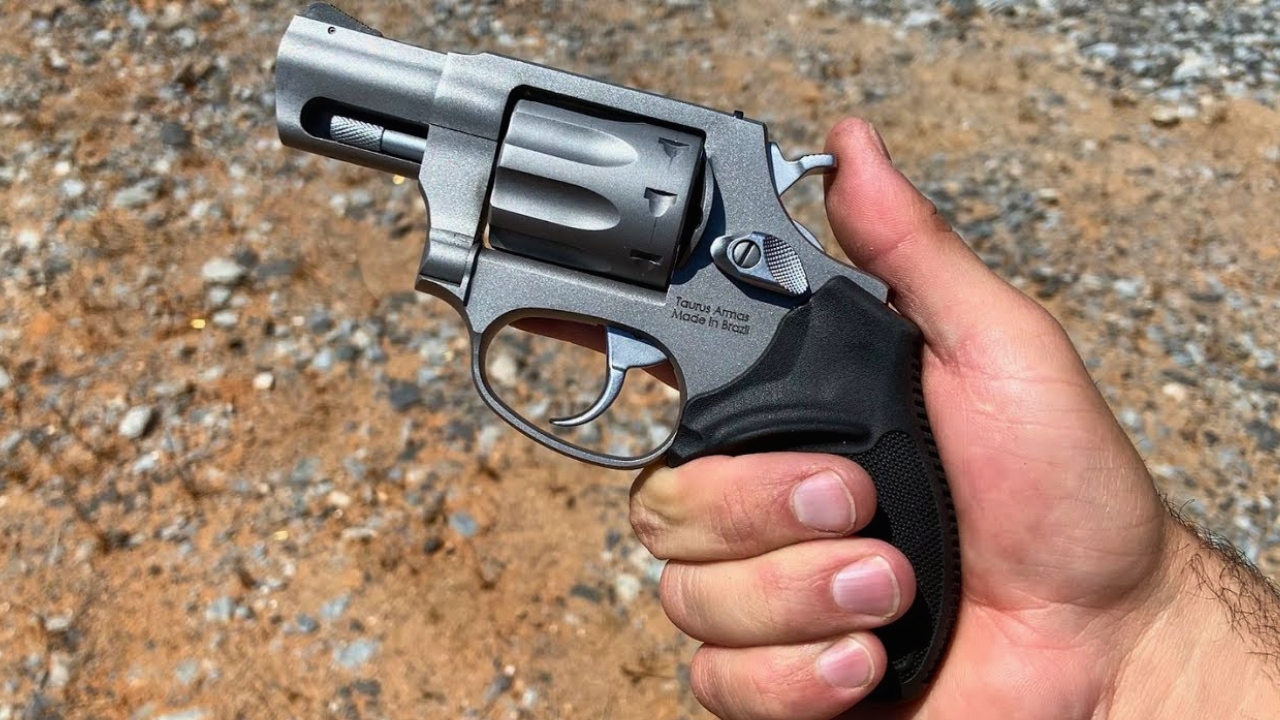
After a long range day with a snub-nose revolver, most owners learn the same blunt truth: carrying a snub is easy, training with a snub is work. The gun doesn’t care that it’s convenient. It doesn’t care that it disappears in a pocket. It only rewards clean fundamentals, and it punishes slop harder the longer you shoot. Early on, a snub can feel “fine,” especially if you’re shooting slow, taking breaks, and staying comfortable. But once you put real volume through it—enough rounds that your hands get tired and your focus starts fading—you learn quickly how narrow the snub’s forgiveness window really is. That lesson usually hits somewhere between sore hands and ugly groups.
This is why snub-nose owners split into two types: the ones who accept the work and get good, and the ones who carry the gun but avoid shooting it. The range day exposes which one you’re becoming. A snub isn’t a magic “simple gun.” It’s a demanding platform that you can absolutely master, but only if you’re honest about what it requires.
The trigger isn’t hard at first—it’s hard when you’re tired
The double-action pull is the snub’s gatekeeper, and long sessions make that obvious. At the start of the day, you can press through it cleanly. Later, fatigue shows up in your finger and your grip, and the press starts getting ugly. People start staging the trigger, jerking through the end, or rushing shots because their hand is tired and they want the bang to happen already. That’s where accuracy falls apart. The snub doesn’t forgive you for being tired. It demands the same clean press every time.
Most semi-auto shooters don’t experience this as sharply because shorter, lighter triggers let them get away with more. The snub forces discipline, and that discipline gets harder to maintain as fatigue builds. That’s the big “aha” moment on a long day: you can’t fake it once your hands are smoked.
Recoil management becomes a grip problem, not a toughness problem
Lightweight snubs aren’t “too powerful.” They’re just sharp. The recoil impulse is quick, the grip area is small, and your hand takes the hit repeatedly. After enough rounds, you stop thinking about recoil as a number and start thinking about it as a grip management issue. If your grip isn’t locked in, the gun shifts. If it shifts, your next trigger press gets worse. If your press gets worse, your hits go bad. It’s a chain reaction that long sessions reveal.
The owners who succeed with snubs learn to build a consistent, high, firm grip that doesn’t collapse as their hand gets tired. The owners who don’t learn that start adjusting their grip constantly and wondering why the gun “won’t shoot straight” anymore. The gun is shooting fine. The shooter is falling apart.
Reload reality hits harder than most people expect
On a long day, reloads stop being a theory and start being a real performance limiter. Ejecting cases cleanly takes technique. Short-stroking the ejector rod becomes common when you’re tired. Cases start sticking if the gun is dirty. Speed strips feel slow. Speedloaders feel bulky. You learn quickly that “I’ll just reload if I need to” is not a plan if you’ve never practiced it under fatigue.
This is also when people decide whether they’re actually going to carry a reload. A snub with five rounds is not a lot of margin, and once you’ve done enough reload reps to see how clumsy it gets when you’re tired, you either commit to a system or you quietly admit you’re not going to train this hard. That’s not a moral failure—it’s just a reality check.
The snub teaches humility and exposes bad habits
Long range days with snubs reveal what you’ve been getting away with. People realize they’ve been slapping triggers, not pressing them. They realize their sight focus is lazy. They realize they’ve been relying on forgiving platforms to cover sloppy fundamentals. A snub makes those habits obvious because performance drops quickly when you push speed or fatigue. That exposure is frustrating, but it’s also why snubs can make you better if you stick with them.
A lot of good shooters keep a snub in the rotation for exactly that reason. It’s honest. It doesn’t flatter you. It tells you what you need to work on.
The lesson that actually matters for carry
The big takeaway snub-nose owners learn after a long range day is that you don’t get snub competence for free just because the gun is easy to carry. If you’re going to rely on it, you have to practice with it enough that you can run it when you’re tired, stressed, and not perfectly warmed up. That means fewer “fun” range days and more structured reps—short, focused sessions where you prioritize clean double-action presses and realistic reload work.
If you want to make that practice more honest, tools like speed strips and targets built for revolver drills help. Bass Pro Shops usually has speed strips and basic practice gear that makes snub training less annoying to set up, but the real change is mindset. The snub is a discipline gun. Treat it like one, and it rewards you. Treat it like a convenience object, and you’ll avoid shooting it—which means you’ll never truly trust it.
Like The Avid Outdoorsman’s content? Subscribe to our newsletter so you never miss an article.
Here’s more from us: