Photo credit: Jack Borno/Pexels.com
There are a lot of wild animals people describe as shy, calm, or unlikely to cause trouble. Most of the time that is fair. A lot of wildlife would rather avoid people than waste energy on a fight. But all of that changes fast when babies are involved. The same animal that would normally slip off, ignore you, or keep its distance can turn hard the second it thinks you are too close to its young. That switch is one of the biggest reasons people get blindsided in the woods, around water, and even near town.
The mistake usually starts with reading the wrong thing. Folks see a young animal by itself and think it is abandoned, harmless, or a good photo chance. Or they notice the adult but assume it looks calm enough to trust. That is bad judgment. A lot of animals do not bluff much when babies are on the line. They do not need a long buildup, and they do not care that your intentions were innocent. These are the wild animals most likely to defend their young without hesitation.
Black bears

A sow black bear with cubs is one of the clearest examples of an animal that can go from avoidant to dangerous in a hurry. On her own, a black bear will often choose distance. Add cubs to the picture and the whole encounter changes. If she thinks you are too close, moving the wrong way, or putting her cubs in a bad spot, she may bluff-charge, rush, swat, or drive you out fast. That is especially true if the cubs climb, scatter, or make noise, because now her stress level jumps even higher.
People get into trouble with black bears because the cubs are what pull attention. Somebody notices one in a tree or crossing a trail and forgets the mother is the actual problem. Or they assume because the sow is not instantly charging, they have time to stand there and watch. Maybe they do, maybe they do not. With cubs involved, your safest move is to back out calmly, keep eyes on the bear, and give her a lot more room than you think you need.
Grizzly bears

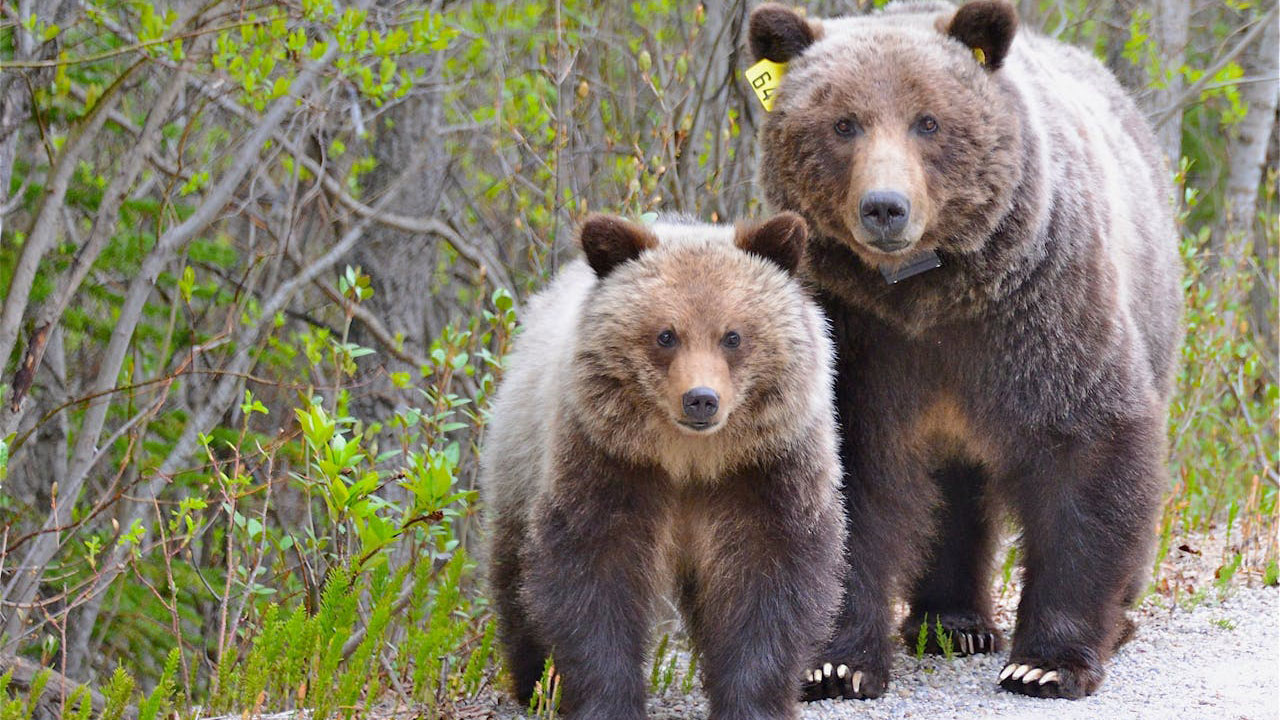
Grizzlies are in their own category when it comes to defensive force around cubs. A grizzly sow does not need much reason to decide you are a threat if you surprise her in close country or get between her and the cubs. In thick brush, creek bottoms, berry patches, and carcass areas, that reaction can happen almost instantly. She may come hard, and once that starts, the whole situation gets serious faster than most people are ready for.
This is why bear-awareness talk in grizzly country always comes back to visibility, noise, and space. The danger is not that every sow with cubs is looking for a fight. It is that she cannot afford to be casual when the cubs are vulnerable, so she often reacts first and sorts out intent later. If you see cubs, hear cubs, or get any sign a sow is nearby, your margin for error just got a whole lot smaller. That is not the time to linger, photograph, or hope it all stays calm.
Moose
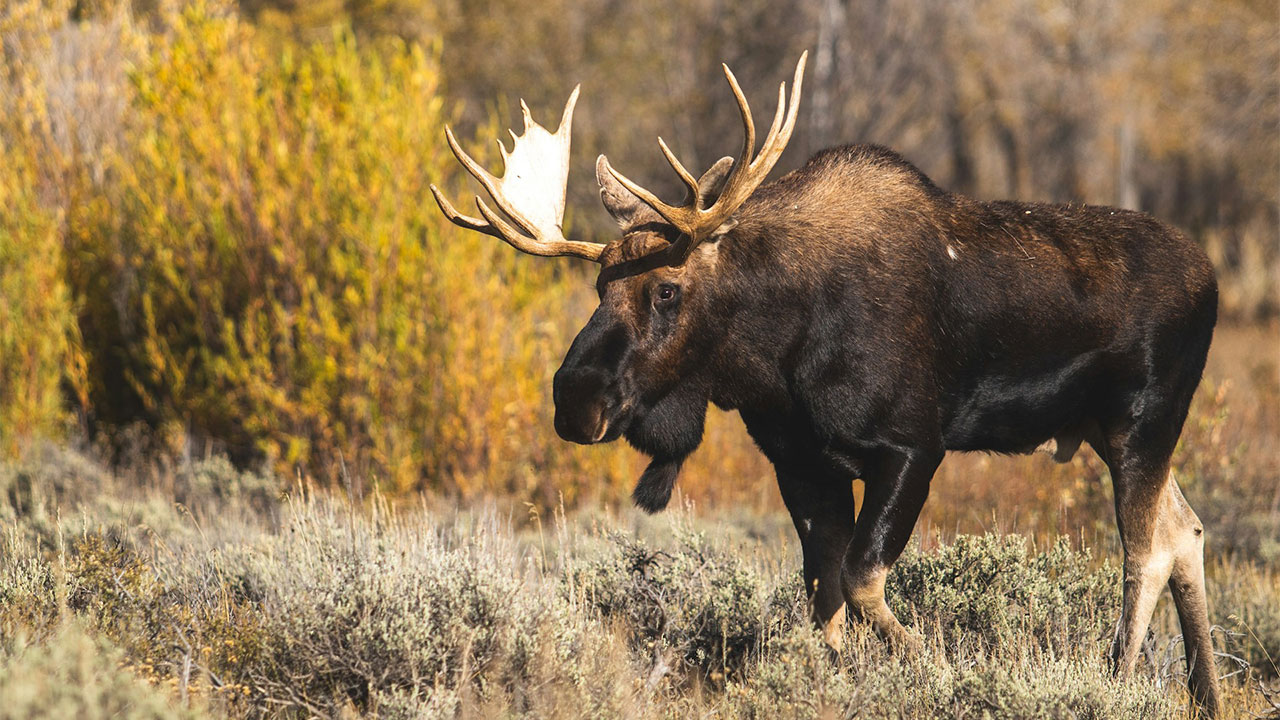
A cow moose with a calf is one of the most dangerous animals in North America from a pure defensive standpoint. People underestimate that because moose are not predators, but that does not matter at all when they decide you are too close. A cow may pin her ears, lower her head, and charge hard if she thinks the calf is threatened. She does not need much hesitation, and she does not need a perfect reason. If you are there and the calf is there, that can be enough.
This catches people on trails, near campgrounds, and even in neighborhoods where moose seem used to human activity. Folks see the calf first, slow down, and treat it like a quiet wildlife moment. Meanwhile the cow is already keyed up. Moose have size, reach, and speed people do not respect until one comes at them. If calves are around, the smart move is always more distance, not better viewing. A cow moose will defend that baby with an attitude that makes the point very clear.
Elk

Cow elk are another animal people read wrong around calves. Outside calving season, elk can seem steady and predictable enough that folks get comfortable near them in parks and mountain towns. But when calves are down, a cow may become far more aggressive than people expect. She may hold her ground, stare, circle, and then suddenly drive straight at what she sees as a threat. Dogs make this even worse, because a dog around a calf can flip the situation from tense to dangerous in a heartbeat.
Elk have enough size to do real damage and enough speed to close distance before someone with a phone or a backpack really reacts. What gets people in trouble is that cows do not always look dramatic before they decide. A calm-looking elk can still be making a hard decision. If a calf is tucked in the grass or moving nearby, assume the mother is running the whole scene. Do not stand there testing her patience.
Bison

Bison calves bring out some truly bad decisions in people. They look small compared to the adults, and that makes visitors think they can somehow slip a little closer for a photo or just cut across a field without causing a problem. But bison cows and the herd around them take calves seriously, and they do not need much warning before reacting. A bison defending a calf can lunge, run, and hit with force that turns a dumb mistake into an ambulance ride real quick.
Part of what makes bison so dangerous is how calm they look before they move. A cow may seem to be grazing peacefully until your position changes, the calf shifts, or you simply get too close. Then the whole thing flips. People forget that herd animals protect their young as a group too, which means you may not just have one angry mother to worry about. If there are calves around bison, the correct distance is farther than most people think.
Deer

People do not often put deer on lists like this, but does with fawns absolutely deserve a spot. A deer is not built like a bear or a moose, but a protective doe can still strike, stomp, or rush if she thinks you are too close to a hidden fawn. This happens a lot in spring and early summer when fawns are bedded quietly in yards, brush, tall grass, and field edges. Folks find one, assume it was abandoned, and suddenly the mother is right there with a very different opinion about the situation.
The danger often comes from underestimating both the deer and the setup. A doe may be watching from ten yards away while someone kneels to take a picture or starts trying to “help” the fawn. Then she comes in fast. Even when the contact is brief, hooves and panic can do damage. A fawn lying alone is almost never an invitation to get involved. It is usually a sign that the mother is close and paying attention.
Wild hogs

A sow with piglets can be a nasty surprise in thick cover. Feral hogs already have enough attitude on a normal day, but when little ones are around, a sow may charge immediately if she feels cornered or pressured. This is especially bad in creek bottoms, palmetto, cane, or brushy places where visibility is poor and people bump into hogs at close range. By the time you realize the striped piglets are around, the sow may have already decided you are too close.
What makes this worse is how fast the scene can unfold. Piglets scatter, squeal, and head in different directions, which spikes the sow even more. A lot of animals show some warning before they commit. A sow with young may not bother with much of that if the distance is short. Hunters, hikers, and landowners who move through hog country know this is one of those situations where you want out quick and clean, not closer and more curious.
Coyotes

Coyotes are not usually aggressive toward people, but denning season changes the math. A coyote pair with pups nearby may follow, bark, circle, bluff-charge, or even nip if they think someone is too close to the den area. Most of the time this happens with dogs, because a coyote sees the dog as a much more direct threat. Still, people can get pushed hard too, especially if they keep walking into the same area after missing the warning signs the first time.
This tends to happen more near suburbs and greenbelts than people expect. Coyotes raise pups in places with decent cover, easy food, and quiet corners, and sometimes that overlaps with trails, parks, and back lots. A coyote that would normally slip off may suddenly act bold because babies change the equation. If one starts escorting you, barking, or hanging closer than seems normal in spring, take the hint. You are likely near pups, and the adults are not in the mood to negotiate.
Bobcats

Bobcats usually avoid people so well that many folks never even realize they are around. That changes if kittens are nearby. A female bobcat may become much more defensive if she thinks someone is closing in on the den or threatening the young. She still is not likely to go looking for a fight with a person, but cornered distance changes everything, and cats in general can go from still to explosive fast when babies are involved.
The problem with bobcats is that their den sites are often in rough cover people do not think much about until they are right on top of them. Rock piles, brush tangles, hollow logs, and tucked-away pockets on private land can all hold kittens. A person moving brush, checking game cameras, or wandering off trail may suddenly realize the cat is not slipping away like expected. If a bobcat stays close, circles, growls, or looks like it is not giving ground, back out. Kittens may be the reason.
Alligators

Female alligators guard nests and protect hatchlings a lot more aggressively than many people realize. Around nesting season, a gator that seemed content to sit in the water can become a serious problem if someone gets too close to the bank, the nest mound, or the little ones once they hatch. The mother may rush from the water or hold close in a way that makes it clear you picked the wrong spot to linger.
This matters in retention ponds, marshes, canal edges, and slow river banks where people are used to being casual around water. A lot of folks do not even know there is a nest nearby until the adult reacts. Hatchlings also make small noises that trigger an immediate protective response from the mother. With gators, the babies are easy to miss and the adult is easy to underestimate until she moves. That is a bad combination for anybody standing too close with a phone.
Crocodiles
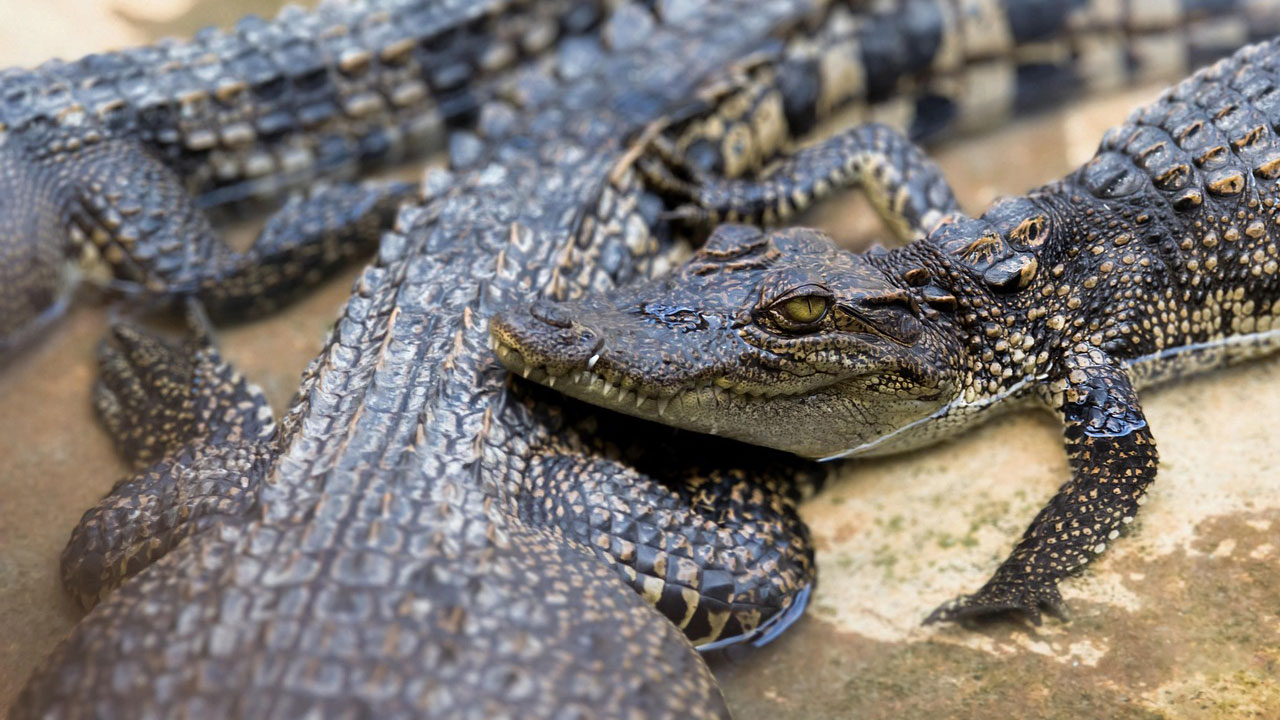
Crocodiles take nest defense seriously, and females can be extremely aggressive around eggs and young. In places where crocs overlap with human activity, this is one of the biggest reasons people get surprised near water. A crocodile that may have tolerated distant movement in other situations can become a much different animal when hatchlings are involved. If she thinks you are near the nest or close to the young in shallow water, hesitation is not something you should count on.
Crocodilians in general are built to react fast at close range, and maternal defense only sharpens that. The key problem is that people often do not know the nursery zones or nesting areas the way locals and guides do. They see water, bank cover, and maybe a small animal moving, but they do not realize the adult nearby is fully ready to defend the whole setup. In croc country, babies should always equal distance.
Swans
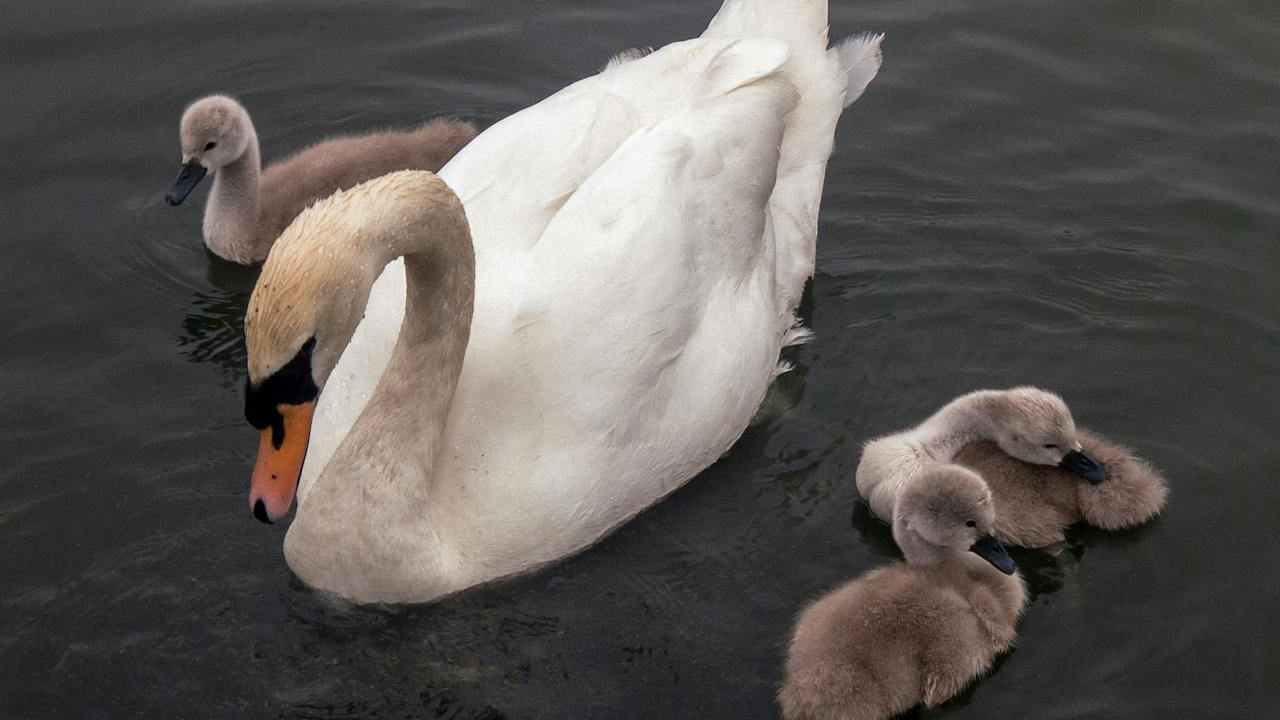
Swans are famous for defending their young aggressively, and they earn that reputation. A swan with cygnets may look graceful and unbothered from a distance, but once you get too close, especially on foot, in a kayak, or with a dog, the mood can change fast. Hissing, wing-spreading, charging across the water, and direct physical contact are all on the table. People laugh until a big bird is suddenly in their lap and the joke wears off.
What makes swans tricky is how peaceful the whole scene can look right before the reaction. A family group drifting on the water feels harmless until your angle changes or you unknowingly cut off their path. Then the adult comes hard. They are not predators, but they do not need to be. A large, angry bird defending young is still plenty to deal with. Cygnets are a clear sign to stay back, not get closer for a cute shot.
Geese
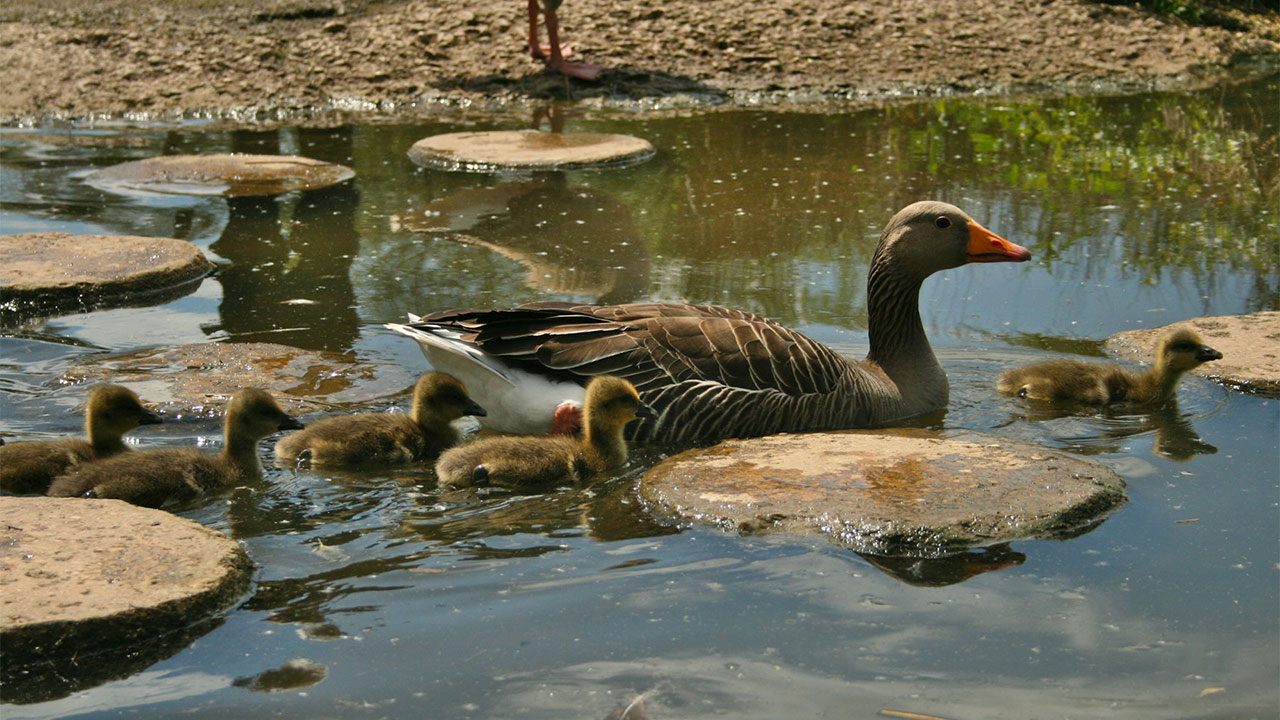
Geese do not need any introduction when it comes to being defensive parents. A goose with goslings is one of the quickest animals around to make its feelings known, and it usually does not need much reason to do it. Walk too close, let your dog stare too long, or move between the adults and the young, and you are likely to get hissed at, chased, bitten, or wing-slapped. They do not waste time wondering what your intentions are.
The reason geese make this list is that people ignore them precisely because they are so common. A family of geese in a neighborhood pond or city park feels normal, so folks stop respecting the distance they should. But common does not mean safe to crowd. Geese defend goslings like they mean it, and they are often much bolder around people than truly wild, less habituated animals. If babies are on the ground, expect the adults to bring the fight to you.
Raccoons
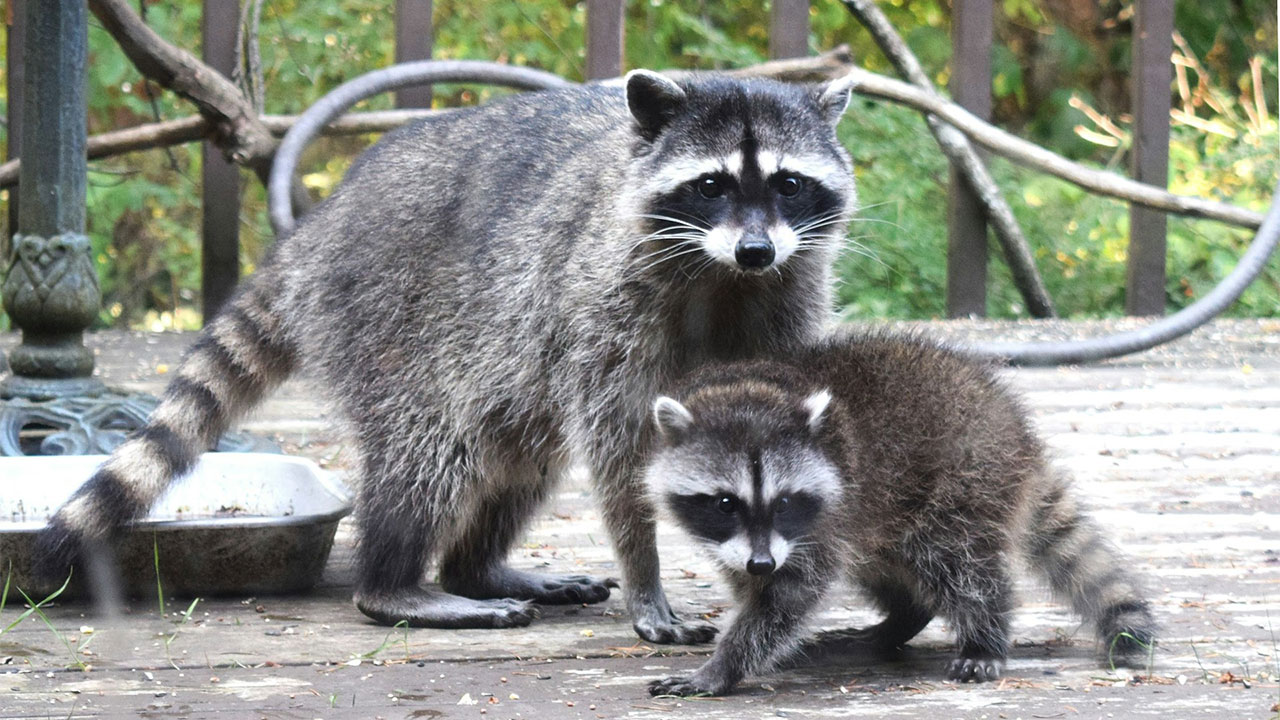
Raccoons are usually thought of as nuisance animals, but a female with kits can become surprisingly aggressive if somebody corners her or gets too close to the den. This happens around attics, sheds, crawl spaces, woodpiles, and old outbuildings more often than people think. Someone hears movement, starts poking around, and suddenly the “trash panda” they were laughing about is baring teeth and coming forward because babies are tucked in there.
What makes raccoons rough in this situation is that they are quick, strong, and very willing to defend tight quarters where they feel boxed in. A mother around kits is not in the mood for gentle relocation attempts by someone with no plan. If you find a den site, especially in a structure, the smart move is distance and caution. Baby season changes everything with raccoons, and the animal people think of as bold can get a whole lot bolder.
Foxes
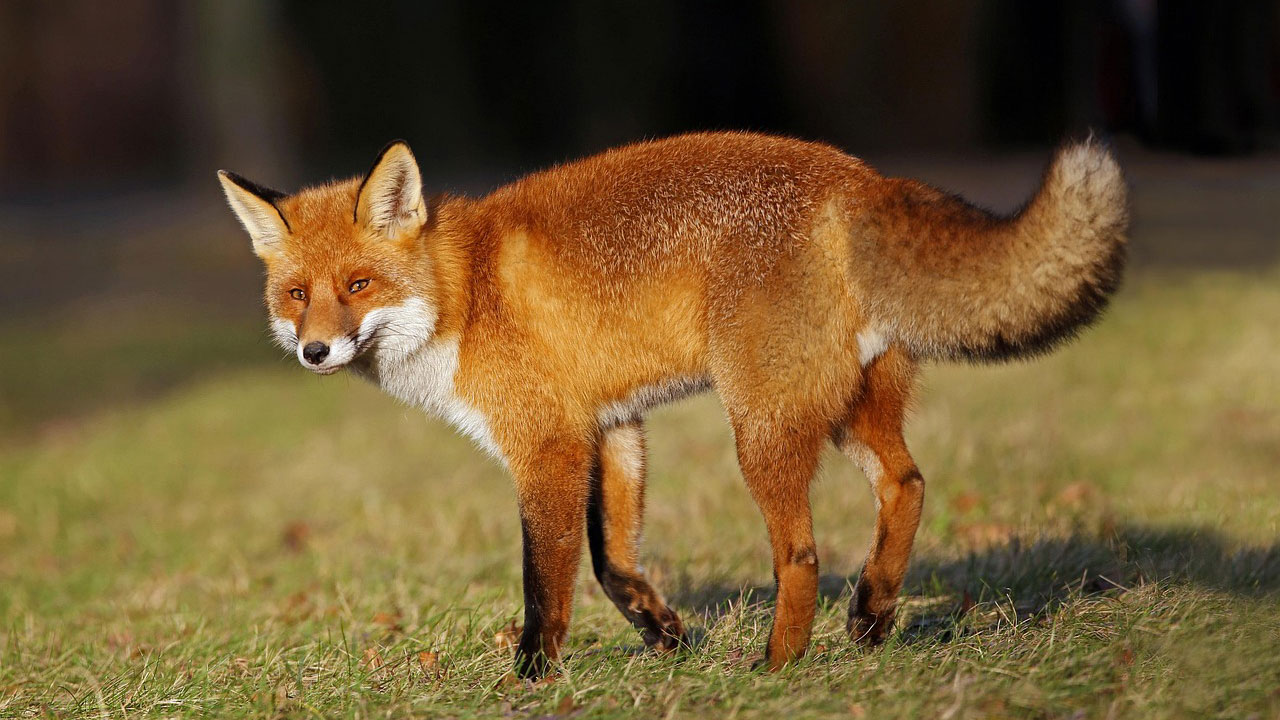
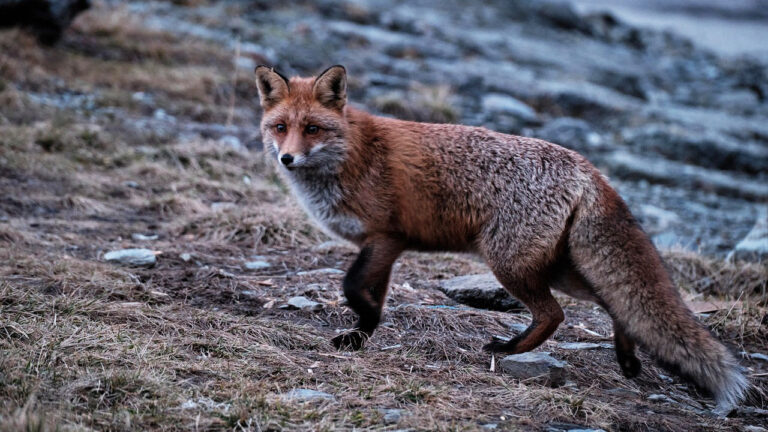
Foxes are usually quick to avoid people, but near a den with pups, they can act much differently. A vixen may bark, circle, rush a short distance, or hang around in a way that feels wrong compared to normal fox behavior. Most of the time she still wants you gone more than she wants a fight, but if you keep pressing into the den area, her tolerance can run out. Dogs are a major trigger here too, and that is often how these encounters happen.
The challenge is that fox den sites are often tucked into places people also use. Brushy field edges, old embankments, culverts, and rough corners of property can all hide pups. A person mowing, hiking, or checking fence lines may not realize why the fox is staying visible and acting agitated. If a fox seems unusually committed to your movement instead of just disappearing, there may be pups nearby. Take the hint and leave the area alone.
Like The Avid Outdoorsman’s content? Subscribe to our newsletter so you never miss an article.
Here’s more from us: