Photo credit: Weerachai Khamfu/Shutterstock.com
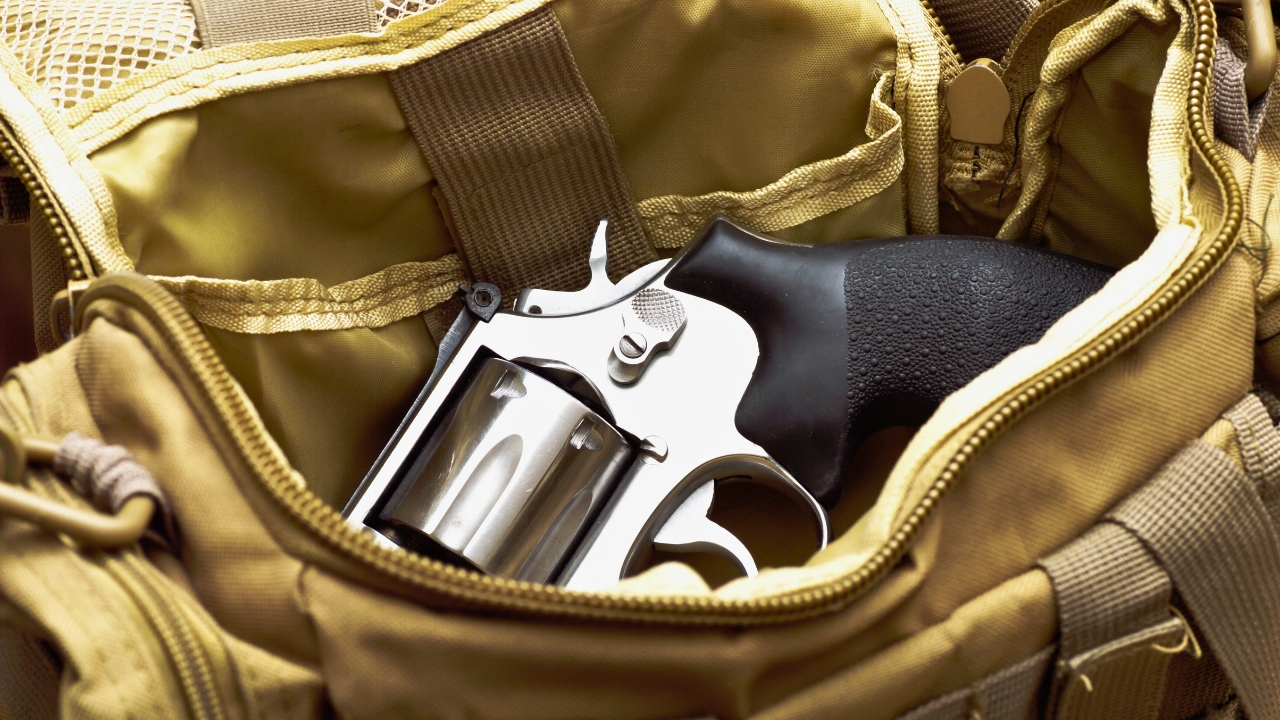
Off-body carry can sound convenient—tossing your pistol in a bag and heading out the door. But it’s not always that simple. There are real advantages to it, especially for folks who can’t or don’t want to carry on their waistband. At the same time, there are trade-offs that can’t be ignored.
Whether you’re considering a purse, backpack, sling, or fanny pack, here are the ups and downs of keeping your firearm off your body.
Pro: Easier to Carry Larger Guns

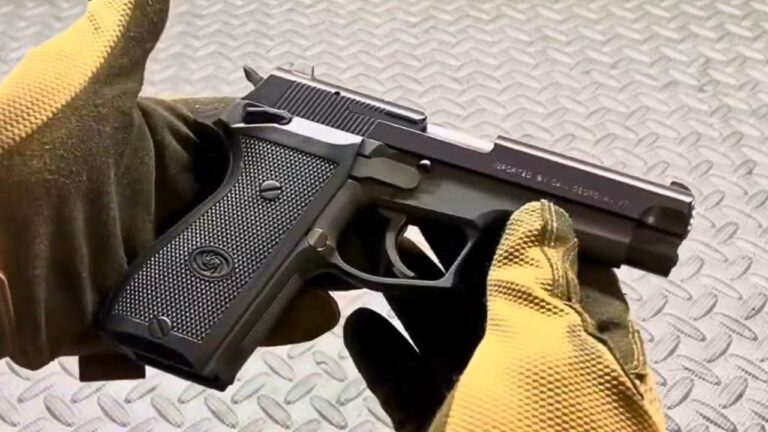
One of the big benefits is that you’re not limited to small guns. A full-size pistol fits in a bag much more comfortably than in your waistband. That means better capacity, longer sight radius, and less felt recoil.
If you want to carry something with more firepower or shootability, off-body makes room for that. You’re just not restricted by belt size or holster placement anymore.
Pro: More Comfortable for Daily Wear

Not everyone enjoys feeling a chunk of steel digging into their side all day. Off-body carry takes that discomfort off the table. You don’t have to adjust your belt, worry about printing, or sacrifice comfort when sitting or driving.
This is especially appealing during hot months when layering isn’t an option. You get to wear what you want without factoring in your carry setup.
Pro: Good Option for Certain Outfits

Let’s face it—some clothes just don’t work with concealed carry. Dresses, skirts, gym shorts, and fitted tops don’t play well with a traditional holster. Off-body gives you a way to stay armed without changing your wardrobe.
If you need to blend in or dress up, keeping your gun in a bag lets you adapt without sacrificing safety or preparedness.
Pro: Can Be More Discreet in Certain Settings

There are times when on-body carry draws too much attention. Off-body setups, like a plain-looking backpack or purse, can blend in without a second glance.
This is especially true in places where you’re legally allowed to carry but want to keep it low-key—think church, travel stops, or urban areas where people might be on edge about firearms.
Pro: Easier to Store Other Gear

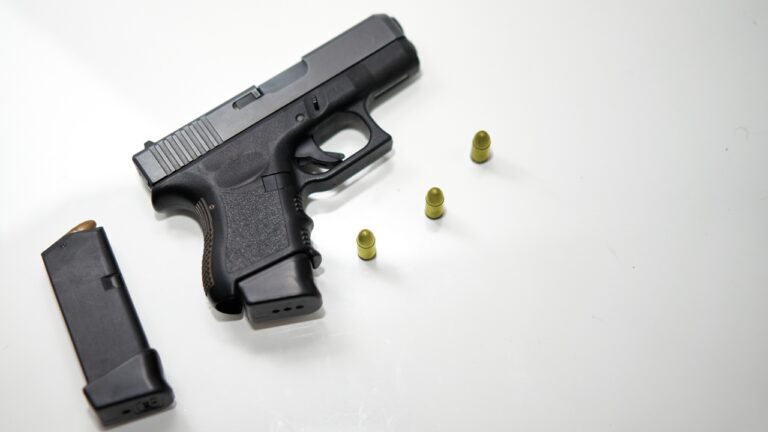
Carrying off-body means you can bring more than just your firearm. It’s a lot easier to include an extra mag, flashlight, tourniquet, or pepper spray when you’re not constrained by waistband real estate.
This opens the door to carrying a more complete self-defense setup, especially if you’re on the road or in unfamiliar areas.
Con: Slower Access to Your Gun

Getting to your firearm in a bag takes longer—especially under pressure. Zippers, buckles, and compartments all slow you down, and that delay could matter.
Unless you’ve practiced your draw from that specific bag, it’s not going to be as fast as a well-placed holster on your belt.
Con: Risk of Separation from Your Firearm

The biggest downside? Your gun isn’t always attached to you. If you set your bag down or someone grabs it, you’ve got a serious problem on your hands.
All it takes is one distracted moment at a restaurant or store for your firearm to be out of your control. That risk just isn’t there with on-body carry.
Con: More Opportunities for Unauthorized Access

Kids, coworkers, or strangers could potentially access your gun if it’s in a bag and not properly secured. Even well-meaning folks might rummage through your stuff without realizing what they’re reaching for.
Unless your off-body setup is locked down tight and always in your control, there’s a higher chance someone else might get their hands on it.
Con: Most Bags Aren’t Designed for It

Many people stick a gun in a regular purse or backpack and call it a day. Problem is, those bags weren’t built for safe firearm storage. There’s no retention, no dedicated pocket, and no protection against items bumping the trigger.
If you’re going to carry this way, you need a purpose-built bag—and even then, it takes discipline to use it safely.
Con: It Can Create a False Sense of Security

Just having your gun in a bag doesn’t mean you’re ready. Some folks think carrying off-body means they’re covered, but if they haven’t practiced their draw or kept their bag close, it’s just added weight.
Preparedness isn’t just about possession—it’s about accessibility and control. Without that, carrying might not help you when it counts.
*This article was developed with AI-powered tools and has been carefully reviewed by our editors.