Photo credit: Military Arms Channel/YouTube
“Rare” is one of the most abused words in the gun market. A seller sees an older serial range, a discontinued finish, a military stamp, or a model that has simply gotten harder to find locally, and suddenly the listing starts reading like you are one bid away from owning buried treasure. The problem is that true rarity is about production numbers, survival rate, condition, and configuration, not about somebody typing the word in all caps. Plenty of guns bring solid money now without being genuinely scarce.
If you collect long enough, you learn to separate “less common than last year” from truly rare. A firearm can be desirable, discontinued, or regionally hard to spot and still be a very common model overall. That is where buyers get burned. They pay collector prices for guns that were made in huge numbers, imported by the crate, or sold in every hardware store in the country for decades. These are the models sellers love to pitch as rare when the bigger picture says otherwise.
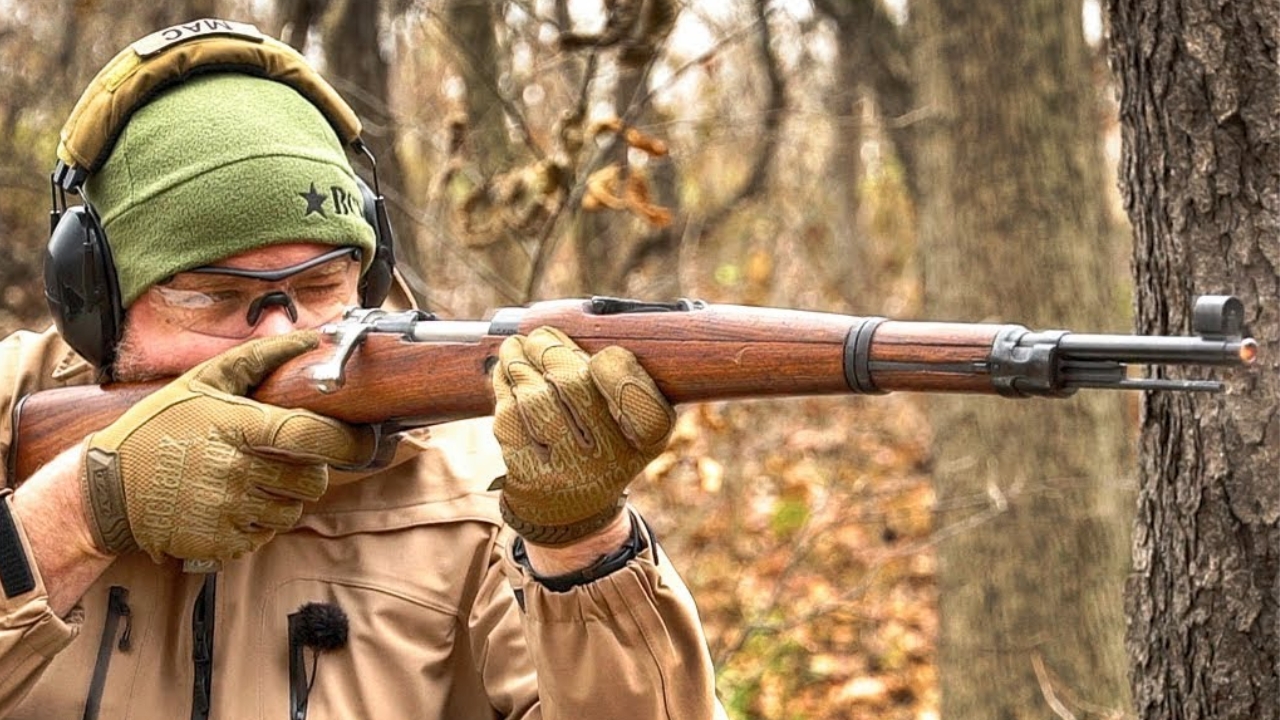
Mosin-Nagant 91/30

The standard 91/30 is one of the easiest rifles to overhype because age makes people sloppy. It is old, military, and tied to major wars, so sellers love to lean on that history and act like any random 91/30 is some scarce battlefield prize. The truth is a plain 91/30 is one of the most mass-produced bolt-action military rifles ever made, which is the opposite of rare.
That does not mean a 91/30 cannot be collectible. Snipers, unusual arsenals, matching examples in strong condition, and unusual wartime features can matter. But the average refurb with mixed wear and a common import mark is not some hidden jewel. It is a common surplus rifle with historic appeal. If a seller is calling a basic 91/30 “rare” without a very specific reason, you should slow down and start asking harder questions.
Chinese SKS Type 56
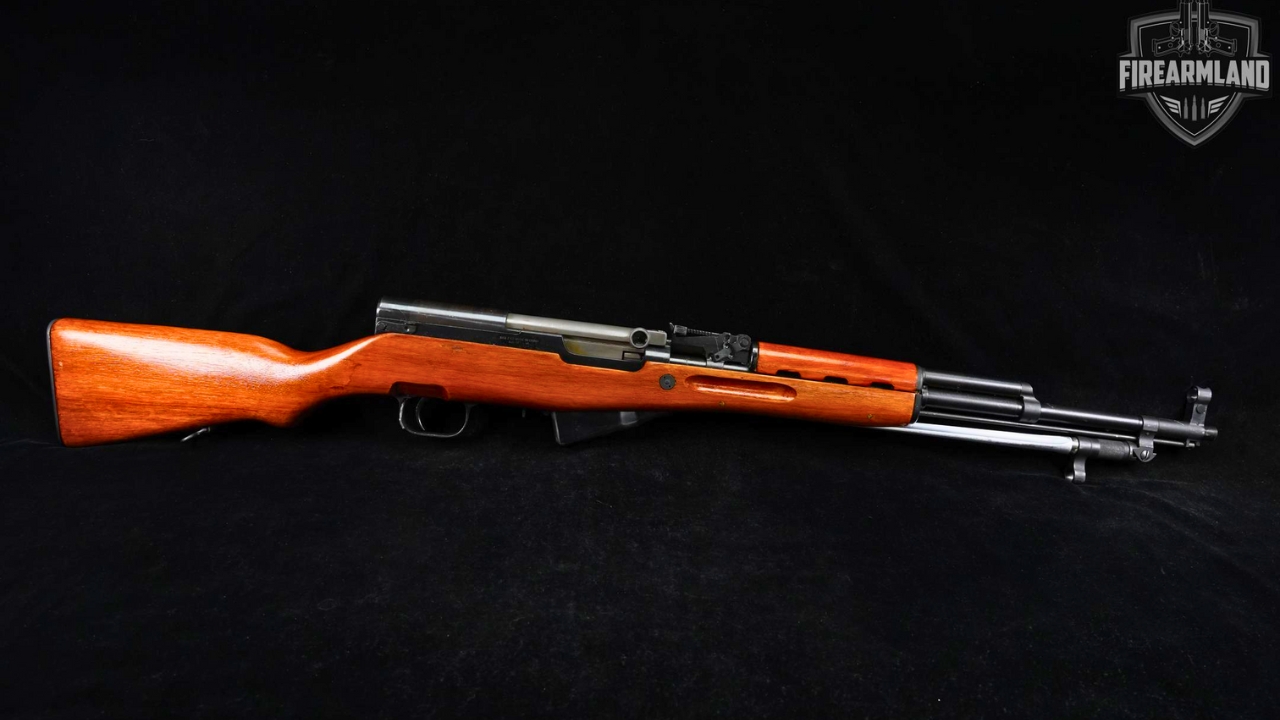
The Chinese Type 56 SKS gets pushed as rare all the time, usually by sellers hoping you confuse “not as cheap as it used to be” with “scarce.” That is a bad trade for the buyer. The SKS platform was produced in enormous numbers across multiple countries, and Chinese examples were imported into the U.S. in huge waves. A plain commercial or common military-pattern Chinese SKS is not rare by any honest definition.
Where people get tripped up is condition and timing. A clean one may be less common than it was years ago, and certain factory codes or bring-back examples can be more interesting. But that is not the same as saying the model itself is rare. Most of the time, a seller is leaning on the fact that buyers have not seen stacks of them lately. Scarcity in your local rack is not the same thing as true rarity in the collector world.
Winchester Model 94 standard carbine

A standard Winchester 94 in .30-30 gets marketed as rare constantly, especially if it has some age, honest wear, or a pre-safety look buyers tend to romanticize. The problem is that the basic Model 94 is one of the most successful sporting rifles ever made. Standard carbines were produced in massive numbers for generations, which means a regular shooter-grade example is far more common than sellers want you to believe.
That does not mean every Model 94 is ordinary. Special-order rifles, unusual chamberings, documented historical guns, and certain early configurations can be very different stories. But the plain deer rifle version that rode in closets and truck racks all over America is not rare just because it is old and has a saddle ring or faded blue. A common rifle with nostalgia attached to it is still a common rifle unless the details truly say otherwise.
Ruger 10/22 standard carbine

The standard Ruger 10/22 is another favorite for inflated language because it has become iconic enough that sellers assume buyers will stop thinking clearly. They see an older walnut-stock example or a first-year-style look and start throwing around “rare” like it costs nothing. The reality is that the 10/22 is one of the most successful rimfire rifles ever made, and the basic carbine version is about as common as popular .22 rifles get.
There are collectible corners in the 10/22 world, especially with unusual factory variants, short-run distributor models, and untouched early guns. But a regular used carbine with a little age is not rare simply because it predates the newest catalog. Sellers often rely on the fact that buyers know the rifle is respected and assume that respect must mean scarcity. It does not. Most of the time, it means you are looking at a very common rifle with a lot of loyal fans.
Remington 870 Wingmaster

The Remington 870, including many Wingmasters, gets pitched as rare whenever the finish looks nice and the wood has not been abused. That can sound convincing until you remember what the 870 actually is: one of the most popular pump shotguns in American history. A clean older Wingmaster may be nicer than what you usually see, but “nice” and “rare” are not the same word, no matter how often sellers try to make them interchangeable.
This is where condition gets used as a marketing shortcut. A sharp 870 is desirable, yes. But common production, common gauges, and common barrel lengths do not suddenly become scarce because the gun has shiny blue and crisp checkering. Truly unusual configurations exist, but the average 12-gauge Wingmaster is still an extremely common American shotgun. If a listing makes it sound like a basic 870 is some once-in-a-decade find, the seller is usually selling emotion more than rarity.
Smith & Wesson Model 10

The Smith & Wesson Model 10 gets overhyped because it looks old-school, carries police history, and often turns up with agency markings or service wear that makes buyers feel like they found something special. What they usually found is a very common revolver. The Model 10 is one of the most-produced handguns ever made, which means age alone does not make a standard example scarce.
Collectors absolutely care about certain barrel lengths, pre-model-number guns, factory oddities, and documented issue history. Those details can matter a lot. But the ordinary service revolver with common features is exactly that: ordinary in collector terms. Sellers often use “rare police revolver” because it sounds better than “common ex-duty .38.” If the gun is a routine Model 10 with nothing truly unusual going on, it deserves respect as a classic, not a fantasy label.
M1 Carbine
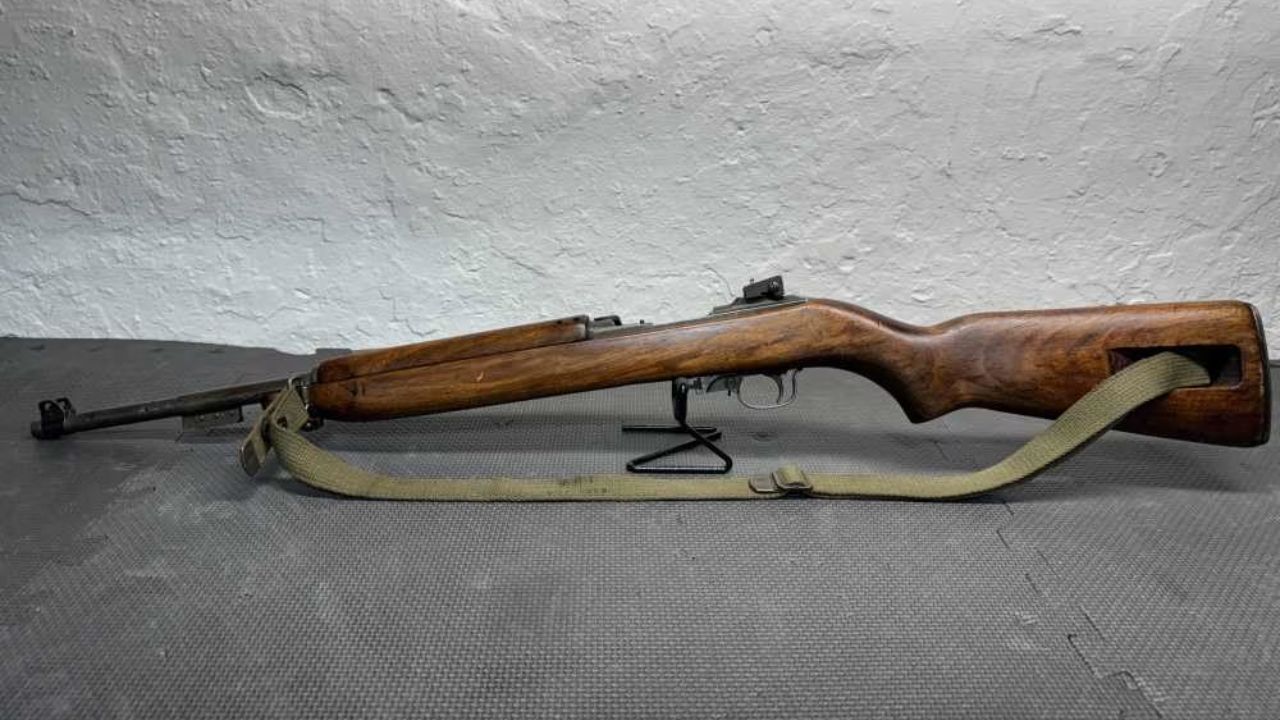
The M1 Carbine gets called rare all the time because it is military, collectible, and tied to World War II. That combination makes buyers drop their guard. But the model itself is not rare in broad terms. More than six million were made, and that sheer production scale matters. A plain, mixed-part shooter-grade carbine is interesting and historic, but it is not some scarce unicorn just because it wears U.S. markings.
Where the money really shifts is in the details: correct manufacturer parts, documented provenance, original finish, and truly high-condition examples. Those are different animals. The problem is that sellers often borrow the language that belongs to high-end collector carbines and paste it onto common rebuilt examples. If a standard Inland or mixed rebuild is being advertised like a rare military treasure, the seller is counting on you to confuse overall demand with actual rarity.
Marlin 336 in .30-30

The Marlin 336 in standard .30-30 trim gets treated like a rare prize whenever the lever-gun market gets hot. Sellers know buyers are emotional about older Marlins, especially with JM-stamped nostalgia attached, so they lean hard on scarcity language. The trouble is that the basic 336 is one of the most common lever-action deer rifles ever made. Popular does not become rare just because the price went up.
That does not mean all 336s should be priced the same. Condition, era, and certain chamberings can move the needle. But the standard .30-30 woods rifle that spent decades in camps across the country is still a very common gun. What changed is not its rarity. What changed is buyer demand and the fact that people miss older production quality. Sellers know that and often use “rare” as a shortcut to justify a premium that demand alone already explains.
Yugo M48 Mauser

The Yugo M48 gets sold as rare mostly because newer buyers do not see them stacked in stores the way older buyers once did. That creates the illusion that scarcity must be high. In reality, the M48 was a standard postwar military Mauser pattern rifle made in substantial numbers. It may not flood the market the way it once did, but a plain M48 is still not rare in the sense serious collectors use the term.
What sellers are really cashing in on is unfamiliarity. A buyer sees crest markings, military wood, and matching-looking parts and assumes the rifle must be special. Some examples are cleaner or more complete than others, but the basic model is still a common surplus Mauser variation. If you are paying extra because someone says “rare Yugoslav war rifle” without a specific feature to back that up, you are probably paying for wording, not for actual scarcity.
Walther P38 Russian capture
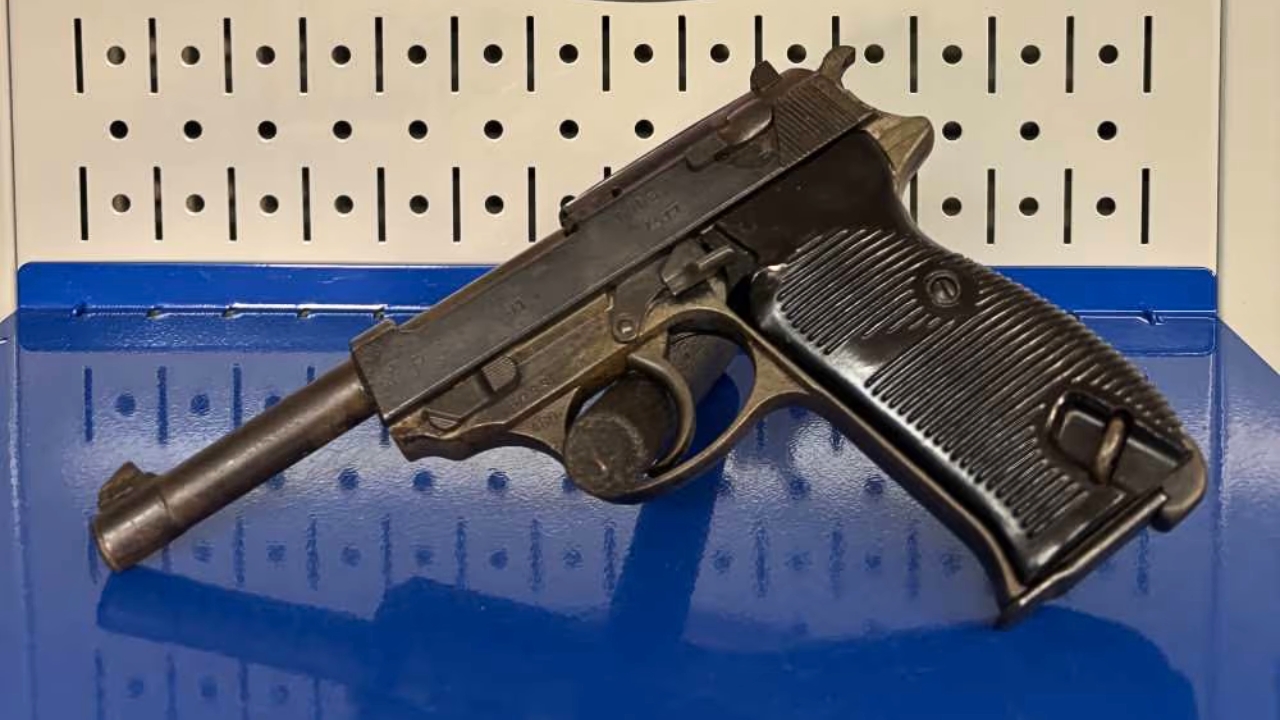
A Russian-capture P38 often gets dressed up in listings as if it were some scarce wartime prize, when in truth it is usually the opposite of a top-tier collector piece. It is still historically interesting, and it still attracts buyers who want a real German service pistol. But the average capture example, especially one with force-matched parts and obvious rework, is not rare simply because it served in a major war and came back through another country.
That distinction matters. A matching, original-condition wartime P38 with the right finish and markings can live in a very different price bracket. A Russian-capture gun is usually a more accessible route into the platform precisely because it is not that. Sellers love using the broader aura of “wartime Walther” to make a common reworked example sound scarcer than it is. If the gun is a typical capture, you should value it as a shooter-grade historic piece, not as a rare collectible.
Ruger Blackhawk standard models

The Ruger Blackhawk has enough age and brand loyalty behind it that sellers regularly try to turn ordinary examples into “rare old Rugers.” That can sound plausible to newer buyers because the gun is well respected and some early variants truly do matter. But the standard Blackhawk, in common barrel lengths and common calibers, was produced in large numbers and sold widely. A routine old single-action Ruger is not automatically rare.
This is where partial truth becomes sales language. Yes, some Blackhawks deserve collector attention, especially specific flattops, early three-screw variations, or unusual chamberings in strong condition. But the average used Blackhawk that has simply been around a while is usually a common working revolver with market value, not a scarce prize. Sellers often count on the buyer knowing just enough to recognize the name but not enough to separate truly collectible subtypes from regular production guns.
Glock 19 early generations

An older Glock 19 gets called rare more often than it should, usually because the seller knows “early Glock” sounds more interesting than “used police-era compact.” Some early production details do have collector appeal, especially to Glock-specific buyers. But the standard early-generation Glock 19 is not rare in any broad market sense. It is one of the most common successful compact pistols of the modern era.
The trick here is that people confuse age with scarcity. A first- or second-generation Glock can be less common than a brand-new Gen5 on the shelf today, but “less common right now” is still not the same thing as genuinely rare. Unless the pistol has a specific, documented, low-production feature or factory oddity, most of what you are seeing is a common model wearing nostalgia. The seller is usually leaning on the fact that “older Glock” sounds special to buyers who have not been around them long.
Remington 700 BDL in common calibers

The Remington 700 BDL gets inflated constantly by sellers who know older bolt guns now trigger nostalgia and quality debates. A clean walnut-and-blue 700 from the right era can absolutely be desirable. But the ordinary BDL in common chamberings like .30-06 or .270 was a mainstream American hunting rifle sold in huge numbers. A standard example is not rare just because it looks nicer than current budget rifles.
What people are really paying for in many cases is a blend of older styling, smoother fit, and the feeling that they are buying from a different manufacturing era. That is a real market force, but it is not rarity. Truly unusual chamberings, special-order variants, and exceptional condition can change the math. The average deer-rifle BDL cannot. If a seller uses “rare” to describe a common-caliber BDL with ordinary features, they are usually selling atmosphere more than hard collector reality.
Savage 110 sporters

The Savage 110 family has been around long enough that sellers sometimes try to make older sporters sound much scarcer than they are. They lean on phrases like “hard to find” or “rare old long-action Savage,” hoping the buyer mistakes lack of buzz for actual rarity. But standard 110 sporters in common hunting chamberings were working rifles built to sell in volume, not boutique guns made in tiny batches.
That does not mean they are worthless. Far from it. Many are solid hunting rifles, and some older examples have a loyal following because they still do what they were built to do. But a regular 110 with standard features is not rare simply because it is not the current catalog darling. Sellers often use the fact that the rifle is underappreciated to imply it must also be scarce. Those are very different things, and a smart buyer keeps them separate.
Norinco MAK-90

The MAK-90 is a classic example of a gun becoming more expensive and being mislabeled rare because of it. Import changes, shifting laws, and stronger demand have all made them more desirable than they once were, and sellers know that. What they often hope you forget is that MAK-90s were imported in large numbers. A standard thumbhole-stock example is not some ultra-scarce AK artifact simply because the market has tightened.
This is where buyers get caught by legal context. A gun can be more limited in future supply without being genuinely rare in total numbers already in circulation. The MAK-90 is a perfect case. It is an imported rifle with real appeal, but the standard examples are common enough that “rare” is usually lazy language unless something highly specific is going on. Most of the time, the seller is describing current demand and scarcity of importability, not actual scarcity of the gun itself.
Luger P08 mismatched shooter grades

A Luger can make people stop thinking clearly the second they see it, and sellers know that. The shape, the history, and the name do a lot of heavy lifting. That is why mismatched, refinished, or otherwise ordinary shooter-grade Lugers get hyped as rare far more often than they should. Yes, the platform is collectible. No, that does not mean every beat-up or mixed-number Luger belongs in the rare category.
True Luger value lives in condition, matching numbers, originality, and specific military or contract details. Once those things are gone, the pistol is still interesting, but it is not automatically scarce in collector terms. Sellers love borrowing prestige from the best Lugers and applying it to average ones. That is how a basic shooter-grade example gets pushed as something far more unusual than it really is. With Lugers especially, the details are the whole story, not the silhouette alone.
Like The Avid Outdoorsman’s content? Subscribe to our newsletter so you never miss an article.
Here’s more from us: