
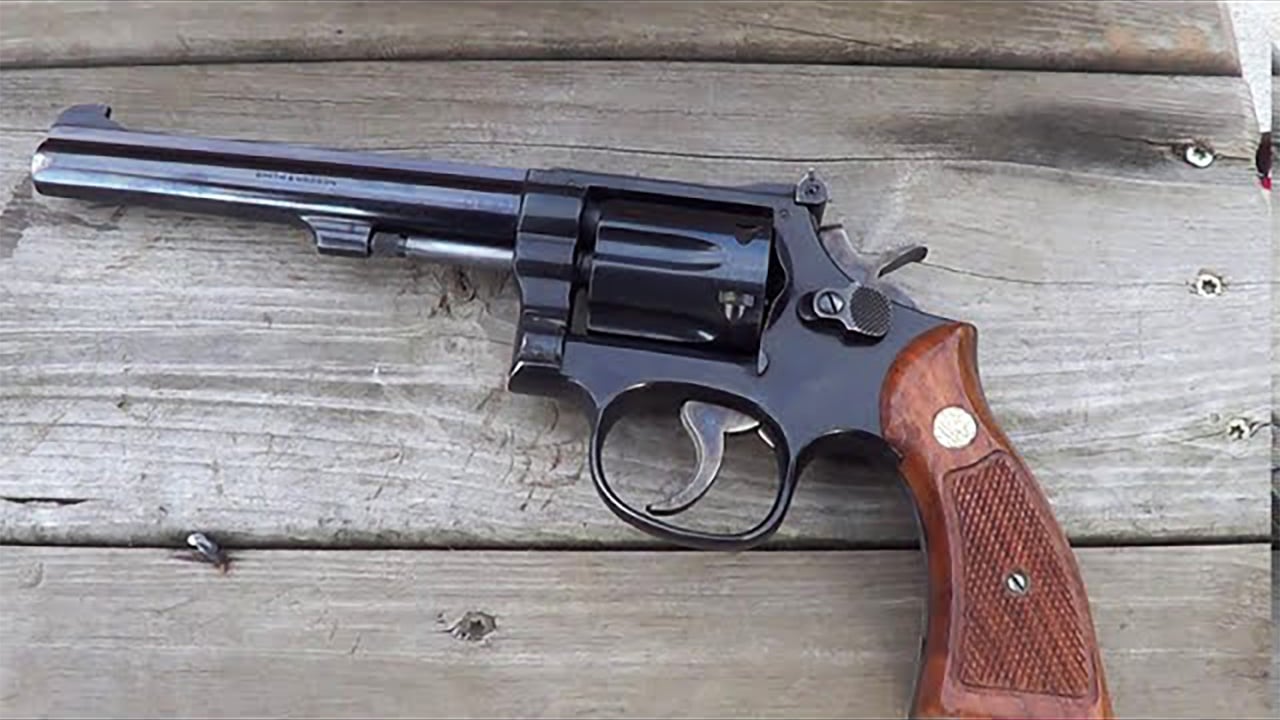
Photo credit: 1957Shep/Youtube
There’s a funny thing about revolvers. The guys who are actually paying attention usually aren’t the ones posting “look what I scored” photos every weekend. They’re the ones who pick one up at a gun show, roll the cylinder, check the timing, and set it back down like they’re not impressed. Then they circle back later and quietly make an offer.
This isn’t about safe-queen hype or internet “grail gun” talk. It’s about the wheelguns that keep getting harder to replace in clean condition, the ones with actions you can feel through the grips, and the models that still make sense for hunting, woods walking, ranch carry, or just plain ownership pride. Here are 20 revolvers that serious collectors keep an eye on—usually without making a big deal about it.
1. Colt Python (Royal Blue, older production)
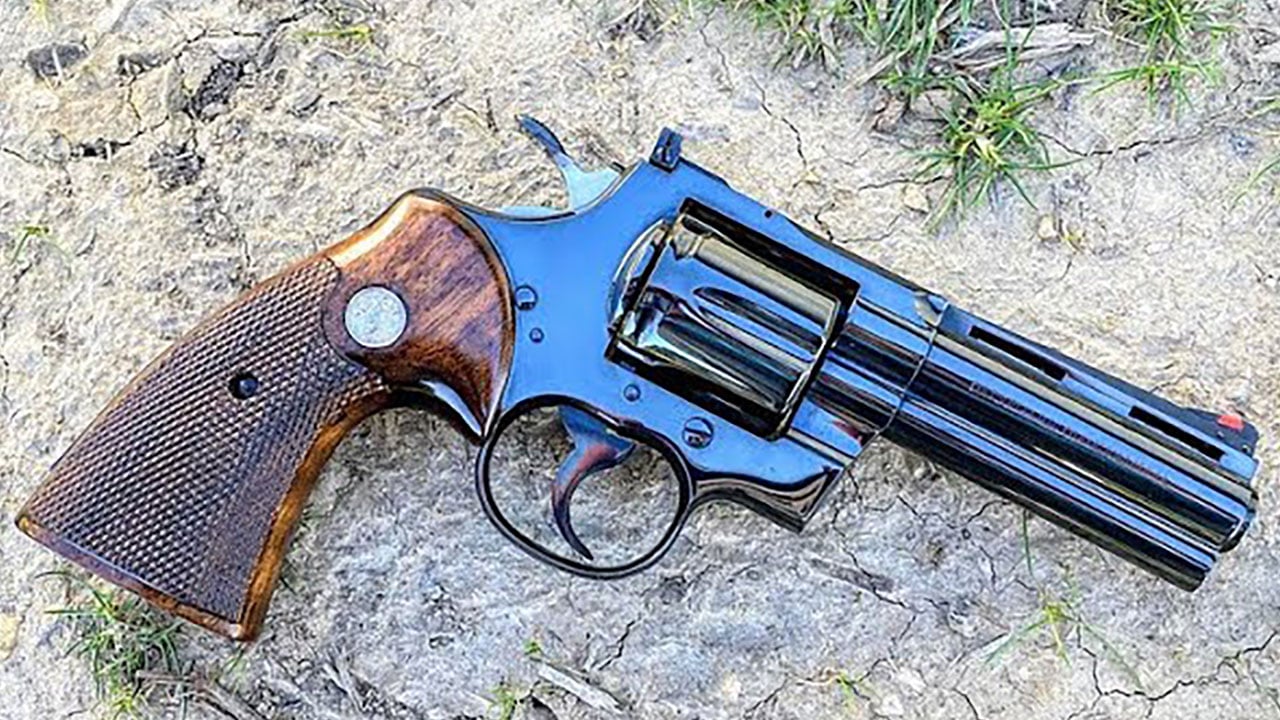
If you’ve ever handled an older Python with a smooth action and deep blue finish, you understand why folks go quiet around them. The new production guns are fine, but the older ones have a feel that’s hard to fake. The polish, the fit, the way the cylinder locks up—it’s a different era.
They’re also magnets for “improvements,” and that’s where value goes to die. Once a clean example gets reblued, ported, or wears questionable grips, it might still be a great shooter, but the collector crowd is already backing away. The ones people are watching are honest, original guns with sharp edges and no excuses.
2. Colt Detective Special (early, blued, snub)

This is one of those revolvers that carried a lot and got shot a little, which means truly clean ones don’t just appear every day. It points like a proper snub should, and it’s got that old Colt charm in the trigger pull that feels “stacky” in a good way.
What makes collectors perk up is originality: correct grips, intact finish, no amateur gunsmith “timing fixes.” It’s not the lightest snub out there, but it rides in a coat pocket or a tackle bag like it belongs there.
3. Colt Diamondback (2.5-inch and 4-inch)
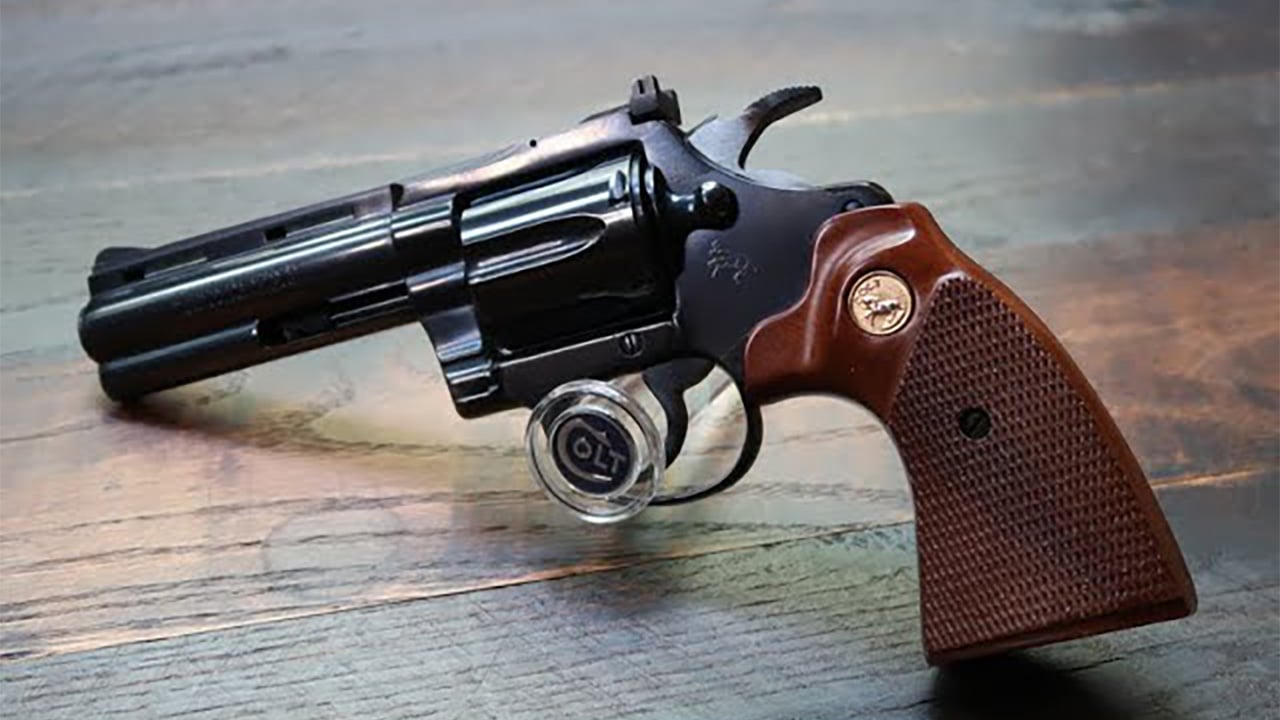
The Diamondback is one of those guns that makes you wonder why you ever thought a small-frame revolver needed to be bland. They balance well, the sights are usable, and the finish—when it hasn’t been loved to death—still turns heads.
Prices have been creeping for years, and the reason is simple: they don’t make them like that anymore, and the pool of clean ones keeps shrinking. A Diamondback with sharp checkering and no weird wear marks gets attention from guys who pretend they’re “just looking.”
4. Smith & Wesson Model 27 (pinned & recessed)
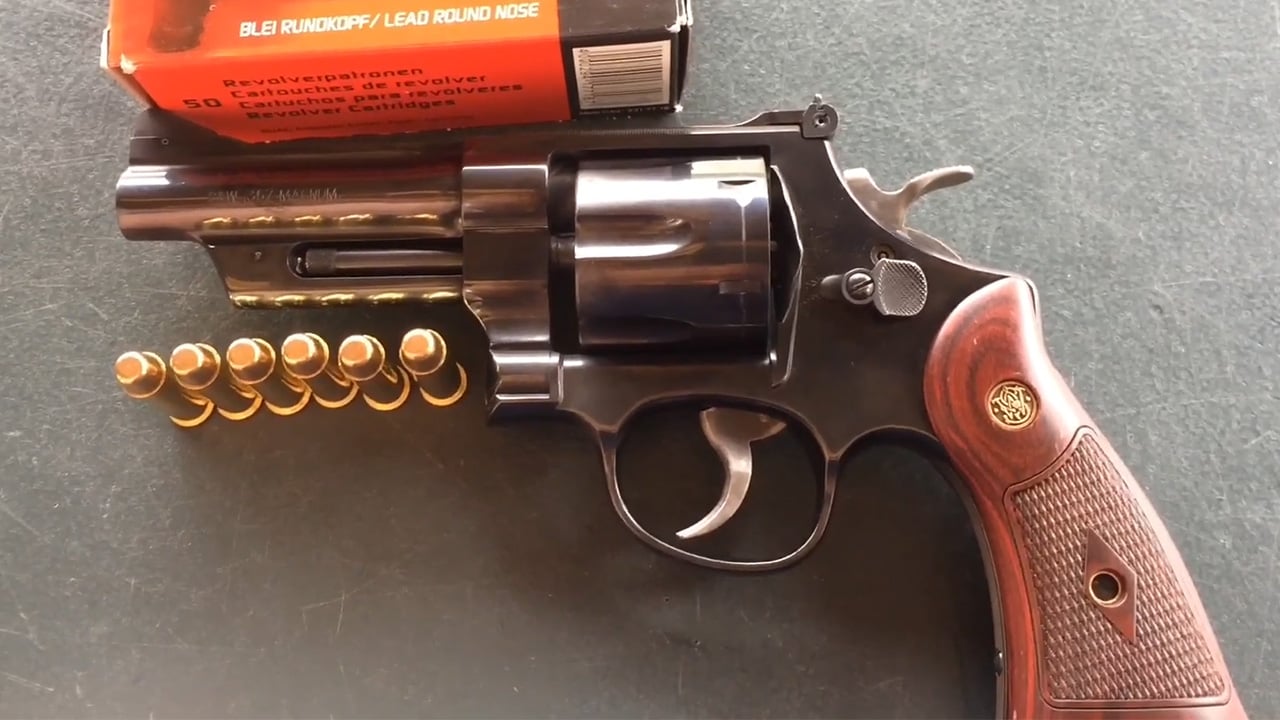
The Model 27 is what happens when somebody builds a .357 like it matters. It’s big, yes, but it’s also smooth, accurate, and classy without trying. The older pinned-and-recessed guns have that classic S&W feel where everything seems to glide.
Collectors look for original finishes and correct parts, but shooters love them too. If you want a revolver that feels at home in a leather holster on a cold morning and also prints tight groups, this one keeps showing up on the “don’t sell it” list.
5. Smith & Wesson Model 19 (Combat Magnum)
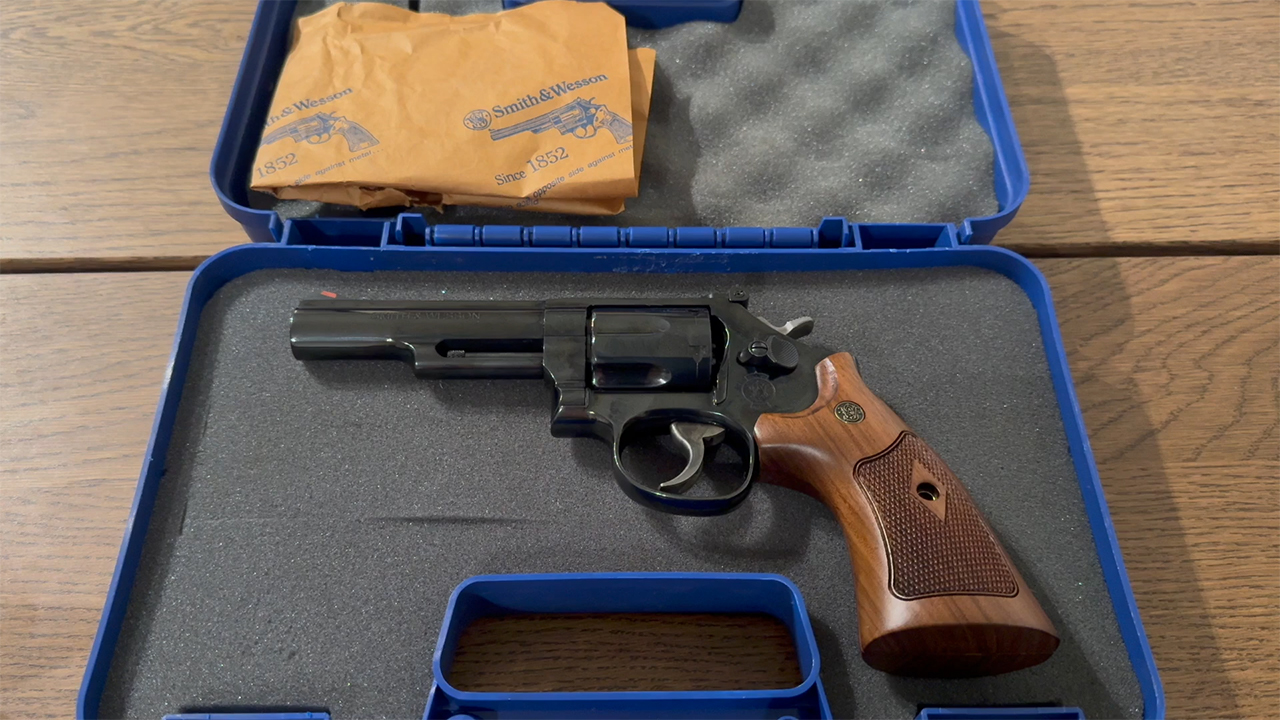
This is the .357 that a lot of outdoorsmen actually carried, not just talked about. It’s lighter than an N-frame, it carries well, and it has that K-frame balance that makes you shoot better than you probably deserve.
There’s always debate about heavy magnum diets in these, and I get it. Still, collectors aren’t hunting the ones that lived on full-power loads. They’re watching for clean Model 19s with honest use, good timing, and no signs of being run hard and put away wet.
6. Smith & Wesson Model 66 (no-lock, early stainless)
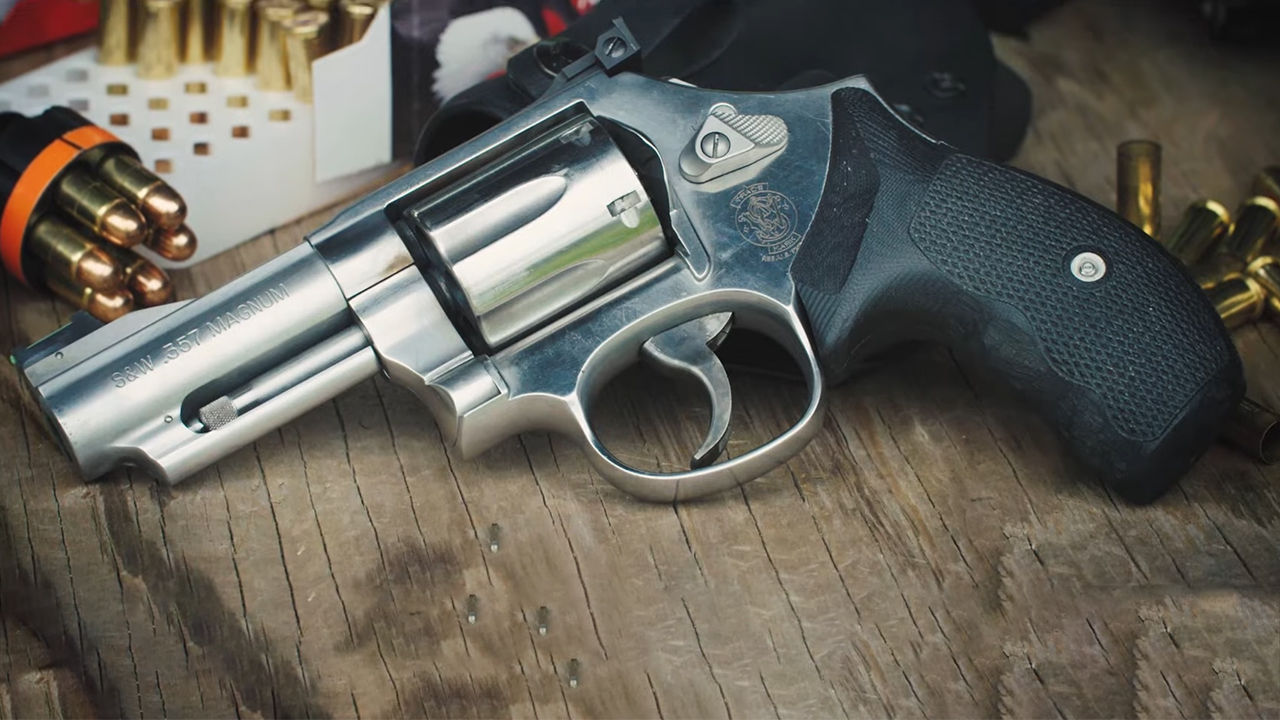
Take the Model 19 idea, make it stainless, and you’ve got a revolver that lives well in humid summers and rainy seasons. The older no-lock Model 66 guns are the ones guys grab for “woods gun” duty because they don’t make you baby them.
The collector angle is simple: early production, clean lines, and that classic S&W action. A beat-up one is still useful. A clean one is getting tougher to find every year.
7. Smith & Wesson Model 586 (pre-lock, L-frame)
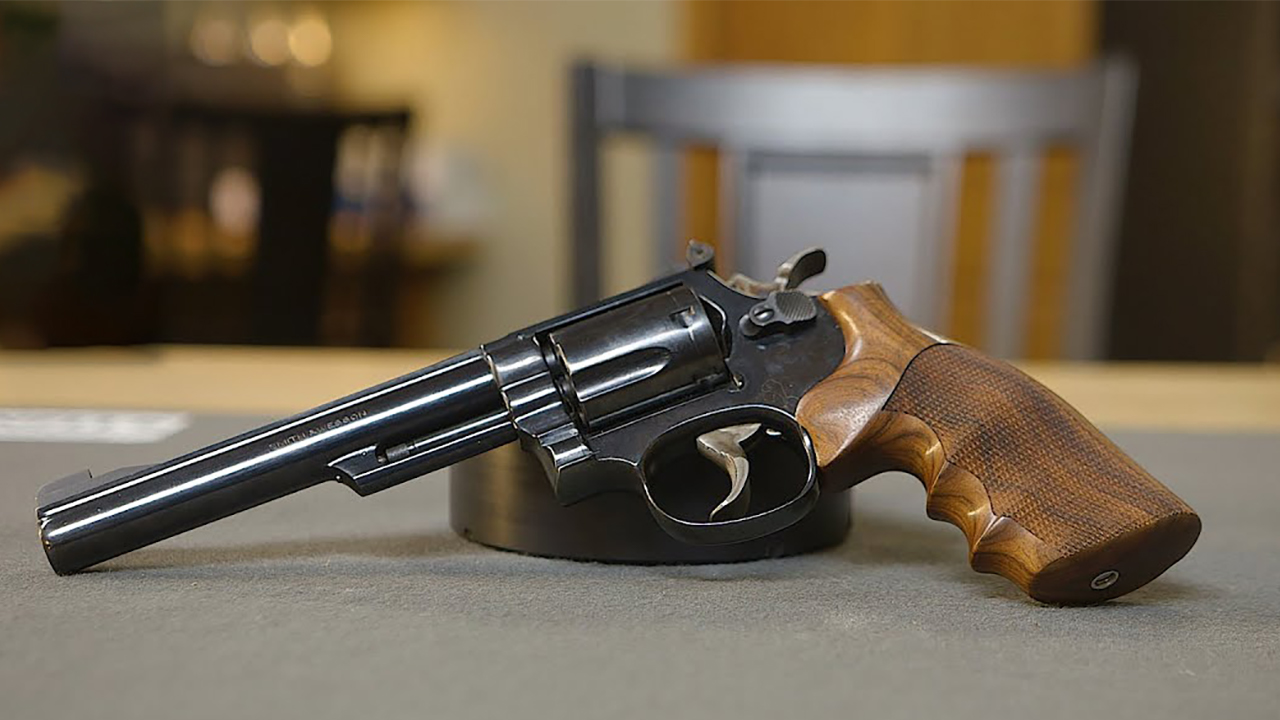
The L-frame solved a real problem: giving you a .357 that can take more serious use than the K-frames without turning into a boat anchor. The 586 carries like a working gun and shoots like a range gun.
The ones being watched are clean pre-lock examples, especially with the longer barrels. A lot of these got used for duty, competition, or “one gun for everything,” so condition matters. When you find one that hasn’t been tinkered with, it’s worth a closer look.
8. Smith & Wesson Model 686 (no-lock, 3-inch and 4-inch)

The 686 is boring in the best way. It works. It’s accurate. It shrugs off weather. The 3-inch version in particular has a following because it balances so well and carries easier than you’d think.
Collectors aren’t just chasing “any 686.” They’re watching for the right variations in the right condition—no-lock, clean crown, tight lockup, no sideplate screwdriver scars. The little details matter when you’re paying real money.
9. Smith & Wesson Model 29 (pinned & recessed .44 Magnum)
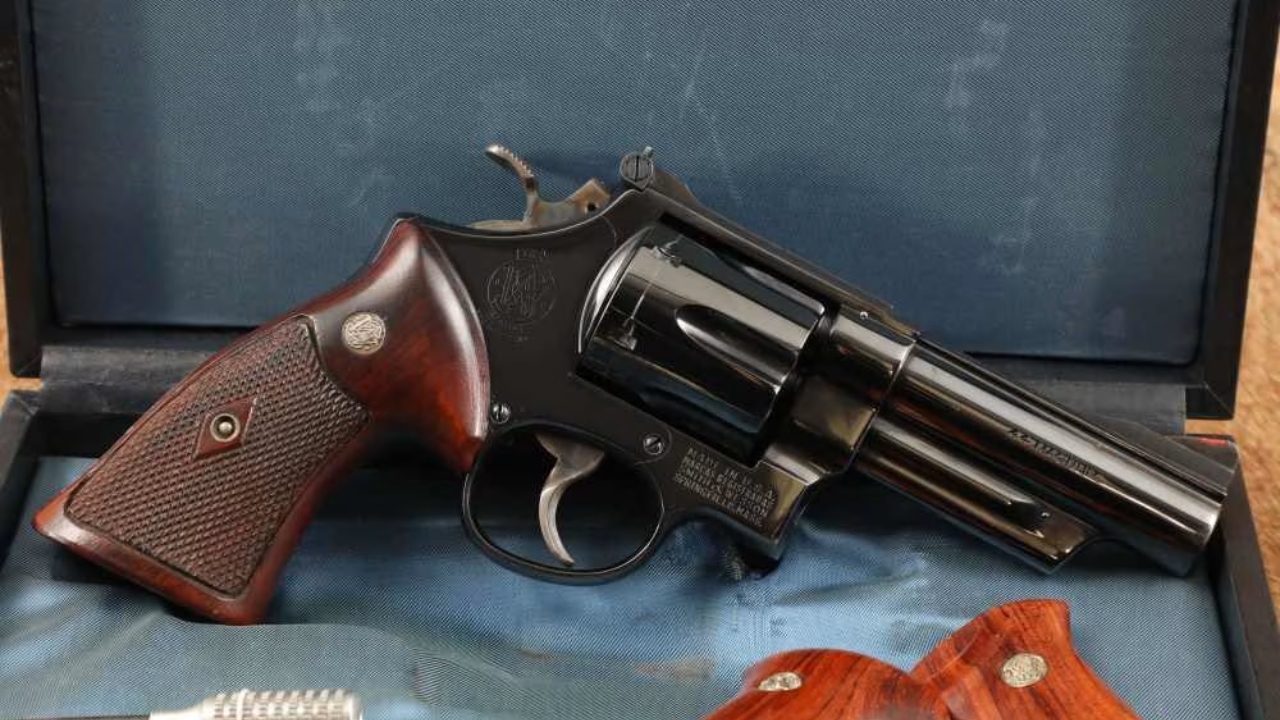
This one has been famous forever, but fame doesn’t keep prices from rising when supply dries up. The older Model 29s with nice bluing and correct parts have a draw you can’t explain to someone who only shops polymer.
Most guys don’t shoot full-house loads all day, and that’s fine. As a hunting revolver or a “because I can” revolver, the 29 still holds the crown. Collectors want the clean, un-messed-with examples, not the ones that got drilled, ported, or “customized” into sadness.
10. Smith & Wesson Model 24 (classic .44 Special)
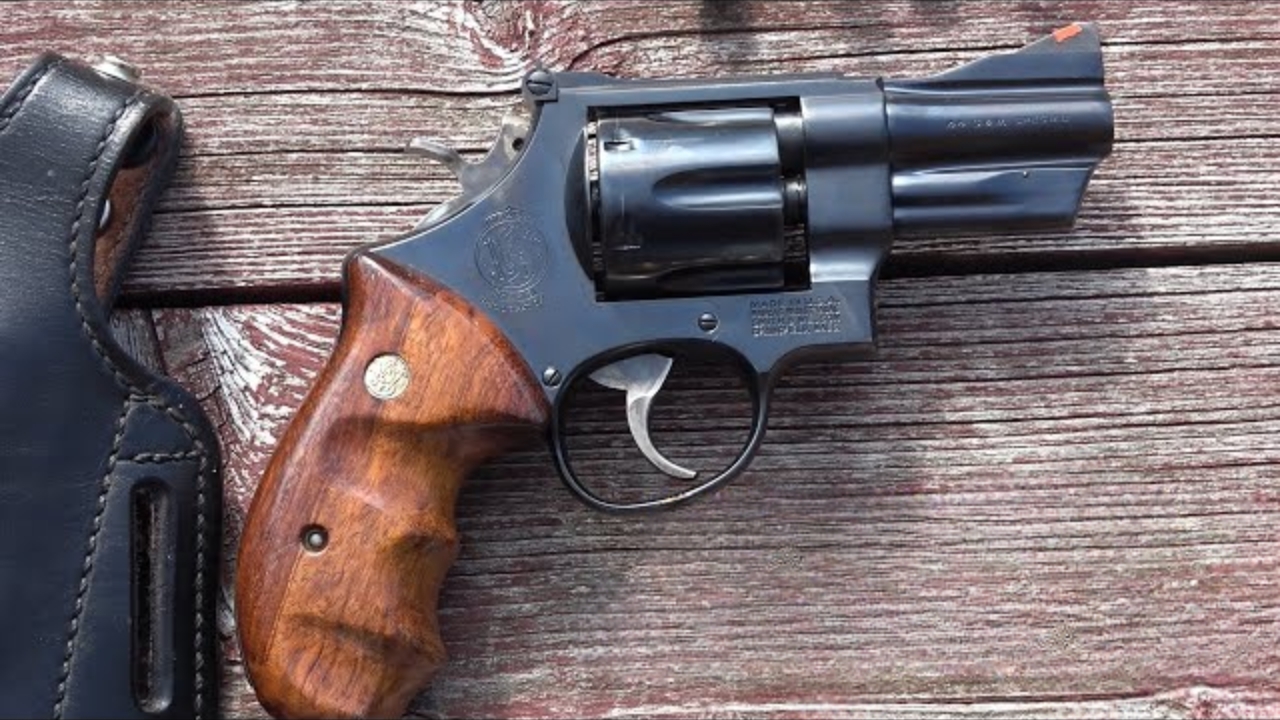
The .44 Special crowd is usually pretty calm, but hand them a Model 24 and watch them get protective. It’s a sweet-shooting revolver with a cartridge that does real work without the blast and drama of a .44 Magnum.
Clean Model 24s don’t sit long when they show up. They’re also the kind of revolver a guy buys, shoots a little, then quietly decides it’s never leaving. There is nothing fancy about that logic, and that is kind of the point.
11. Smith & Wesson Model 25 (in .45 Colt or .45 ACP)
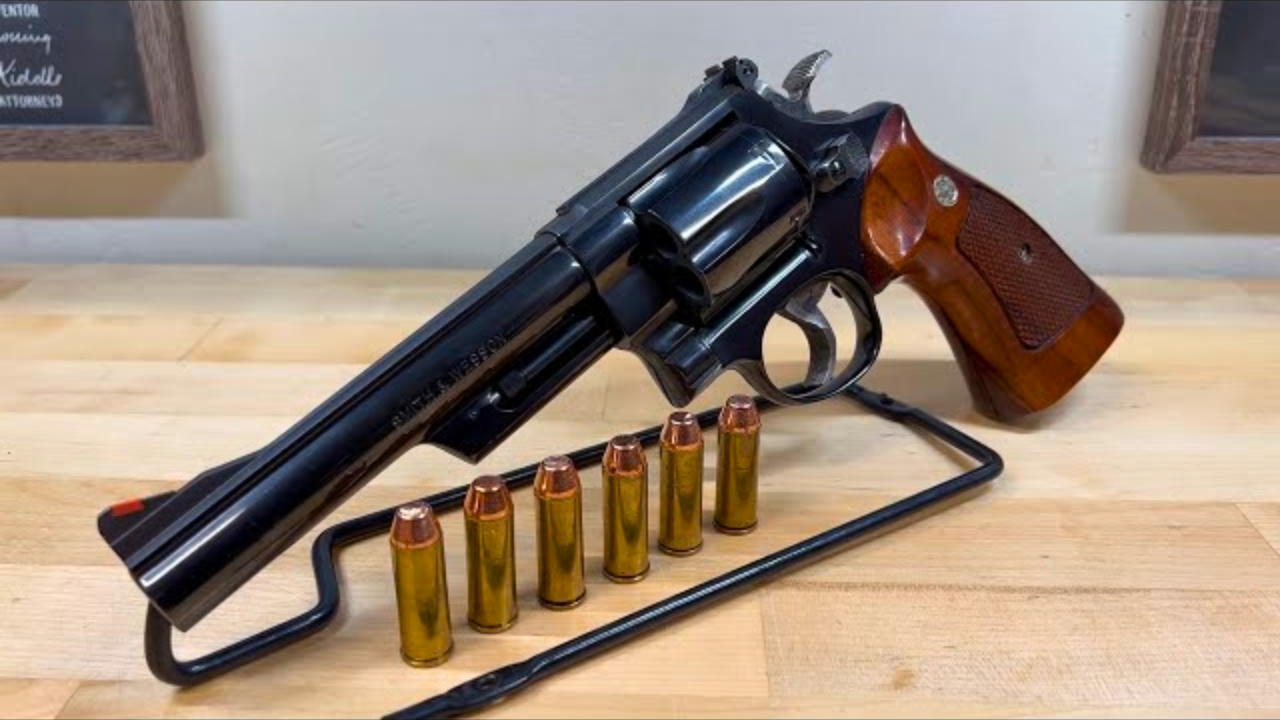
Big-bore N-frames have a way of making you slow down and shoot right. The Model 25 in .45 Colt especially hits a sweet spot for outdoorsmen who like a heavy bullet without chasing maximum pressure.
Collectors are watching for original guns that haven’t been “cowboy tuned” by somebody with a file and optimism. A correct, clean Model 25 is a lifetime revolver. They’re not rare in the sense of “unobtainable,” but the nice ones are getting harder to stumble into.
12. Ruger Blackhawk (Old Model, three-screw)
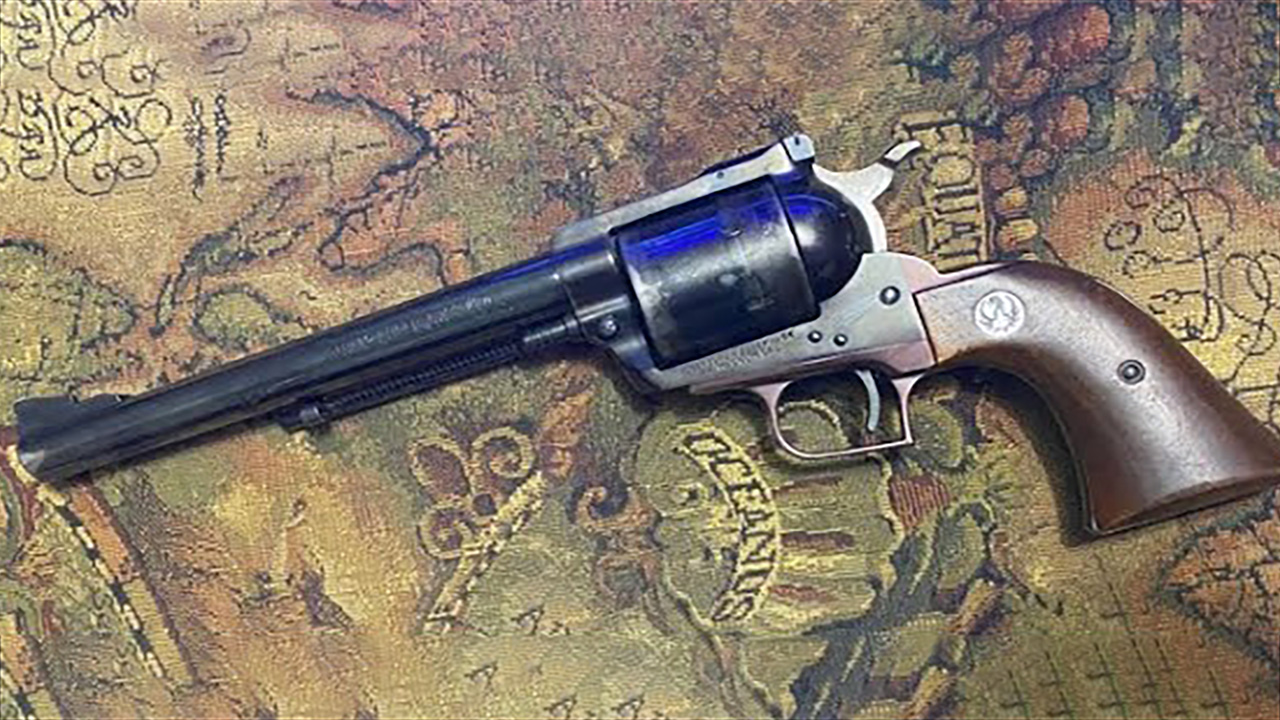
The three-screw Blackhawks are a whole category of their own. They feel like working guns, and they’ve got that old-school single-action vibe without being fragile. The actions feel different, and collectors absolutely notice.
You’ll see a lot of them converted with the transfer bar safety. Nothing wrong with that for a shooter, but the unconverted guns with their original parts and correct condition get the quiet attention. If you know, you know.
13. Ruger Super Blackhawk (early .44 Magnum)
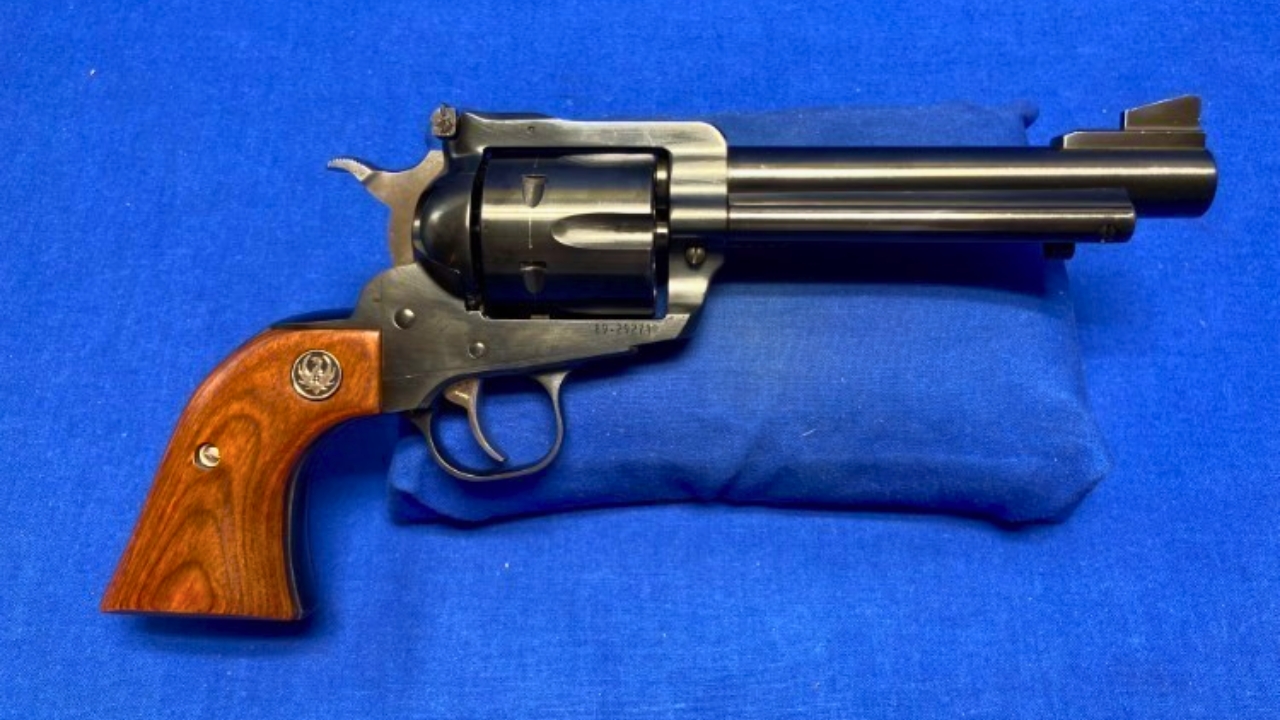
This one is pure hunting camp. Long barrel, big frame, and enough weight to make .44 Magnum manageable if you do your part. It’s not a belt gun for everybody, but if you’ve ever watched a whitetail tip over from a well-placed revolver shot, you get it.
Collectors like early examples and clean, honest guns. A Super Blackhawk with beat-up screws and a swapped sight still hunts. A clean one with crisp markings is the one guys keep tracking from table to table.
14. Ruger Security-Six (and Speed-Six)

Before the GP100 took over, the Six series was Ruger’s tough, no-nonsense answer to duty revolvers. They’re not glamorous, but they’re strong, they shoot well, and they carry better than a lot of folks expect.
What’s happening now is simple: the supply of clean ones is thinning out, and more people have figured out they’re excellent working revolvers. If you find one that hasn’t been abused, it’s a smart buy even if you never call yourself a “collector.”
15. Ruger GP100 (early production, 3-inch)

The GP100 is a tank, and some folks don’t like tanks until they shoot hot .357s and realize their hands still work afterward. The 3-inch version is the sweet spot for carry and balance, especially as a trail gun.
Collectors aren’t worshipping these, but they are watching the clean early guns because they’re becoming the “classic Ruger” now. The moment a gun goes from “common” to “hard to find unmodified,” prices climb. Ask me how I know.
16. Dan Wesson Model 15 (.357 with interchangeable barrels)
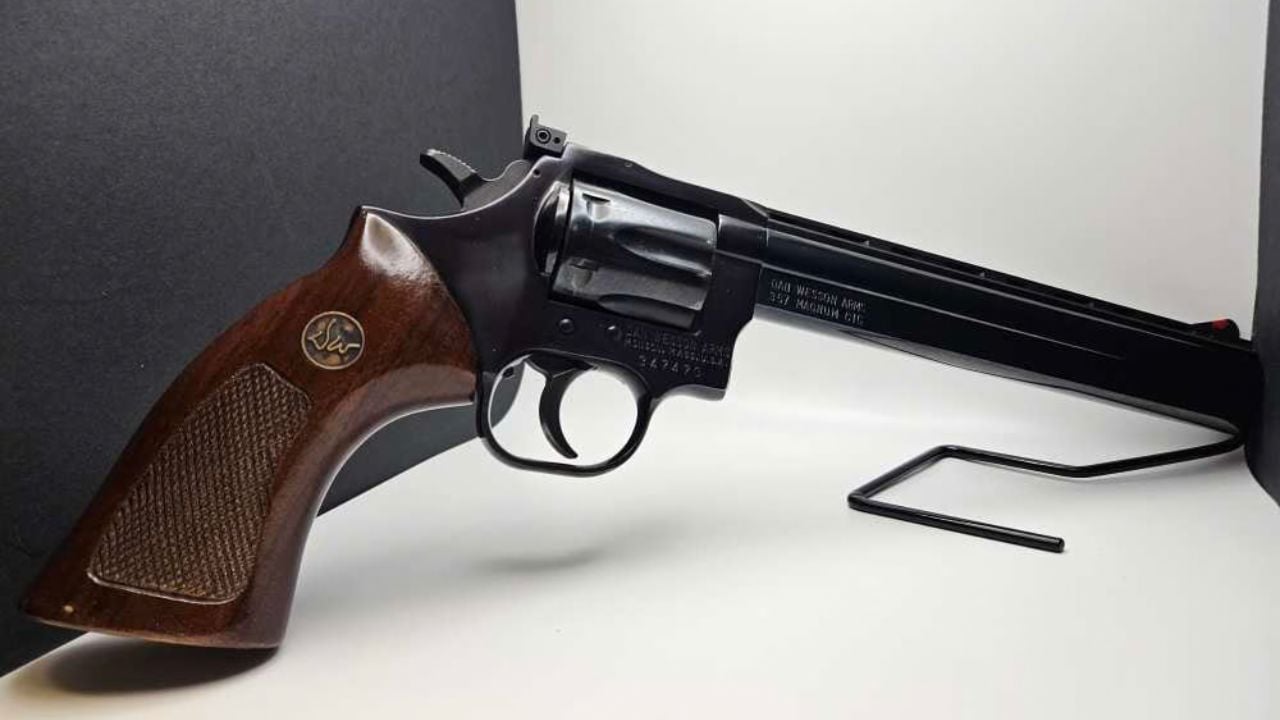
Dan Wesson revolvers have always been a little bit of an insider’s game. The interchangeable barrel setup is practical, but it also means a lot of these got mixed-and-matched over the years. The good ones shoot extremely well, and the heavy barrel options tame recoil like a champ.
Collectors want complete packages with correct shrouds, tools, and cases, but even a plain example in good shape draws attention. They’re one of those revolvers you don’t fully appreciate until you put one on paper and realize it’s punching cleaner holes than you expected.
17. Colt Anaconda (older production)
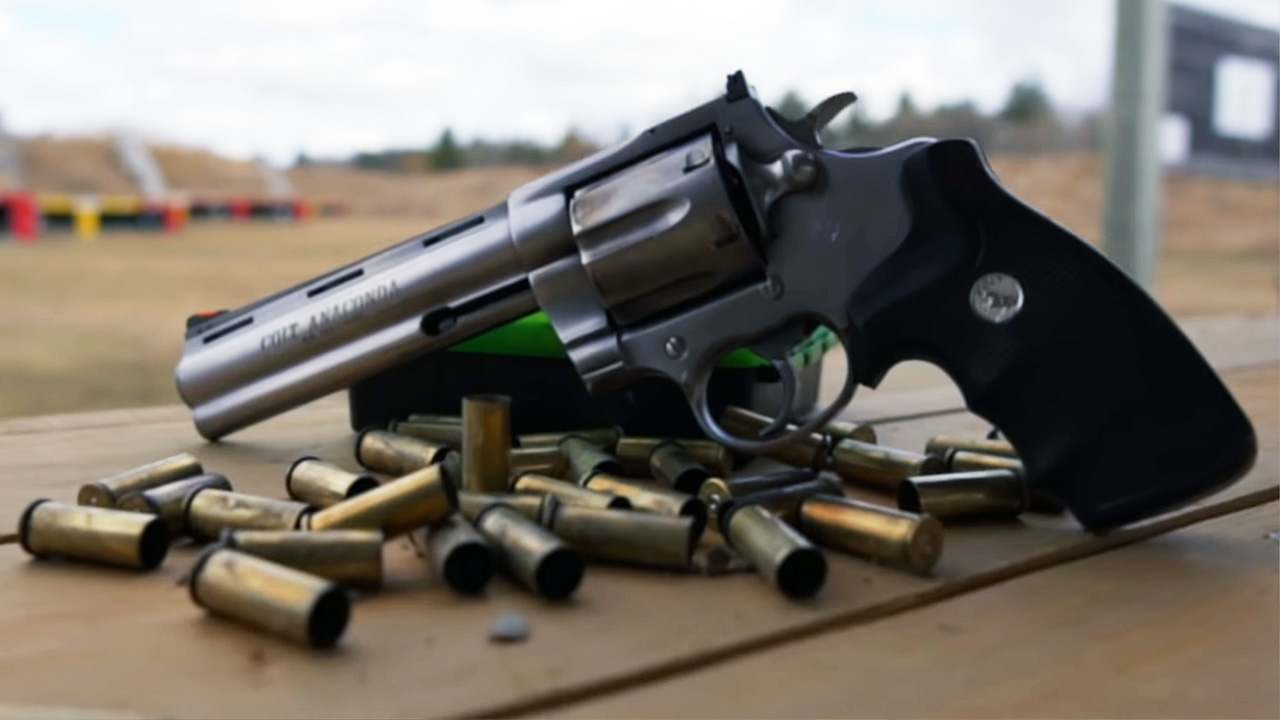
The Anaconda is big, strong, and not shy about it. Older ones in good shape are getting watched because they fill that “serious .44” slot with Colt fit and finish that a lot of folks still crave.
Like the Python, “clean and original” is the name of the game. The Anaconda isn’t a pocket gun, and it’s not for everybody. Still, if you want a revolver that feels like it was made to last and not just to sell, this is one to keep on your radar.
18. Smith & Wesson Model 17 (K-22 Masterpiece)
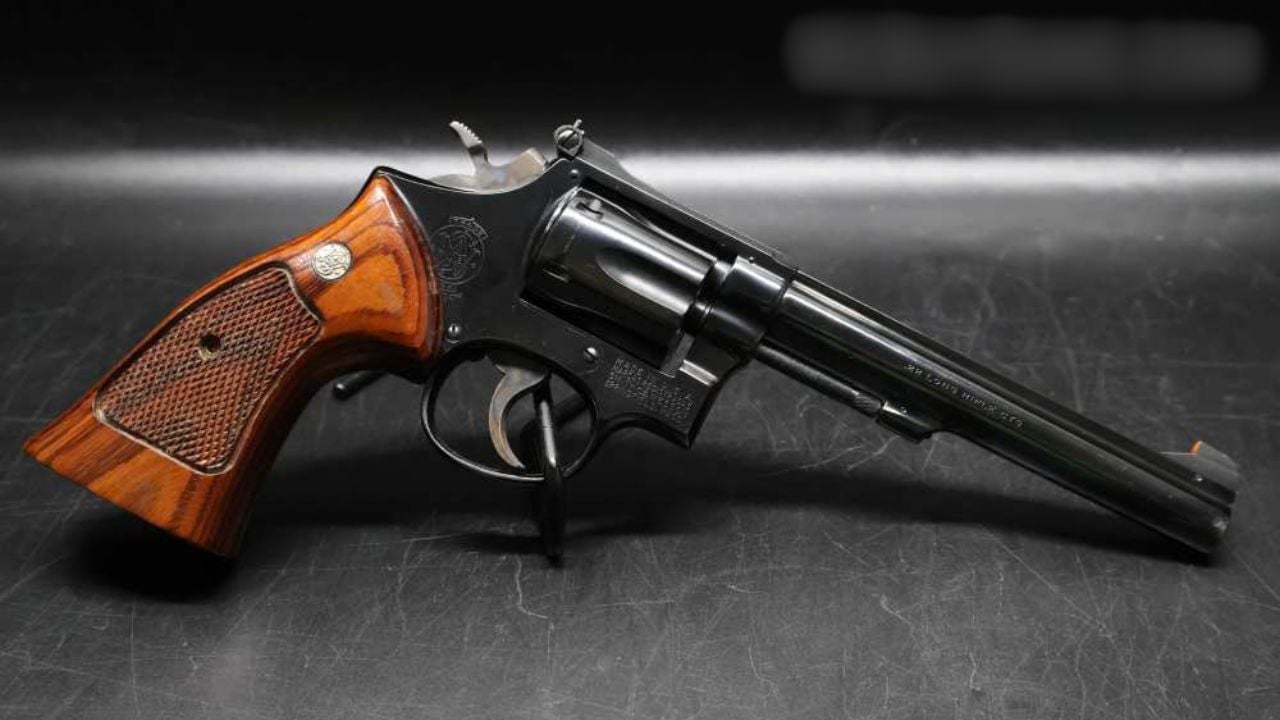
A good .22 revolver teaches you more than a stack of internet advice. The Model 17 is a classic for a reason: crisp trigger, good sights, and accuracy that makes you grin when you do your part.
Collectors are watching these because nice rimfire revolvers got used hard. They were “practice guns,” “kit guns,” and “let the kids shoot it” guns. A clean Model 17 is a joy, and it’s one of the few collectibles that still earns its keep every trip to the range.
19. Smith & Wesson Model 34 (Kit Gun)
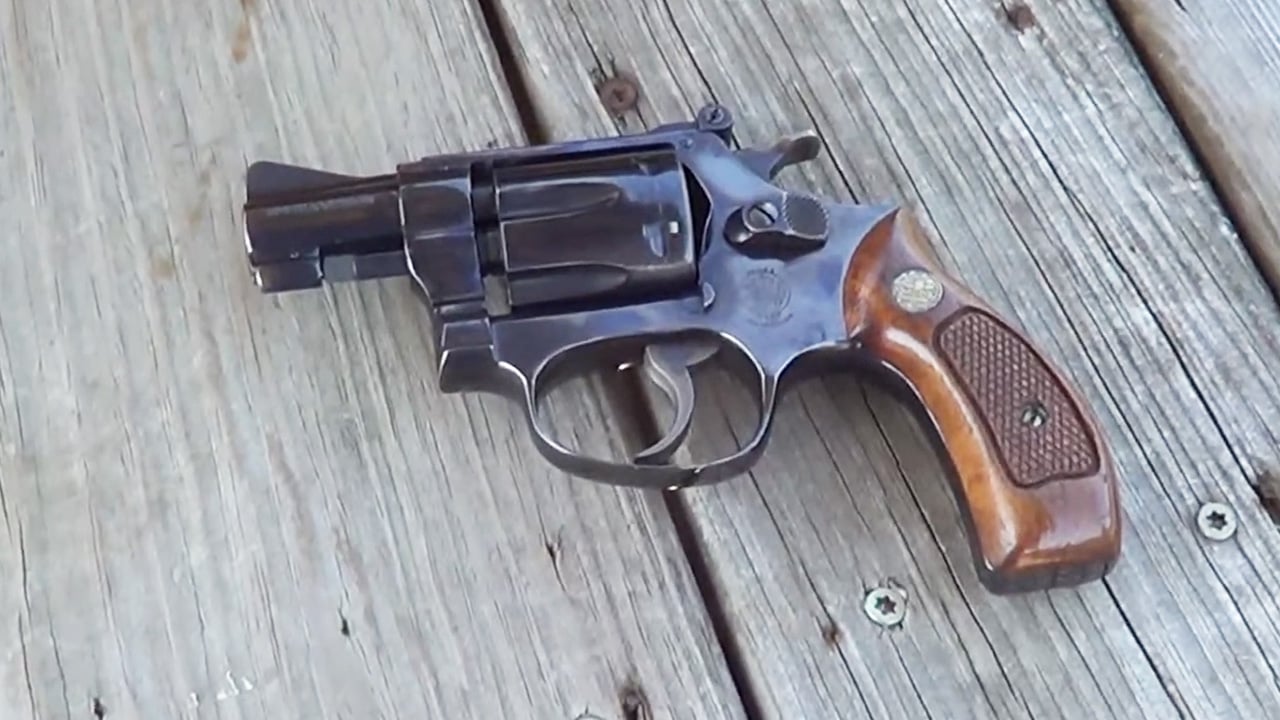
If you spend time outdoors, a small .22 revolver makes a weird amount of sense. The Model 34 is light, handy, and just plain useful for snakes, cans, camp chores, and quiet plinking when you’re not trying to rattle the whole county.
The reason collectors watch them is because they disappear into tackle boxes and glove compartments and come out with dings, rust freckles, and busted grips. A clean one with good edges and a solid action doesn’t stay “cheap” for long.
20. Smith & Wesson Model 57 (.41 Magnum)
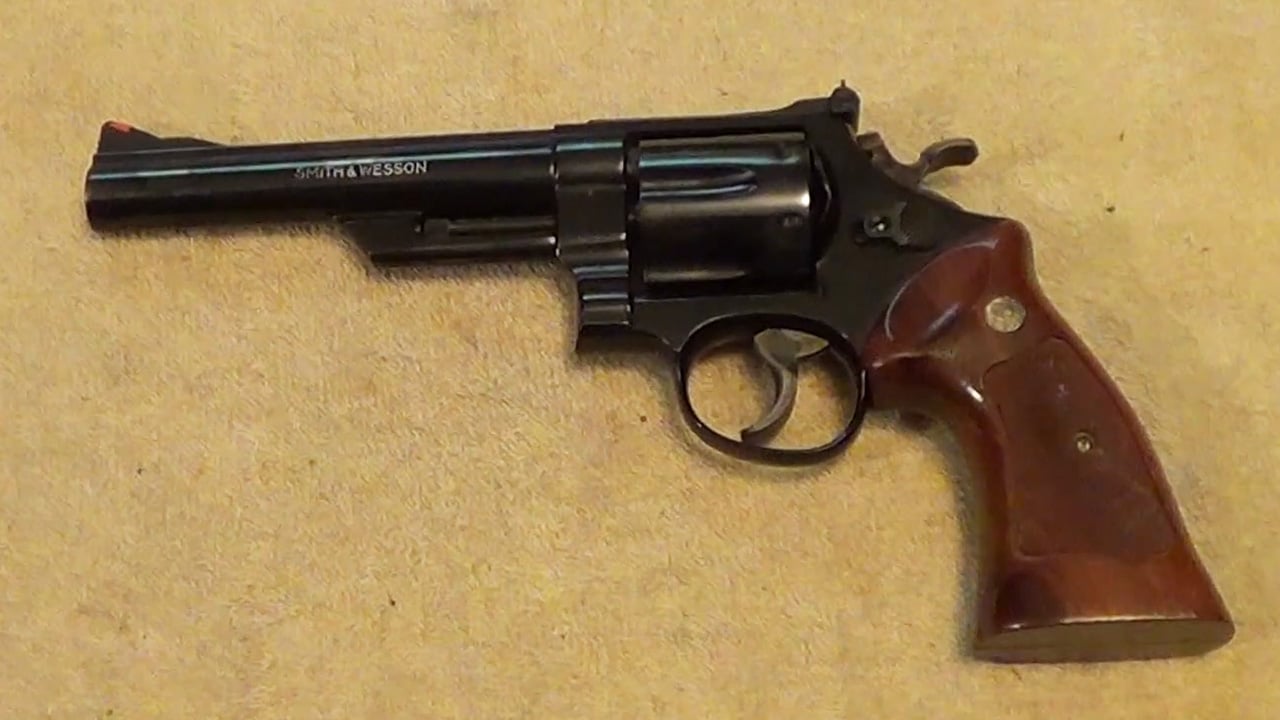
The .41 Magnum has always been the cartridge that doesn’t need to prove anything. The Model 57 is the classic platform for it, and when you find one that hasn’t been messed with, it feels like a serious revolver made for serious shooting.
Collectors keep an eye on these because .41 fans are loyal, and the nice guns get tucked away. It’s not the most practical caliber for everyone, but as a hunting revolver or a “because it’s different” revolver, it has a quiet following that doesn’t go away.
None of these are guaranteed lottery tickets, and not every one of them belongs in every safe. But there’s a pattern: clean condition, original parts, and honest mechanical health matter more than whatever the internet is yelling about this week. If you’re standing at a gun counter and one of these feels “too expensive,” walk away if you must. Just don’t be surprised when you can’t find it again when you finally decide you want it.
Like The Avid Outdoorsman’s content? Be sure to follow us.
Here’s more from us:


