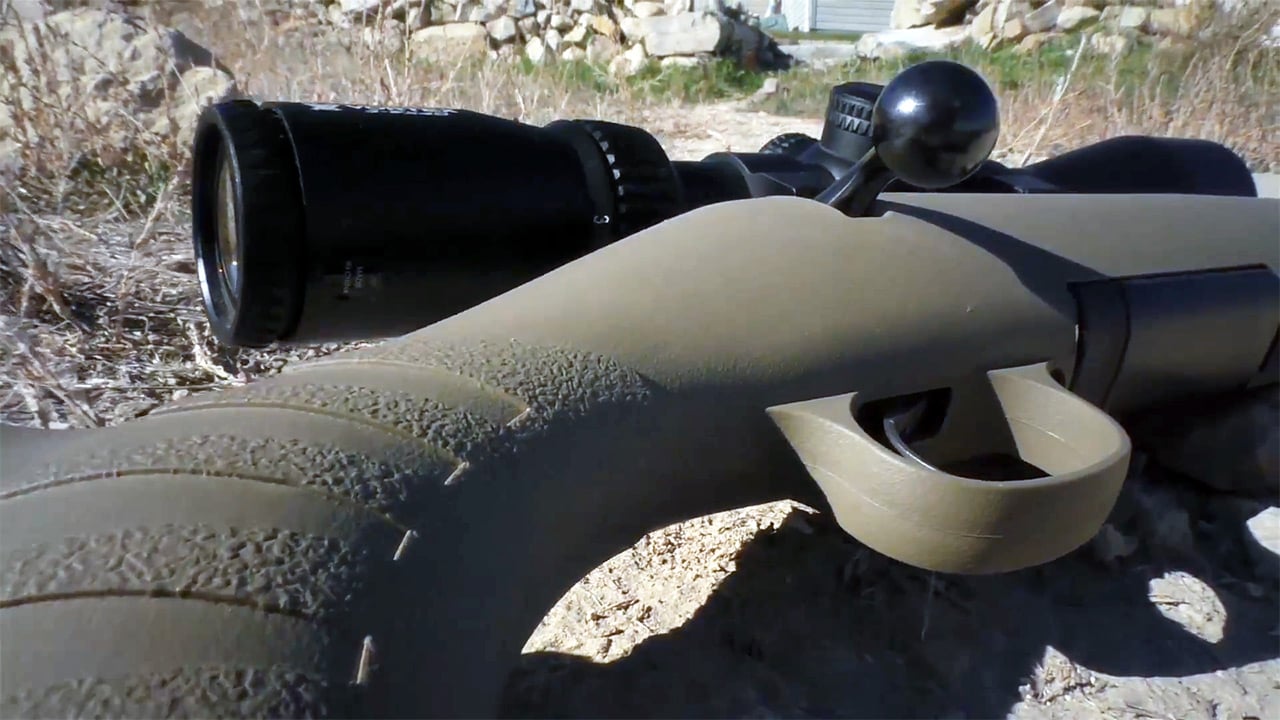
Photo credit: The Late Boy Scout/Youtube
If I could sit down at a dusty camp table with a handful of hunters who’ve punched tags since the 1970s and ask one question, it wouldn’t be about the biggest buck. It’d be this: “If you had to start from scratch, what rifles would you buy first?”
The answers are usually not trendy. They’re the rifles that get carried when it’s raining sideways, when your hands are numb, when you’ve got one chance before the deer hits the brush line. They’re also rifles with common ammo, common parts, and actions that still feel right after a decade of use. Here are 20 that keep coming up when seasoned hunters talk about doing it all over again.
1. Ruger American Rifle (varmint-simple, works in the real world)
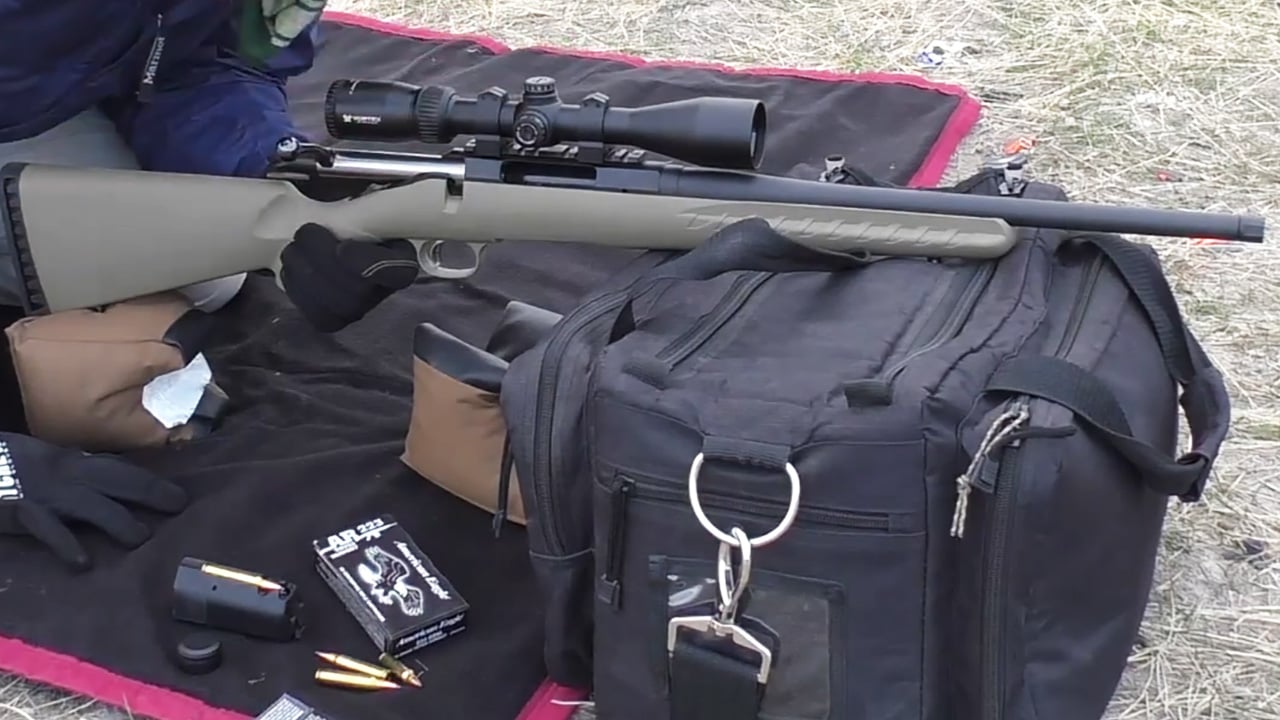
I’ve seen plenty of “budget rifles” come and go, but the Ruger American is one of the few that doesn’t feel like a temporary solution. The bedding system and the way they generally shoot out of the box made a lot of old-timers admit something they didn’t want to: you don’t have to spend a grand to kill deer cleanly.
It carries light, it’s not precious, and it doesn’t beat you up. If you’re rebuilding a hunting battery from nothing, a Ruger American in a common chambering is the kind of boring choice that keeps you in the woods instead of at the gunsmith.
2. Savage 110 (the “it just shoots” bolt gun)

There’s a reason you see beat-up Savage 110s in so many pickup racks and behind so many seat backs in farm country. They’re not fancy, and the action isn’t as slick as a custom rifle, but they tend to flat-out shoot.
The AccuTrigger (love it or not) helped a lot of folks tighten groups without spending money right away. And when you’re starting over, that matters—because you’re also buying boots, tags, fuel, and probably a new scope.
3. Remington 700 (the classic that still makes sense)

The Remington 700 is complicated these days because everybody has an opinion about eras, quality swings, and what to avoid. Still, when guys with 40 seasons behind them talk about “one rifle to build around,” the 700 keeps coming up.
Parts and support are everywhere, and it’s one of the easiest platforms to keep running for decades. Pick a good example, feed it good ammo, and it’ll do its job long after the internet moves on to the next thing.
4. Winchester Model 70 (controlled-feed confidence)
There’s something about the Model 70 that feels like hunting. The safety is in the right place, the bolt lift is familiar, and the rifle points well when you’re trying to thread a shot through timber.
Plenty of veteran hunters like the controlled-round feed for the simple peace of mind it gives, especially on steep ground or in nasty weather when you’re working the bolt fast. It’s not magic, but it’s one less thing to doubt.
5. Tikka T3x (light, smooth, and hard to outshoot)

If you’ve ever cycled a Tikka bolt next to a lot of “good” rifles, you know why folks get attached. It’s slick without feeling loose, and they’re usually accurate with factory ammo in a way that makes you suspect your other rifles have been lying to you.
For starting over, the T3x shines because it’s easy to carry all day. When you’re older, you appreciate light. When you’re younger and starting over, you appreciate light too—you just don’t know it yet.
6. Browning X-Bolt (a modern deer rifle that handles right)
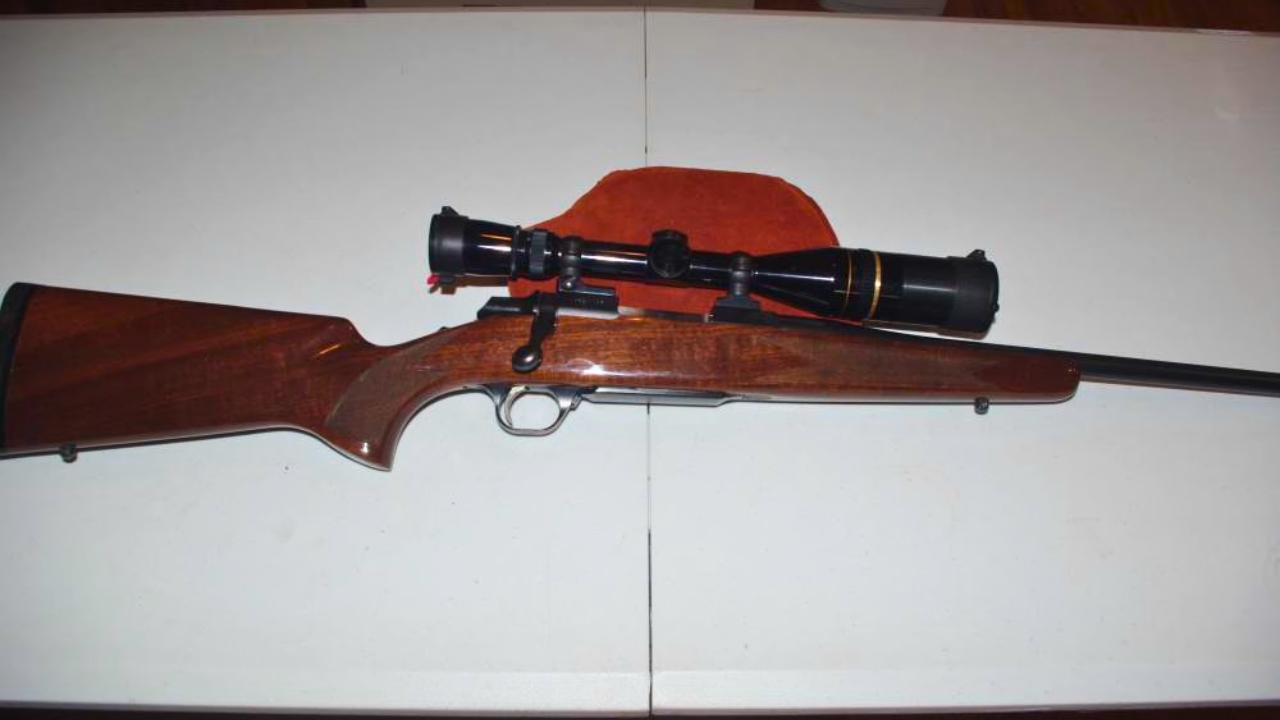
Some rifles feel like they were designed on a screen. The X-Bolt feels like someone shouldered it. The balance is good, the trigger is generally solid, and it’s a rifle that comes up naturally when you catch movement and have to settle in quick.
Hunters who’ve carried heavy wood-and-steel for years often buy an X-Bolt and quietly stop hauling the old boat anchor. It’s not that the old rifle quit working. It’s that your back finally told you the truth.
7. Weatherby Vanguard (the steady, no-drama workhorse)
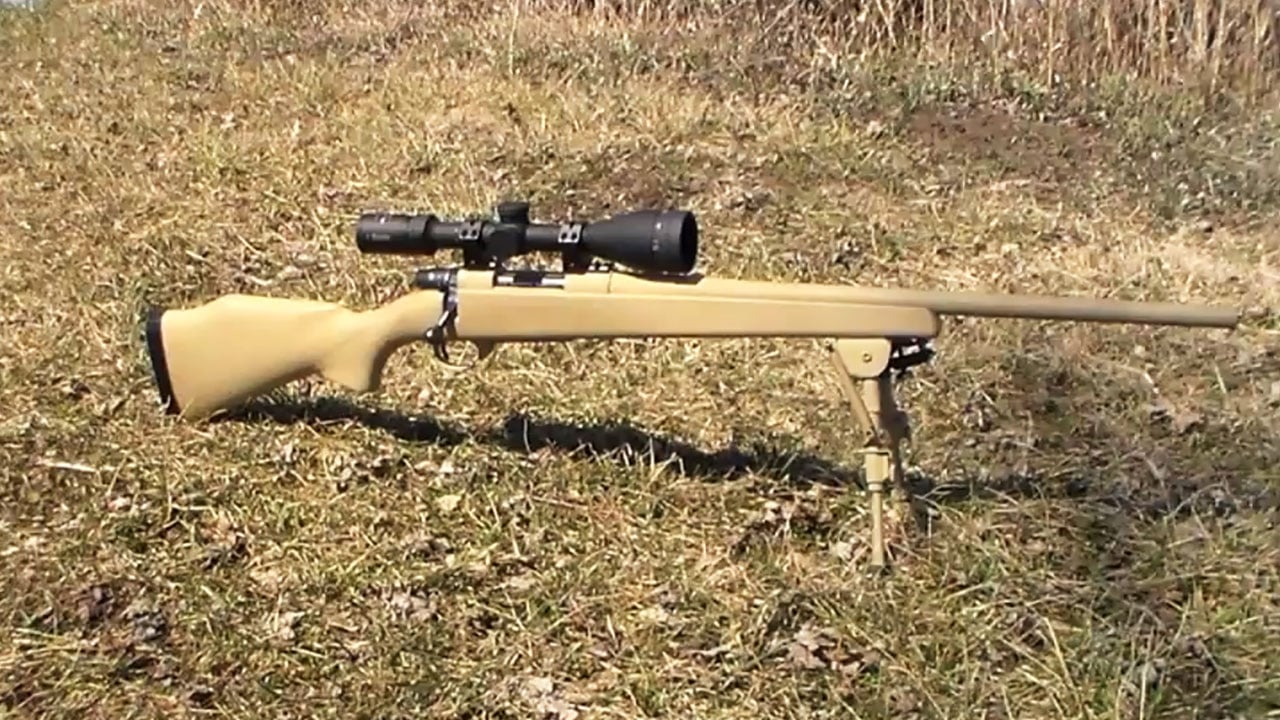
The Vanguard doesn’t always get the campfire love because it isn’t “cool.” But it’s a rifle that tends to feed well, shoot well, and take a season’s worth of bumps without acting sensitive about it.
If you’re rebuilding and want a bolt gun you can hunt hard, the Vanguard belongs in the conversation. It’s the kind of rifle you can hand to a kid later without worrying it’s going to be finicky.
8. CZ 457 (the rimfire you’ll actually shoot all year)
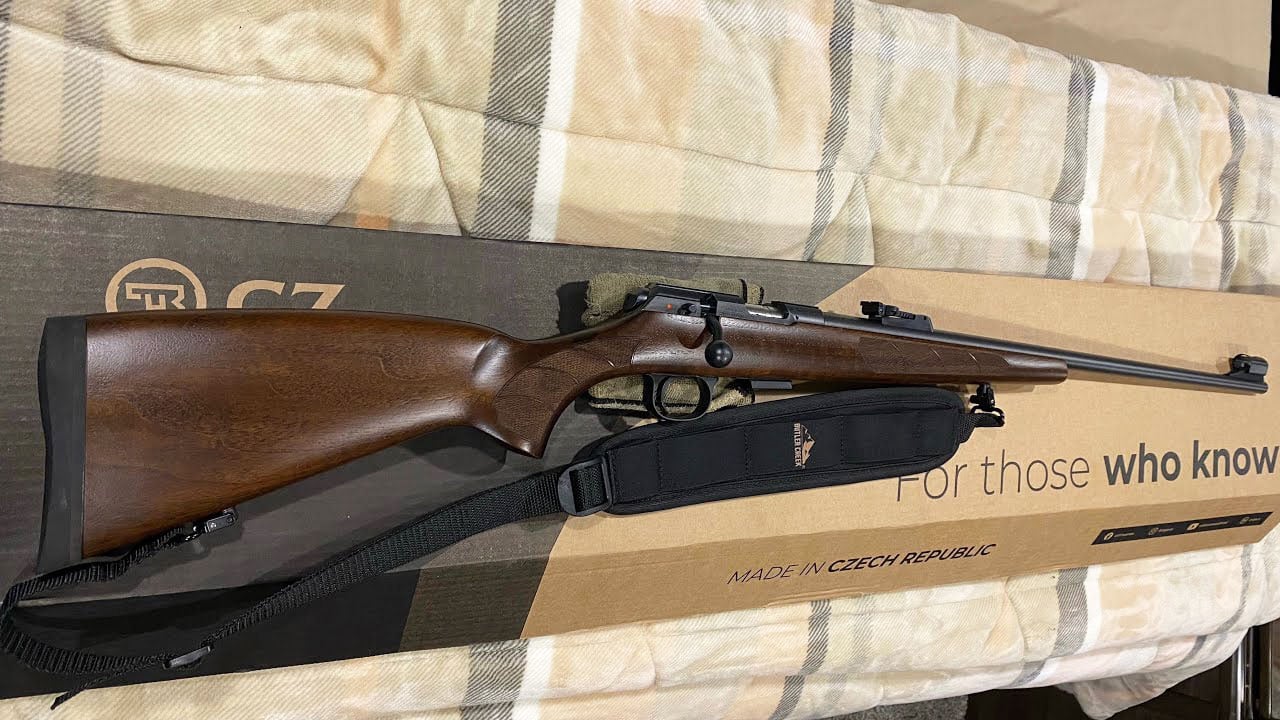
Starting over isn’t just about big-game rifles. Guys who’ve hunted forever will tell you: buy a rimfire you love, because it’s the one you’ll shoot the most. The CZ 457 is accurate, well-made, and it feels like a “real rifle,” not a toy.
Squirrels, rabbits, pests around the barn, cheap range time—this is where marksmanship is built. And when you can find .22 LR, you can keep your trigger finger honest even when everything else is expensive.
9. Ruger 10/22 (because it’s still the most useful .22 in America)

The 10/22 is almost too obvious, but that’s the point. Magazines are everywhere, parts are everywhere, and everyone in the family can learn on it. It’s also one of the few guns that can go from bone-stock to “set up just right” without drama.
Old hunters like it because it keeps grandkids busy and builds skills. New hunters need it because nothing teaches follow-through and sight picture like shooting a brick of .22 on a Saturday.
10. Marlin 336 (the lever gun that lives in deer woods)

If you grew up where shots are 40 to 120 yards through brush, you already know why the 336 keeps showing up. It carries close, comes to the shoulder quick, and it doesn’t snag on everything when you’re slipping through alders.
It’s also the kind of rifle that doesn’t need a scope to be effective, even though plenty wear one. There’s nothing fancy about it, and that is kind of the point.
11. Henry Lever Action .22 (simple small-game joy)

Not every “start over” rifle is about efficiency. Some are about being the kind of outdoorsman you want to be. A Henry .22 lever gun is pure usefulness wrapped in fun.
They’re great teaching rifles, great trapline companions, and great for a quick walk to check a back pasture. Forty years in, a lot of hunters realize they should’ve owned more rifles they actually enjoyed carrying.
12. Mossberg MVP Patrol (a practical bolt gun that takes AR magazines)

Some seasoned hunters are surprisingly pragmatic about magazine compatibility. The MVP Patrol isn’t a mountain rifle, but it does something smart: it lets you run common AR magazines in a bolt gun.
For hogs, coyotes, or ranch use where follow-up shots might matter, that’s handy. And if you’re starting over and already have AR mags stacked deep, it’s one less supply problem to solve.
13. Ruger Gunsite Scout (the “do a lot of things” rifle)
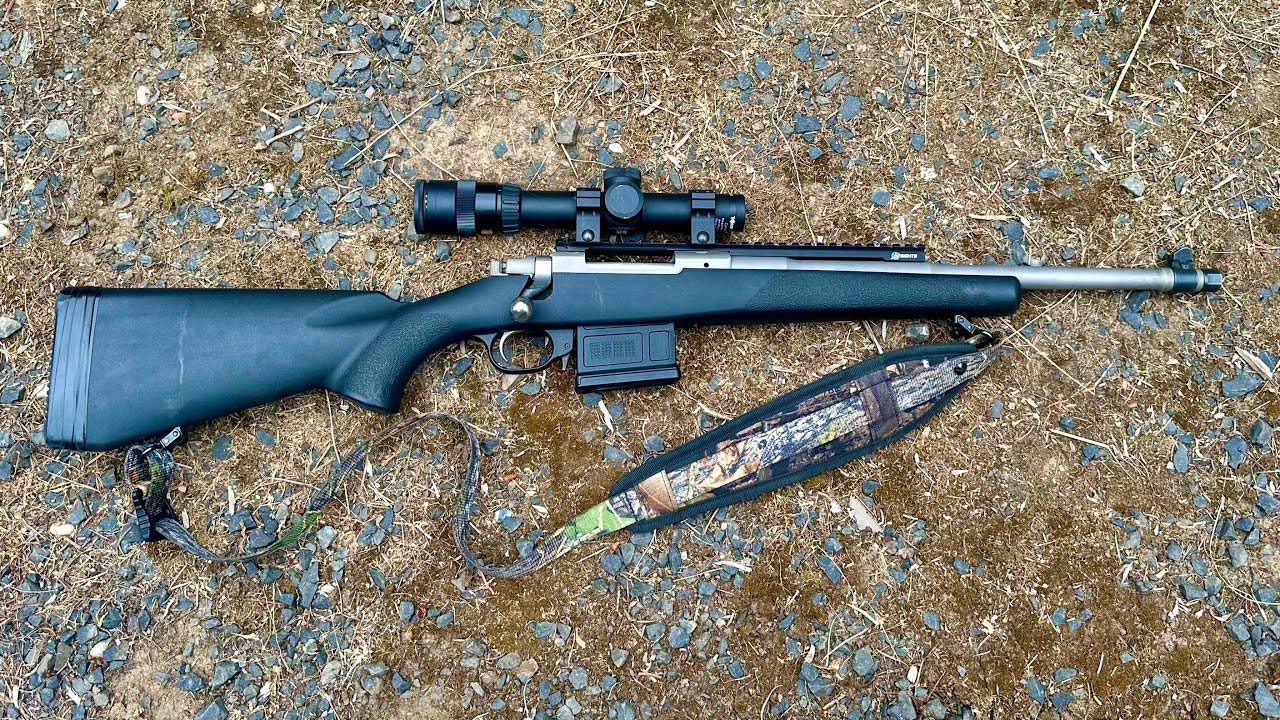
The Gunsite Scout is one of those rifles that makes sense the more you use it. Handy length, tough build, iron sights you can trust, and the ability to run a scope if you want to stretch it.
Is it the best at any one thing? Probably not. But as a general-purpose rifle you can keep by the door on a ranch or take into thick country, it earns its keep.
14. Springfield Armory M1A (for the guy who wants a .308 that feels alive)
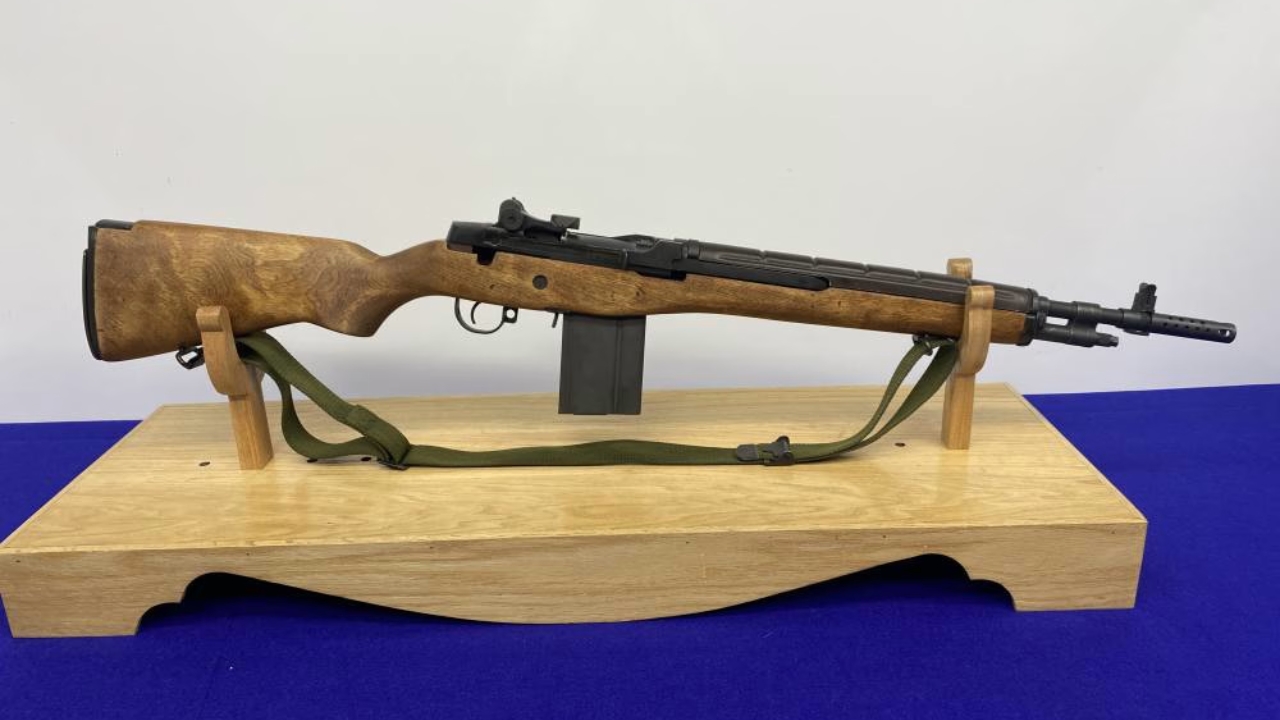
There are lighter and cheaper .308 options, but the M1A still has a pull for a reason. It has a certain balance and recoil impulse that a lot of hunters and shooters just shoot well.
It’s not the first rifle I’d suggest to a brand-new hunter on a strict budget. But for the “starting over” crowd, it often shows up as the rifle they always wanted, finally bought, and then refused to sell.
15. Ruger Mini-14 (ranch rifle reality, not internet fantasy)
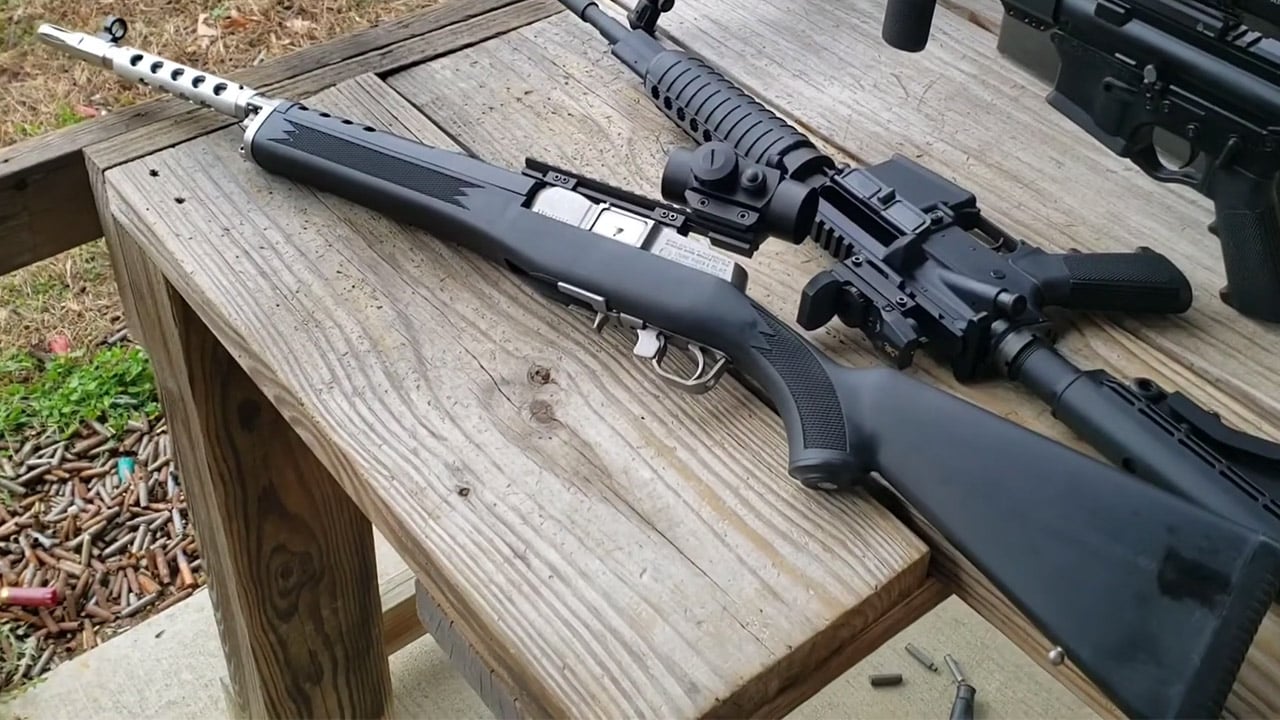
The Mini-14 isn’t an AR, and it doesn’t try to be. What it is: a handy, simple rifle that rides well, points fast, and has the kind of controls that make sense if you grew up around traditional rifles.
For predators, farm use, and general knocking-around, it’s a classic. The main advice I hear from long-timers is to buy good magazines and not expect it to be a benchrest gun. It’s a working rifle.
16. Colt LE6920 (the boring AR that keeps running)

A lot of hunters who used to scoff at ARs have one now, whether they admit it loudly or not. The LE6920 has a reputation for being a solid baseline AR—reliable, straightforward, not built around gimmicks.
If you’re starting over, you want rifles that have parts everywhere and a known track record. For home defense, coyotes, hogs, and training, a good AR fills gaps fast. Keep it simple, keep it maintained, and go shoot it.
17. Smith & Wesson M&P15 Sport II (entry AR that gets more done than it should)

If the Colt is the “known standard,” the Sport II is the reality check: you can get into an AR without taking out a loan. And a lot of them run just fine if you don’t treat them like a full-auto rental gun.
Old hands like it because it leaves money for ammo and optics, and because it’s easy to hand to a new shooter without worrying about some fragile, boutique setup. Starting over means prioritizing reps over bragging rights.
18. Ruger Hawkeye (classic feel with modern toughness)
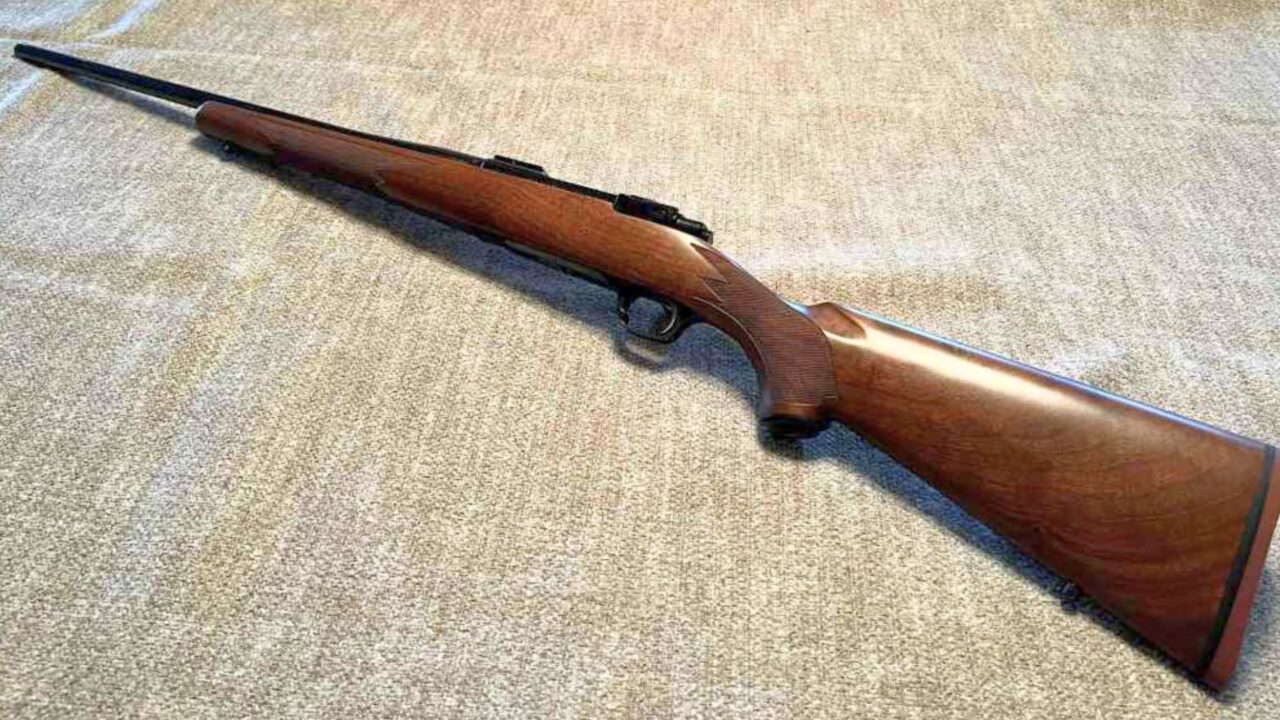
The Hawkeye is one of those rifles that feels like it belongs in a scabbard. It’s got that old-school carry and balance, but it’s built to be hunted hard instead of babied.
If you’re the kind of hunter who actually walks—who ends the day with sweat on your back and leaf bits in your hat band—the Hawkeye makes sense. It’s a rifle you don’t have to “get used to.” You just go hunt.
19. Kimber Hunter (when ounces matter and you still want it to shoot)
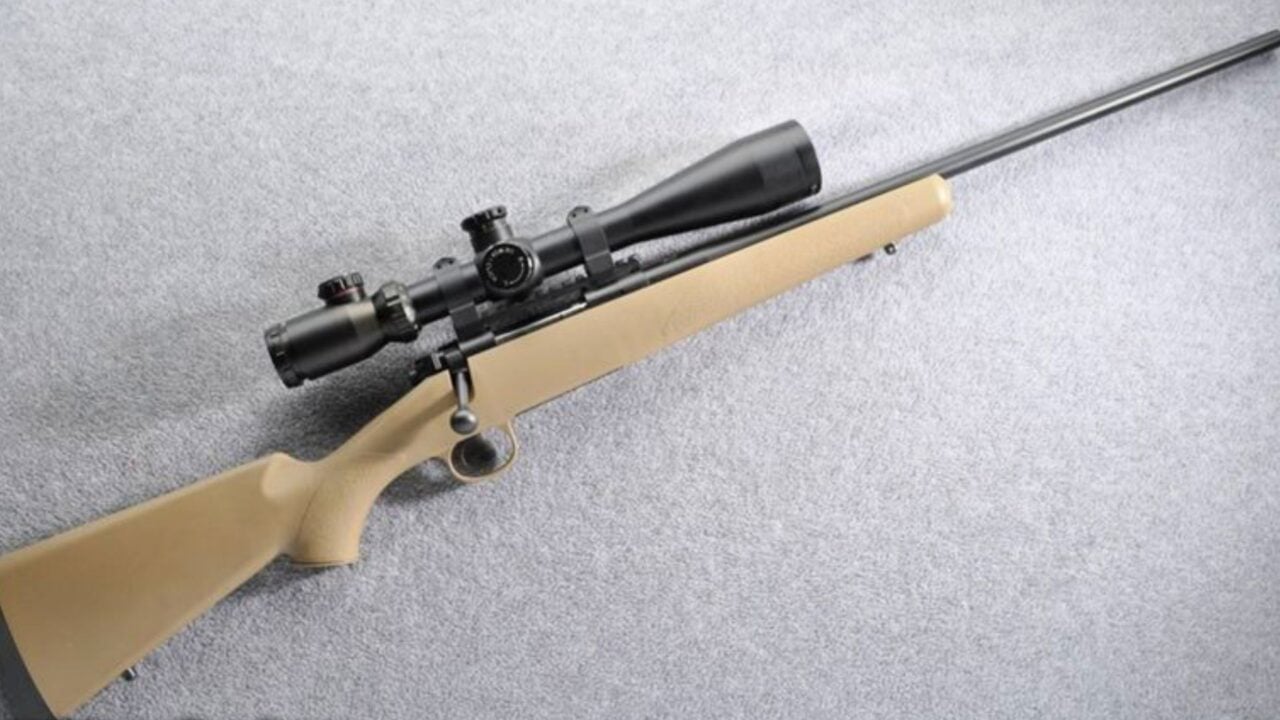
Light rifles can be miserable if they’re whippy, sharp-kicking, or finicky. The Kimber Hunter is a common “start over” pick because it’s built for carrying, not for posting groups online all day.
It’s not the rifle for a guy who wants to hammer a thousand rounds a month. It’s for the hunter who climbs ridges, covers ground, and wants a rifle that disappears on the sling until it’s time to do business.
20. Bergara B-14 HMR (the crossover rifle that bridges hunting and range time)
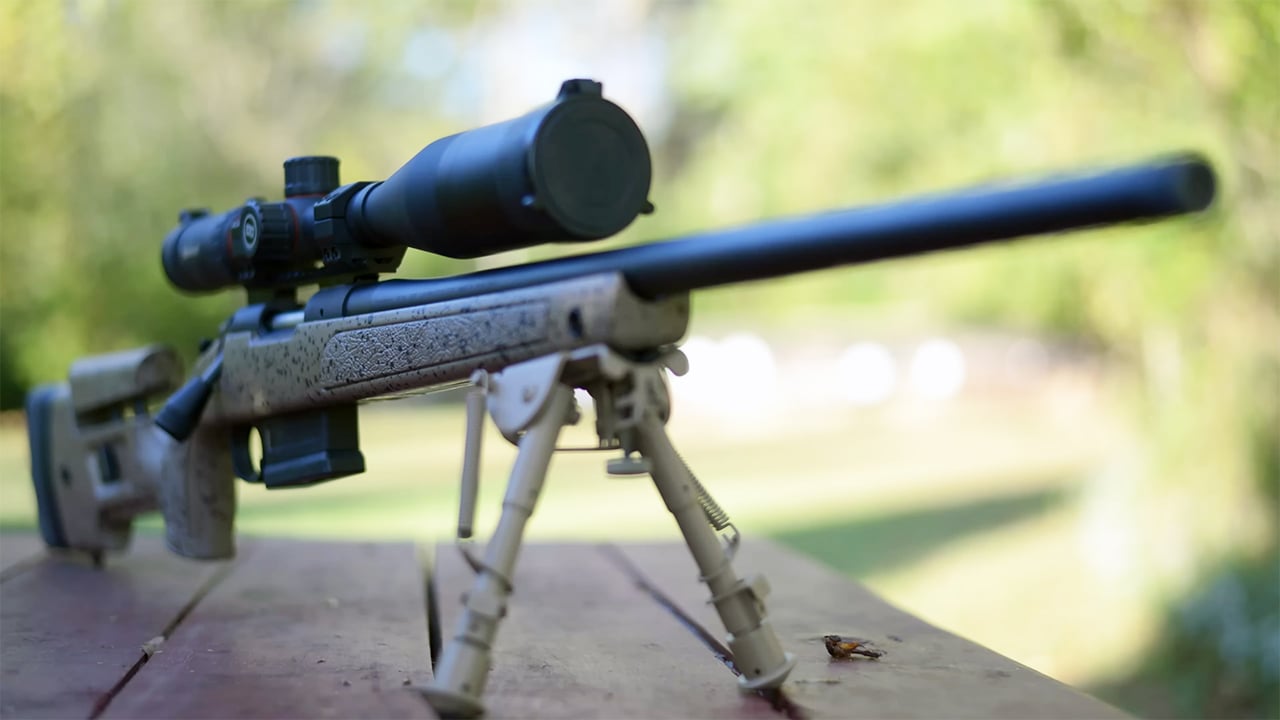
Plenty of hunters hit a point where they want one rifle that’s steady on a pack in the field but also fun on steel at distance. The B-14 HMR has become that bridge gun for a lot of folks—accurate, consistent, and built around a footprint that makes upgrades easy.
It’s heavier than a true mountain rifle, no question. But if you’re starting over and want a rifle that encourages practice because it shoots so well, weight isn’t always a downside. Sometimes it’s what makes the rifle pleasant enough to shoot a lot.
If there’s a theme in all of this, it’s not brand loyalty. It’s practicality. The rifles that keep showing up after four decades are the ones that get carried, get shot, get dinged up, and still do the job when the moment finally arrives. Start with a couple of honest workhorses, buy common ammo, mount a dependable scope, and spend the rest of your money on time outside. That’s the part nobody ever regrets.
Like The Avid Outdoorsman’s content? Be sure to follow us.
Here’s more from us: