Photo credit: 1957Shep/Youtube
If you started shooting when disco was dying and the mall was still a big deal, you probably remember when a “good revolver” meant blued steel, a real hammer, and a trigger that felt like it was fitted by somebody who cared. Plenty of folks have tried the newer stuff since then—lighter, shinier, sometimes cheaper, sometimes “tactical”—and then quietly went back to the old wheelgun that never let them down.
This isn’t a museum tour. These are the revolvers that keep getting carried, kept in nightstands, taken into deer woods, and handed down because they still do the job and they still feel right in the hand. Some are classics. A few are sleepers. All of them have a way of sticking around once you’ve lived with one.
1. Smith & Wesson Model 10
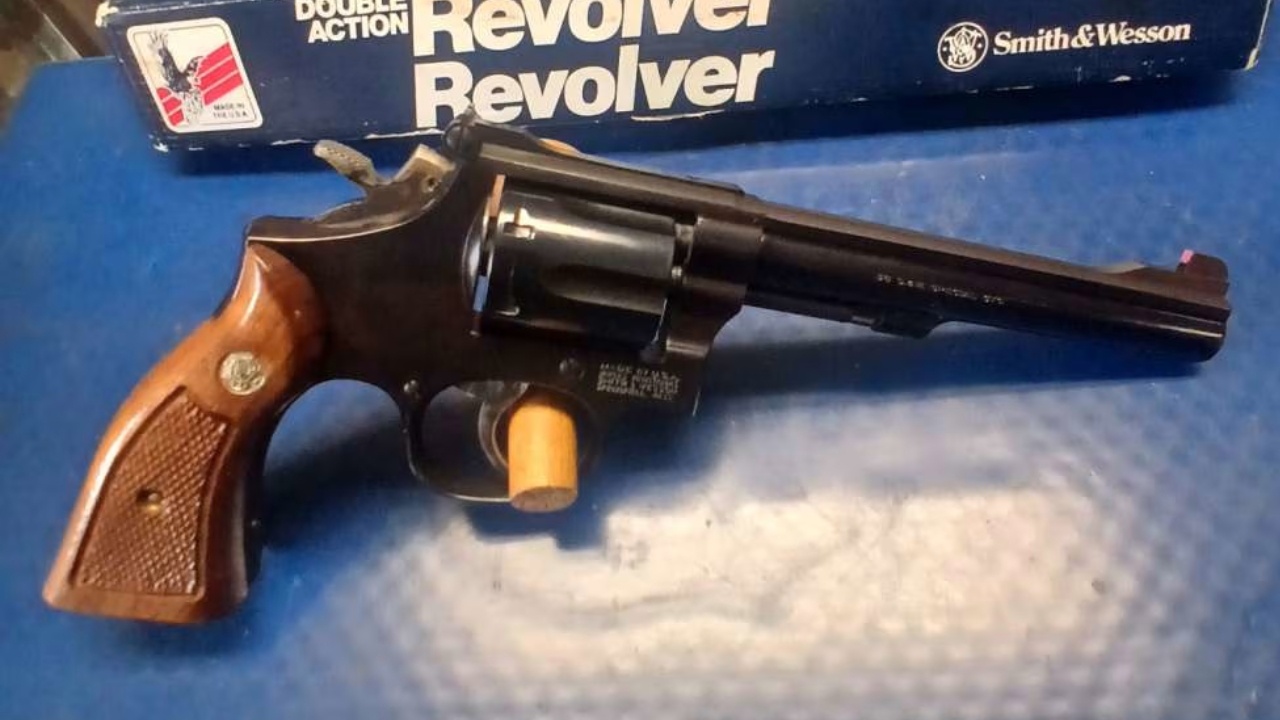
This is the plainest revolver on the list, and that’s exactly why it refuses to die. A good Model 10 points naturally, shoots mild .38 Special all day, and doesn’t beat up your hands or your wallet. It’s the kind of gun you can teach a new shooter on without drama.
Most of the old ones have triggers that make modern production guns feel gritty. It’s not fancy, and it’s not rare, but it’s steady. When someone sells one, it’s usually because they think they’re “upgrading.” Then they realize the upgrade doesn’t shoot as easy.
2. Smith & Wesson Model 19
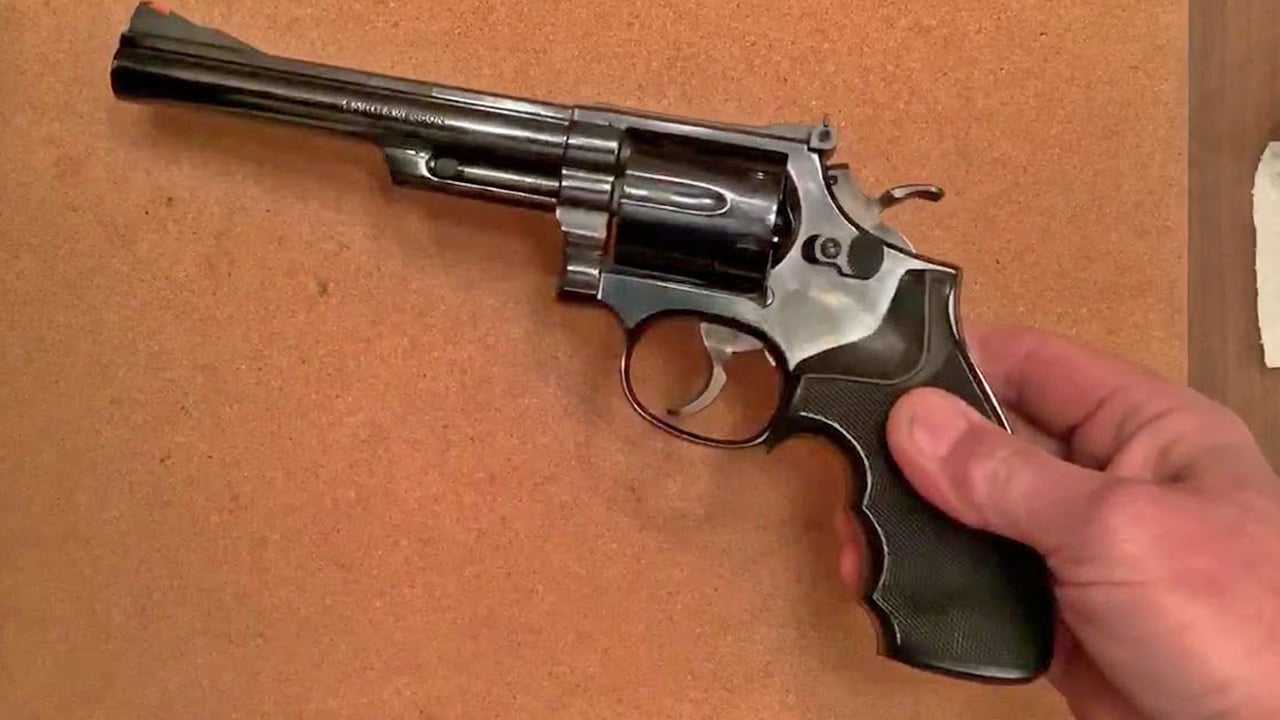
If you came up in the era when .357 Magnum was king of the hill, the Model 19 is burned into your memory. It carries like a service revolver but still has that K-frame balance that makes it feel alive in the hand. With .38s it’s a kitten. With sensible .357 loads it’s a serious tool.
Yes, you can beat one up with a steady diet of hot, light bullets. Most owners didn’t. They used it like a grown-up and it lasted like one.
3. Smith & Wesson Model 66
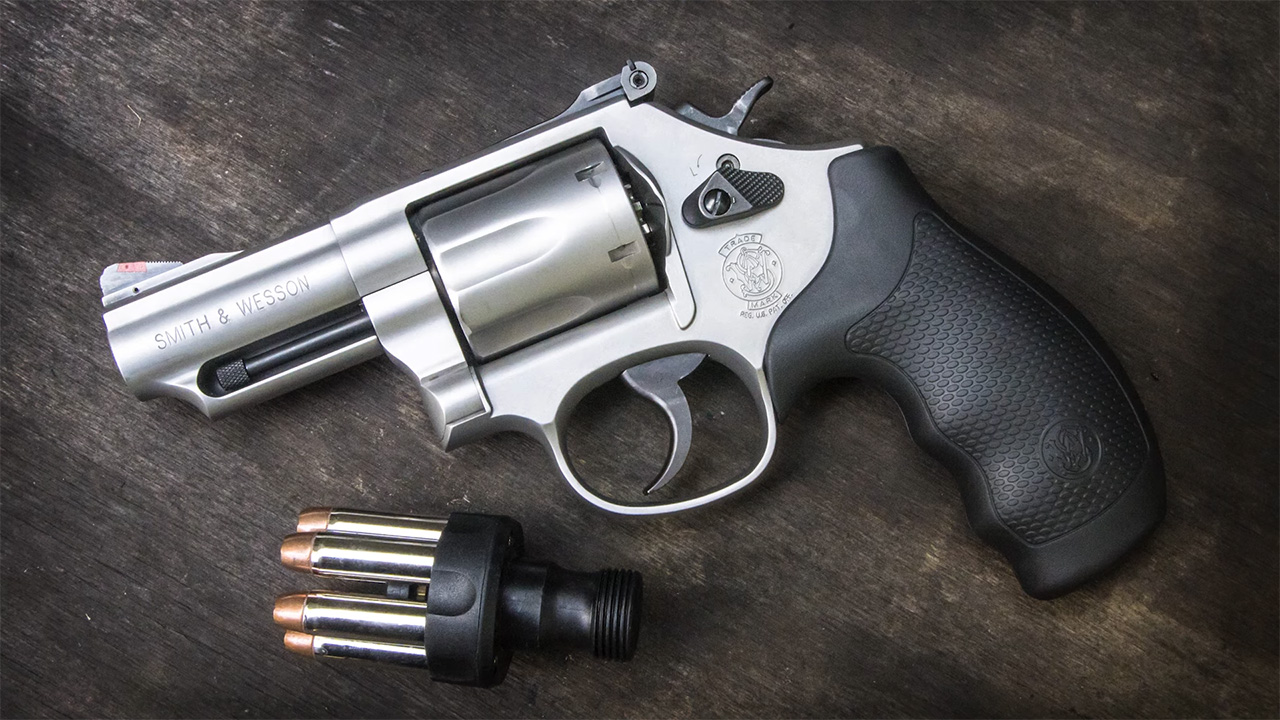
The stainless sibling of the 19 is what a lot of folks bought when they realized bluing and sweat don’t mix. A 4-inch Model 66 rides well on a belt, cleans up easy, and doesn’t look rough after a wet day in deer camp. It’s one of those revolvers that still looks “right” even after decades of honest carry.
When people say they “shouldn’t have sold it,” this one comes up a lot. The replacements are either too heavy, too expensive, or just don’t have the same feel.
4. Smith & Wesson Model 27
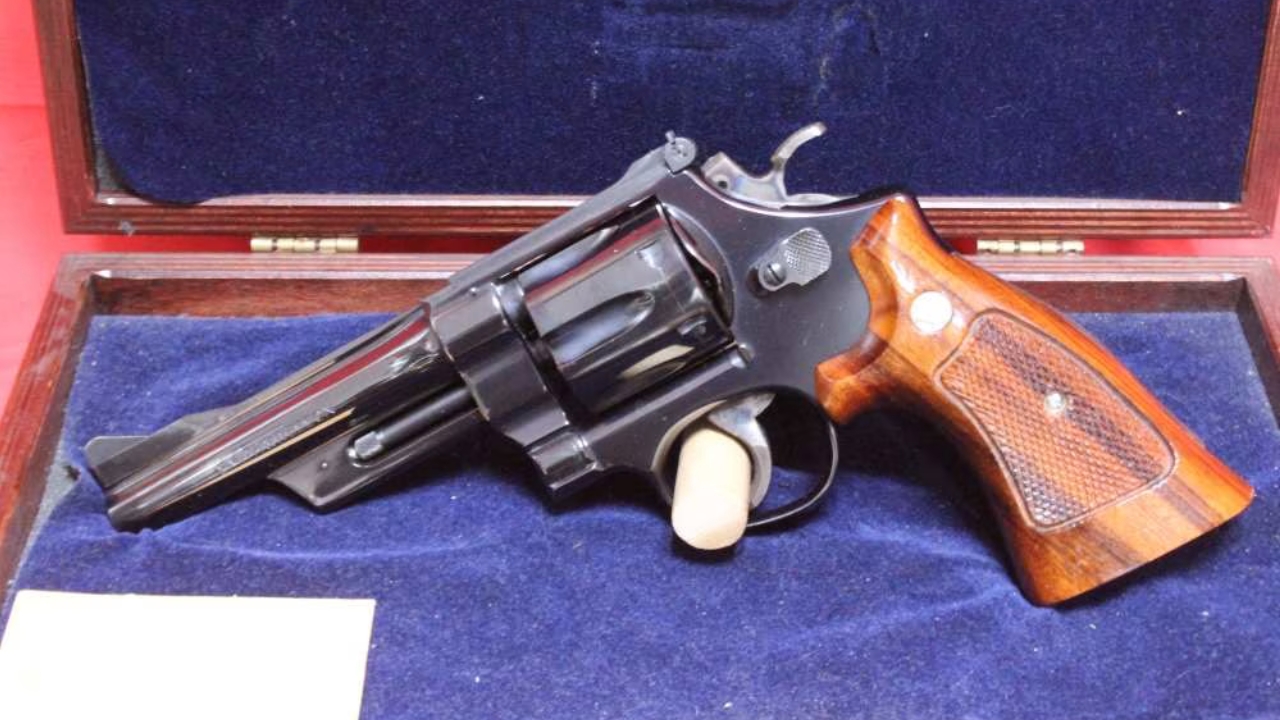
The Model 27 is what you bought when you wanted the Cadillac, not the pickup. Big N-frame, deep blue, checkering where it didn’t have to be, and an action that feels like it’s on ball bearings. It’s not a backpacking gun and it’s not subtle.
But if you’ve ever fired a tight 27 with real sights and a real trigger, you get it. It makes .357 Magnum feel less like a punch and more like a push, and it flat-out shoots.
5. Smith & Wesson Model 28 “Highway Patrolman”
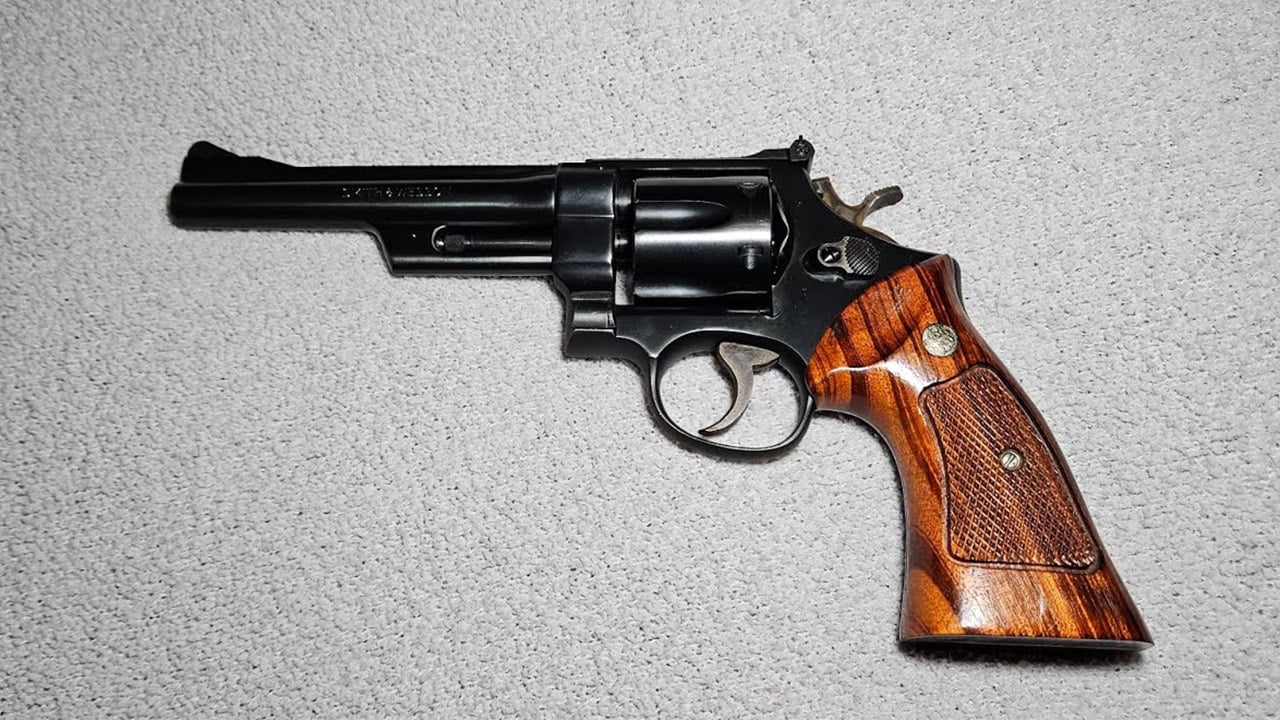
This was the working man’s N-frame—less polish, same bones. A lot of shooters in the late 70s and 80s found these used and bought them because they could afford them. Then they discovered the ugly duckling could run with the pretty guns.
The 28 isn’t trying to impress anyone. It just soaks up recoil, holds timing, and keeps going. There is nothing fancy about it, and that is kind of the point.
6. Smith & Wesson Model 29
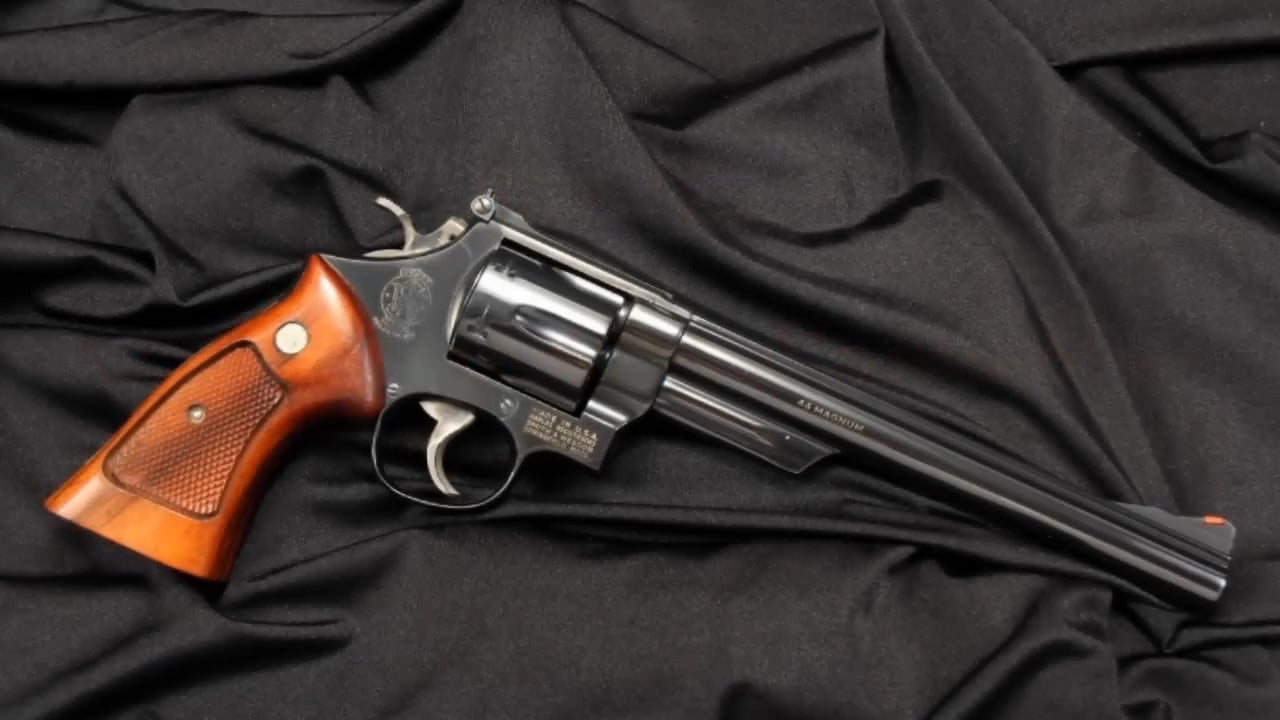
Some revolvers got famous for reasons beyond hunting or self-defense, and this is one of them. Plenty of guys bought a Model 29 because they wanted to see what all the fuss was about. Then they realized it’s actually useful in the woods if you can shoot it well.
Not everybody loves .44 Magnum recoil, and I get why people trade them off. Still, the ones that stayed in the safe usually stayed because they’re accurate, dependable, and they make a lot of sense on hogs or as a last-ditch bear-country sidearm.
7. Smith & Wesson Model 629

Same idea as the 29, but stainless for the real world. Rain, sweat, and blood wipe off easier, and that matters more than people admit. A 629 in a good chest rig has been riding along on plenty of fall hunts for decades.
The newer ones work, but a lot of shooters hang onto the older 629s because they trust the feel and the fit. When something rides with you season after season, you stop looking for a “better” option.
8. Smith & Wesson Model 36 “Chief’s Special”
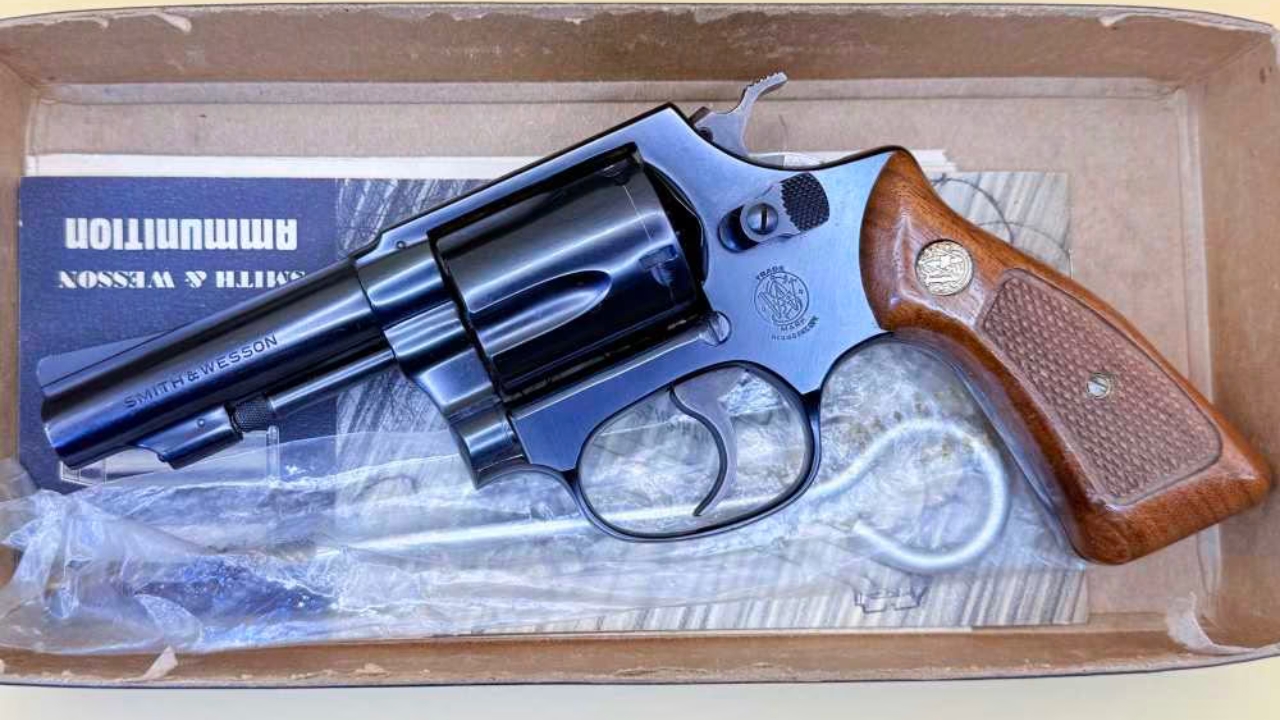
This is the little snub that lived in coat pockets and glove boxes back when that was more common. It’s not a target gun, and it’s not comfortable with hot loads, but it’s simple and it carries when a bigger gun won’t. For a lot of folks, it was their first serious defensive handgun.
What keeps it around is the way it disappears and still feels like a real gun. New micro-compacts may hold more rounds, but they don’t always carry better, and they sure don’t have that old-school trigger feel.
9. Smith & Wesson Model 60
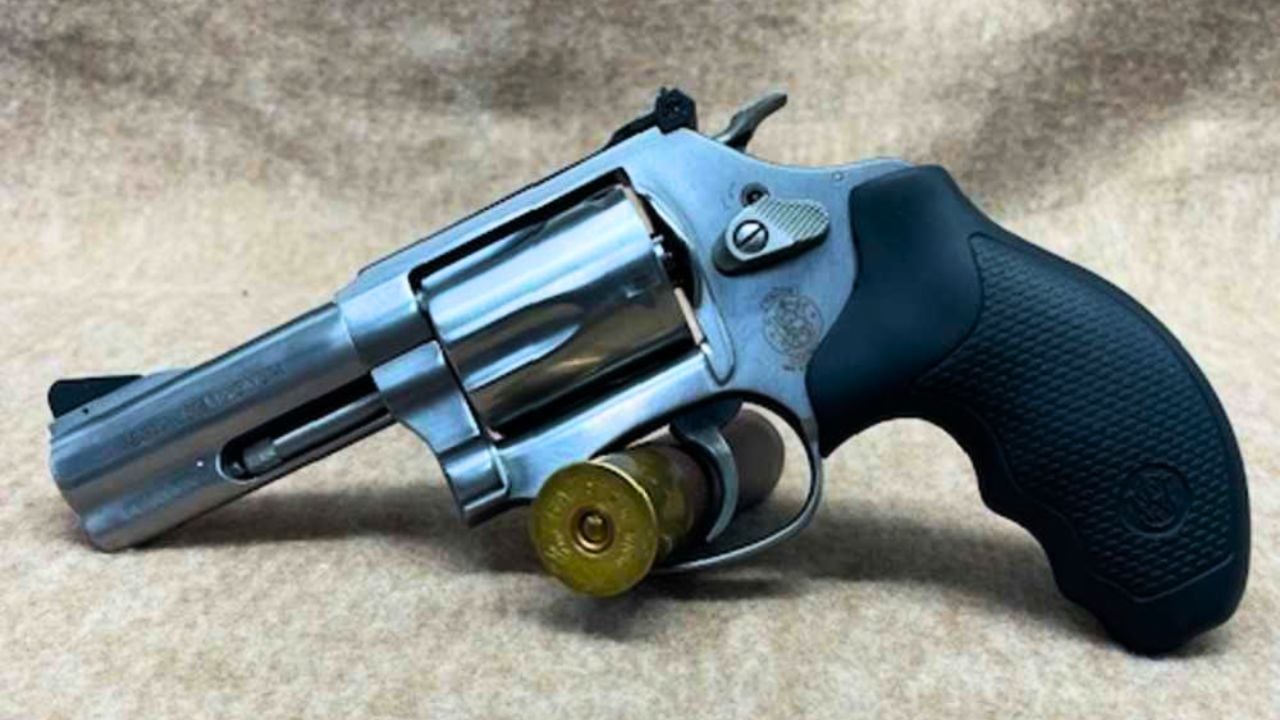
The stainless J-frame is the “always” gun for a lot of older shooters. It can live in a tackle bag, ride in a pack, or sit in a nightstand without turning into a rust project. It’s a small revolver that doesn’t mind being treated like a tool.
Most folks who kept one learned its limits and worked within them. It’s not about speed. It’s about having a reliable five-shot that’s actually there when you need it.
10. Smith & Wesson Model 686

The 686 showed up and immediately made sense: stainless, strong L-frame, and built to eat .357 without complaint. If you shot a lot in the 80s, you saw these on range lines everywhere. They were the “do it all” revolver when you wanted durability without going to an N-frame.
It’s also one of the easiest revolvers to shoot well fast. The weight helps, the sights are good, and the trigger—especially on the older ones—can be excellent.
11. Smith & Wesson Model 586
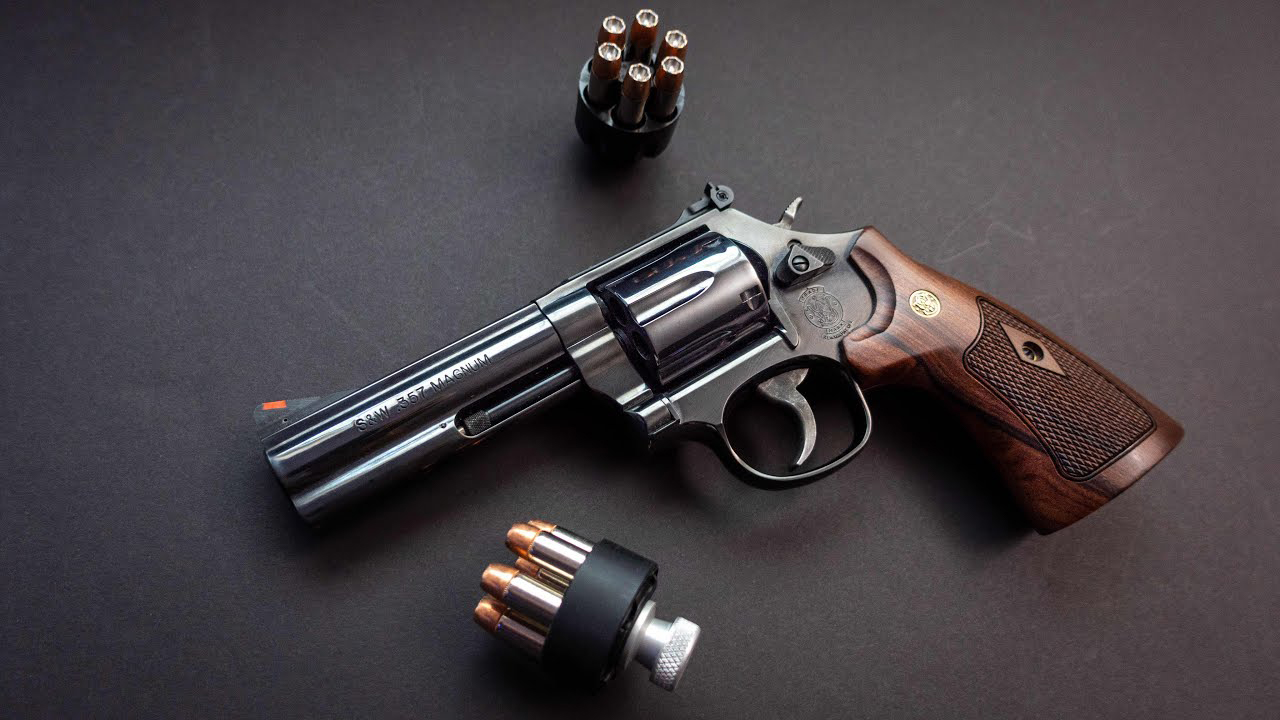
Same gun as the 686, just blued, and that blue steel look still turns heads. A 586 with honest holster wear looks like it’s been places. It’s a revolver that feels like an American service sidearm even if it never rode in a duty holster.
A lot of owners never replaced it because there was nothing to fix. It shot straight, carried well, and didn’t loosen up when fed a steady diet of magnums.
12. Colt Python (pre-1990s guns especially)
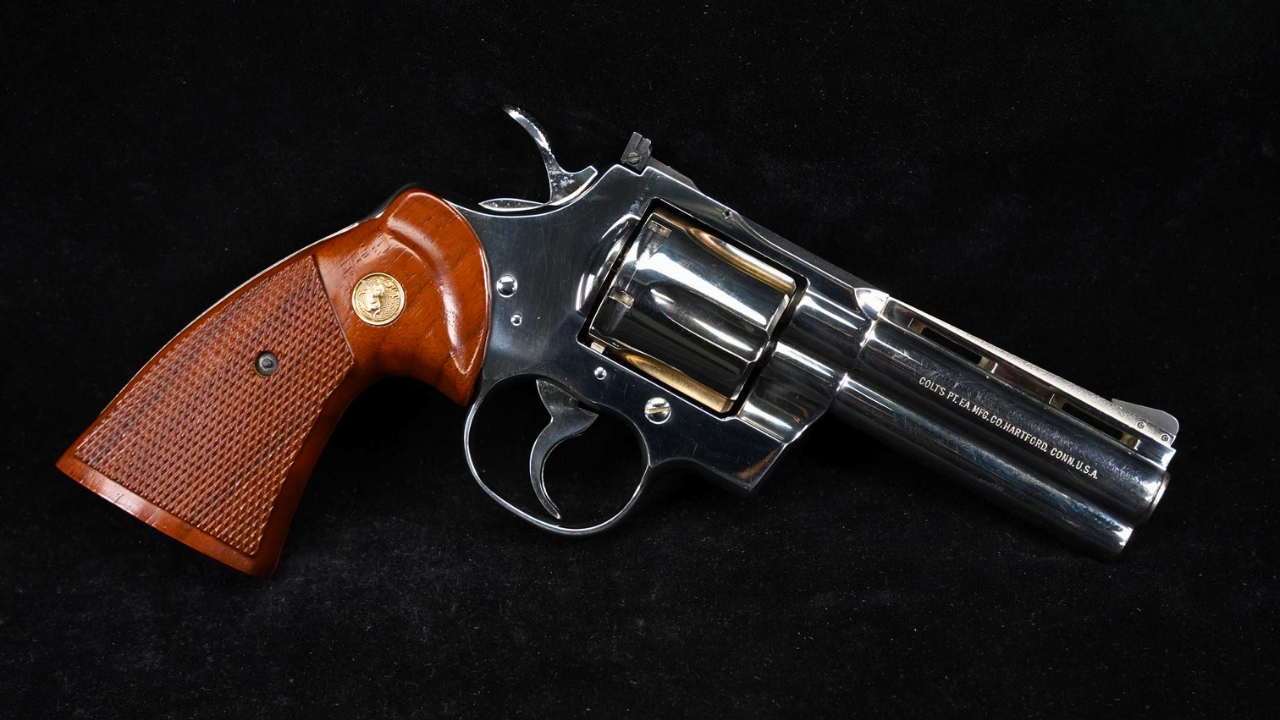
The Python is the revolver people love to argue about, mostly because they cost real money now. But back when you could find one without taking out a loan, guys bought them because they were smooth and accurate, not because they were an “investment.”
They’re not the best choice for someone who wants a beater, and I wouldn’t tell a hard-use outdoorsman to go buy one today at current prices. But the ones that have been owned since the 70s and 80s rarely leave. Ask me how I know.
13. Colt Trooper Mk III
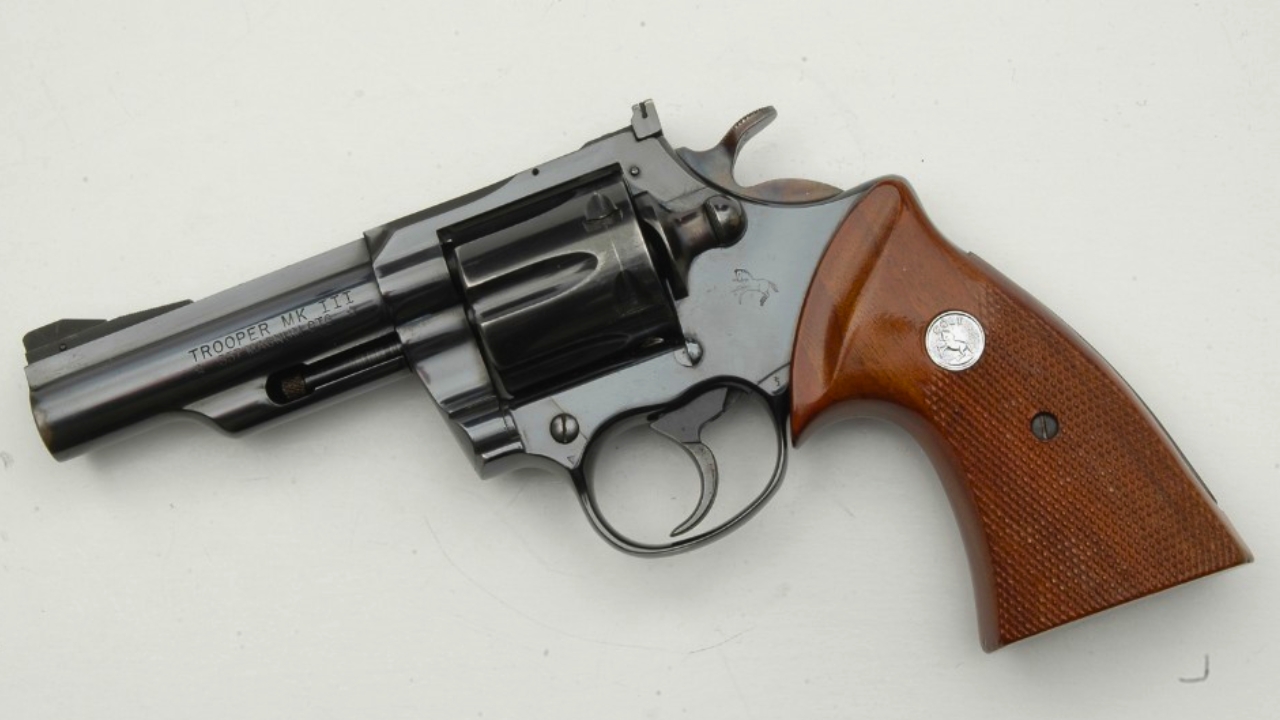
The Trooper Mk III is one of those revolvers that didn’t get the glamour but got the job done. They’re solid, they shoot, and they were often priced where regular working people could actually buy them. A lot of these lived on farms, in pickup trucks, and in tackle boxes.
If you find one that locks up right and hasn’t been abused, it’ll still serve you well. And the guys who grew up with them trust them in a way that’s hard to explain to someone raised on polymer pistols.
14. Colt Detective Special

Six shots in a snub-nose package is still a neat trick. The Detective Special has a feel that’s different than a J-frame, and for some hands it just works better. The older ones also tend to have surprisingly usable sights for a short gun.
The reason these don’t get replaced is simple: modern options either give you five shots, or they get bigger. If you’ve carried one for years, it’s hard to talk yourself into “progress” that doesn’t actually improve the carry.
15. Ruger Security-Six
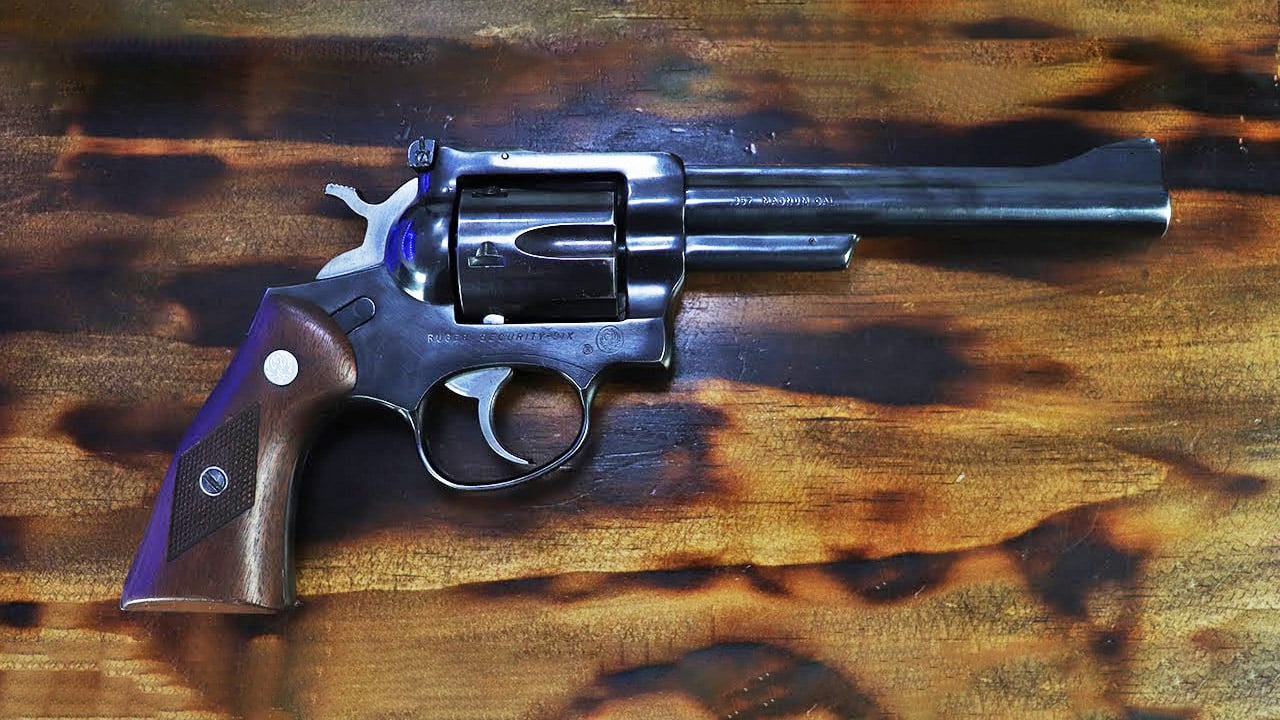
If you wanted a tough .357 that didn’t cost Colt money, the Security-Six was a smart buy. These guns are durable, simple, and not precious. They’re the revolvers that got dragged around in holsters on traplines, fence lines, and back roads.
The triggers aren’t always as slick as a Smith, but they can be very good, and the guns hold up. Plenty of folks who own one don’t see a reason to chase anything else.
16. Ruger Service-Six
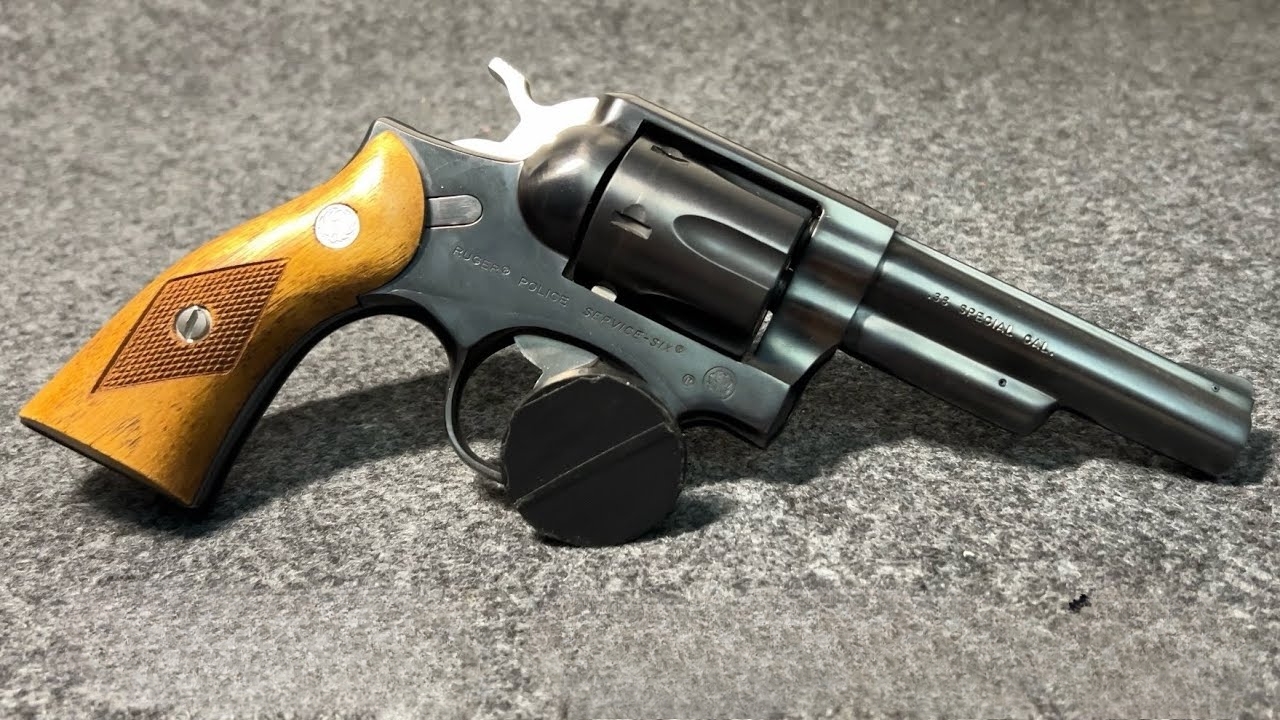
The Service-Six is the more duty-minded version, and it feels like it. It’s a straightforward revolver that carries well on a belt and shoots like it means business. If you ever handled one that rode in a police holster, you know the finish can take a beating and keep on going.
These stick around because they’re honest and predictable. When you need a revolver to work, not to impress your buddies, that matters.
17. Ruger Speed-Six
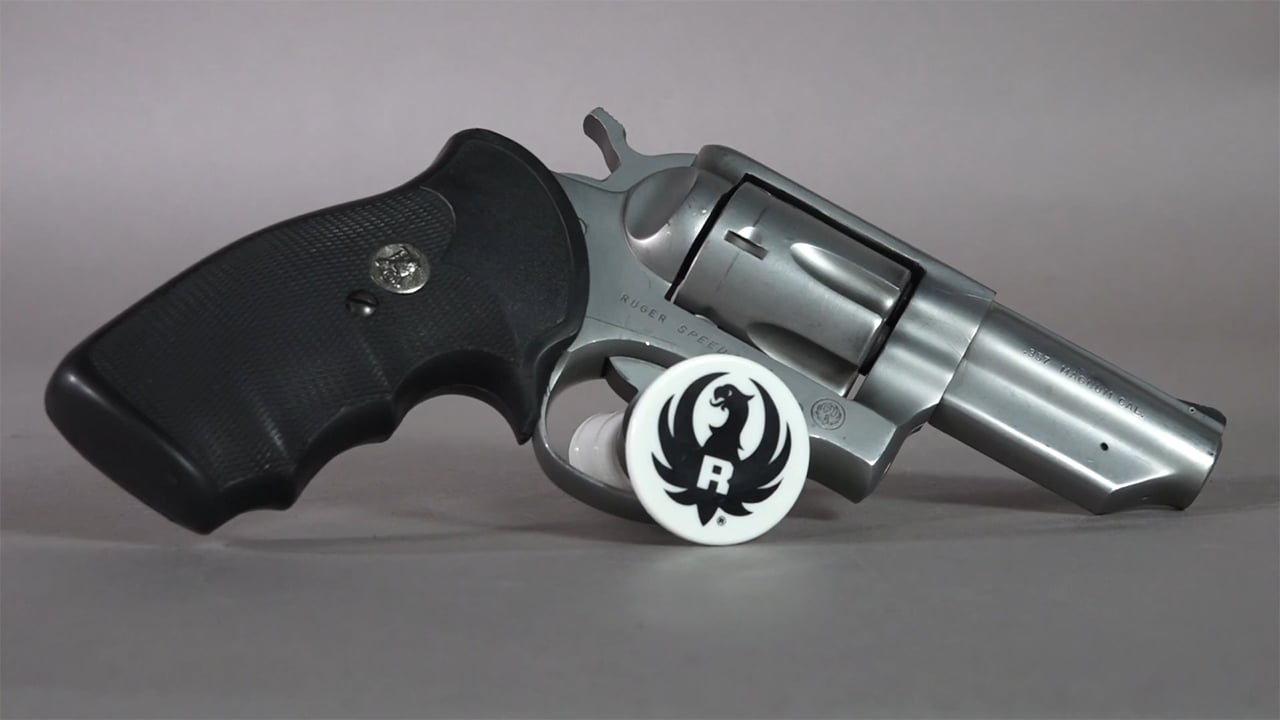
The Speed-Six is the one that surprises people who only know Ruger for “big and heavy.” It’s compact enough to carry easier, still strong enough to trust, and it balances nicely. A lot of shooters who wanted one revolver for town and woods landed here.
Try replacing it today with something that feels the same and costs the same. That’s where the “never replaced” part comes from.
18. Ruger GP100
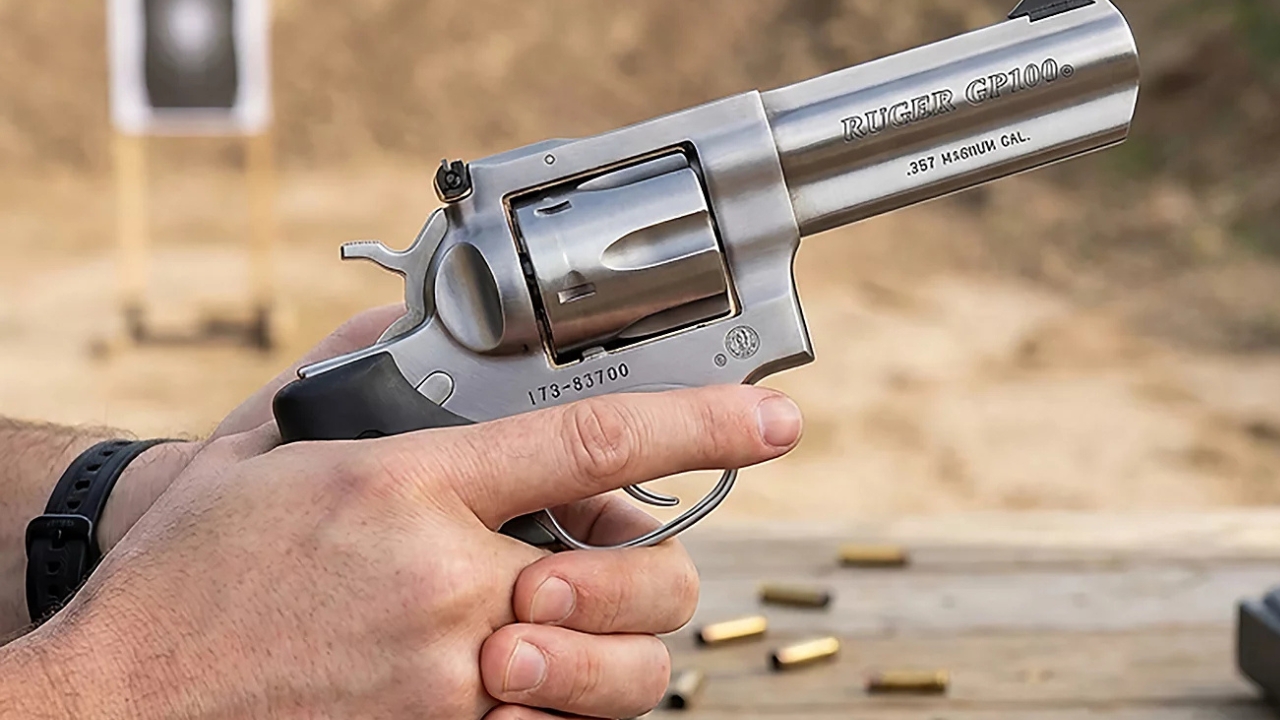
The GP100 is not delicate. It’s a revolver you can actually shoot a lot without babying it, and that’s why it became a long-term keeper for so many 80s shooters. The lockup is stout, the frame is beefy, and it digests magnums like it was built for it—because it was.
Some folks complain about the factory trigger. Fine. Most of them smooth out with use, and plenty are good right out of the box. Either way, the gun lasts, and that’s why it stays.
19. Ruger Redhawk

The Redhawk is a working .44, and you can feel it the first time you pick one up. It’s big, it’s heavy, and it’s not apologizing. In return, it’s one of the revolvers people trust when they’re miles from the truck and the weather turns ugly.
For handgun hunters, it’s still a practical choice. Scopes come and go, loads change, but a Redhawk that’s been sighted in and carried for years becomes part of the routine.
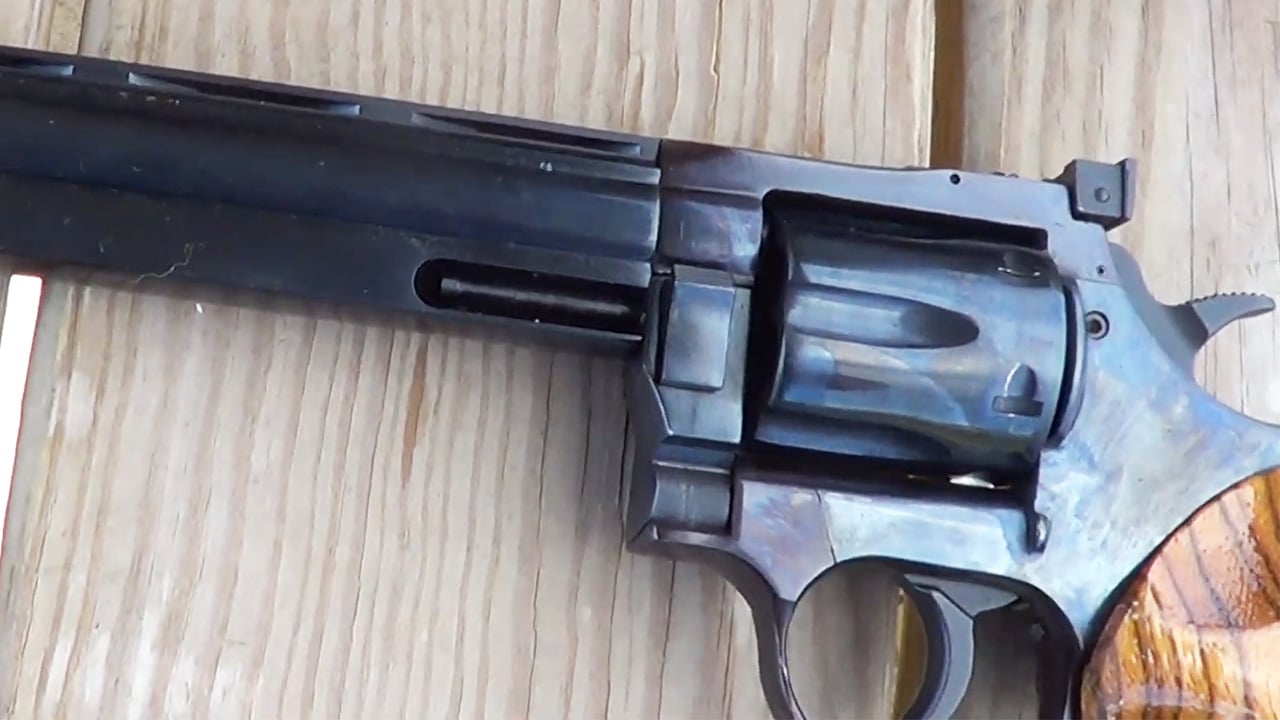
20. Dan Wesson Model 15-2
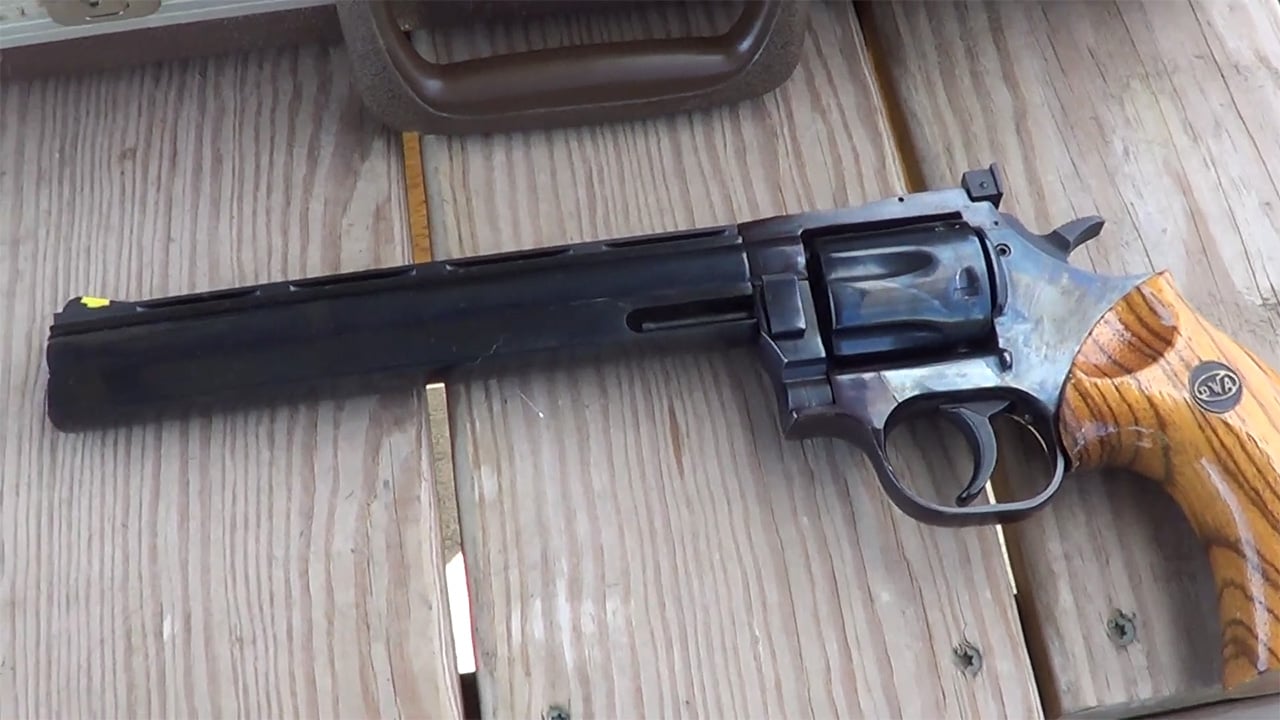
This one is the sleeper that serious revolver guys nod at. The 15-2 had a reputation for accuracy and a solid, no-nonsense build. They weren’t as common as Smiths or Rugers in every small-town shop, but the shooters who bought them tended to be the kind who actually shot a lot.
If you’ve got one that’s been with you since the 80s, you probably don’t feel any urge to “upgrade.” It does what you ask, it holds up, and it has a feel that modern revolvers don’t always match.
None of these are perfect, and not every one of them fits every hand or every purpose. But there’s a reason these specific wheelguns keep showing up in old safes and on worn leather belts: they were built to be used, and they still are. New is fun. Reliable and familiar is better when the season opens, the truck door shuts, and you’re a long way from the gun counter.
Like The Avid Outdoorsman’s content? Be sure to follow us.
Here’s more from us: