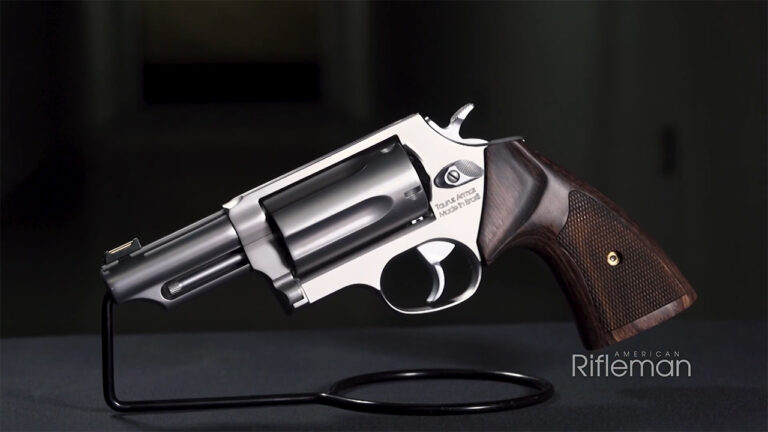
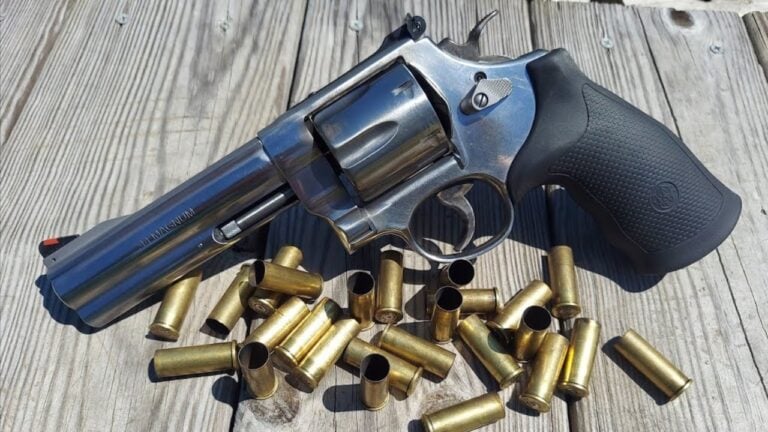
Photo credit: CummingsFamilyFirearms/GunBroker
Tiny pistols are popular because they solve the hardest part of concealed carry: actually keeping a gun on you when life is normal. They’re light, slim, and easy to hide in the real clothes people wear. That’s the upside, and it’s real. The truth nobody wants to hear is that tiny pistols don’t just make carrying easier—they make shooting well harder, and they punish inconsistent fundamentals faster than almost any other category of handgun. If you’re carrying a tiny pistol because you don’t train much, you often picked the exact platform that demands more training to run well. That’s the trap. People buy small guns hoping they’ll reduce effort, and then they’re surprised when the gun exposes every weakness they’ve been ignoring.
A tiny pistol can absolutely work as a carry tool. But it’s rarely the “easiest” option in performance terms. It’s the easiest option to live with on your body, and one of the hardest options to run when you’re cold, rushed, tired, or shooting from a bad position. That’s why so many tiny pistols end up being “carried a lot, shot a little,” and that’s not where you want your defensive confidence coming from.
Tiny pistols demand a cleaner grip than most people can maintain under stress
With a compact or full-size pistol, you can get away with a grip that’s slightly off and still keep acceptable hits. With a tiny pistol, that same grip error turns into muzzle flip, lost sights, and slower follow-up shots. The gun doesn’t give you much surface area to lock in. Your support hand runs out of room. Your pinky may be hanging in space. Your grip pressure gets inconsistent because you’re trying to clamp harder to control recoil, and that turns into shake and anticipation. When you’re fresh at the start of a range session, you might manage it. Under stress or fatigue, that grip consistency is the first thing to degrade.
This is why people think tiny pistols are “snappy.” They are, but the bigger issue is leverage. You don’t have leverage, so your technique has to be cleaner. Most carriers aren’t practicing enough to keep that technique sharp.
Tiny pistols don’t just reduce grip—they shorten your sight radius and often give you smaller, harder-to-read sights. Even with good sights, the shorter sight radius makes alignment errors matter more. At defensive distances, you can still hit, but the gun makes you pay for rushing. People try to shoot a tiny pistol like a compact—fast draw, fast press, fast follow-up—and they find out the gun doesn’t track as cleanly and doesn’t return to the same place as predictably. That shows up as low hits, wide hits, and a lot of “I don’t know why that one went there” moments. Those are the moments that kill confidence.
Carry comfort can create training avoidance without you realizing it
Here’s the ugly truth: the easier a gun is to carry, the easier it is to lie to yourself about competence. You carry it every day, so you feel responsible. But if you don’t shoot it regularly, you’re building confidence on proximity, not ability. Tiny pistols often become the gun people carry because they don’t like carrying, and that same mindset usually means they don’t love training either. So the gun sits in the holster and doesn’t see enough range time to build real skill. Then, when the owner finally shoots it, they remember why they don’t enjoy training with it—sharp recoil, small grip, demanding accuracy—and they go right back to avoiding it.
If you want a tiny pistol to be a real tool, you have to train it in a way that’s sustainable. Short sessions, consistent reps, and honest standards. Not a “once a year” box of ammo.
The most practical truth: bigger is often smarter if you can conceal it
For most people, a compact pistol is the real sweet spot. It still conceals with the right belt and holster, but it gives you enough grip and mass to shoot well and practice more. That means you build real confidence. Tiny pistols often create false confidence because they’re always there, but your performance doesn’t match your feeling. If you can carry a compact consistently, it’s usually the smarter choice because it makes you more capable with less effort.
That doesn’t mean tiny pistols are useless. They’re great for deep concealment or specific lifestyle needs. But the truth is you should treat them like a specialist tool, not the best all-around option.
If you’re committed to a tiny pistol, you need to build competence intentionally. Start practice sessions cold with draw-to-one-hit reps. Use a realistic target zone. Focus on grip consistency and a clean press. Don’t chase speed first—chase repeatable hits. Then add speed gradually. A shot timer and consistent targets make this honest, and you can grab basic training targets at Bass Pro Shops, but you can also do it with paper plates and a marker. The point is tracking whether your first shot and your follow-ups stay clean when you’re cold.
Also, don’t be afraid to admit a tiny pistol might be a backup role. Some shooters carry a micro for convenience but keep a compact for times when they can dress around it. That’s a grown-up approach because it’s based on capability, not ego.
Like The Avid Outdoorsman’s content? Subscribe to our newsletter so you never miss an article.
Here’s more from us: