Photo credit: fr0ggy5/Unsplash.com
A lot of people think wildlife problems start with some dramatic attack on a coop or a big animal crashing through the yard. More often, it starts with something smaller and sneakier: a loose screen, a gap under a door, a weak crawl-space vent, a fence that looked good enough until the wrong animal decided to check it. State wildlife agencies and extension programs keep giving the same general warning because it keeps being true. Wild animals usually do not need a wide-open invitation. They just need a weak point. Bears learn fast around food rewards, raccoons climb well, coyotes dig and jump, rodents gnaw, and several common nuisance species make a habit of denning under porches, sheds, and houses if access is easy.
That is what makes this kind of list useful. It is not really about which animal is the “worst.” It is about which ones are most likely to test whatever weak spot you forgot to think about. Some of these animals climb. Some dig. Some chew. Some squeeze through holes that barely look like holes. And a few will do all of that if there is food, shelter, or an easy den site on the other side. Here are the wild animals most likely to make a weak fence, torn screen, or flimsy door look like a bad decision.
Raccoons

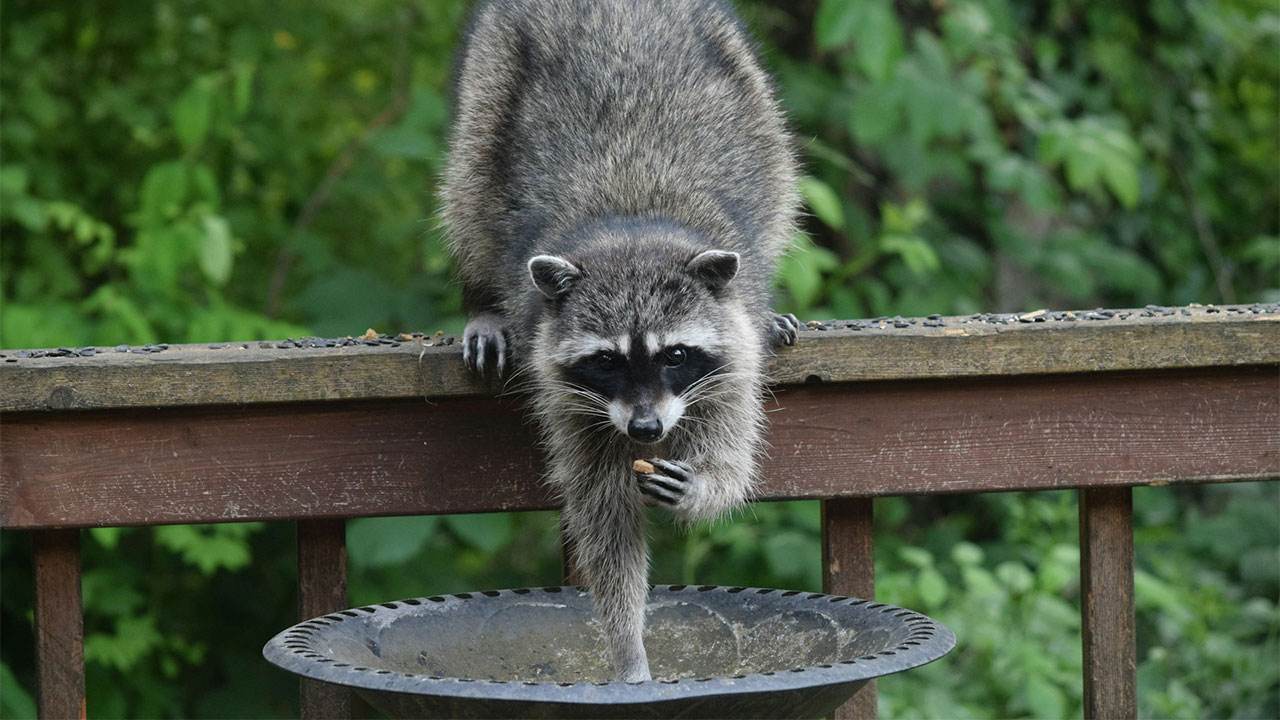
Raccoons are near the top of this list because they combine brains, dexterity, and climbing ability in a way that makes average home defenses look pretty soft. Missouri Extension says raccoons haunt chimneys, attics, porches, and trash cans, and its raccoon guide notes they may tear shingles, fascia boards, and other weak spots to get into attic or wall spaces. The Integrated Crop and Wildlife Damage Management site also says raccoons are excellent climbers and can bypass conventional fences, including by using overhanging limbs.
That is why raccoons keep embarrassing people who thought a basic latch or average screen porch would be enough. If there is pet food, feed, eggs, garbage, or a dry den site inside, they will check the weak points first. They are not built like battering rams, but they do not need to be. They win by finding loose trim, thin coverings, easy roof access, and any opening that is just secure enough to fool a person but not secure enough to stop a determined raccoon.
Black bears

Black bears test weak barriers for a simple reason: strength covers a lot of mistakes. BearWise says bears know how to open lever-style doors and push in or push up windows, and it warns that screens keep out bugs, not bears. It also says an adult bear can fit through an average pet door, which tells you how little margin some homes actually have once a bear decides food might be inside.
The bigger problem is what happens once a bear gets rewarded. National Park Service incident reports keep repeating the same pattern: bears that obtain human food often become food-conditioned and bolder around structures, vehicles, tents, and cabins. So the weak screen door or unlocked porch is not just a one-time mistake. It can turn a passing bear into a repeat visitor that now sees buildings as part of the food search. That is why weak doors and odor-filled porches matter so much more in bear country than people want to admit.
Coyotes
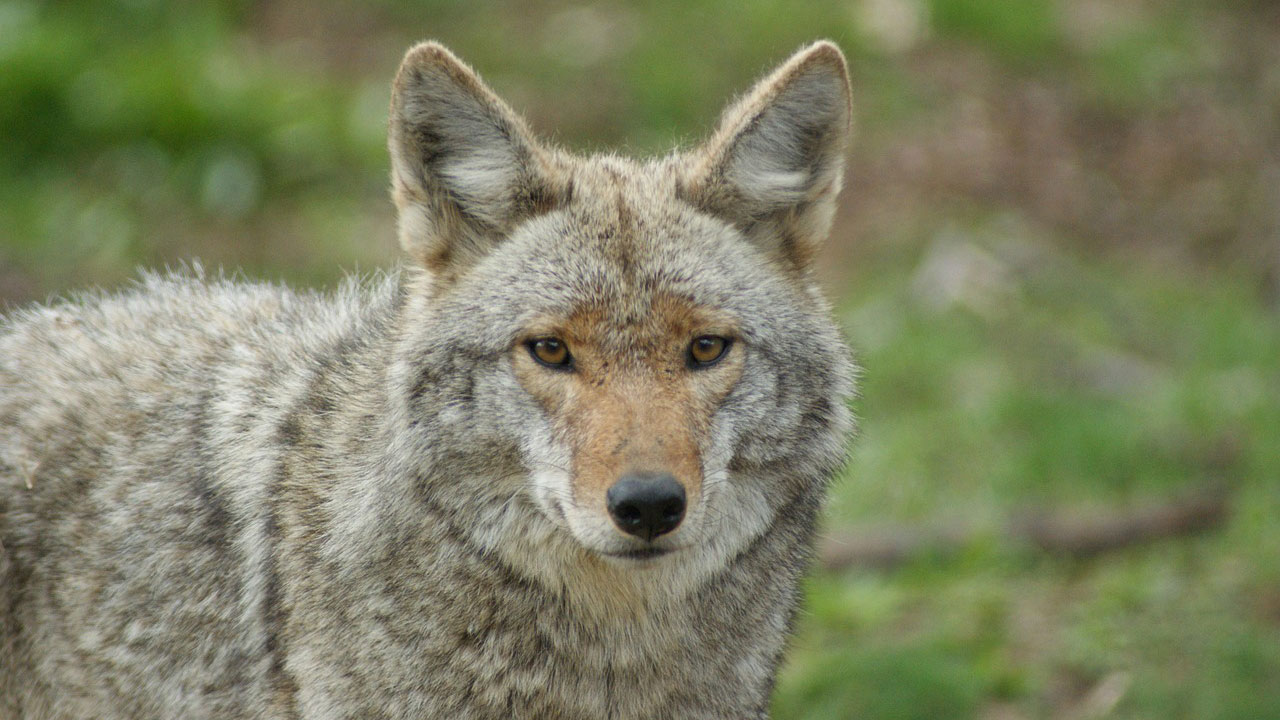
Coyotes belong on this list because they test both the bottom and the top of a fence. APHIS says digging under a fence can be discouraged with a buried apron and that a fence at least 5.5 feet high is needed to keep coyotes from jumping over it. The FAA’s wildlife exclusion guidance is even blunter, noting coyotes can fit through a 6-by-4-inch gap under a fence and will also dig under fencing to gain access.
That combination is what makes coyotes such a headache around poultry, small pets, and poorly secured yards. You are not just defending against one style of entry. You are defending against an animal that will squeeze, dig, and clear more fence than a lot of people expect. A fence that looks tall enough from the patio may still have a weak bottom edge, a gate gap, or an easy corner that a coyote will find much faster than the owner does.
Bobcats

Bobcats are less common around buildings than raccoons or rodents, but when they want into a pen or enclosure, a lot of standard fencing is not much comfort. ICWDM says bobcats can climb wooden fence posts and can jump fences 6 feet or more in height, which is why overhead woven wire is sometimes recommended for poultry or small-animal protection. South Carolina’s nuisance guidance says the same thing almost word for word.
What makes bobcats dangerous to weak setups is that people often build as if the threat is only at ground level. That works until a cat treats the fence like a suggestion instead of a barrier. If a coop has an open top section, a climbable post, or a weak upper transition, a bobcat may not bother with the door at all. It will simply go where the structure is vulnerable and use the fact that most people underbuild for climbing predators.
Feral hogs

Feral hogs are not usually the animal people picture when they think of testing a fence, but they absolutely should. Missouri Extension says feral hogs cause extensive damage to crops, property, and natural resources, and Texas A&M has published exclusion-fence guidance specifically because ordinary access points and feeding areas are vulnerable when hogs are active. Extension.org’s nuisance overview also notes that feral hogs damage both natural and man-made environments.
Hogs do not need to climb like a raccoon or cat to make weak fencing a problem. They put pressure low, shove where the fence gives, root along edges, and exploit any section that was never built for repeated force from a heavy animal. Once a hog starts using an area for feed, water, or travel, a flimsy barrier can go from “probably fine” to folded over in a hurry. They are a good reminder that not every fence failure comes from jumping. Some of it comes from pure stubborn weight.
Foxes
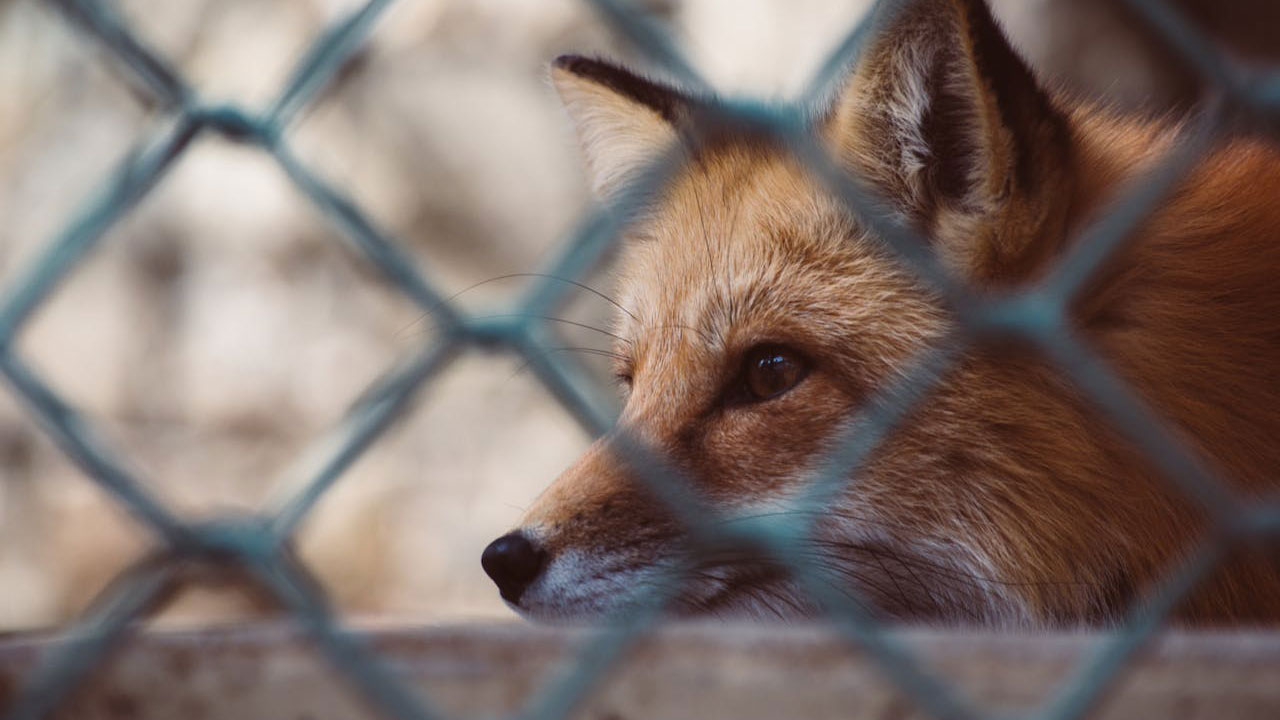
Foxes test fences a lot more than people think, especially where poultry, rabbits, or unsecured pet food make the trip worth it. Connecticut DEEP says foxes will dig or squeeze under poorly maintained fences and may climb over small fences. Indiana DNR gives similar advice and recommends buried fencing because foxes can access livestock, poultry, pets, or gardens through weak setups.
That matters because a lot of home fencing is built to mark a boundary, not to exclude a motivated predator. A small gap under a sagging gate or a low decorative fence may not look like much to a person, but to a fox it can be the easiest route on the property. They are not the strongest animal on this list, but they are exactly the kind of animal that punishes bad maintenance and lazy assumptions.
Tree squirrels
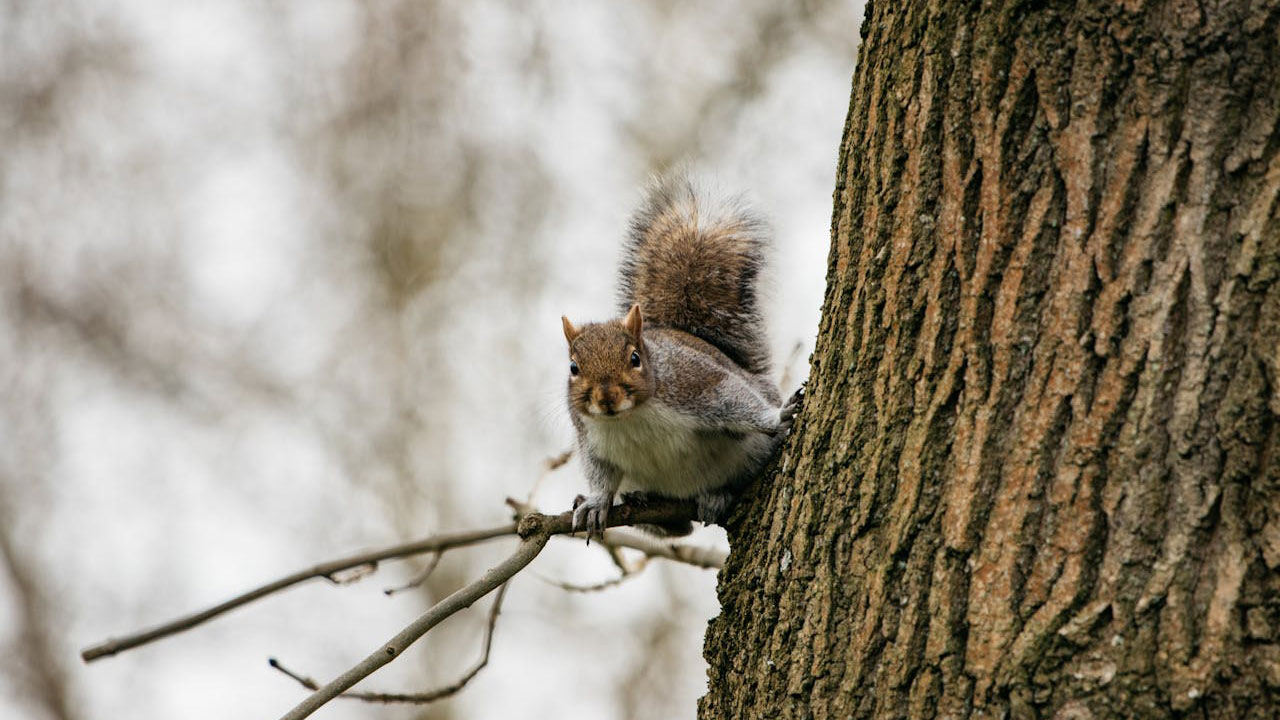
Squirrels are one of the most underestimated structure-testers around because people think of them as backyard clutter instead of entry specialists. Missouri Extension says fox and gray squirrels occasionally enter attics and chimneys and can damage electrical wiring, siding, and insulation. That is already enough to make them more than a minor annoyance.
The real issue is that squirrels do not need a dramatic opening. Roof edges, vents, trim gaps, chimney access, and weathered wood can all become part of the problem. A squirrel is not usually smashing through anything. It is exploiting height, chewing, and neglected exterior wear before the homeowner even realizes the house has become accessible. That is why they show up over and over in attic-damage conversations. The house usually looked sealed enough from the ground.
Rats
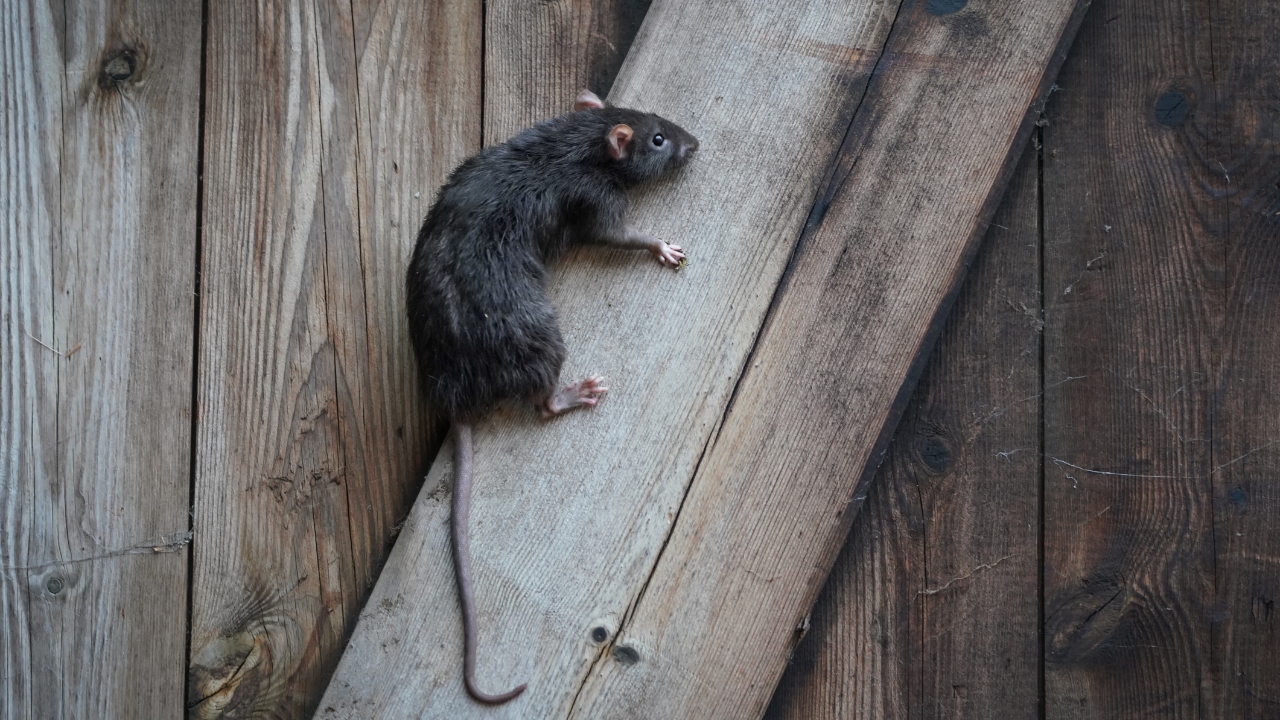
Rats make weak screens, door bottoms, and soft patch materials look almost pointless when the job is sloppy. EPA says rodents can gnaw through softer substances, while extension guidance on rodent-proof construction says rats and mice can gnaw through a wide range of materials, including window screens, wood, rubber, vinyl, plastic, and more. New York State’s public-health guidance also warns that door and screen edges may need metal protection because they can be gnawed.
That is why rodents are so frustrating. The entry point is often small, ugly, and easy to miss until there is already a bigger problem inside. They come under doors, through utility gaps, around vents, and through openings many homeowners write off as too minor to matter. The animal is small, but the damage is not. Once rats are inside, they can contaminate food, chew wiring, and turn a tiny exterior weakness into a much bigger and nastier repair job.
Mice

Mice deserve their own spot because what stops a rat does not always stop a mouse. The Forest Service says openings larger than a quarter inch should be eliminated for mice, and several rodent-proofing guides make the same point: mice use tiny gaps, open vents, utility lines, and ill-fitting windows or doors to get into structures. Once access exists, their size does the rest.
They also share the rodent habit of gnawing when a gap is not quite wide enough. So a weak screen, cheap patch, or loose corner is not just an inconvenience around mice. It is an invitation. A lot of people build and repair for what they think they can see, but mice are a good reminder that the problem is often measured in fractions of an inch, not obvious holes. That is why they keep getting through places that “look sealed” until winter, feed storage, or droppings say otherwise.
Opossums

Opossums are not the strongest or boldest animal on this list, but they are absolutely the kind that will use weak access to den under and around structures. Washington Department of Fish and Wildlife says opossums commonly use chimneys, attics, and spaces under houses, porches, and sheds as den sites. Massachusetts gives essentially the same warning.
That puts them squarely in the category of animals that punish unfinished edges and unprotected lower access points. If a porch skirt is loose, a crawl-space cover is weak, or an old shed has openings near the ground, opossums may not need to “break in” at all. They just move into what was left open enough to use. Their style is not as dramatic as a bear or raccoon, but that does not make them harmless to foundations, insulation, or peace and quiet under the house.
Skunks
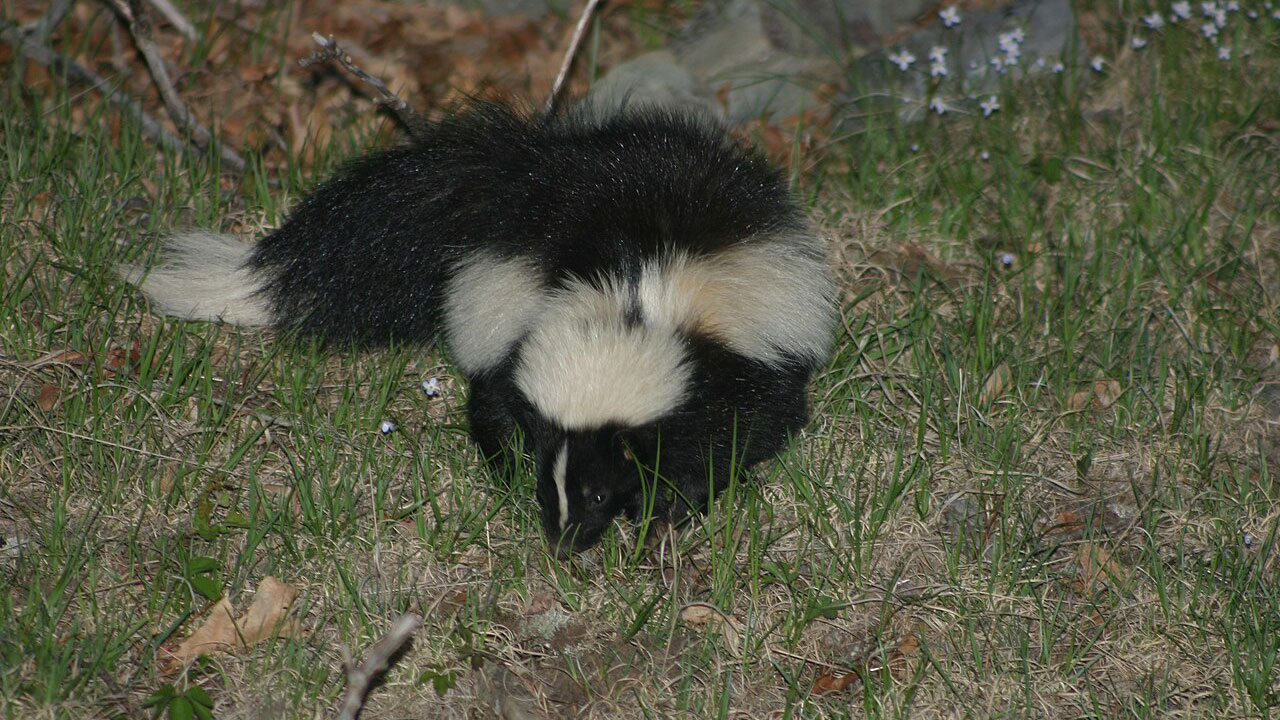
Skunks are one of the clearest examples of an animal that does not need to climb well to become a real barrier-tester. El Dorado County’s wildlife guidance says skunks usually enter through open, weak, or loose places in fences or buildings and may gain entry by digging under fences. ICWDM’s skunk-control guidance also emphasizes buried fencing and sealed ground-level openings for exclusion.
That tells you exactly how skunks operate around weak structures. They go low. They take advantage of soft edges, open ground-level access, and places where a human assumed “close enough” would count as sealed. They are not usually bulldozing intact hardware cloth, but they do a great job finding the one place it is not intact. That is plenty to turn a coop, porch, or under-deck space into a regular stop.
Weasels

Weasels do not get talked about enough in homeowner conversations, mostly because they are small and a lot of people never see one before the damage is done. Missouri’s weasel-control guidance says long-tailed weasels and mink can be excluded from poultry houses and other structures by closing all openings larger than 1 inch. That is the kind of sentence that should get a person’s attention fast.
An animal that can turn a one-inch oversight into a dead-bird problem is exactly the kind of animal that exposes weak building habits. Weasels do not need a big door problem or a broken fence panel. They need a gap, a loose board, or a bad transition where materials do not meet tightly. People build for dogs, raccoons, or foxes and completely forget about the small predator that can get in where none of those animals could. That is how weasels keep winning.
Mink
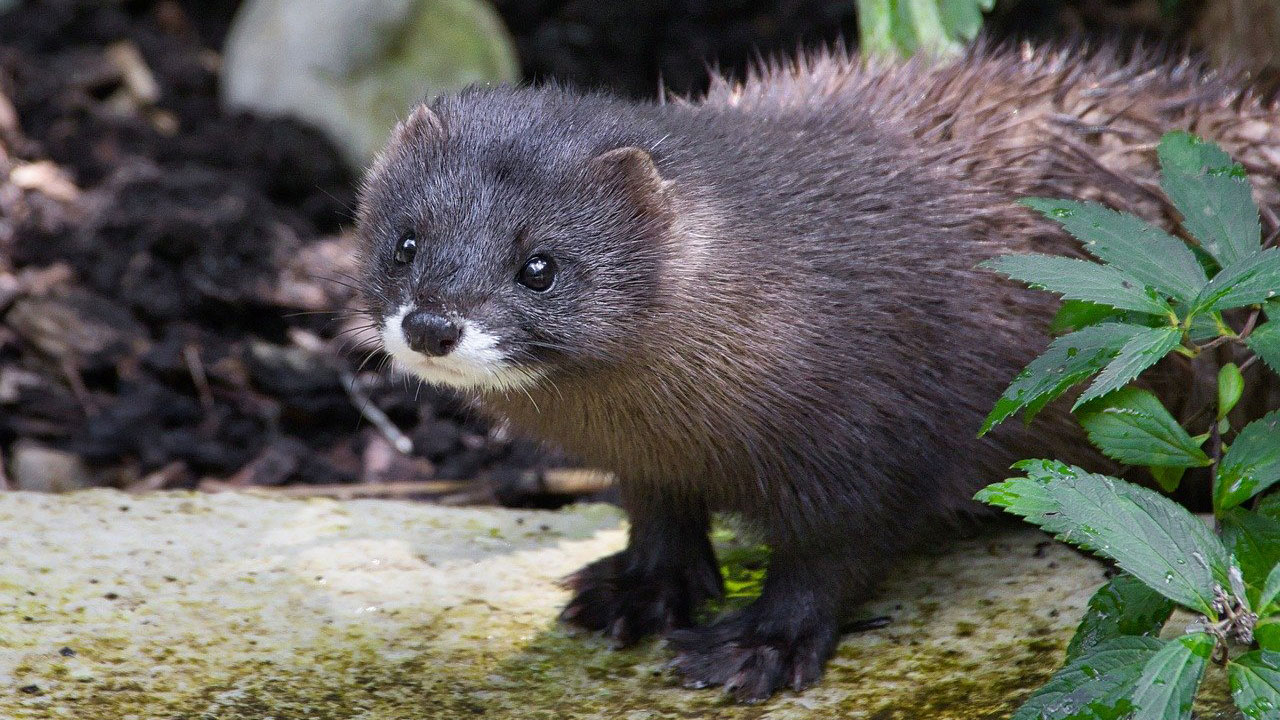
Mink deserve to be grouped with the best fence-testers because they combine climbing ability with a talent for exploiting small structural weaknesses. Missouri’s nuisance guidance pairs mink with weasels and says they should be excluded from poultry houses and other structures by closing openings larger than 1 inch. Skunk damage guidance also notes that mink, unlike skunks, readily climb fences.
That is why mink can be a nasty surprise around coops and waterside properties. People think in terms of a ground predator coming under the fence, but mink can take advantage of both low and elevated vulnerabilities. If a fence has a climbable section and the structure itself has a tiny access mistake, a mink may not care which option is easier. It will use the one you forgot to build against.
Groundhogs

Groundhogs are usually thought of as garden pests, but they are also very good at proving when a fence is not finished. Virginia DWR says groundhogs may try to burrow under a fence and have also been known to climb over fences. North Carolina and Michigan give similar guidance, recommending underground footers or buried fencing because groundhogs will go under weak barriers and can also climb more than people expect.
That makes them a classic example of an animal that tests both the design and the follow-through. A short decorative barrier or a fence with no buried section often works right up until a groundhog decides the garden or under-deck space on the other side is worth the effort. They are not flashy about it. They just quietly expose the fact that the barrier only looked complete from above ground.
Woodchucks under decks and sheds
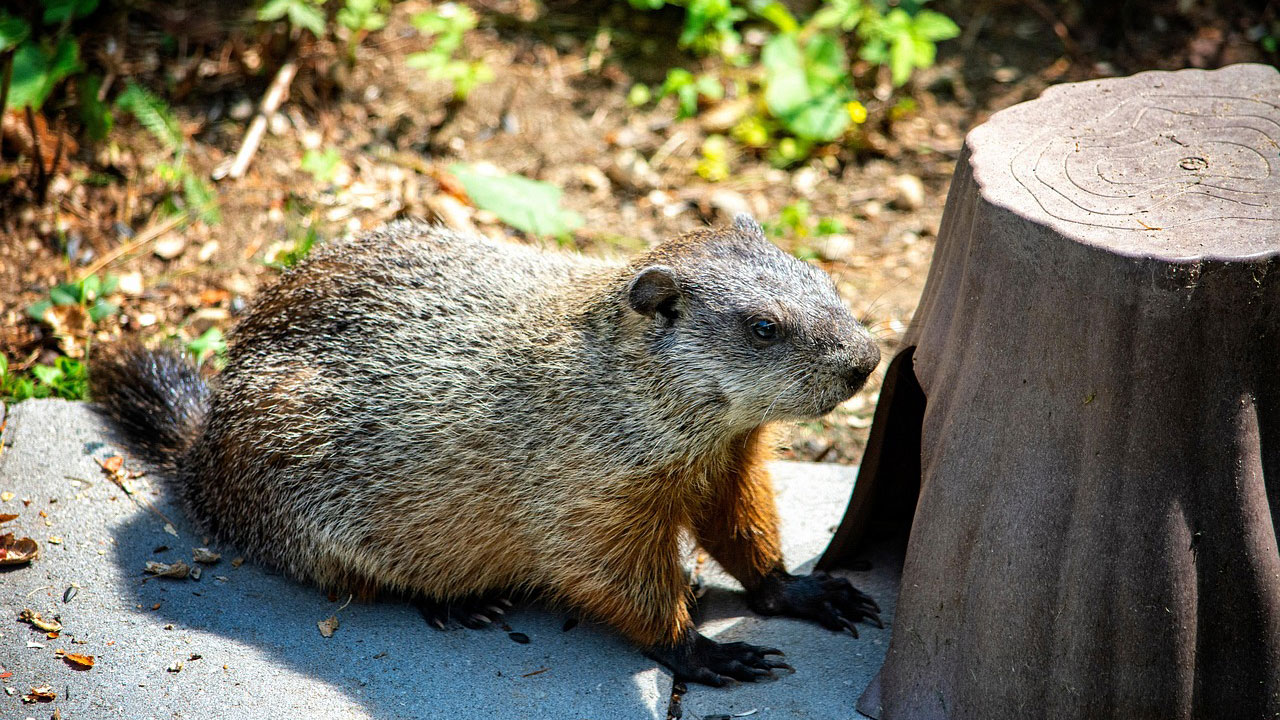
This one overlaps with groundhogs because woodchuck is another name for the same animal, but the under-structure behavior is worth calling out on its own because it is one of the most common property headaches. Connecticut says woodchucks can be excluded from burrowing under sheds and porches by burying galvanized wire mesh well below ground. ICWDM’s woodchuck guidance also warns they will dig underneath screening or boards to enter a den if the setup is not done right.
That is exactly why loose skirting and shallow barriers fail so often. A person sees a deck perimeter covered and assumes the problem is solved. The woodchuck sees a bottom edge that was never buried deeply enough and treats it like a temporary inconvenience. Weak lower barriers around sheds and porches are basically a challenge to a burrowing animal that already wants a protected den site.
Like The Avid Outdoorsman’s content? Subscribe to our newsletter so you never miss an article.
Here’s more from us: