Photo credit: DruryOutdoors/YouTube
Some cartridges make distance relatively easy. Their bullets stay fast, resist wind, and give the shooter enough margin that a small range-estimation error does not turn into a major miss.
Others become increasingly demanding once the target gets farther away. That does not make them bad cartridges. Many are excellent in woods, brush, straight-wall hunting zones, suppressed rifles, or short-barreled guns. The trouble starts when shooters try stretching them beyond the distances where their trajectories and remaining velocity make sense. These 20 cartridges can make a long shot harder than it needs to be.
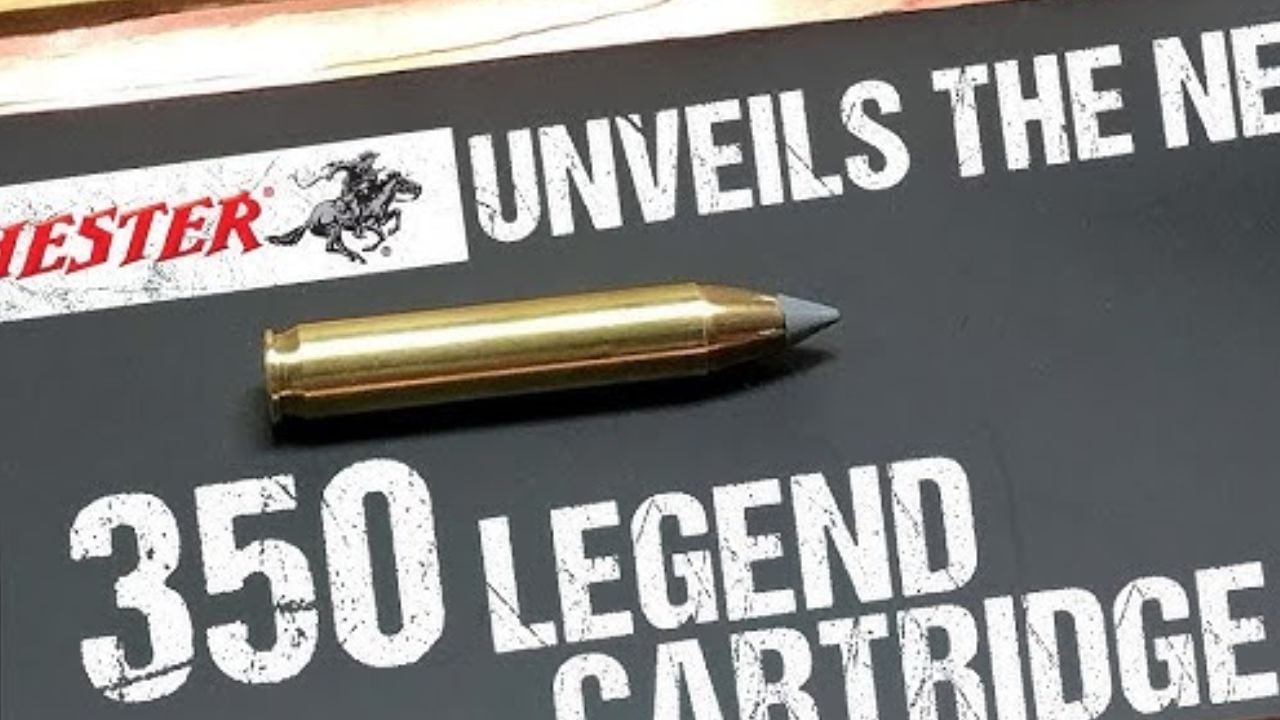
.350 Legend

The .350 Legend makes a lot of sense for deer hunters who need a straight-wall cartridge with mild recoil. Inside moderate ranges, it is accurate, efficient, and easy enough for younger or recoil-sensitive hunters to shoot well.
Past roughly 200 yards, though, trajectory starts becoming much more important. The relatively blunt bullets shed velocity quickly compared with modern bottleneck hunting cartridges, and small mistakes in range estimation can produce substantial vertical error. You can absolutely hit farther with a properly zeroed .350 Legend, but a flatter cartridge gives the hunter considerably more room for error.
.450 Bushmaster

The .450 Bushmaster hits hard and works extremely well inside the ranges where straight-wall hunting cartridges were intended to operate. A heavy .45-caliber bullet also makes it extremely effective on deer and hogs at reasonable distance.
The downside is that those big bullets lose speed quickly. Once the range stretches, holdover increases fast and wind starts moving the bullet more than many shooters expect. A misjudged 30 or 40 yards matters much more with a .450 Bushmaster than it does with something like a .270 Winchester. It is a great short- to medium-range hunting round, not a cartridge that makes distant shots easy.
.45-70 Government
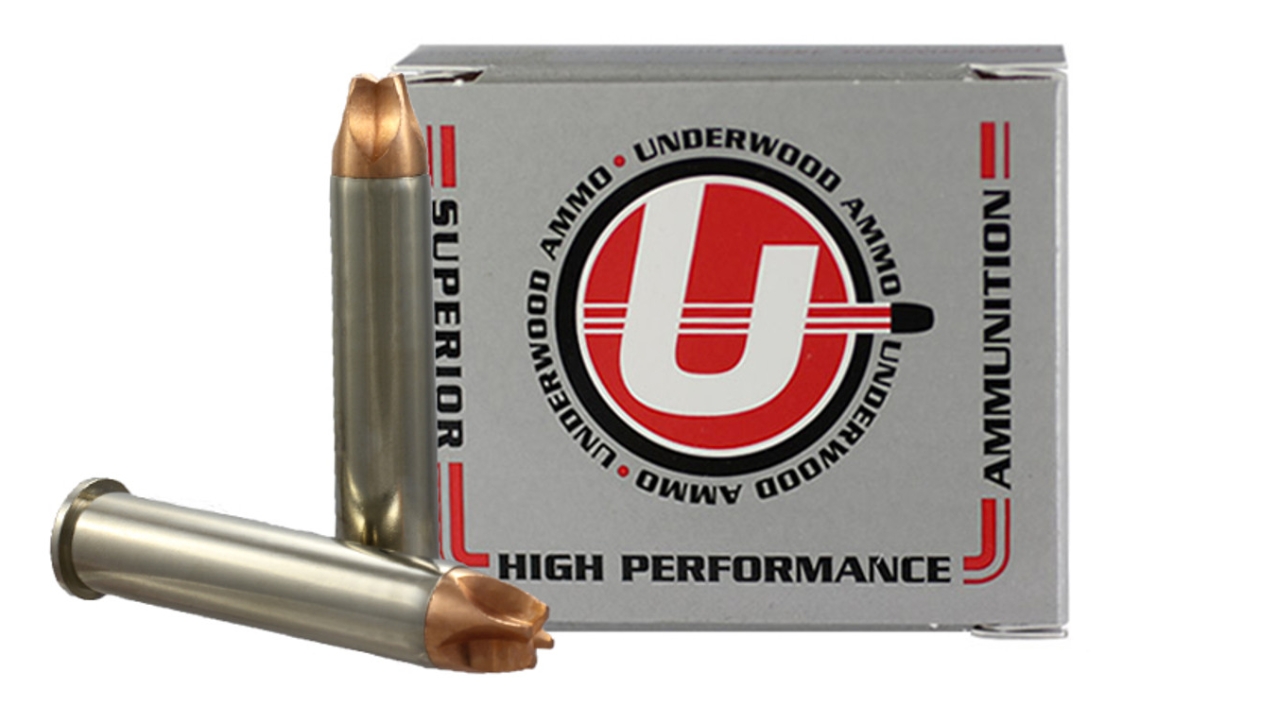
A modern .45-70 load can be tremendously powerful, and good rifles are capable of excellent mechanical accuracy. The cartridge’s reputation for taking large game is well deserved.
None of that changes the trajectory. Heavy .45-caliber bullets launched at moderate velocity drop aggressively as distance increases. At longer ranges, the shooter needs an accurate range, a verified trajectory, and a very clear understanding of what the load is doing. The .45-70 can reach surprisingly far in skilled hands, but almost any modern bottleneck hunting cartridge makes the same shot easier.
.30-30 Winchester
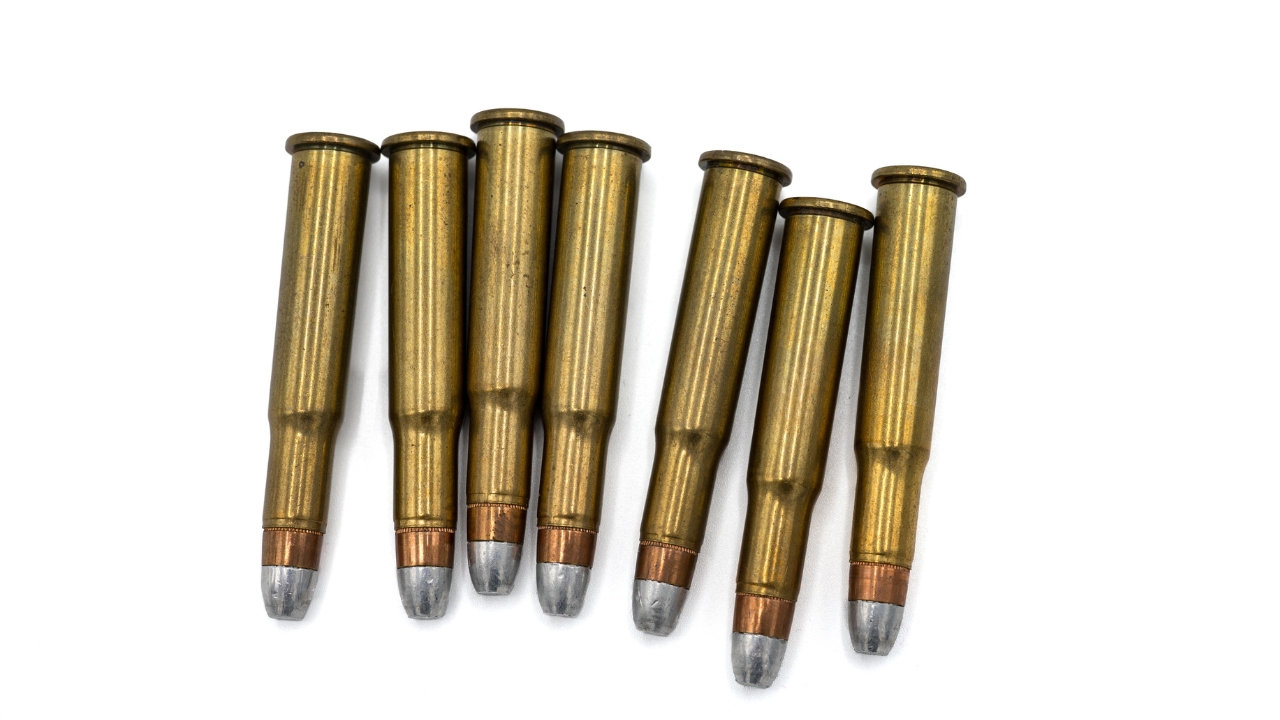
The .30-30 has probably killed more deer than most modern cartridges ever will. In wooded country where shots are commonly inside 150 yards, there is very little wrong with it.
Stretch it past 200 yards and the advantages begin disappearing. Traditional flat- or round-nose bullets give up velocity faster than sleek pointed bullets, while trajectory becomes increasingly arched. Modern tipped ammunition improves the situation, but it does not turn the .30-30 into a true long-range cartridge. Hunters who know their limits can use it effectively, but distance demands increasingly precise range judgment.
.300 Blackout Subsonic
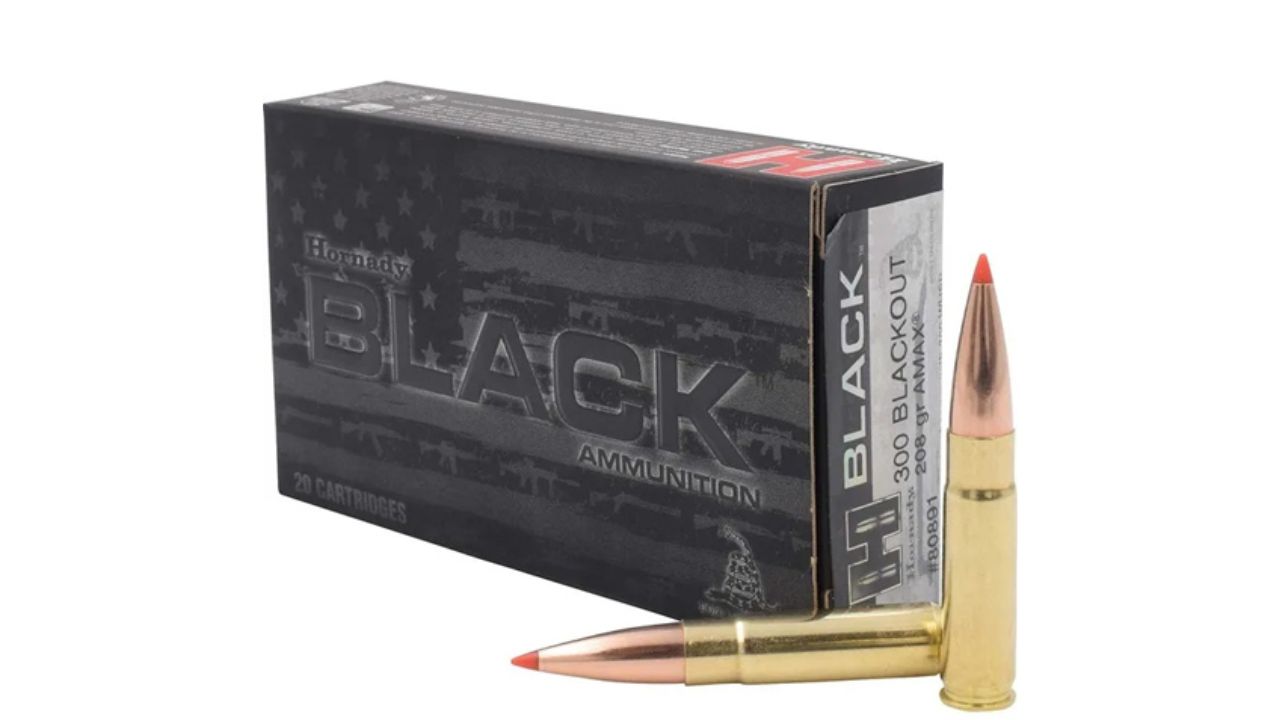
Subsonic .300 Blackout is fantastic when quiet suppressed shooting is the priority. Heavy bullets moving below the speed of sound produce a completely different experience from high-velocity rifle cartridges.
Long-range shooting is where that advantage becomes a massive handicap. A subsonic bullet begins slow and gets slower, resulting in dramatic drop even at distances most rifle shooters would consider moderate. Range-estimation errors become brutal. Wind also gets far more time to push the bullet around. Subsonic .300 Blackout is excellent for what it was designed to do, but stretching it creates unnecessary difficulty.
.300 Blackout Supersonic

Supersonic .300 Blackout is far more capable at distance than its subsonic counterpart, but it still gives up velocity and trajectory compared with cartridges designed around longer-range performance.
From a short rifle or pistol barrel, the cartridge is excellent inside moderate distances. Once the shooter pushes toward 300 yards and beyond, bullet drop and remaining velocity start becoming increasingly important. A 5.56 NATO, 6.5 Grendel, or other flatter-shooting cartridge generally makes those distances easier to manage. The Blackout’s strengths are compact rifles and short barrels, not long shots.
7.62x39mm

The 7.62×39 is dependable, affordable, and extremely effective at the ranges where most intermediate cartridges are actually used. It is also surprisingly capable from an accurate rifle with decent ammunition.
Trajectory becomes the limiting factor as range increases. Common 123-grain loads start at modest velocity and shed speed quickly, producing substantially more drop than flatter intermediate cartridges. Wind also becomes increasingly important. Hitting steel at 400 yards can be done, but making a precise first-round hunting shot at distance is a different standard. There are much better cartridges for that job.
.44 Magnum

Out of a rifle, .44 Magnum is considerably more capable than people who only know it from handguns sometimes realize. A carbine can make an excellent short-range deer or hog rifle.
The bullet is still relatively heavy and blunt, and velocity falls quickly once it leaves the muzzle. At 200 yards, trajectory is already demanding enough that range estimation matters considerably. Push farther and the problem compounds quickly. The .44 Magnum is devastating up close, but choosing it for long shots gives away trajectory for power you generally do not need.
.357 Magnum
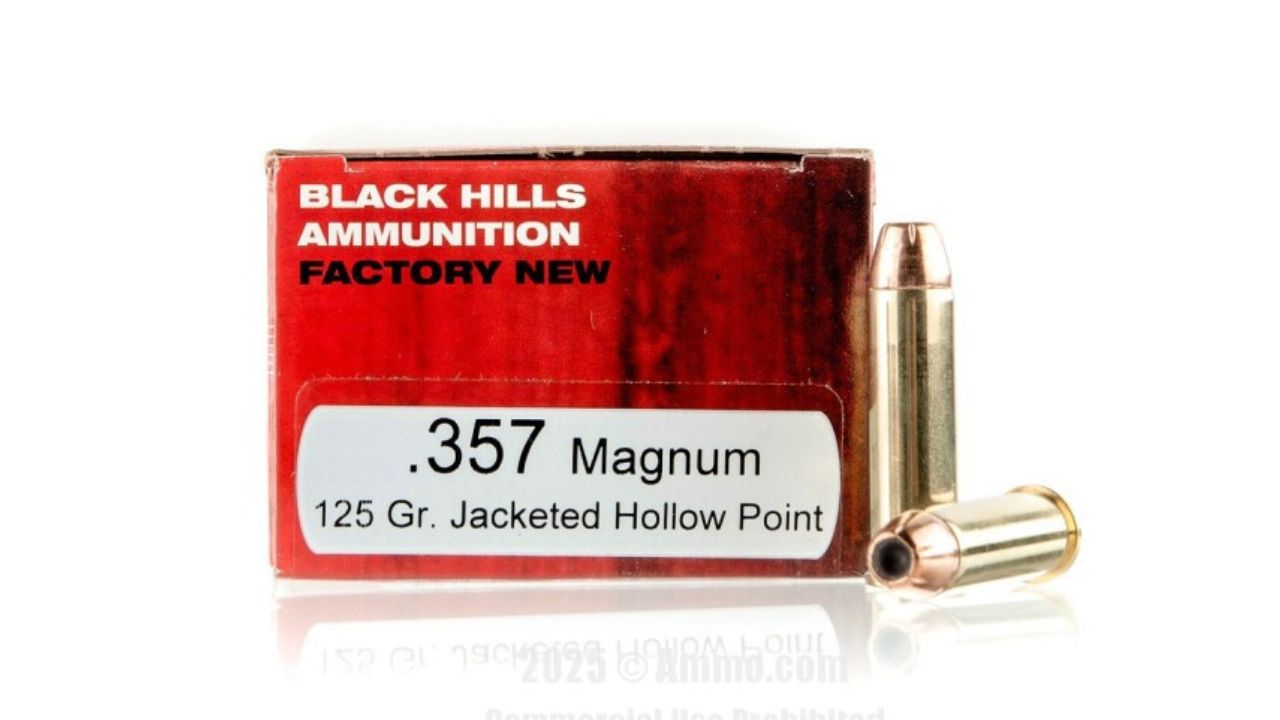
A .357 Magnum lever gun is lightweight, handy, and surprisingly effective on appropriate game. Longer barrels also add meaningful velocity compared with revolvers.
That does not make the cartridge a long-range performer. Even streamlined .357 bullets have poor ballistic coefficients compared with modern rifle projectiles, and velocity drops quickly. At modest ranges, the cartridge is easy to use. Stretch it much beyond its comfort zone and both trajectory and terminal performance require more attention. There is little reason to force a pistol cartridge into a job a rifle cartridge handles better.
.360 Buckhammer
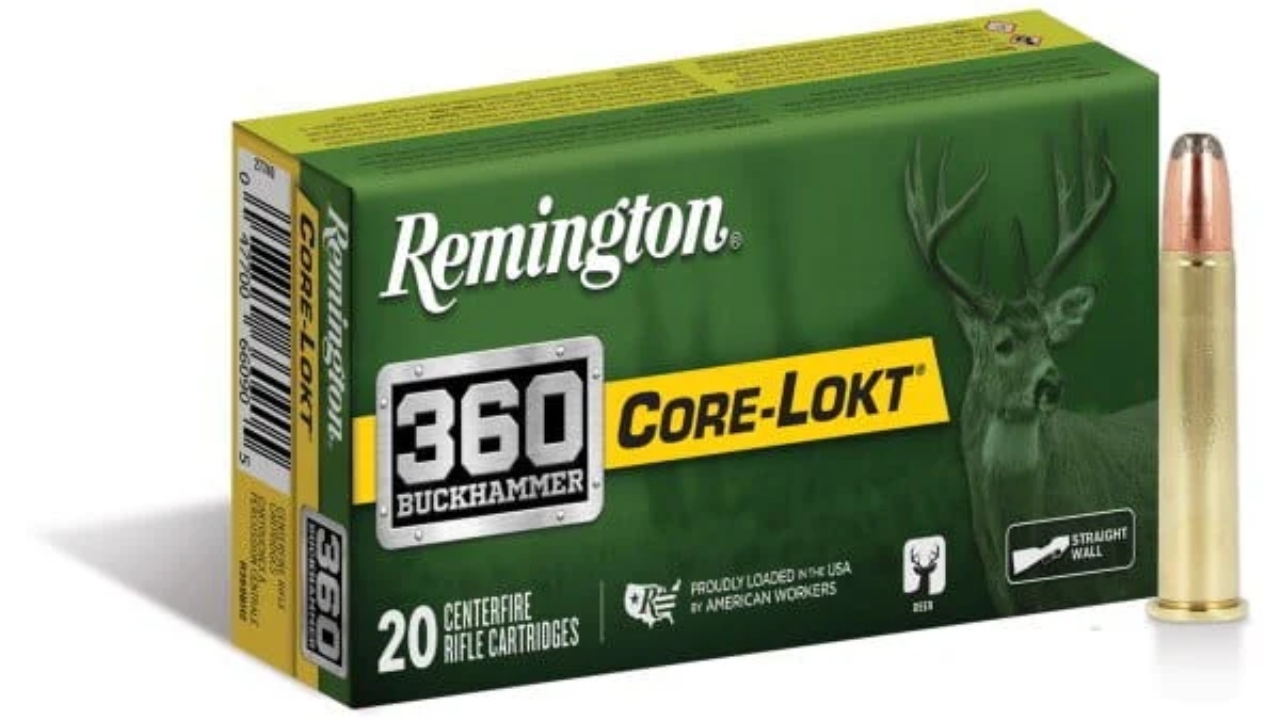
The .360 Buckhammer was created specifically to give straight-wall hunters a capable lever-action option, and inside normal deer distances it does that very well.
Like other straight-wall rounds, though, it cannot escape the aerodynamic limitations of relatively wide bullets. Velocity and energy fall faster than they do with sleek bottleneck cartridges, while drop becomes increasingly pronounced. The Buckhammer can absolutely reach past 200 yards, but its best qualities show up closer. Trying to turn it into a long-range hunting cartridge works against the design.
.400 Legend
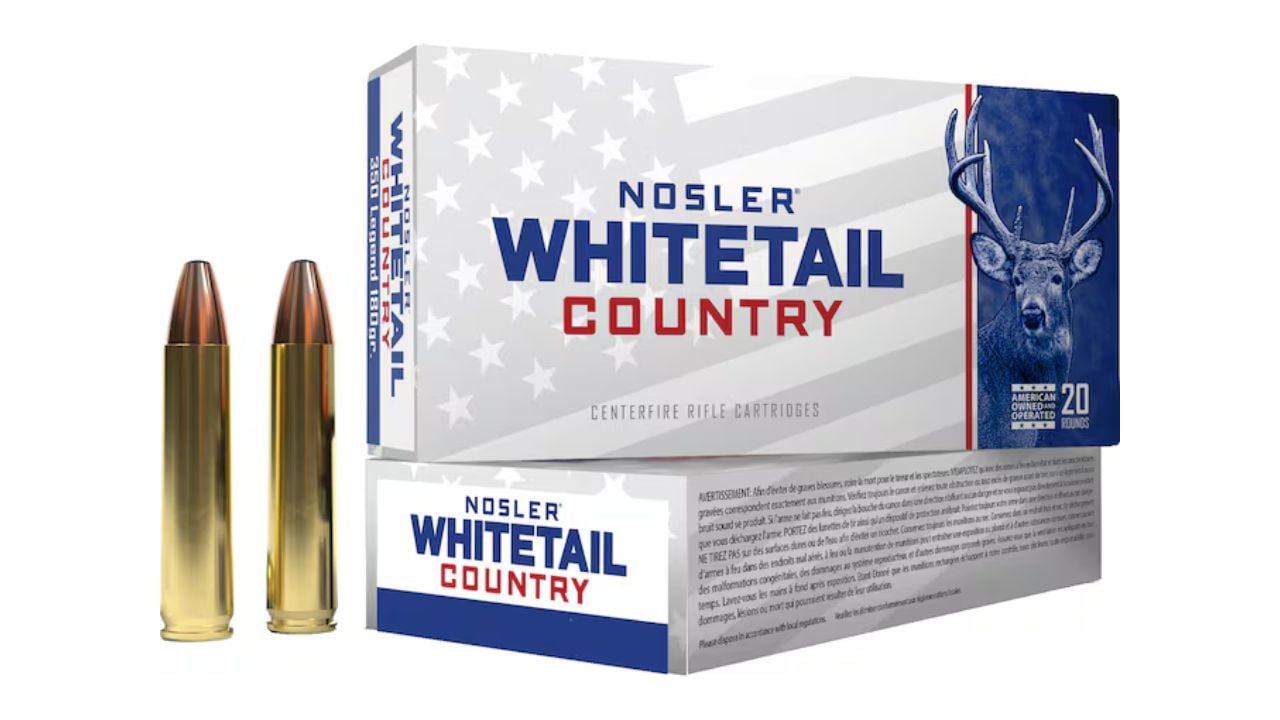
The .400 Legend offers more bullet diameter and energy than .350 Legend without producing the punishment of some larger straight-wall cartridges. That makes it appealing for deer hunters in restricted states.
At distance, the same basic limitations remain. A relatively large bullet traveling at moderate speed loses velocity more quickly than a smaller, sleeker rifle projectile. Holdover becomes increasingly important once you start stretching the range. The cartridge can certainly make a 200-yard shot, but farther distances increasingly favor something with a flatter trajectory and better retained velocity.
.444 Marlin

The .444 Marlin delivers serious power from a lever-action rifle and remains an excellent choice for hunters who spend most of their time in thick country.
The cartridge throws large-diameter bullets that are effective but not particularly aerodynamic. As distance grows, velocity disappears and trajectory becomes steep enough that guessing the range is a bad idea. It can be used farther than many hunters assume, especially with modern ammunition, but that does not mean it is the easiest choice. Its strength is delivering authority at sensible hunting distances.
.454 Casull
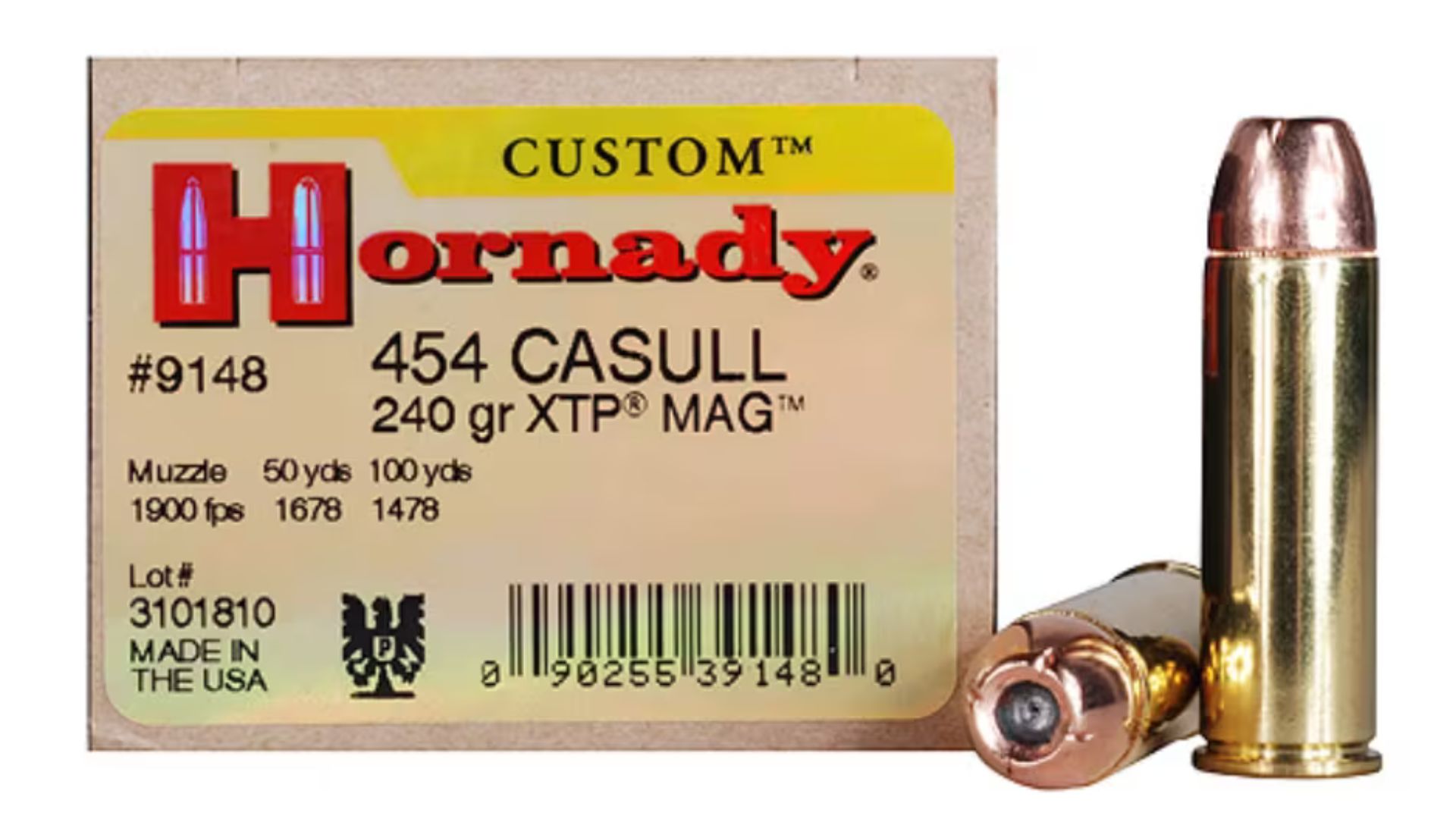
The .454 Casull becomes a completely different animal from a rifle barrel, producing impressive velocity and enormous close-range energy.
It is still fundamentally a handgun cartridge firing relatively blunt bullets. Once range starts stretching, those bullets slow quickly and drop increases rapidly. A lever gun chambered in .454 Casull can be an extremely effective woods rifle, but the cartridge does not magically acquire the ballistic efficiency of a bottleneck rifle round. Long shots demand much more precise holdover.
.460 S&W Magnum
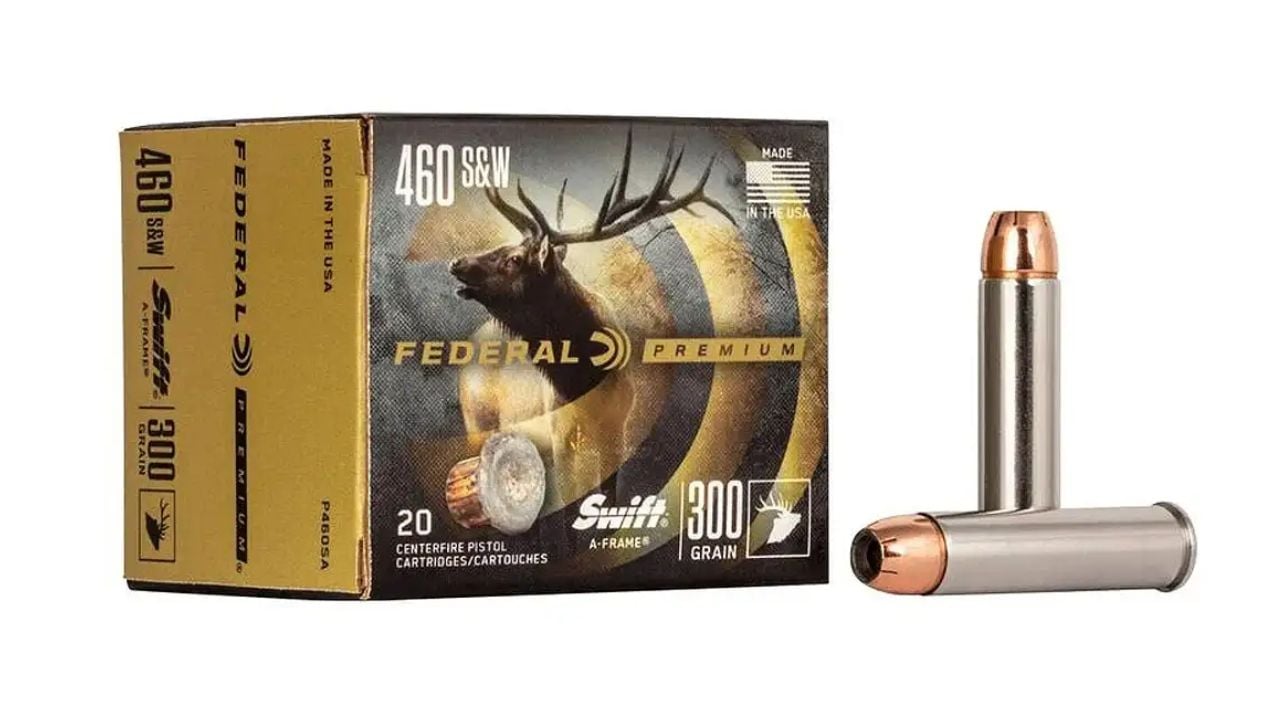
The .460 S&W can produce astonishing velocity for a revolver cartridge, especially from a long barrel. It is one of the more capable straight-wall rounds when distance is required.
That does not make it an ideal long-range choice. The bullets are still large and relatively inefficient, and recoil makes precise field shooting more difficult for many hunters. It can reach farther than .44 Magnum or .45 Colt, but a conventional high-velocity rifle cartridge will usually deliver flatter trajectory with much less recoil and less complicated holdover.
.45 Colt
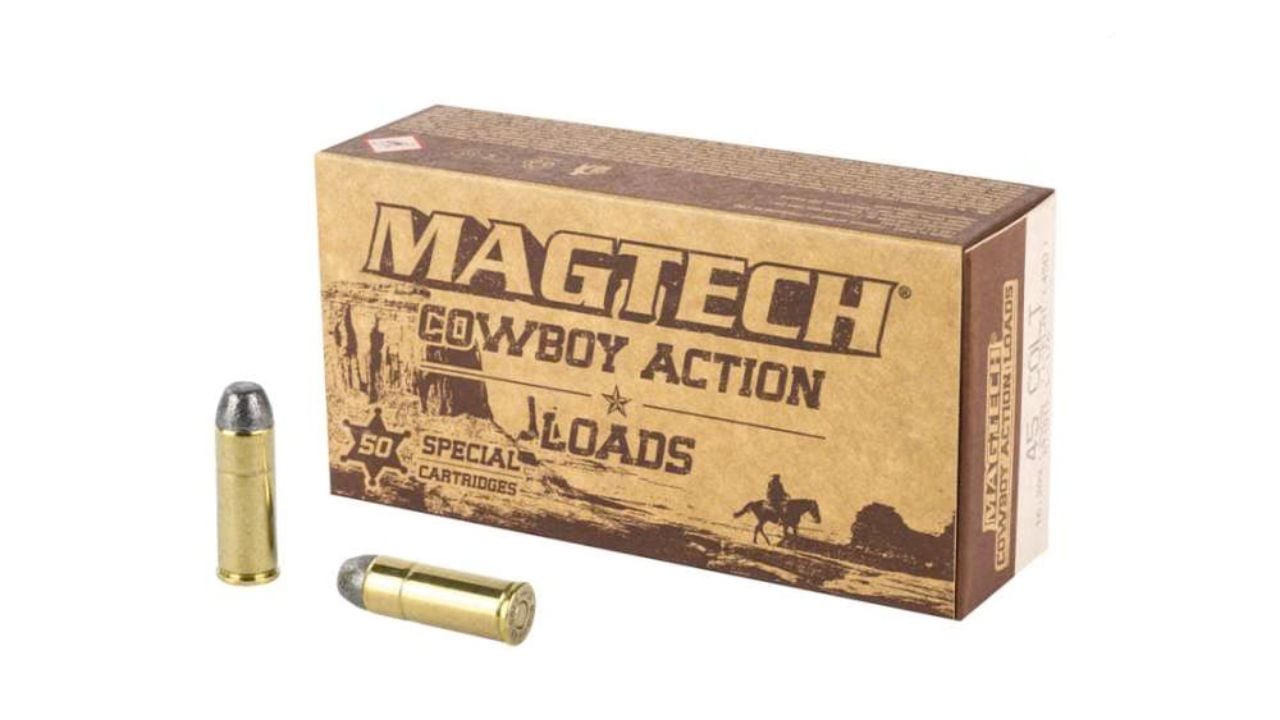
Modern .45 Colt loads can be extremely effective from strong rifles and revolvers, especially when loaded for hunting.
Trajectory remains the obvious limitation. The cartridge uses large, heavy bullets at relatively moderate velocities, so drop becomes substantial very quickly as distance increases. Traditional loads are even more pronounced. Inside 100 yards, that may barely matter. Start stretching toward 200 and the shooter needs a very good range estimate. There are easier ways to make that shot.
.22 LR
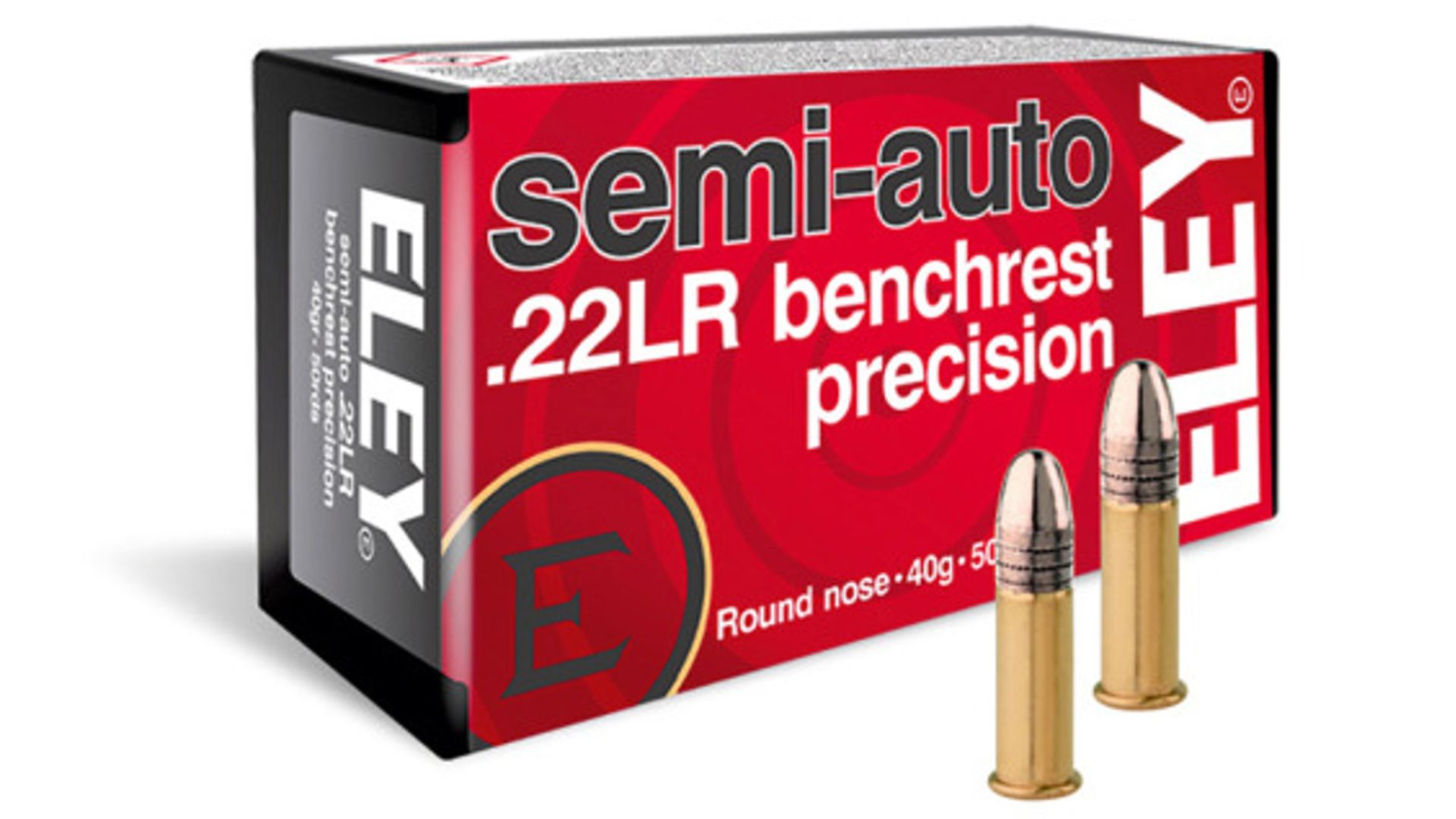
The .22 LR can be remarkably accurate, and experienced rimfire shooters regularly hit targets at distances that surprise people. That makes long-range .22 shooting an excellent training exercise.
For hunting or any situation where the first shot really matters, it becomes extremely unforgiving. The little bullet slows rapidly, gets pushed around by wind, and experiences dramatic drop as distance increases. Even a modest range-estimation error can move the impact several inches. Long-range rimfire competition is fun precisely because it is difficult. That difficulty is not something you want to add to a serious field shot.
.22 WMR
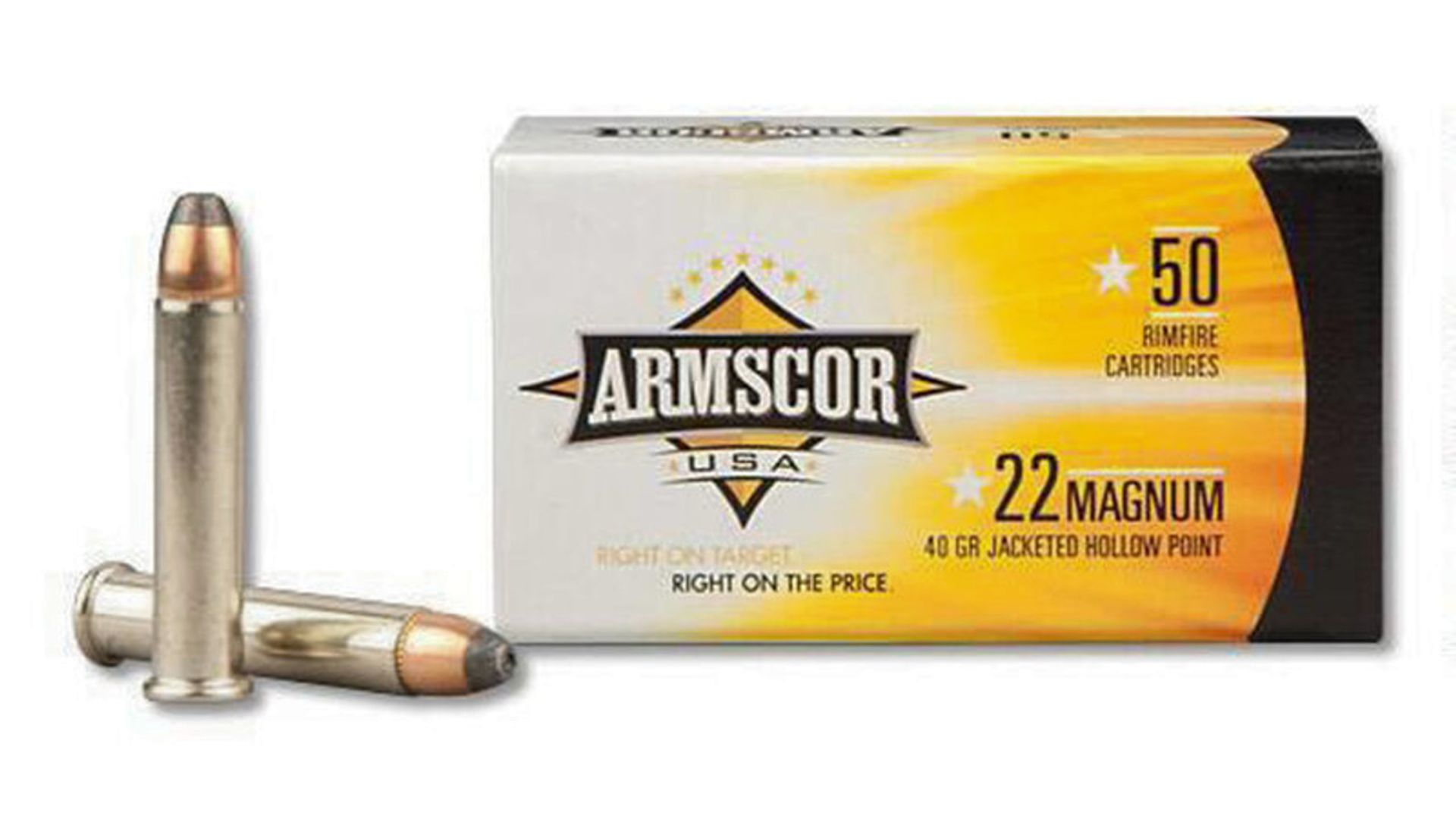
The .22 Magnum gives shooters considerably more speed and energy than .22 LR, extending useful range for varmints and small game.
It still uses lightweight bullets that shed velocity quickly. Wind becomes a serious factor as the distance stretches, particularly with lighter projectiles. A breeze that barely changes the impact of a centerfire rifle can move a .22 Magnum enough to matter on a small target. The cartridge performs very well within its envelope, but pushing it too far reduces the margin for error quickly.
.17 HMR

The .17 HMR initially looks like it should be a fantastic long-range rimfire because its tiny bullets leave the muzzle extremely fast and shoot remarkably flat at moderate distances.
Wind is where the problem appears. Those lightweight bullets simply do not have much mass, and a crosswind can move them substantially as range increases. The cartridge remains excellent for prairie dogs, rabbits, and other small targets when conditions cooperate. In variable wind, however, stretching the shot can become much more difficult than the flat trajectory alone suggests.
12-Gauge Slug

A rifled slug gun can be surprisingly accurate, and modern sabot loads have extended the effective range of shotguns considerably. Hunters in shotgun-only areas have taken advantage of that for decades.
They still do not behave like conventional rifle bullets. Slugs are large, heavy projectiles with comparatively poor aerodynamic efficiency, so velocity falls rapidly and drop becomes pronounced. Recoil also makes field practice less pleasant, which can leave shooters less prepared for the exact hold they need. At closer ranges they hit incredibly hard. At long range they make an already difficult shot harder.
20-Gauge Slug
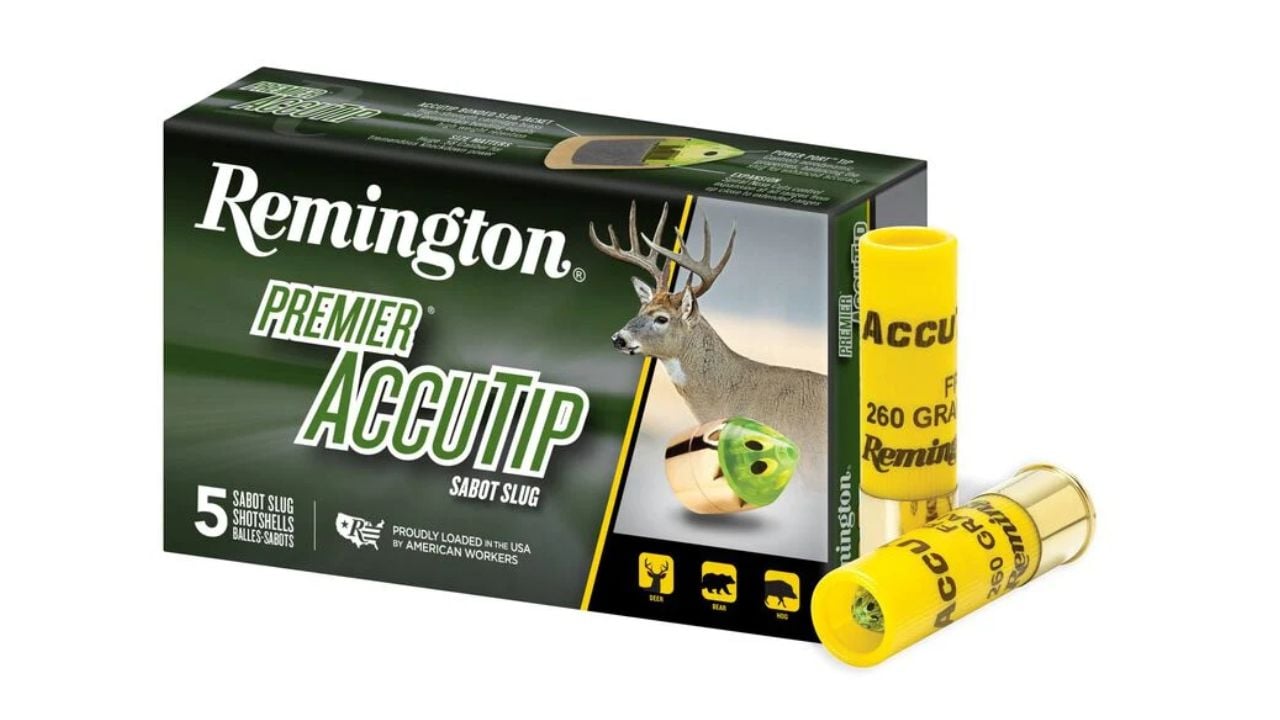
The 20-gauge slug has become a legitimate deer-hunting option, especially with rifled barrels and modern sabot ammunition. Recoil can be more manageable than a comparable 12 gauge, making it attractive for younger hunters.
The same basic ballistic limitations remain. A slug gives up velocity quickly and develops a much more arched trajectory than a centerfire rifle cartridge. Once distance stretches, accurate ranging and a verified zero become essential. A 20-gauge slug gun can be extremely effective inside its intended range, but pushing farther simply reduces the amount of error the hunter can afford.
Like The Avid Outdoorsman’s content? Subscribe to our newsletter so you never miss an article.
Here’s more from us: