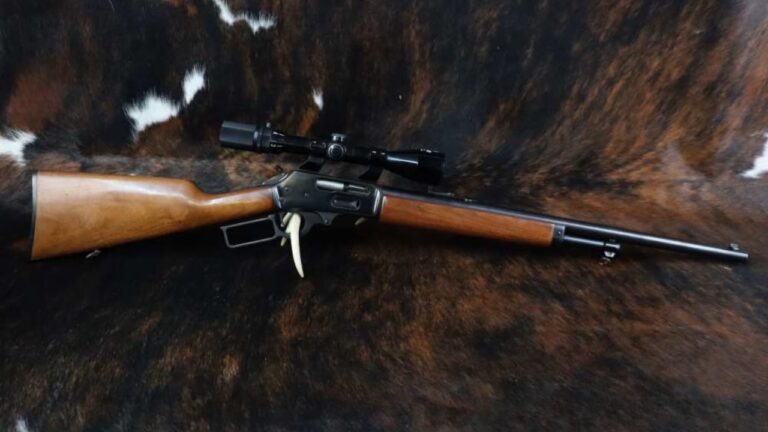
Photo credit: The VSO Gun Channel/YouTube
Newer shooters tend to judge calibers by what gets the most attention right now. If a cartridge is not tied to a new rifle launch, a long-range trend, or a social media argument, it starts getting treated like it is outdated. That is usually too simple. A lot of older calibers still work because bullet placement, bullet construction, recoil control, and real-world hunting distances have not changed nearly as much as people pretend.
Some of these rounds are not trendy. Some are not flashy. A few have been called boring for decades. But boring calibers have filled freezers, won trust, and kept working long after newer favorites showed up. These cartridges still perform better than newer shooters often want to admit.
.22 Long Rifle

The .22 Long Rifle is so common that newer shooters sometimes underrate it. It is not powerful, and nobody should pretend it is a big-game round, but it remains one of the most useful cartridges ever made. For practice, small game, pest control, and teaching fundamentals, it is hard to beat.
The real value is how much shooting it allows. A good .22 rifle or pistol lets a shooter work on trigger control, follow-through, positions, and field accuracy without recoil or high ammo cost getting in the way. Plenty of centerfire confidence starts with thousands of rounds of .22 LR.
.22 WMR

The .22 Magnum does not get the same attention as centerfire varmint rounds, but it still has a very useful place. It hits harder than .22 LR, reaches farther, and works well on small game, pests, and close-range varmints. In a good rifle, it is more capable than many newer shooters expect.
It is especially useful where a full centerfire is too loud, too destructive, or unnecessary. For raccoons, foxes, groundhogs, and similar work at sensible distances, .22 WMR still makes sense. It is not a long-range coyote cartridge, but inside its lane, it remains practical.
.17 HMR

The .17 HMR gets dismissed by some shooters because it is a rimfire, but it can be extremely effective when used correctly. It shoots flat for a rimfire, is very accurate in many rifles, and makes small targets much easier to hit than .22 LR at longer distances.
Wind and bullet fragility are real limitations, but that does not make the cartridge useless. For prairie dogs, ground squirrels, crows where legal, and small pests, the .17 HMR is still excellent. It is a precision rimfire with a narrow role, and it performs very well when hunters respect that role.
.223 Remington

The .223 Remington is sometimes treated like a beginner cartridge because recoil is light and ammo is common. That misses the point. It is one of the most useful centerfire cartridges around for practice, predators, varmints, and general rifle work.
With the right bullet, .223 can be very effective on coyotes, foxes, prairie dogs, and even deer where legal and carefully used. It is not a hammer for big game, but its low recoil helps shooters make better hits. For high-volume practice and predator hunting, newer shooters should not be too quick to dismiss it.
.22-250 Remington

The .22-250 Remington may not be the hot new predator cartridge, but it is still a laser for varmints and coyotes. It is fast, flat, and hits noticeably harder than .223 Remington at distance. When open country and windy fields are part of the hunt, that speed still matters.
It can be loud and hard on barrels compared with milder rounds, but performance is the reason people still defend it. For coyotes, prairie dogs, and long-range varmint shooting, the .22-250 remains one of the best classic choices. Newer cartridges did not make speed stop working.
.243 Winchester

The .243 Winchester gets criticized by shooters who want more bullet weight for deer, and there is some truth to that. It needs good bullets and reasonable shot choices. But when used correctly, it is still one of the best light-recoiling deer and varmint cartridges ever made.
It works because people shoot it well. Low recoil helps newer hunters, smaller-framed hunters, and anyone who values shot placement over ego. With modern controlled-expansion bullets, the .243 is still very capable on deer and antelope while doubling as a strong coyote cartridge.
.257 Roberts

The .257 Roberts is not common on every ammo shelf, but it still performs beautifully in the field. It is mild, accurate, and very effective on deer-sized game. A lot of hunters who have actually used one understand why it has such a loyal following.
Newer shooters may overlook it because 6.5 Creedmoor and 7mm-08 Remington are easier to find and talk about. That is fair from a practicality standpoint. But the Roberts still kills cleanly with modest recoil and good bullets. It is one of those old cartridges that feels better in the field than it looks on a trend chart.
.25-06 Remington

The .25-06 Remington still deserves respect as a flat-shooting deer, antelope, and varmint cartridge. It sends light-to-medium bullets fast, making it excellent for open country where distance can stretch and recoil still needs to stay manageable.
It does not have the heavy-bullet flexibility of some modern 6.5s or 7mms, but that does not erase what it does well. For pronghorn, whitetails, mule deer, and coyotes, the .25-06 remains a very useful round. It is especially good for hunters who like speed without magnum recoil.
.270 Winchester
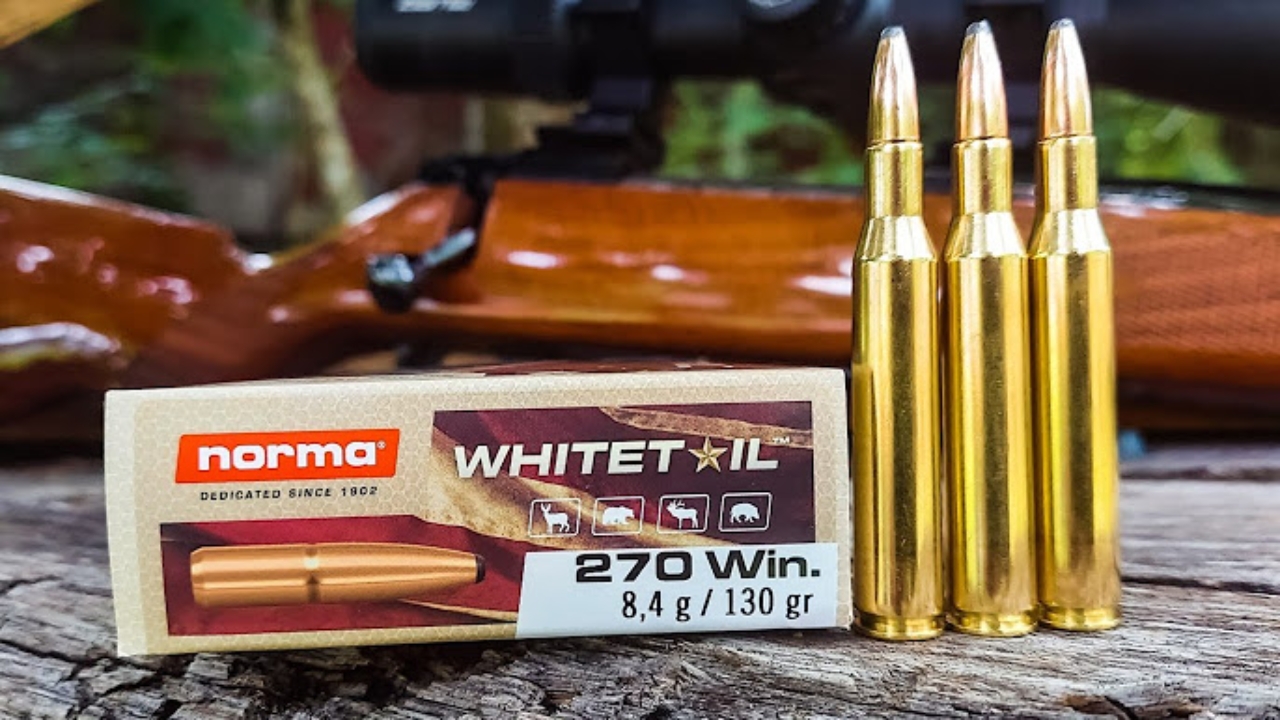
The .270 Winchester is one of the classic cartridges newer shooters love to call boring. That usually means they have not watched one work enough. It shoots flat, hits hard, recoils less than many magnums, and has decades of success on deer, elk, antelope, sheep, and black bear.
It still makes sense because it does not ask for much. Ammo is common, rifles are everywhere, and bullet selection is strong. The .270 Winchester may not be trendy, but it remains one of the best all-around hunting cartridges for people who actually hunt normal distances.
7mm-08 Remington
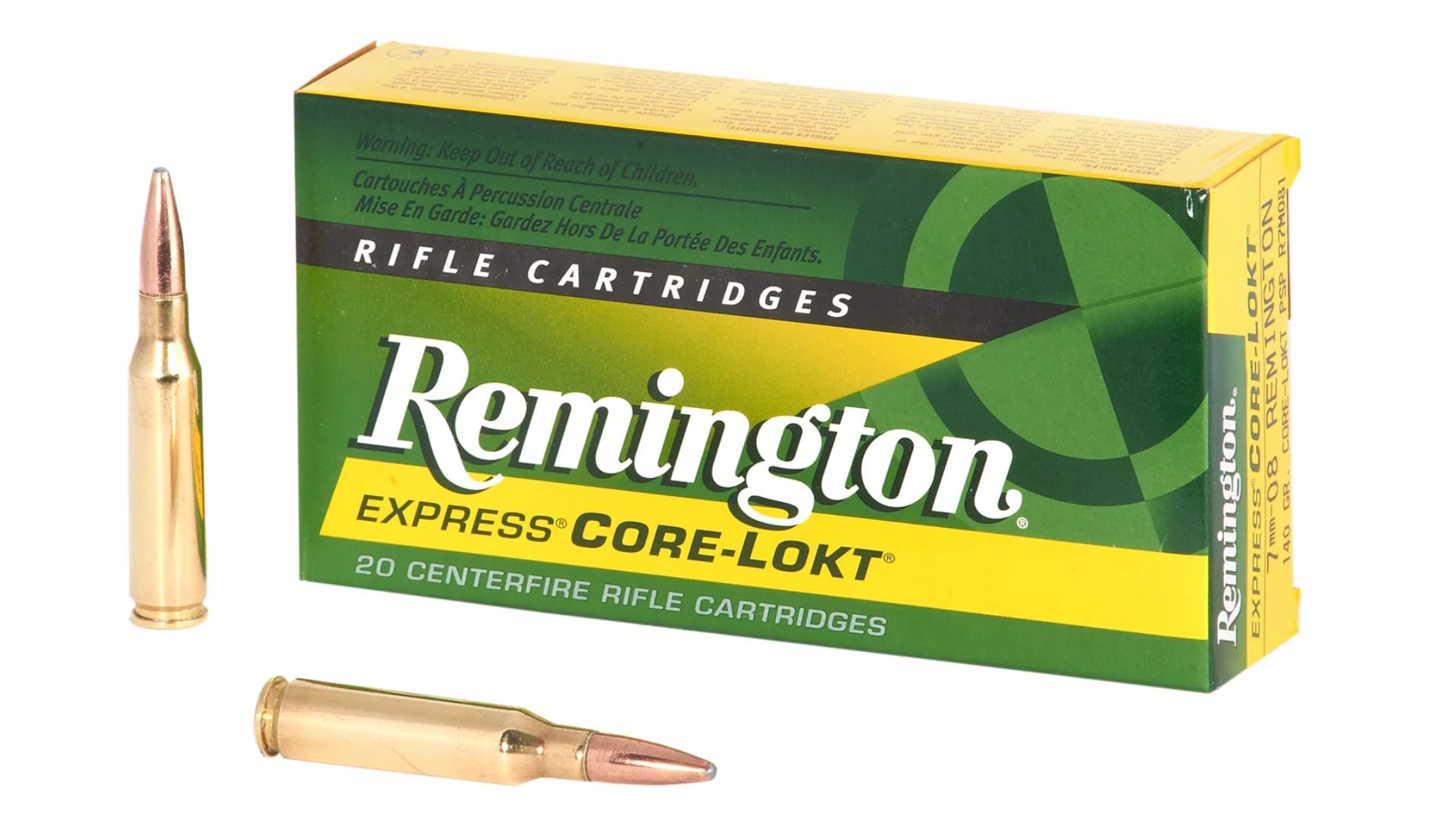
The 7mm-08 Remington is not as old as some cartridges here, but it often gets overlooked by newer shooters chasing 6.5 Creedmoor or magnums. That is a mistake. The 7mm-08 gives excellent hunting performance with manageable recoil and useful bullet weights.
It is one of the best deer cartridges ever made and has enough authority for black bear, hogs, and elk with the right bullet and shot placement. Compared with harder-kicking rounds, the 7mm-08 is easier to shoot well. It remains a smart choice for hunters who want balance instead of hype.
.280 Remington

The .280 Remington has always lived in the shadow of the .270 Winchester and .30-06 Springfield, but it deserves more credit. It gives hunters 7mm bullet options in a standard-length cartridge with strong all-around performance. It can handle deer, elk, antelope, and black bear without stepping into magnum recoil.
Newer shooters may not see many rifles chambered for it, which hurts its popularity. But performance-wise, the .280 still makes a lot of sense. It is one of those cartridges that knowledgeable hunters quietly respect because it does nearly everything well.
.308 Winchester

The .308 Winchester is so common that some newer shooters think it is outdated. It is not. It remains one of the most practical rifle cartridges in America because it is accurate, efficient, widely available, and chambered in almost every kind of rifle worth owning.
For deer, hogs, black bear, elk at sensible distances, target shooting, and general rifle use, .308 still works. It does not shoot as flat as some newer rounds, but it is easy to load for, easy to find, and very forgiving with good bullets. Practicality still counts.
.30-06 Springfield
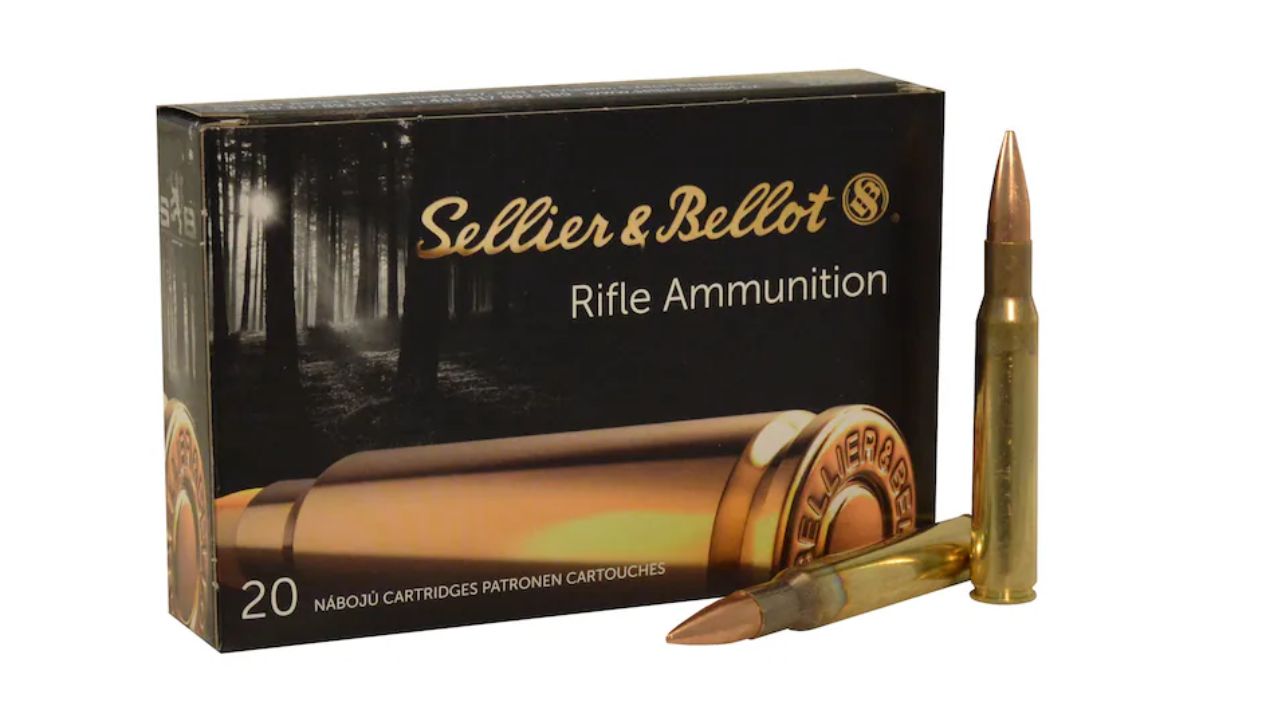
The .30-06 Springfield has been declared “old news” more times than most cartridges have been fired. It still keeps working. The reason is simple: it has enough bullet weight, enough velocity, and enough versatility to cover almost anything most North American hunters will ever hunt.
From 150-grain deer loads to heavier elk, moose, and bear loads, the .30-06 gives hunters options. It is not as trendy as a PRC cartridge or as mild as some 6.5s, but it is one of the best do-it-all hunting rounds ever made. Newer shooters can ignore it, but animals do not.
.300 Winchester Magnum

The .300 Winchester Magnum gets criticism for recoil, and that criticism is fair when shooters buy more gun than they can handle. But in the hands of someone who practices, it remains one of the most capable big-game cartridges available.
It shoots flat, hits hard, and has excellent bullet and ammo support. For elk, mule deer, moose, sheep, and open-country hunting, the .300 Win. Mag. still makes sense. Newer magnums may be more fashionable, but this cartridge did not stop being effective.
.338 Winchester Magnum

The .338 Winchester Magnum is more cartridge than many hunters need, but that does not mean it is obsolete. For elk, moose, big bears, and tough angles, it brings serious bullet weight and authority. It earned its reputation in country where animals are large and conditions are not always neat.
Newer shooters may shy away from the recoil, and honestly, many should. But for hunters who can shoot it well, the .338 Win. Mag. remains a powerhouse. It is not a casual deer round. It is a serious big-game cartridge that still has a reason to exist.
.30-30 Winchester

The .30-30 Winchester is limited, but within those limits it still works extremely well. Newer shooters sometimes act like every deer hunt requires long-range ballistics. In thick woods, timber stands, and close-cover hunting, that is not true.
A .30-30 lever action is light, fast, handy, and plenty effective on deer and black bear at sensible distances. It is not the cartridge for beanfield shots across half a county, but it was never meant to be. Inside normal woods range, the .30-30 still earns respect.
.35 Remington

The .35 Remington has never been the flattest or easiest cartridge to find, but it still hits harder in the woods than many people expect. It works well on deer, hogs, and black bear at close to moderate distances, especially from classic lever actions.
Its appeal is thump, not speed. The .35 Remington is a brush-country cartridge for hunters who understand range limits and value bullet diameter. Ammo availability hurts it today, but performance in the field is still real. It is old, not useless.
.45-70 Government

The .45-70 Government is ancient by cartridge standards, but it refuses to become irrelevant. In modern rifles with modern loads, it can be a serious big-game and bear-country round. It hits hard, penetrates well, and gives lever-gun hunters a level of authority few traditional cartridges match.
It has rainbow trajectory and stout recoil, so it is not for every hunt. But for timber, hogs, black bear, elk at reasonable range, and backcountry defense, it still makes a strong argument. Newer shooters may laugh at the age until they see what it does on impact.
12 Gauge
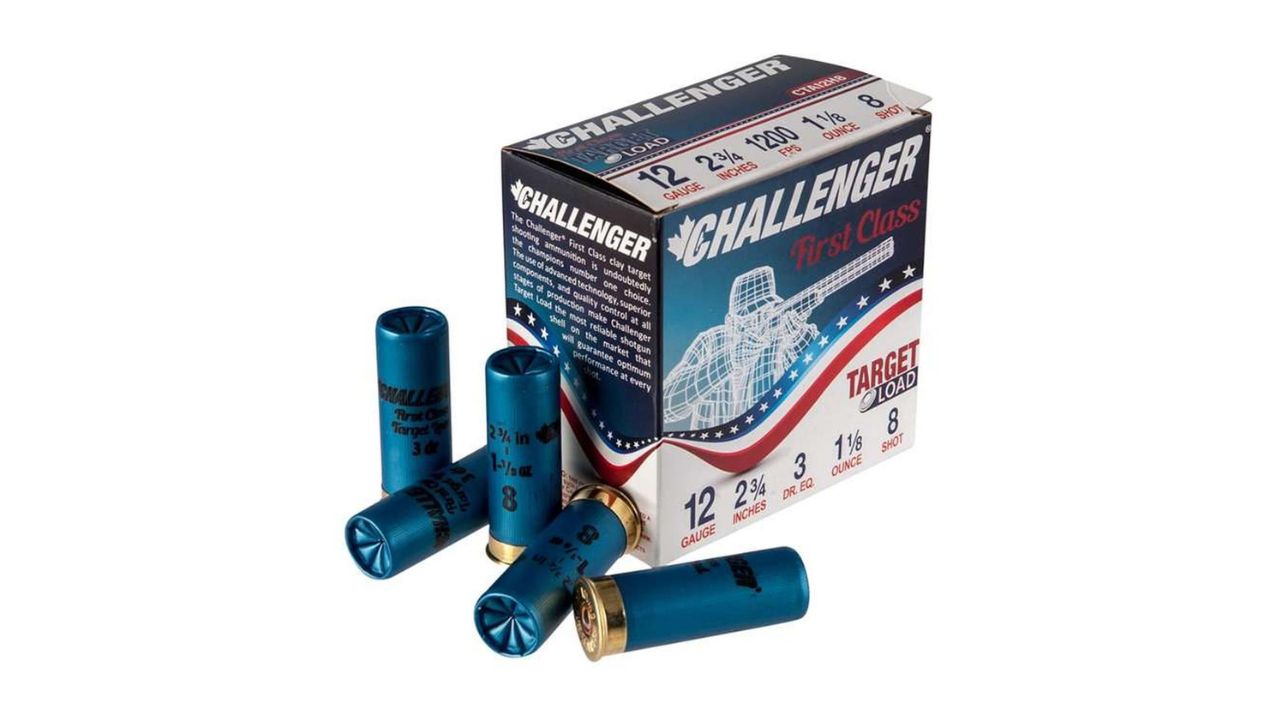
The 12 gauge is not a rifle caliber, but no honest hunting caliber list should ignore it. It remains one of the most versatile hunting choices ever made. Birds, waterfowl, turkey, deer with slugs, small game, predators, and home-defense use all fit under the 12-gauge umbrella.
Newer shooters sometimes move toward specialized rifles and smaller gauges, and that is fine. But the 12 gauge still works because it adapts. Change the load and choke, and the same shotgun can fill several roles. That kind of utility never really goes out of style.
20 Gauge
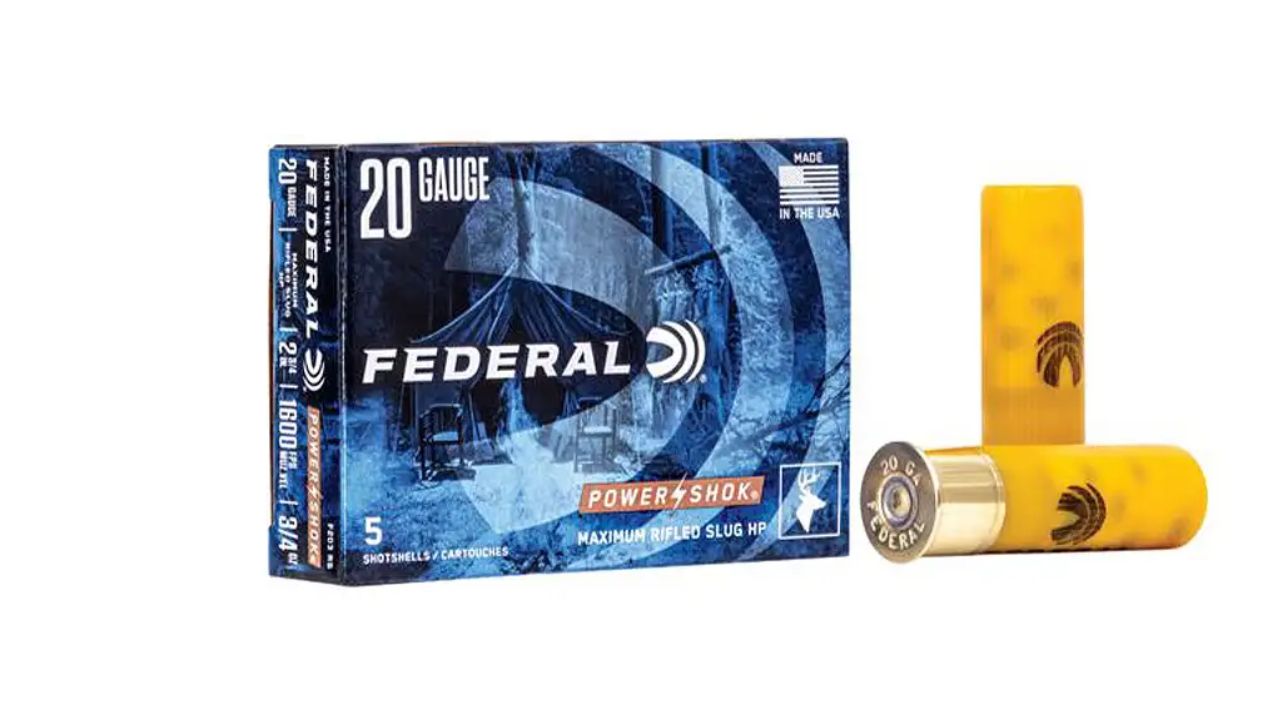
The 20 gauge may be the best example of a cartridge newer shooters underestimate. It is lighter and softer than 12 gauge, but still powerful enough for upland birds, small game, turkey with the right loads, deer with slugs where legal, and plenty of clay shooting.
It is especially useful for hunters who shoot it better than a 12. Less recoil often means better hits, and better hits matter more than bragging about gauge size. The 20 gauge is not a youth-only option. It is a serious hunting gauge that still makes a lot of sense.
Like The Avid Outdoorsman’s content? Be sure to follow us.
Here’s more from us: