Photo credit: sootch00/YouTube
Some handguns get defended for the wrong reasons. Owners get attached, ignore problems, and act like every criticism is an attack. But other handguns earn that loyalty the honest way. They work, they last, they shoot well, and they keep proving themselves long after the trend has moved on.
Those are the handguns owners defend without sounding foolish. They may have quirks. They may not be perfect on paper. Some are heavy, old-fashioned, plain, or overshadowed by newer designs. But when a pistol or revolver has put in years of real use without letting people down, the loyalty starts making sense.
Glock 19
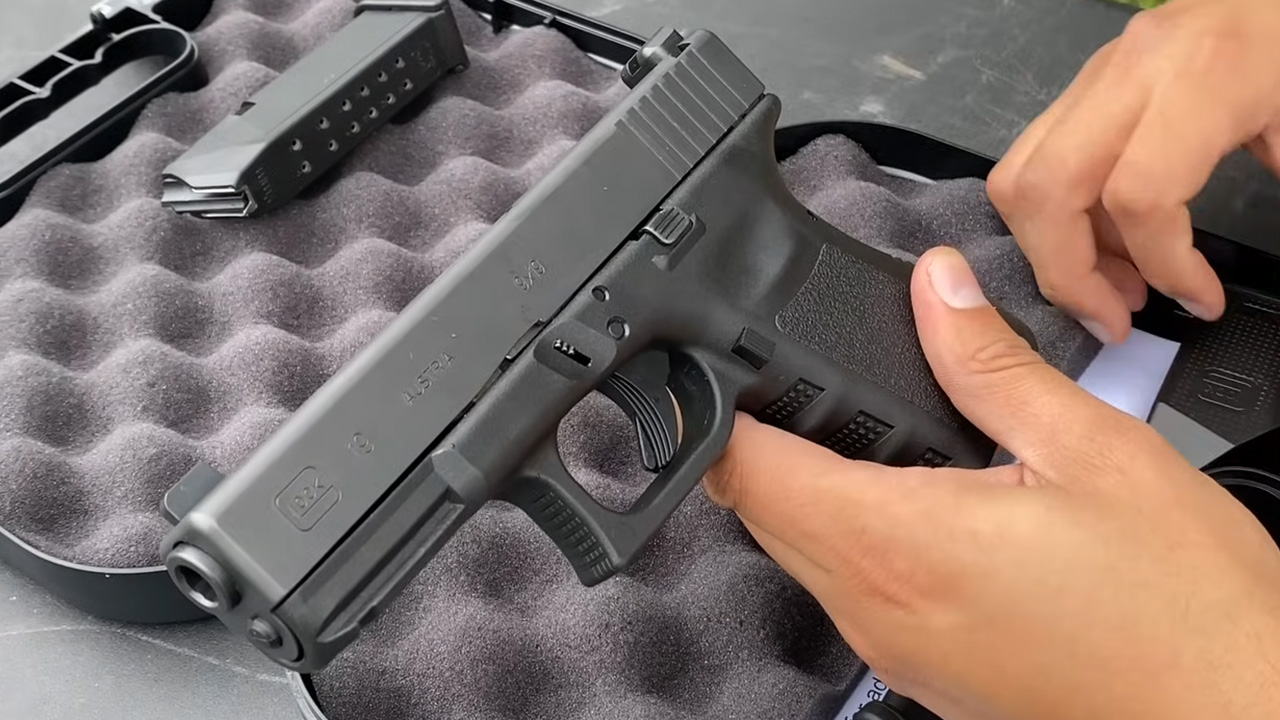
The Glock 19 gets defended constantly because it has earned the reputation people attach to it. It is not the prettiest pistol, and the factory trigger is not going to impress anyone who lives on custom 1911s. Some shooters also dislike the grip angle and the blocky feel.
Even with all that, the Glock 19 keeps working. It carries well enough, shoots well enough, and has one of the strongest support systems of any pistol ever made. Magazines, holsters, sights, parts, and training knowledge are everywhere. Owners defend it because they have watched it run through classes, range sessions, carry use, and rough handling without becoming a project.
Smith & Wesson M&P9

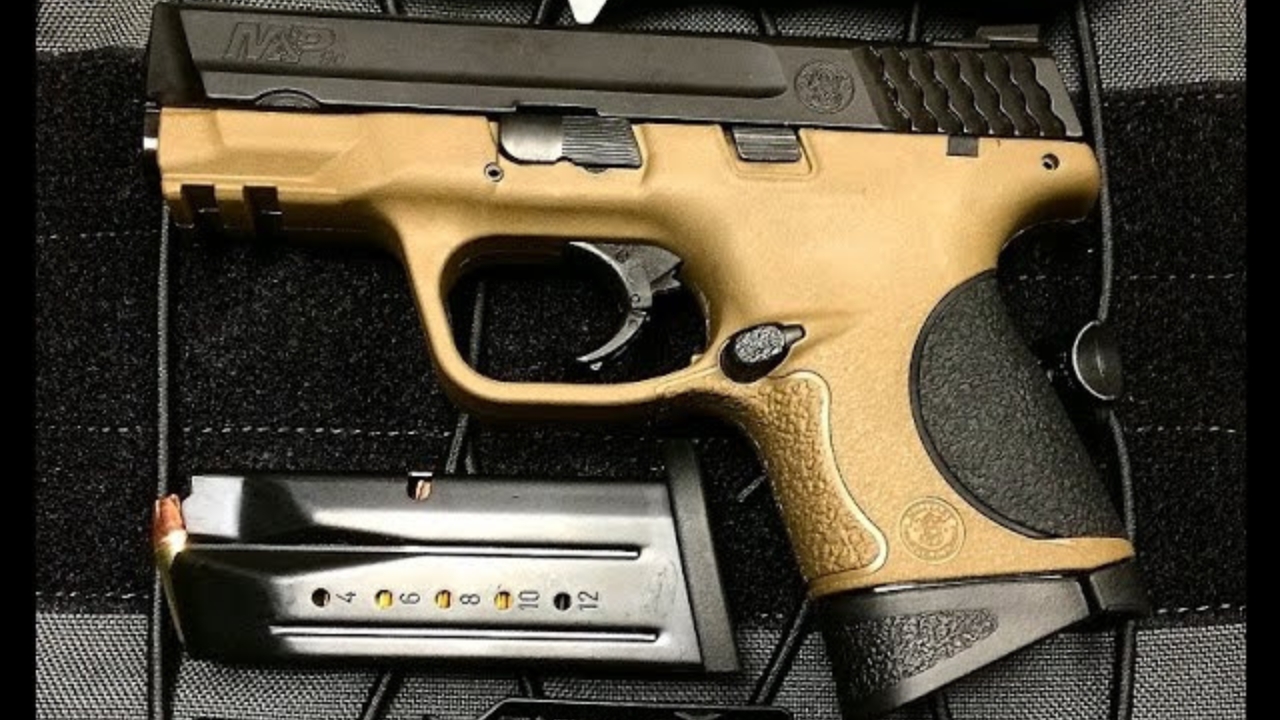
The Smith & Wesson M&P9 had to fight for respect because early versions were often compared directly to Glock. Some shooters complained about the trigger, others thought it was just another polymer duty pistol, and plenty of people treated it like the runner-up choice.
Owners who stuck with it had good reasons. The M&P9 has strong ergonomics, good reliability, and a grip shape that fits many hands better than its rivals. Later versions improved the trigger and texture, but even the earlier guns earned loyalty through use. A lot of owners defend the M&P because it was not hype that won them over. It was time behind the gun.
SIG Sauer P226

The SIG Sauer P226 is heavy by modern standards, expensive compared with many polymer pistols, and built around a traditional double-action system that some shooters no longer want to learn. Critics can make a decent case that it is not the most efficient choice for concealed carry or budget-minded buyers.
Owners defend it because the P226 still shoots beautifully. It is accurate, smooth, durable, and confidence-building in a way that many lighter pistols are not. The weight helps control recoil, the grip feels serious, and the pistol has a long service history behind it. A good P226 does not need to be trendy to earn loyalty. It just needs to keep reminding people why serious users trusted it for so long.
CZ 75B

The CZ 75B has always had devoted owners, and most of that loyalty comes from how the pistol feels and shoots. Critics point out that it is heavy, not as simple as a striker-fired pistol, and less convenient for carry than many modern options. Those points are fair.
But on the range, the CZ 75B makes a strong argument for itself. The grip shape, low recoil impulse, and all-steel frame make it easy to shoot well. It has a natural feel that turns casual owners into defenders. People do not usually defend the CZ 75B because it is the newest or lightest pistol. They defend it because it makes them shoot better and enjoy shooting more.
Beretta 92FS

The Beretta 92FS catches criticism for its size, slide-mounted safety, open-top slide, and old-school double-action system. Some shooters think it is too large for a 9mm. Others never liked its military association or assumed newer pistols made it irrelevant.
Owners defend the 92FS because it has earned that defense through smooth shooting and long-term reliability. It is soft, accurate, and easy to run well once someone learns the controls. The size that hurts it for carry helps it at the range and in home-defense roles. A pistol that still feels this good after decades does not need everyone to like it. Its owners already know why it stays.
Heckler & Koch USP

The HK USP gets mocked by some shooters for being bulky, expensive, and overbuilt. It does not have the slim lines or modern modular feel of newer pistols. The grip can feel large, and the controls are not for everyone.
Owners defend it because the USP feels like it was built to survive abuse rather than win a spec-sheet contest. It has a strong reputation for reliability, durability, and handling serious round counts. The pistol may feel dated, but dated is not the same as weak. For owners who value a handgun that feels like a tank, the USP has absolutely earned its defenders.
Springfield Armory XD

The Springfield Armory XD gets more criticism than many pistols that are still sitting in safes and nightstands across the country. Some shooters dislike the grip safety, the bore axis, the marketing, or the way it compares to Glock and M&P pistols. It is an easy gun for internet arguments.
The reason owners defend it is simple: many XD pistols work just fine. They have served as carry guns, home-defense pistols, and range guns for people who never had the problems critics talk about. The grip angle feels good to some shooters, and the controls are familiar enough for people coming from other designs. It may not be everyone’s favorite polymer pistol, but plenty of owners defend it because their own gun earned that trust.
Ruger P95

The Ruger P95 has always been easy to make fun of. It is chunky, plain-looking, and not nearly as refined as more expensive duty pistols. Nobody bought one because it looked elegant or made them feel like they had the coolest pistol at the range.
Owners defend it because the P95 built its reputation the hard way. It was affordable, reliable, and tougher than its price suggested. It fed common ammo, handled abuse, and asked very little from the person using it. That kind of dependability creates loyalty. A Ruger P95 owner defending the pistol usually is not pretending it is fancy. They are saying it worked when it needed to.
Walther PPQ
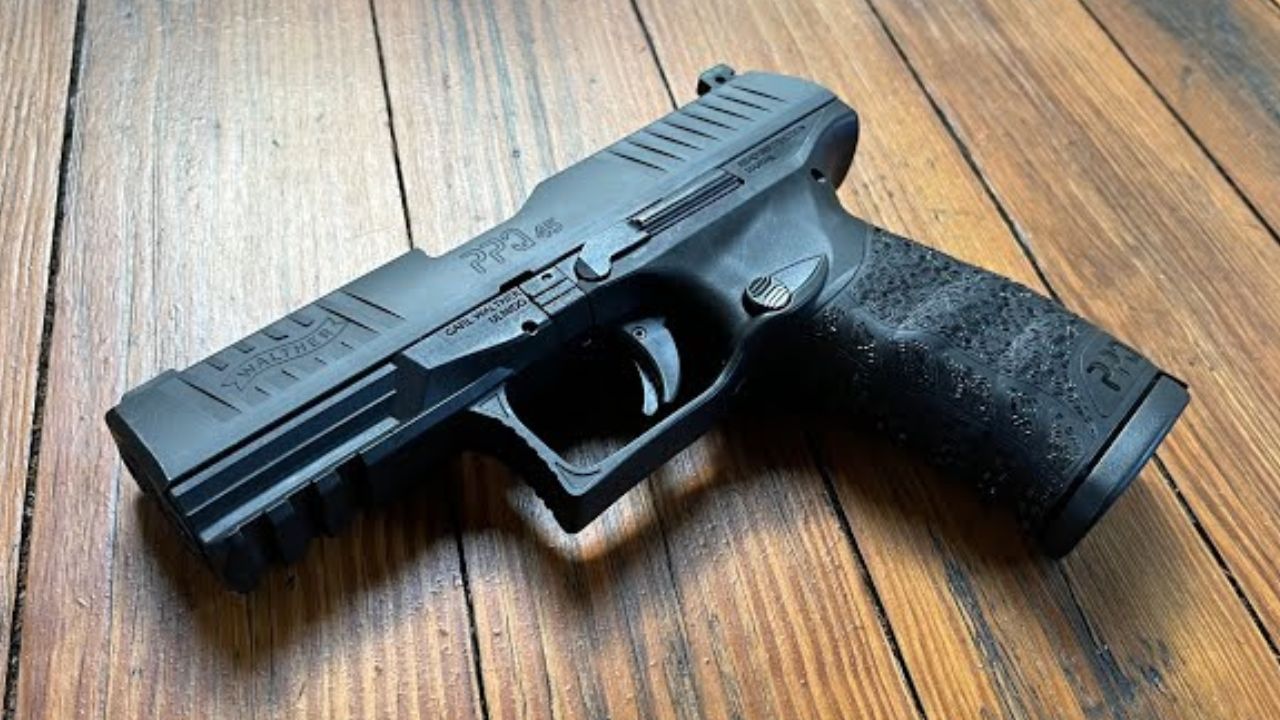
The Walther PPQ earned defenders because it gave shooters one of the best factory triggers in the striker-fired world. Some people doubted it because Walther did not have the same American duty-pistol footprint as Glock, SIG, or Smith & Wesson. Others worried about magazine availability, holsters, and aftermarket support.
Owners defended it because the PPQ shot extremely well. The trigger, grip texture, and ergonomics made it feel like a pistol designed around actual shooting comfort rather than just duty requirements. It may have been overshadowed later by the PDP, but PPQ owners still know what they have. A pistol that makes accurate shooting feel easier earns loyalty fast.
Smith & Wesson Shield

The original Smith & Wesson Shield earned a lot of owner loyalty because it arrived at the right time and did its job well. It was not the highest-capacity carry pistol, and newer micro-compacts have made it look dated on paper. Critics now point out that there are smaller guns with more rounds.
Owners defend the Shield because it carried well, shot better than many tiny pistols, and proved reliable for countless people. It was slim without feeling useless, affordable without feeling disposable, and simple enough for everyday carry. Even after higher-capacity options arrived, many owners kept carrying the Shield because trust matters more than chasing every new magazine capacity race.
Colt 1911 Government Model

The Colt 1911 Government Model gets criticized constantly for capacity, weight, maintenance demands, and price. Compared with modern polymer pistols, those criticisms are not imaginary. A full-size steel .45 is not the easiest gun to carry, and a 1911 usually requires more owner knowledge than a basic striker-fired pistol.
Still, owners defend it because a good Colt 1911 delivers something real. The trigger, grip angle, balance, and shooting feel are hard to replace. It has also proven itself across generations of military, law enforcement, competition, and civilian use. A 1911 is not the practical answer to every handgun problem, but a good one earns loyalty because it rewards the shooter in a way many pistols do not.
Ruger GP100
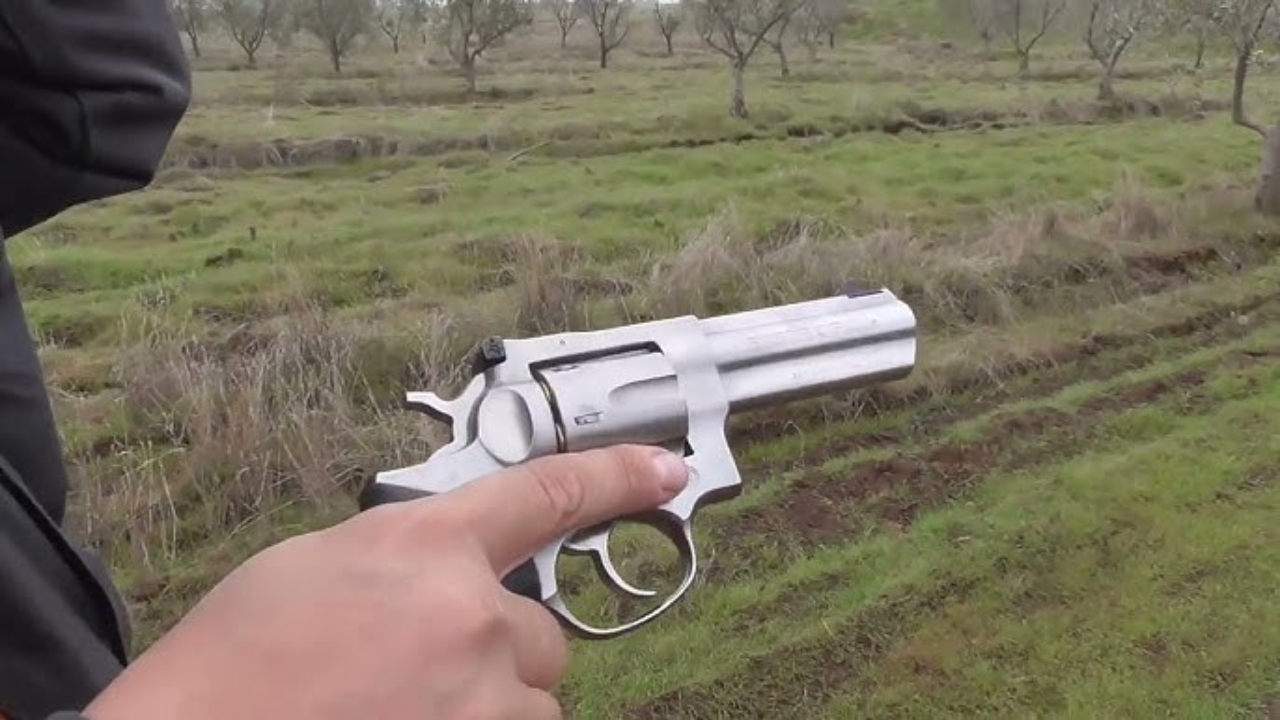
The Ruger GP100 has plenty of defenders because it is one of the clearest examples of a revolver built for hard use. Some shooters criticize it for being heavier and less polished than certain Smith & Wesson revolvers. Others think it lacks the charm of older classics.
Owners defend the GP100 because it handles magnum use without feeling fragile. It is strong, dependable, and easy to trust as a field revolver, home-defense gun, or range workhorse. The weight that bothers some people also makes it comfortable with serious .357 Magnum loads. It may not be delicate or fancy, but it has earned the kind of loyalty that comes from being hard to wear out.
Browning Hi-Power
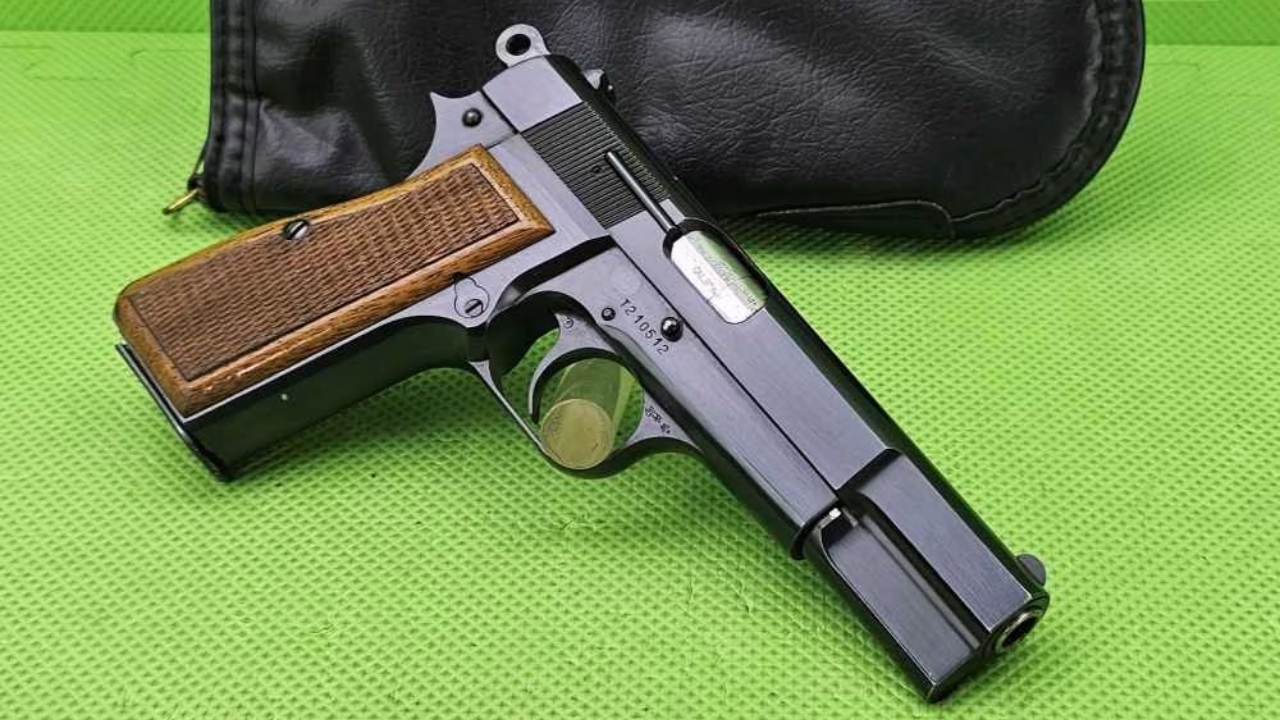
The Browning Hi-Power gets defended by owners who know its strengths are not just nostalgia. Critics point out the magazine disconnect, older sights on many versions, single-action system, and the fact that newer pistols offer more capacity with less weight. Those are fair complaints.
But the Hi-Power still feels right in the hand in a way many modern pistols do not. It is slim, balanced, and easy to point. The design has history, but it also has real shooting appeal. Owners defend it because they have used it enough to know the attraction is not imaginary. Some guns survive on reputation. The Hi-Power earned much of its reputation honestly.
SIG Sauer P365
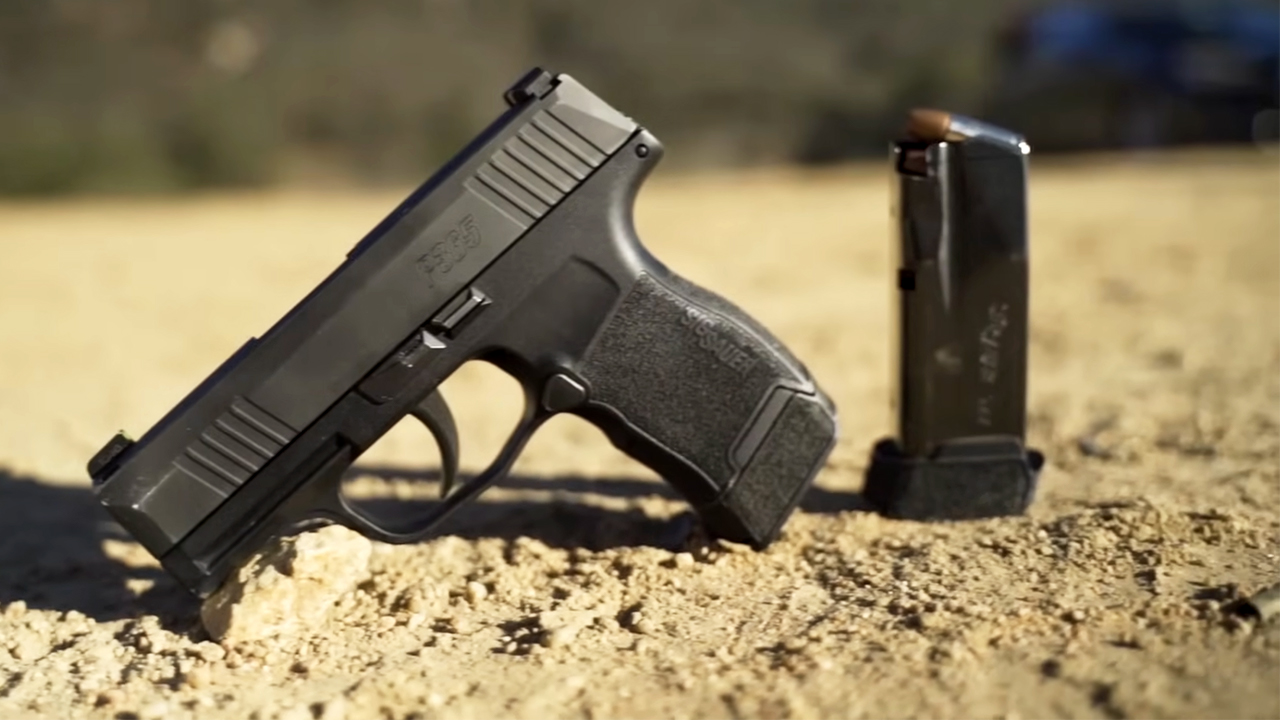
The SIG Sauer P365 earned defenders quickly because it changed what people expected from a small carry gun. At first, some shooters doubted whether a pistol that small with that much capacity could be reliable or comfortable enough to shoot. Early concerns and intense attention made it a pistol people argued about constantly.
Owners defend it because the P365 made everyday carry easier without feeling like a last-ditch pocket gun. It offered strong capacity, good sights, and surprising shootability in a very compact package. Later versions expanded the platform even more. Not every shooter loves it, but the P365 earned its defenders by making a real difference in how many people carry.
Smith & Wesson Model 686
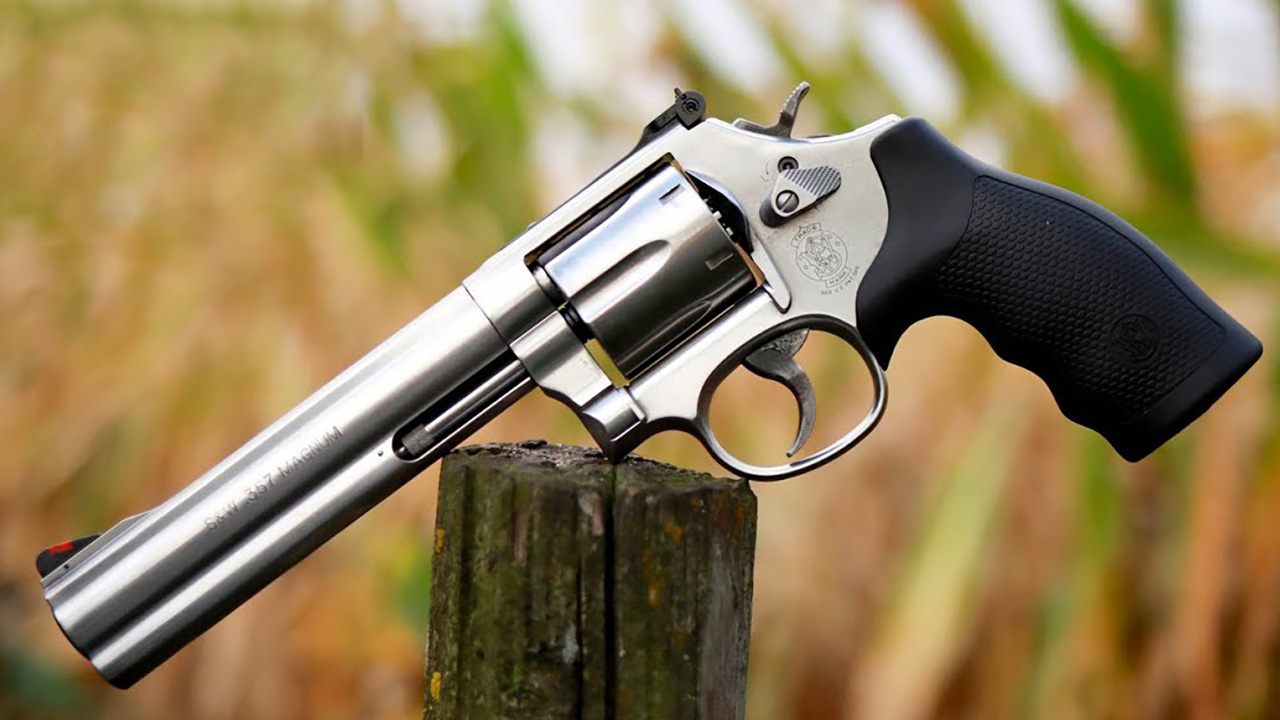
The Smith & Wesson Model 686 gets defended because it has proven itself as one of the great .357 Magnum revolvers. Some critics say it is too heavy for carry, too expensive compared with used alternatives, or less rugged than certain Ruger revolvers. There is always another revolver argument waiting.
Owners defend the 686 because it balances strength, trigger quality, accuracy, and shootability extremely well. It can handle range use, field carry, home defense, and serious magnum loads while still feeling refined. A good 686 is not just a pretty revolver. It is a revolver that works hard and shoots well enough to justify the loyalty around it.
Like The Avid Outdoorsman’s content? Be sure to follow us.
Here’s more from us: