Photo credit: Josef Pittner/Shutterstock.com
When coyotes have been called to and missed, they don’t come charging in like unpressured dogs. Instead, they hang back, circle downwind, and test every move before committing. Spotting them takes patience and attention to detail. You’ll need to study body language, watch for subtle movement, and understand how pressured coyotes use terrain to stay hidden. By reading sign and anticipating where they’ll stage, you can locate them before they bust you. These tips will help you find the cautious ones other hunters leave behind.
Watch the downwind edges carefully

Pressured coyotes almost always try to swing downwind before closing the distance. They’ve been burned before, and they’re checking for scent before committing. When you set up, make sure you have a clear view of your downwind side or block it with obstacles like rivers, steep ridges, or thick brush.
Using the wind to your advantage means positioning yourself where they want to go but can’t easily get your scent. A shooting lane covering likely downwind approaches can make the difference between spotting one early and never seeing it at all.
Look for subtle head movements and ear flicks

Coyotes hanging back aren’t going to trot right in broad daylight; they’ll stop in cover, watch, and listen. A slight head turn, an ear twitch, or the glint of sunlight off an eye might be all you get. You need to train yourself to pick up these tiny movements instead of waiting for a full silhouette.
Binoculars are a must here, especially when scanning edges, shadows, and transition zones. If you catch just a flicker of motion, stay locked in. Pressured coyotes often hold for minutes before deciding what to do next.
Focus on staging areas near cover

Experienced coyotes rarely cross open ground when they’re suspicious. Instead, they stage just inside cover where they can see the calling area without exposing themselves. Watch thickets, timber edges, and shadowed creek bottoms where they might pause and evaluate the situation.
If you notice trails cutting from cover to openings, those are natural staging points worth glassing carefully. Pressured dogs use these same routes repeatedly, especially when the wind favors them. A patient scan can reveal one standing still where most hunters never look.
Slow down your scanning pace

One of the biggest mistakes hunters make when coyotes hang back is scanning too quickly. If you’re sweeping the landscape in a rush, you’ll miss the slight shoulder shift or tail flick that gives them away. Slow, methodical glassing makes all the difference when hunting pressured dogs.
Pick apart each section of terrain instead of taking it all in at once. Scan shadowed areas first, then edges, and finally open ground. Coyotes often hold motionless until you look away—taking your time ensures you don’t overlook them.
Use elevation to expand your field of view
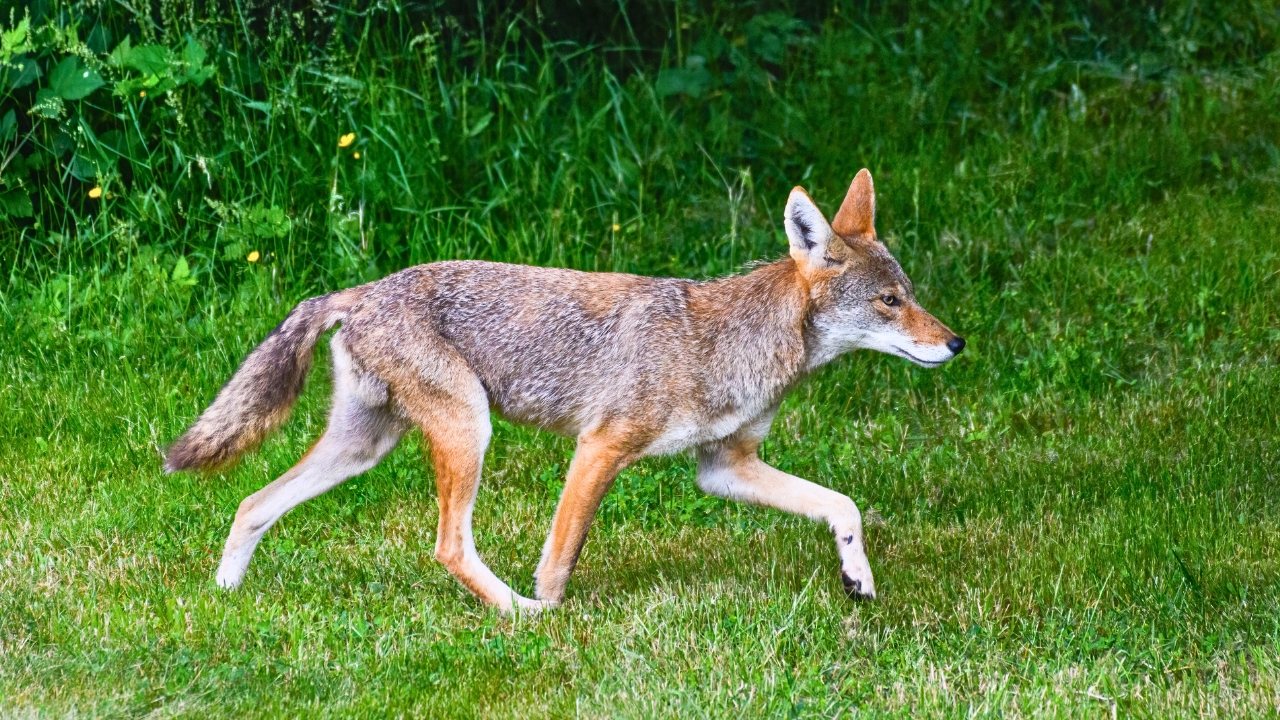
Hunting from higher ground gives you a better angle on coyotes that pause or circle beyond typical shooting ranges. Pressured dogs love using terrain to disappear, slipping behind low ridges, sagebrush pockets, and creek bottoms. From a vantage point, you can spot them staging before they commit.
Set up where you can cover multiple approaches without skylining yourself. Using a tripod-mounted optic from elevation lets you track subtle movements at distances most hunters never check. The added perspective helps you catch early signs of cautious coyotes before they vanish.
Scan the shadows and transition zones

Coyotes hanging back use shadows to hide, especially in mixed terrain where open ground meets thicker cover. Early mornings and late afternoons make this tougher because low light makes them blend perfectly into shaded edges. Pressured dogs know how to disappear where different habitat types meet.
Pay extra attention to where timber meets fields, grasslands border creek bottoms, or rocky edges break into open sage. These transition zones are where you’ll catch them holding, assessing the situation before they make a move—or quietly slipping away if they don’t like what they sense.
Watch the behavior of birds and other animals

Pressured coyotes move differently than unpressured ones, but the other wildlife around them still reacts the same. Crows, magpies, and small birds will often betray their presence when they flush or call near hidden movement. Deer, antelope, or rabbits freezing or shifting direction can also tip you off.
Instead of only focusing on scanning the ground, pay attention to the behavior of other animals in your area. It’s often your first warning that a cautious coyote is staging somewhere nearby, using cover and wind to stay undetected.
Avoid overcalling and watch silently

If coyotes have been pressured heavily in your area, nonstop calling can actually push them farther away. Hanging back is their way of testing whether danger is waiting, and too much sound confirms their suspicion. Instead, give your calling sequences long pauses and watch quietly between sets.
During these silent windows, glass every approach carefully. Pressured dogs often sneak in low and slow, stopping to assess before getting close. You’ll spot more of them by being patient and letting curiosity draw them in rather than blasting constant calls.
Expect delayed responses and longer waits

When hunting pressured coyotes, fast action is the exception, not the rule. Instead of racing straight in, they’ll circle, pause, and test every detail before committing. That means staying on stand longer than you might be used to—sometimes 30 to 45 minutes instead of 15.
If you pack up too soon, you’ll miss the ones hanging back, using time to feel out the situation. These dogs reward patience, and by waiting them out, you dramatically improve your odds of spotting them before they make their move.
*This article was developed with AI-powered tools and has been carefully reviewed by our editors.