Photo credit: rephrase/Pixabay.com
Trail cameras set close to town can show a whole different side of wildlife than the ones deep in the woods. Around neighborhoods, edge habitat, feeder creeks, drainage ditches, golf-course timber, abandoned lots, and small pockets of brush give predators everything they need. They get cover, water, easy travel routes, and in a lot of cases, a steady food source from pets, trash, rodents, deer, ducks, and backyard chickens. A lot of people think predators stay far from people unless something has gone wrong, but that is not how it works. Plenty of them get comfortable living right on the edge of us.
What makes these predators worth paying attention to is not that they are all out looking for trouble. Most are simply good at adapting, and trail cams prove it fast. They move at odd hours, use the same hidden routes over and over, and show up in places people would never expect if they did not have a camera watching. Some are bold, some are secretive, and some only seem invisible because people do not know what signs to look for. These are the predators most likely to pop up on trail cams near town and remind you that wild animals are a lot closer than most folks think.
Coyotes

Coyotes are probably the number one predator most people catch on trail cams near town, and it is not even close in a lot of places. They do well around people because they are smart, cautious, and willing to eat almost anything. Rabbits, rats, squirrels, pet food, fruit, roadkill, birds, and garbage all keep them going. Add in a greenbelt, railroad line, creek bottom, or patch of overgrown brush behind a subdivision, and you have the kind of travel corridor coyotes use all the time without being seen much in daylight.
What surprises people is how comfortable coyotes can get around houses, schools, and busy roads. They do not need huge wilderness to stick around. They just need enough cover to move without being noticed and enough food to make it worth the risk. Trail cams often catch them trotting the same path night after night like they own it. In a lot of towns, they practically do. If you set cameras near the edge of a neighborhood, around a drainage area, or by a small woodlot, coyotes are one of the first predators I would expect to see.
Bobcats

Bobcats are another predator that shows up on cameras near town a lot more than most people realize. They are quieter and less obvious than coyotes, which is why people tend to underestimate how close they live. A bobcat does not need a giant range to make a living. Give it brushy lots, creek cover, a few rabbits, some birds, and maybe a spot where mice stay active, and it can hang around surprisingly close to homes without drawing much attention. Trail cams catch them slipping through like ghosts.
What makes bobcats so easy to miss is that they do not move with the same open confidence a coyote often does. They hug edges, use shadows, and come through in short windows when things are calm. A lot of people have bobcats near them and never know it until a camera picks one up. If there are quail, rabbits, or even a healthy squirrel population around town, bobcats have a reason to be there. Around older neighborhoods with mature trees, golf courses, river bottoms, and undeveloped tracts, they are one of the most common “I had no idea that was here” predators you will find.
Foxes
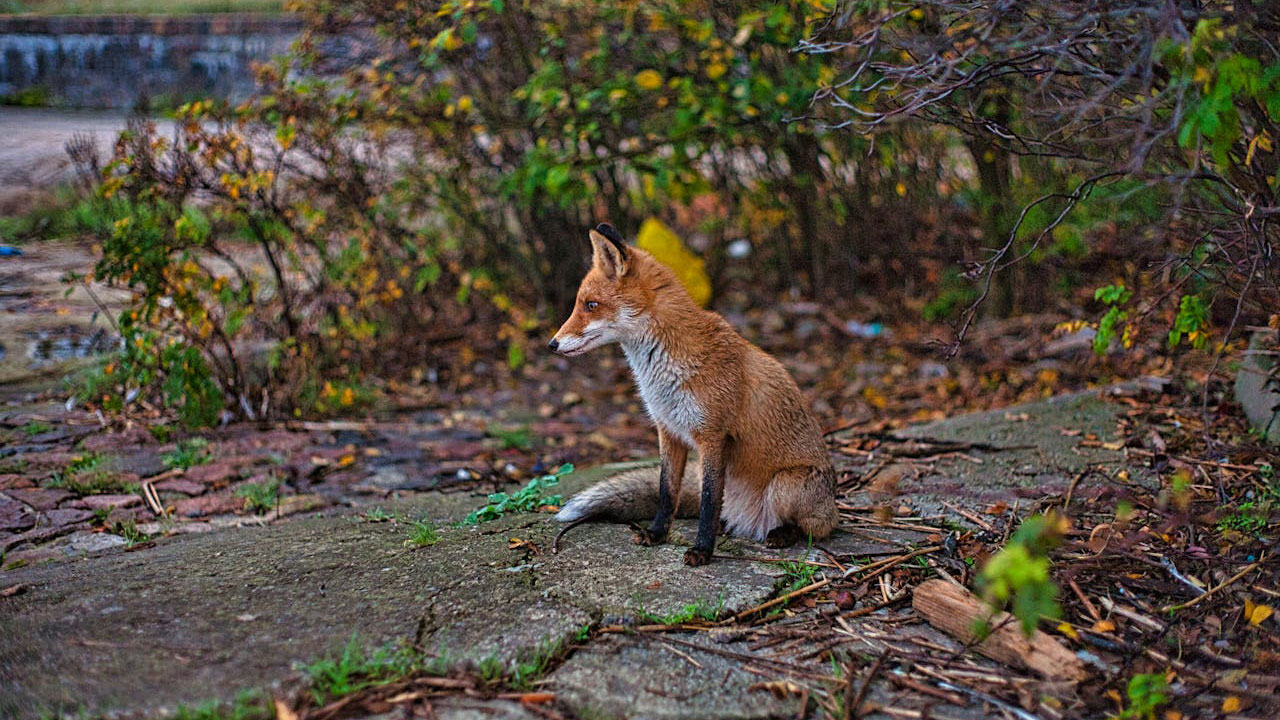
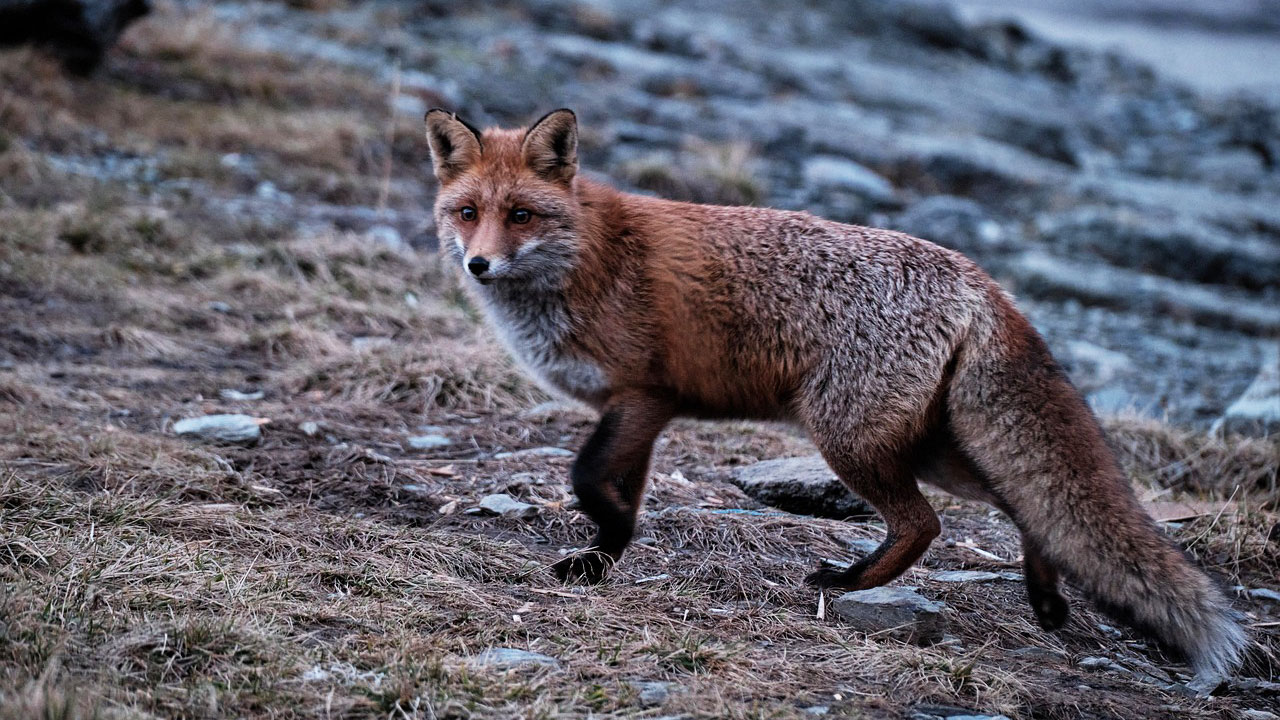
Foxes do well around town because they thrive in that middle ground between wild and developed. They like brush, fence lines, empty lots, hedgerows, and places where rodents stay active. A fox does not need much to make a living. If there are mice around sheds, rabbits in vacant fields, or food scraps in easy reach, foxes can settle into an area and stay largely unnoticed. Trail cameras often catch them moving quickly along edges, especially in the dark hours before dawn when neighborhoods are quiet.
People also tend to overlook foxes because they are smaller and usually less threatening to look at than coyotes. But from a trail cam standpoint, they are one of the most likely predators to appear near town if the habitat fits. Red foxes in particular do well in mixed country where fields, woodlots, and homes all overlap. Gray foxes can surprise people too, especially in rougher, brushier country. If your camera is on a path near a culvert, brush line, or open patch behind a neighborhood, seeing a fox on it should not shock you at all.
Raccoons
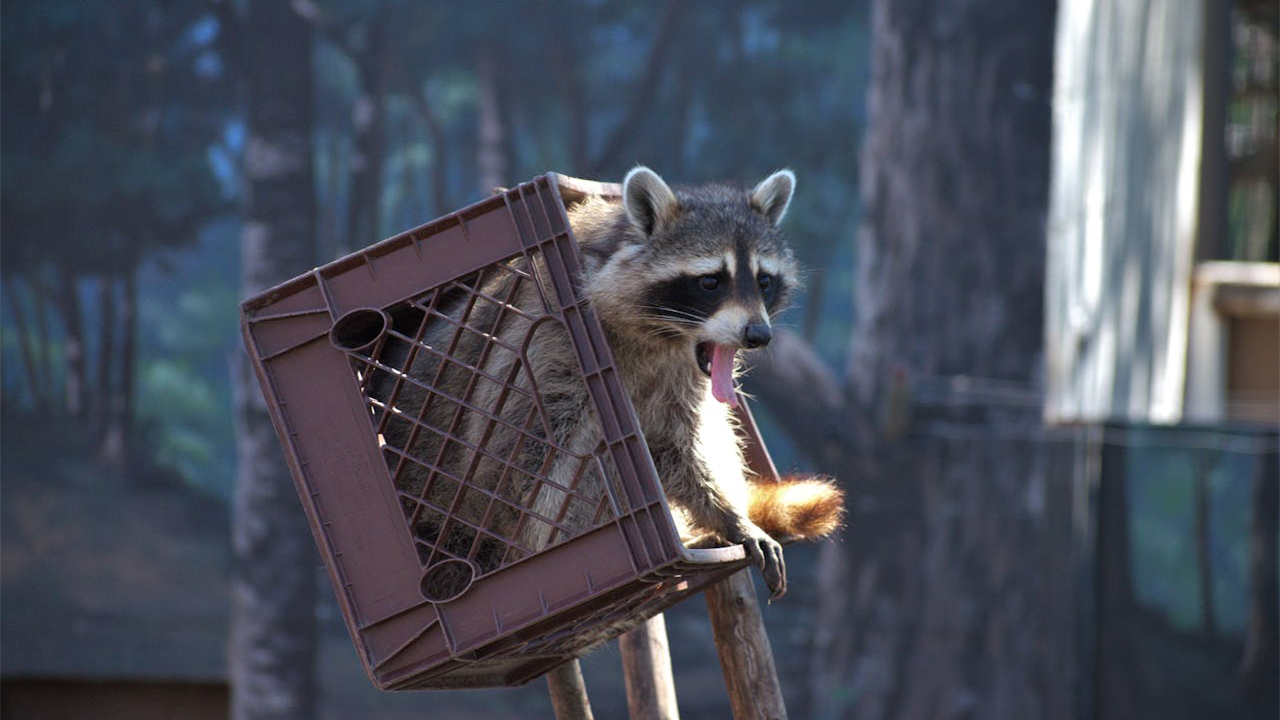
A lot of people do not think of raccoons as predators first, but they absolutely belong on this list. They will raid nests, kill small animals, eat eggs, grab fish in shallow water, and do real damage to anything weak enough or trapped enough to be easy. Around town, raccoons thrive because people hand them opportunities without meaning to. Trash cans, pet food, bird feeders, chicken coops, ponds, crawl spaces, and storm drains all work in their favor. Trail cams near houses pick them up constantly.
What makes raccoons stand out is how bold they can get in developed areas. They learn routines fast and move through neighborhoods like they have been doing it for years, because a lot of them have. They are strong, clever, and willing to push into spaces other wild animals avoid. If you run a camera near a shed, dumpster, backyard fence, creek crossing, or pond edge, raccoons are one of the most dependable animals to show up. They may not look like the kind of predator people picture first, but they are opportunists with teeth, claws, and zero trouble taking what they can get.
Red-tailed hawks
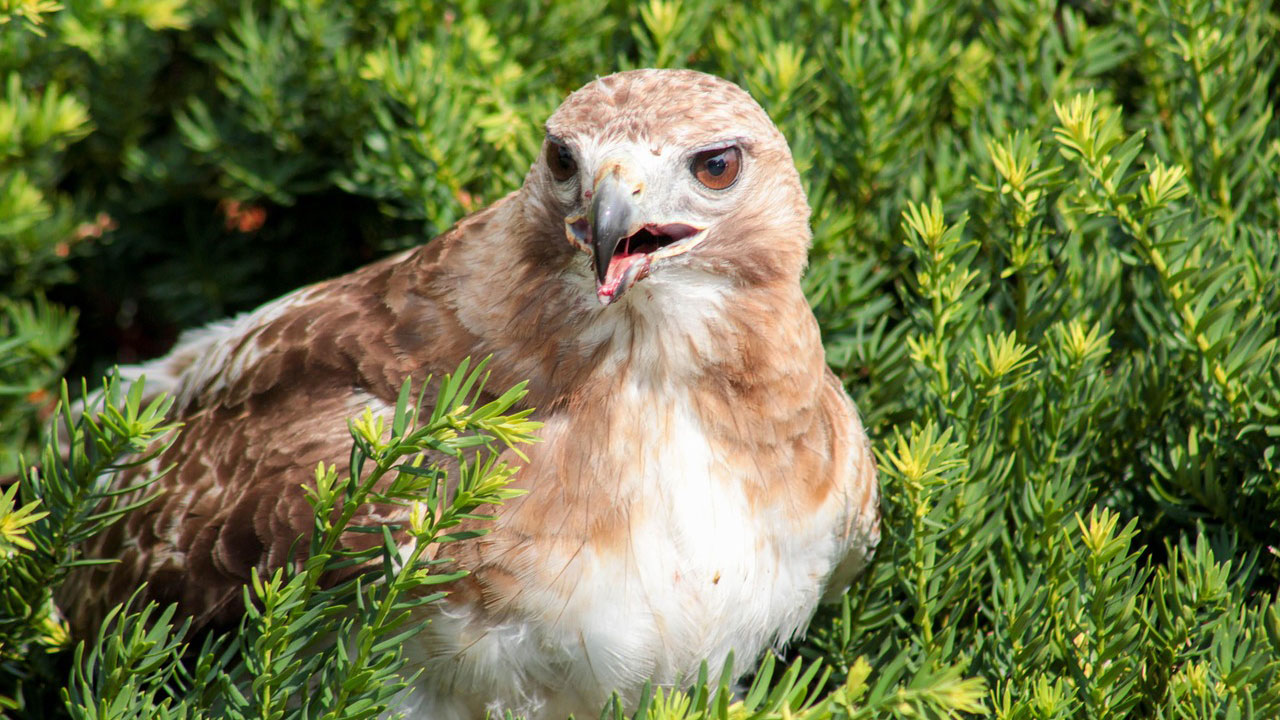
Red-tailed hawks are one of the most common daytime predators near town, and trail cams can still catch them if your setup is aimed at an open spot or baited area. These birds do well around roadsides, utility corridors, fields behind neighborhoods, and anywhere there are enough rodents, rabbits, or snakes to support them. They use power poles, fence posts, and dead trees like observation towers, then drop in fast when they see movement. People get used to seeing them and stop thinking much about how effective they really are.
Around town, red-tails benefit from all the little disturbed spaces people create. Mowed lots, retention ponds, and patches of rough grass often hold exactly the prey they want. If your camera watches a field edge or open strip near timber, there is a good chance one will show up either on the ground with prey or low enough to trigger the sensor. They are not sneaking around like a bobcat, but they are still a serious predator working the same edges where smaller prey species try to survive. In plenty of suburban areas, they are part of the everyday food chain whether people notice it or not.
Great horned owls
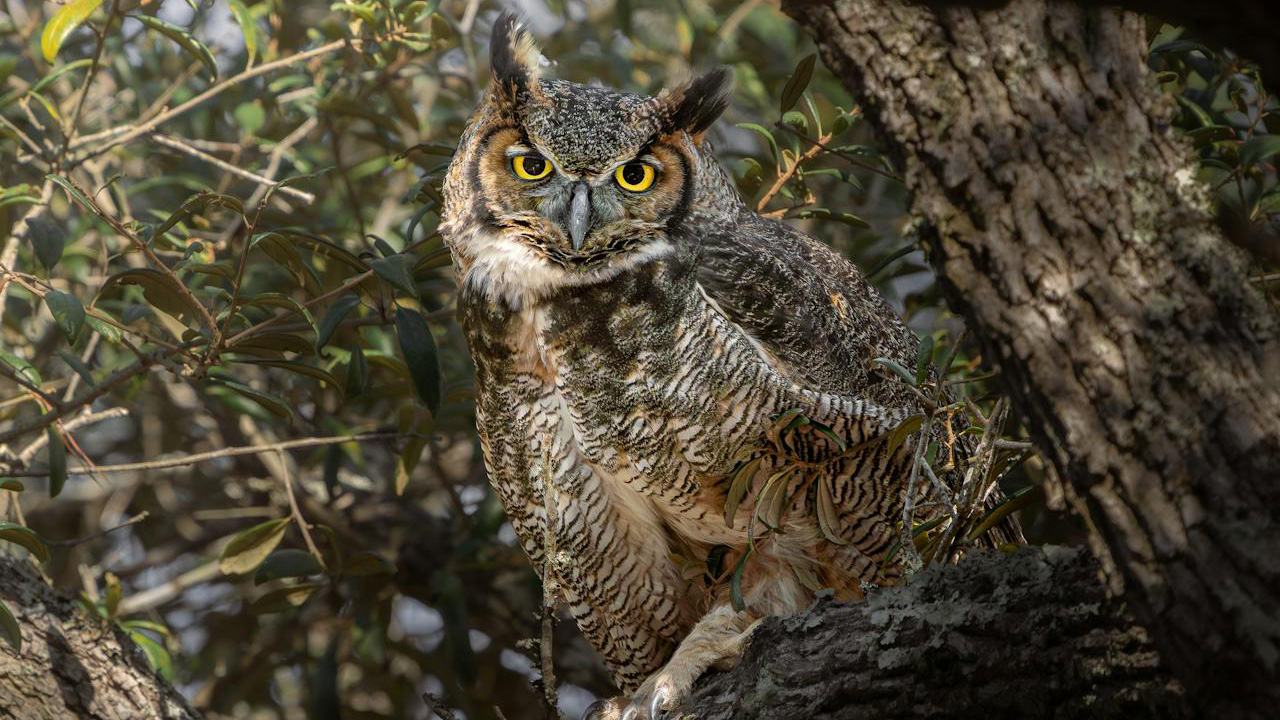
Great horned owls are one of the most capable predators near town, but because they work mostly after dark, people forget how often they are around. A trail cam aimed near a game trail, pond edge, or open patch by trees can sometimes catch them dropping low or working the ground. These owls take rabbits, rats, squirrels, birds, and other small animals with shocking efficiency. In neighborhoods with mature trees, creeks, parks, and golf courses, they often have everything they need close by.
They also do well around town because nighttime gives them cover in more ways than one. While people are indoors, these birds are hunting the same ditches, lots, and wooded corners that prey animals use for safety. A lot of folks hear one calling and never think much beyond that, but a big owl living near a subdivision can put steady pressure on everything from cottontails to feral kittens. Trail cams do not catch them as often as coyotes or raccoons, but when they do, it is a reminder that some of the most effective predators around town are not four-legged at all.
Cooper’s hawks
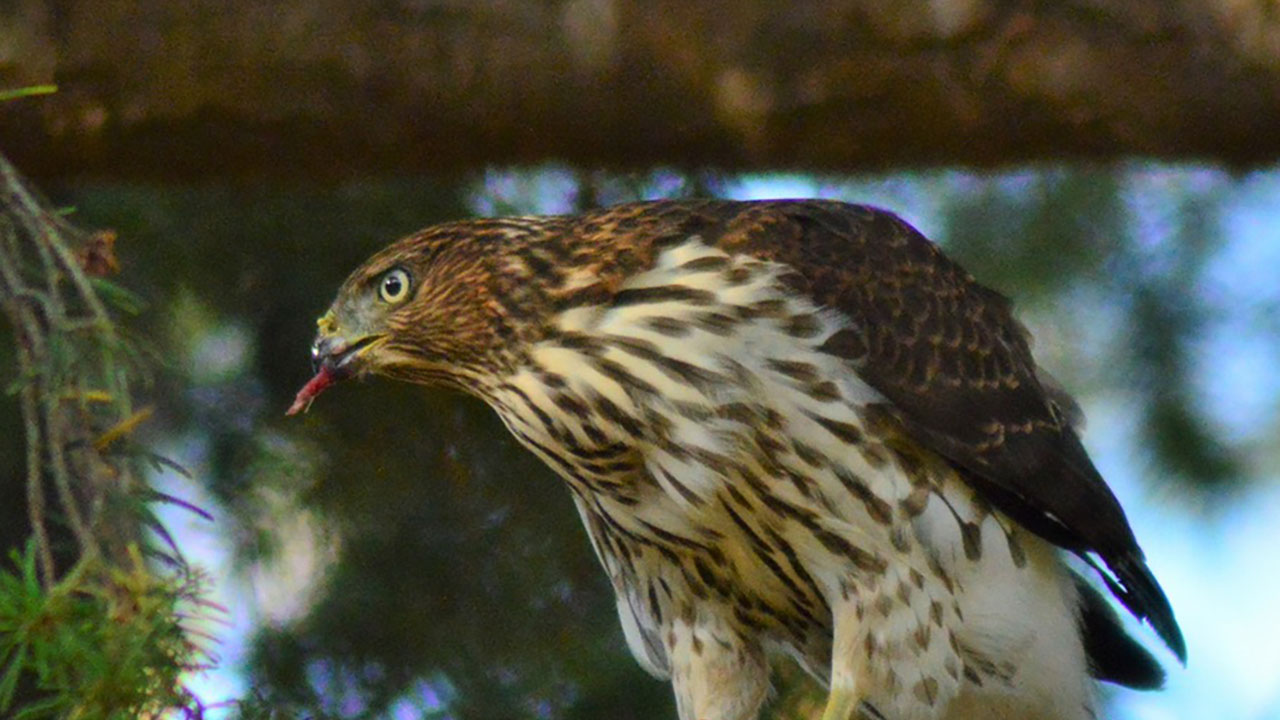
Cooper’s hawks are built for hunting birds, and that makes towns and suburbs surprisingly good country for them. Feeders, ornamental trees, backyard fences, and small pockets of landscaping all attract songbirds, doves, and pigeons. Where prey gathers, predators follow. A Cooper’s hawk can move through a neighborhood like a guided missile, weaving between trees and fences in a way that looks almost impossible. If your trail cam covers a feeder area, a brushy corner, or a narrow flyway between trees, one might show up in a hurry.
People often notice the feathers afterward more than the bird itself. That is how fast these hunts can happen. Around town, Cooper’s hawks take advantage of concentrated prey and enough cover to launch surprise attacks. They are not usually hanging around on the ground long, so cameras do not catch them as consistently as mammals, but they are absolutely one of the most common predators working close to homes. In areas with a lot of bird activity, they can become regulars. If your camera is in the right place, do not be surprised if one appears out of nowhere and reminds you that backyard birds live under pressure too.
Barred owls
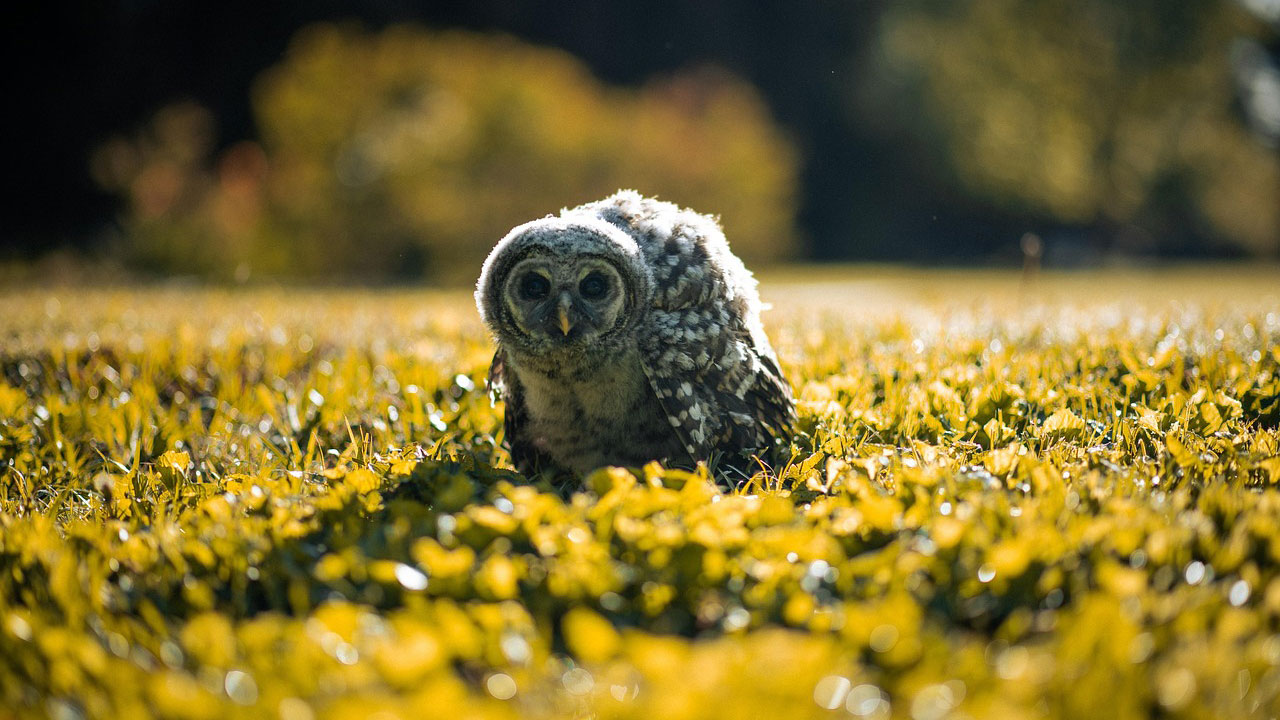
Barred owls are another predator that can show up near town more than people expect, especially where neighborhoods back up to wet woods, creeks, or swampy timber. They are not as open-country as great horned owls and usually prefer areas with heavier tree cover, but plenty of towns have enough riparian habitat to support them. They feed on rodents, frogs, snakes, birds, and small mammals, and they move quietly enough that most people never know they are nearby unless they hear them calling after dark.
On trail cams, barred owls are more of a lucky catch than a guaranteed one, but they belong on the list because they live close to people in a lot of eastern and southern areas. They work those hidden creek strips and tree-lined corridors that cut right through developed ground. In neighborhoods built around water, that matters. If your property has a brushy drainage, wet bottom, or stand of older timber behind houses, a barred owl may already be hunting there. Cameras near water or low woodland trails have a decent chance of proving it, especially during active nights when small prey is moving.
Feral dogs
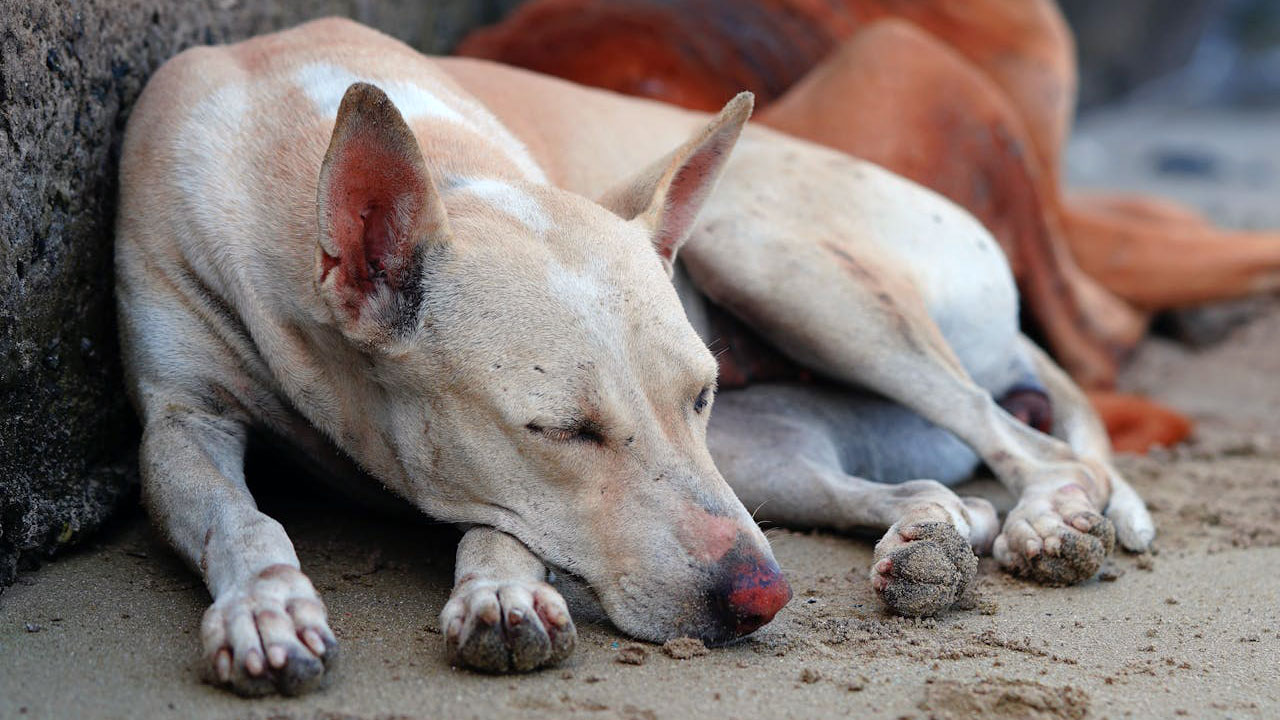
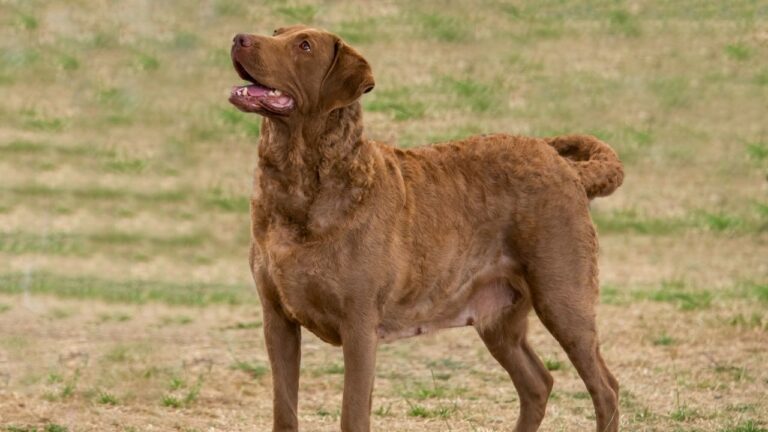
Feral dogs or loosely controlled roaming dogs are one of the predators people least like talking about, but cameras near town pick them up all the time. Some are true strays. Some belong to someone down the road. Some move alone, and some drift in pairs or small groups. What makes them a problem is not just that they are dogs. It is that once dogs start roaming, chasing, and hunting without restraint, they can become serious predators to deer fawns, ground-nesting birds, livestock, pets, and smaller wildlife.
They also move with a kind of confidence wild predators do not always show. A coyote tends to stay sharp around human activity. Roaming dogs may not care nearly as much. That makes them show up on cameras in daylight, near barns, behind neighborhoods, and along trails close to roads. If you have chickens, goats, or even just a camera watching a property edge near town, do not rule dogs out. In some places, they are a bigger immediate problem than any native predator because they are unpredictable, familiar with people, and often far bolder than they should be.
Feral cats

Feral cats are another predator people underestimate because they are so used to seeing house cats. But once cats start living outside full-time and hunting every day, they are incredibly effective on small prey. Songbirds, lizards, mice, rabbits, and young animals all end up on the menu. Around town, feral cats have a massive advantage because people provide food directly or indirectly, and development creates plenty of hiding spots. Cameras near outbuildings, alleys, brush piles, and feeders often catch them slipping through.
What makes them worth mentioning here is how normal they look in places where they are having an outsized impact. A bobcat on camera gets attention. A feral cat usually does not. But when it comes to pressure on small wildlife close to town, they are absolutely part of the predator picture. They work fence lines, thick landscaping, junk piles, and abandoned structures in ways that make them hard to pin down. If your trail cam is close to human activity but still has enough cover for mice and birds, a feral cat is one of the more likely predators to pass through.
Black bears

In places where black bears overlap with growing towns, trail cams catch them near development more often every year. They are drawn by easy calories first. Bird feeders, garbage, pet food, grills, fruit trees, chicken feed, and coolers all make town edges attractive. Once a bear figures out there is food near people, it may keep checking the same spots. Cameras on edge habitat, creek crossings, or wooded travel lanes near neighborhoods can pick them up, especially in the darker hours when bears feel safer moving.
A lot of folks still think of bears as deep-woods animals only, but that is just not true in many states anymore. They adapt fast where food rewards are easy. A bear does not have to stay in town full-time to show up on a trail cam near one. It may just be using a wooded strip as a travel route between feeding areas. If you live in bear country, any camera near a subdivision backed up to timber, orchards, or mountain hollows has a real chance of picking one up. And when it does, that usually means the bear has already been around longer than anybody realized.
Mountain lions

Mountain lions are rare on cameras near town compared to coyotes or bobcats, but in the places where they still have room to move, they absolutely can show up. They use creek bottoms, ridgelines, greenbelts, and overlooked corridors to travel without being seen. Deer are the main reason they come close. If suburban edges are holding deer, a lion may pass through eventually. Most of the time, it is not there because it wants anything to do with people. It is there because the prey base and cover line up.
What makes mountain lions so unsettling on trail cams near town is how little sign they leave compared to the impact they have on people’s nerves. A coyote makes sense to people. A lion in the edge cover behind a neighborhood changes the whole mood. In the right western states and some parts of the Midwest and South where sightings do happen, cameras have proven they move closer to developed ground than many people would guess. They are still uncommon, but uncommon does not mean impossible. In lion country, a camera near a deer trail by town can always surprise you.
Alligators

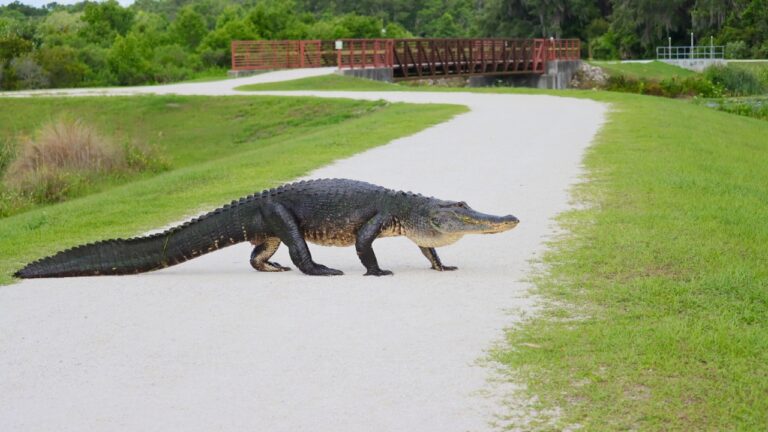
In parts of the South, alligators are one of the most real predators you can catch on trail cams near town, especially around drainage ponds, canals, marsh edges, golf course water, and slow creeks. People tend to think of alligators as animals of remote swamps, but plenty of them live right around neighborhoods where water connects one pocket of habitat to another. Cameras near boat ramps, retention ponds, and creek crossings can catch them moving more than most people would expect, especially at night.
What makes alligators stand out is that the habitat they need often sits right inside developed areas. If a pond holds fish, turtles, waterfowl, and occasional pets that get too close, an alligator has reasons to stay put. They also use connected water to travel, which means one can show up in a place where nobody expected it and then vanish again just as fast. For people living in gator country, trail cams around water near town are not only about deer or hogs. Sometimes they show the biggest predator in the area has been there the whole time.
Snapping turtles
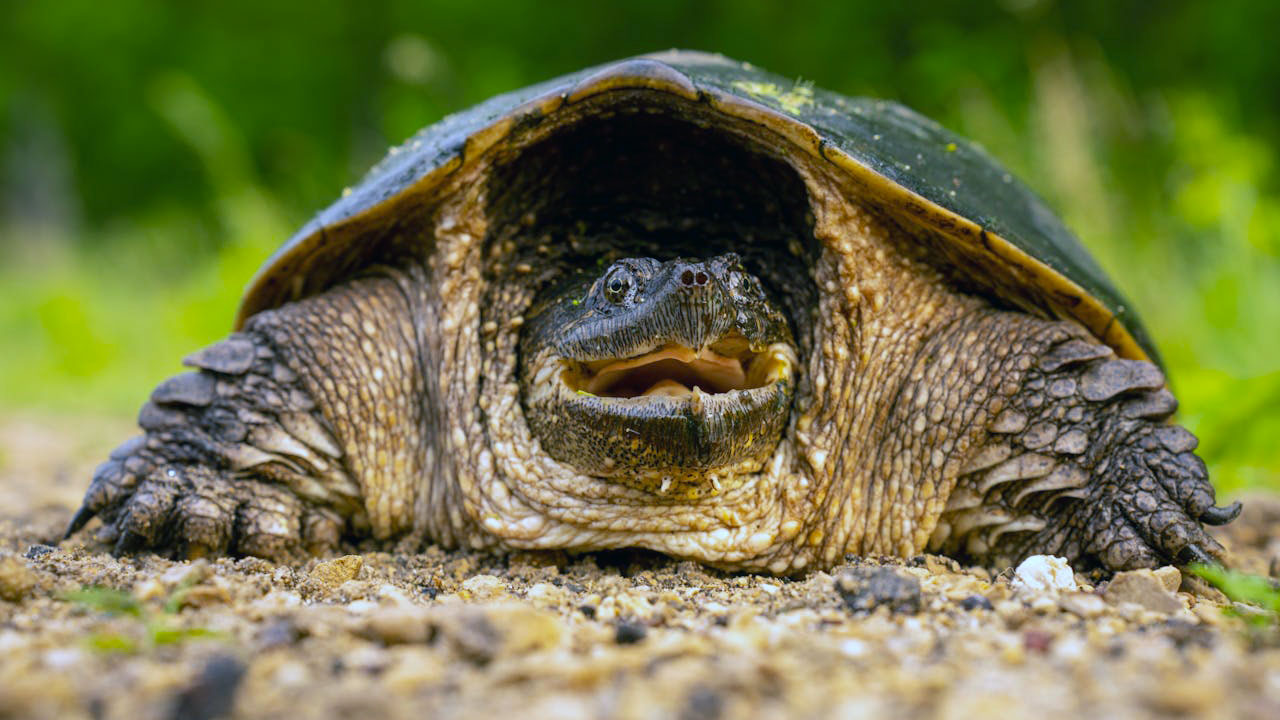
Snapping turtles are not the first thing people think of when they hear the word predator, but around rivers, ponds, creeks, and drainage water near town, they are absolutely part of the picture. They eat fish, frogs, birds, small mammals, carrion, and anything else they can overpower or scavenge. Trail cams near shallow banks, culverts, or muddy crossings can catch them moving, especially in warm weather or during nesting season when they travel over land. People often forget how much damage a big snapper can do because it spends so much time out of sight.
Near town, they benefit from the same thing a lot of predators do: water access and steady food. Retention ponds, golf course lakes, drainage ditches, and suburban creeks may not look wild, but they can support a lot more life than people think. Where there is that much life, something is eating it. A snapping turtle may not stalk like a bobcat or drift like a coyote, but it is still a tough, opportunistic predator that shows up in developed areas all the time. On the right camera set near water, one is never out of the question.
Large rat snakes and kingsnakes
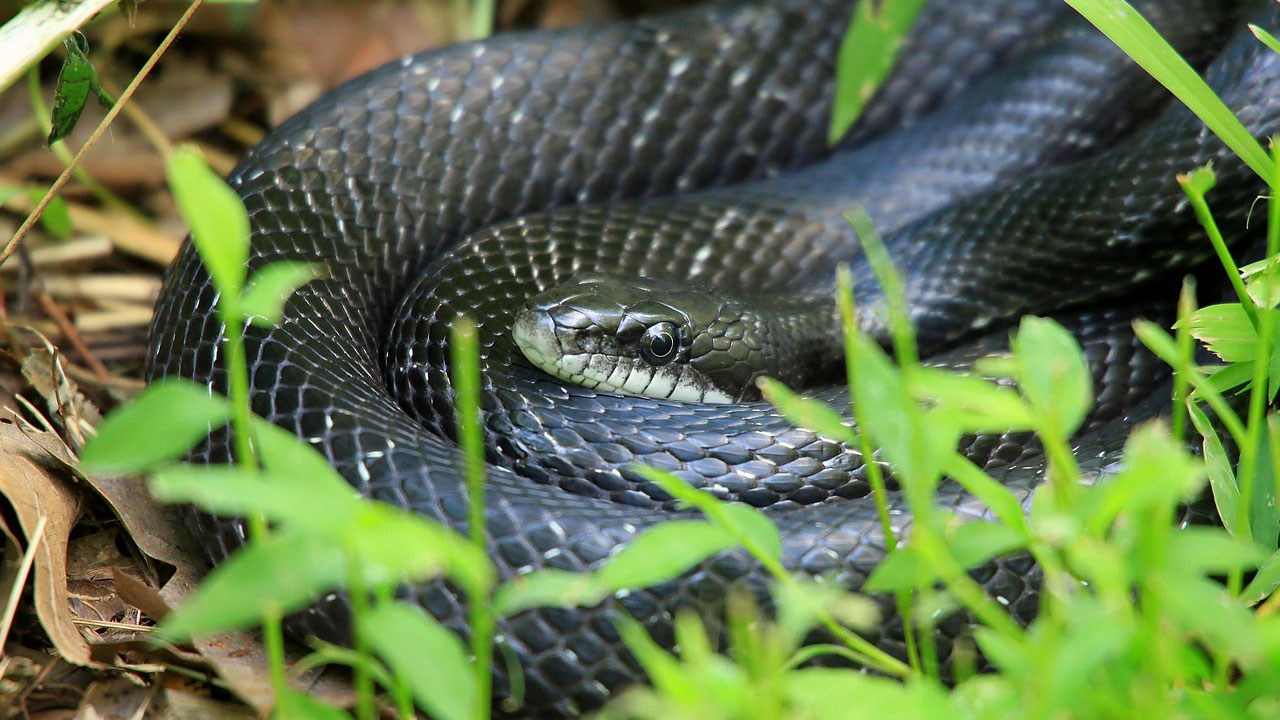
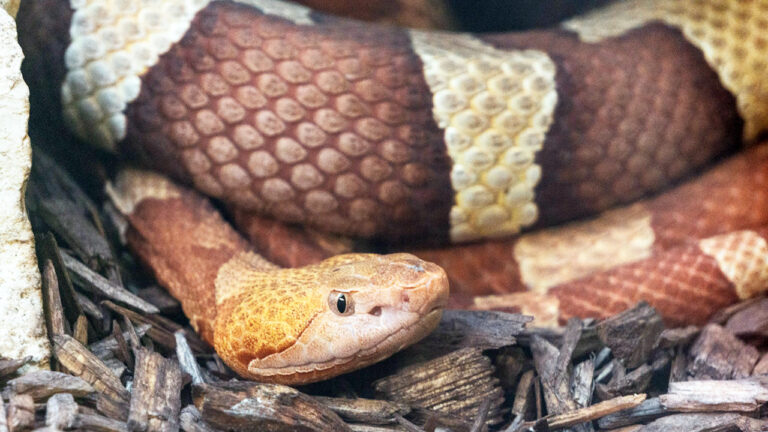
Big nonvenomous snakes can still be serious predators around town, especially where barns, sheds, chicken coops, brush piles, and bird activity give them reason to stick around. Rat snakes and kingsnakes thrive where mice, eggs, chicks, and small animals are easy to find. Trail cams do catch them now and then, usually when they cross open ground, climb around a coop, or move near feed storage. People may not like seeing them, but from a predator-prey standpoint, they are doing exactly what the habitat allows.
These snakes do well near people because people accidentally build perfect setups for rodents, and rodents draw snakes. Add in warm cover, cracks in structures, and spots to hide during the day, and they can live close without much trouble. In some places, a trail cam pointed at a coop or feed area has as much chance of catching a snake as anything else once temperatures rise. They are not predators in the dramatic, headline-grabbing sense, but they are absolutely part of the near-town wildlife picture and one more reminder that edge habitat pulls in everything from the bottom of the chain to the top.
Like The Avid Outdoorsman’s content? Subscribe to our newsletter so you never miss an article.
Here’s more from us: