Photo credit: ArtMarie/istock.com
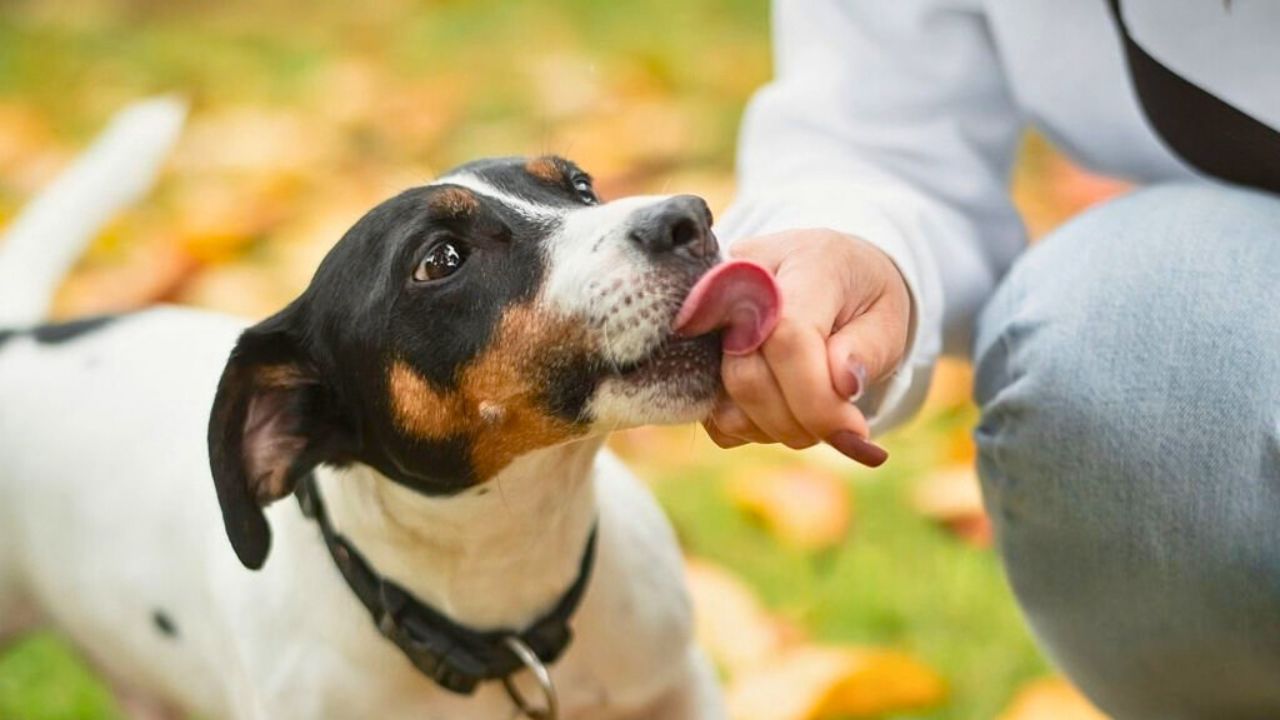
Dogs notice changes in us faster than we notice them in ourselves. When you cry, your breathing shifts, your voice sounds different (even if you’re not talking), your posture changes, and your scent changes too. To a dog, that combination is a big flashing sign that something is off. Licking your hands is one of the most common ways dogs respond to that shift because it’s a simple, close-contact behavior that helps them reconnect with you and stabilize the moment.
A lot of people want to know if it means their dog “knows” they’re sad. Dogs don’t label emotions the way humans do, but many dogs are extremely sensitive to emotional cues. They learn what stress and calm look like on you. They learn what your normal tone and movement patterns are. When those patterns change, they often respond the same way they would if another dog in their social group was acting unusual: they move closer, touch, and try to bring things back to normal. Licking is basically an easy, built-in tool for that.
What your dog may be sensing in that moment
Tears have a scent and taste, and your skin chemistry can shift with stress. Dogs also read your face and your body language. If you’re hunched over, covering your face, breathing faster, or making small sounds you don’t normally make, your dog picks up on it. Some dogs respond by licking because they’re checking in, almost like, “Hey, what’s going on?” Others do it because they’ve learned that licking makes you look at them, touch them, and engage. Even if you’ve never intentionally rewarded it, the act of you reacting — petting them, hugging them, speaking to them — teaches them that licking is effective during emotional moments.
There’s also an “appeasement” angle to consider. Licking can be a calming signal in dog language. Dogs lick other dogs to reduce tension and communicate friendliness. So if your dog is nervous about your emotion, licking may be their way of trying to smooth the energy in the room. It’s not manipulative. It’s social behavior.
Comforting you vs. calming themselves
Sometimes a dog is licking because they’re offering comfort, and sometimes they’re licking because they feel unsettled. Those two things can overlap. Emotional situations often raise a dog’s arousal level too, especially if they’re strongly bonded to you. Licking can release calming chemicals in the dog’s brain and give them something repetitive and grounding to do. That’s why you’ll see some dogs lick more when there’s crying, arguing, loud voices, or high stress in the house.
If the licking is gentle, brief, and paired with relaxed body language — soft eyes, loose tail, leaning into you — it’s usually a supportive “I’m here” behavior. If it’s frantic, nonstop, or your dog seems keyed up (pacing, panting, whining), they may be trying to regulate their own stress response as much as they’re trying to connect with you.
When the licking is normal and when to redirect it
Most of the time, licking your hands after you cry is harmless. It’s a social, bonding behavior and a very common way dogs respond to emotional shifts. But it can become a problem if it turns compulsive or if your dog starts escalating because they’ve learned it always leads to a big reaction. Some dogs can accidentally train themselves into thinking, “If my person is upset, I must fix it,” and they’ll intensify licking, pawing, or hovering until you respond.
If you want to keep it sweet without creating a habit that overwhelms you, respond in a calm, steady way. You can pet them slowly, tell them “good,” and then guide them into a calmer behavior like lying down beside you. If the licking gets too intense, it’s totally fine to redirect without scolding. Offer a chew, ask for a sit, or gently move your hands away and reward them for settling. You’re not rejecting them — you’re helping them choose a calmer way to be close.
How to encourage comforting behavior without building anxiety
If your dog seems highly reactive to your emotions, the goal is to teach them that your feelings aren’t an emergency they must manage. Simple routines help. If you’re upset and your dog comes over, reward calm contact — sitting beside you, laying down, resting their head on your leg — rather than frantic licking. Over time, they’ll learn that being present and calm is the “right answer.”
You can also practice when you’re not upset. Teach a “place” or “settle” cue and reward it regularly. That way, when emotions run high, your dog has a familiar, calming behavior to fall back on. This is especially helpful for dogs that are naturally sensitive, velcro-style, or prone to anxiety.
At the end of the day, most dogs lick after you cry for one simple reason: they notice a change in you and they’re trying to reconnect. It’s usually a sign of a close bond, not a weird habit. With a little structure, you can keep it as a comforting moment instead of letting it turn into something stressful for either of you.
Like The Avid Outdoorsman’s content? Subscribe to our newsletter so you never miss an article.
Here’s more from us: