Photo credit: Theavidoutdoorsman.com
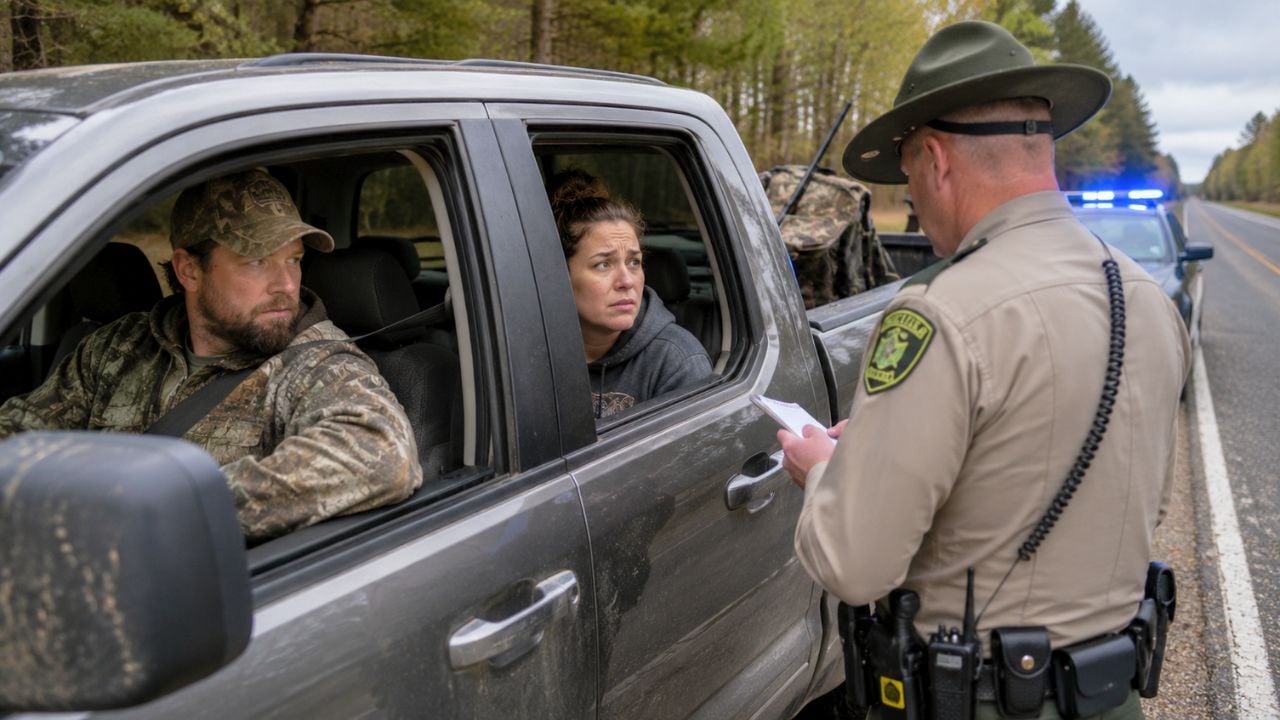
They did what a lot of us do when season rolls around: loaded the truck the night before, double-checked the cooler and the camo, and pointed the headlights toward a different set of ridgelines. A Georgia couple headed north into Tennessee for a short hunting trip, and they weren’t trying to sneak anything across the line. Their firearms were lawful back home, cased up, and riding along the way most hunters transport them.
The trouble didn’t show up until a routine traffic stop turned into a gear check—and one piece of equipment that’s easy to overlook in the Southeast wound up being the whole problem.
A normal travel day turned into a roadside inspection
The stop itself sounded like the kind of thing that happens every day: a speed issue, a tag light, or a lane change that caught an officer’s eye. The couple pulled over, did the right thing, and the conversation went the usual direction when you’re traveling through rural country in hunting season—where you’re headed, what you’re doing, and whether there are any weapons in the vehicle.
They disclosed the firearms. That’s where the tone shifts, because the minute guns enter the discussion, a lot of officers move from “traffic” into “safety.” A request to secure the firearms or confirm they’re unloaded is common, especially if the guns are within reach or stored in a way that isn’t clearly separated from passengers.
From there, it doesn’t take long for a simple check to become a closer look: cases opened, serial numbers verified, and magazines examined. That last part is what bit them.
The magazine issue that catches travelers off guard
Most hunters think in terms of “gun legal” and “ammo legal.” Magazine laws don’t always register—especially in places where you can buy standard-capacity magazines right off the shelf and nobody blinks. But some states draw lines on magazine capacity, and some draw lines on how a firearm can be configured during transport.
In this case, the couple’s firearms themselves weren’t the issue. The hang-up was reportedly a magazine that exceeded what the state allows under its magazine restrictions. If you’ve ever tossed a couple extra mags into the console “just in case,” or left the same setup you use at the range in your travel bag, you can see how it happens.
The frustrating part is that a magazine can be legal in your home state, legal in the state you’re traveling through, and still get you jammed up the minute you cross into a place with a different rule. It’s not about intent. It’s about what’s physically present in the vehicle when you’re stopped.
How hunting travel creates “unintentional violations”
Hunters are practical people. If you run an AR-pattern rifle for predator control or hogs at home, you probably own 20- or 30-round magazines. Even if you plan to hunt with a bolt gun on this trip, those magazines might still be in the bag because they live there year-round.
The same goes for pistols. Plenty of common carry guns ship with magazines that push the line in states with strict limits. A traveler might have one magazine in the pistol and a spare in the door pocket, never thinking twice—until they’re standing on the shoulder while it gets measured and counted.
Then there’s the hunting side of the equation. Many states have separate rules for hunting capacity, and those don’t always match their general possession rules. A shotgun plug requirement is familiar to most folks, but magazine restrictions can be more confusing because the same platform can be “hunting legal” in one state and a legal headache in another just by swapping one part.
Once law enforcement decides a prohibited magazine is present, it can trigger seizure, citations, or worse, even if everything else checks out. And a hunting trip doesn’t leave much room for sorting that out on the shoulder of the road.
What the couple could have done differently without changing their hunt
This is where the “boring” planning matters. Before any out-of-state trip, it’s worth doing a quick inventory—not just of firearms, but of magazines, ammo storage, and where everything sits in the vehicle. Keep guns unloaded and cased, keep ammo separate, and keep magazines in a dedicated pouch or locked container in the rear if possible.
For mixed-purpose firearms, bring only what you actually need for that hunt. If the plan is whitetails with a bolt-action and a shotgun, don’t bring the range bag that has every magazine you own floating around the bottom. It sounds obvious, but most of us have a “grab-and-go” kit that’s built for convenience, not compliance.
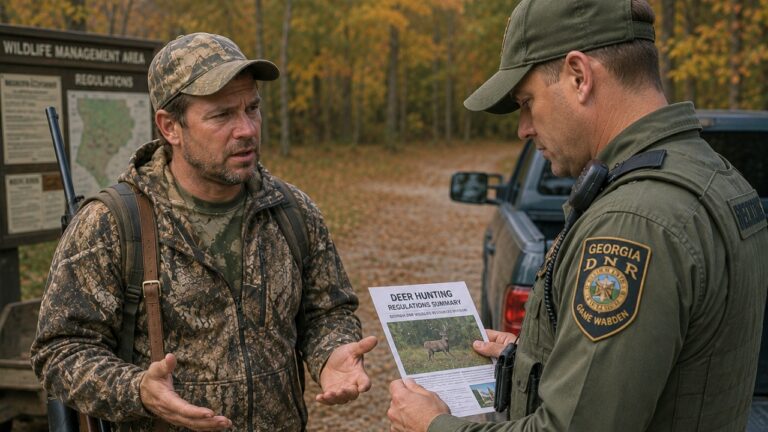
It also helps to print or save the relevant state wildlife regulations and a plain-language summary of state firearm transport rules before you go. Not to argue on the roadside—don’t do that—but to know what you’re walking into and avoid the mistake in the first place.
Finally, if you carry a pistol, make sure the magazines you travel with are legal where you’re going, not just where you live. That might mean buying compliant magazines strictly for travel. It’s annoying. It’s also cheaper than an attorney and a court date.
People zeroed in on “it’s legal at home” and the reality of crossing lines
Whenever a story like this circulates around hunters and gun owners, the same argument shows up fast: “If it’s legal where I’m from, it should be legal where I’m going.” I get the sentiment. I also know that sentiment doesn’t help when you’re on the side of the road with a trooper holding a magazine and shaking their head.
Others tend to focus on the idea that the stop “should have been” just a warning, or that checking magazines is petty. Maybe. But hunters should assume that any contact with law enforcement while traveling armed can turn into a full compliance check, especially in areas that see a lot of seasonal hunting traffic. It’s not personal. It’s how the job gets done.
And some folks will point out that magazine limits often don’t make sense from a practical hunting standpoint. That debate can be had, but it won’t change what’s written on the books today. If you cross state lines, you’re agreeing to play by the next state’s rules whether you like them or not.
The best takeaway is the one that keeps you hunting
The lesson here isn’t to stop traveling or stop hunting. It’s to treat magazines like you treat tags and licenses: they’re part of the legal puzzle, not an accessory you ignore. A five-minute gear shake-down before you leave the driveway can keep a simple weekend hunt from turning into paperwork, seized property, and a long ride home with nothing to show for it.
If you’re planning an out-of-state trip this season, open the bag, check every magazine, and set up your transport like you expect to be stopped—because eventually, someone will be. The goal is to have that stop end with a warning, a “have a good hunt,” and your truck pulling back onto the highway.