

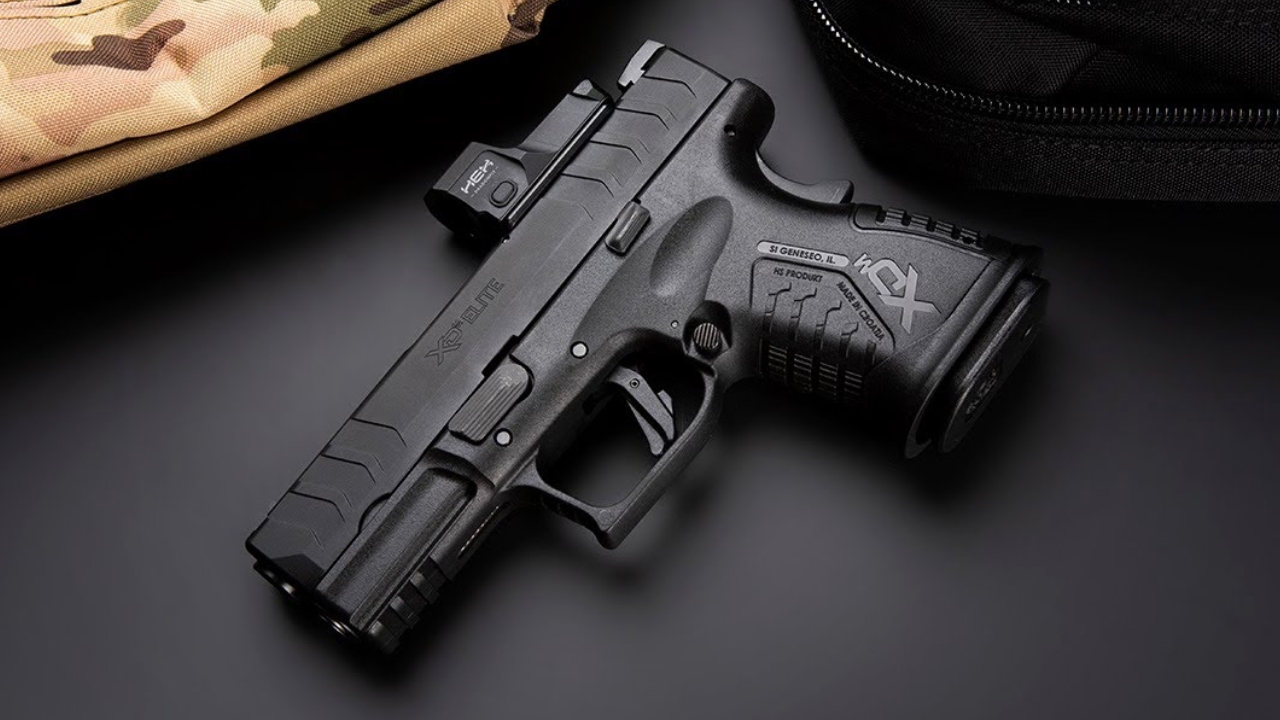
Photo credit: Springfield Armory
When you’re picking a handgun for concealed carry, size matters more than you’d think. A lot of folks get stuck between compact and subcompact models, and the lines can get a little blurry. On paper, the differences seem small, but in real-world carry and use, they start to stand out.
This isn’t just about what fits in your waistband. It’s about control, comfort, and how that pistol handles when it actually matters. So let’s break down the real-world differences between these two popular sizes and help you figure out which one’s a better fit for you.
Overall Size and Dimensions

The first and most obvious difference is physical size. Subcompact pistols are generally shorter in length and height compared to compacts. They’re built for maximum concealment, often shaving off half an inch here or there.
Compact pistols give you a bit more to grip and control without jumping into full-size territory. They’re easier to shoot for most folks but not quite as easy to hide under a T-shirt.
Magazine Capacity

Subcompacts usually hold fewer rounds. You’re looking at 6 to 10 rounds, depending on the caliber and whether it has an extended mag. That’s the trade-off for a smaller footprint.
Compacts can squeeze in a few more rounds thanks to a longer grip. You might get 10 to 15 rounds in the mag, which can make a difference if you’re thinking about capacity for self-defense.
Grip Length and Control

With subcompacts, your pinky might be left hanging off the bottom. That can make recoil feel snappier, especially for newer shooters or anyone with larger hands.
Compacts usually let your whole hand wrap around the grip, giving you better control. It’s a noticeable difference at the range, especially during longer sessions.
Concealability

Subcompacts are easier to hide, no doubt about it. They disappear in a waistband holster and don’t print much under light clothing, which makes them great for summer or deep concealment.
Compacts are still easy to conceal, but you’ll notice the extra size when sitting, bending, or carrying in tighter clothing. It’s not a dealbreaker, but it’s worth thinking about.
Shootability and Recoil

Subcompacts tend to feel snappier and require more effort to control, especially during rapid fire. The shorter barrel and grip just don’t soak up recoil as well.
Compacts feel steadier in the hand. They’re easier to keep on target and quicker to recover between shots. If you spend a lot of time training, that comfort adds up.
Sight Radius and Accuracy
A longer sight radius usually means better accuracy potential, and that’s something compacts have going for them. The added barrel length helps with aiming, especially at distance.
Subcompacts can still be accurate, but shorter barrels and sights leave less room for error. You’ll have to work a bit harder to stay on target, especially past 10 yards.
Weight and Carry Comfort

Subcompacts are lighter, which makes a big difference if you’re carrying all day. They put less strain on your belt and don’t pull down your waistband as much.
Compacts add a few extra ounces, but that extra weight can actually help with recoil management. It’s a trade-off between carry comfort and control at the range.
Accessory Compatibility

Subcompacts often skip rail systems or only offer tiny ones. That limits your options for adding lights or lasers unless you go aftermarket.
Compacts usually have better accessory support. Full-length rails, more holster options, and better fit with popular upgrades make life easier if you like to customize your setup.
Trigger Feel and Control
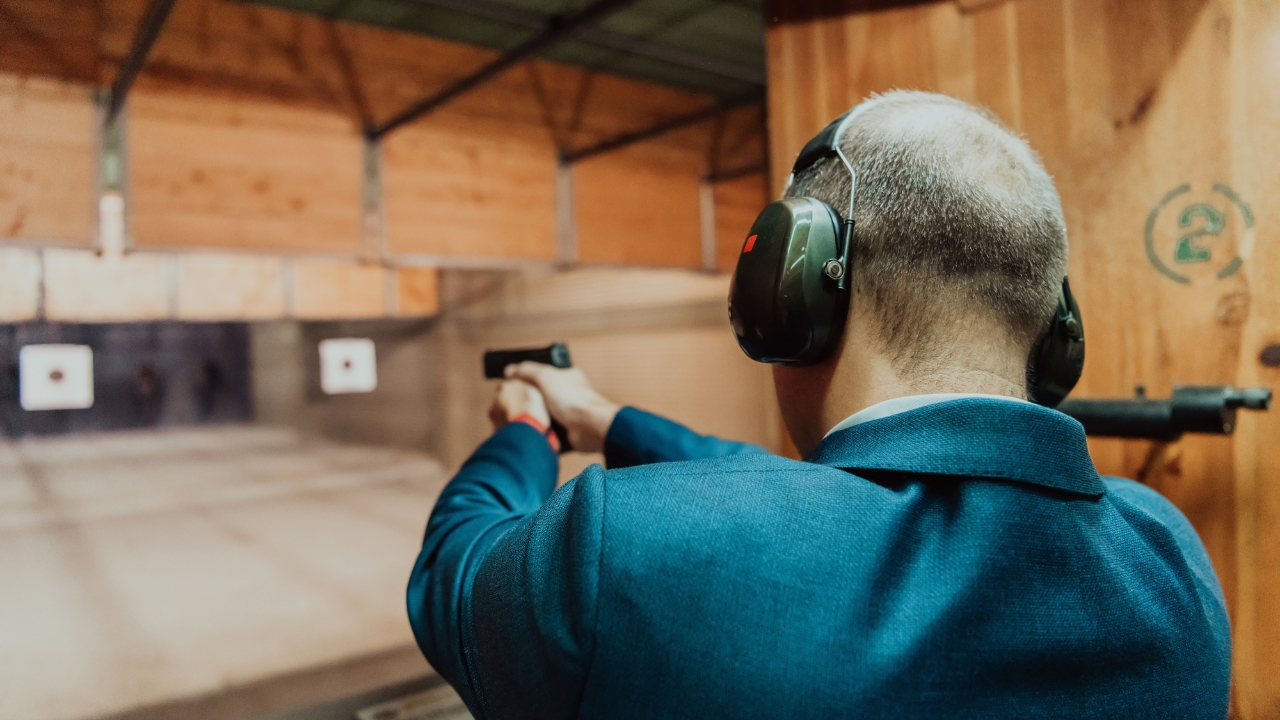
Some subcompacts sacrifice trigger feel for size. Shorter frames can lead to slightly different mechanics, and triggers might feel stiffer or less smooth.
Compacts often benefit from better geometry and more room in the frame, which can give you a cleaner, more predictable trigger pull. That can improve accuracy in real use.
Price and Availability

Subcompacts tend to be a little cheaper, especially in entry-level models. That makes them appealing for budget-minded buyers or those looking for a backup gun.
Compacts usually cost a bit more, but you’re often getting better performance and more features. The used market is also flooded with both, so there’s something out there for any budget.
Best Use Cases

Subcompacts are ideal for deep concealment, backup guns, or minimalist carry setups. If your priority is staying discreet, they’re hard to beat.
Compacts are better if you want a balance of concealment and shootability. They’re versatile enough for daily carry and serious training without feeling underpowered.
Comfort While Drawing

Smaller pistols can be quicker to draw, but they’re also easier to fumble with under stress. Less grip means less to hold onto when you’re in a hurry.
Compacts offer a little more real estate to grab, making draws feel more confident—especially with a good holster setup. It’s a small edge that can matter under pressure.
*This article was developed with AI-powered tools and has been carefully reviewed by our editors.


