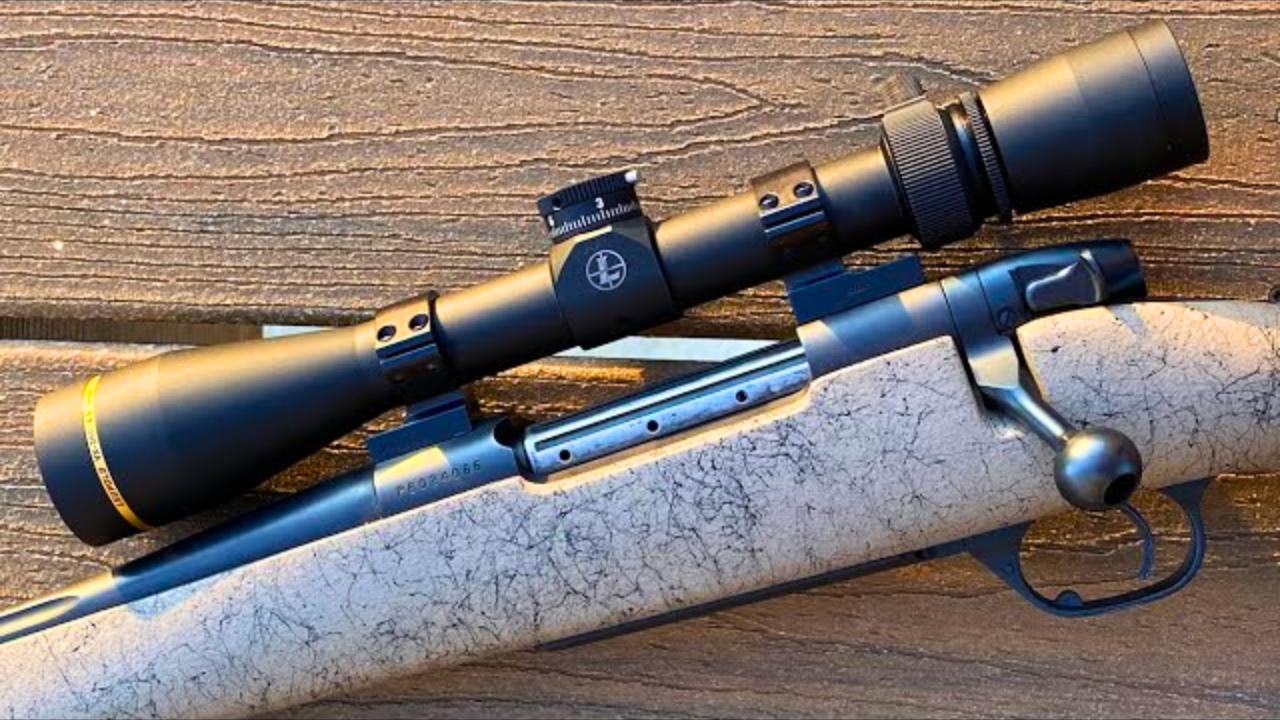
Photo credit: Cyclops Videos Joe W Rhea/YouTube
A good scope can tighten your groups and boost your confidence. A bad one—or even just the wrong setup—can quietly wreck your accuracy without you realizing it. Sometimes it’s not the rifle, the ammo, or your skill—it’s the glass you’re looking through. From poor clarity to mounting mistakes, here are 10 common scope issues that throw off your shot. If your rifle isn’t grouping like it should, it might be time to take a hard look at what’s sitting on top of it.
You’re Using the Wrong Magnification

Too much magnification can actually hurt you, especially in close or fast-moving situations. You might think more zoom means better precision, but it narrows your field of view and exaggerates movement, making it harder to stay on target.
On the flip side, too little magnification can leave you guessing on distant shots. If your scope doesn’t match how and where you shoot, you’re not getting the full benefit. Make sure your magnification range actually fits the job you’re asking your rifle to do.
Your Scope Isn’t Level

If your reticle is canted, even slightly, it throws off every shot you take—especially at longer distances. You’ll think you’re aiming dead on, but your shots will consistently land off to one side.
Most folks eyeball it when mounting a scope, but that’s not good enough. Use a scope leveling tool and check your setup on a flat surface. If your crosshairs aren’t truly level, your adjustments won’t track correctly, and it’ll drive you crazy chasing the problem.
Cheap Glass Means Poor Clarity

You don’t need to spend thousands, but bargain-bin optics often have lousy clarity, especially in low light. If you can’t clearly see what you’re shooting at, you’re not going to hit it cleanly.
A scope with poor glass also makes it harder to spot your misses and adjust. If your sight picture is dim, blurry, or full of glare, it’s worth upgrading. You’ll shoot better when your target is sharp and the picture stays clear across the whole magnification range.
Your Eye Relief Is Off

If your eye isn’t sitting in the right spot behind the scope, your view gets shadowy or distorted—and your accuracy takes a hit. That’s called improper eye relief, and it can mess with your shot alignment without you even realizing it.
Most scopes have a “sweet spot” where your sight picture is crisp and full. If your scope is mounted too far forward or back, you’ll constantly be adjusting your head instead of focusing on the shot. Fix that setup and your groups will tighten up quick.
You Didn’t Properly Torque the Mount

Scope rings that aren’t torqued evenly—or to spec—can shift under recoil. That tiny bit of movement throws off your zero, and over time it only gets worse. You’ll be chasing your impact without realizing your scope is slowly walking around.
Use a torque wrench and follow the scope manufacturer’s specs. It doesn’t take much time, but it makes a huge difference in consistency. If you skip this step, don’t be surprised when your rifle starts drifting shot to shot.
You’re Relying Too Much on Zoom

Cranking the magnification all the way up feels tempting, but it’s not always the answer. High zoom amplifies every little movement, making it harder to hold steady, especially from unsupported positions.
You’re better off dialing it back to a level where you can still see clearly but keep control. Most good shots come from steady fundamentals, not maximum zoom. Find that balance where you can see the target and still manage your breathing, trigger, and follow-through.
Turrets That Don’t Track Properly

If your turrets aren’t tracking cleanly or holding zero, you’re in for a frustrating time. You’ll dial your scope expecting a certain correction, but the impact doesn’t follow. That’s usually a sign your turrets are cheap, worn, or both.
Test your scope by dialing up and back down and seeing if it returns to zero. If it doesn’t, you can’t trust your adjustments in the field. And if your elevation or windage won’t hold, even your best shot won’t hit where it’s supposed to.
You’re Not Actually Zeroed

Just because your rifle grouped okay last season doesn’t mean it’s still zeroed. Bumps in the truck, temperature changes, or even switching ammo can shift your point of impact without you noticing.
Before you blame your form, re-check your zero. It doesn’t take much movement to cause consistent misses. Too many folks assume the rifle is still dialed in, when a quick trip to the range could’ve saved them missed shots and wasted opportunities.
*This article was developed with AI-powered tools and has been carefully reviewed by our editors.