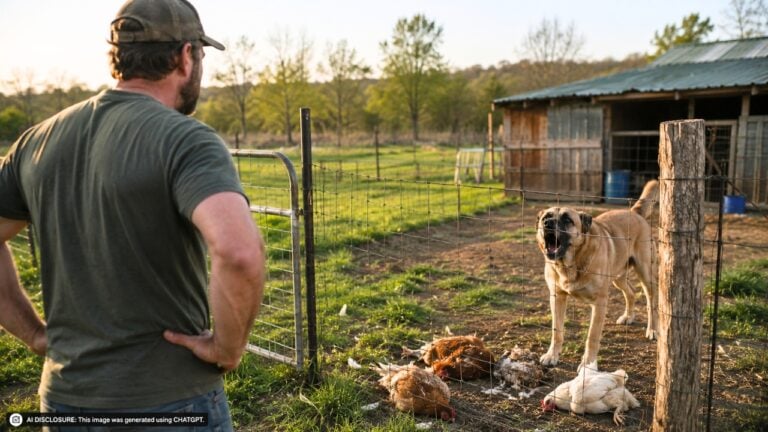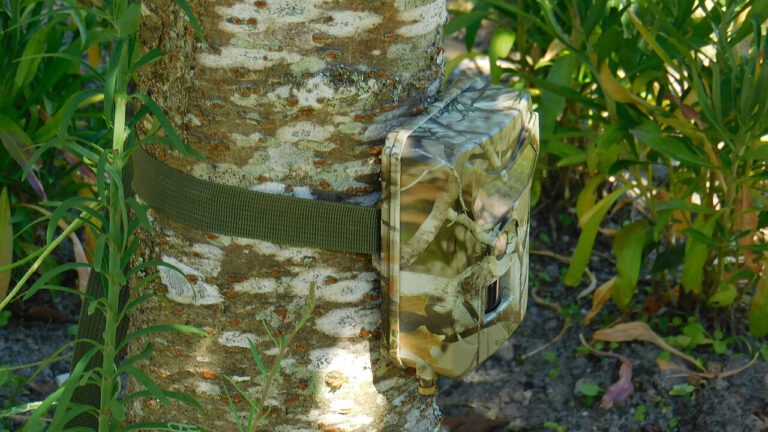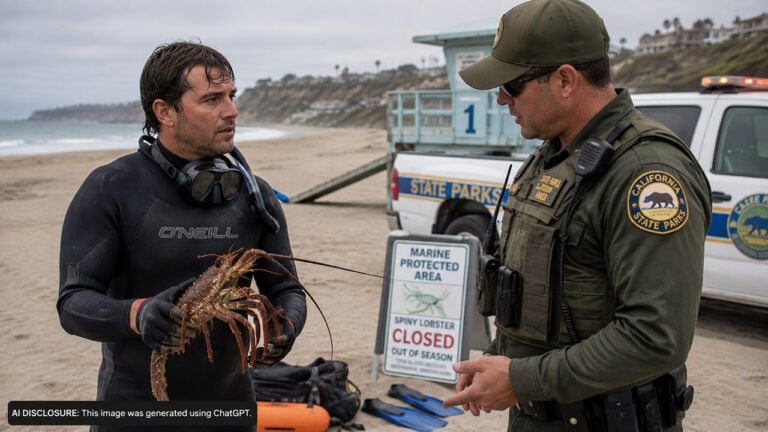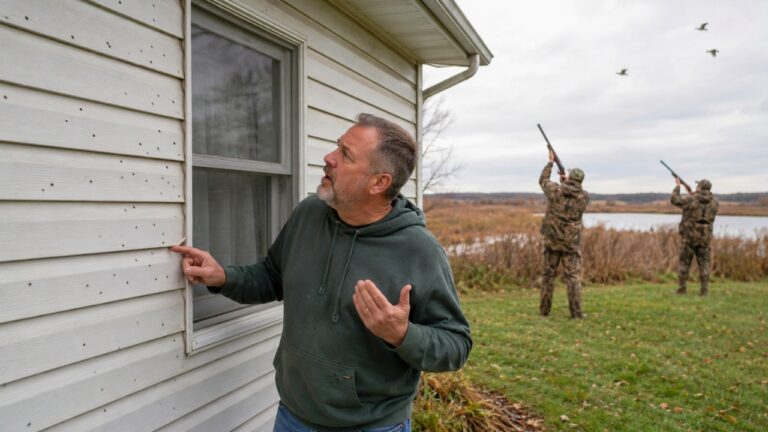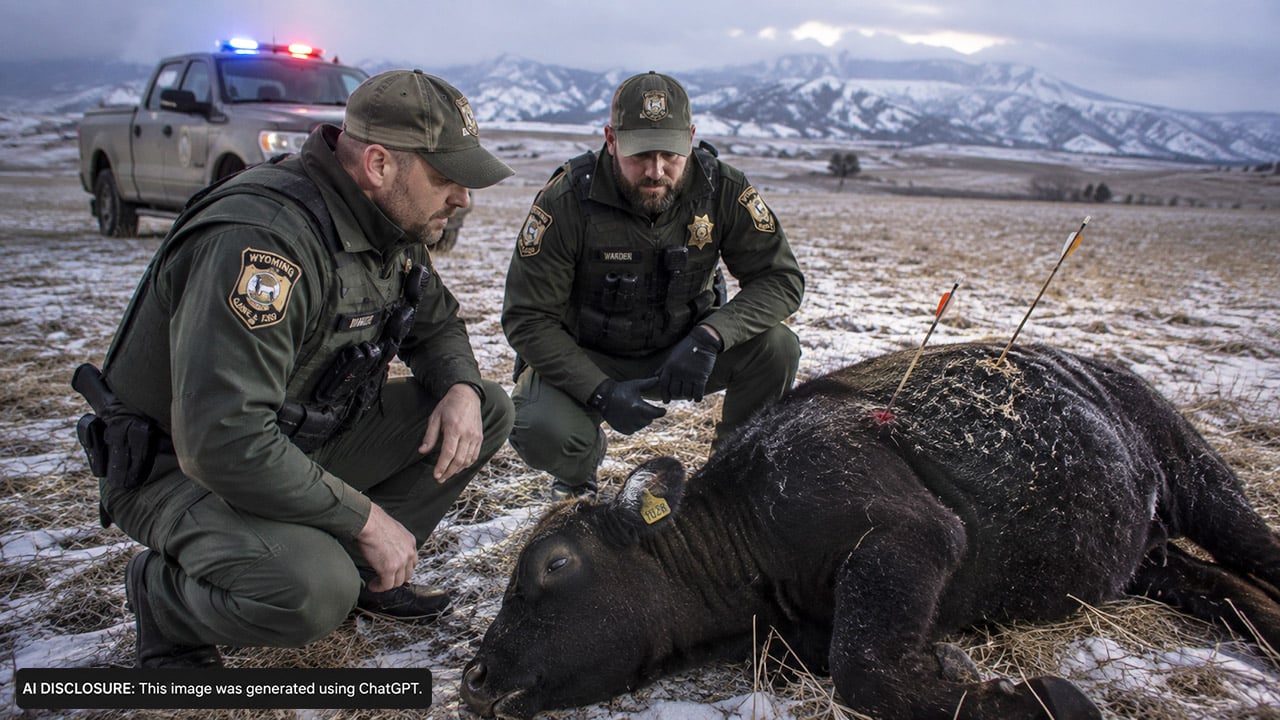
Photo credit: AI-generated image created using ChatGPT. Illustrative only
When urban deer start piling up in a tight little loop of parks and neighborhoods, it’s not just a wildlife issue anymore. It’s a safety problem, a respect problem, and for the folks living there, it’s the kind of thing that makes you double-check the yard before you let the dog out.
In Cody, Wyoming, that’s exactly where things went in late summer 2024—nine mule deer killed with a compound bow inside town limits, left where they fell. The long, patient investigation and the twist that finally tied the whole mess together is laid out in the original post, along with details from the Wyoming Wildlife Podcast that broke down how the case was built.
The kills were close, consistent, and getting bold
The first dead buck showed up in a front yard near a city park, with a blood trail and footprints fading off into the grass. Game Warden Spencer Carstens said his first thought was it might be a kid doing something stupid—one animal, one bad decision, and then it’s over.
But it wasn’t over. More reports came that same day: another buck a couple doors down, then another deer in a nearby park. As the weeks went on, the count climbed—nine total carcasses: two bucks, six does, and a fawn—within a tight radius around the county library and city park area near Canal Park and Glendale Park.
Compound-bow poaching in town isn’t “hunting”
Every deer was shot with archery gear—expandable broadheads from a compound bow—then abandoned. No effort to harvest meat, no tag, no attempt to treat it like a hunt. Amanda Fry with Wyoming Game and Fish confirmed they were “just killed and left.”
That detail matters, because it changes what everyone is dealing with. A person slipping a deer out of season for the freezer is still illegal, but at least you understand the motive. This looked more like someone using live animals as targets inside city limits, where deer are used to people and tend to bunch up in parks and green strips.
Cameras gave wardens a sliver of a lead: a silver car
The one advantage of a case happening in town is cameras—Ring doorbells, business security systems, neighbors willing to share footage. Investigators started piecing together nighttime activity from cooperating residents and picked up video of a silver car creeping along the streets before parking, and a figure stepping out with a flashlight.
It still wasn’t enough for an easy ID. The footage was grainy, and as Carstens put it, once you’re looking for a silver car, you realize there are silver cars everywhere. Wardens also chased down an early lead involving teenagers seen running around and riding in the back of a truck, but it turned out they’d been involved in a supervised game organized by Cody police and were ruled out.
Five nights of stakeout, and the “thwack” finally came
With deer still turning up dead and no clear suspect, wardens went old-school: sit and watch. Carstens and another officer spent four straight nights in an unmarked vehicle at a Cody city park, windows down, staring into the dark from dusk until 3 a.m.
Nothing happened—until the fifth night, when they were worn down and questioning whether the plan was even working. Then they heard the sound that made every bowhunter’s ears perk up: the unmistakable thwack of a compound bow followed by an arrow hitting flesh.
Using night vision, they saw a man holding a bow and standing over a dead deer. Carstens moved in and the suspect ran. Carstens chased him on foot, but the suspect was young and fast and got away.
He couldn’t run without leaving something behind, though. Wardens found the silver car parked about a block away. Inside was an arrow lying on the front seat that matched an arrow recovered from an earlier scene—and the car was loaded with fresh groceries. Carstens described it as the guy basically going to get groceries, then deciding on the way home to stop and shoot a deer in the park.
DNA on broadheads and arrow inserts built the case—then a dead cow connected the dots
The suspect was later identified as Joshua Tamirat Wielhouwer, and he fled the state. But wardens had his vehicle and eventually search warrants for the house where he’d been staying, where they found archery equipment scattered through multiple rooms. A second vehicle turned up more gear, including a bow and broadheads.
Some of the equipment had blood on it—sometimes in tiny traces. Investigators had also been collecting carcasses and storing them in an evidence freezer. Tissue samples from eight of the nine deer were sent to the Wyoming Game & Fish forensics lab, along with blood-stained archery equipment from the search.
What came back was, in Carstens’ words, “remarkable.” The lab matched all eight deer to specific pieces of equipment—individual broadheads, arrows, and even metal inserts—through DNA analysis. Trace tissue inside a small metal arrow insert was enough to tie a particular deer to a particular arrow. Carstens said it was the first case he’d worked where they could make the full case on DNA evidence alone, crediting the forensics lab for making it possible.
Then came the extra twist: a cell phone search warrant connected Wielhouwer’s archery equipment to an older, unsolved case from the year before—an incident where a beef cow had been shot with multiple arrows and left to die. The Park County Sheriff’s Office had been unable to solve that case at the time, and the Game and Fish investigative unit initially considered predator conflict before determining the cow had been killed with a bow.
Plea deal, jail time, and a reminder that communities can help shut this down
With a nationwide extraditable warrant issued through the Park County prosecuting office, authorities in another state began looking for Wielhouwer. He eventually turned himself in, flew back to Cody, and spent 75 days in jail before posting bail.
A trial was set for February 2025, but it ended in a plea deal: guilty on nine of 18 misdemeanor charges, $18,000 in restitution for the deer, and one full year in county jail with 73 days credited for time served. He also pleaded guilty to felony destruction of property for the cow, paid restitution to the rancher, and accepted three years of supervised probation. All seized archery equipment was forfeited.
Carstens noted that a year behind bars is unusual for Wyoming wildlife cases, which often end up as fines and loss of hunting privileges. One reason this case didn’t fit the “normal” mold: Carstens said Wielhouwer had never bought a Wyoming hunting license and wasn’t a traditional hunter trying to legally harvest anything. His best guess at motive was that the suspect was into archery target shooting and “maybe just wanted to take it to the next level and see what he could do with his bow.”
If you live in a town—or even a rural edge neighborhood—where deer and people overlap, the practical lesson is simple: document and report. The neighbors who shared camera footage helped give wardens a direction when they were staring at nothing but dark parks and dead ends. And for the rest of us who actually buy tags and do things the right way, it’s a reminder that poaching isn’t just stealing a resource—it can turn a quiet community into a crime scene in a hurry.
Like The Avid Outdoorsman’s content? Subscribe to our newsletter so you never miss an article.
Here’s more from us: