Photo credit: Jack Borno/Pexels.com
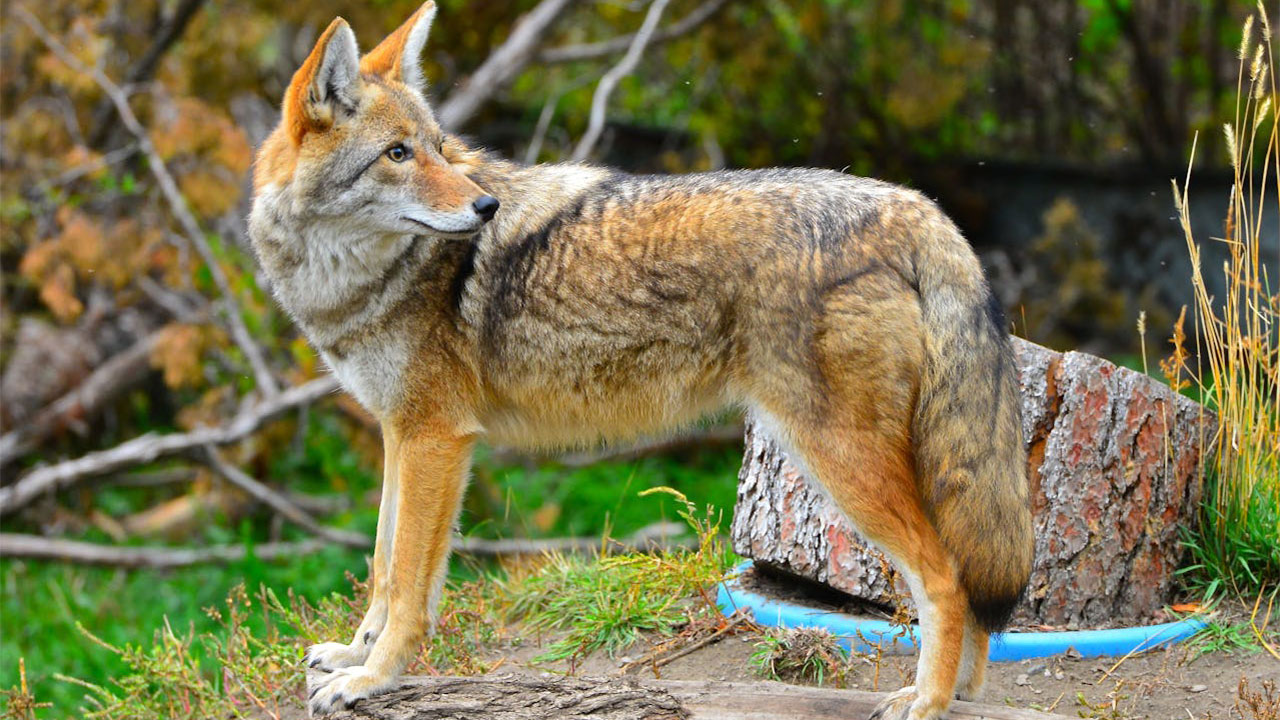
There’s no perfect national scoreboard for “most pet conflicts,” because a lot of incidents never get reported the same way from town to town. But you can see where the problem is steady and repeatable: states with big metro sprawl next to greenbelts, lots of outdoor cats and small dogs, and wildlife agencies that have to keep putting out the same warnings year after year. In those places, coyotes aren’t just “out there.” They’re using neighborhoods like a grocery store—especially at dawn/dusk, during denning season, and anywhere people leave food outside.
Below are 15 states where the overlap between coyotes and pets is common enough that it shows up constantly in agency guidance, local reporting, and day-to-day suburban reality.
California
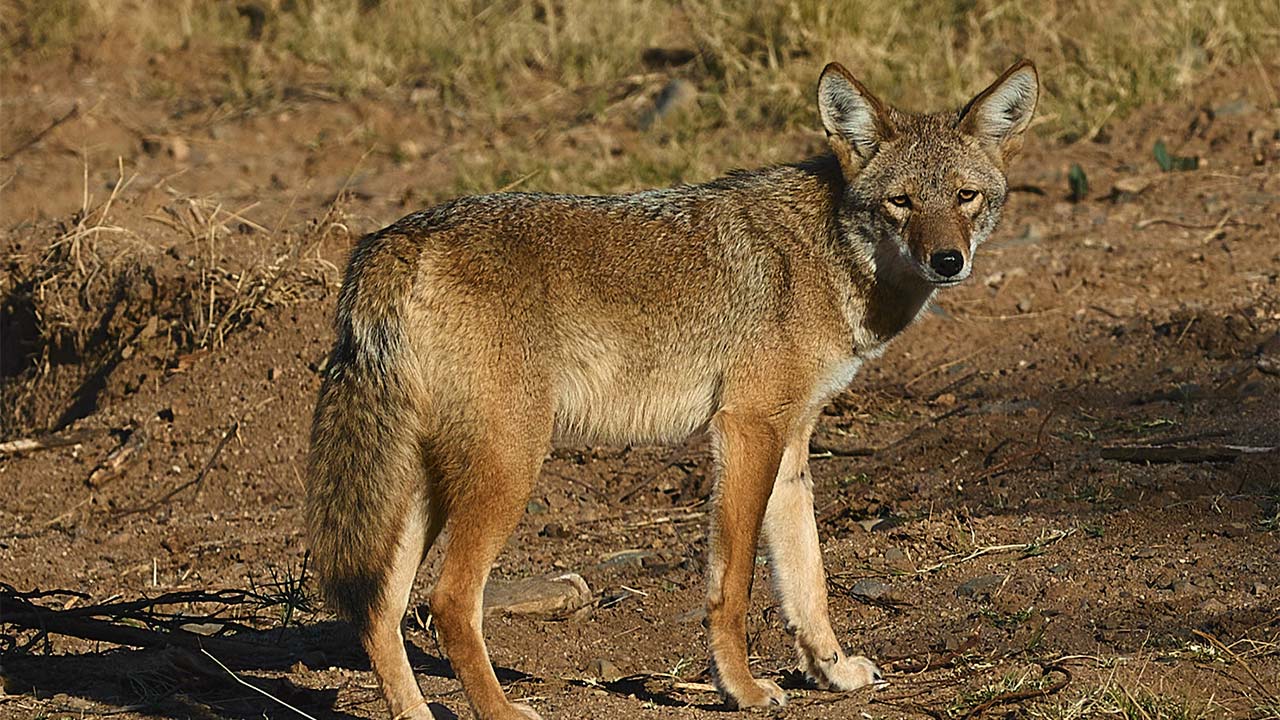
California has the perfect recipe for pet conflicts: dense neighborhoods built into canyons, hills, parks, and greenbelts—plus coyotes that are extremely comfortable moving through human spaces. In a lot of California suburbs, it’s normal to see coyotes on sidewalks, in school fields, and in neighborhood parks. That means “quick potty break” time is also “easy chance” time for a coyote that’s already patrolling.
Pet conflicts here also get amplified because people keep pets outdoors more than they realize—cats allowed to roam, small dogs off-leash in quiet parks, and food left out (even unintentionally). Once coyotes learn where the easy meals are, they return. That’s why California ends up with so many repeat-hotspot neighborhoods where the same streets deal with incidents every season.
Arizona
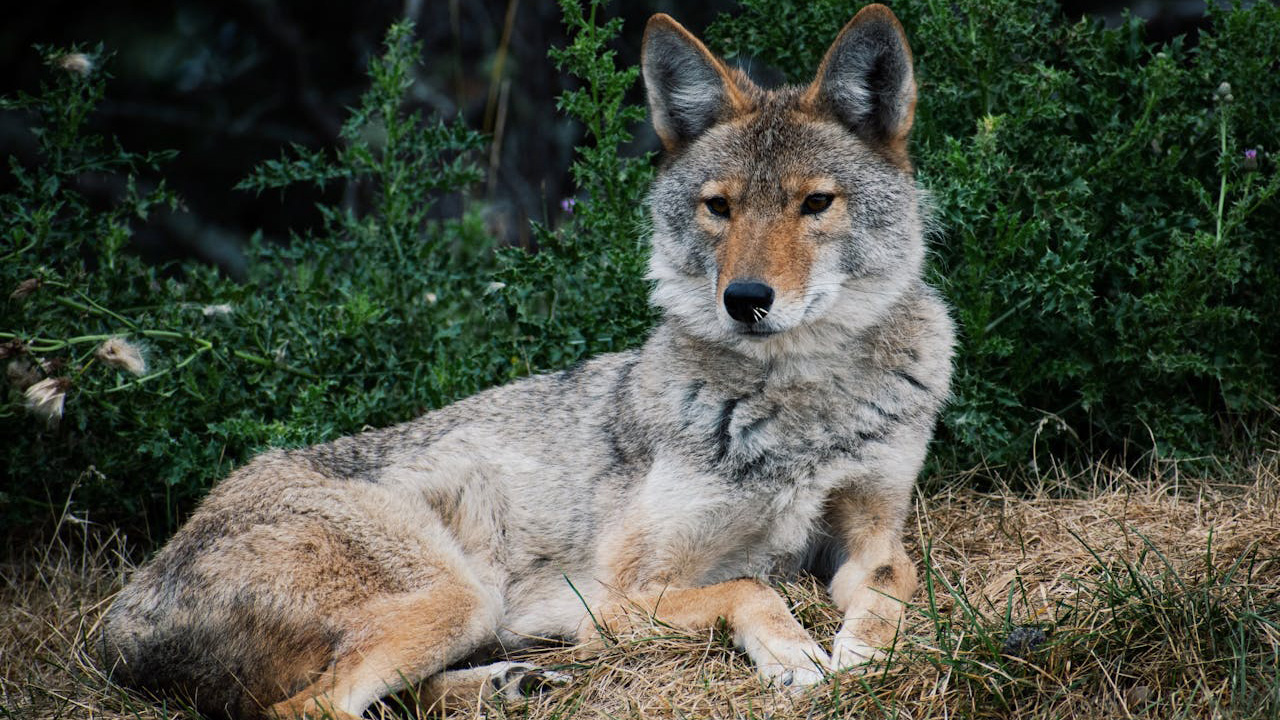
Arizona has plenty of wild habitat right up against housing, and coyotes use washes, canals, desert edges, and golf-course corridors like highways. That makes them a daily presence in many metro areas, not just a once-a-year sighting. When coyotes can move unseen through those corridors, they can be in a yard and gone fast—especially if a pet is small and unattended.
The other piece is that desert living creates predictable attractants: outdoor pet food, water sources, and the small wildlife that comes with irrigated landscaping. Coyotes don’t need to “hunt hard” when neighborhoods provide routine opportunities. That’s why conflicts often show up around the same patterns—early morning, late evening, and during denning season when adults are extra bold and protective.
Nevada
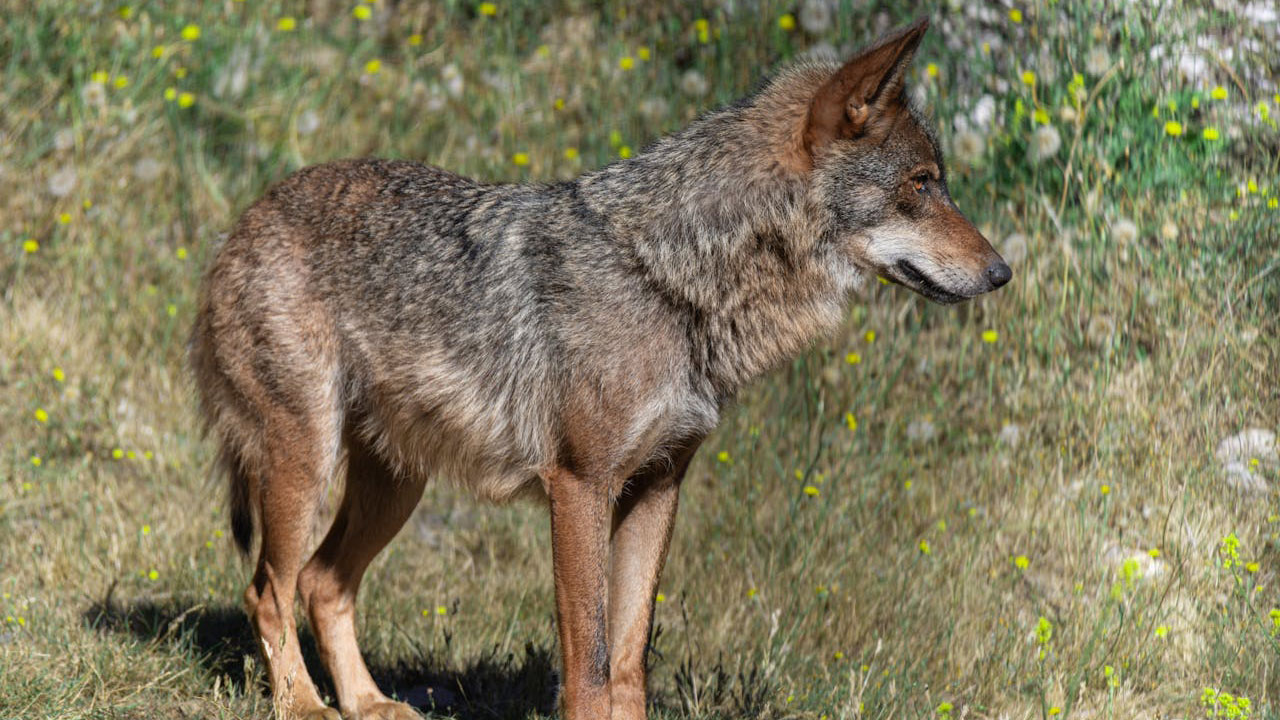
Nevada’s coyote conflicts tend to cluster around expanding suburbs where housing pushes into natural desert and foothill edges. Coyotes take advantage of open lots, drainage channels, and the patchwork of parks and desert margins that cut through neighborhoods. It’s not uncommon for residents to see coyotes moving like they own the place, because in a way, they do—those corridors are built-in travel lanes.
Pet conflicts follow predictable habits: outdoor cats disappearing, small dogs being approached, and incidents increasing when people get casual about “just letting the dog out for a second.” In many Nevada communities, the issue isn’t that coyotes are new—it’s that they’re steady, and people underestimate how quickly a normal backyard routine can turn into a bad moment.
Colorado
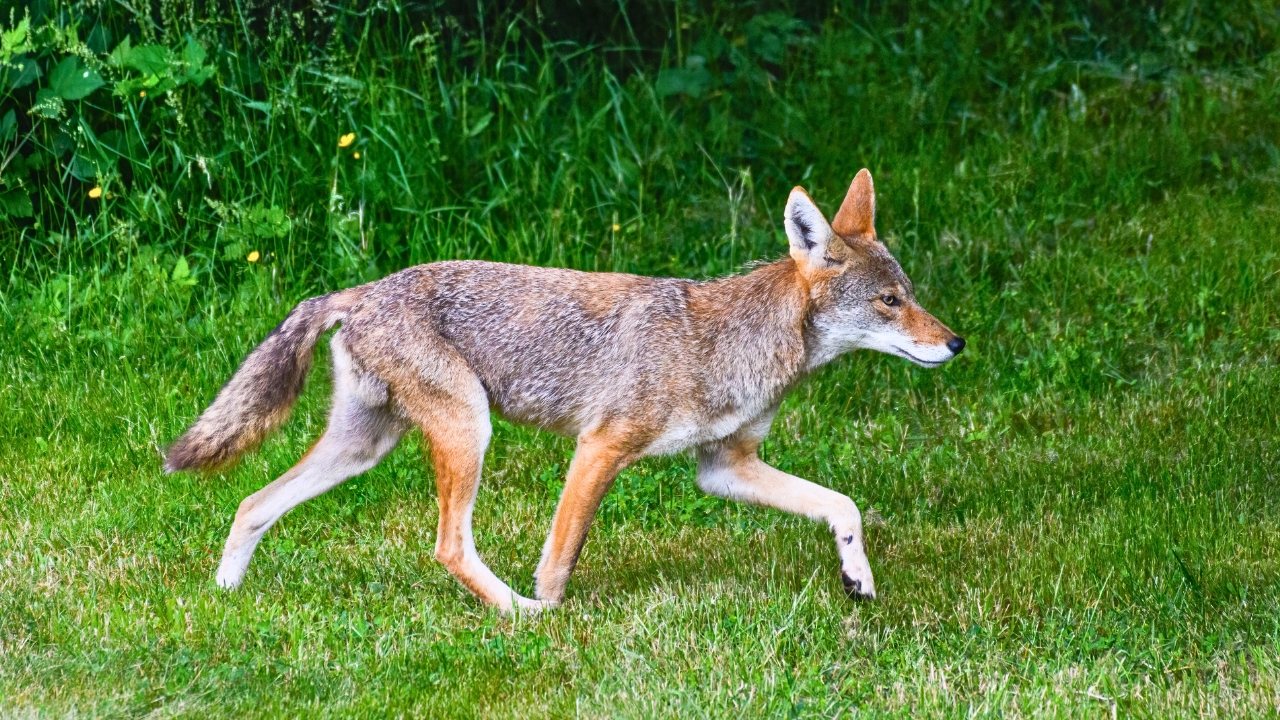
Colorado has serious coyote overlap in places like the Front Range where cities, trails, and open space are tightly interwoven. Coyotes use trail systems and creek bottoms like movement corridors, and they learn quickly where people walk dogs and where small pets tend to be out. That means conflicts show up in the same places again and again: greenbelts, park edges, and neighborhoods that back up to open space.
Colorado also sees the seasonal bump during denning months, when coyotes get more assertive and less tolerant of dogs near their territory. A lot of conflicts aren’t “predation” so much as pressure—charging, nipping, bluffing—because coyotes see dogs as a threat near pups. That’s still a pet conflict either way, and it’s why leashing and close supervision matter more in those months.
Texas

Texas has coyotes everywhere, but pet conflicts stand out in sprawling metro areas where coyotes have learned to live inside the urban fabric. Greenbelts, creek lines, flood-control channels, and brushy undeveloped lots create a network that lets coyotes move through neighborhoods without being noticed. If your neighborhood has rabbits, stray cats, outdoor food, or even just easy cover, coyotes can settle in close.
Texas also has a lot of “normal life” situations that lead to incidents: dogs out in the yard at night, cats roaming, and people doing quick walks early or late. In some places, coyotes are bold enough that conflicts happen even when owners are nearby—especially if the dog is small and the coyote has gotten comfortable around people.
Florida

Florida conflicts often spike around neighborhoods near wetlands, retention ponds, and wooded corridors—exactly the places coyotes like to travel and hunt. Add in a long warm season and a high number of outdoor pets in some areas, and you get a steady stream of incidents that feel “random” until you realize they follow the same patterns: dawn/dusk movement and opportunistic grabs when pets are unattended.
Florida also has a lot of residents who assume coyotes are a rural issue. In reality, they’ve adapted well to suburban life, and they take advantage of anything easy—unsecured trash, outdoor food, cats that roam, and small dogs that go out alone. Conflicts don’t require a pack or a “huge coyote problem.” They just require opportunity, and Florida provides plenty.
Illinois

Illinois is a major state for urban coyotes, especially around the Chicago metro where coyotes have been studied and documented living surprisingly normal lives inside city-adjacent environments. That level of urban adaptation increases the odds of pet conflicts because coyotes and pets share space constantly—parks, alleys, rail corridors, and green spaces that are basically coyote travel lanes.
The pet-conflict pattern is familiar: outdoor cats are the biggest risk, and small dogs become targets when they’re left outside unattended or walked loosely at the wrong times. Illinois also deals with the human factor—people feeding wildlife, leaving food out for cats, or unintentionally supporting prey populations. Coyotes don’t have to be “aggressive” to cause conflicts; they just have to be present and comfortable.
New York

New York has a strong “suburb meets woods” reality across huge parts of the state, and that overlap is where conflicts live. Coyotes use edges—woodlots behind neighborhoods, park systems, and green corridors—and they don’t need remote wilderness to thrive. In many NY communities, coyotes are part of the normal background, which is exactly what makes people drop their guard.
Conflicts also show up because lots of people still let cats roam and assume a fenced yard is “safe enough.” Coyotes can clear fences and slip through gaps people never notice. Even without headline-grabbing incidents, the everyday reality in many areas is that people lose pets, see coyotes during dog walks, and deal with denning-season behavior changes that make coyotes more assertive around dogs.
New Jersey
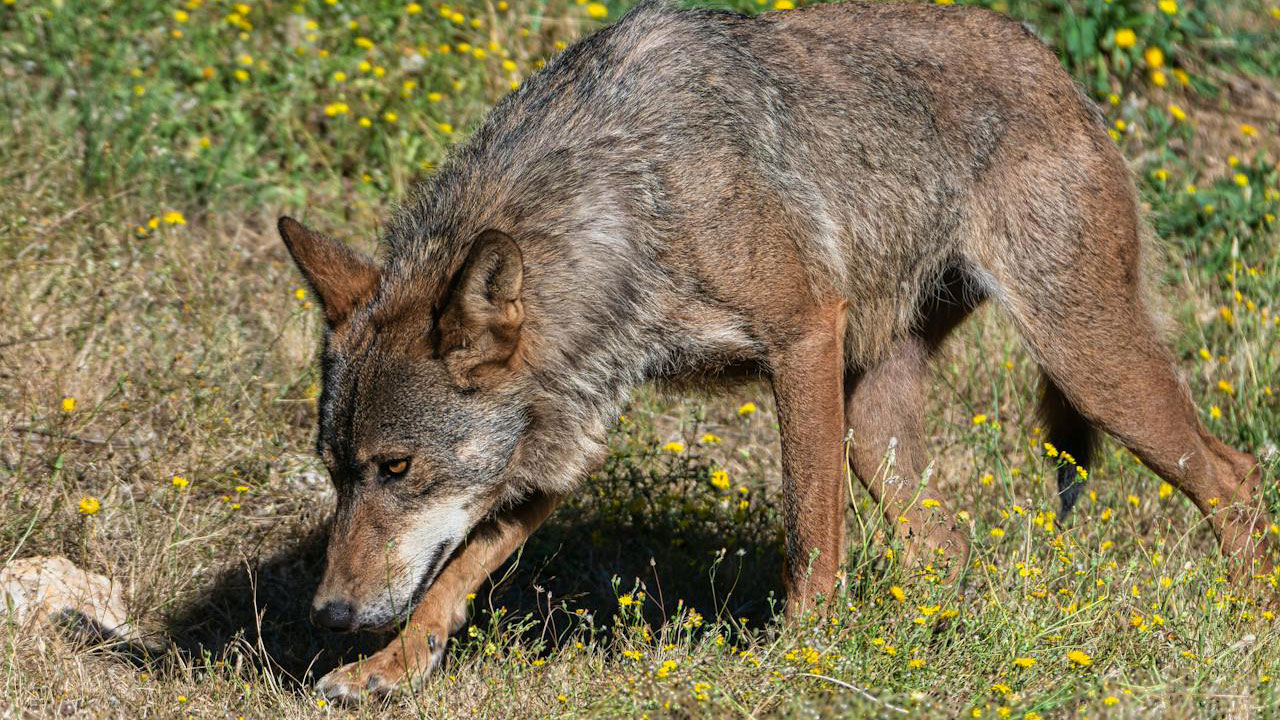
New Jersey is small, dense, and full of habitat pockets—exactly the kind of landscape where coyotes can live close to people and still stay hidden. They use rail lines, creek bottoms, wooded parks, and green belts as corridors, and they pop into neighborhoods quickly when there’s easy food. That makes pet conflicts especially common around the same “edges” where housing meets brush and woods.
New Jersey also has a lot of the specific attractant problems that drive pet conflicts: people feeding outdoor cats, leaving pet food outside, unsecured trash, and abundant small prey in suburban landscaping. Coyotes don’t need to be “crazy hungry” to take a cat or small dog if it’s routinely available. The conflict is usually about habits—human habits creating predictable opportunity.
Connecticut

Connecticut’s coyote conflicts are tightly tied to suburban living: lots of woods, lots of yard edges, and lots of neighborhoods where people assume nature is “nearby” but not “right here.” Coyotes thrive in that setting. They can move through wooded strips and backyard edges without being seen, and they learn quickly where pets are outside routinely.
CT also has a strong seasonal rhythm to conflicts. During mating and denning seasons, coyotes can act bolder, and dogs can be challenged if they’re off-leash or close to a den site. Even when the coyote isn’t trying to “eat the dog,” that’s still a pet conflict—stressful encounters, chasing, and situations where a small dog can get hurt fast. The common thread is simple: close supervision matters a lot more than most people think.
Massachusetts

Massachusetts has a lot of dense suburbia stitched right into wooded habitat, and coyotes take advantage of that patchwork. They’re comfortable in neighborhoods, and they often travel in the same green corridors people use for walking—parks, trails, and conservation land edges. That increases contact opportunities with pets, especially when owners assume the neighborhood is “safe” because it looks developed.
Pet conflicts in MA tend to follow the usual pattern: roaming cats are the most vulnerable, and small dogs are at risk when they’re unattended or walked in low-light conditions. The state has enough ongoing coyote presence that public messaging about pet safety is a regular thing, not an occasional warning. When a problem is routine, the advice gets repeated constantly.
Washington

Washington has strong coyote overlap in metro areas where coyotes live in or near parks, greenbelts, and trail networks. The Pacific Northwest also has a lot of “edge habitat” that coyotes love—brushy parks, wooded neighborhoods, and river corridors. That means coyotes can be close to homes and still feel hidden enough to move confidently.
Pet conflicts here often come from the same situations: dogs walked off-leash on trails, cats allowed to roam, and small pets left outside unsupervised. Washington also sees the seasonal behavior changes that make coyotes more defensive and bold around dogs. Even a “non-lethal” conflict is still a conflict—because it teaches coyotes that dogs and people can be pushed around.
Oregon

Oregon’s conflicts tend to show up in the same places you’d expect: expanding suburbs near wooded edges, neighborhoods near river corridors, and communities where coyotes have learned to move through parks and green spaces without much human resistance. When a coyote can travel through cover and find food in a neighborhood, it’s going to keep doing it.
Oregon also has a consistent issue with attractants—trash, outdoor pet food, and the wildlife that thrives in suburban landscaping. Once coyotes are using neighborhoods regularly, pet conflicts become more likely because pets are part of that environment. The risk goes up fast when people treat coyotes like “just another animal” and don’t take the basic steps that remove easy opportunities.
North Carolina

North Carolina has coyotes across the state, but pet conflicts tend to spike around metro growth areas where development meets woods and fields. Those edges create perfect travel lanes and hunting spots. Coyotes can live close to people, feed on small prey and trash, and take advantage of unattended pets without needing deep wilderness.
NC also sees conflicts rise during certain seasons when coyotes are more territorial. Small dogs are especially at risk if they’re let out alone early or late. And outdoor cats are always vulnerable. The reason NC belongs on this list is simple: the habitat and development patterns create constant overlap, and overlap is what drives pet conflict even when people don’t “feel like they live in the country.”
Georgia

Georgia has the same suburban-edge reality: neighborhoods surrounded by wooded tracts, creek lines, and green belts that coyotes use as movement corridors. In many areas, coyotes are part of the normal background now, which makes pet owners more casual over time—until something happens. The conflict pattern repeats: pets out in the yard alone, cats roaming, and people surprised that coyotes are active in what feels like a “regular neighborhood.”
Georgia also has a lot of human-created attractants—outdoor pet food, unsecured trash, and feral cats—that can pull coyotes into the same spaces pets use. Once coyotes get comfortable, they don’t need to be starving to cause conflicts. They just need opportunity. That’s why “pet conflict” becomes a steady conversation in many parts of the state.
Pennsylvania

Pennsylvania has a strong mix of suburban sprawl and woodland edges, and that’s prime coyote territory. Coyotes are adaptable and can live in small habitat pockets as long as they can move through cover and find food. In PA, that often means coyotes using wooded strips behind subdivisions, creek bottoms, and the edges of farm fields—places where cats and small dogs also end up outside.
PA’s pet conflicts tend to show up as the classic combination: outdoor cats disappearing and small dogs getting rushed in yards or on walks. This isn’t always about “aggressive coyotes.” It’s usually about routine overlap and predictable timing—dawn/dusk activity, denning-season defensiveness, and coyotes learning that certain neighborhoods are low-risk and high-reward.
Like The Avid Outdoorsman’s content? Subscribe to our newsletter so you never miss an article.
Here’s more from us: