Photo credit: American Desperado/Youtube
Some guns used to be easy to talk about casually. Someone would ask what they were worth, and the owner could toss out a number without thinking too hard. They were nice guns, sure, but not the kind that made people whisper about values or start checking online listings before answering.
Then the market changed. Clean examples dried up, certain production eras got more attention, and once-common favorites became painful to replace. Now owners hesitate when someone asks what they would take for one. Not because they do not know, but because saying the number out loud makes the whole thing feel a little too real.
Colt Trooper MK III
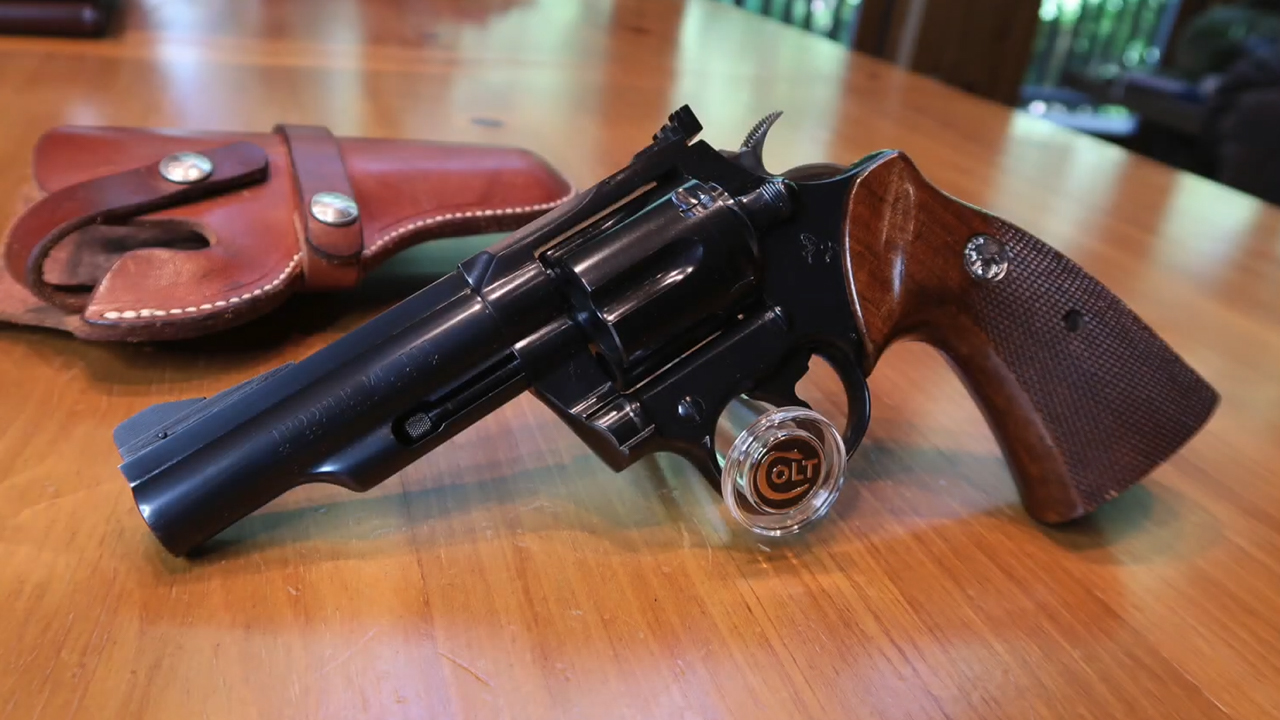
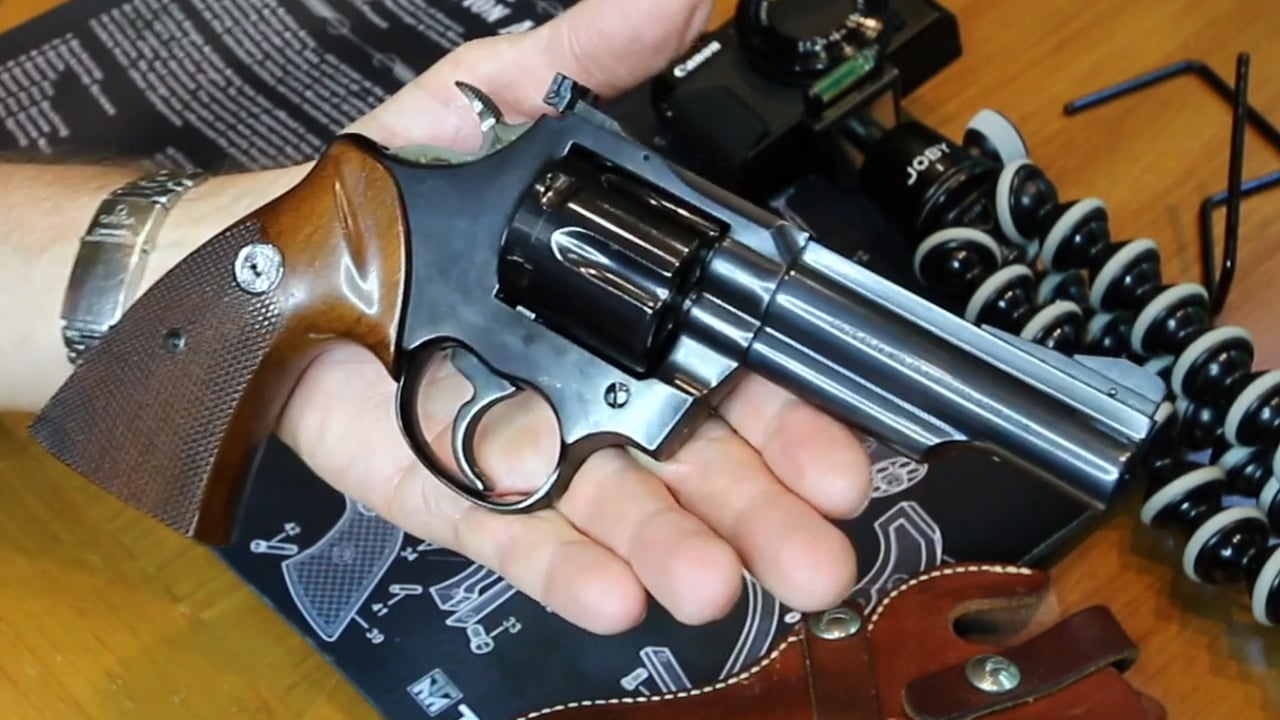
The Colt Trooper MK III used to sit in an odd place under Colt’s more glamorous snake guns. It was a sturdy .357 Magnum revolver with the Colt name, but it did not have Python polish or the same collector mystique. That made it easier to treat like a working revolver for years.
Now owners know better than to casually price one. Older Colt revolvers have climbed hard, and the Trooper MK III came along for the ride because it offers real quality without being as unreachable as the Python. It is strong, good-looking, and still very shootable. Clean examples with good timing and finish are not something owners can easily replace. The person who once might have named a fair used-gun price now usually just says, “I’m not selling it.”
Winchester 9422 XTR
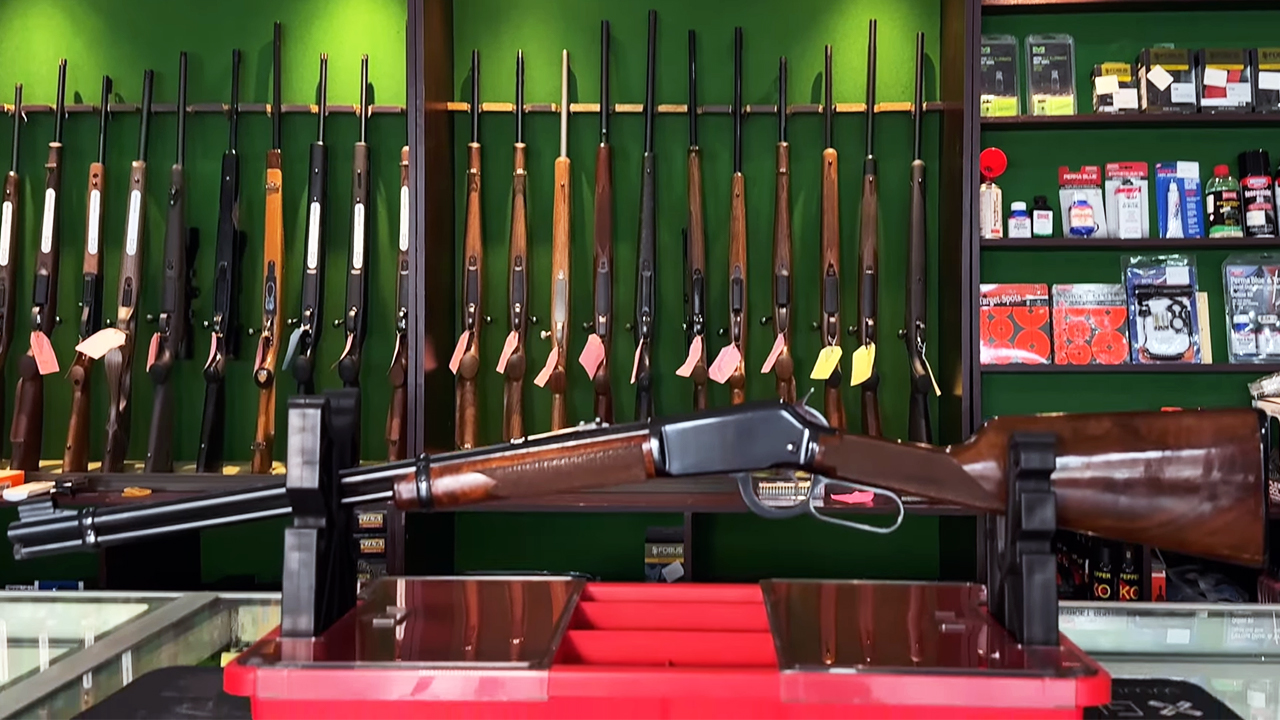
The Winchester 9422 XTR is a rimfire that makes owners cautious with numbers because nice lever-action .22s are no longer casual purchases. The XTR trim added nicer finish and styling to an already-loved little rifle, and that combination has aged extremely well.
For years, some people treated .22 lever guns as fun extras. Now a clean 9422 XTR feels like something worth protecting. It has smooth action, classic Winchester appeal, and a level of quality that makes modern budget rimfires feel thin. It can still be used for plinking, small game, and teaching new shooters, but owners tend to watch condition more carefully now. When someone asks what it is worth, the owner may smile, because the honest answer is usually more than the questioner expects.
Smith & Wesson Model 57
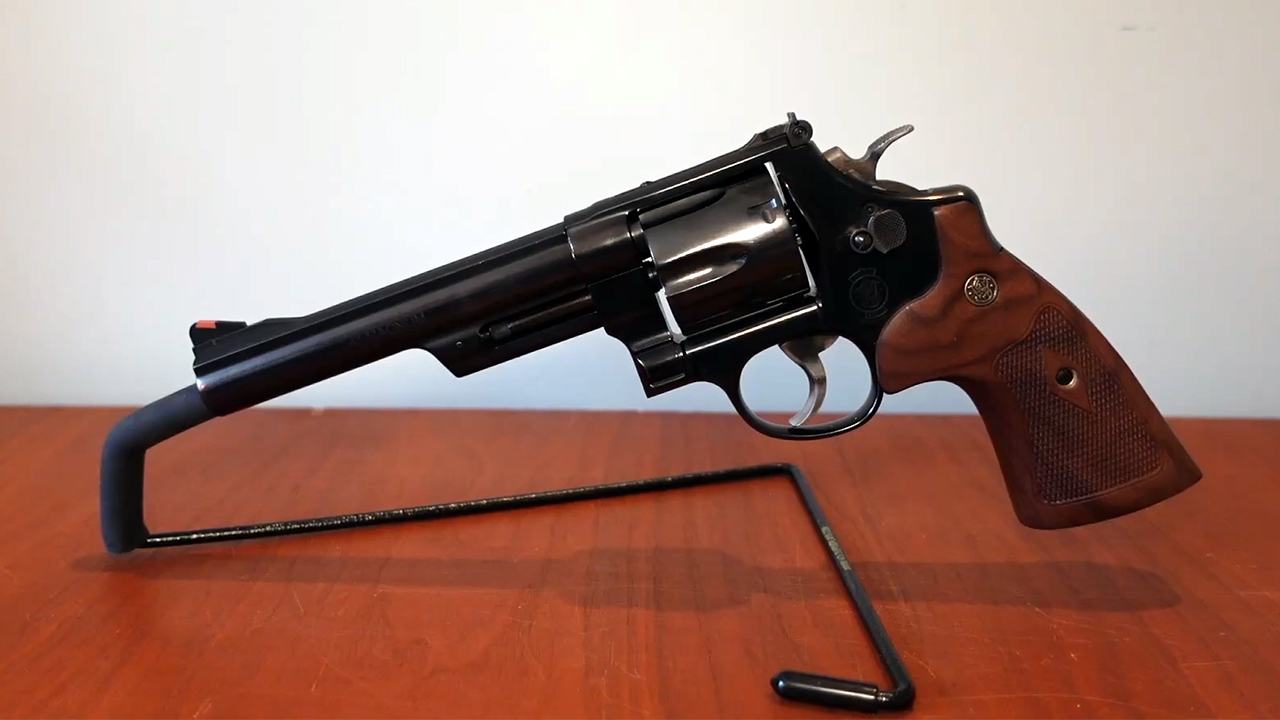
The Smith & Wesson Model 57 is one of those revolvers that can make a value conversation awkward. Chambered in .41 Magnum, it was never as mainstream as .357 or .44 Magnum options. That kept some shooters from appreciating it when prices were lower.
Today, the Model 57 has a loyal following because it combines classic Smith & Wesson N-frame quality with a cartridge that serious revolver fans respect. It is elegant, powerful, and less common than the usual magnum choices. The .41 Magnum may not be convenient for everyone, but that almost adds to the appeal for collectors and handgun hunters. Owners know that replacing a clean Model 57 in the right barrel length is not simple. That is why many refuse to attach a casual number to it.
Marlin 1894FG
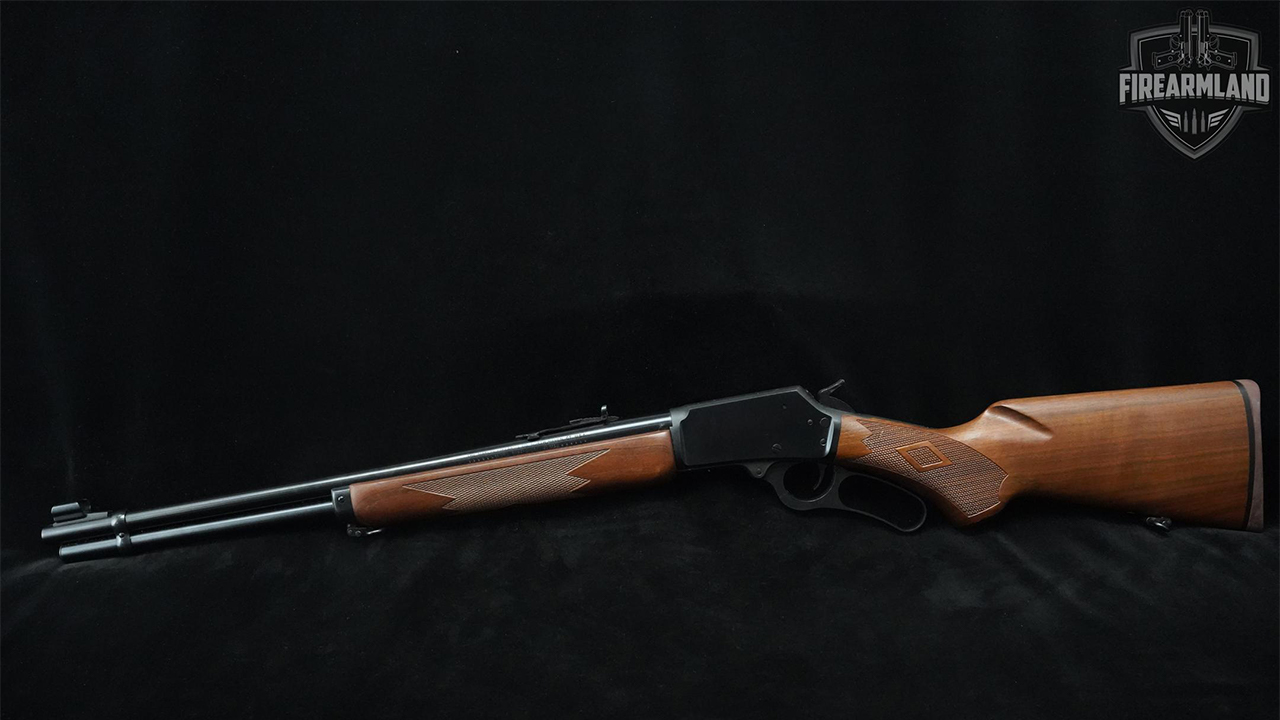
The Marlin 1894FG in .41 Magnum is exactly the kind of lever gun that makes owners stop answering price questions directly. It was never one of the most common Marlins, and its chambering gives it a niche appeal that has only become stronger as older Marlins gained attention.
A .41 Magnum lever-action carbine is not something a person sees every day. It offers more punch than .357 Magnum while staying handier and milder than many bigger lever-gun cartridges. For fans of the .41, it is a dream pairing with a revolver in the same caliber. That specific appeal is why owners get protective. A normal .357 or .44 Marlin may already be expensive now, but a clean 1894FG makes people understand why some guns do not get priced out loud.
Browning Superposed Lightning
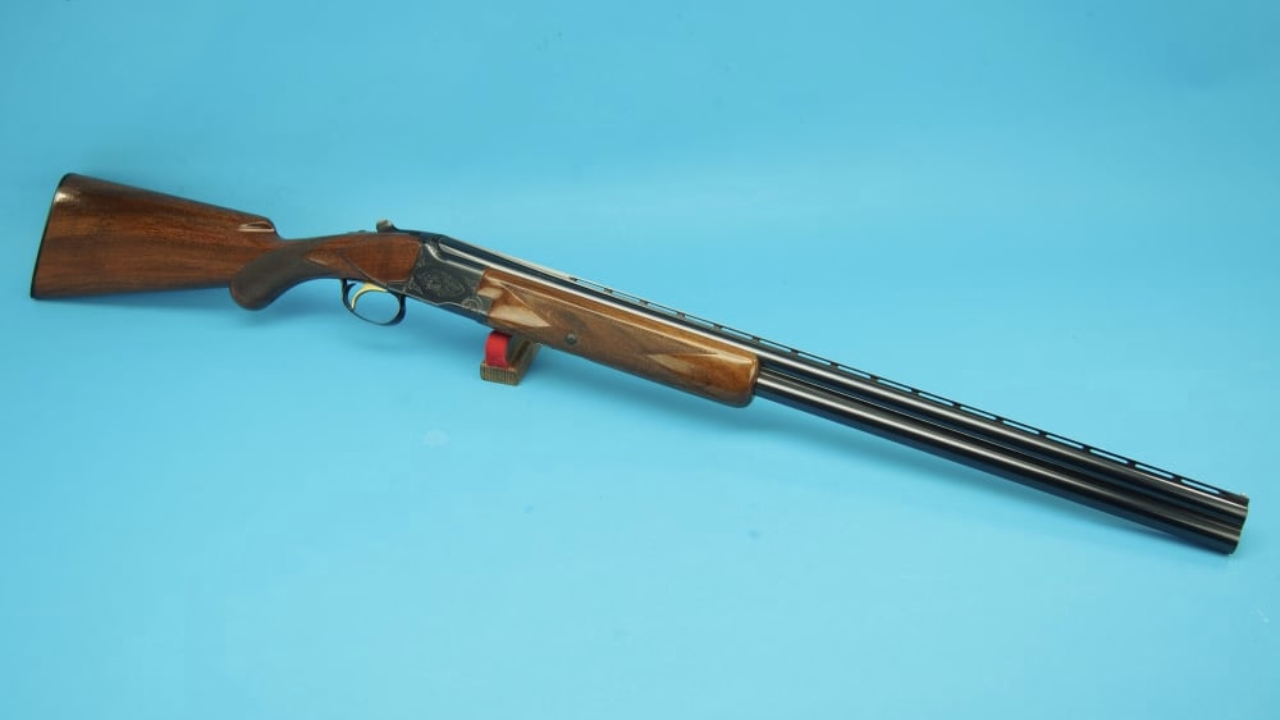
The Browning Superposed Lightning is one of those shotguns where condition, configuration, and history matter enough that casual price talk feels almost disrespectful. It is a classic over-under from a different era of Browning craftsmanship, and the Lightning version’s lighter, livelier handling gives it a special pull.
Owners know that replacing one is not as simple as buying a modern over-under. The Superposed carries history, fit, finish, and collector interest that newer shotguns may not duplicate. It can still be hunted or used for clays, but many owners are careful with clean examples. A scratch on an ordinary field gun is one thing. A fresh mark on a nice Superposed Lightning is another. When someone asks what it is worth, the real answer depends on whether the owner is even willing to imagine life without it.
Ruger International 10/22
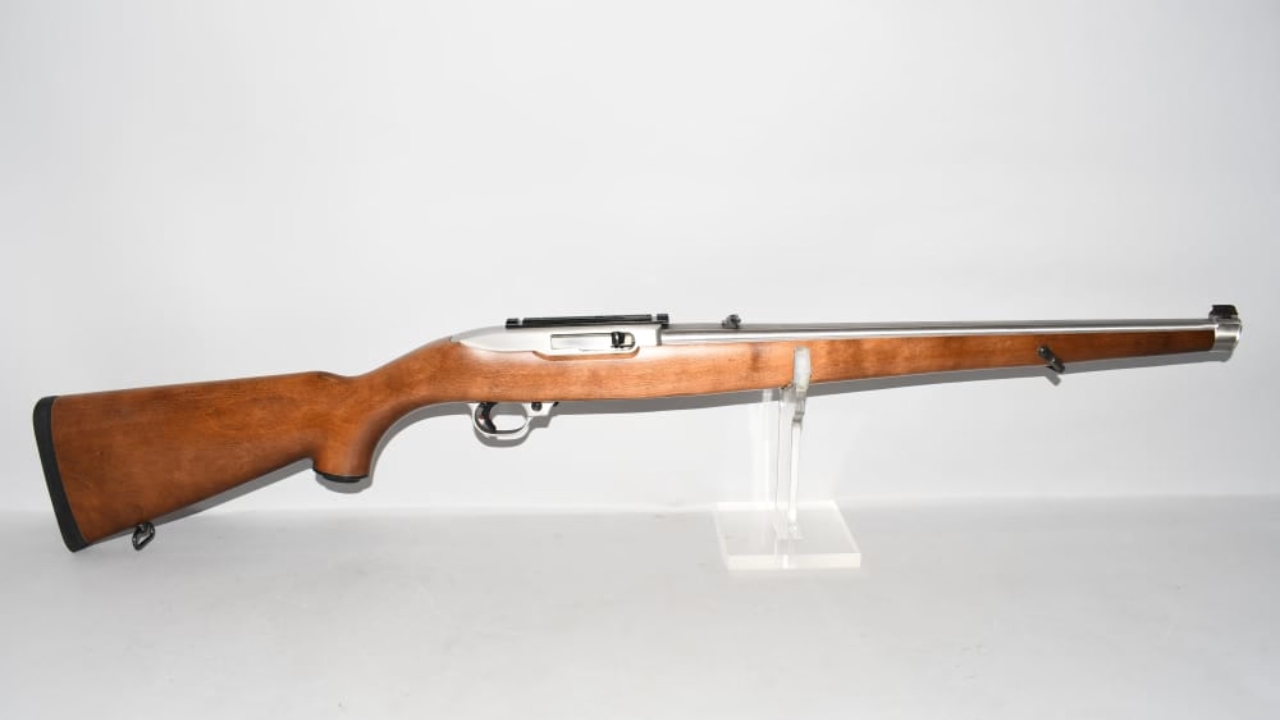
The Ruger International 10/22 is not the most practical version of the 10/22, and that is part of why people want it. The full-length Mannlicher-style stock gives it a distinctive look that separates it from ordinary carbines and endless custom builds. It feels like a rimfire with personality.
Owners who bought them years ago may not have realized how desirable they would become. The 10/22 platform is common, but the International configuration is far less ordinary. It still offers all the usual 10/22 usefulness: affordable shooting, reliable magazines, and easy support. But the stock gives it collector and nostalgia appeal. Owners now understand that pricing one casually invites too many follow-up questions. It is easier to say, “This one stays.”
Remington 760 Gamemaster

The Remington 760 Gamemaster used to be a normal pump rifle in regions where pump rifles were loved. In other places, shooters barely understood the appeal. That kept prices reasonable for years, especially on rifles with honest hunting wear.
Now clean Gamemasters in desirable chamberings can make owners think twice before naming a price. The 760 gives shotgun-style pump handling in a centerfire deer rifle, which makes it fast and familiar for hunters who grew up running pumps. It is especially appreciated in thick woods and deer-drive country. Newer rifles may be more precise or easier to customize, but they do not replace the same feel. Owners who have a good one know it is more than an old pump rifle. It is a regional classic.
Colt New Frontier
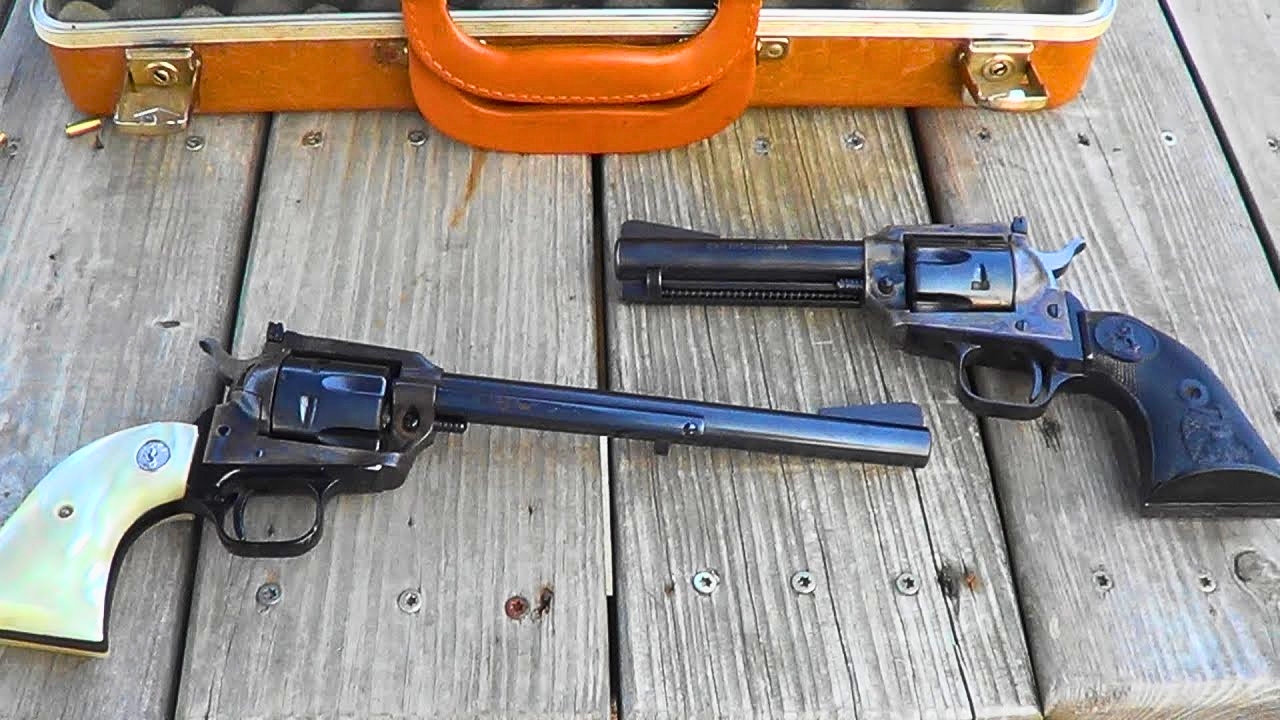
The Colt New Frontier is a single-action revolver that makes value conversations careful because it has both shooter appeal and collector weight. It looks traditional, but the adjustable sights add practical usefulness that many fixed-sight single-actions do not offer.
For years, some owners may have treated them as nice Colts without fully appreciating where prices would go. Now, clean New Frontiers in desirable calibers and barrel lengths can bring serious interest. They have Colt history, classic handling, and enough refinement to stand apart from ordinary single-action revolvers. A Ruger may be tougher for hard use, but a Colt New Frontier has a different kind of pull. Owners know that if they sell one, getting another may hurt badly.
Beretta 682 Gold
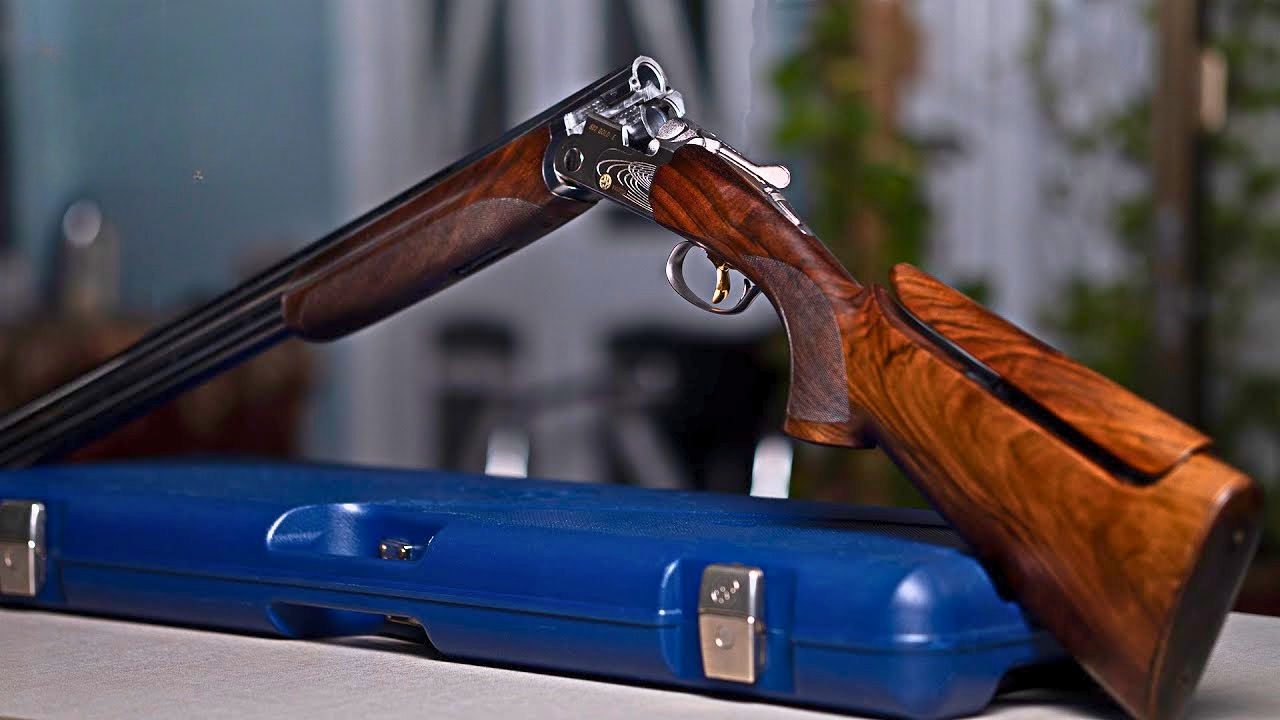
The Beretta 682 Gold is a shotgun that competition shooters and clay-target fans understand well enough that owners do not need to explain much. It was built for serious shooting, and it earned a reputation as a durable, capable over-under that could handle heavy use.
That reputation is exactly why owners are cautious with prices. A good 682 Gold can still serve on the clay field with confidence, and many shooters prefer its feel to newer options. It is not just an attractive over-under. It is a workhorse target gun with Beretta pedigree. Clean examples with desirable barrel lengths and proper fit are not cheap to replace. When someone asks what it is worth, the owner may know the number. They just may not want to say it loudly enough for temptation to hear.
Smith & Wesson Model 25
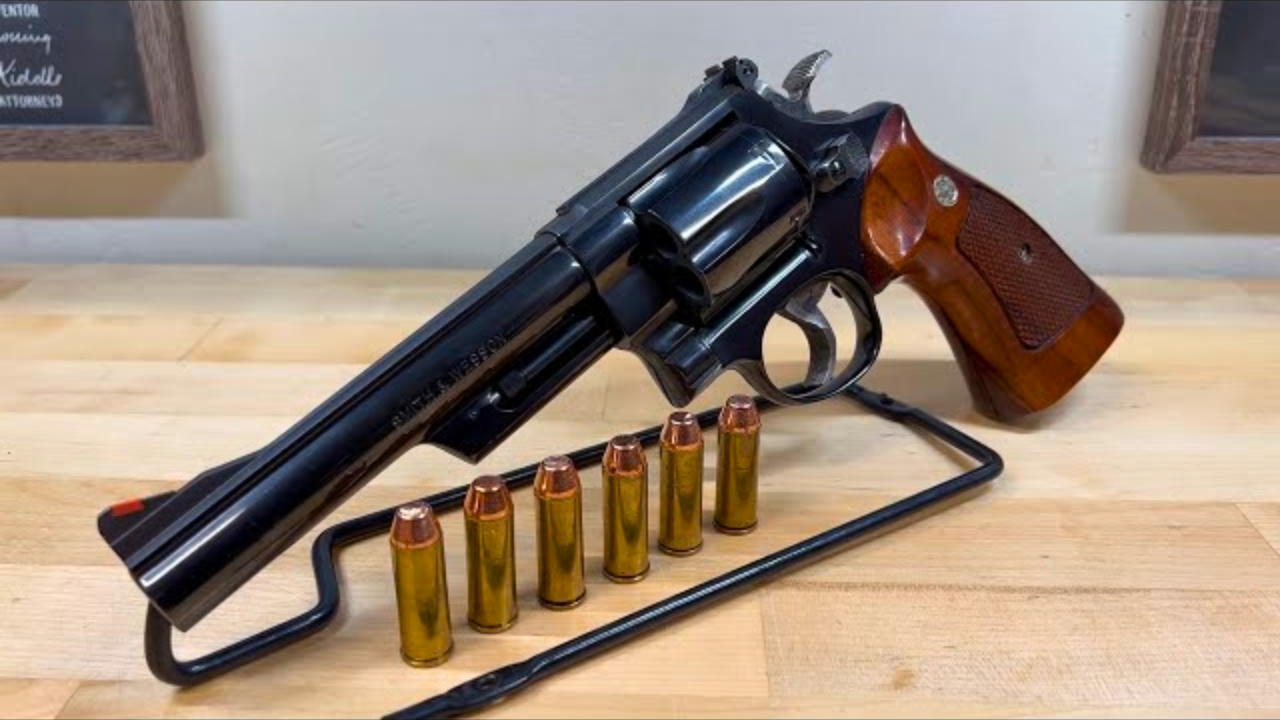
The Smith & Wesson Model 25 is one of those big-frame revolvers that owners know has a following. Whether chambered in .45 ACP or .45 Colt depending on version, it gives shooters classic N-frame feel with a big-bore personality that is hard to duplicate.
Older Model 25s have the kind of polish, balance, and trigger feel that Smith & Wesson fans chase. They can be excellent range revolvers, field guns in suitable configurations, or collector pieces depending on condition. The .45 ACP versions have moon-clip charm, while .45 Colt versions appeal to big-bore revolver people. Either way, clean examples are not casual trade fodder anymore. Owners who understand the market often refuse to throw out a price because the first number may not be high enough to make selling feel smart.
Ruger No. 1V

The Ruger No. 1V is a varmint-style single-shot rifle that became more valuable to the right shooters because it offers something unusual: a heavy-barreled falling-block rifle with real character. A bolt-action varmint rifle may be more common and more practical in some ways, but it will not feel like a No. 1V.
The appeal is deliberate shooting. The No. 1V is heavy, steady, and built for accuracy-minded owners who appreciate single-shot rifles. It came in interesting varmint and target chamberings over the years, and certain versions are much harder to find than others. Owners know that replacing one means finding the same chambering, condition, wood, and configuration. That is not an easy checklist. When a rifle is that specific, price talk gets careful fast.
Heckler & Koch P9S

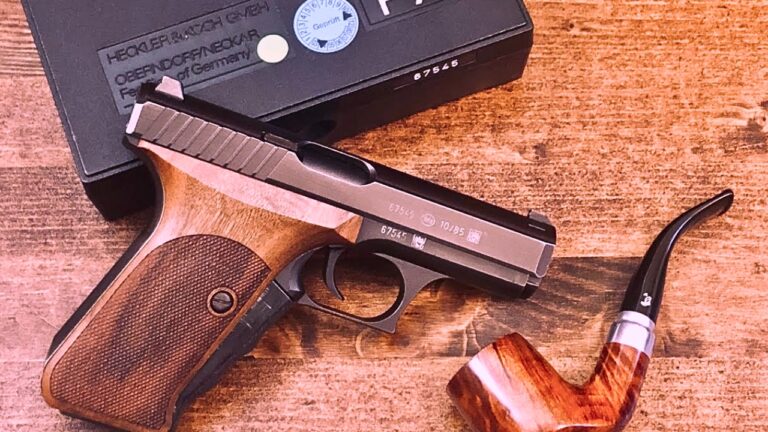
The HK P9S is not a pistol every casual shooter understands, and that may be why owners are especially reluctant to price them casually. It is unusual, mechanically interesting, and far less common than typical service pistols. The roller-delayed system and distinctive design give it a personality all its own.
Modern pistols are easier to support, easier to carry, and cheaper to feed with parts and magazines. None of that makes the P9S less fascinating. Collectors and HK fans know that condition, caliber, and completeness matter a lot. A nice one is not something that can be replaced by walking into a store and picking a current model. Owners who have one usually understand they are holding a piece of HK history. That makes “what would you take for it?” a dangerous question.
Remington Model 600

The Remington Model 600 is a rifle that owners often refuse to price out loud because it is both odd and desirable. The vent-rib barrel, dogleg bolt handle, compact size, and unusual styling made it controversial when it was new. Some people loved it. Others thought it looked strange.
That strangeness has become its value. The Model 600 is handy, distinctive, and tied to a period when rifle companies were willing to take real design risks. Chamberings like .350 Remington Magnum add even more collector interest. It may not be the rifle a person chooses for every hunt, but it is the kind of rifle that makes people stop and look. Owners know that selling one means trying to replace a firearm that does not have a modern equivalent. That is why many simply do not name a price.
Colt Ace
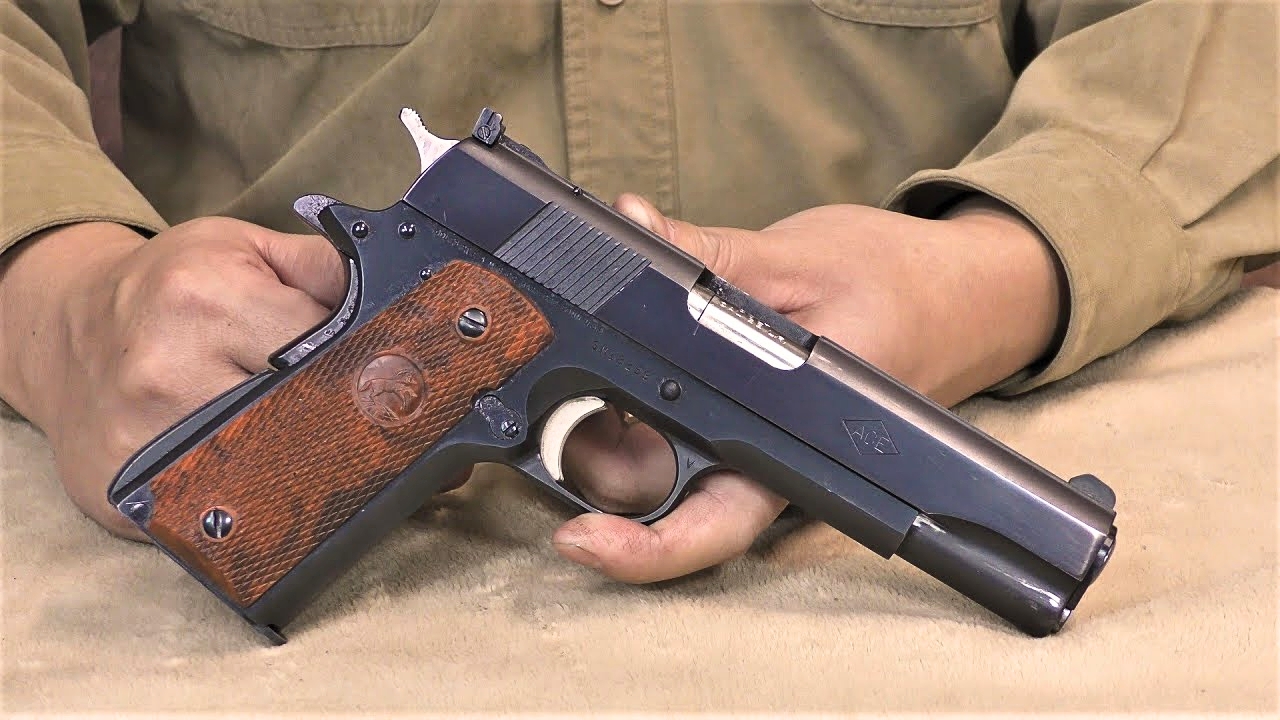
The Colt Ace is a .22 pistol that makes owners careful because it combines rimfire practicality with Colt 1911-style history. A .22 LR handgun might sound casual, but the Ace is anything but ordinary to collectors and Colt fans.
It offered shooters a way to practice with a pistol that echoed the 1911 platform while using inexpensive rimfire ammunition. Older examples, especially in strong condition with correct details, can command serious interest. A modern .22 trainer may be cheaper and easier to replace, but it will not be a Colt Ace. Owners know that the gun’s value is not just in shooting .22 LR. It is in history, scarcity, and connection to one of America’s most iconic pistol designs.
Winchester Model 71

The Winchester Model 71 is one of those rifles where owners may not even entertain the price question. Chambered in .348 Winchester, it was a powerful lever-action hunting rifle built with classic Winchester quality. It is not common, not cheap to feed, and not something easily replaced.
The Model 71 has serious presence. It was built for hunters who wanted a strong lever gun for big woods and big animals, and it still carries that aura. The cartridge is specialized now, but that only adds to the rifle’s mystique. Clean examples, especially desirable variations, can bring significant money. Owners know the number may be high, but the replacement problem is higher. Some guns are worth enough that selling sounds possible until you imagine never finding another one.
Like The Avid Outdoorsman’s content? Be sure to follow us.
Here’s more from us: