Photo credit: Guns, Gear & On Target Training, LLC/Youtube
A bad trade can feel like a good decision for about ten minutes. The new gun is exciting, the old one seemed replaceable, and the deal looks fair enough while everyone is standing at the counter. Then the newness wears off, and the owner starts realizing what actually happened.
The old gun fit better. It shot better. It held value better. It had a role the new one never filled. Sometimes the trade was not a disaster because the new gun was bad. It was a disaster because the old gun was better than the owner realized. These are the guns people often regret letting go after one bad trade.
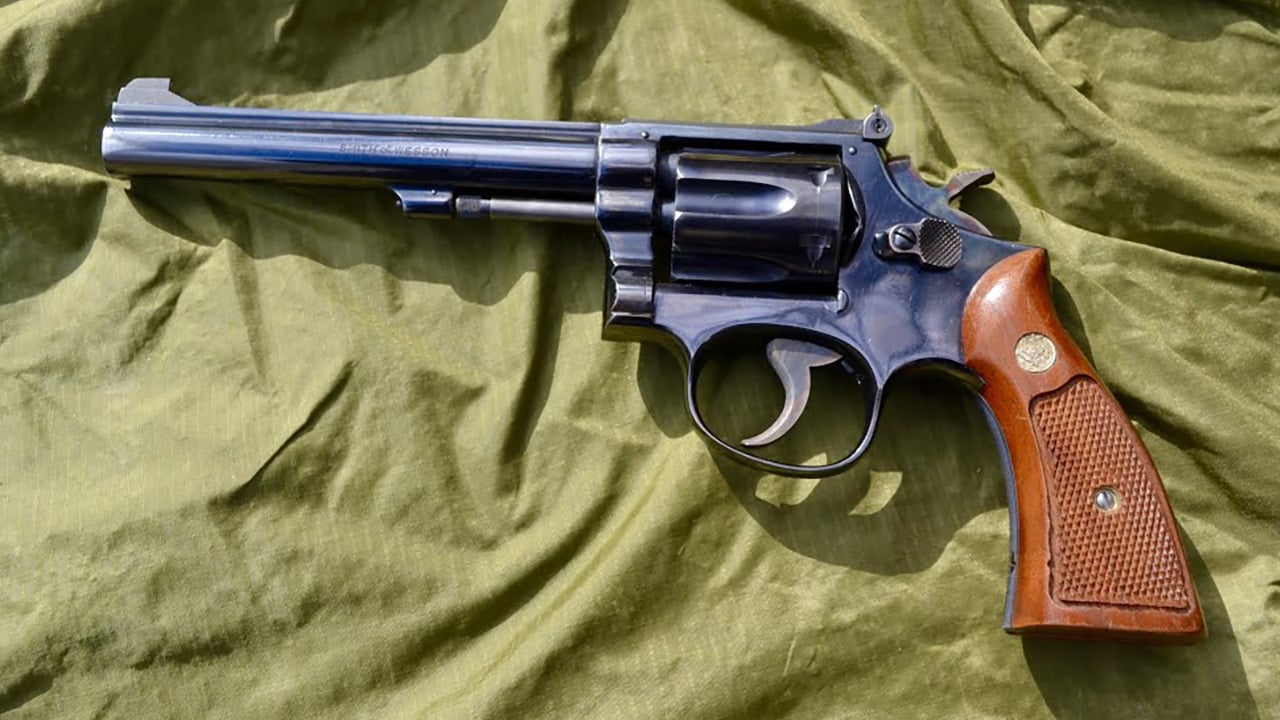
Smith & Wesson Model 66

The Smith & Wesson Model 66 is one of those revolvers that can make a trade feel worse every year. It is stainless, handy, accurate, and chambered in .357 Magnum while still carrying the lighter K-frame feel that many shooters love. At the time, an owner may think trading it toward a newer revolver, semi-auto pistol, or larger magnum makes sense.
Then the replacement starts feeling less special. A bigger revolver may handle heavy magnum loads better, but it probably will not carry or balance like a Model 66. A modern pistol may hold more rounds, but it will not replace the smooth simplicity of a good K-frame. The Model 66 shines because it sits in the middle: strong enough to be useful, light enough to carry, and refined enough to enjoy. Trading one away often feels like losing the sweet spot.
Remington 700 BDL
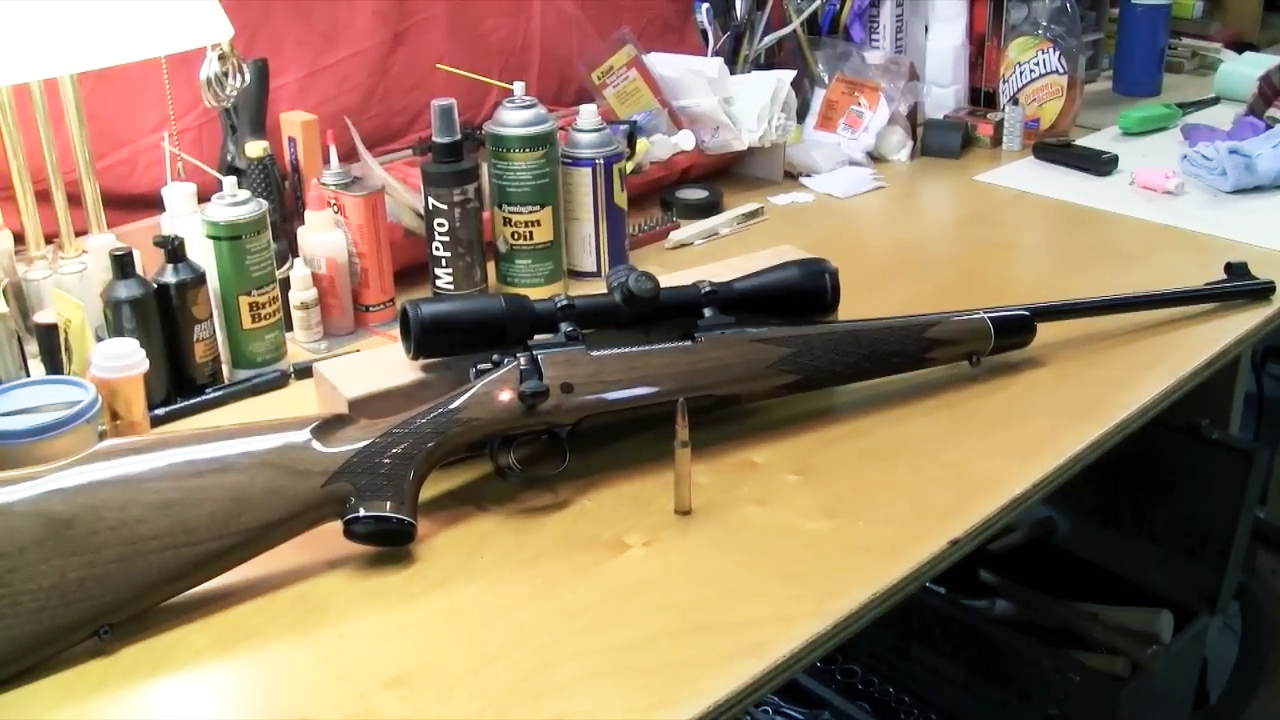
The Remington 700 BDL can become a painful trade regret because it represents a kind of hunting rifle many owners later miss. It has walnut, blued steel, a hinged floorplate, and the familiar Model 700 action. For years, some hunters traded them toward lighter synthetic rifles or newer long-range setups without thinking too hard.
That can sting later. A modern rifle may be more weatherproof, more adjustable, or more tactical-looking, but it may not feel like a classic deer rifle. The BDL carries pride-of-ownership appeal that many current budget rifles lack. It also has enormous aftermarket support if an owner ever wants to build from it. A person may trade one because it looks old-fashioned, then spend years trying to find another clean example that feels as right from the shoulder.
Browning Auto-5
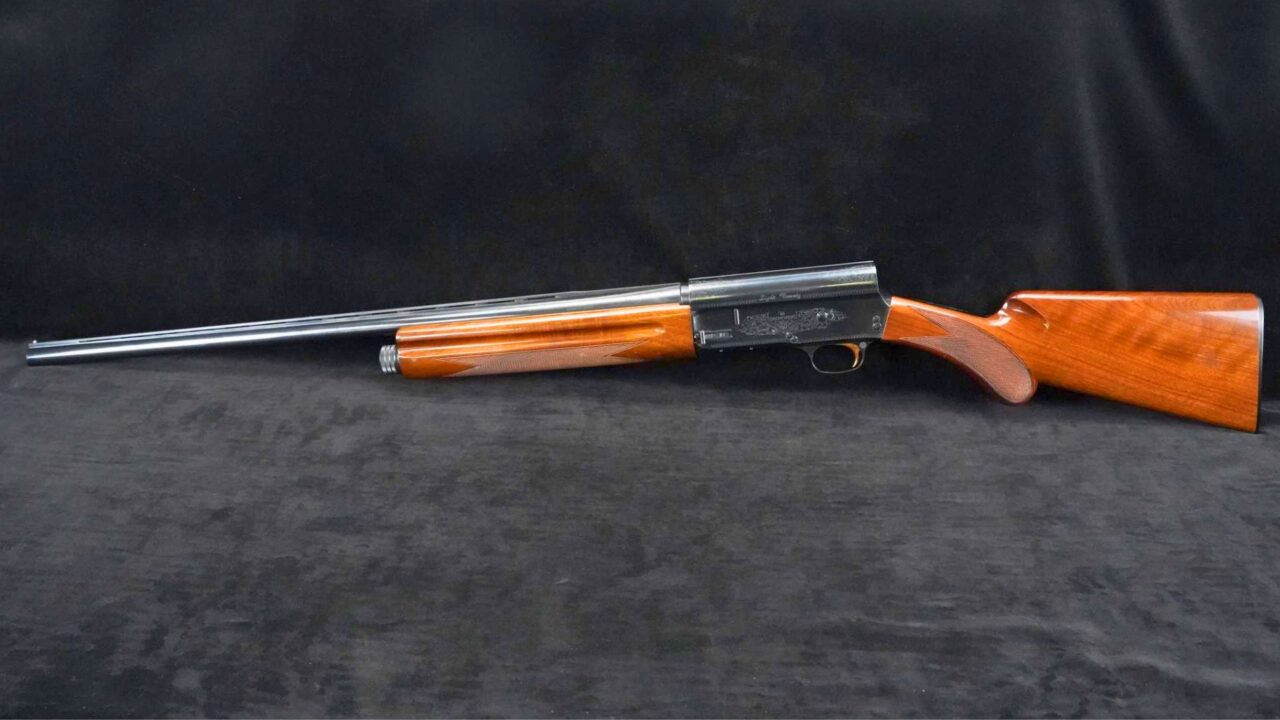
The Browning Auto-5 is a shotgun people regret trading when they realize newer semi-autos do not always feel better. It is old, distinctive, and built around a long-recoil system that requires more understanding than many modern shotguns. That makes it easy to trade away for something lighter or simpler.
But the Auto-5 has a personality that modern shotguns rarely replace. The humpback receiver gives a sighting plane many shooters love, and the gun carries generations of field history. Belgian-made examples especially have collector and shooter appeal. It may not be the easiest semi-auto to maintain, and it needs to be set up correctly for loads. But once a good Auto-5 is gone, the replacement often feels efficient but empty. That is when the trade starts looking bad.
Ruger Mini-30
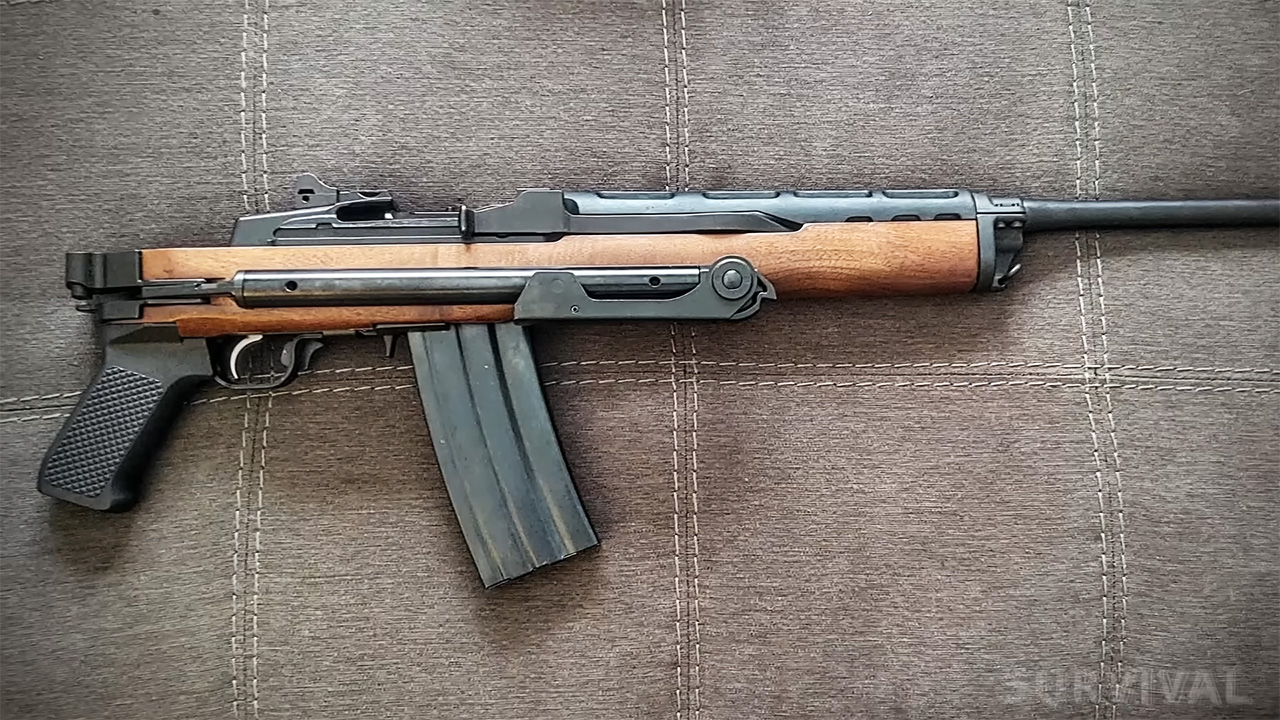
The Ruger Mini-30 is the kind of rifle some owners trade away because they think they are being practical. Maybe they move into an AR platform. Maybe they decide 7.62×39 belongs in an AK. Maybe they want something with more accessory support. Those are fair thoughts in the moment.
Then they start missing what the Mini-30 actually was. It has traditional rifle handling, mild recoil, and a useful cartridge for range work, hogs, deer where legal and appropriate, and general ranch-style use. It is not the best choice for maximum accuracy or cheap customization, and ammunition preferences matter. But it fills a different role than an AR or AK. Owners who liked its wood-and-steel feel often discover the trade gave them something more modern, but not more satisfying.
Colt Lightweight Commander
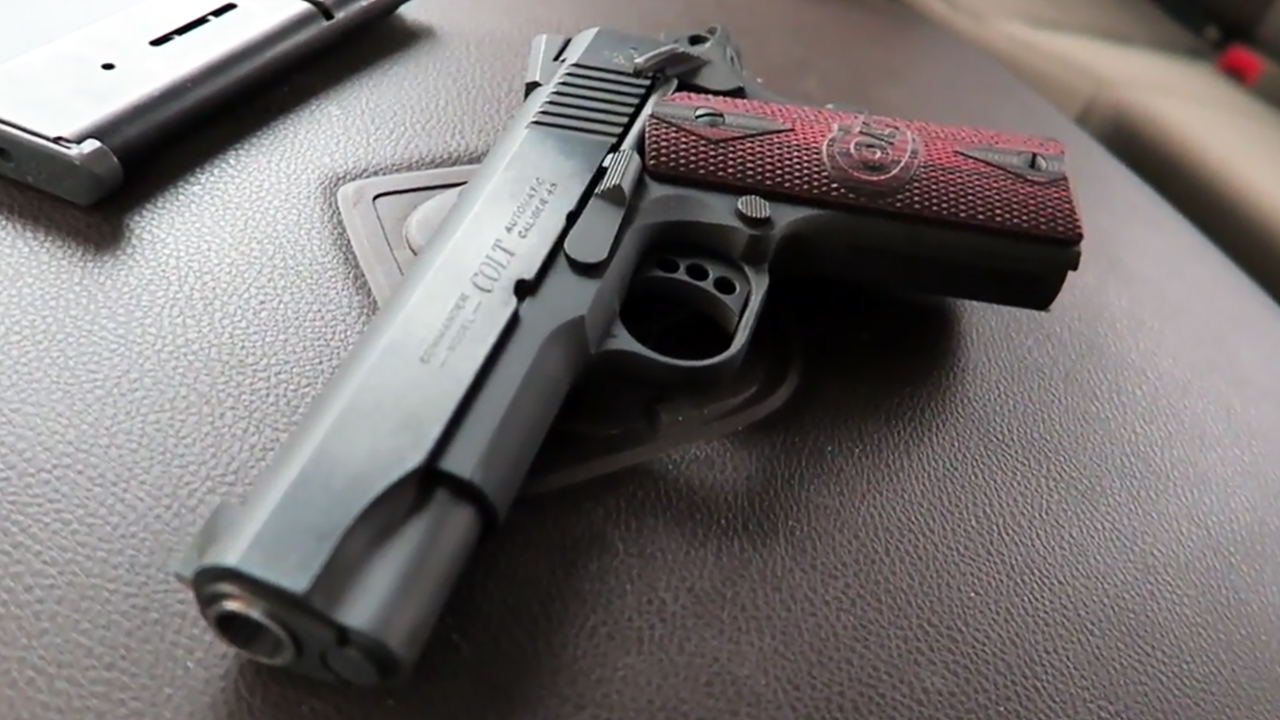
The Colt Lightweight Commander is a pistol that can make a trade regret feel personal. It carries flat, balances beautifully, and offers the 1911-style trigger and controls in a lighter, handier package than a full-size Government Model. But because it is lower-capacity and more demanding than modern pistols, some owners trade it toward a polymer carry gun.
That trade may make sense on paper. The new gun might be lighter, hold more rounds, and require less maintenance. But the Commander’s feel is hard to replace. It points naturally, carries with grace, and has a crisp single-action trigger that many shooters miss immediately. It is not the right pistol for someone unwilling to train with the platform. But for those who are, trading one away can feel like giving up character for convenience.
Winchester Model 70 Classic Featherweight
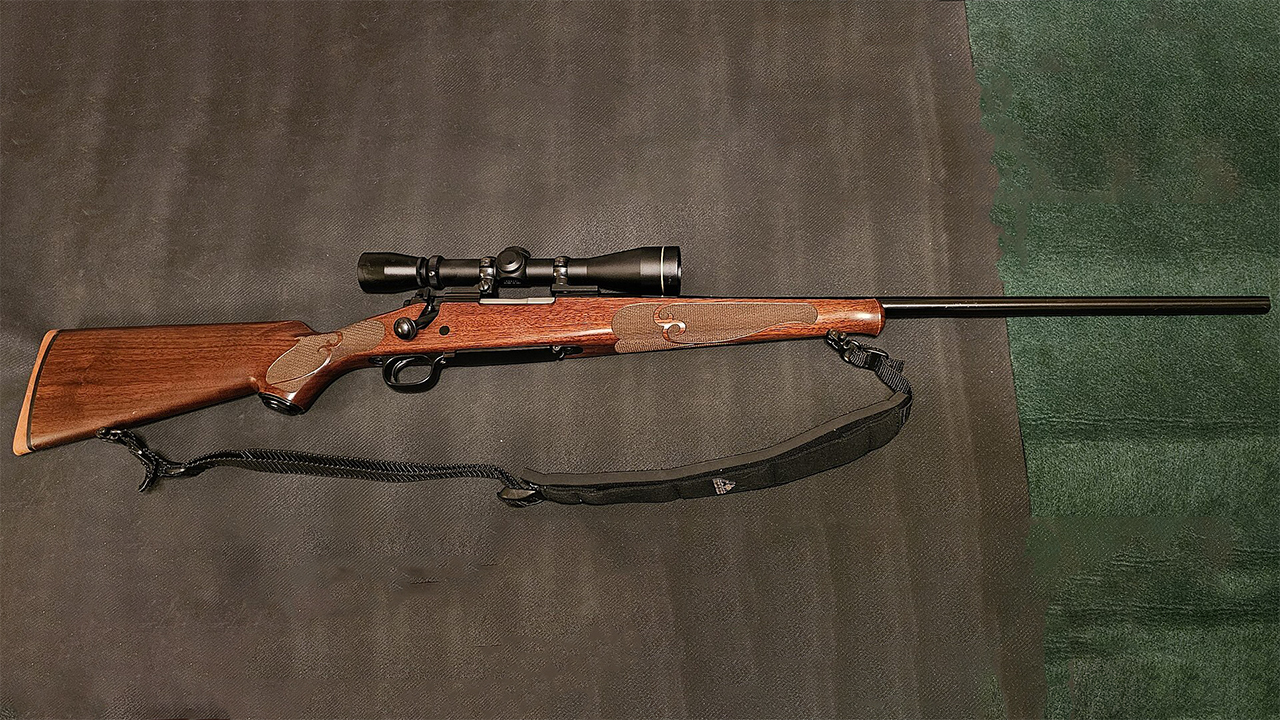
The Winchester Model 70 Classic Featherweight can become a trade regret because hunters often underestimate how rare a truly well-balanced rifle feels. It is lighter than a standard sporter, traditional without being clumsy, and, in controlled-round-feed versions, confidence-inspiring in the field.
Someone may trade it toward a newer ultralight rifle, a budget synthetic gun, or a long-range setup with more modern features. Then the newer rifle feels too hollow, too heavy once scoped, too harsh in recoil, or simply less natural in the hands. The Featherweight’s appeal is not just weight. It is balance. A rifle that carries well and still feels like a real hunting rifle is not easy to replace. One bad trade can teach that quickly.
Ruger Vaquero
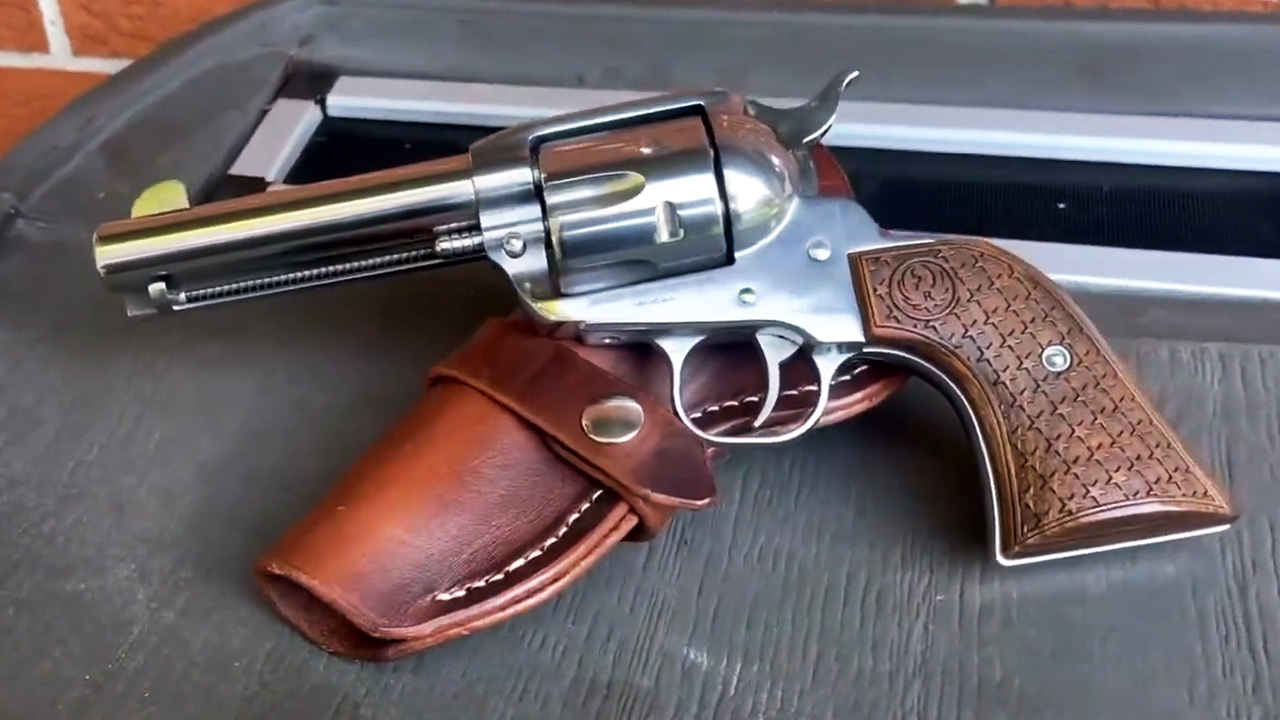
The Ruger Vaquero is often traded away by people who think they are done with single-actions. It may not seem as practical as a defensive pistol, a hunting revolver, or a modern carry gun. If it is not being used constantly, it can feel like an easy piece to move.
Then the regret creeps in. The Vaquero is fun, rugged, and tied to a slower style of shooting that many owners eventually miss. Whether chambered in .45 Colt, .357 Magnum, or another offering, it has cowboy-gun charm without being fragile. It works for range days, field carry in some contexts, cowboy-action shooting, and simple enjoyment. A modern pistol may be more useful, but it will not replace the feeling of running a good single-action. Some trades take away more joy than expected.
Beretta 686 Onyx
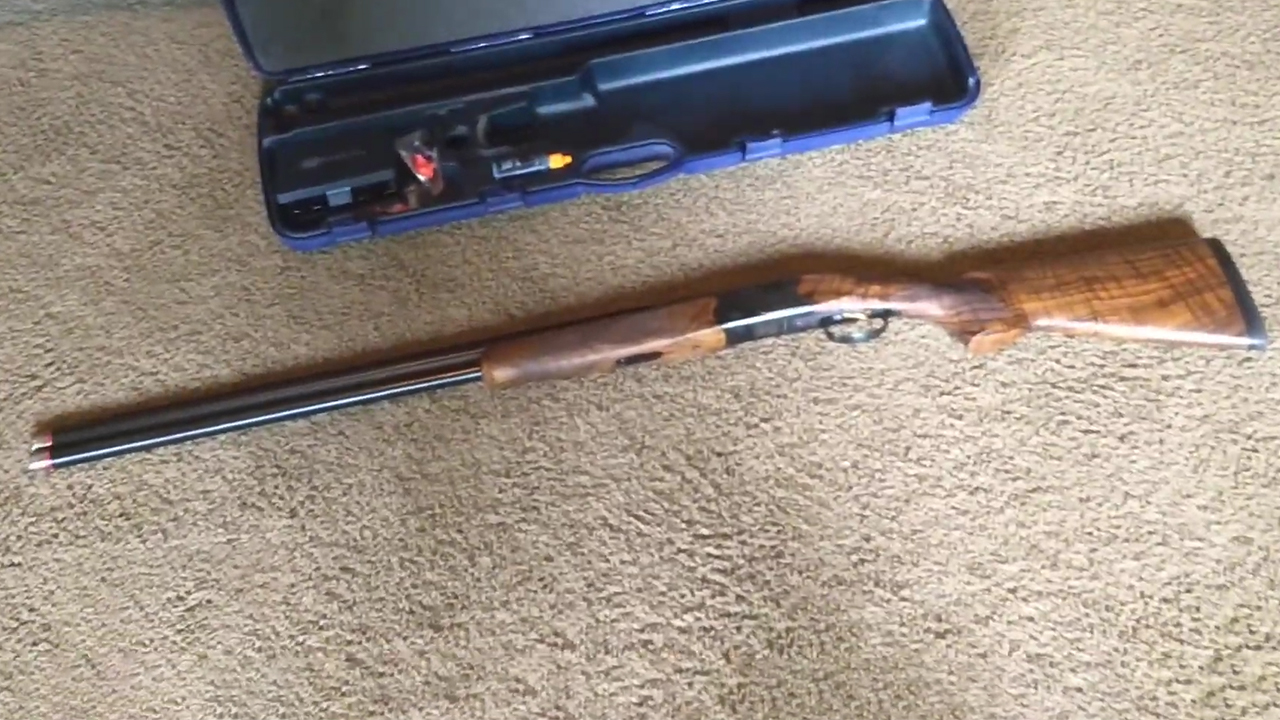
The Beretta 686 Onyx is the kind of over-under shotgun owners regret trading because shotgun fit is deeply personal. A person may trade it toward a newer semi-auto, a cheaper field gun, or a different over-under that seems close enough. Then the first round of clays or first bird season after the trade tells the truth.
The Onyx has the strong 686 action, solid handling, and practical elegance that made Beretta over-unders so respected. It may not be as ornate as higher-grade shotguns, but that is part of its appeal. It is classy without being too precious. When an owner has one that fits and swings well, trading it is risky. A replacement may have nicer wood or newer features and still not come to the shoulder the same way.
SIG Sauer P220
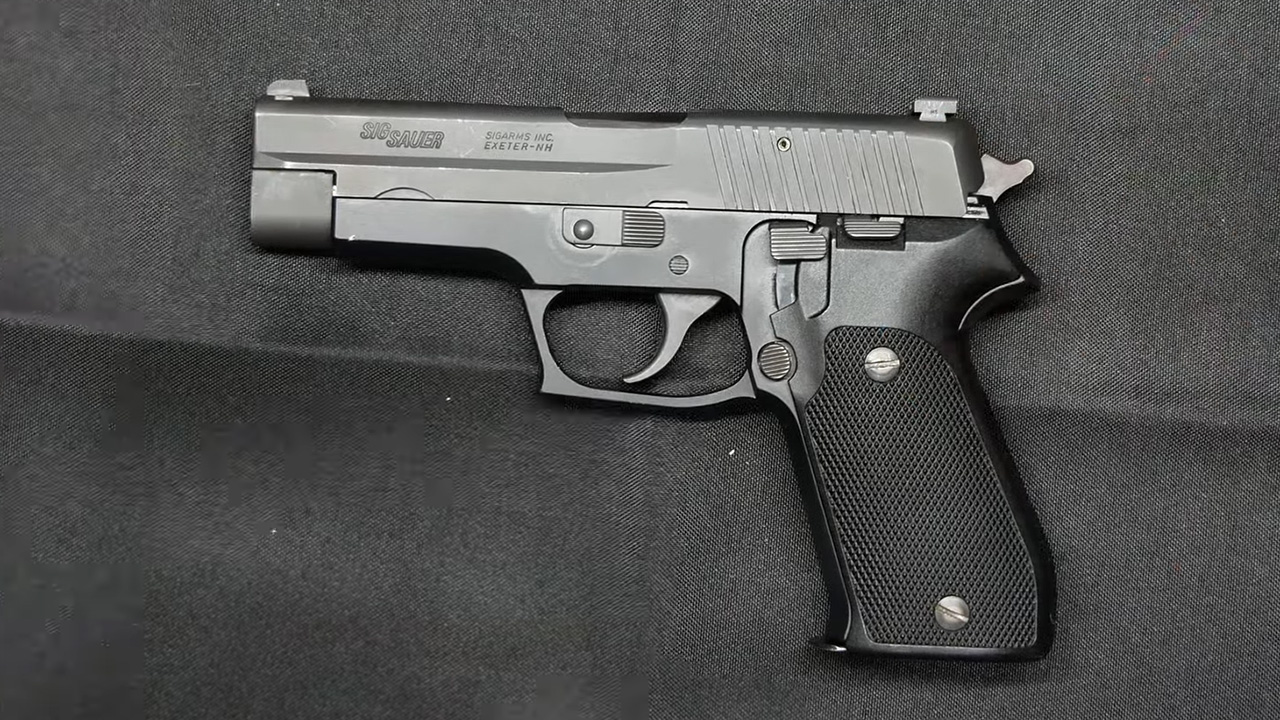
The SIG Sauer P220 can trigger regret when owners trade it toward a higher-capacity or lighter pistol. That decision makes sense in a modern defensive handgun world. A single-stack .45 ACP with DA/SA controls is not the most efficient option anymore. Plenty of newer pistols are easier to carry and feed.
But the P220 has a shooting feel that keeps former owners checking listings. It is accurate, balanced, and often surprisingly pleasant with .45 ACP. The alloy frame gives it steadiness without making it as heavy as all-steel pistols. The trigger system rewards practice, and the pistol carries a serious service-gun personality. Trading it away may feel logical until the owner realizes the replacement is more efficient but less satisfying.
Marlin 1894 .44 Magnum

The Marlin 1894 in .44 Magnum is a rifle people regret trading because it fills a thick-cover role beautifully. It is compact, quick, and hits harder than .357 lever guns while staying handier than many centerfire rifles. It makes sense for deer, hogs, and rural-property use where legal and appropriate.
The trade often happens because the owner wants something flatter-shooting, more modern, or easier to scope. That may be reasonable, but it does not replace what the .44 lever gun does well. It is a short-range thumper with fast handling and plenty of charm. Clean Marlins have become more desirable too, which makes buying back in harder. A rifle that once seemed like a fun extra can become the exact gun a person wishes they still had.
Smith & Wesson Model 17
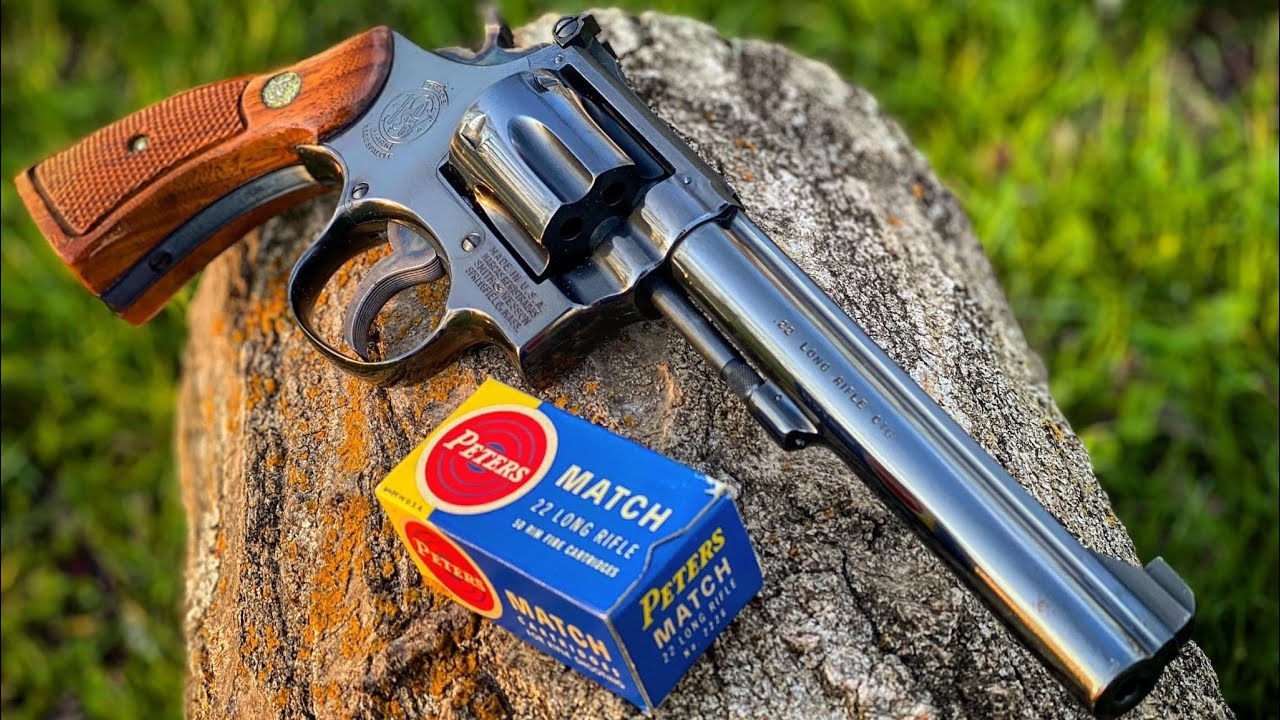
The Smith & Wesson Model 17 is a .22 revolver that can cause serious trade regret because great rimfire handguns are easy to undervalue. It may not seem essential next to defensive pistols or magnum revolvers. An owner may trade it toward something “more useful” and feel smart for a while.
Then they miss the practice. The Model 17 is accurate, refined, and ideal for building revolver skill without centerfire cost or recoil. It has the size and feel of a serious K-frame while shooting inexpensive .22 LR. That makes it useful for new shooters and experienced revolver fans alike. A cheap rimfire pistol can fill the caliber slot, but it will not replace the Model 17’s quality. Trading one away often teaches that rimfire does not mean expendable.
Browning Hi-Power Practical
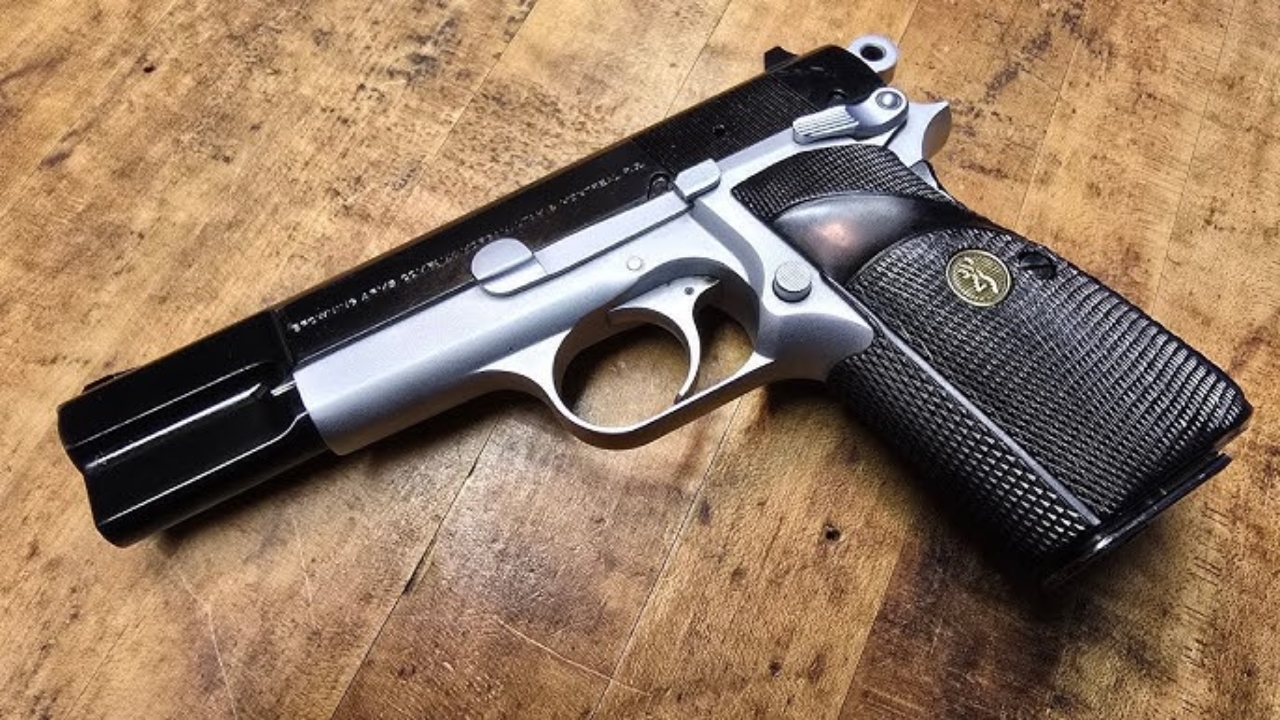
The Browning Hi-Power Practical is one of those pistols owners may have traded when modern 9mms started looking irresistible. Polymer frames, rails, optic cuts, higher capacities, and better factory triggers all make newer pistols attractive. Compared with that, the Hi-Power can look dated.
But the Practical had its own appeal, especially with its two-tone look and classic Hi-Power feel. The grip is slim for a double-stack, the balance is excellent, and the design carries real history. Modern pistols may beat it on features, but they rarely duplicate the way it sits in the hand. Owners who traded one for something more current sometimes learn the hard way that specs are easier to replace than feel.
Ruger No. 1 Tropical
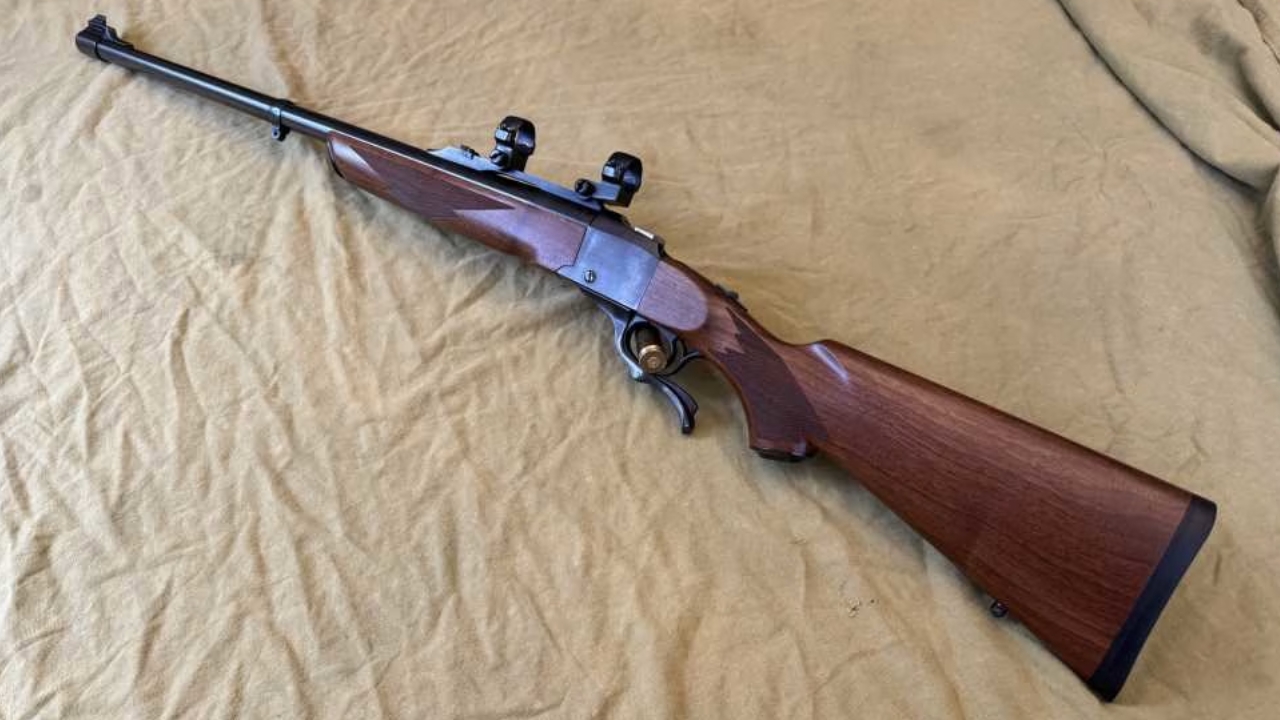
The Ruger No. 1 Tropical can be a brutal trade regret because it is both distinctive and hard to replace in the same configuration. A single-shot rifle chambered for serious cartridges is not for every hunter, and that may tempt an owner to trade it toward something more practical.
But the Tropical version has a presence that ordinary rifles do not. It was built with heavier chamberings and serious hunting in mind, and the falling-block action gives it compact strength. It is not fast for follow-up shots, and it is not a casual lightweight deer rifle. That specialization is exactly why owners miss it. Once traded, finding the same chambering, condition, and wood can become a long and expensive search.
HK P30
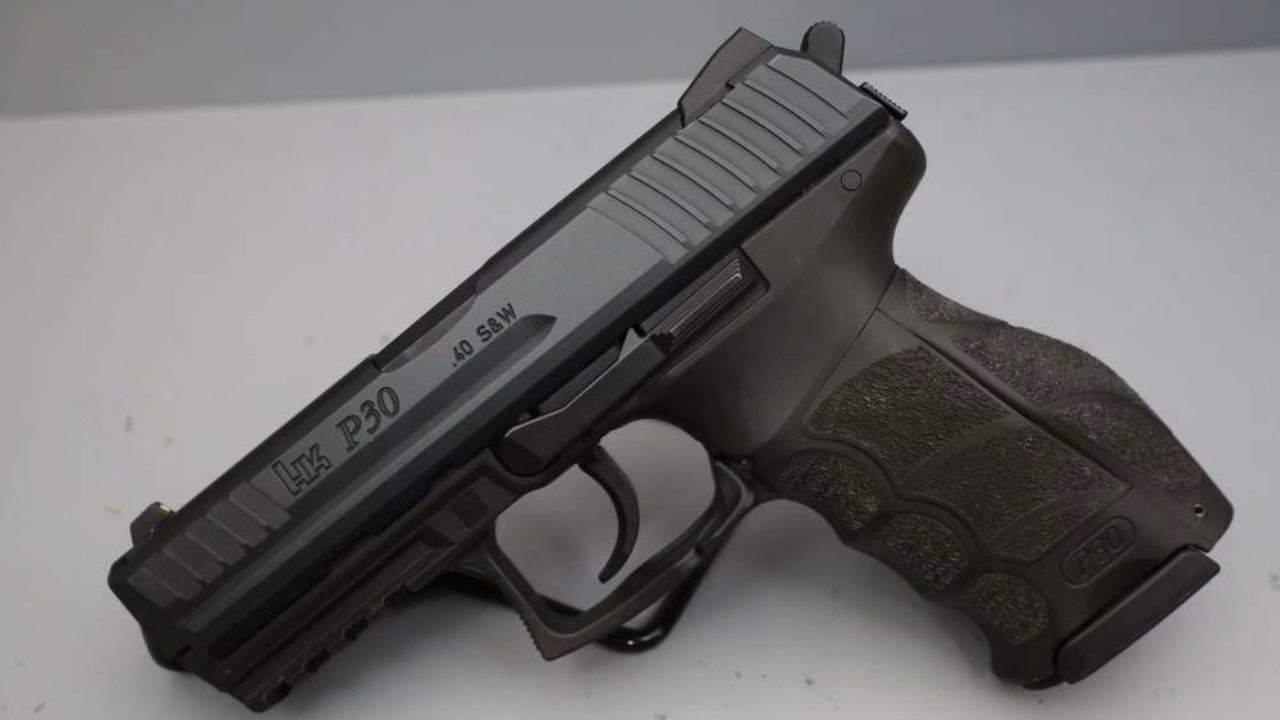
The HK P30 is a pistol some owners trade because it does not win modern spec-sheet fights. The trigger is not universally loved, the price is higher than many competitors, and newer striker-fired pistols may seem simpler. Someone may move it along for a Glock, SIG, Walther, or optics-ready carry gun and think nothing of it.
Then they miss the grip. The P30’s interchangeable side panels and backstraps give it one of the most adaptable ergonomic setups in its class. It feels secure, durable, and serious. Shooters who put time into the trigger often trust it deeply. A newer pistol may be easier to modify or mount an optic on, but it may not fit the hand the same way. Trading away a gun that fit perfectly can become a nagging regret.
Ithaca Model 37 Featherlight
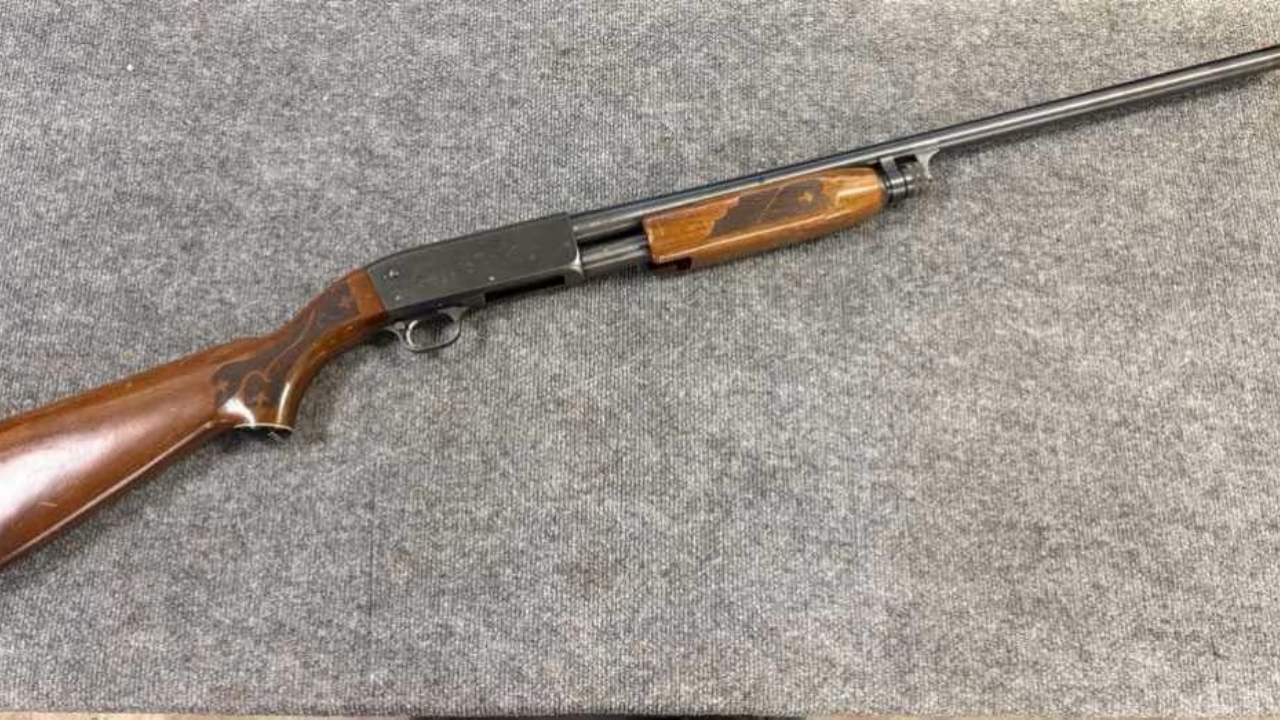
The Ithaca Model 37 Featherlight is a shotgun people regret trading because it carries like very few pumps do. It is light, slick, bottom-ejecting, and graceful in the field. Many owners treated them as ordinary bird guns for years, which made them easier to trade away than they should have been.
The regret comes during the next walk through cover. A heavier pump may work fine, but it will not carry like a Featherlight. The bottom-eject design is also friendly to left-handed shooters, and the action has a smoothness that many modern pumps lack. A good Model 37 is not just another 12- or 20-gauge. It is a field gun with personality. One bad trade can turn every bird season afterward into a reminder.
Like The Avid Outdoorsman’s content? Be sure to follow us.
Here’s more from us: