
Photo credit: Guns, Gear & On Target Training, LLC/Youtube
Gun trends can make people spend money in strange ways. One year everyone wants the lightest rifle possible. Then it’s the smallest carry gun. Then it’s a wild new finish, a tactical version of something that never needed one, or a cartridge that suddenly gets treated like it solved problems nobody actually had.
Once the excitement cools off, the practical guns start looking better. They may not have been the hottest thing on the rack, but they were solid, useful, and easier to trust. These are the guns that became better buys after everyone else chased the wrong trend.
Ruger GP100 Match Champion
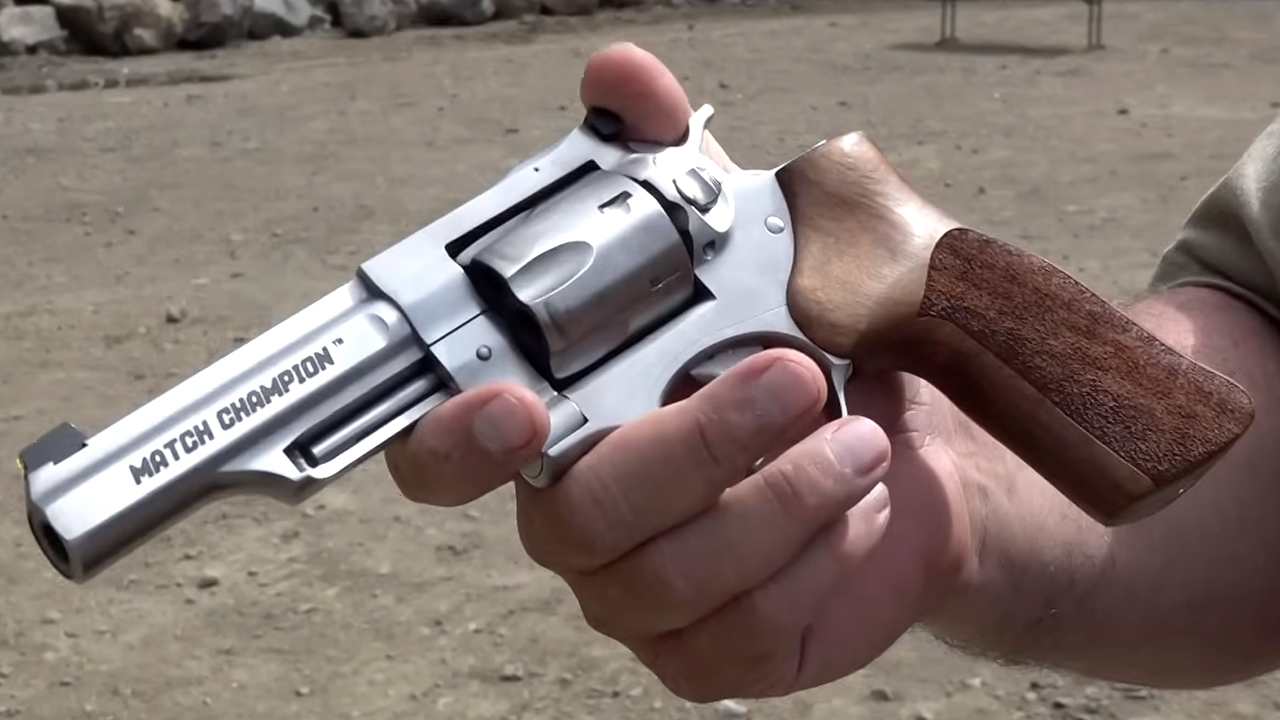
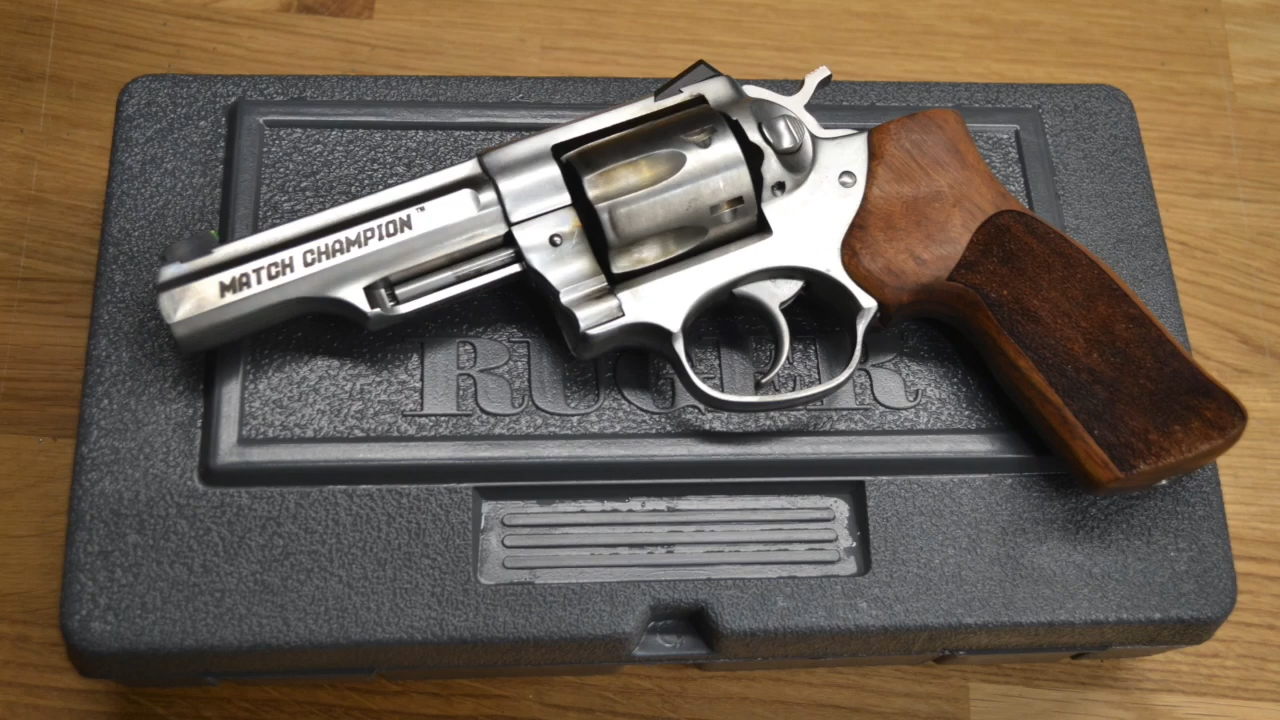
The Ruger GP100 Match Champion became a better buy once shooters remembered that a good .357 revolver doesn’t need to be tiny, flashy, or chambered in something ridiculous to matter. The revolver market has plenty of extremes, from featherweight snubs that punish your hand to giant magnums most people barely shoot.
The Match Champion lands in a smarter place. It has the strength of the GP100 line, a better factory setup than the basic models, and enough weight to make .357 Magnum manageable while still feeling useful. It works for range time, woods carry, home defense, and serious revolver practice. When shooters get tired of novelty revolvers, the Match Champion starts looking like the kind of gun they should have bought first.
Tikka T3x Roughtech
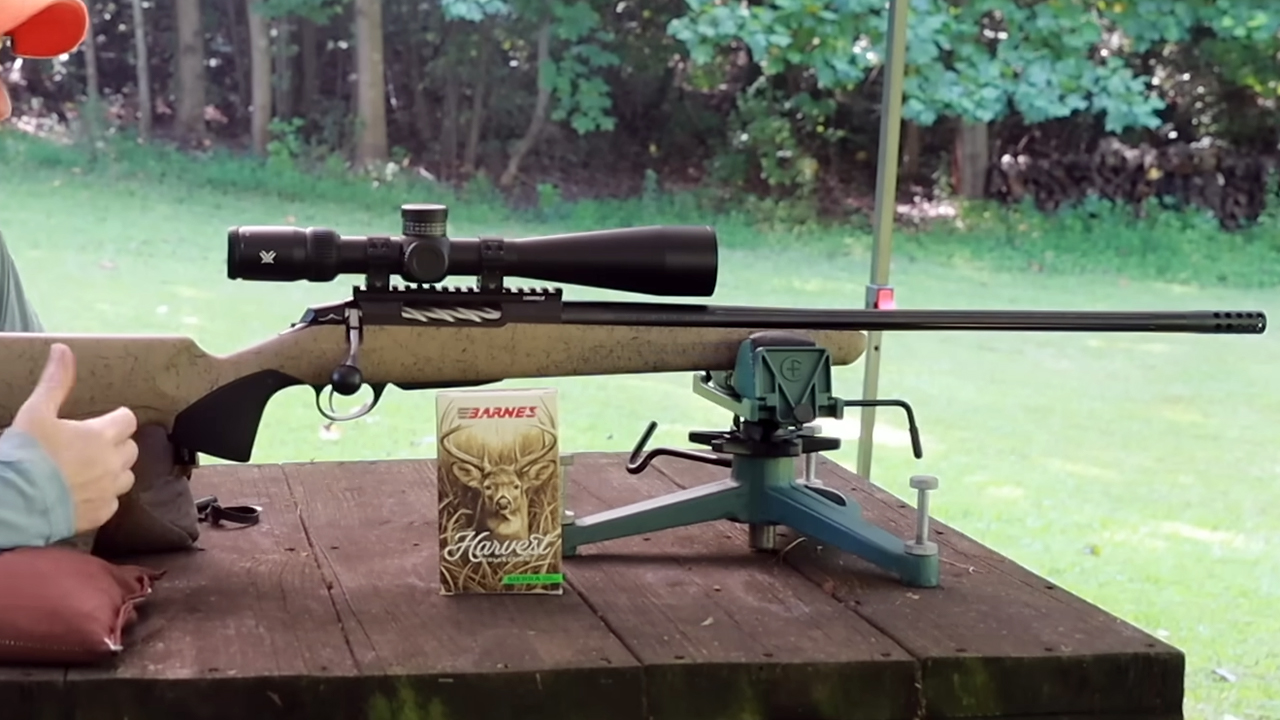
The Tikka T3x Roughtech became a better buy after hunters chased ultralight rifles and found out some of them were miserable to shoot. Light rifles have their place, but not every hunt requires shaving every ounce. Sometimes a rifle that carries well and still feels steady is the smarter choice.
The Roughtech keeps the smooth Tikka action and clean trigger, then adds a more field-ready stock and practical finish. It feels more substantial than the plain Lite models without turning into a heavy rifle. That balance matters. It is accurate, easy to run, and rugged enough for real hunting weather. When the lightweight trend starts feeling too sharp and unforgiving, the Roughtech looks like common sense.
Beretta A300 Ultima
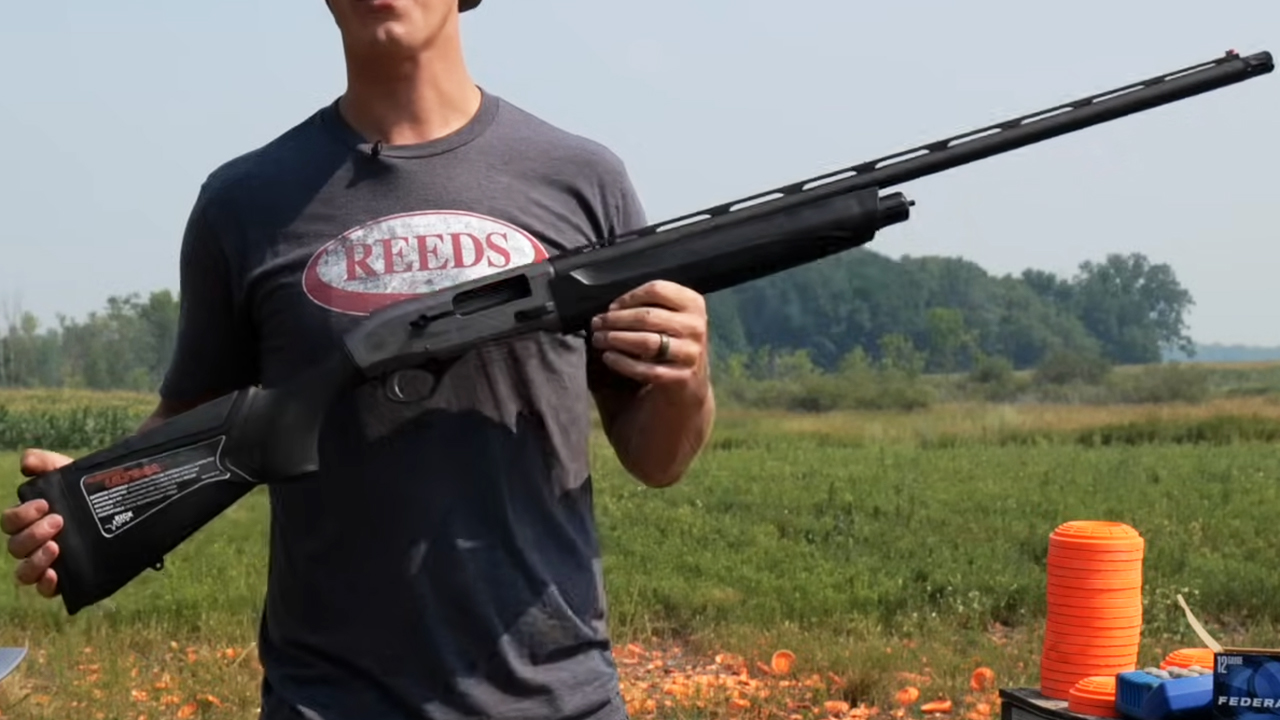
The Beretta A300 Ultima became a better buy once semi-auto shotgun prices started pushing people into either bargain risks or expensive premium guns. Not every hunter needs an A400, and not everyone wants to gamble on a low-cost semi-auto that may not cycle reliably when the birds are flying.
The A300 Ultima sits in a practical middle lane. It gives shooters a gas-operated Beretta with softer recoil, modern controls, and solid field usefulness without top-tier pricing. It works for clays, dove, ducks, and general shotgun use depending on configuration. Trends come and go, but a comfortable semi-auto that runs well and doesn’t empty the wallet will always have a place.
Smith & Wesson M&P9 Shield EZ
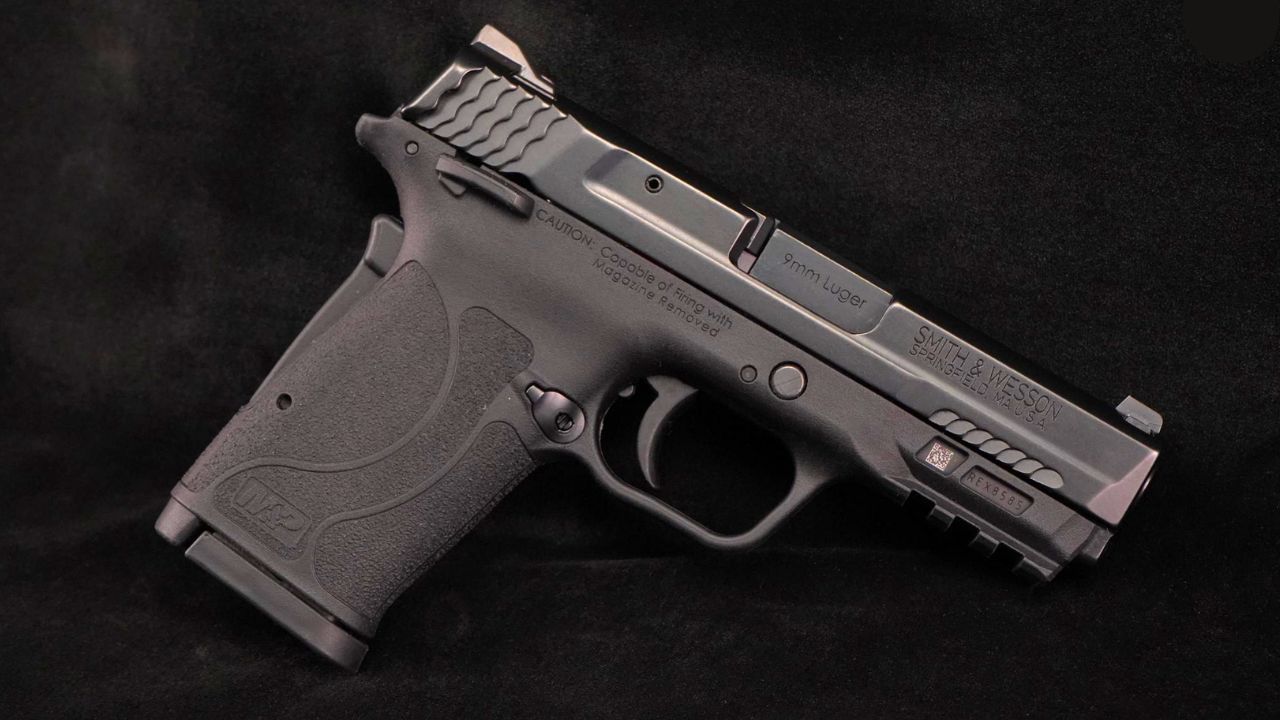
The M&P9 Shield EZ became a better buy after the carry market got obsessed with tiny, high-capacity pistols that not everyone can comfortably rack, load, or shoot. Capacity matters, but usability matters more if the gun is for a real person with real hand strength, recoil sensitivity, or confidence issues.
The Shield EZ focuses on ease of use. The slide is easier to manipulate, the magazines are easier to load, and the pistol is softer to operate than many small carry guns. It isn’t the smallest option, and the grip safety won’t appeal to everyone. But for shooters who struggle with stiff slides or snappy recoil, it solves a real problem. That makes it smarter than a trendier pistol they dread practicing with.
CZ 550 American

The CZ 550 American became a better buy after hunters chased lightweight plastic rifles and started missing real substance. It has a Mauser-style controlled-round-feed action, strong extractor, good trigger system on many models, and enough walnut-and-steel presence to feel like a serious hunting rifle.
It is heavier than many newer sporters, but that weight often feels like confidence rather than burden. The 550 feeds with authority and handles real field use with a kind of old-school assurance. As more rifles became lighter, cheaper, and more disposable-feeling, the CZ 550 started looking better. It may not be trendy, but it feels like a rifle built to be kept.
Glock 45

The Glock 45 became a better buy after a lot of shooters chased tiny carry pistols and then realized they still wanted something they could shoot well. The G45 gives them a compact-length slide with a full-size grip, which doesn’t make sense if you only judge by concealment. It makes plenty of sense once you care about control.
For home defense, training, duty-style carry, and range work, the full grip helps. The shorter slide still balances well and clears the holster quickly. It uses common Glock 17 magazines and fits into a massive support system. It isn’t fancy, but it is practical. When the smallest-gun trend starts feeling like a compromise at the range, the Glock 45 looks smart.
Henry All-Weather .45-70
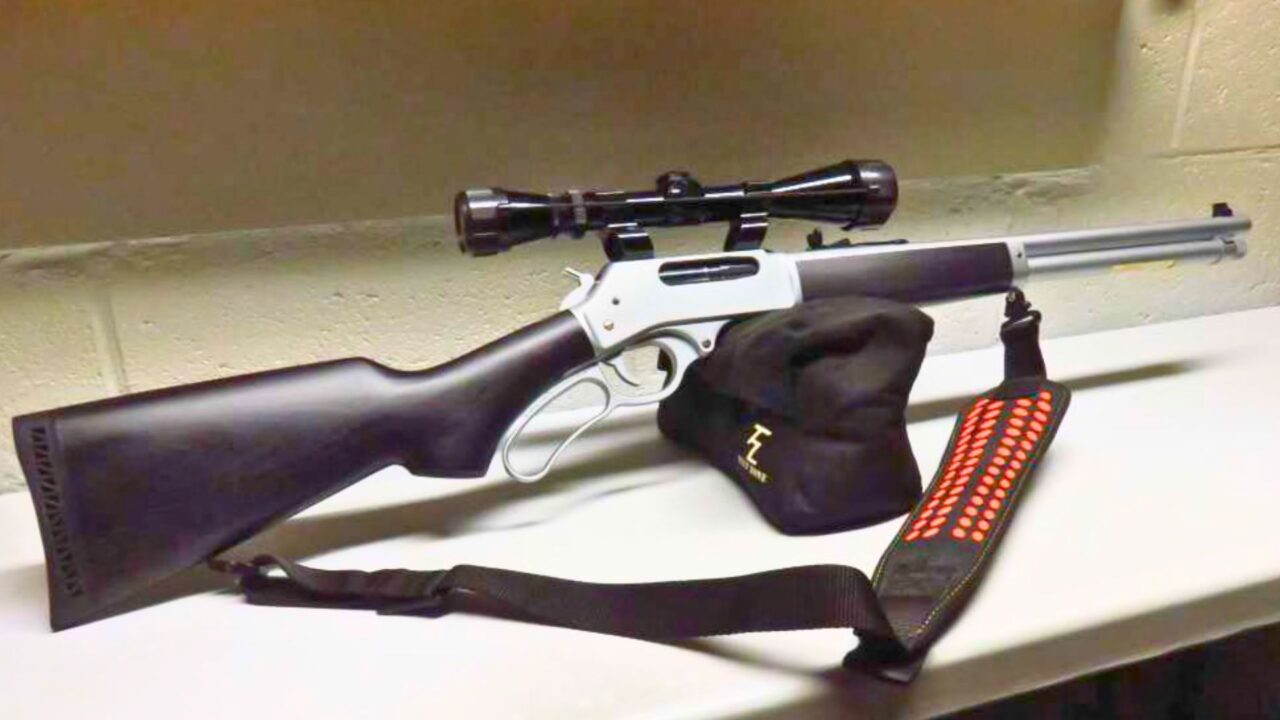
The Henry All-Weather .45-70 became a better buy once lever guns got trendy and some buyers started chasing style over usefulness. A big-bore lever-action doesn’t need to look tactical to be serious. It needs to handle bad weather, carry well enough, and hit hard inside its lane.
The All-Weather version gives shooters hard-chrome-style protection, a tough finish, and enough classic lever-gun handling to make it useful in thick woods, hog country, and places where close-range authority matters. It is not a long-range rifle, and recoil depends heavily on load choice. But as a practical rough-weather big-bore, it makes more sense than a lever gun loaded with accessories that don’t help the hunt.
Walther PDP Full-Size

The Walther PDP Full-Size became a better buy after shooters realized some compact pistols are trying to do too many things. A full-size handgun still has a purpose. It gives the shooter more grip, more sight radius depending on version, more recoil control, and a better platform for training or home defense.
The PDP’s factory trigger and grip texture are real strengths. It also handles optics well, which matters for modern shooters. It may be too large for many concealed-carry needs, but that doesn’t make it less useful. When everyone is focused on making guns smaller, a full-size pistol that shoots comfortably and accurately starts feeling like the grown-up choice.
Winchester SX4
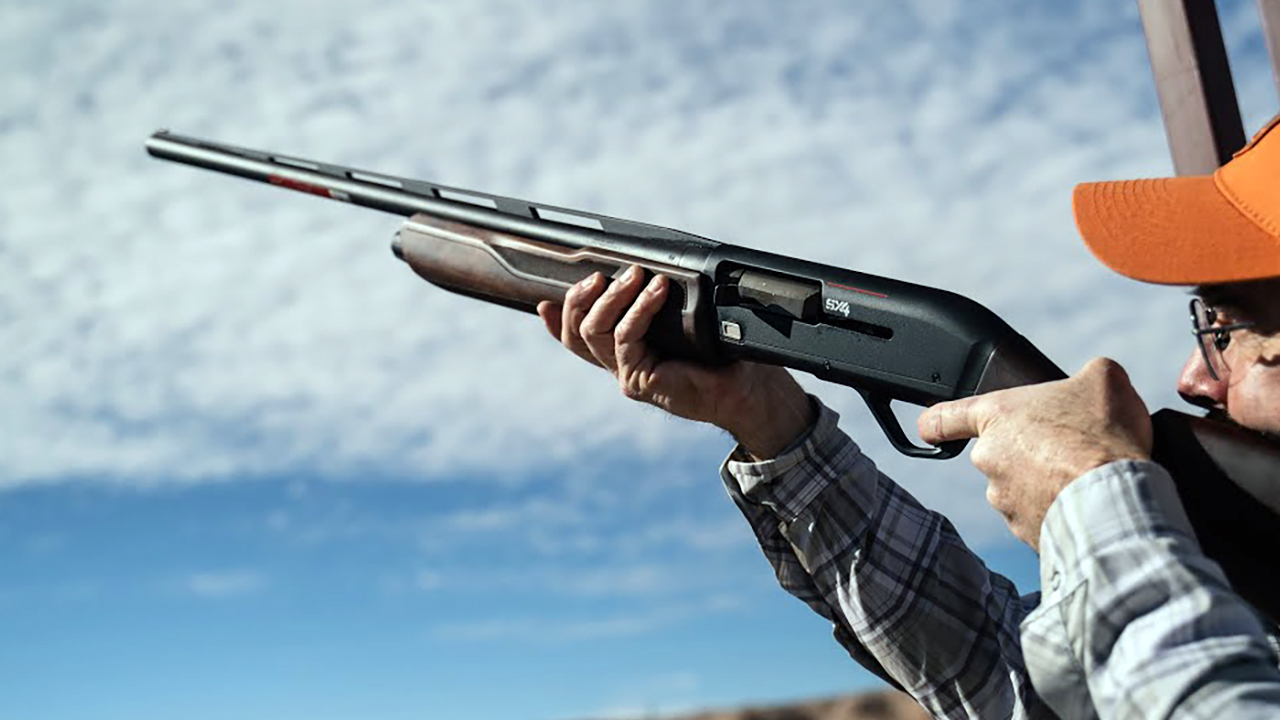
The Winchester SX4 became a better buy after semi-auto shotgun buyers got pulled between expensive premium models and questionable cheap imports. It is not the fanciest shotgun in the blind, but it gives hunters a gas-operated semi-auto with soft recoil, practical controls, and a reputation for being a strong value.
That matters after the trend-chasing wears off. The SX4 works for waterfowl, turkey, upland, and clay use depending on the model. It doesn’t need to be dressed up beyond its job. It just needs to cycle, fit decently, and survive normal hunting conditions. For a lot of regular hunters, that is more useful than buying a shotgun based mostly on brand prestige or aggressive looks.
Ruger American Ranch
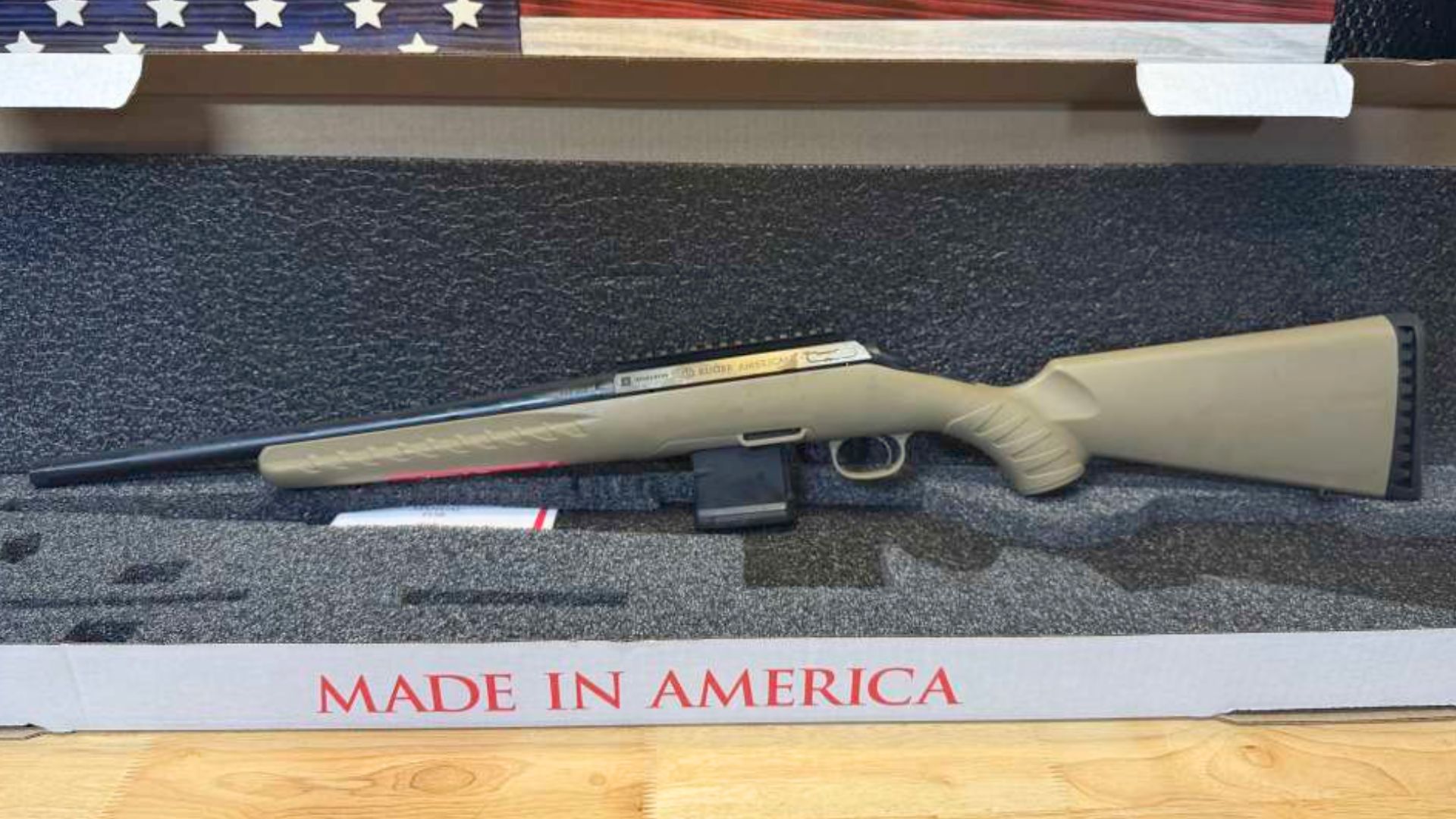
The Ruger American Ranch became a better buy after shooters chased more expensive compact rifles and tactical setups for jobs a simple short bolt-action could handle. The Ranch is plain, affordable, and available in useful chamberings like 5.56 NATO, 7.62×39, .300 Blackout, and .350 Legend depending on model.
Its appeal is practical. It is short, handy, threaded, and accurate enough for a lot of field and range work. The stock isn’t luxurious, and the rifle doesn’t pretend to be. But for predators, hogs, small-property hunting, suppressor use where legal, or general utility, it makes sense. After people overbuild rifles for simple jobs, the Ranch starts looking like the cheaper, smarter answer.
SIG Sauer P365 XMacro
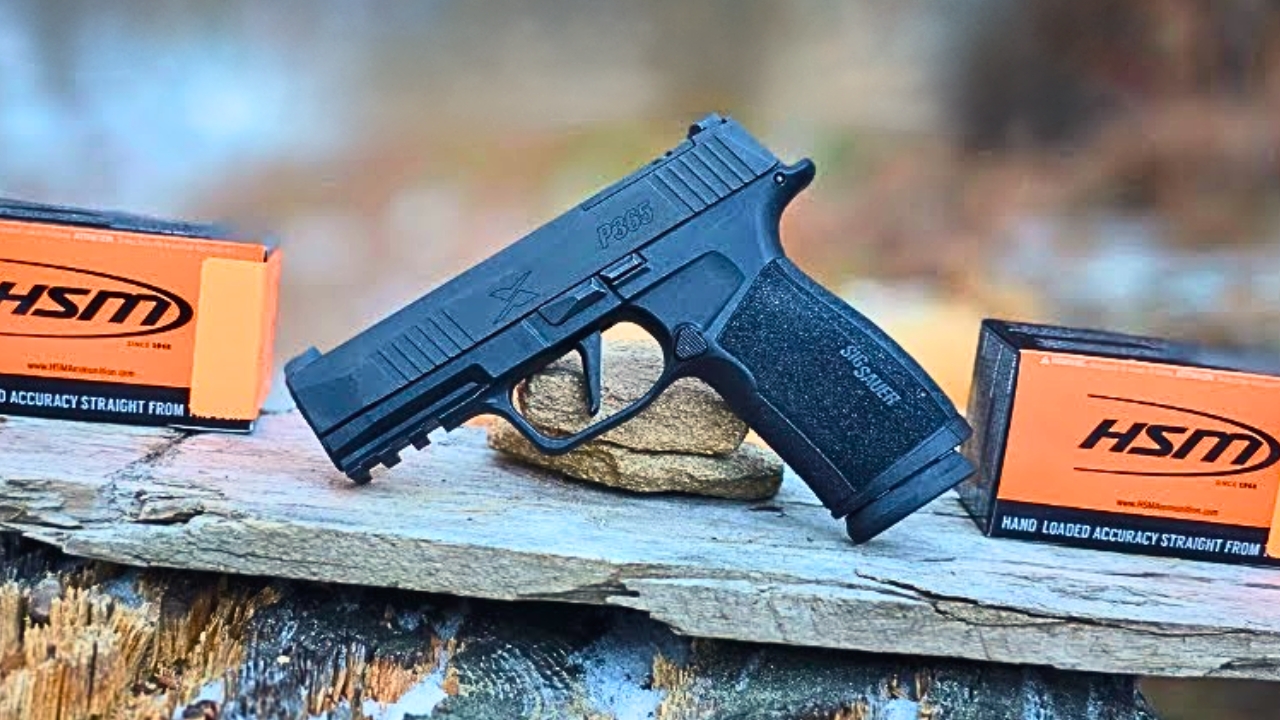
The P365 XMacro became a better buy after some shooters realized the micro-compact trend had gone too small for serious practice. It keeps the P365 family’s slim feel but adds more grip, more capacity, and better shootability than the smallest versions. That combination hit a real need.
It is not a pocket gun, and that is fine. The XMacro is for people who want carry comfort without giving up too much control. The longer grip makes recoil easier to manage, and the capacity is strong for the size. Shooters who went too small first often understand the XMacro quickly. It feels like the point where the small-gun trend finally remembered range time matters.
Browning BL-22

The Browning BL-22 became a better buy after rimfire trends moved toward tactical styling, precision chassis, and cheap semi-autos. Those guns have their place, but the BL-22 reminds shooters that a smooth lever-action .22 can be one of the most enjoyable rifles in the safe.
The short lever throw, good build quality, and classic handling make it feel more refined than many rimfires. It is fun for adults, friendly for new shooters, and useful for small game where legal. It doesn’t need rails or a huge magazine to stay relevant. When rimfire trends start feeling overdone, the BL-22 looks like a rifle built around the simple reason people like .22s in the first place.
Springfield Armory Garrison 1911

The Springfield Garrison became a better buy after the 1911 market got crowded with extremes. Some pistols are cheap enough to make buyers nervous. Others are expensive enough to make people treat them like jewelry. The Garrison sits in a more sensible spot for shooters who want a clean, traditional 1911 with decent features.
It offers good looks, a solid trigger, useful sights, and a classic profile without turning into a full custom purchase. It’s still a 1911, so magazines, maintenance, and testing matter. But for someone who wants the platform without chasing wild upgrades or bargain frustration, the Garrison makes sense. It became the kind of buy that feels smarter as the 1911 aisle gets louder.
Weatherby Vanguard Talon
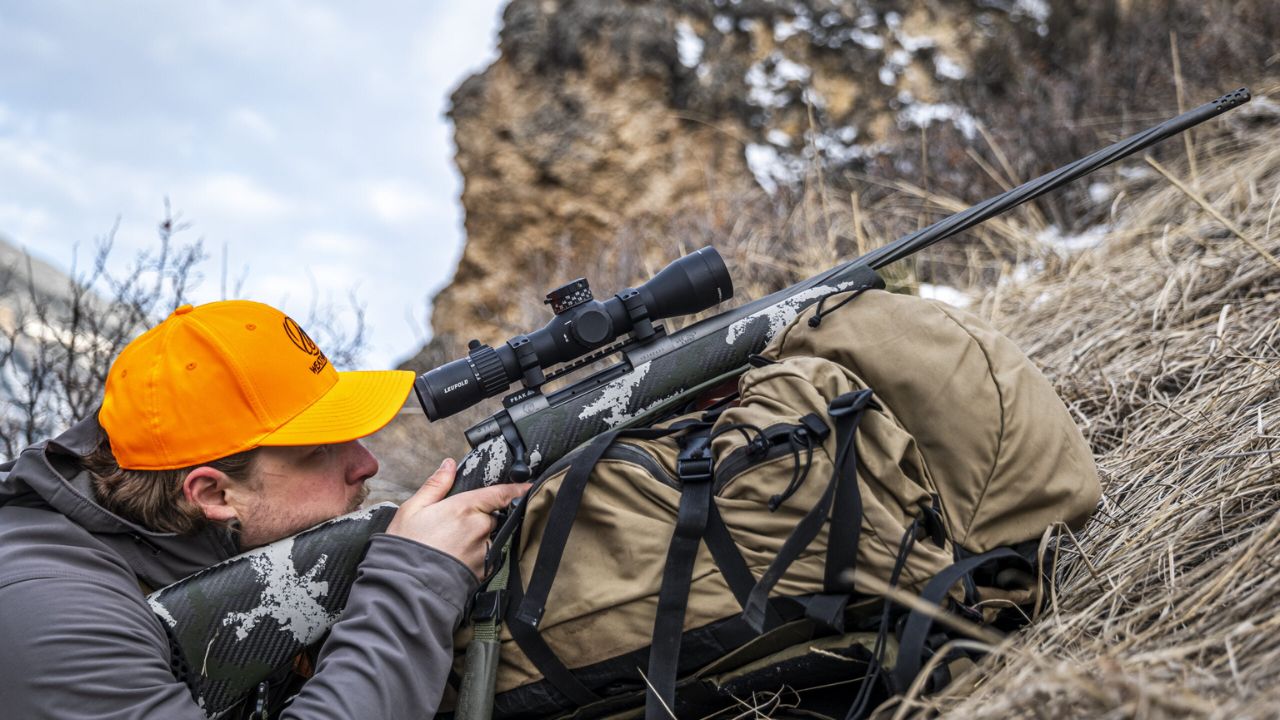
The Weatherby Vanguard Talon became a better buy after hunters started seeing how many lightweight rifles felt too harsh or too cheap. The Talon trims weight from the standard Vanguard formula while keeping the sturdy Howa-built action and practical hunting focus that made the line respected.
It is not as expensive as many premium lightweight rifles, but it still gives hunters a more refined setup than basic budget models. The carbon-fiber-style stock and field-ready build make it useful for hunters who walk but still want confidence behind the shot. When ultralight trends start looking like they cost too much for too little comfort, the Vanguard Talon feels like a smarter middle ground.
Mossberg 590A1
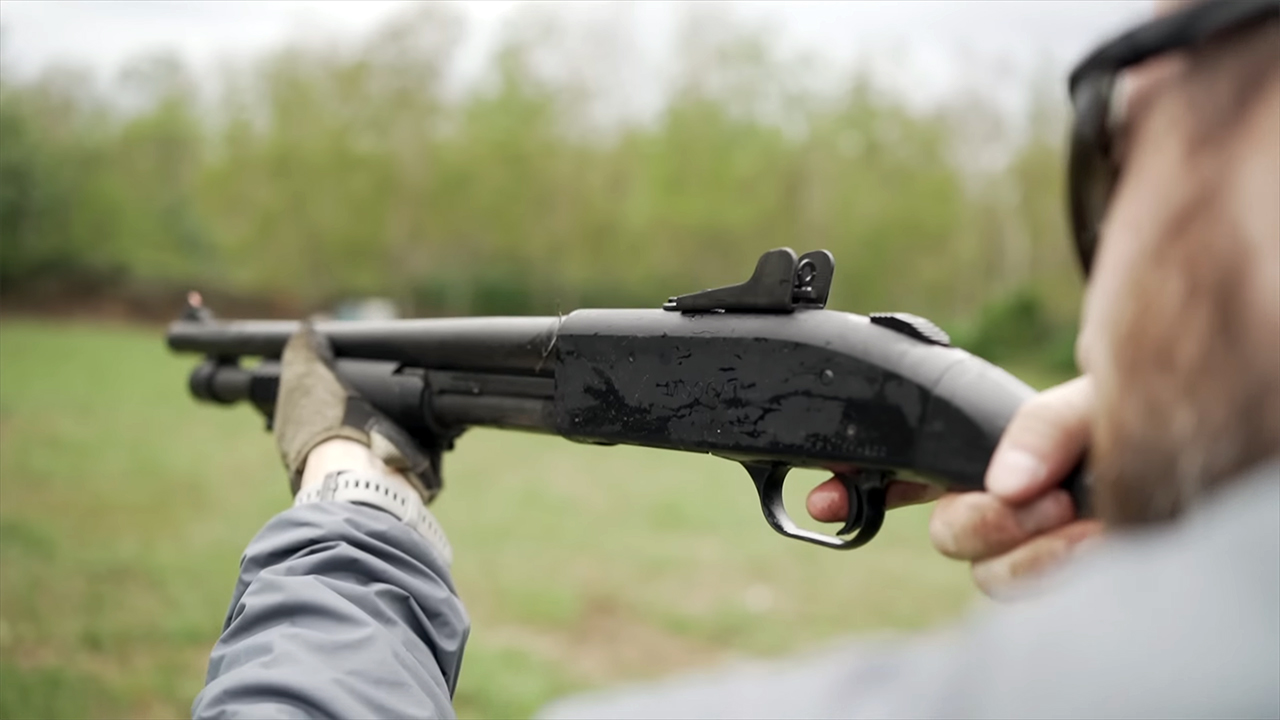
The Mossberg 590A1 became a better buy after the defensive shotgun market got crowded with oddball designs, detachable-box-magazine experiments, and compact 12-gauge setups that look intimidating but are hard to run well. The 590A1 is old-fashioned by comparison, and that is the advantage.
It is a heavy-duty pump shotgun with a proven action, metal trigger guard and safety button on many versions, and a reputation tied to serious use. It is not lightweight, and it is not elegant. But it is easy to understand, easy to support, and confidence-building if the owner trains with it. When the defensive shotgun trend gets too clever, the 590A1 reminds buyers that simple and proven still wins.
Like The Avid Outdoorsman’s content? Subscribe to our newsletter so you never miss an article.
Here’s more from us:


