
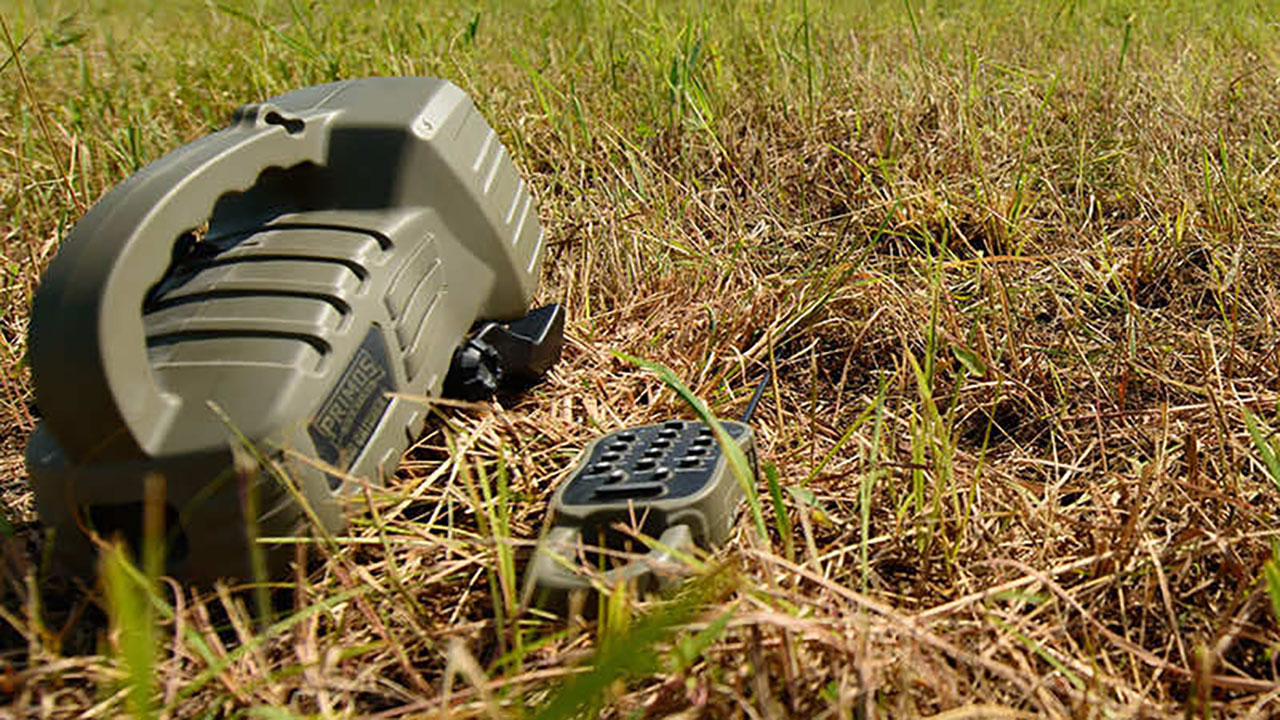
Photo credit: Primos
Late season predator calling is a different animal than early winter. By the time the calendar’s winding down, coyotes have been pressured, educated, and flat-out tired of the usual sounds coming from the same fencelines. The flip side is that cold snaps, breeding season behavior, and lean food conditions can make them show up hard if you’re in the right places and you’re calling like you’ve been burned before. Some states consistently set up well for late-season response because they’ve got big populations, good access, and a mix of habitat that forces predators to travel predictable routes. These are places where a smart stand, the right wind, and a call sequence that doesn’t scream “weekend hunter” can still make things happen.
Texas

Late season in Texas can be lights-out for calling because the coyotes are everywhere and they don’t all get pressured the same. You’ve got huge chunks of brush country, agricultural edges, and pastureland where predators work the same drains and fence crossings day after day. When cold fronts roll through, movement gets easier to predict, especially around water and feedlot areas. Ranch access can make or break it, but even small permission pieces can produce if they connect to travel corridors.
The big late-season advantage in Texas is flexibility. You can run rabbit distress on one stand, switch to pup distress on the next, and then lean into howls or challenge vocals once you’ve got a feel for the local dogs. Just don’t overcall. Late-season coyotes will circle wide and hang up if they think the setup is wrong, so cover your downwind and keep your sequences short.
Kansas

Kansas is a classic “call-friendly” state late in the year because the landscape is built for visibility and movement. A lot of the state is open enough that coyotes can spot a meal from a long way off, but broken enough with draws and shelterbelts that they’ll still commit without feeling exposed. If you set up on the downwind side of a creek bottom or a brushy drainage, you can pull dogs that are traveling between bedding cover and feed.
Late season also lines up with coyotes getting more territorial and more willing to investigate weird noises. That’s when subtle howls and interrogation-type vocals can work better than nonstop distress. Kansas coyotes have heard plenty of “screaming rabbit,” but they’ll still come to a realistic, spaced-out sequence if they think it’s another coyote on their turf.
South Dakota
South Dakota late season can be brutal weather-wise, but that’s exactly why calls can work so well. When snow piles up and wind cuts through the prairie, coyotes have to eat and they have to move. You’ve got big expanses of open ground where you can watch them come from a mile out, and you’ve got enough terrain features—coulees, cattail sloughs, shelterbelts—to give them confidence to approach.
The trick is setting up for long sightlines and keeping your movement tight. Late-season coyotes in South Dakota can be wary, but if they’re hungry they’ll commit. A lot of guys do well running a prey distress opener, then switching to pup distress as a “pressure button.” You’ll see coyotes that were hanging up suddenly break and come in hard when they think there’s an easy fight or kill.
North Dakota

North Dakota is another cold-country state where late season can turn into a feeding frenzy when conditions are right. Coyotes here cover ground, and they’re used to big open country. If you set up with the wind right and keep your silhouette minimal, you can call coyotes from a long way off, especially around river breaks, CRP, and ag edges.
Late-season response is often best early and late in the day when they’re moving to feed. North Dakota coyotes will still try to get your wind, so you can’t be lazy about the downwind side. Put your caller upwind, watch the crosswind lanes, and expect them to swing. A lot of success here comes from letting the stand sit longer than you think you need, because the dogs may be coming from farther out.
Nebraska

Nebraska doesn’t always get talked about enough, but it can be a late-season calling machine because of the habitat mix. You’ve got sandhills, river corridors, crop country, and big ranchland, and predators use all of it. Late season tends to concentrate coyotes around remaining cover and food sources, which makes their routes more predictable if you’ve scouted even a little.
Nebraska coyotes can be cautious in pressured areas, so clean calling matters. Start softer, build intensity, then pause. Long, nonstop calling can hurt you late season because educated coyotes associate that with danger. If you’ve got snow cover, your movement has to be locked down, but the upside is you can spot incoming coyotes early and adjust before they get to the “hang-up” point.
Oklahoma

Oklahoma late season calling works because coyotes are abundant and the land gives you a lot of natural funnels. Brushy creek bottoms, rolling pasture, and cut crop fields create the kind of terrain where coyotes will move through narrow lanes and you can set up to cover them. Late season also means the coyotes are pairing up and getting more vocal, which can make howl-based setups work better than people expect.
If you’re calling Oklahoma late season, think about where they want to be when the wind is nasty. They’ll tuck into low spots, cedars, and brush lines. Get above them with the wind in your favor and call into the cover, not across the open. You’ll pull coyotes that are bedded tight and willing to come investigate without having to expose themselves too early.
New Mexico

New Mexico can be excellent late season because predator hunting is a way of life in a lot of areas, and coyotes live in rough country where they have to work for food. When the nights get cold and prey gets scarcer, coyotes will commit to calls in desert and high-country terrain that gives them confidence to move unseen until the last stretch.
Late season is when you can see strong response to distress sounds that match the country—rodents, birds, and smaller prey sounds can outperform the classic jackrabbit in some spots. Setups matter a lot because coyotes will use the terrain to approach. If you can see into the washes and draws they’ll travel, you can catch them before they hit your scent cone.
Arizona

Arizona late season calling can be surprisingly consistent, especially in areas with a strong coyote population and plenty of public access. The terrain—desert flats, mesquite, washes, and broken hills—lets coyotes travel with cover, which makes them more willing to commit. In dry country, any area holding prey or water becomes a magnet, and late season pushes coyotes into those zones.
Arizona coyotes can be sharp, but they’re also opportunistic. Short calling sequences with long pauses can work well because it sounds more natural and less like a caller running on repeat. If you’ve got visibility, stay still and expect them to appear suddenly. They may not come in like a freight train, but if your setup is solid, they’ll often work their way into range.
Wyoming

Wyoming is one of those states where late season calling can feel unfair when conditions line up. Cold, wind, and wide-open country force coyotes to move and expose themselves. If you can set up to watch long distances and you’re willing to sit a stand long enough, you can call coyotes that are traveling huge sections of ground.
The challenge is the wind. Wyoming wind will humble you fast, and coyotes will still try to get downwind. The best setups here often use terrain to block that swing—set your back to a steep cut, a cliff edge, or a big open expanse that makes the downwind approach risky for them. When you get it right, you’ll see coyotes commit with purpose because they can’t afford to waste energy late season.
Montana

Montana’s predator calling late season is strong because it’s big country with a lot of coyotes and a lot of room for them to operate. In agricultural areas, you’ll find coyotes working field edges, dead piles, and wintering livestock zones. In more rugged country, they’ll use draws, timber edges, and river bottoms to travel out of the wind.
Late season is when Montana coyotes can respond well to a mix of distress and vocals. If you’re in a spot with decent coyote density, you can open with prey distress and then throw in subtle howls to trigger territorial interest. Just don’t get carried away with “aggressive” calling unless you know the coyotes are the type to charge. Many will approach cautious and try to wind you, so watch those lanes.
Idaho

Idaho is sneaky good late season because you’ve got everything from sage flats to timbered mountains, and coyotes are comfortable working both. In the open country, they respond well because they can see and approach with confidence. In the timbered edges, they’ll pop out quick and close, which makes good setup discipline crucial.
Late season calling in Idaho works best when you match your sound selection to the terrain. In sage and ag country, classic distress can still pull hard. In rougher country, bird distress and subtle rodent sounds can be deadly because it’s what they actually hear. Wind and approach routes matter, so plan where you think they’ll come from and don’t assume they’ll take the “easy” route.
Colorado

Colorado late season calling can be excellent, especially in the eastern plains and mixed ag areas where coyotes are thick and cover is limited. When winter pressure increases, coyotes adjust their travel patterns, but they still have to hunt, and calls can pull them across open ground if you set up with visibility and wind control.
In more pressured areas, Colorado coyotes may hang up, so plan your stands to give them a reason to commit. A decoy, a caller placed away from your position, and a sequence that doesn’t scream “caller” can make a big difference. Late season is also a good time to use coyote vocals carefully, because territorial behavior is starting to ramp up and some coyotes will come to see who’s making noise.
Utah

Utah late season calling can be strong because the terrain creates natural funnels. Coyotes use washes, ridgelines, and sage flats to travel, and if you can read the land, you can set up where they want to come from. The cold and limited food in some areas makes them more responsive, especially in desert country.
Utah coyotes can be cautious, so spacing your calls and using pauses matters. A lot of guys burn stands by calling nonstop and then wondering why coyotes circle and leave. Late season rewards patience. Call, watch, and let them work. They’ll often appear in places you didn’t expect, so don’t lock your eyes into one direction and miss the coyote slipping in on the edge.
Nevada

Nevada can be a late-season calling sleeper because big stretches of desert and basin country hold coyotes that don’t see constant pressure everywhere. When food is scarce and temperatures drop, coyotes will travel farther and respond to distress sounds that represent an easy meal.
The key in Nevada is stand placement. Coyotes will use terrain features—low ridges, washes, and brush patches—to approach. If you set up where you can see those lanes, you’ll spot them early. Keep your calling realistic and avoid blasting the volume like you’re trying to call them from another county. Late season coyotes often respond better to a believable “close” sound than a loud, artificial scream.
Missouri

Missouri might surprise some people on predator calling lists, but late season can be excellent because coyotes are common and the landscape gives them plenty of cover to approach. Timber edges, creek bottoms, brushy draws, and cut fields create a setup where coyotes can move without feeling exposed, which makes them more willing to respond.
Late season in Missouri rewards stands that overlook funnels. Coyotes will try to circle, but the thick cover means they may show up closer than expected. That’s where smart caller placement and limited movement matters. A lot of Missouri callers do well using prey distress into pup distress, because the sound carries through timber and triggers that “something is happening right here” response.
Like The Avid Outdoorsman’s content? Subscribe to our newsletter so you never miss an article.
Here’s more from us:


