Photo credit: JamesDeMers/Pixabay.com
There is a reason old-timers pay attention to first light and last light. A lot of the woods wakes up during those windows, and not always in a way that works in your favor. Dusk and dawn are when visibility gets weird, shadows stretch, depth gets harder to judge, and animals that stayed tucked away during full daylight start moving with purpose. Prey animals shift. Predators follow. Territorial animals get caught in transition. What looks calm can turn active in a hurry, and people who assume “it’s still light enough” or “the sun’s just coming up” often find themselves in the middle of the exact time things get touchier.
That is what makes these hours different. It is not just that some animals are more active. It is that they are often hunting, traveling, feeding, or defending space while humans are seeing less clearly than they think they are. Dogs are more likely to blunder into trouble. Hikers and anglers move quietly into places animals were already using. Roadside encounters go up. A lot of outdoor trouble starts in that low-light in-between. Here are 15 animals that become more dangerous at dusk and dawn.
Coyotes

Coyotes are classic crepuscular movers, which means dawn and dusk are prime time for them. That is when they cover ground, test edges, and look for easy meals while the light still gives them an advantage over a lot of prey. It is also when people are out letting dogs into the yard, walking fence lines, loading trucks, or slipping into a stand half-awake. That overlap matters. A coyote that stayed hidden all day may suddenly be working the exact same ditch line or tree edge you thought looked empty five minutes earlier.
This is why so many pet losses and unsettling sightings happen in those windows. Small dogs, outdoor cats, chickens, and young livestock are more vulnerable when coyotes are actively moving and humans are less alert. Calling hunters know it too. Early and late are when coyotes often show themselves because that is when the odds make sense for them. The animal did not suddenly become meaner. It just became active at the same time your visibility and reaction time got worse.
Mountain lions

Mountain lions are one of the clearest examples of a predator that gets more dangerous when light drops or just starts coming back. They are built for low-light hunting. Their whole style depends on using cover, angles, silence, and a short burst of explosive commitment. Dawn and dusk give them more room to do that well. A deer stepping across a trail in weak light is already in a bad spot. So is a human who assumes “I’d definitely see one coming” while moving through cat country under the exact conditions a lion likes best.
This is also when hikers, runners, dog walkers, and rural homeowners get complacent because it does not feel like full darkness yet. The problem is that a lion does not need pitch black. It just needs enough shadow and enough distraction. Pets are especially vulnerable during these hours, and people who live near lion habitat know that letting an animal out at first light or after supper is not the casual thing it might feel like. Low light turns the lion’s strengths up and yours down.
Bobcats
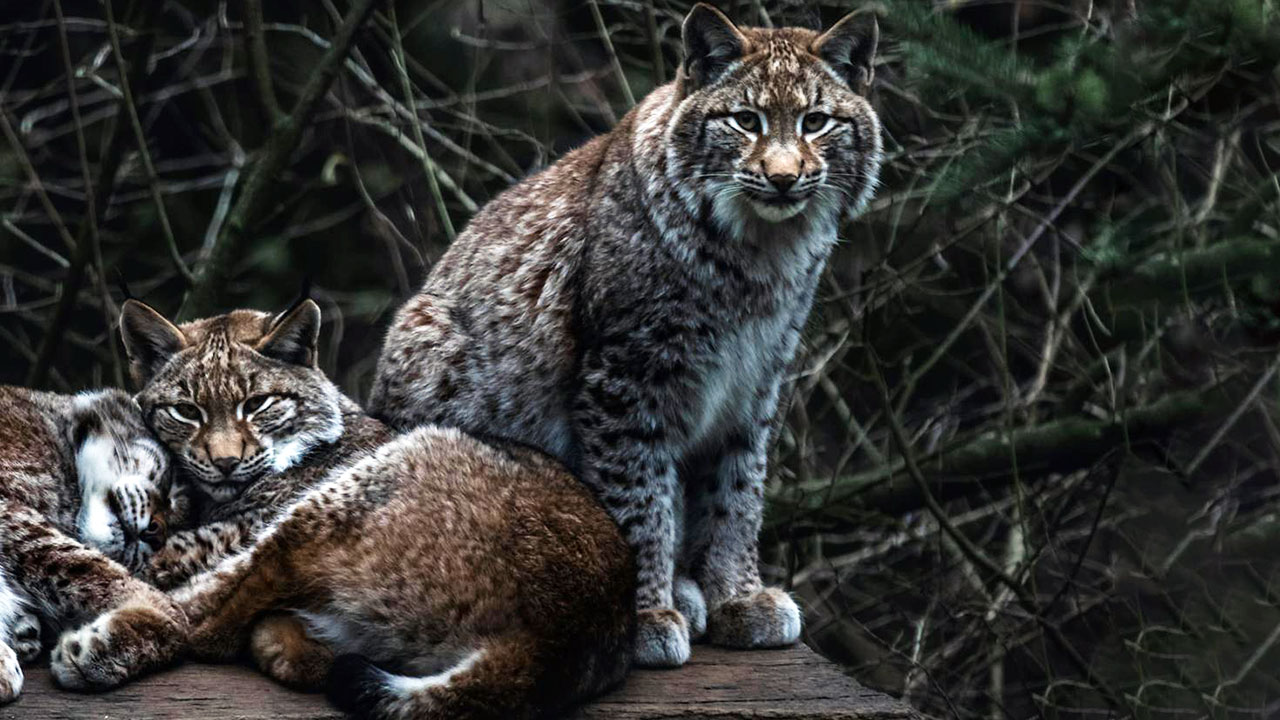
Bobcats are smaller and less openly threatening than mountain lions, but they still become more effective and more dangerous at dusk and dawn. That is when they slip along brushy edges, creek bottoms, overgrown lots, and wood lines looking for rabbits, rodents, birds, and anything else small enough to take cleanly. Outdoor cats, tiny dogs, and backyard poultry all become more exposed during these hours, especially in places where people assume the bobcat is too secretive to work close to homes.
What changes at dusk and dawn is not just movement. It is confidence. A bobcat that would stay invisible in bright open daylight may feel much more comfortable moving through the same space in softer light. That increases the chance of close encounters, pet predation, and the sort of “I only turned my back for a minute” losses people struggle to explain afterward. Bobcats do not need much chaos to do damage. They need timing, and dusk and dawn give them plenty of it.
Wolves
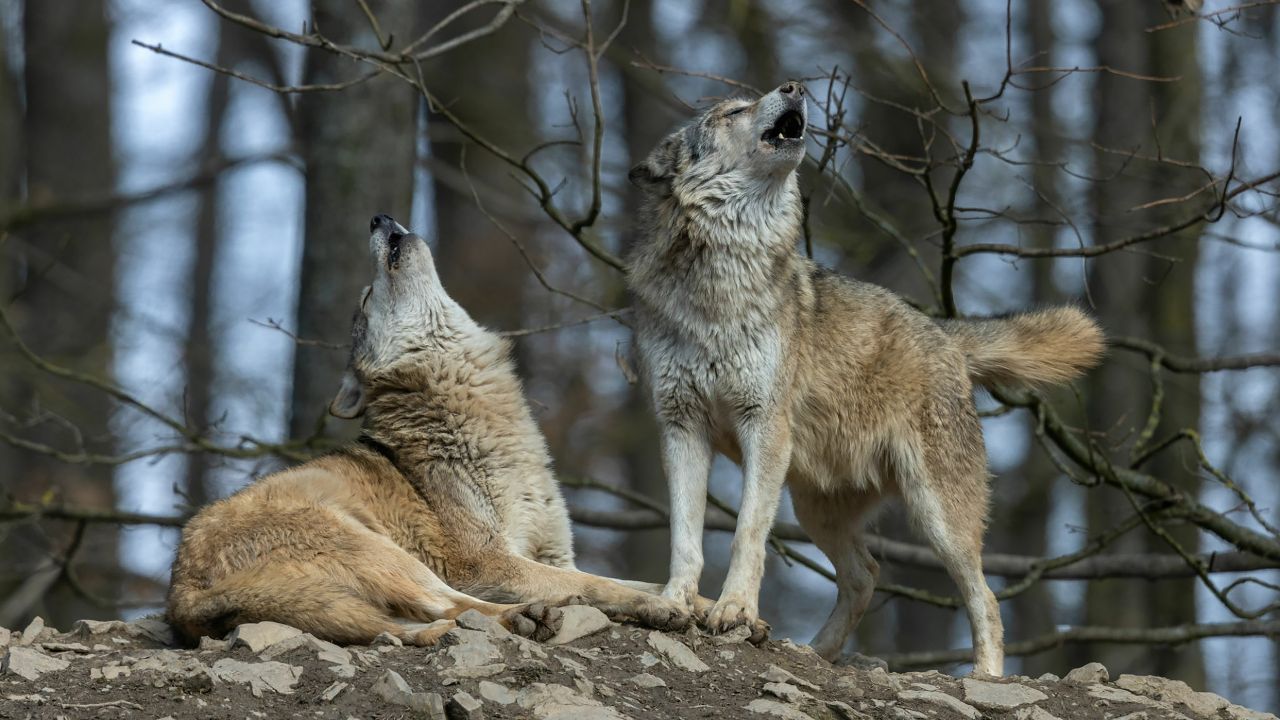
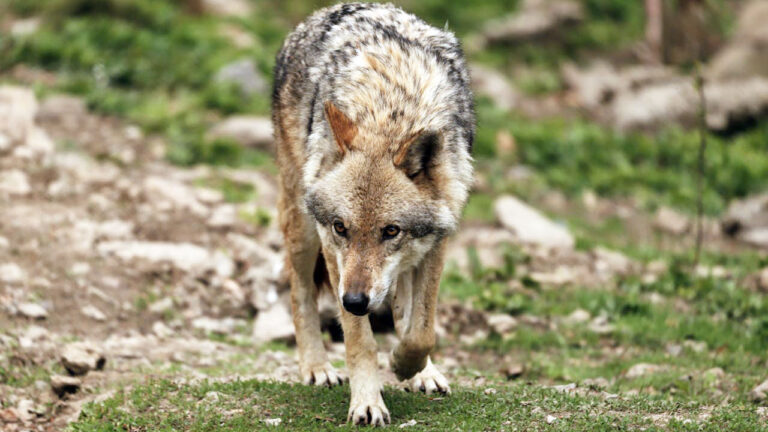
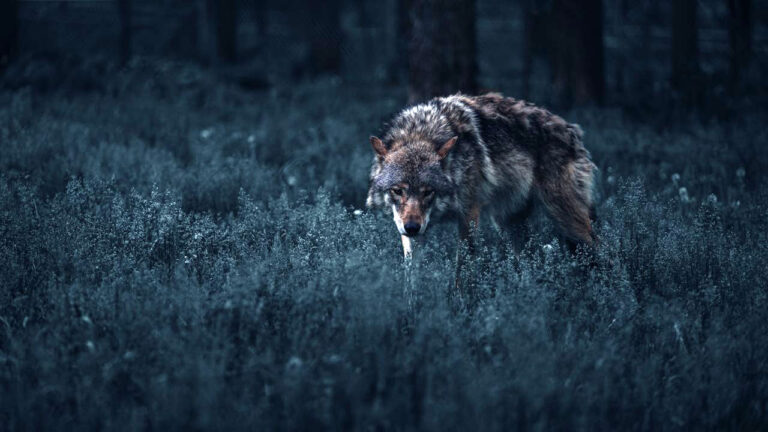
Wolves often cover serious distance in low light, and dawn and dusk are prime windows for that travel. Those are the hours when they can probe, move, and pressure prey with less chance of being seen clearly and with better odds of catching animals in transition. In areas where wolves overlap with ranchland, camps, or hunting country, these time periods matter because they are exactly when dogs, stock, and people are also moving in or out of activity.
The danger with wolves at dusk and dawn is not just attack risk. It is misjudgment. Tracks look fresher because they are. Calls and movement feel closer because they often are. A man with a dog on a trail or around camp may be sharing space with a pack he never would have noticed at noon. Again, it is not that wolves become monsters when the sun gets low. It is that their natural schedule lines up with your worst visibility and often your least prepared moments.
Wild hogs

Wild hogs are bad news any time, but dawn and dusk are when a lot of them get moving, feeding, and covering the kind of ground that puts them near roads, feeders, trails, creek crossings, and edges of fields. A hog that spent the day bedded in thick cover may suddenly be out in the open or crossing the exact place someone is walking in, climbing down, or headed to with a flashlight they probably should have brought ten minutes earlier. That is how a routine moment becomes a close hog encounter fast.
They are also more dangerous in low light because people misread what they are looking at. A hog shape in half-light can appear farther away, smaller, or less committed than it really is. Add brush, dogs, piglets, or a boar with a bad attitude, and the whole thing tightens up fast. Many ugly hog run-ins happen because a person and a hog discovered each other at the same bad distance, under the same bad lighting, with neither having much room to work with.
Bears

Bears get more active in the cooler parts of the day in many places, especially where heat or human activity pushes them into crepuscular movement. Dawn and dusk are often when they move between bedding cover, food sources, water, garbage, orchards, camps, or carcasses. That matters because people are also moving around camp, walking dogs, cooking, hauling coolers, or hitting trails at exactly those hours. A bear that stayed out of sight all afternoon can suddenly feel a lot closer to your life than you wanted it to.
Low light also makes bad bear encounters worse because it shortens reaction time. A person rounding a bend or stepping out from a cabin may be right on top of a bear before either side has much chance to sort things out. Around cubs, food, or tight cover, that is a problem. Bears do not need total darkness to be dangerous. They just need enough dimness for surprise to get into the equation, and dawn and dusk provide plenty of that.
Moose

Moose already ask for more respect than they usually get, and dawn and dusk can make them harder to read and easier to run into. In low light, their size and body language are surprisingly easy to misjudge, especially on roads, trails, and edge habitat where they drift out of willows or timber without much warning. A moose that looks slow and calm one second can cover ground quickly if it feels pressured, and those in-between light conditions make it easier for people to get too close before realizing it.
This is especially true during rut or when cows are guarding calves. The danger is not that moose suddenly become predators at dusk and dawn. It is that their normal danger becomes harder to spot early enough to matter. Drivers hit them. Walkers crowd them. Dogs trigger them. All of that gets more likely when the light is flat and the assumption is still, “I’d see it if something big was there.” Sometimes you do. Sometimes you are already too close.
Deer

Deer become more dangerous at dusk and dawn in a different way than predators do, but dangerous all the same. Those are peak movement hours for a lot of deer, especially around feeding areas, crossings, field edges, suburban corridors, and roads. That means more vehicle collisions, more sudden spooking, and more close-range surprises for hikers, hunters, and dog walkers. Bucks during rut are especially unpredictable, and a deer that bolts in low light can trigger chain reactions fast.
For drivers, these windows are brutal because the deer are moving right when visibility is compromised and people are often tired, distracted, or on familiar roads they stop respecting. For people on foot, dawn and dusk are when deer may burst from cover at short range, sometimes bringing a predator problem with them. A deer is not aggressive in the usual sense most of the time, but the danger it creates in low light is very real and happens far more often than people think.
Rattlesnakes

Rattlesnakes and other snakes often become more active during cooler dawn and dusk periods, especially in warmer months or hotter regions where the middle of the day gets too punishing. That means the exact time people are heading out early to beat the heat or staying out late because it finally cooled off is also when snakes may be crossing paths, moving toward cover, or positioning near trails, rocks, water, sheds, and wood piles. Low light makes spotting them much harder.
The risk here is simple: one step too close. A snake that would have been easy to notice in full daylight can disappear completely in that gray half-light, especially against rock, leaves, dirt, or the edge of a path. Dogs are even worse about it because they investigate before anybody else sees the problem. Dawn and dusk are when a lot of “I never even saw it” snakebites happen, and that alone earns them a place on this list.
Alligators
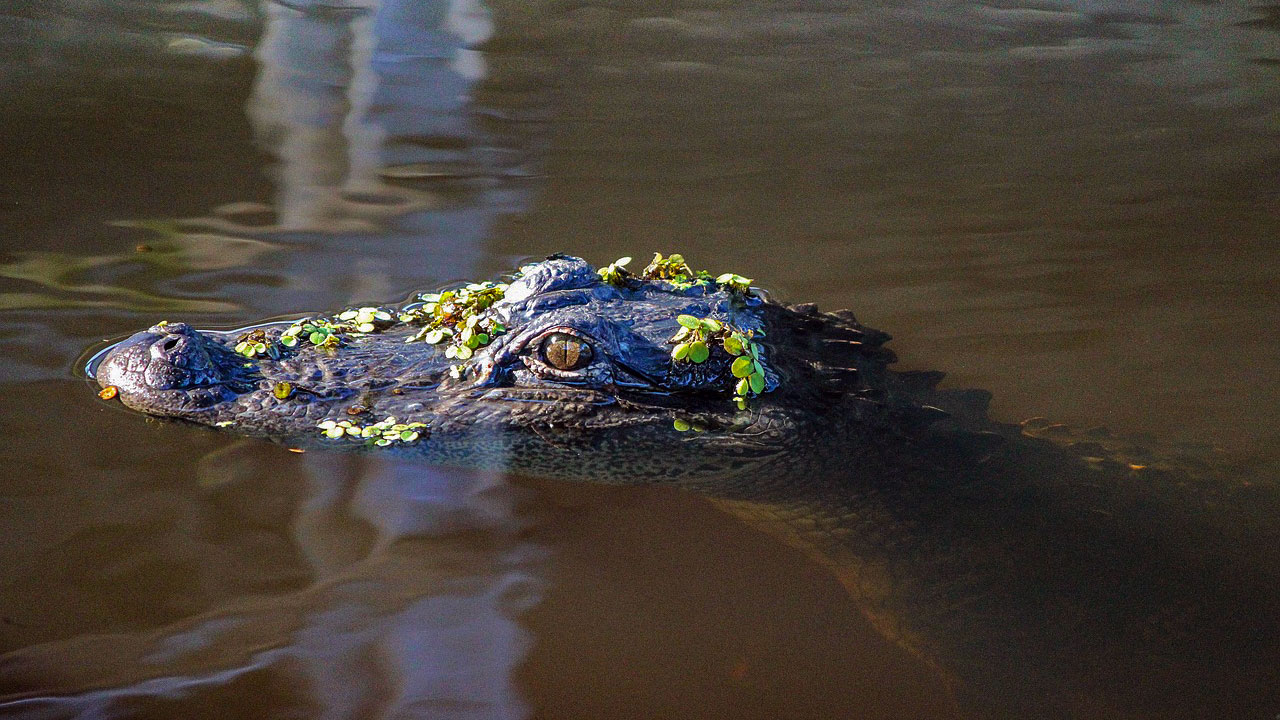
Alligators become more dangerous around dusk and dawn because they are often more active near shore during those times, and because people get stupidly casual around water when it still looks calm and pretty in weak light. Dog walks, dock visits, early fishing, evening kayaking, and shoreline shortcuts all create opportunities for a gator to be closer than expected. The water may look still. That does not mean nothing is there.
Low light matters because it hides position and distance. A gator’s head at the edge of a retention pond or bayou may be almost invisible until it moves, and by then the dog may already be near the waterline. These are the hours when shoreline mistakes happen. Not because every gator is hunting people, but because people let routine push them too close to places that deserve more caution than they get.
Crocodiles

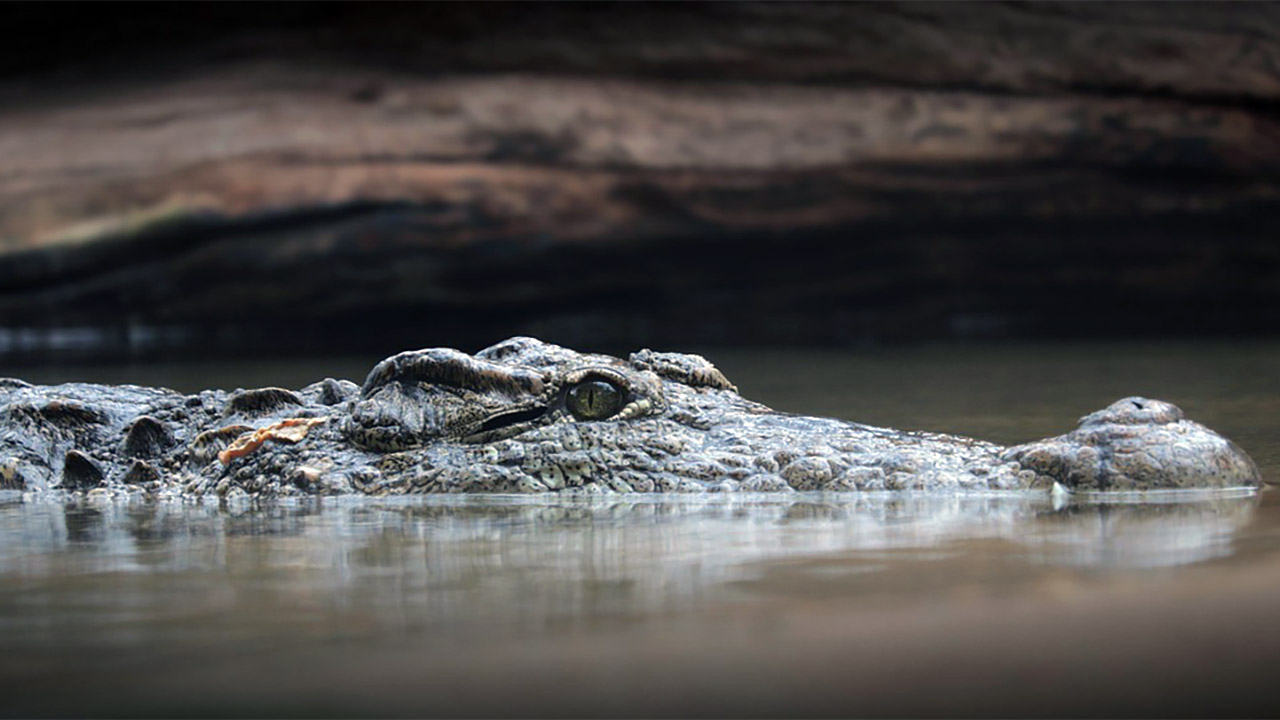
Like gators, crocodiles gain an edge in those transition hours when visibility drops and the water’s surface stops giving much away. Many of the same risks apply, but crocodiles tend to deserve an even higher level of respect where they occur because of how quickly a shoreline situation can shift. At dawn and dusk, anybody fishing, launching a boat, moving around a dock, or wading close to banks is operating under worse visual conditions while the reptile is still perfectly comfortable in its own environment.
That makes the first second the critical second, and dawn and dusk are when that second is easiest to lose. A person does not have to make some wild mistake either. One step near vegetation, one dog pulling toward water, one fish thrashing at the edge, and suddenly the wrong animal is paying attention. Crocodiles are dangerous any time, but these low-light windows stack the odds a little more in their favor.
Feral dogs and loose dog packs
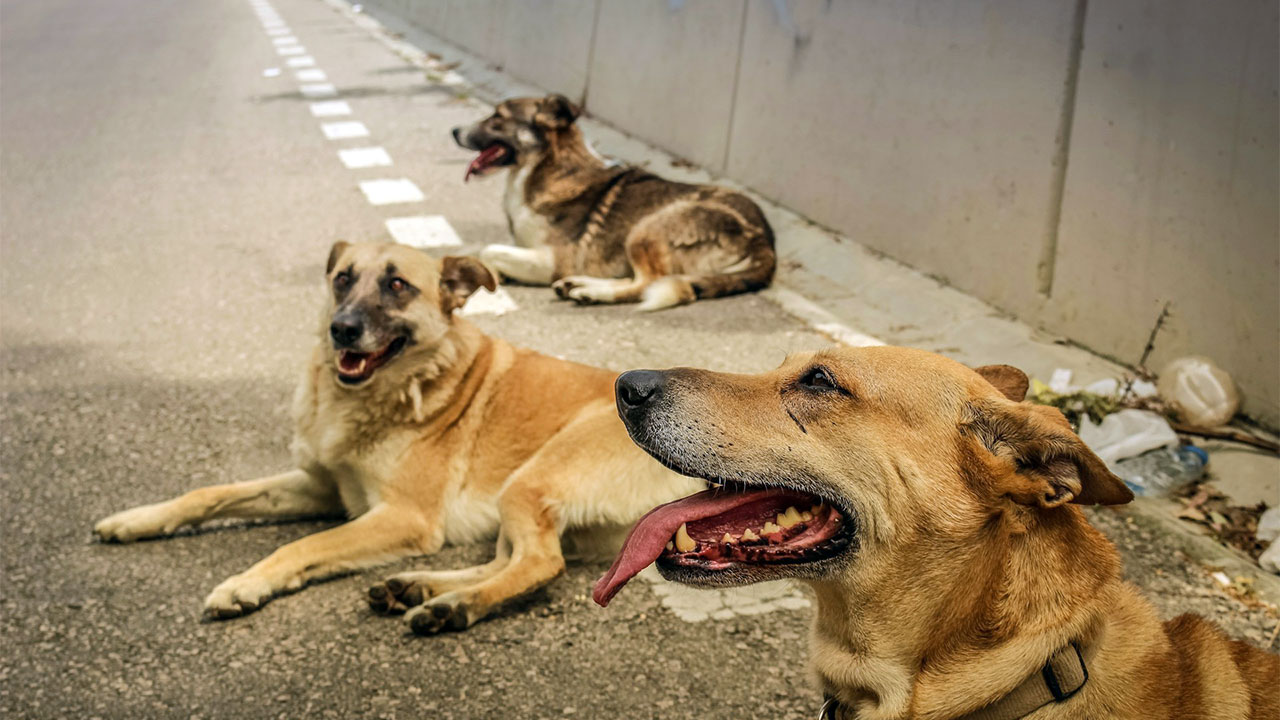
Loose dogs get more dangerous at dawn and dusk because that is when many of them roam hardest, especially in rural areas, edge neighborhoods, dump roads, and places with livestock or wildlife movement. A pack that hides, beds, or stays scattered through the day may regroup and start covering ground in those cooler, quieter hours. That means joggers, dog walkers, kids near bus stops, and folks heading out to feed animals can all run into trouble before the day even feels fully underway.
The low light makes these dogs harder to assess too. One silhouette becomes three. A dog that seemed to be passing through is suddenly angling closer. The handler with a leashed pet is already behind the curve. Unlike some wildlife, loose dogs are familiar enough that people hesitate too long, which is exactly why their danger climbs in those hours. They are active, confident, and often moving where people least expect to have to defend themselves.
Foxes
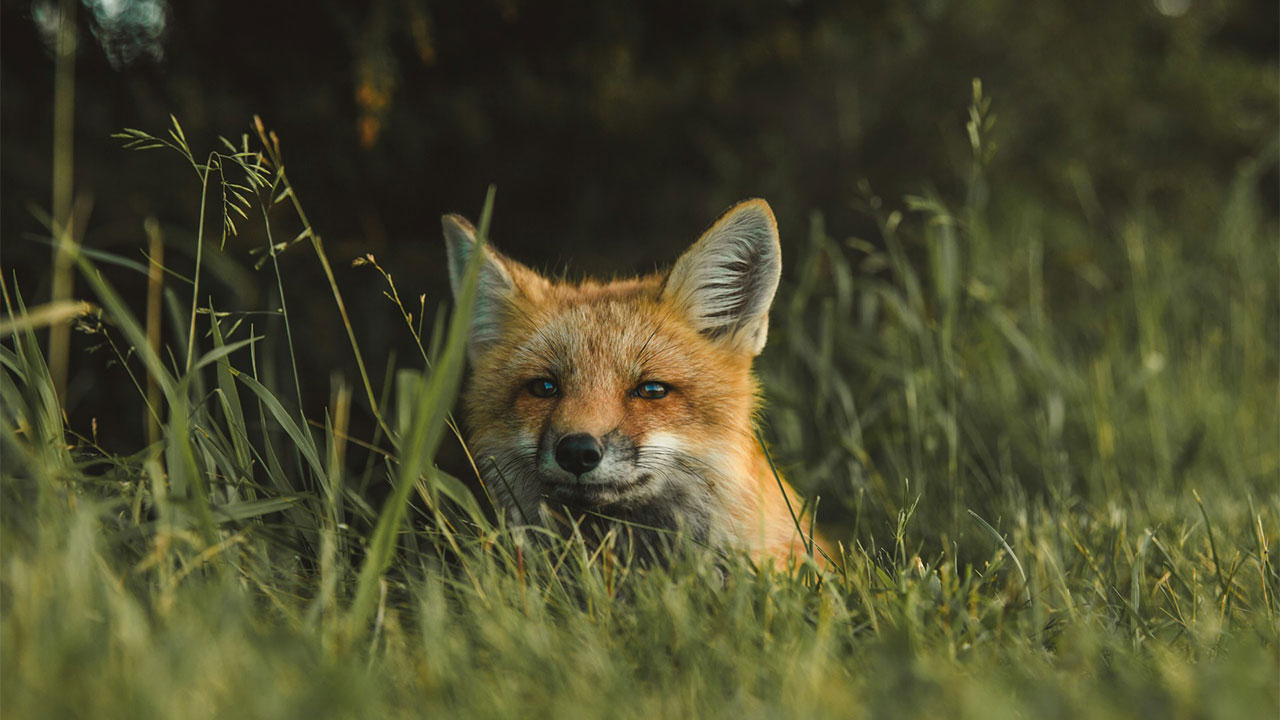
Foxes do a lot of their best work in those in-between light windows. That is when they move hedgerows, ditch lines, yards, field edges, and suburban fringes looking for rodents, birds, rabbits, pet food, and easy openings around coops or porches. A fox in bright daylight stands out. A fox at dawn or dusk blends into the whole picture, which is part of why so many people do not realize how often they are around.
This matters most for poultry, outdoor cats, rabbits, and very small dogs. These are the hours when a fox can cover ground confidently without drawing much attention and still see well enough to capitalize on movement. Owners often assume the danger is only after full dark, but a lot of successful fox work happens before that. Dusk and dawn are when they are active enough to exploit sloppy routines and invisible enough to get away with it.
Owls

Owls become more dangerous at dusk and dawn because that is exactly when many of them are coming online or wrapping up, and it overlaps with the times people let tiny pets into yards or move around poultry setups assuming predators are still asleep. Great horned owls in particular are fully capable of taking very small pets, young poultry, and other vulnerable animals. They do not need much of a window to do it. One open yard, one low branch, one distracted owner, and it can happen fast.
The reason they get overlooked is that they are silent and often unseen. A coyote may leave tracks. An owl may leave almost nothing obvious. Dawn and dusk give them enough darkness to move with confidence and enough light to hunt effectively. For toy-breed dogs, kittens, and small backyard animals, that is more danger than a lot of owners realize until after the fact.
Mosquitoes and biting insects
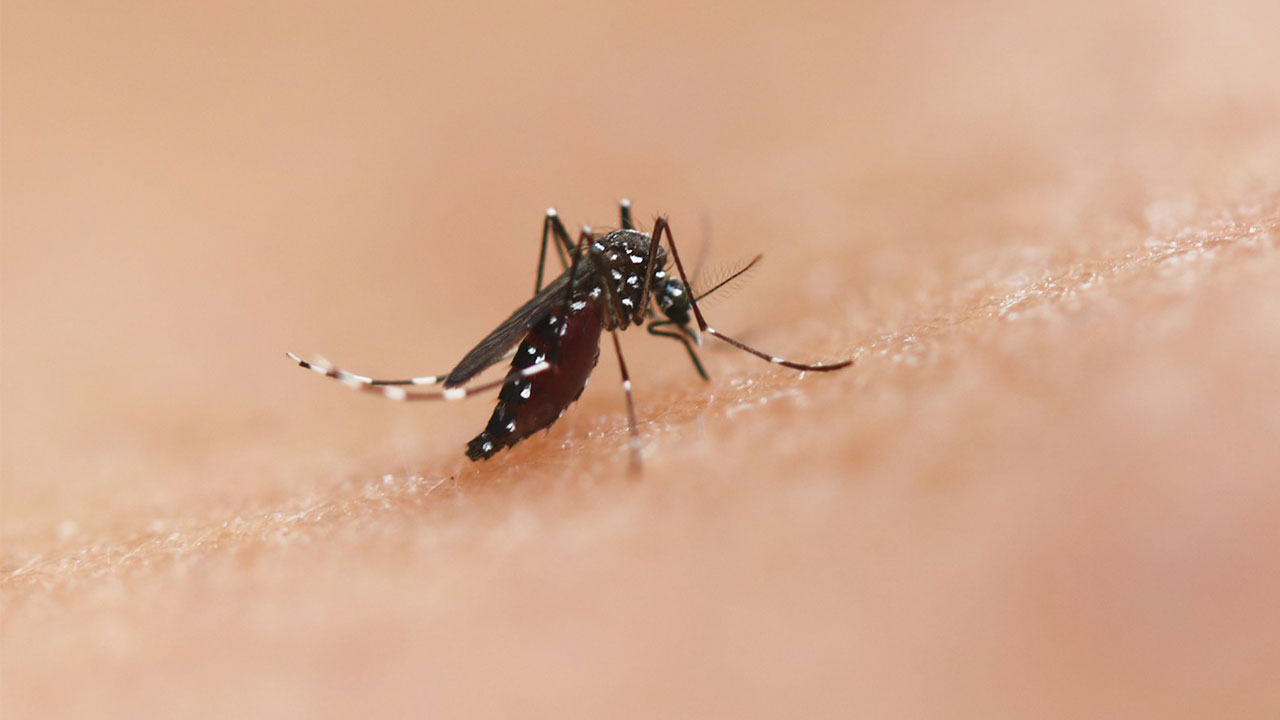
This one is a different kind of danger, but it belongs here because dusk and dawn are prime biting windows for a lot of mosquitoes and other insects that make both people and animals miserable fast. Around wetlands, lakes, bottoms, coastal edges, timber, and shaded yards, those hours can mean sudden swarms, disease exposure, and enough distraction to cause other mistakes. Horses stomp. Dogs get worked up. People stop paying attention to footing, water edges, and what else is moving because they are busy swatting.
The danger is not dramatic like a lion or a hog, but it stacks up quickly. Mosquitoes help transmit serious disease, and heavy biting pressure can make routine outdoor work turn miserable in minutes. Around dawn and dusk, they are one more reason the outdoor world gets sharper around the edges. Not every bad encounter starts with teeth.
Like The Avid Outdoorsman’s content? Subscribe to our newsletter so you never miss an article.
Here’s more from us: