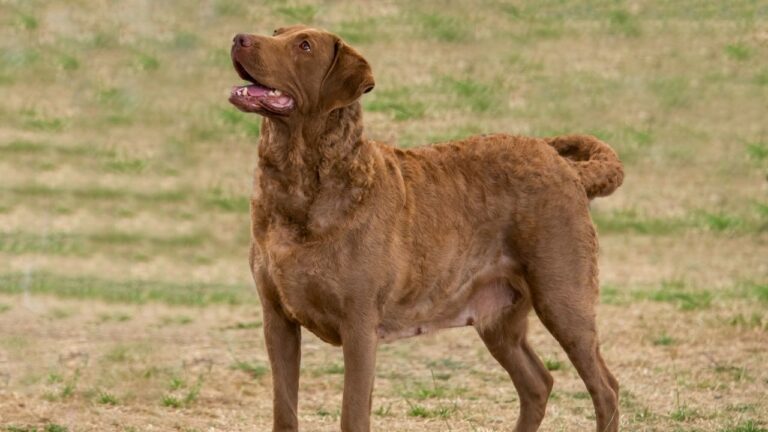
Photo credit: NASA Kennedy Space Center (Ben Smegelsky), Public Domain/Wiki Commons
Feral hogs started out as somebody else’s problem. Now they’re on crop fields, pastures and timber tracts in more than half the country, and the bill isn’t pocket change anymore. USDA and research groups now peg the national tab from hog damage and control at roughly $1.5–2.5 billion a year, and that number has climbed as pigs spread from 17 states to well over 30. Here are 15 states where that damage is already smack in the “this is getting expensive fast” category.
Texas

Texas is ground zero for hog damage. Recent work pulling together USDA and state data estimates more than $871 million in damage in Texas alone, with other reports putting annual losses north of $500 million once you factor in crops, fences, pastures, roads and even cemeteries torn up by rooting. Almost every county has hogs now, and they’re chewing on everything from corn and hay to golf courses and river banks. Landowners layering traps, helicopters and night hunts still can’t outrun reproduction, which is why hogs went from “extra target” to a top-line expense item on a lot of ranch budgets.
Florida
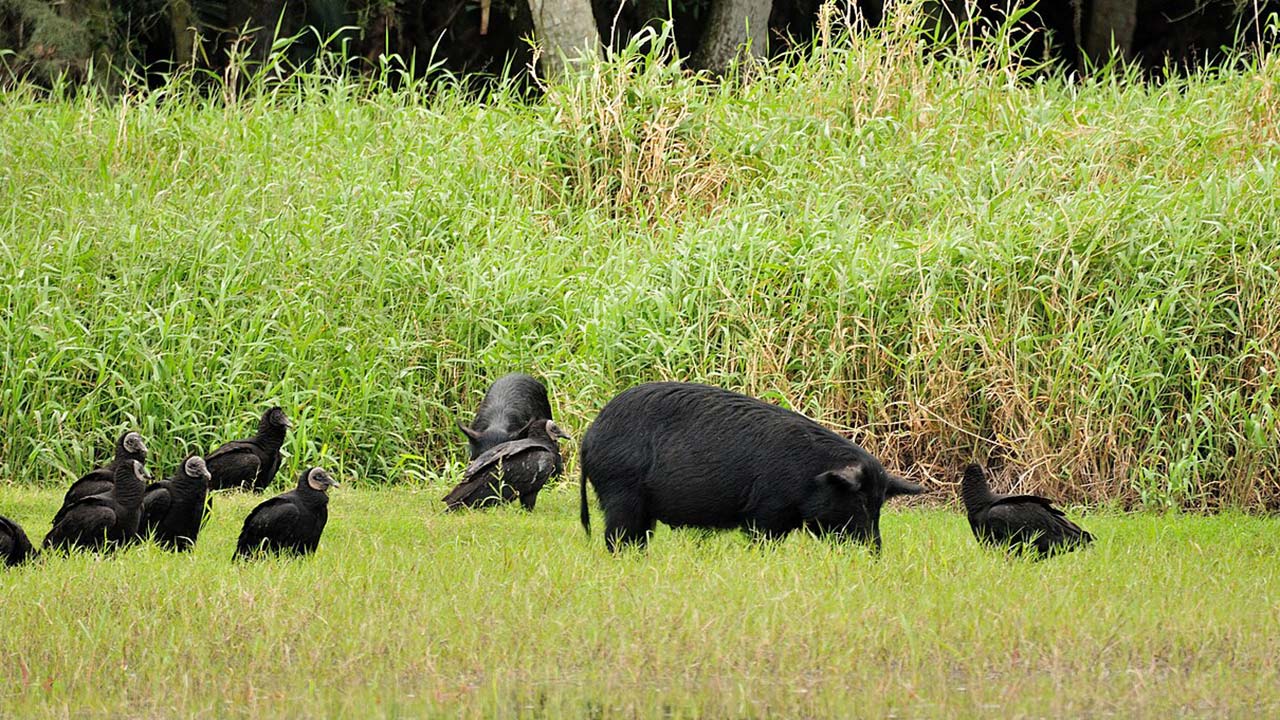
Florida has had wild hogs longer than it’s been a state, but the bill is steeper every decade. Hogs root up pastures, row crops and sod farms, rip through citrus and vegetable ground and tear up wetlands that buffer neighborhoods from flooding. USDA and state partners list Florida as one of the core hog states in their multi-state damage surveys, with producers reporting consistent losses to corn, peanuts, hay and forage. Layer in the fact that hogs love the same swamp edges and hammocks that hunters, cattlemen and developers all use, and you’ve got an invasive that eats from every side of the ledger—ag, habitat and tourism.
Georgia

Georgia sits right in the Southeast’s hog belt, and the damage reflects it. Surveys of farmers and landowners show rooting in corn, peanuts, hay and timber stands is a regular hit, not a once-in-a-while surprise. Land-grant researchers in the region now treat hogs as a standing economic problem, not just a wildlife issue, because every night a sounder spends in a field means more replanting, erosion and broken gear. By the time you add in food plots, pine plantations and small-landowner habitat projects, it’s clear the real cost in Georgia isn’t just grain lost—it’s the money poured into fixing what pigs tear up under cover of darkness.
Alabama
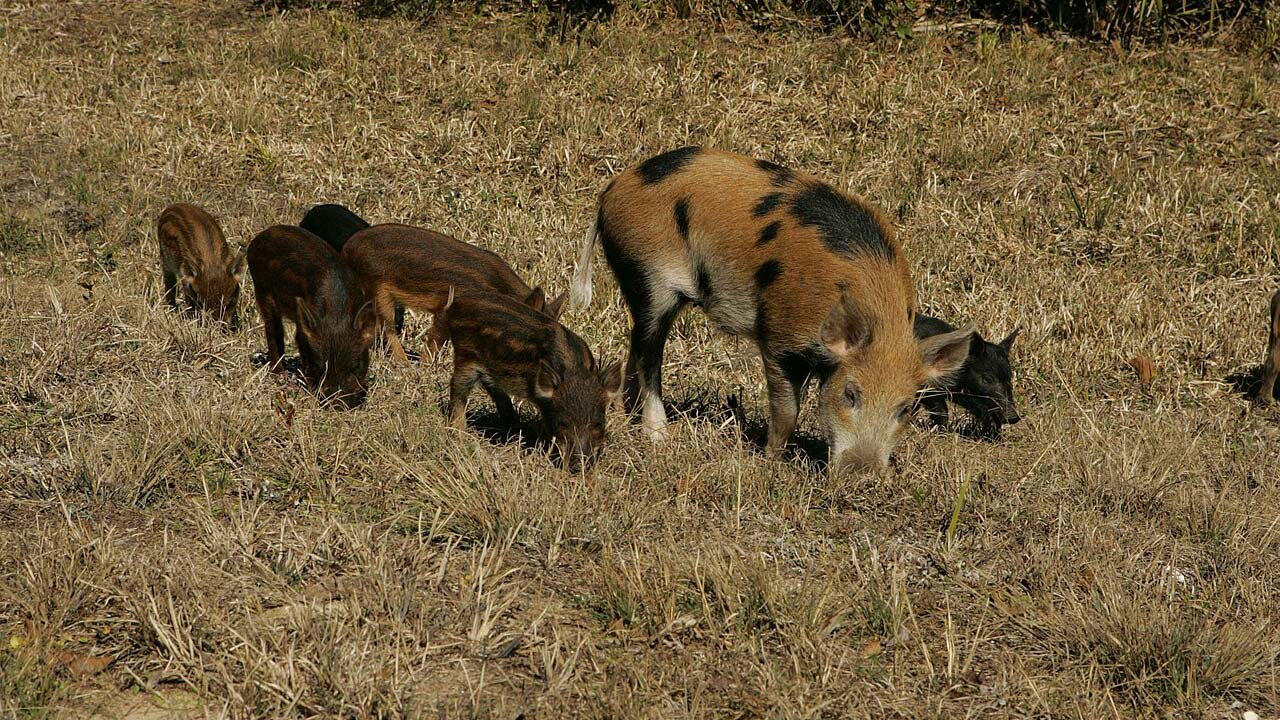
Alabama farmers don’t need a paper to tell them what hogs cost, but the numbers are still ugly. USDA-backed work that looked at 12 hog-heavy states included Alabama as a core impact state due to recurring damage reports from row crops and pastures. Producers report whole sections of corn, soybeans and hayfields flattened or rooted in a single night, with pigs also chewing into levees, ponds and equipment lanes. Control work eats time and fuel, and even when trapping and night shooting keep numbers down locally, the next hollow over is still seeding in fresh pigs. “Expensive fast” is exactly how the damage curve feels on the ground.
Mississippi

Mississippi’s blend of row crop ground, timber and bottomland makes a perfect playground for hogs, and they’re treating it that way. State and federal surveys list Mississippi alongside other Deep South states where landowners consistently report heavy losses to corn, soybeans, rice, hay and timber from rooting and wallowing. Hogs also tear up levees and creekbanks, which turns into more flooding headaches and repair bills. Between bait, diesel, traps, vet bills and lost yield, a lot of Mississippi producers now look at hog control as a year-round line item, not a side project.
Louisiana

Louisiana has hogs in all 64 parishes, and the state’s own ag center says feral swine cause “substantial economic loss” to ag and timber every year. Some survey work pegs cropland damage alone at roughly $28 per acre in parts of the state. Rice, sugarcane, soybeans and corn are all on the menu, and bottomland hardwood stands get chewed and rooted into mud wallows that are useless for regeneration. When you stack crop losses with damaged dikes, roads and wildlife habitat, hogs have turned into one of the most expensive “game-looking” animals in the state—without the benefit of being a real game species.
Arkansas

Arkansas researchers working with Louisiana and Texas land-grant schools have put real numbers on hog damage there too, with estimates again around $28 per acre of cropland hammered by pigs and roughly $11 per acre on pastureland. Hogs aren’t just nibbling soybeans and rice; they’re busting levees, chewing up hayfields and reducing pine and hardwood stands to tilled dirt in patches. Landowners who used to see the odd hog now deal with whole sounders cruising CRP, cattle pastures and duck holes, and the repair bill on top of yield loss is why Arkansas keeps showing up in every feral swine economics paper.
Missouri

Missouri is one of the states that finally said “enough” and leaned hard into eradication in certain areas, because the damage was trending the wrong way. Wild hogs have hit crops, food plots and hayfields in the Ozarks and other rough country hard enough that state and federal agencies now run coordinated removal in places like Mark Twain National Forest and private lands around it. Pigs also tear up glades, streams and oak regeneration that matter to deer and turkey hunting. By the time you factor in cost-share programs, traps, aerial gunning and habitat damage, Missouri isn’t just counting hogs—it’s counting dollars and deciding eradication is cheaper long term than living with “huntable” populations.
Oklahoma

Oklahoma shows up in the USDA’s multi-state hog-damage survey because producers there are dealing with the same story: rooted pastures, messed-up wheat and damaged hay. Hogs have spread through much of the state, and they’re hitting cattle operations and wildlife habitat at the same time. Extension and USDA staff have been working with landowners on trapping and coordinated removal programs partly because the individual bills—fixing fence, replanting, vet work after disease exposure—keep climbing. When you have to budget hog control alongside fertilizer and seed, you know the “nuisance” phase is over.
North Carolina

North Carolina’s mix of row crops, timber and coastal wetlands means hogs have plenty to wreck. The same USDA damage survey that covers the Deep South lists North Carolina as one of the 12 key hog-damage states, with producers reporting losses in corn, soybeans and specialty crops along with rooted pasture. Hogs also punch holes in dikes and drainage systems in low-lying country, which raises the stakes for flooding and saltwater intrusion. Between that and disease risk to the state’s huge pork and poultry sectors, agencies there treat hogs as a pricey threat, not an interesting extra hunting opportunity.
South Carolina

South Carolina has real numbers on paper: Clemson and the state farm bureau put hog damage around $115 million a year to agriculture, livestock and timber. That’s not hypothetical—it’s farmers watching peanuts, corn, pastures and pine stands get hammered, plus equipment damage and the cost of trapping and shooting. Hogs are now in every county, with coastal and river-bottom ground getting hit especially hard. When a single invasive animal category cracks nine figures in a small state, “getting expensive fast” isn’t an exaggeration; it’s just math.
California

California ends up in almost every wild pig damage study because hogs there tear up vineyards, rangeland, orchards, conservation areas and parks. USDA-linked work on wild pig impacts specifically calls out California as one of the core states where pigs are driving big losses to crops and habitat. Rooting in oak woodlands and rangeland turns hillsides into erosion channels. In farming country, they chew through grapes, almonds, vegetables and irrigation setups. Add regulatory and control costs in a state where access, landownership and liability are complicated, and hogs have become a six- and seven-figure headache for plenty of individual operations.
Tennessee

Tennessee wildlife officials describe wild hogs as a destructive, invasive species that cause extensive damage to crops and habitats, and statewide estimates put ag and habitat losses around $26 million a year. They root up hayfields, food plots and row crops, tear into forest understory and foul streams with wallows and waste. TWRA has gone as far as changing hog regulations and launching aggressive control efforts because simply letting people “hunt more” wasn’t keeping up with reproduction. When a state starts using words like “epidemic” in official materials, you know landowners have been feeling the cost for a while.
Hawaii

Hawaii doesn’t grow corn and soybeans on the same scale, but feral pigs there hit ranches, native forests and watersheds with a price tag of their own. Research on invasive ungulates in the islands shows pigs and axis deer causing substantial economic damage to livestock producers and long-term harm to native ecosystems. Rooting wrecks fences and pasture, spreads invasive plants and chews up native vegetation that tourists and locals both value. Control work in steep terrain isn’t cheap, and when you mix in disease risk to cattle and the cost of repairing conservation areas, hogs in Hawaii are every bit as “expensive fast” as their mainland cousins—just with fewer acres to absorb the hit.
Kansas

Kansas technically wants hogs gone, not managed, and that’s because the damage curve is ugly even at relatively low numbers. The state formed a Feral Swine Working Group and partnered with USDA years ago specifically “to eliminate feral swine” and protect agriculture, with state documents noting the damage hogs inflict on crops, livestock, equipment and plant communities. Kansas also outlawed sport hunting of feral swine to remove any incentive for people to truck pigs around and create new “hunting spots.” When a plains farm state with that much row-crop ground decides eradication plus bans is cheaper than living with hogs, you know the damage they were already seeing was nothing they wanted to turn into a permanent bill.
Like The Avid Outdoorsman’s content? Subscribe to our newsletter so you never miss an article.
Here’s more from us: