
Photo credit: garten-gg/Pixabay.com
One of the easiest ways to get yourself in trouble outdoors is assuming an animal is harmless because it looks familiar. A lot of dangerous species share features with animals people have seen a hundred times before, and that false sense of comfort is exactly what gets folks too close. Sometimes it is a snake that looks like a common water snake until you notice the head shape and body posture. Sometimes it is a cat that seems too small to be a threat until you realize it is built nothing like a house cat. The details matter, and in the field, they matter fast.
The problem is not that every lookalike is out to hurt somebody. It is that confusion leads to bad decisions. People try to move animals, photograph them too closely, let dogs investigate, or wave off warning signs because they think they know what they are looking at. That is a good way to get bitten, clawed, charged, or worse. These are some of the dangerous animals people most often mistake for harmless ones, and knowing the difference can save you a world of trouble.
Cottonmouths mistaken for water snakes
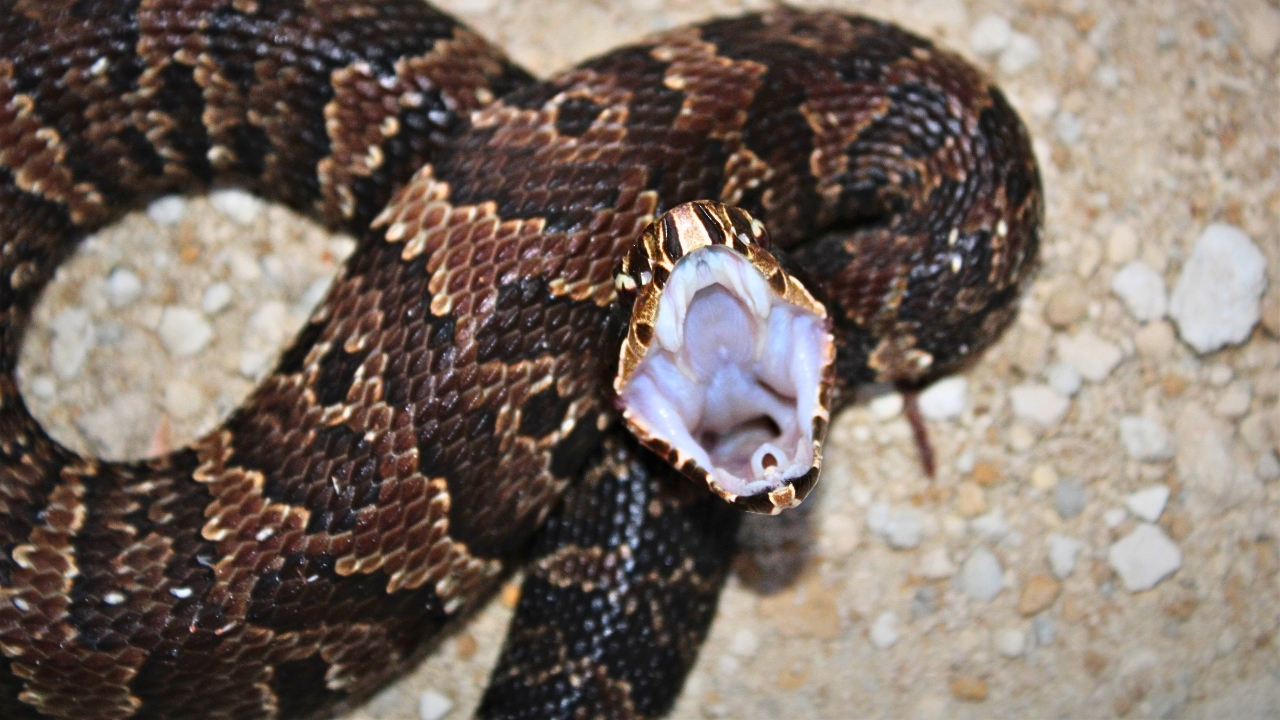
This is probably one of the most common and most dangerous mix-ups in the South. People see a thick-bodied snake in or near the water and immediately assume it is just a harmless water snake. Sometimes it is. A lot of water snakes get killed for no reason because people panic and call everything a cottonmouth. But the opposite mistake is the one that can hurt you. A real cottonmouth is venomous, often heavier-bodied, and can hold itself with a very different kind of confidence when threatened. They also tend to show that famous white mouth when they feel cornered.
The trouble is that both snakes can show up in the same places. Creek banks, ponds, drainage ditches, cypress edges, flooded timber, and muddy backwaters all hold both harmless water snakes and cottonmouths in many areas. If you are not good at telling the difference, the smart move is simple: give all of them room. Do not try to poke one with a stick, grab it, or crowd in for a photo. People get in trouble because they decide what it is before they really know, and with cottonmouths, that is a bad animal to guess wrong on.
Copperheads mistaken for harmless brown snakes

Copperheads fool people all the time because they do not always stand out the way folks expect a venomous snake to stand out. When leaves are down, when the light is bad, or when one is stretched along a trail edge, a copperhead can look like just another brown woodland snake to someone not paying close attention. That is especially true with younger snakes or individuals partly covered by leaves. People step near them, reach over logs, or let kids and dogs wander right into them because the snake did not trigger that instant danger reaction.
What makes copperheads such a problem is how well they disappear in exactly the kind of places people relax. Woodpiles, rocky landscaping, brush edges, creek banks, leaf litter, and shaded yards are all good copperhead country. They are not aggressive in the cartoon sense people imagine, but they do hold their ground well because camouflage does a lot of the work for them. By the time somebody realizes it is not a harmless brown snake, they are often already too close. That is why any snake with that coppery, banded look deserves space until you know for sure what you are seeing.
Coral snakes mistaken for scarlet kingsnakes

This one gets taught a lot, but people still mess it up because they half-remember the rhyme and trust it more than they should. Coral snakes and scarlet kingsnakes can look similar enough to cause real confusion, especially when somebody sees one only for a second crossing a path or road. Both can have red, yellow, and black bands, and if the body is partly hidden or dirty, that color pattern gets even harder to read. Folks see bright bands and either panic over a harmless snake or shrug off a dangerous one because they assume it is just a kingsnake.
The bigger issue is that people lean too hard on quick tricks instead of keeping distance. A coral snake is venomous, and while bites are less common than with some other species, it is not something to treat casually. Scarlet kingsnakes are harmless and actually useful to have around. But when you are bent down trying to sort out band order from a few feet away, you are already making the wrong choice. Brightly banded snakes are a good example of why the safest move is not getting better at crowding them. It is recognizing when to leave one alone and keep moving.
Timber rattlesnakes mistaken for harmless rat snakes
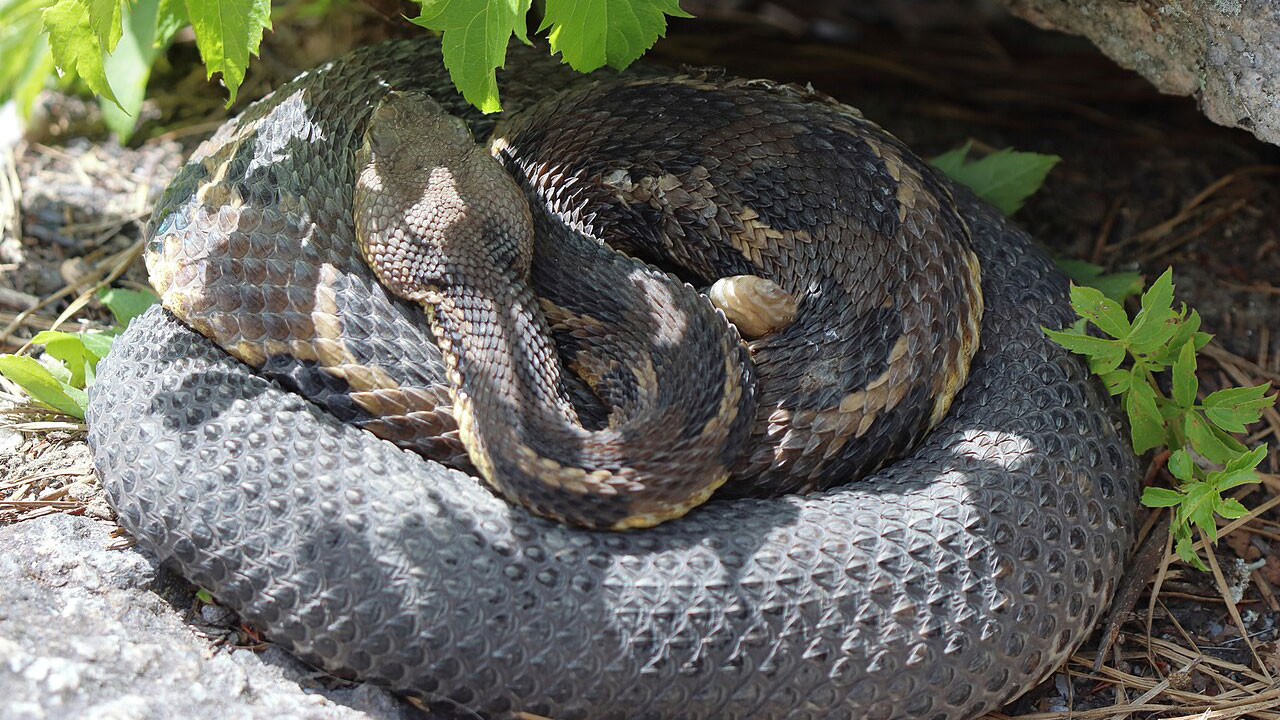
A big timber rattler stretched out in leaves or draped near a blowdown can fool people who are used to seeing long, dark rat snakes in the woods. At a quick glance, both can look like just another heavy-bodied snake using the cover. That is especially true when the rattle is not obvious or the snake is lying still. People will sometimes walk right toward one thinking it is a harmless rat snake headed for a tree or rock ledge, and that kind of assumption can get ugly in a hurry.
Rat snakes are common around barns, woodlines, rocky hillsides, and old structures, which means people build confidence around them. The problem comes when that confidence carries into country where rattlesnakes live too. Timber rattlers can be thick, well-camouflaged, and a whole lot quieter than folks expect. They do not always rattle right away, and they do not need to announce themselves just because somebody is careless. In rocky hardwood country, especially where there are sunny ledges and rough timber, any large snake deserves a second look from a safe distance before you decide it is harmless.
Juvenile alligators mistaken for harmless lizards
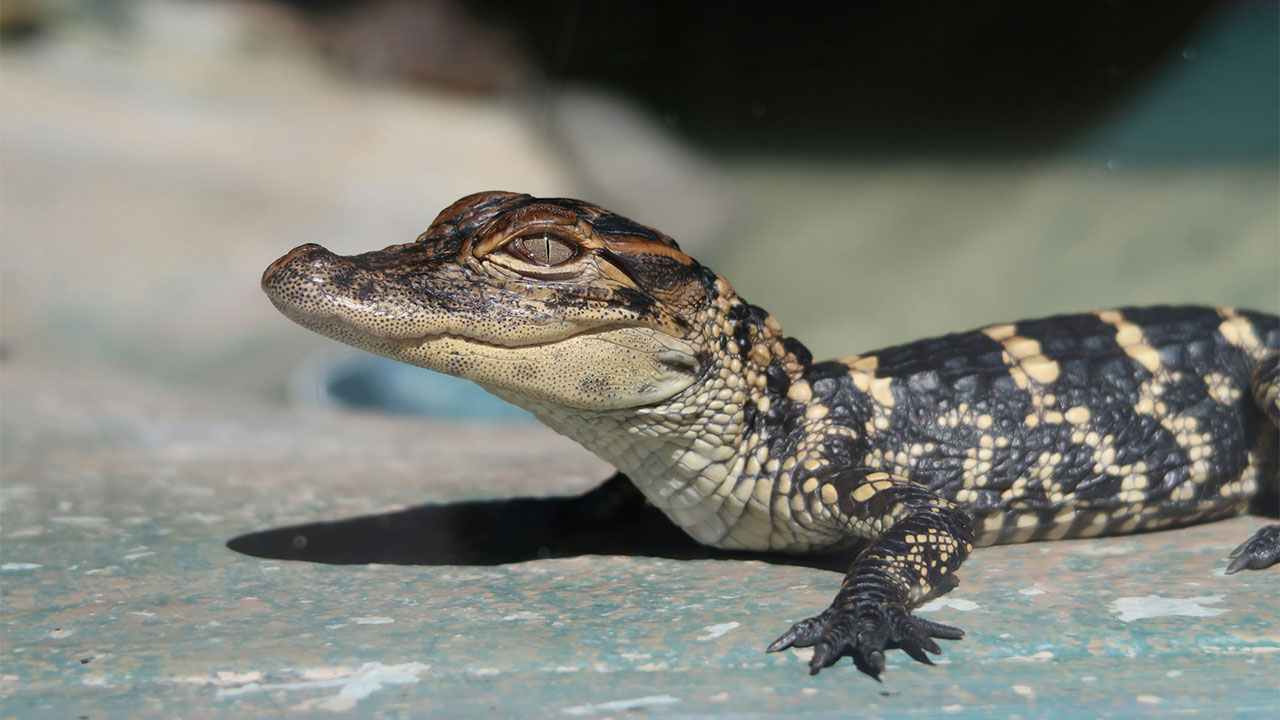
Small alligators are one of those animals people get way too casual around because they do not yet look impressive. A juvenile gator paddling along a bank or lying near the edge of a retention pond can strike people as more interesting than dangerous. They treat it like a big lizard, something funny to film or point out to the kids. That is bad enough on its own, but what really makes it risky is that where there is one small gator, there may be a bigger one close by, and mama may not be far off either.
Young alligators still bite hard, move fast, and do not need to be big to ruin somebody’s day. They are also a sign that the body of water is active gator habitat, which means your attention should be on the whole area, not just the little one you can see. People get into trouble because the size lowers their guard. They let dogs splash nearby, walk too close for a photo, or linger at the bank like they are looking at a turtle. In gator country, even a “small one” should flip the switch in your head from curious to careful.
Mountain lions mistaken for big house cats
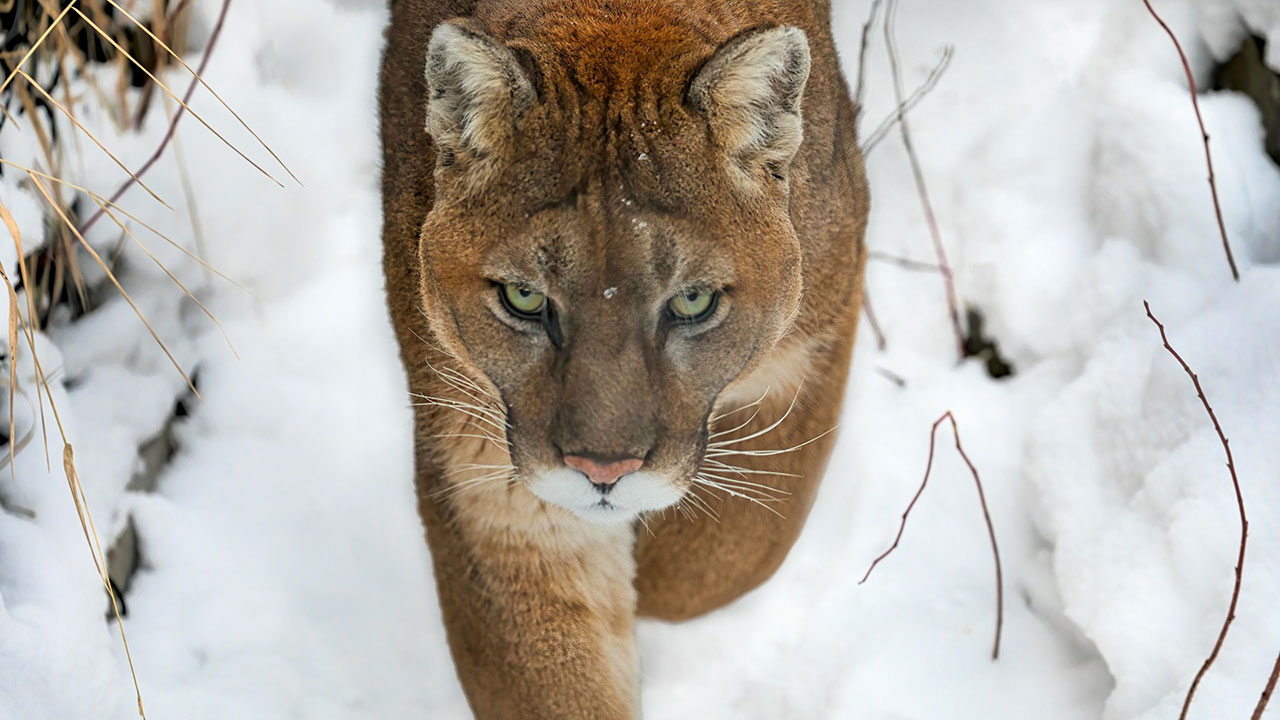
Every now and then somebody sees a mountain lion moving along a tree line or slipping through a pasture edge and brushes it off as a large tabby or somebody’s outdoor cat. That sounds ridiculous until you realize how often sightings happen at dawn, dusk, or distance, which is when scale gets hard to judge. A lion moving low and smooth through grass does not always look huge right away. The long tail is the giveaway if you can see it clearly, but not everybody does. That is how people talk themselves out of what they just saw.
The risk here is less about somebody trying to pet one and more about failing to react the way they should. A mountain lion is not just a big harmless cat passing through. If you are in lion country and you catch a glimpse of a cat that seems too large, too long, too muscular, or just wrong for a house cat, take that seriously. Get kids close, leash the dog, and pay attention to your surroundings. People like to downplay uncertain sightings because they do not want to sound dramatic, but that is exactly how dangerous animals get dismissed until the evidence gets a whole lot harder to ignore.
Bobcats mistaken for oversized tabbies

Bobcats get mistaken for house cats all the time, especially females and younger animals. At a distance, a bobcat crossing a yard, trail, or road edge can look like just a chunky outdoor cat with a weird walk. The spotted coat does not always show well in poor light, and unless somebody gets a clear look at the short tail and body build, they may not realize what they are looking at. That gets people too relaxed around them, especially in neighborhoods or parks where they assume anything cat-shaped must be familiar.
Now, a bobcat is not usually looking for trouble with people, but it is still a wild predator with claws, teeth, and a very different set of reactions than a tame cat. Corner one, crowd one, let a dog push one, or get too close to kittens, and that situation can turn in a hurry. Around town, this matters because bobcats are living closer to people than many realize. Someone sees one in the yard and treats it like a neat neighborhood cat instead of what it is. That mistake can lead to people lingering, filming too close, or trying to shoo it in ways they would regret fast.
Wolverines mistaken for badgers or other small furbearers

A lot of people never expect to see a wolverine in the first place, which is part of what makes them easy to misread. At a glance, especially in rough country or on a fast-moving trail cam clip, some folks take them for oversized badgers, fishers, or just some other odd mid-sized furbearer. The problem is that wolverines are on a different level entirely when it comes to attitude and toughness. They are built like a grudge with legs and do not need to be huge to be dangerous if cornered or pressured.
The confusion usually happens in northern or mountainous country where people are already primed to think “mustelid” but not necessarily “wolverine.” A badger is plenty tough on its own, but a wolverine brings a lot more power, range, and unpredictability. Nobody should be trying to approach either one, but the point stands: when people mentally downgrade an animal, they act looser around it. They follow tracks too casually, pressure it for better photos, or let dogs range where they should not. A real wolverine deserves a lot more respect than the average harmless-looking critter people first imagine.
Moose calves mistaken for harmless deer young
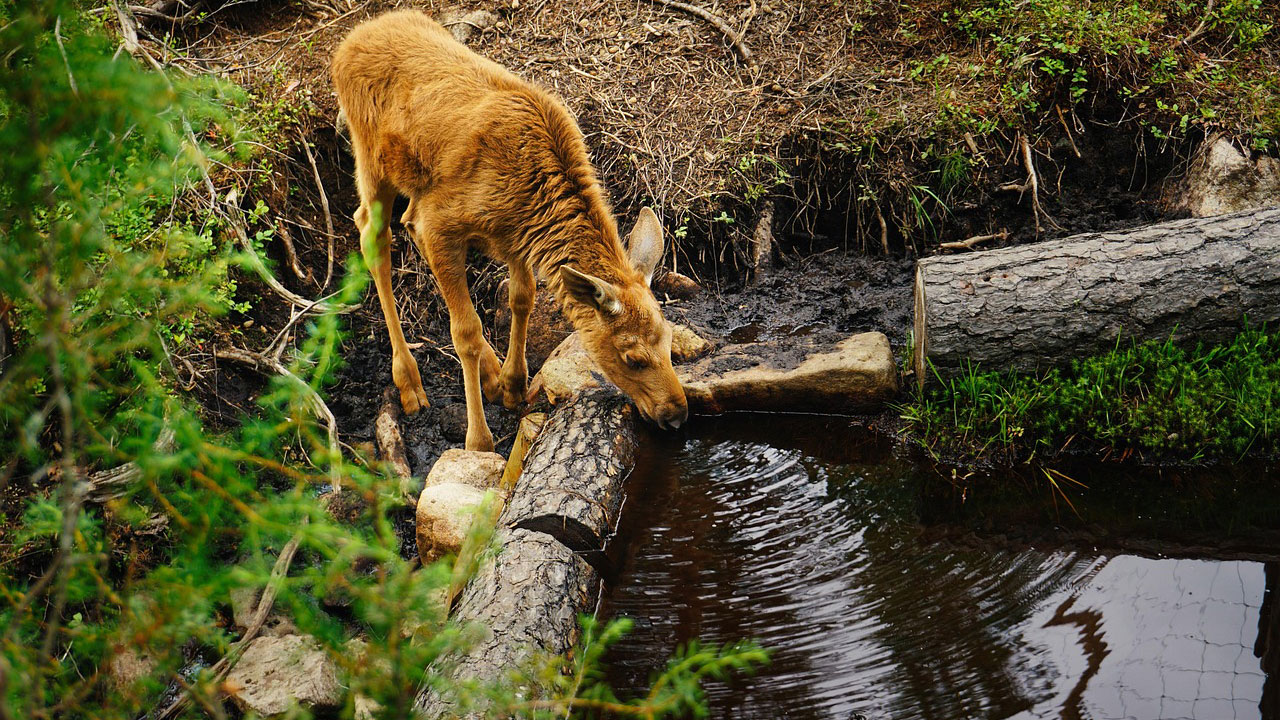
This is one that catches people in northern country every year. Someone sees what they think is a young deer standing in the brush or near a trail and gets curious instead of cautious. But a moose calf is not something you want to casually approach, mostly because the calf is only half the equation. The real danger is the cow moose nearby. She may be bedded just out of sight, feeding in the willows, or already locked onto your movement. And a cow defending a calf is one of the last animals you want deciding you came too close.
Young moose can look awkward and harmless, especially from a distance. That is what makes the confusion so risky. Deer often flee early. Moose do not always handle pressure that way. A protective cow may come hard, and when a moose decides to run you off, it is not some bluffing little charge. In moose country, anything that looks like a deer young but seems too big, too long-legged, or too comfortable in thick cover should make you back off. People get in trouble because they focus on the cute part of the sighting and forget the mother could be just seconds away.
Bison calves mistaken for docile livestock young
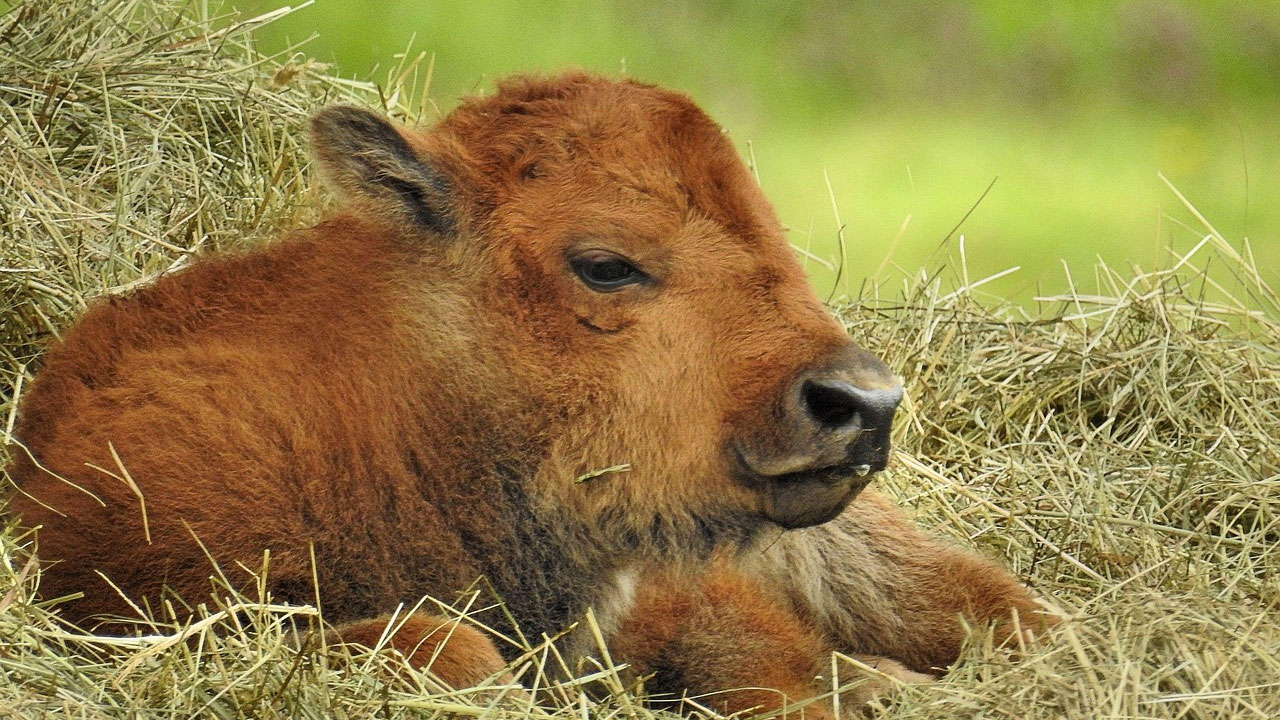
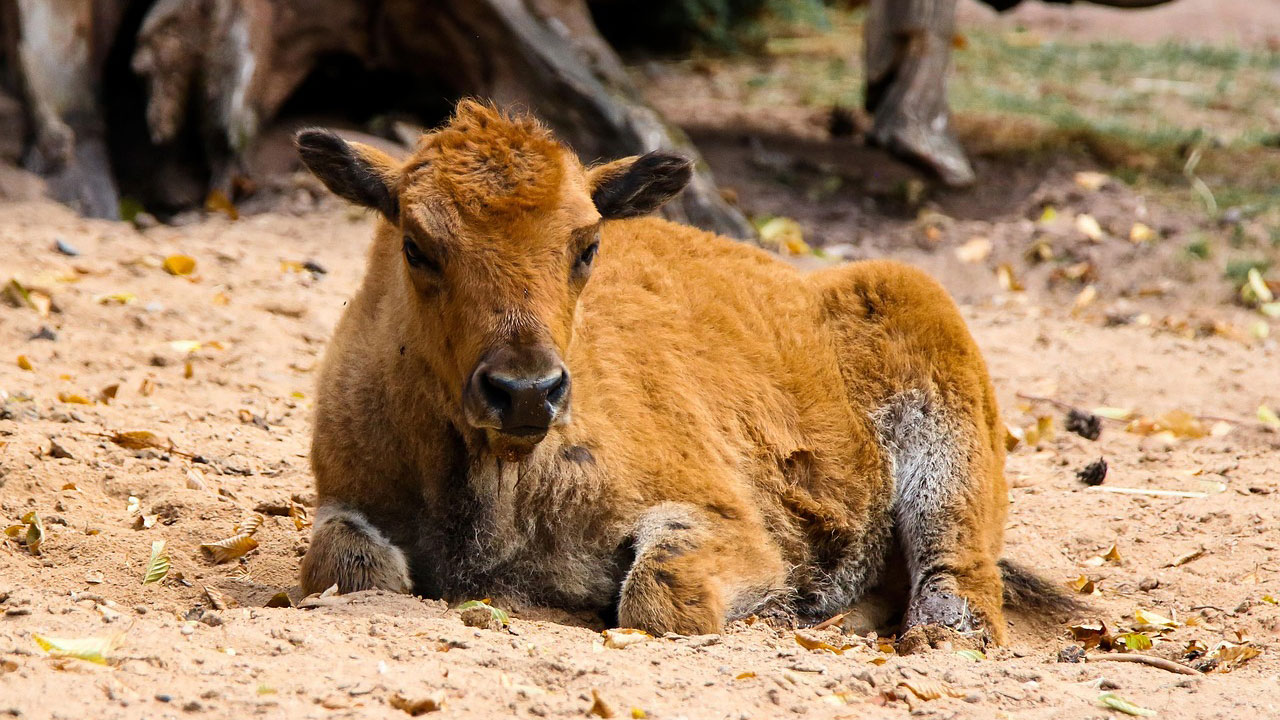
Tourists and casual visitors get this one wrong constantly. A bison calf can look like a shaggy little farm animal to somebody who is not thinking clearly, especially in parks or open ground where people are already treating wildlife like scenery. They see a calf and assume the adults nearby will react like cattle in a pasture. That is a serious mistake. Bison are not livestock with good manners. They are heavy, fast, short-tempered when pressured, and fully capable of sending somebody airborne for making a dumb choice.
The calf is what causes people to close distance. They want a photo, or they think being near the calf will make the shot better, or they assume the adults are calm because they are standing still. That is how people end up way too close to an animal that can cover ground much faster than they can. If you are around bison, especially during calving season, treat every calf as a warning sign, not an invitation. The harmless look of a young animal has caused more than a few folks to ignore the kind of danger that is standing right there in plain sight.
Elk calves mistaken for deer fawns
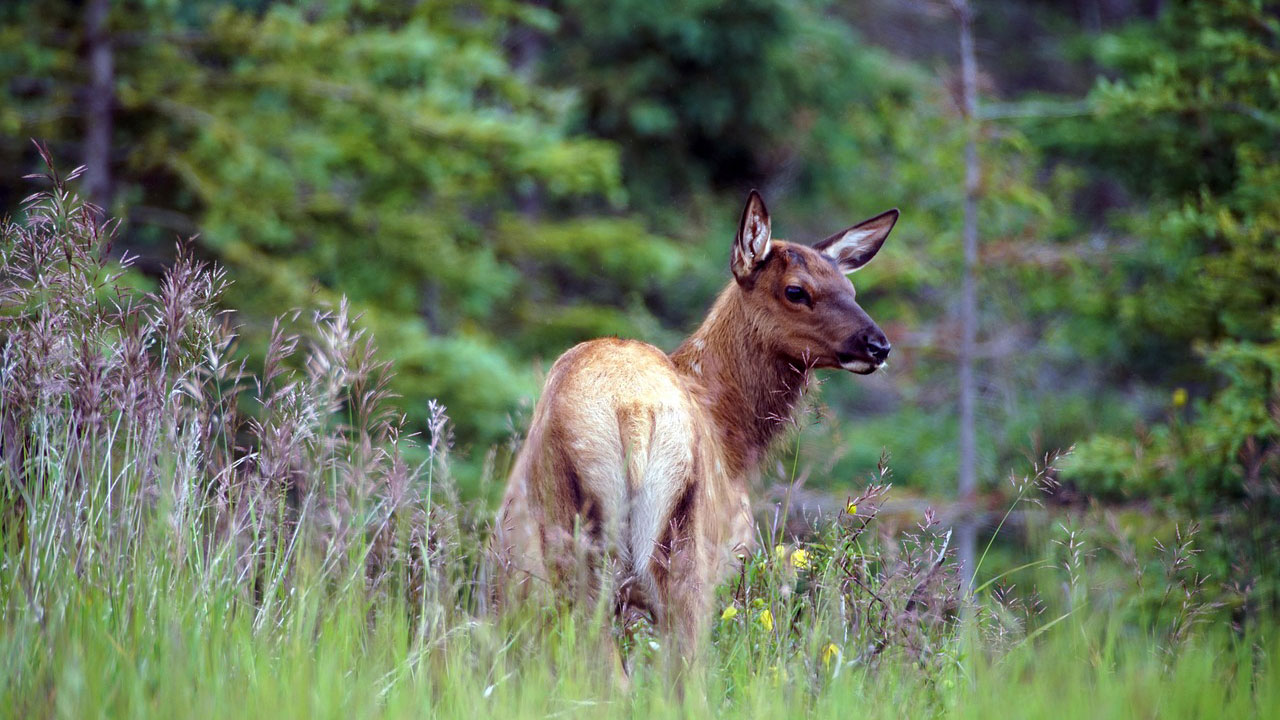
Elk country brings its own version of this problem. A calf elk in thick cover or meadow edge can look harmless enough to someone used to white-tailed deer fawns. It is young, it is not very large yet, and people assume the same backyard logic applies. But an elk cow with a calf is a whole different animal than a doe slipping off with a spotted fawn. During calving season, cows can get defensive in a hurry, especially if somebody stumbles in too close on a trail, around camp, or near timbered feeding areas.
The issue is not just identification. It is the reaction that follows. People see a calf and slow down, linger, talk softly, and sometimes even move closer like they are doing the animal a favor by staying calm. Meanwhile the cow may be watching and deciding when enough is enough. An elk is big enough to do real damage fast, and in some places people forget that because they think of them as majestic before they think of them as dangerous. A calf that seems harmless can be the exact sign that says you are already standing where you should not be.
Wolf-dog hybrids mistaken for friendly strays
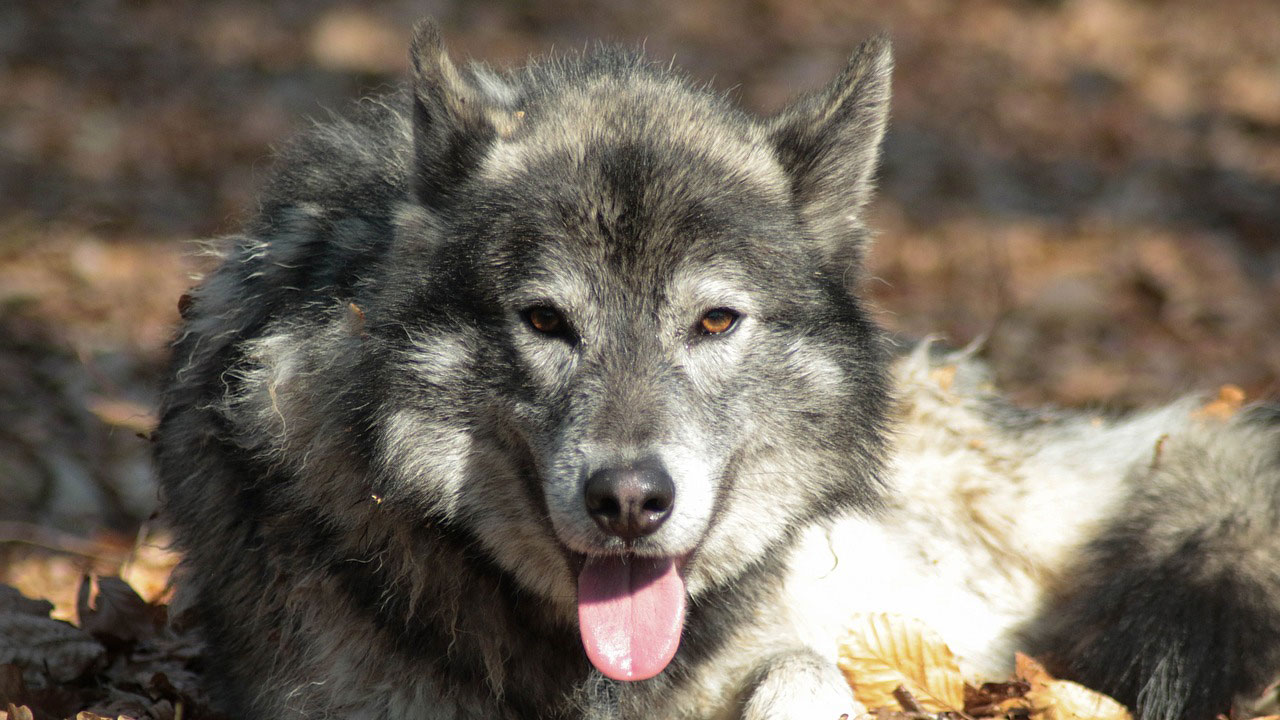
Not every odd-looking canine in the woods or at the edge of a rural property is a simple lost dog. Sometimes people run into wolf-dog hybrids or feral canines that carry just enough familiar dog behavior to lower their guard. That is where things get tricky. The animal may seem curious instead of fearful, or it may hold eye contact longer than a normal stray, or move with a kind of confidence that feels just a little off. Folks read that as friendliness when really it may just be a wild or half-wild animal sizing them up.
The danger in these mix-ups is that people use domestic dog logic on an animal that may not follow it at all. They crouch down, call to it, reach a hand out, or let their own dog make contact first. That is not smart. Wolf-dogs, feral dogs, and hard-running coyote-dog mixes can be unpredictable in ways a pet owner may not be ready for. If a canine seems wrong for a normal stray, trust that instinct. Bigger frame, unusual movement, intense stare, and no interest in normal human cues are all reasons to keep your distance instead of trying to play rescuer.
Venomous spider species mistaken for harmless house spiders

A lot of spider bites happen not because people knowingly mess with dangerous spiders, but because they assume every brown or black spider in the garage is just another harmless house spider. Brown recluse and black widow spiders get overlooked all the time by people moving boards, gloves, shoes, feed bags, or stored boxes. They are not charging across the room like something out of a horror movie. They are sitting in dark, protected places where hands go before eyes do, and that is exactly what makes them dangerous lookalikes.
Part of the problem is familiarity. Folks see spiders often enough that they stop assigning risk unless the spider looks dramatic. A black widow may be tucked under a rim or ledge where the red marking is not obvious. A brown recluse may look plain enough to be ignored completely. But the plain look is part of what fools people. In sheds, barns, closets, crawl spaces, and old storage areas, you are better off assuming a hidden spider could matter and handling things accordingly. Gloves, light, and a little patience beat finding out after the bite that it was not just another harmless spider.
Venomous centipedes mistaken for harmless millipedes

People mix these up more than they should, especially in warm, damp country where both can show up under logs, rocks, flowerpots, and old boards. Millipedes are mostly harmless detritus-eaters that curl up and mind their business. Centipedes are a different story. Large centipedes are fast, aggressive-looking, and capable of delivering a painful bite. But when somebody only catches a quick glimpse of “long buggy thing with lots of legs,” they may not register the difference until they have already tried to pick it up or kick it aside.
The shape gives a lot away if you slow down enough to notice it. Centipedes are flatter, quicker, and built like predators. Millipedes move slower and look more rounded. Still, most people are not sorting out body structure in real time when they are clearing debris or doing yard work. That is why this one matters. The harmless look of “just some creepy crawler” leads to careless handling. If you are working in rock piles, wood stacks, old landscaping, or damp corners around outbuildings, treat both like something you do not need bare-handed until you know which one you are looking at.
Baby venomous snakes mistaken for harmless young snakes
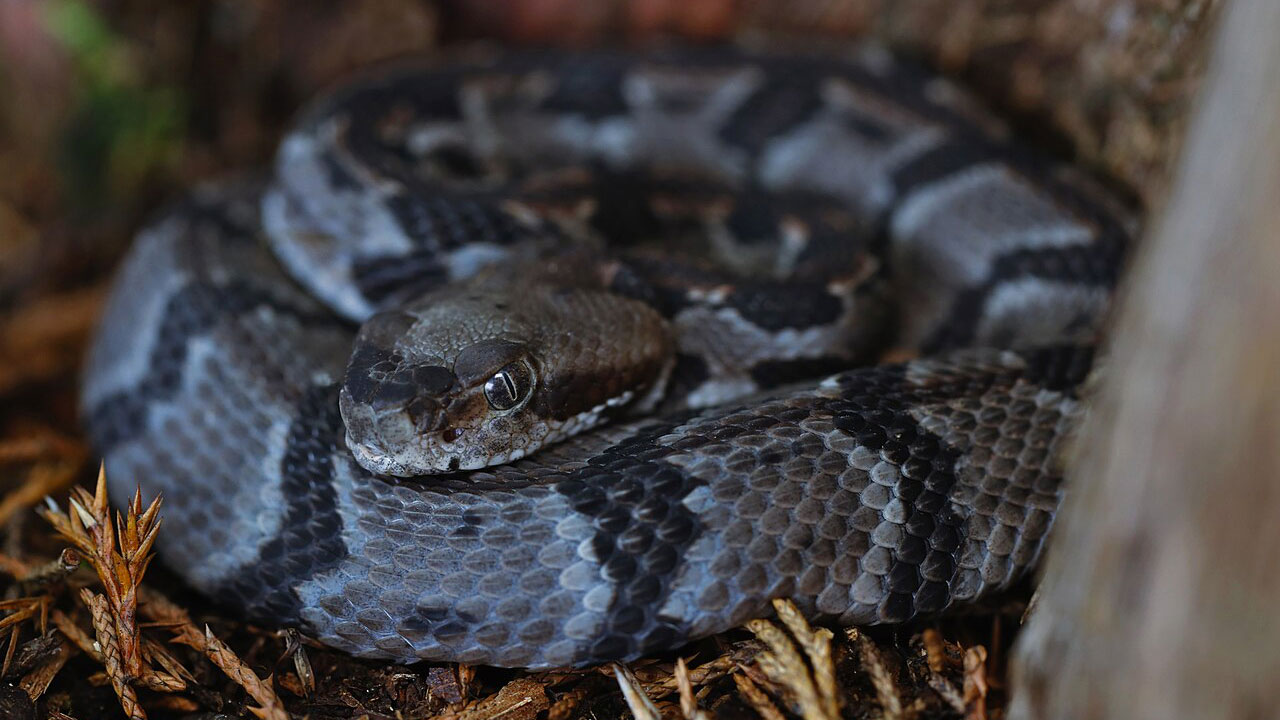
One of the worst assumptions people make is that a small snake must be a harmless one. That gets repeated so often in practice that it becomes instinct. Somebody sees a tiny snake crossing a driveway, curled beside a flower bed, or tucked near a woodpile and figures it is too little to be a real threat. But baby copperheads, rattlesnakes, and other venomous species still count, and they can be even harder for people to identify because they do not look exactly like the bigger adults folks think they know.
The mistake usually starts with size, then gets worse with overconfidence. People try to move the snake with a broom, get close for a picture because it is “just little,” or let kids crowd around and look. That is backward thinking. A small venomous snake is still a venomous snake, and in some cases people say the young ones are harder to read because folks do not recognize the pattern as fast. The safer rule is simple: stop treating size like a safety feature. Outdoors, little does not mean harmless, and that lesson comes with a price when snakes are involved.
Like The Avid Outdoorsman’s content? Subscribe to our newsletter so you never miss an article.
Here’s more from us:


