Photo credit: Bildagentur Zoonar GmbH/Shutterstock.com
Some dog breeds are forgiving. They can tolerate inconsistent training, a missed walk, or an owner who is still figuring out timing and boundaries. Others are not nearly so easy. A powerful guardian, high-drive herding dog, or independent livestock breed can turn small mistakes into serious problems simply because the dog has more intensity, strength, or instinct than a beginner knows how to manage.
That does not make these dogs bad family companions. Many are deeply loyal, intelligent, and exceptional at the work they were bred to do. The issue is that they usually need an owner who understands structure, socialization, exercise, and breed-specific behavior before problems start. A first-time owner can succeed with any breed, but these 20 make the learning curve much steeper than it needs to be.
Belgian Malinois

The Belgian Malinois may be the clearest example of a dog that looks impressive on social media and becomes overwhelming in an ordinary household. They are extremely intelligent, athletic, fast to learn, and capable of remarkable obedience when given serious work.
The problem is that all of that drive has to go somewhere. A Malinois that does not get enough physical and mental work can become destructive, frantic, mouthy, or obsessive. They also learn bad habits just as quickly as good ones, so inconsistent training can create problems fast. These dogs were developed to work closely with handlers for long periods, not spend most of the day waiting for a short evening walk. Experienced owners often love them. Beginners can quickly discover they accidentally bought themselves a full-time hobby.
Dutch Shepherd
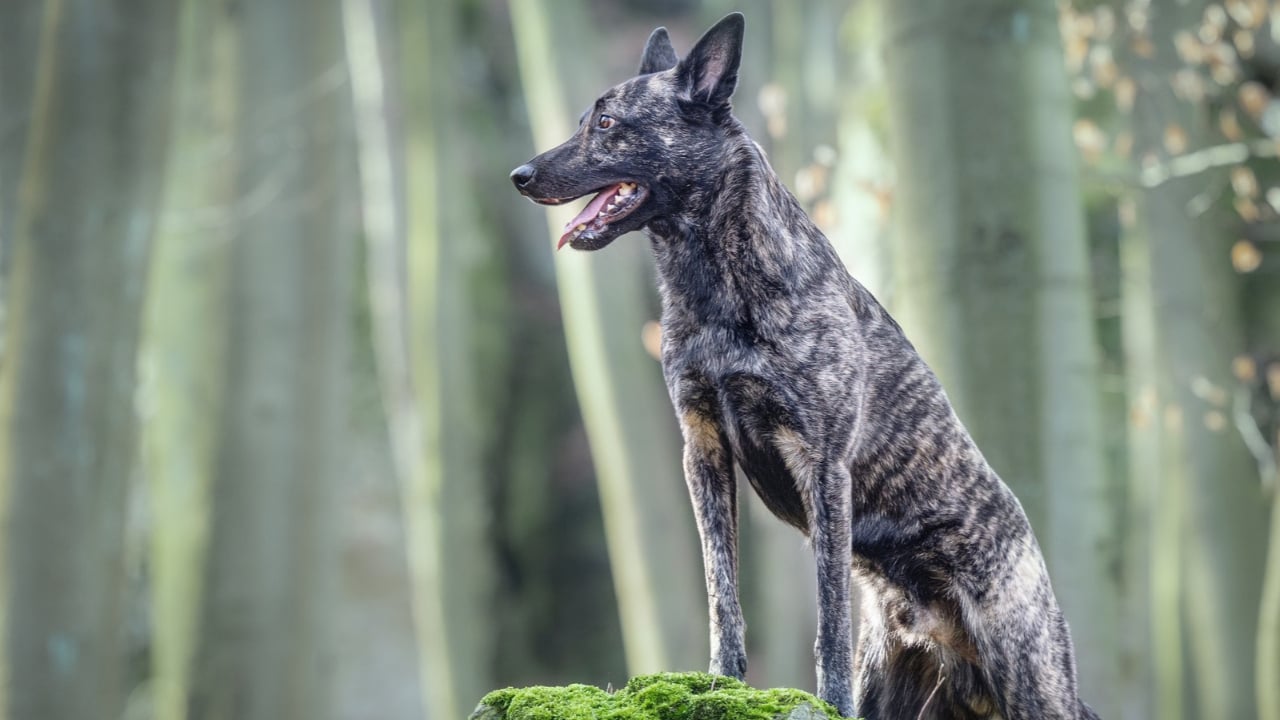
Dutch Shepherds share many of the same qualities that make Belgian Malinois difficult. They are highly trainable, athletic, alert, and often intensely focused on their handler and environment.
That sounds ideal until you realize how much management that level of awareness requires. Many Dutch Shepherds need structured training, meaningful exercise, and clear expectations every day. They can also be suspicious of unfamiliar people or dogs if socialization is poor. A beginner may mistake intelligence for ease of ownership, but smart working breeds often require more skill because they constantly test what behavior gets rewarded. In experienced hands, a Dutch Shepherd can be outstanding. In a casual home, all that drive can become exhausting.
Cane Corso
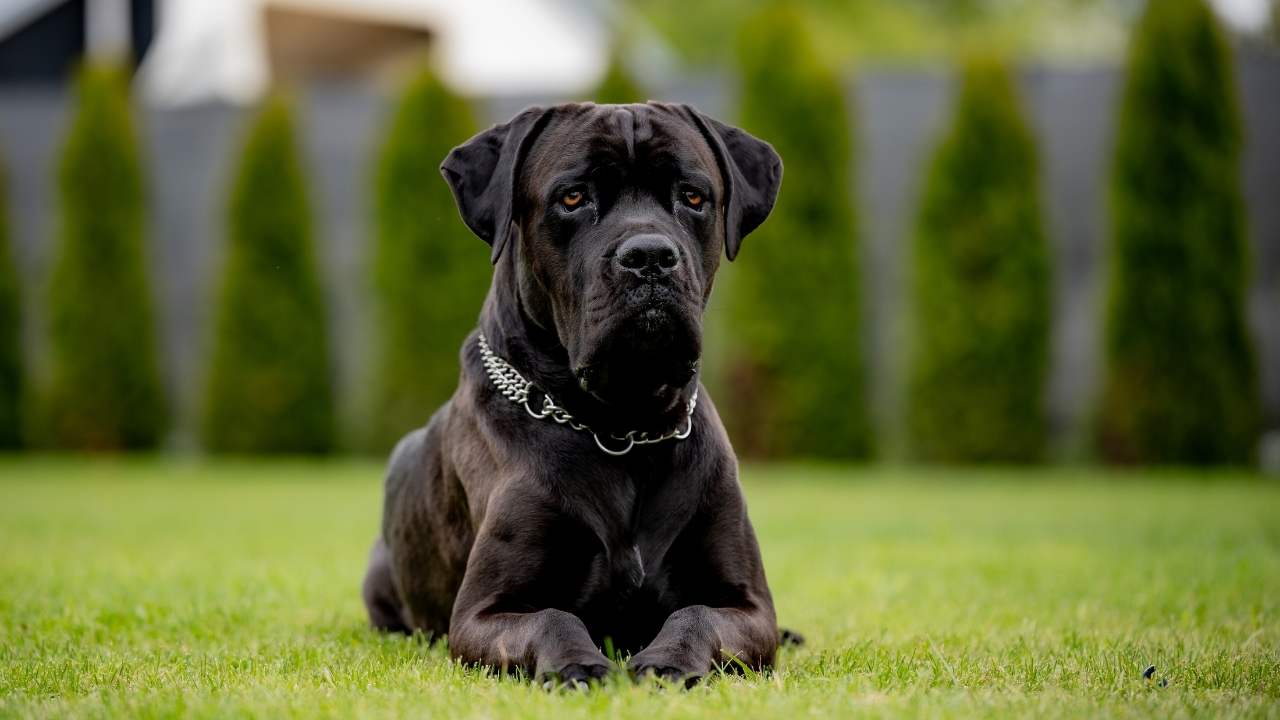
The Cane Corso is a powerful guardian with enough size and confidence that mistakes matter. A poorly trained small dog may be annoying. A poorly trained 100-pound Corso can become extremely difficult to control.
They are naturally protective and often reserved around strangers, which means early socialization cannot be treated casually. Owners need to teach calm behavior, leash manners, boundaries, and neutrality before the dog reaches full size. Corsos also tend to be strong-willed enough that inconsistent rules quickly become obvious to them. They can be affectionate and deeply attached to their family, but that does not make them easy. A beginner who wants a large protective dog is usually better off learning dog ownership with a less demanding breed first.
Akita

Akitas are dignified, quiet, loyal, and often extremely devoted to their household. They are also independent enough that owners expecting Labrador-style eagerness to please can be in for a surprise.
Many Akitas are naturally aloof with strangers and can be intolerant of unfamiliar dogs, particularly dogs of the same sex. That makes socialization and management important from an early age. They are powerful animals, and once an adult Akita decides it wants to go somewhere, physical strength alone is a poor training strategy. They need an owner who respects the breed’s independence without allowing it to become uncontrolled behavior. Beginners are often surprised by how little interest an Akita has in repeating commands simply to make the owner happy.
Caucasian Shepherd Dog
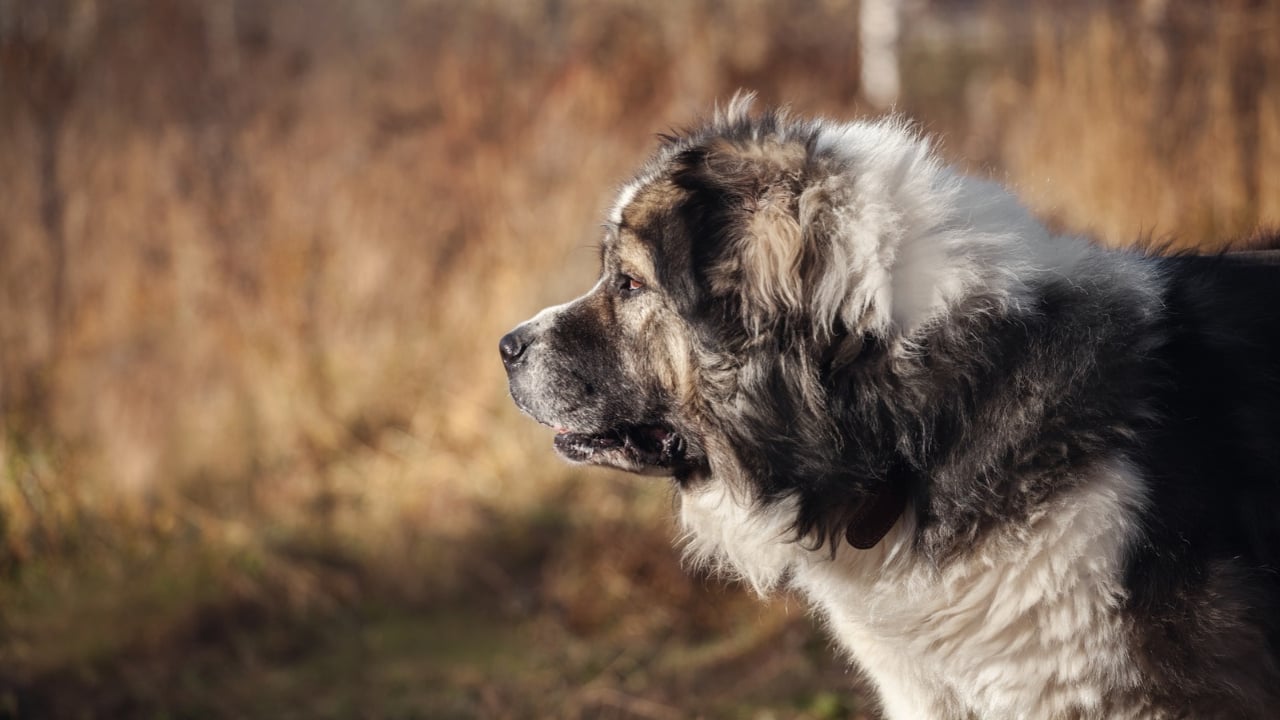
The Caucasian Shepherd was developed to protect livestock and property from serious threats. That background produced a massive, independent guardian that is supposed to make decisions without waiting for constant direction from a person.
Those qualities are nearly the opposite of what makes a beginner-friendly dog. Caucasians can be highly territorial, suspicious of strangers, and difficult to redirect once they believe something poses a threat. Their enormous size compounds every management mistake. They need secure containment, careful socialization, and an owner who understands guardian behavior rather than trying to turn them into oversized obedience dogs. They can be calm and loyal with their own people, but this is not a breed to choose simply because you want a large dog that will protect the property.
Central Asian Shepherd
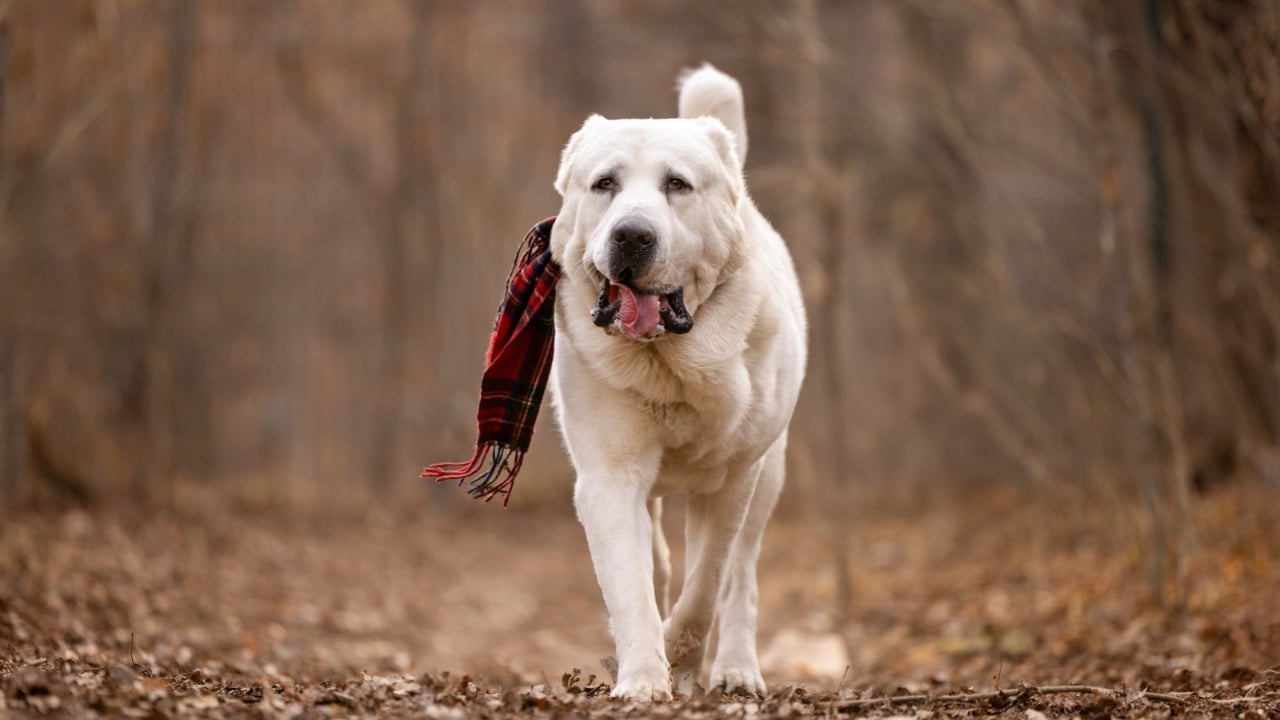
The Central Asian Shepherd is another livestock guardian built around independence rather than constant obedience. These dogs have spent generations protecting animals and territory with minimal human direction.
That means they tend to think for themselves. An owner may give a command and discover the dog has already decided whether complying makes sense. They are powerful, territorial, and often naturally suspicious of unfamiliar animals or people. A beginner may interpret that independence as stubbornness and try to correct it with increasingly heavy-handed training, which can make things worse. Central Asian Shepherds need experienced management, secure property, and realistic expectations. They can be exceptional guardians, but they were never designed to behave like conventional suburban pets.
Anatolian Shepherd

Anatolian Shepherds are outstanding livestock guardians because they are independent, alert, and willing to make decisions without waiting for human approval. Those same characteristics can make them difficult household dogs.
They often roam if given the opportunity because patrolling territory is deeply ingrained. Recall can be unreliable once something catches their attention, and many Anatolians are naturally suspicious of unfamiliar dogs or people approaching their property. They are also large enough that poor leash manners become a serious problem. An experienced rural owner who understands livestock guardians may find them remarkably easy because the dog is doing exactly what it was bred to do. A beginner expecting conventional pet-dog behavior may spend years fighting instincts that were intentionally bred into the animal.
Great Pyrenees

Great Pyrenees can fool people because they are often calm, gentle, and remarkably patient with their family. That temperament makes them look easier than many guardian breeds.
Then nighttime comes and the barking starts. Or the dog discovers a gap in the property and decides to patrol half the county. Great Pyrenees were bred to operate independently around livestock, so recall and blind obedience are rarely their strongest qualities. They also bark because warning predators away is part of the job, and that behavior can become a major problem in close neighborhoods. They can be fantastic rural dogs with room and purpose, but beginners need to understand that their independence is not a training defect. It is the breed working as intended.
Presa Canario

The Presa Canario combines serious physical power with strong guarding instincts. That makes good training and socialization essential rather than optional.
A well-bred Presa can be stable and devoted to its family, but the breed is not generally interested in greeting every stranger like an old friend. Owners need to teach neutrality without expecting the dog to become socially outgoing. They also need enough experience to recognize changes in body language before a situation escalates. The Presa’s size means that leash pulling, resource guarding, or poor impulse control become much bigger issues than they would with a smaller breed. Beginners often underestimate how much responsibility comes with owning a dog physically capable of overpowering most adults.
Rottweiler
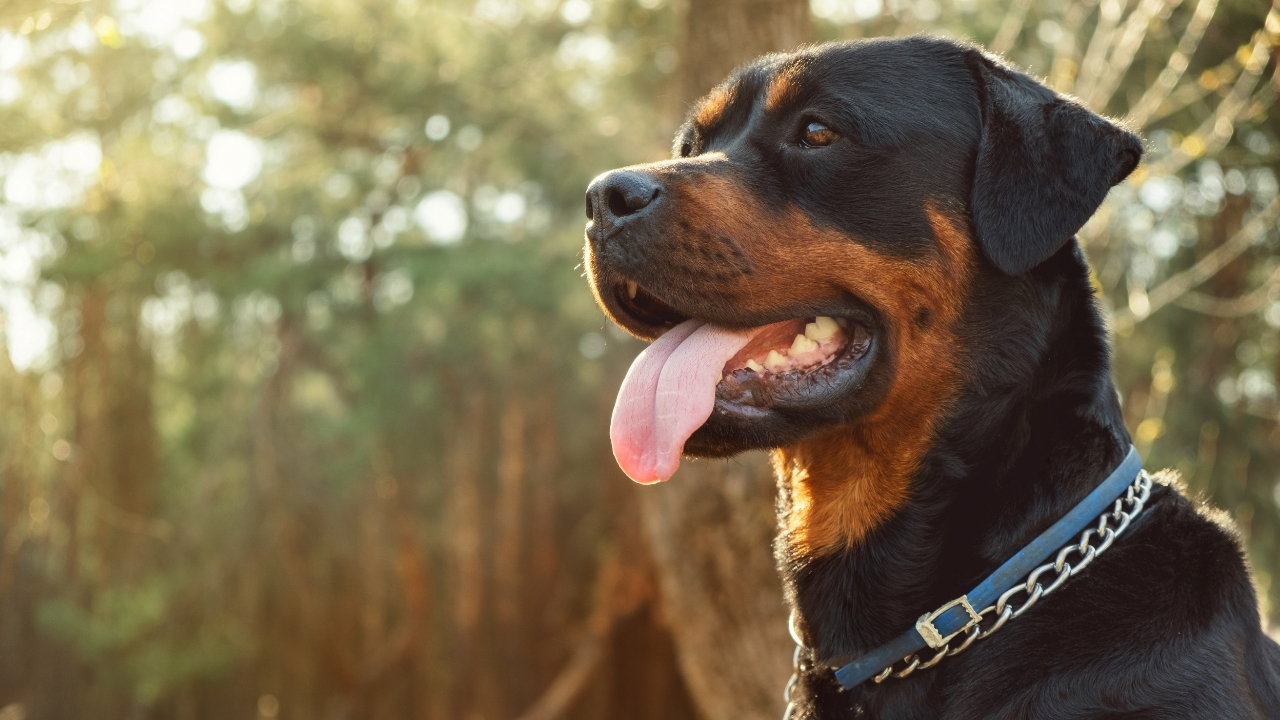
Rottweilers can be excellent family dogs, but they are not automatically easy simply because they are common. They are powerful, confident, intelligent, and frequently more sensitive to inconsistent handling than people expect.
A young Rottweiler needs clear rules before it reaches full size. Jumping, pulling, guarding objects, or ignoring commands may seem manageable in a puppy and become serious once the dog reaches 90 or 100 pounds. Many are naturally watchful around strangers, making good socialization important without forcing the dog into uncomfortable interactions. Rottweilers often thrive when training is fair and consistent. A beginner who alternates between letting everything slide and becoming overly harsh can quickly create confusion in a dog that needs predictable leadership.
Australian Cattle Dog
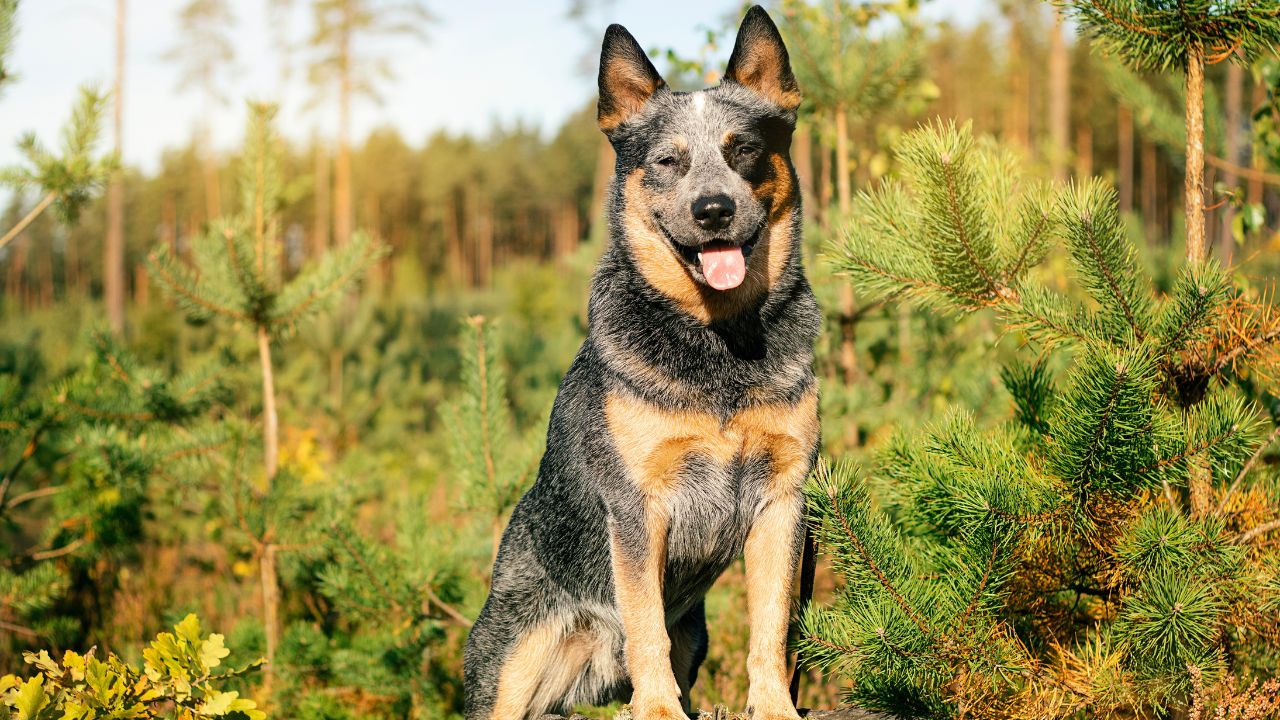
Australian Cattle Dogs are compact enough that people sometimes underestimate them. In reality, they can be some of the most intense dogs in the average household.
They were bred to move stubborn cattle, and that requires toughness, persistence, and a willingness to use their mouths. Those instincts can show up as heel nipping, chasing children, controlling other pets, or becoming obsessive about movement. They also need substantial physical and mental exercise. A casual walk around the block usually will not satisfy one. Cattle Dogs are brilliant companions for active owners who enjoy training and give them regular work. For a beginner who mainly wants an easy family dog, the constant intensity can become frustrating very quickly.
Border Collie
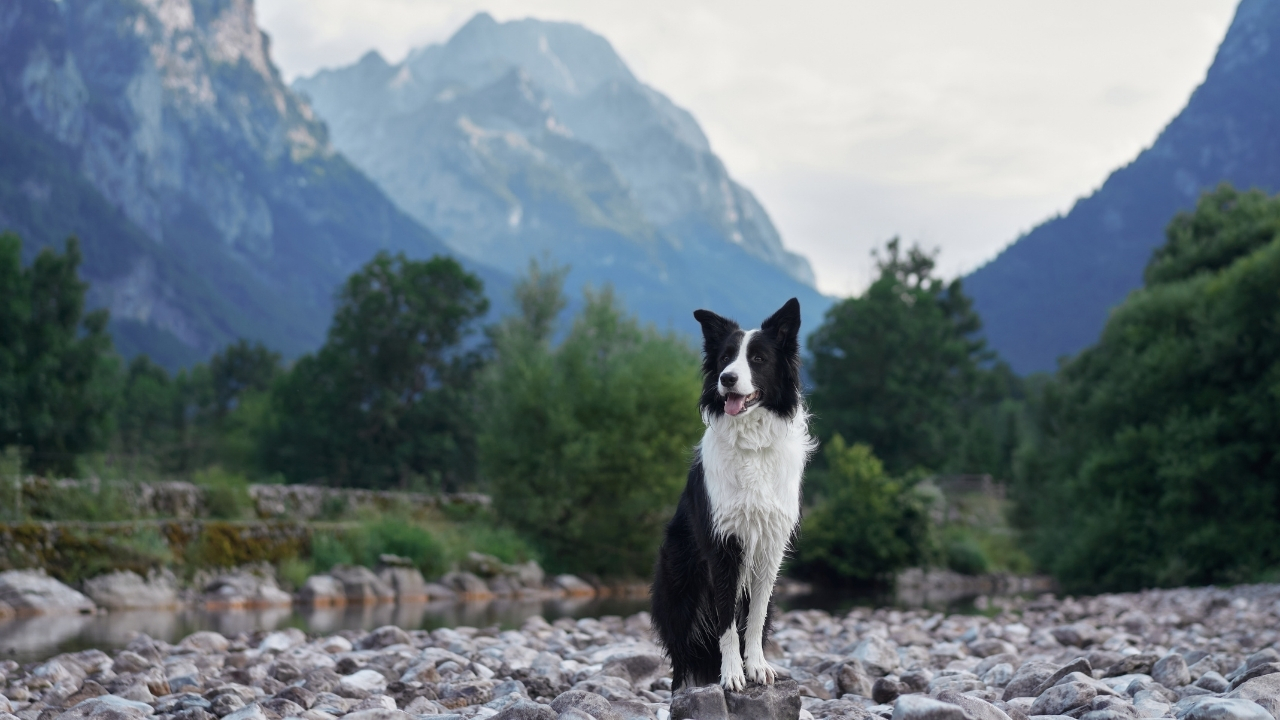
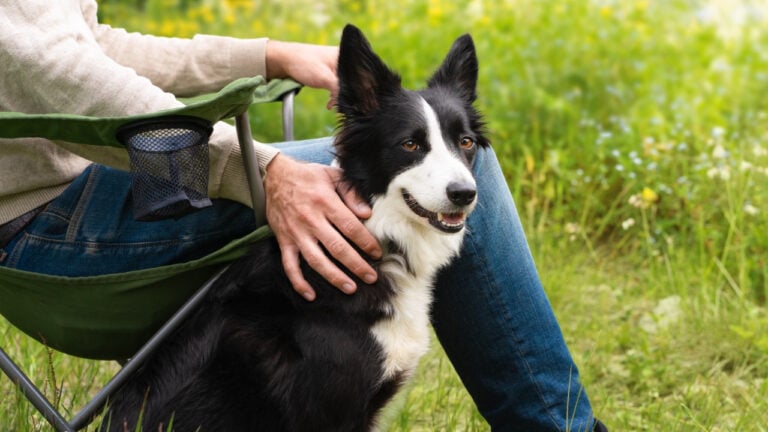
Border Collies are regularly called one of the smartest dog breeds, which convinces some first-time owners they must be easy to train. They are easy to teach. That is not the same thing as being easy to live with.
A Border Collie notices everything and often needs far more mental stimulation than an ordinary pet household provides. Without enough work, they may start herding children, chasing shadows, obsessing over balls, or creating repetitive behaviors. They can also become extremely sensitive to movement and environmental changes. Owners need to teach the dog how to settle, not just how to perform more tricks. In an active working or sport home, they are extraordinary. In a household that wants a relaxed dog after work, they can become exhausting.
Siberian Husky

Huskies are friendly enough that people sometimes assume they are beginner dogs. Their social temperament may be easy, but their management requirements often are not.
They are famous escape artists, can have strong prey drive, and are rarely known for dependable off-leash recall. Huskies were bred to run, so trying to satisfy them with a small yard and occasional walk can lead to digging, chewing, climbing, or finding creative ways out of containment. They also shed heavily and can be extremely vocal. Training works, but many Huskies still ask themselves whether following the command benefits them. They are wonderful dogs for people who enjoy their personality and energy. Beginners often discover that friendliness does not equal obedience.
Alaskan Malamute

Malamutes share some traits with Huskies but add substantially more size and strength. They are powerful working dogs built to pull heavy loads in harsh environments.
That physical ability becomes challenging when leash training is poor. A mature Malamute can drag an inexperienced handler down the street without much effort. They can also be independent and may show dog-selective behavior as they mature. Heavy shedding and high exercise needs add another layer of management. Malamutes are generally affectionate with their families, but they require owners who can provide structure without expecting constant obedience. The combination of strength, independence, and energy makes them a much steeper first-dog experience than their friendly appearance suggests.
German Shepherd Dog

German Shepherds vary enormously depending on breeding, which is part of what makes them difficult for beginners to choose correctly. A stable, well-bred shepherd can be one of the best working companions imaginable. A nervy or poorly bred one can be overwhelming.
They are intelligent, athletic, protective, and extremely aware of their surroundings. That means they need early socialization that builds confidence rather than simply exposing them to chaos. They also need training that channels their drive instead of constantly increasing excitement. Many beginners choose German Shepherds because they want a naturally protective dog, then accidentally encourage suspicious behavior they do not know how to control. The breed can be incredible, but selecting the right lines and raising the dog correctly requires more knowledge than most first-time owners realize.
Jack Russell Terrier
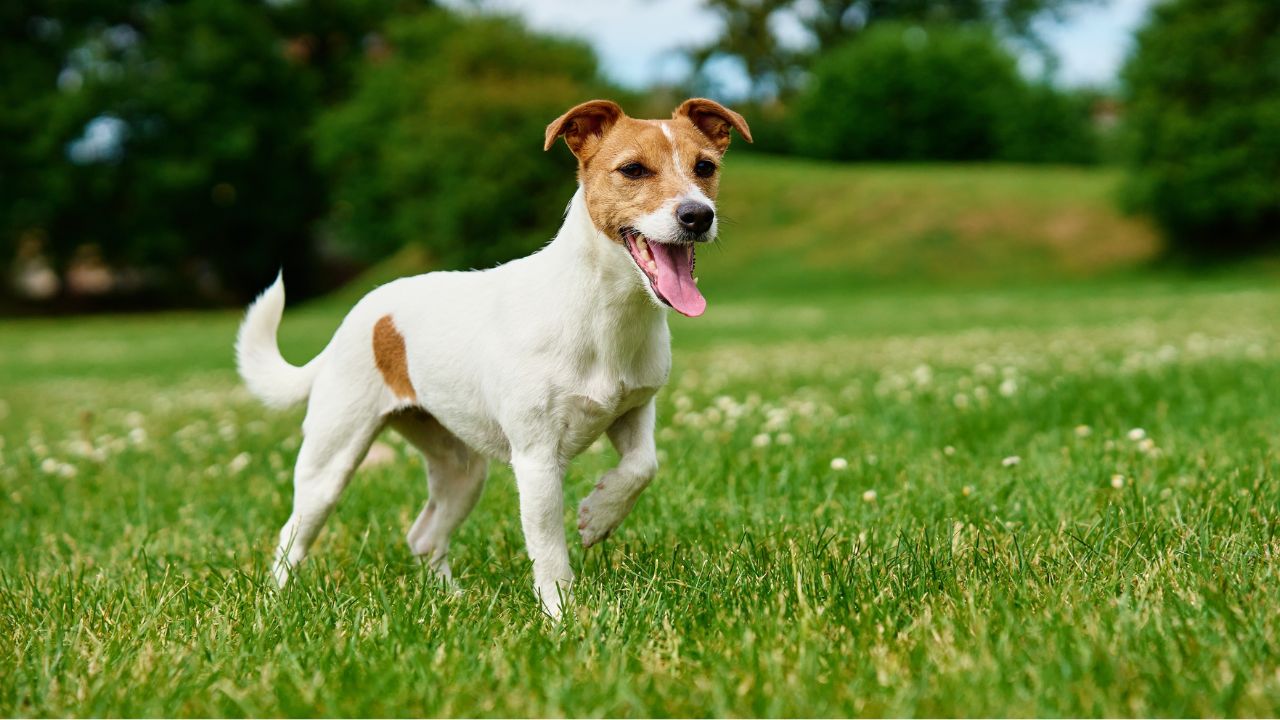
Jack Russells are small enough that people expect them to be easy. That assumption has probably surprised more owners than almost anything else on this list.
They are hunting terriers with enormous prey drive, energy, determination, and confidence packed into a small body. A Jack Russell may dig under fences, chase wildlife, harass larger animals, and keep moving long after the owner is ready to stop. Their intelligence also means they quickly learn how to get around weak boundaries. They can be hilarious, loyal, and excellent little farm dogs in the right setting. But anyone expecting a low-maintenance lap dog because the breed is small may discover that a 15-pound terrier can create more work than a dog five times its size.
Dogo Argentino

The Dogo Argentino was developed for serious big-game hunting, which tells you a lot about the breed before you ever meet one. They are athletic, powerful, courageous, and capable of working through difficult situations without much hesitation.
Those qualities require thoughtful management in a household. Dogos often have significant prey drive, and their physical strength makes sloppy leash handling a bad idea. Socialization needs to create a stable, controllable dog without assuming every Dogo will want to socialize freely with every unfamiliar animal. They can be affectionate and deeply bonded with family, but this is a breed where experience reading canine body language becomes especially useful. A first-time owner has much less room to learn through mistakes.
Boerboel

The Boerboel is a South African guardian breed built around confidence, size, and territorial awareness. Mature dogs can be enormous while still moving with surprising speed.
That combination makes early training essential. Owners need to establish leash manners, impulse control, and household rules while the puppy is still physically manageable. Boerboels may be naturally suspicious of strangers and often take guarding their home seriously, so casual socialization is not enough. The goal is a stable dog that can distinguish normal life from an actual threat. Beginners can easily either suppress the dog too harshly or encourage guarding behavior until it becomes excessive. The breed is best suited to someone comfortable managing a powerful guardian before the dog decides it needs to manage the property itself.
Rhodesian Ridgeback
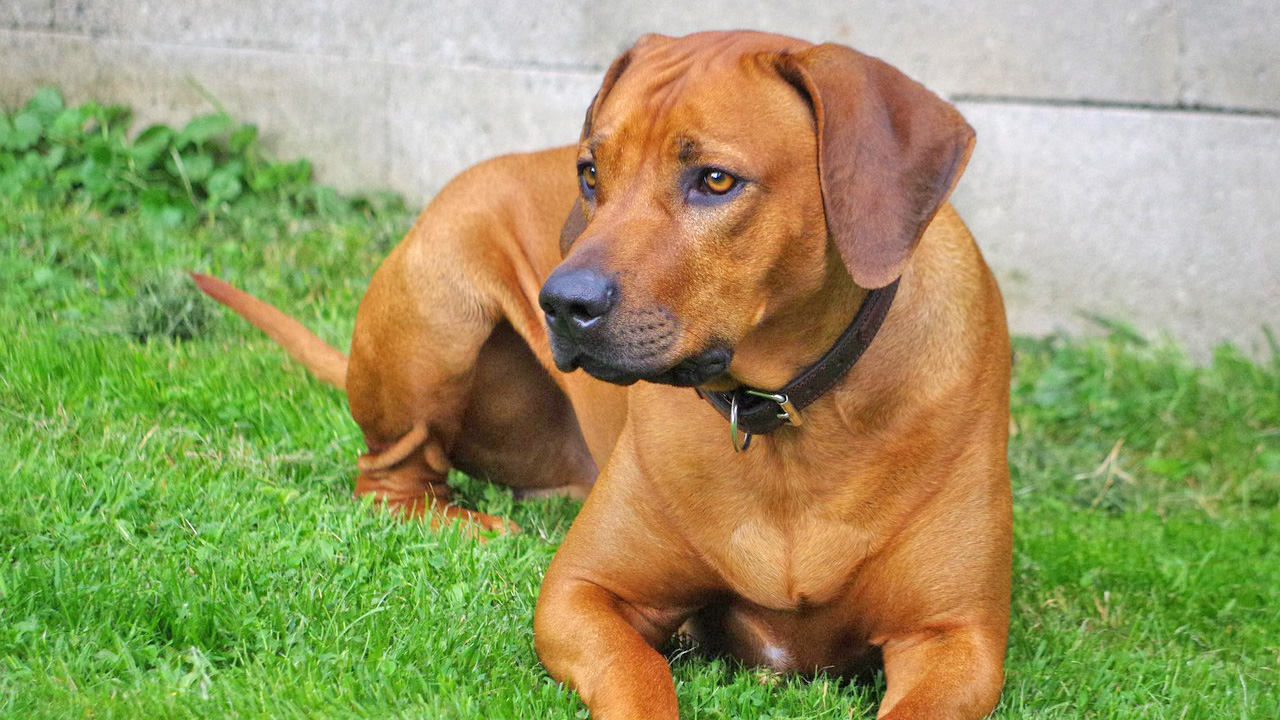
Rhodesian Ridgebacks are athletic, independent hunting dogs that can look deceptively relaxed around the house. Once something catches their attention outside, that laid-back personality can disappear quickly.
They were bred to work at distance and think independently, so they do not always have the same desire for constant direction seen in many sporting breeds. Prey drive can be strong, and reliable recall requires serious work. Ridgebacks also mature slowly, meaning owners may deal with a large, powerful adolescent for longer than expected. They can be affectionate family dogs and often settle beautifully as adults, but getting there requires patience, consistency, and enough exercise to keep a young dog from inventing its own entertainment.
Weimaraner

Weimaraners are striking dogs, which unfortunately means some people choose them based largely on appearance. Their actual temperament can be much more demanding than the sleek silver coat suggests.
They are energetic hunting dogs that often form extremely strong attachments to their owners. Without enough exercise or gradually taught independence, that attachment can contribute to destructive behavior and separation problems. Young Weimaraners can be relentless, needing both physical activity and structured training before they learn how to settle. Their hunting instincts also make prey drive and recall important considerations. They can be outstanding companions for active people who want a dog involved in everything they do. For someone expecting an elegant house dog that occasionally goes for walks, the reality can be overwhelming.
Chesapeake Bay Retriever

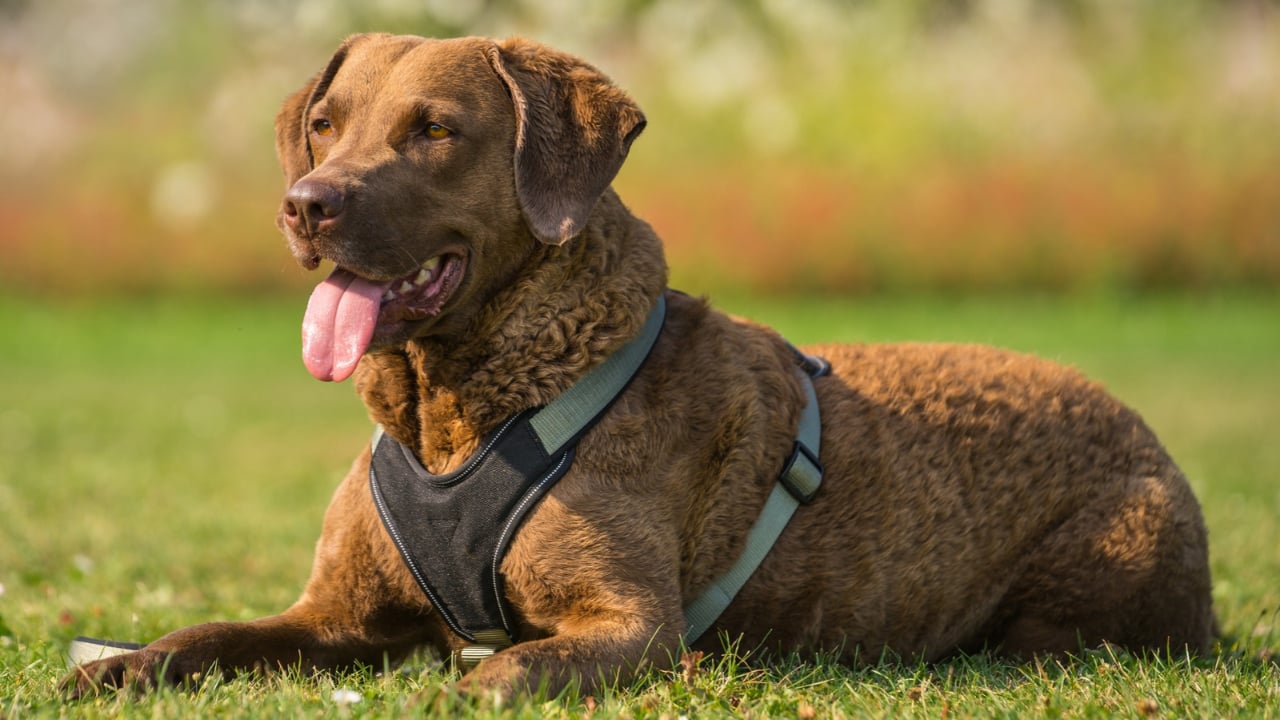
The Chesapeake Bay Retriever gets compared with Labradors because both retrieve waterfowl, but their personalities can be noticeably different. Chessies are often more serious, more independent, and more naturally protective than the typical Lab.
That can make them excellent hunting partners, especially in cold water and difficult conditions, but it also makes them less forgiving for inexperienced owners. They need consistent training and early socialization, and some are much more reserved around strangers than people expect from a retriever. They are also powerful dogs with plenty of energy and determination. A beginner wanting an easygoing family retriever may be much happier with a well-bred Labrador. The Chesapeake is better suited to someone who specifically appreciates its tougher, more independent working temperament.
Like The Avid Outdoorsman’s content? Subscribe to our newsletter so you never miss an article.
Here’s more from us: