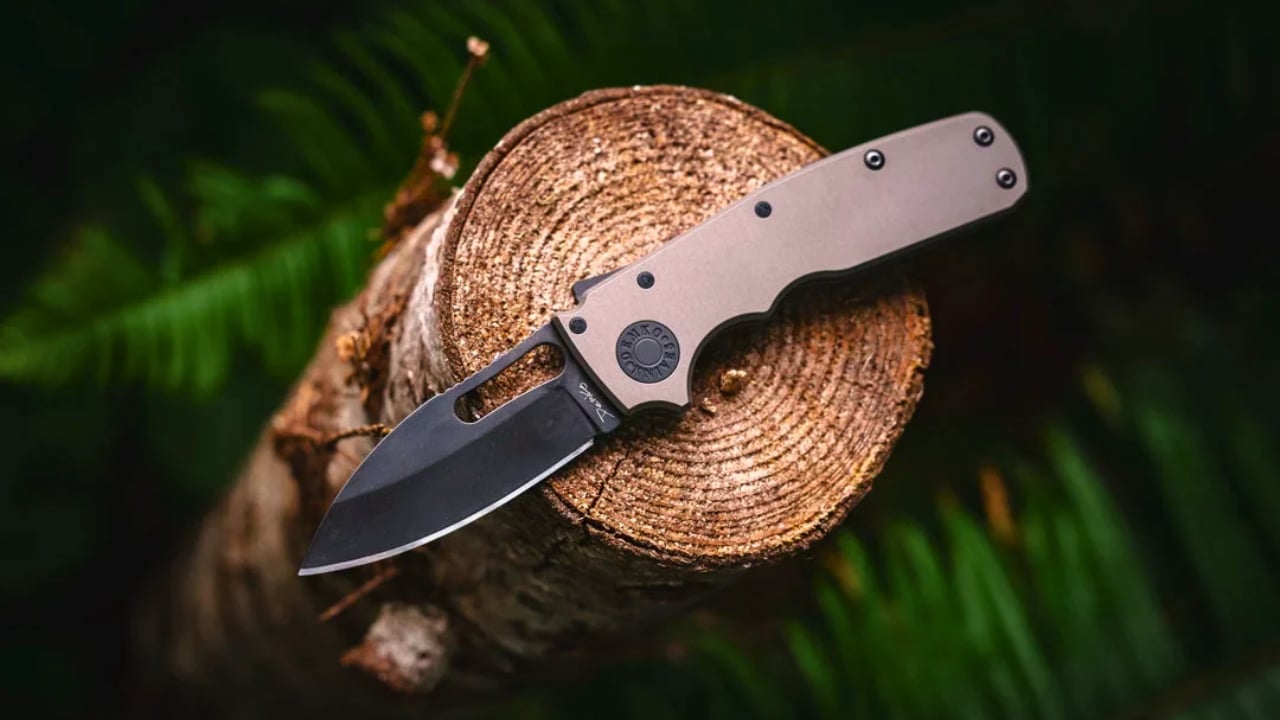
Photo credit: Demko Knives
A hundred dollars buys a dramatically better pocket knife than it did not that long ago. Crossbar locks, button locks, excellent stainless steels, ball-bearing pivots, Micarta, aluminum handles, and even premium blade steels have moved into a price range that used to mean fairly basic construction. You no longer have to accept a lousy action or soft mystery steel just because you want to stay below three figures.
The harder part is separating genuine value from knives that simply have impressive specification sheets. A pocket knife still needs to carry comfortably, cut efficiently, stay secure in the hand, and hold up after the action loses that fresh-out-of-the-box feel. These 20 manage that balance particularly well. Some are inexpensive enough to become work knives without a second thought, while others push right against the $100 ceiling and offer enough performance to make significantly more expensive folders difficult to justify.
Ontario RAT Model 1.5 MagnaCut
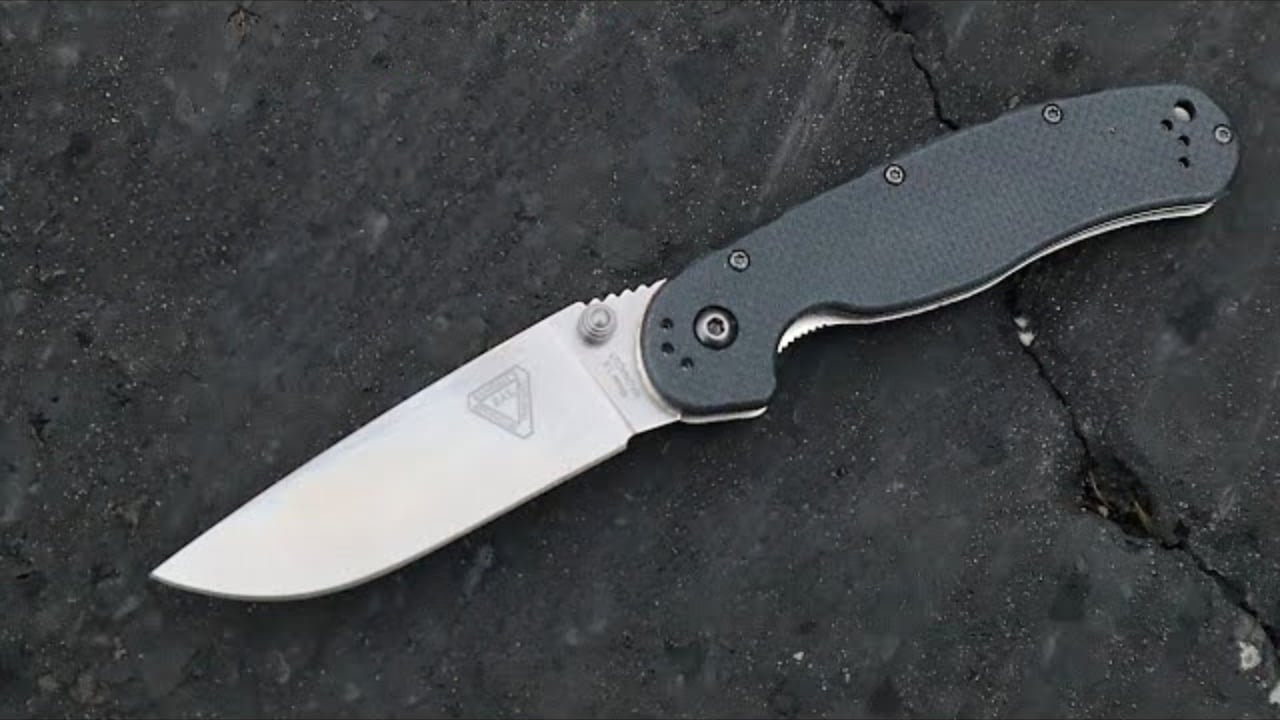
Ontario took one of the most sensible working-knife formulas around and finally put a genuinely premium steel into it. The RAT Model 1.5 splits the size difference between the familiar RAT 1 and RAT 2, giving you roughly a 3.25-inch blade with enough handle for a full grip without creating an oversized pocket knife. The MagnaCut versions bring corrosion resistance, toughness, and excellent edge performance into a knife that remains below the $100 mark.
The best part is that Ontario did not overcomplicate the rest of the design. You still get a straightforward liner lock, G10 scales, and washers rather than an action built exclusively around fidgeting. It feels like a working folder first. For someone who actually cuts dirty cardboard, rope, feed bags, and whatever else ends up in front of him, this is one of the strongest values available.
North Mountain Blades Chop 2
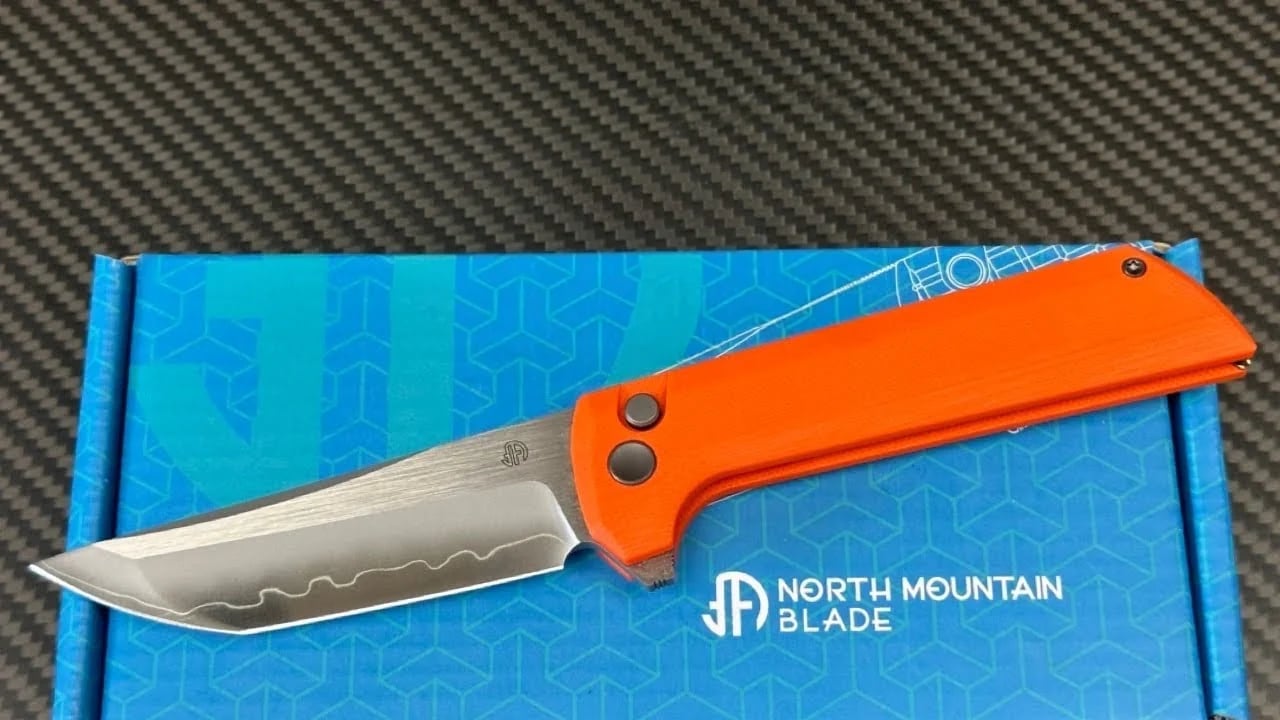
The Chop 2 is unusual enough to feel special without crossing into expensive collector territory. Its laminated SLD-Magic blade gives you far more visual interest than a typical budget folder, while the button lock and flipper deployment make it genuinely enjoyable to operate. It is one of those knives that makes people assume you paid considerably more than you did.
More importantly, it is not relying entirely on looks. The tanto-style blade has usable cutting geometry, the handle gives you solid control, and the action feels much more refined than the price bracket suggests. There are plenty of inexpensive button locks now, so simply having one is no longer impressive. The Chop 2 stands out because the whole package feels intentionally designed rather than assembled from whatever features happen to be popular this year.
Andrew Demko Shark Cub AUS-10A
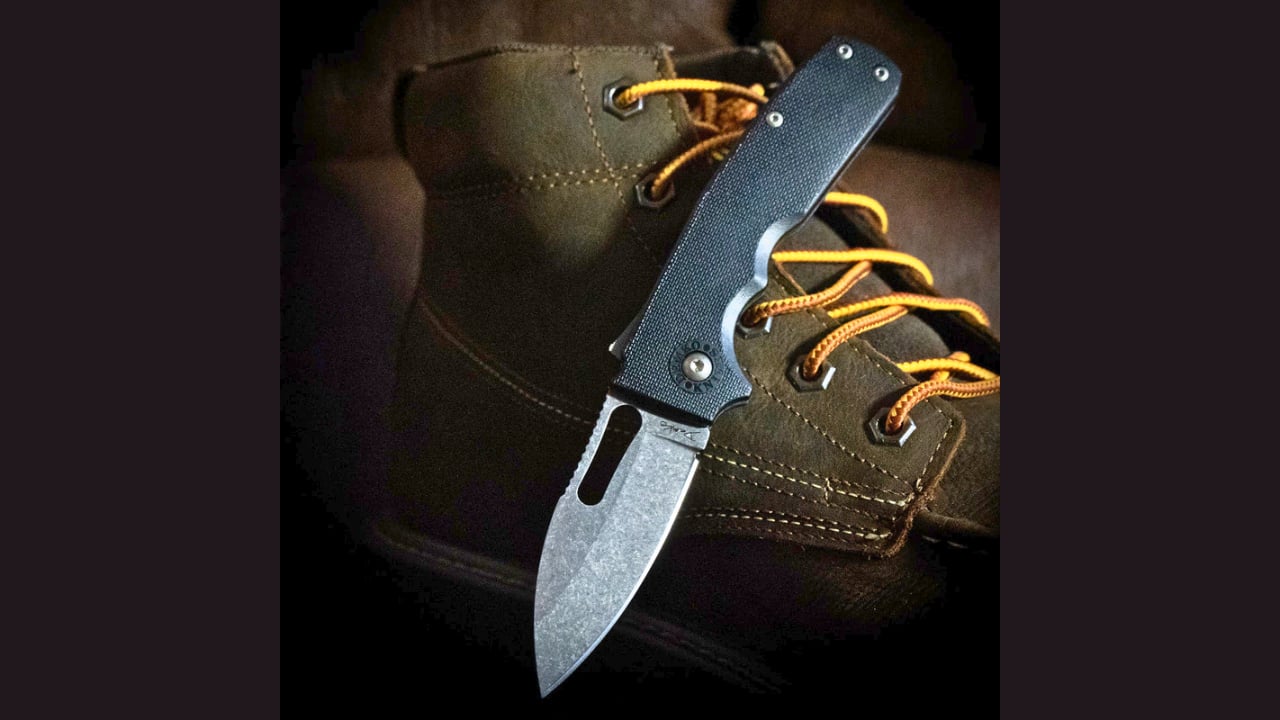
The Shark Cub gives you Andrew Demko’s Shark Lock without forcing you into the price range of his larger premium knives. That alone makes it interesting because the lock is extremely secure while keeping your fingers away from the blade during closing.
The smaller format is what makes the Cub especially useful. A roughly 2.75-inch blade handles almost everything an everyday pocket knife encounters while keeping the whole package light and easy to carry. AUS-10A is not the fashionable steel choice right now, but it is tough, stainless enough for normal use, and much easier to sharpen than many high-end steels. That combination actually makes sense on a working knife. You are paying for an excellent mechanical design instead of simply paying for an exotic acronym stamped onto the blade.
Boker Plus Kihon DC 2.0
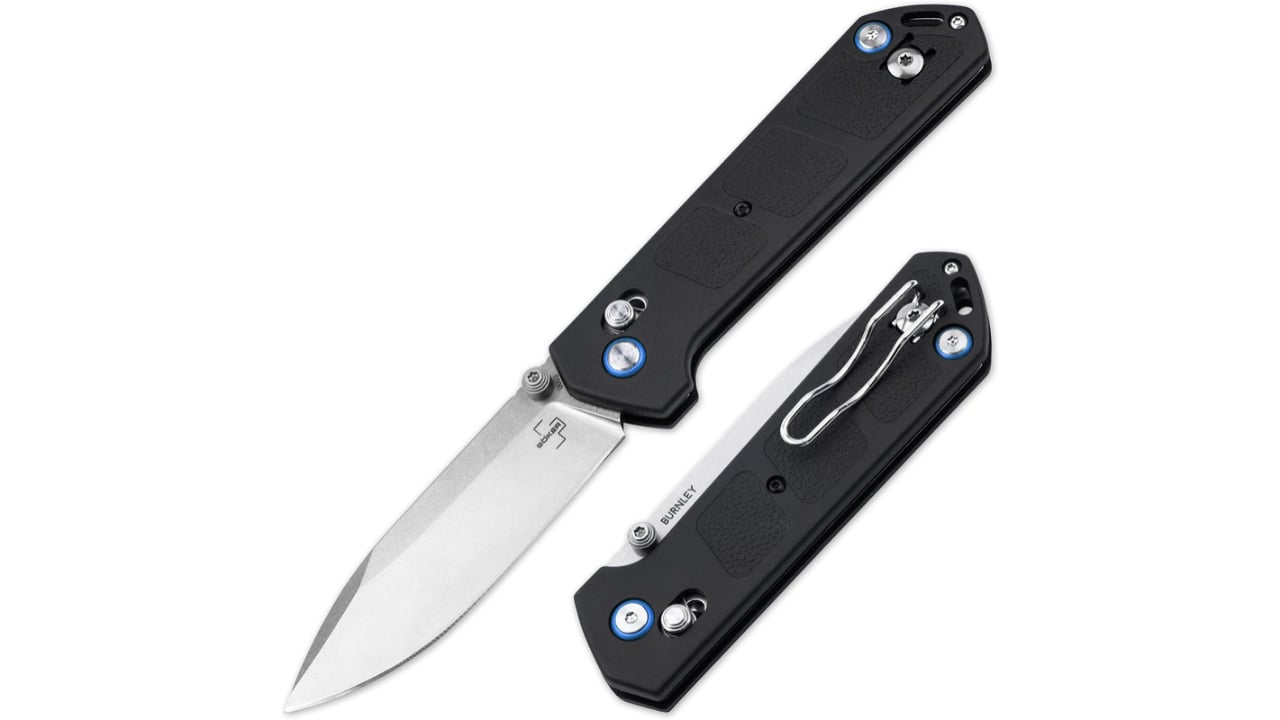
The Kihon DC 2.0 is the kind of knife that exposes how little money you really need to spend for competent materials. The 14C28N blade offers a very useful mix of corrosion resistance, toughness, and easy sharpening, while canvas Micarta gives the handle a much better feel than generic molded plastic.
The design is also pleasantly straightforward. The blade shape works for boxes, rope, food, and general work without forcing the user into a specialized cutting style. There is enough handle for control, but the knife is not unnecessarily bulky. Boker Plus can sometimes be all over the place because the catalog is enormous, but the Kihon hits the basics particularly well. At its usual price, it feels more like a knife somebody intentionally kept affordable than a cheap knife somebody tried to dress up.
CIVIVI Yonder

The Yonder is an excellent example of why CIVIVI continues to be difficult to beat in the affordable folder market. Instead of chasing another large flipper, the company built a compact crossbar-lock knife that carries easily and gives you a useful amount of edge without filling your pocket.
The crossbar lock makes it easy to operate with either hand, while the blade has the sort of straightforward geometry that works well for everyday slicing. The knife feels especially good for someone who wants a modern mechanism but does not need an oversized tactical folder. CIVIVI’s machining and action quality are also remarkably consistent in this price range. The Yonder is not trying to impress through size or decoration. It simply does nearly everything a normal EDC knife needs to do and leaves plenty of money below the $100 ceiling.
Kershaw Monitor
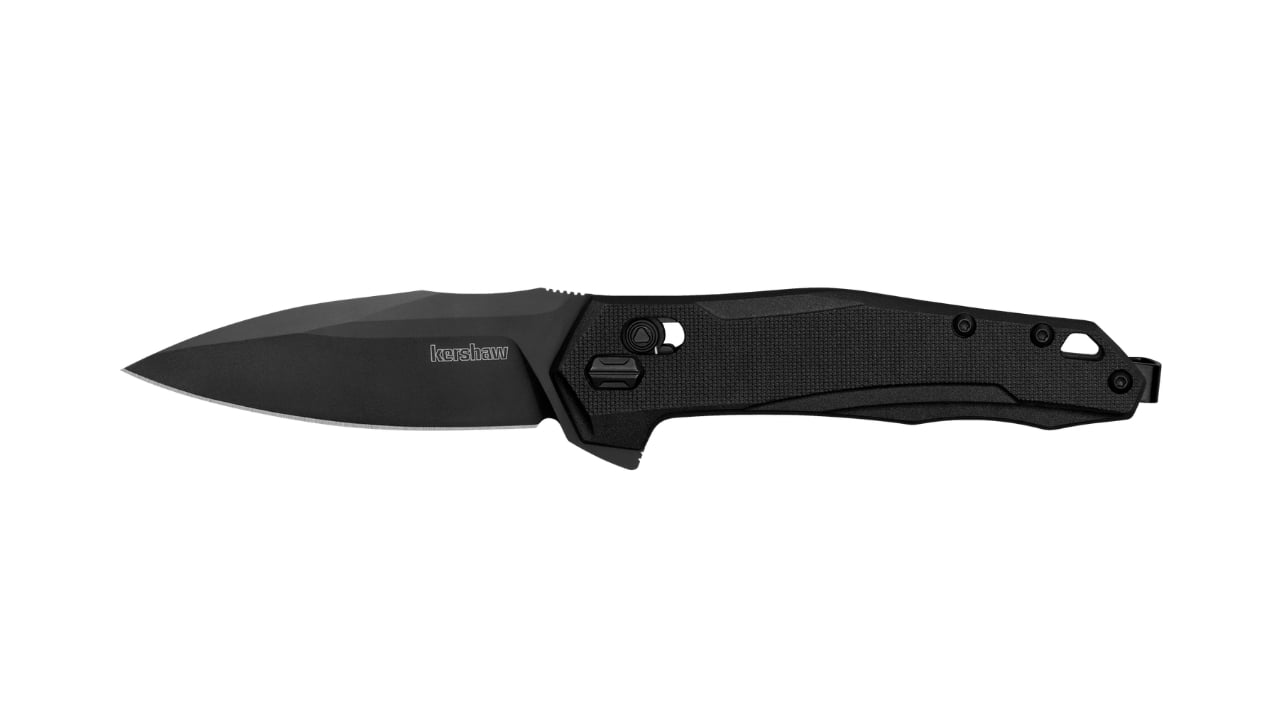
The Monitor gives you Kershaw’s DuraLock crossbar system in a light, practical folder that costs much less than the company’s premium American-made offerings. It has enough blade to handle real work but remains thin enough that carrying it every day does not become annoying.
The D2 blade steel is older technology compared with MagnaCut and the newest powdered steels, but there is a reason it remains common on working knives. Edge retention is strong for the money, and it handles cardboard and other abrasive material well. You simply need to pay a little more attention to corrosion than you would with a highly stainless blade. The Monitor makes sense for somebody who wants modern lock operation and decent edge life without paying for materials he may never fully exploit.
Spyderco Tenacious Lightweight
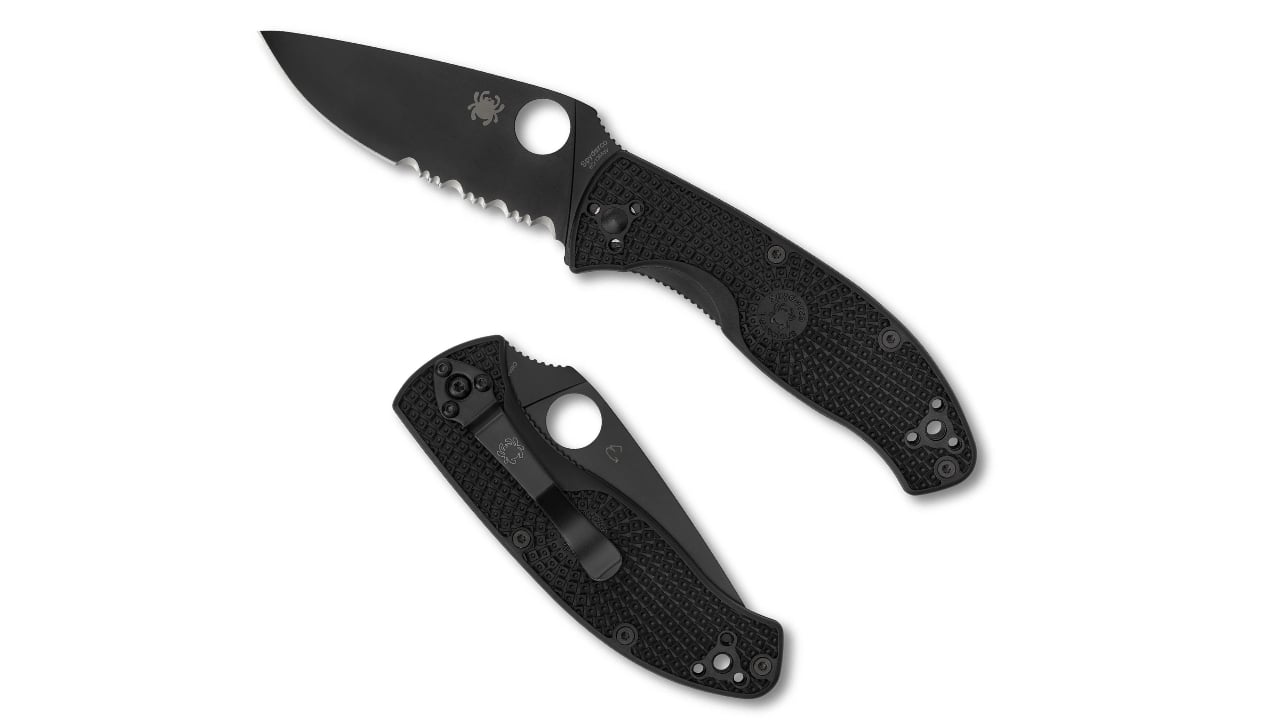
The Tenacious has been around long enough that it is easy to overlook, but it still demonstrates what Spyderco gets right about practical blade design. The full-flat grind cuts extremely well, the large opening hole works with gloves, and the handle gives you a secure grip without making the knife feel unnecessarily complicated.
The Lightweight version solves one of the older Tenacious model’s biggest drawbacks by removing some unnecessary weight. The basic blade steel is not exciting, but it is easy to sharpen and perfectly adequate for normal EDC. More importantly, you are getting Spyderco ergonomics at a fraction of what many of the company’s American and Japanese models cost. If the goal is actual cutting rather than collecting blade steels, the Tenacious remains difficult to dismiss.
Cold Steel Verdict
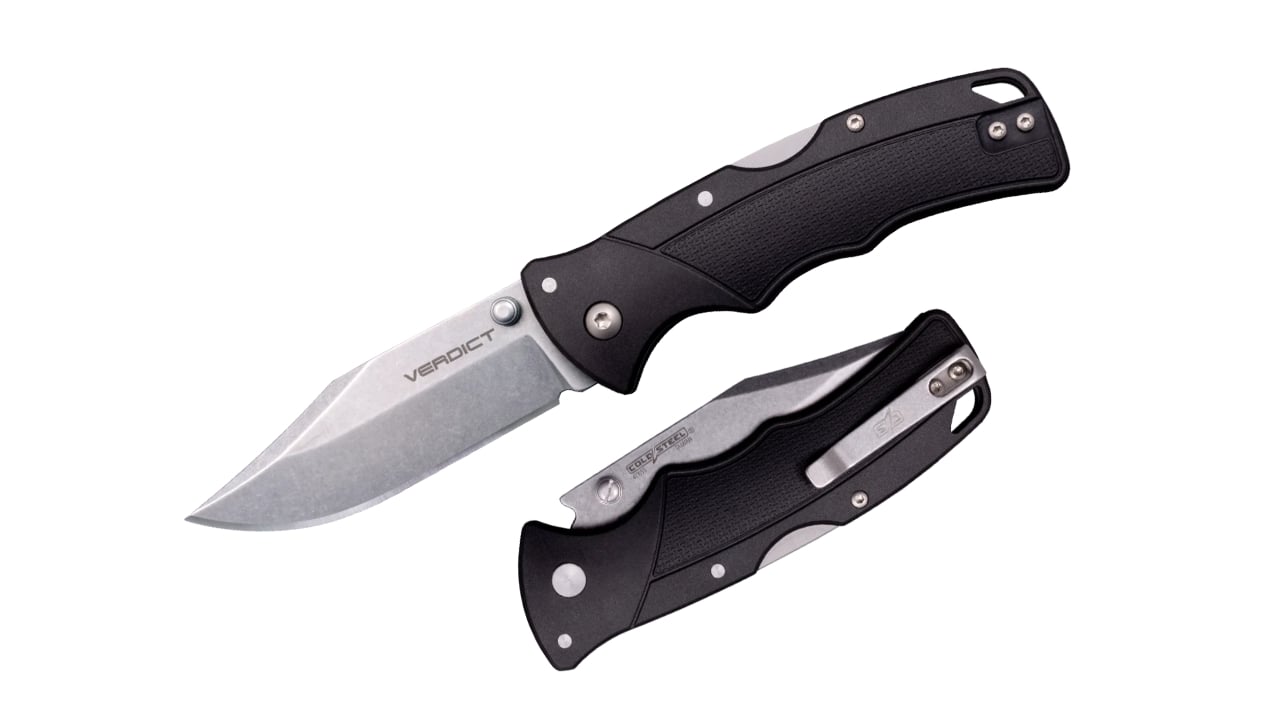
Cold Steel has spent decades convincing people that a folding knife should be able to survive ridiculous abuse, but the Verdict packages some of that durability into a much easier knife to carry. It is noticeably more restrained than the company’s giant folders while still giving you secure lockup and a hand-filling grip.
That balance is what makes it worthwhile under $100. You can use it as a work knife without feeling like you have a folding machete hanging from your pocket. The blade profile is conventional enough for ordinary slicing, while the lock gives you confidence when cutting gets harder. Cold Steel knives can sometimes be more tool than most people need. The Verdict trims away enough excess that the toughness finally comes in a format suitable for daily use.
Buck 110 Slim Select

The original Buck 110 is an American classic, but carrying nearly half a pound of brass and wood on your belt is not everyone’s idea of practical EDC. The Slim Select takes the part that actually matters—the proven clip-point blade and familiar lockback system—and puts it into a lightweight synthetic handle with a pocket clip and thumb studs.
That makes the knife dramatically easier to live with. Buck’s heat treatment has long allowed relatively ordinary blade steels to perform better than many buyers expect, and sharpening remains straightforward when the edge finally needs attention. The Slim Select is inexpensive enough to use hard and American-made enough to appeal to buyers who care about domestic production. It does not feel luxurious, but that is not the point. It turns one of America’s best-known hunting folders into a genuinely useful pocket knife.
QSP Vault
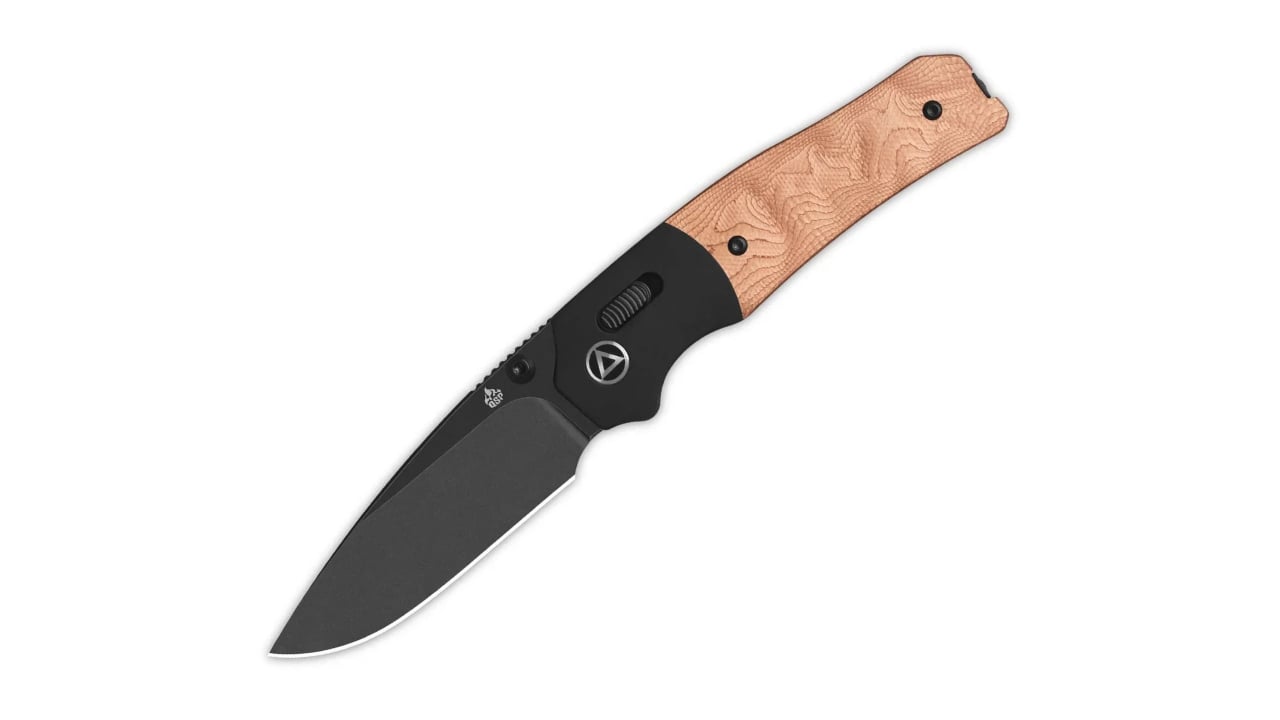
QSP earned much of its reputation through inexpensive liner locks, but the Vault shows how far the company’s more modern designs have come. The knife offers a contemporary locking system, clean machining, and the kind of smooth action that would have been surprising at this price only a few years ago.
The blade is large enough to handle serious daily work without pushing the knife into oversized territory. QSP also tends to pay attention to edge geometry, which means its knives usually cut instead of merely looking stout. That sounds obvious, but thick blades remain a common problem on affordable folders. The Vault gives buyers modern features while preserving the basic purpose of a pocket knife. You can spend more money and get nicer materials, but the actual improvement in everyday cutting may be smaller than expected.
CIVIVI Sendy
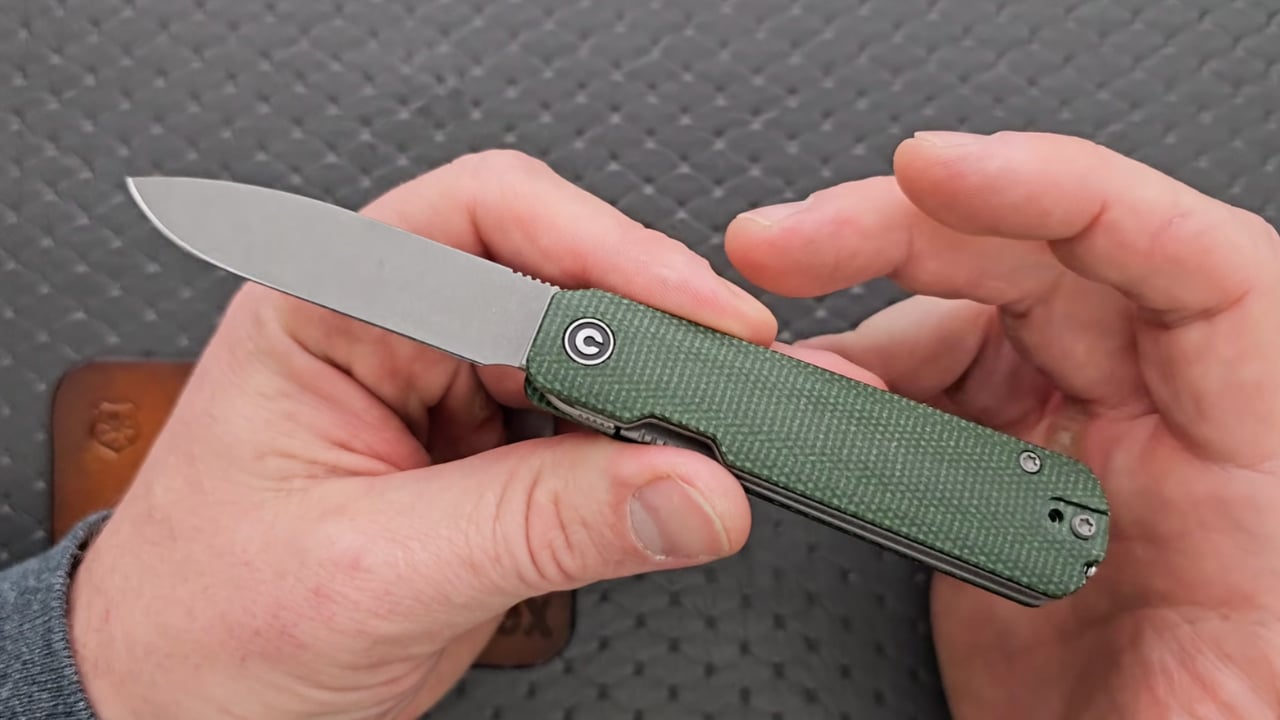
The Sendy has a completely different personality from the large tactical-style folders that dominate much of the budget market. It has traditional pocket-knife influence, a slim profile, and a blade that works extremely well for controlled everyday cutting.
That makes it a strong choice for someone who wants modern manufacturing without carrying something that looks aggressive every time it comes out of the pocket. CIVIVI’s action quality keeps it feeling modern, while the handle and blade proportions make it useful for food, packaging, cordage, and normal utility work. The Sendy is also the type of knife that proves value is not just about maximizing blade length and specifications. A knife you enjoy carrying every day can be a better purchase than something technically tougher that spends half its life in a drawer.
Kizer Bulldog
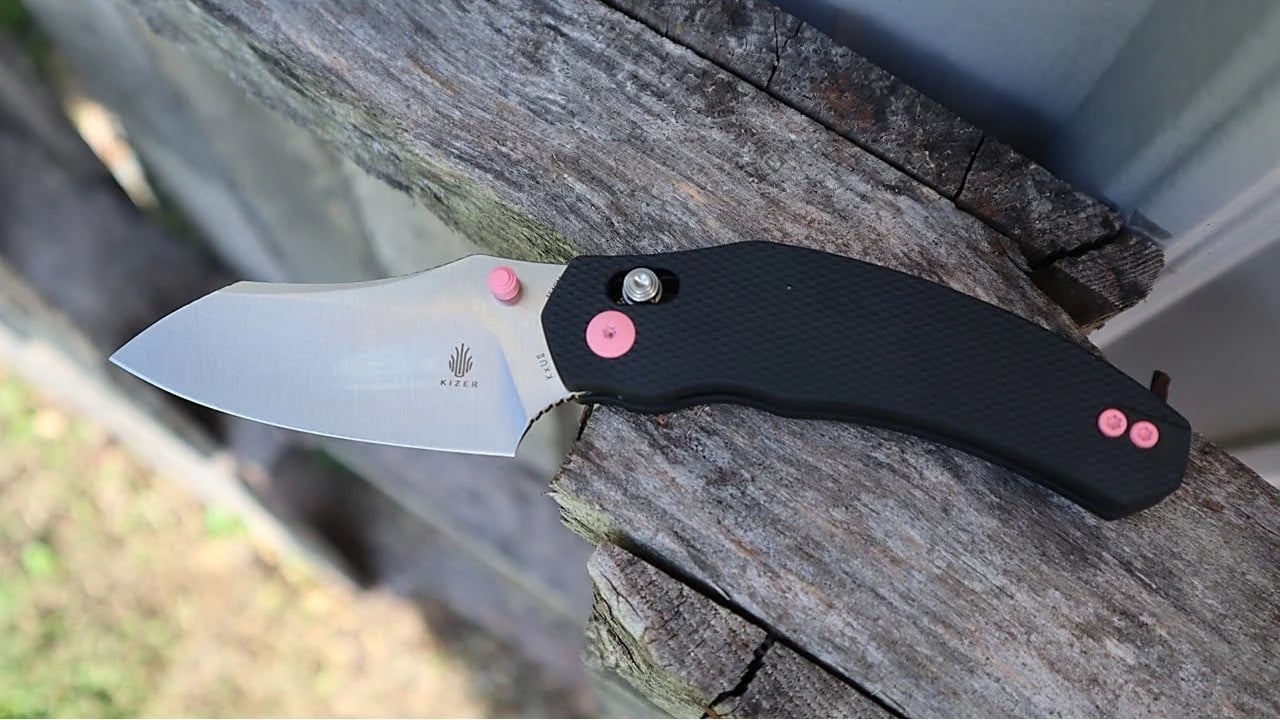
The Bulldog has enough personality to stand apart from the endless supply of generic drop-point folders while still remaining genuinely useful. The broad blade gives you a lot of cutting edge, and the handle is shaped to keep the knife secure during harder work.
Kizer has become particularly aggressive in the sub-$100 market, often putting mechanisms and materials into knives that would have cost substantially more from older American brands. The Bulldog benefits from that competition. You get a smooth action and solid construction without sacrificing all of the budget to fancy handle materials. It is a good choice for somebody who wants his pocket knife to feel substantial but does not want the excessive size of many heavy-duty folders.
Bestechman Goodboy
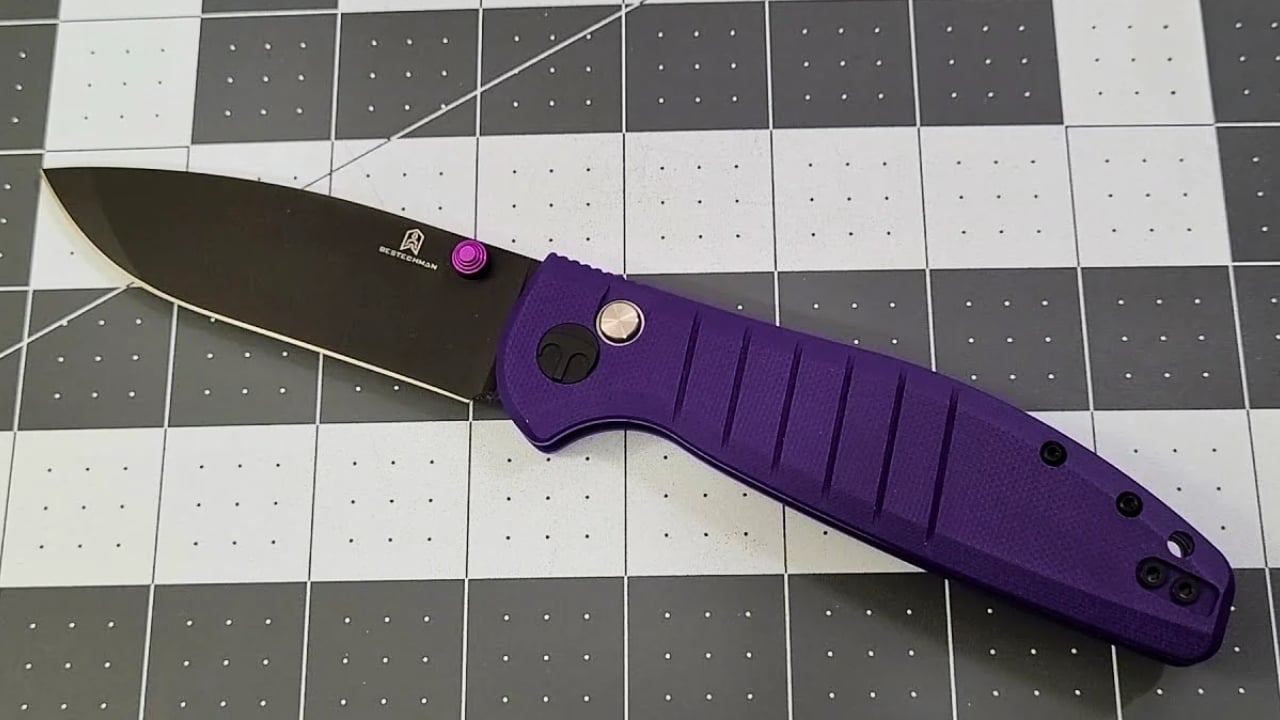
The Goodboy is one of those inexpensive folders that does not have a major weakness screaming for an immediate upgrade. The blade is practical, the handle is comfortable, and the action has the smoothness people now expect from the better Chinese manufacturers.
Bestechman’s advantage is that it comes from Bestech’s manufacturing background without carrying the price of the company’s more elaborate premium models. That means the machining and fit tend to feel better than the cost would suggest. The Goodboy works particularly well as a first decent pocket knife because you can learn what features you actually value without spending $150 or $200. It is also good enough that plenty of owners will discover they never really need to move beyond it.
Real Steel Sacra
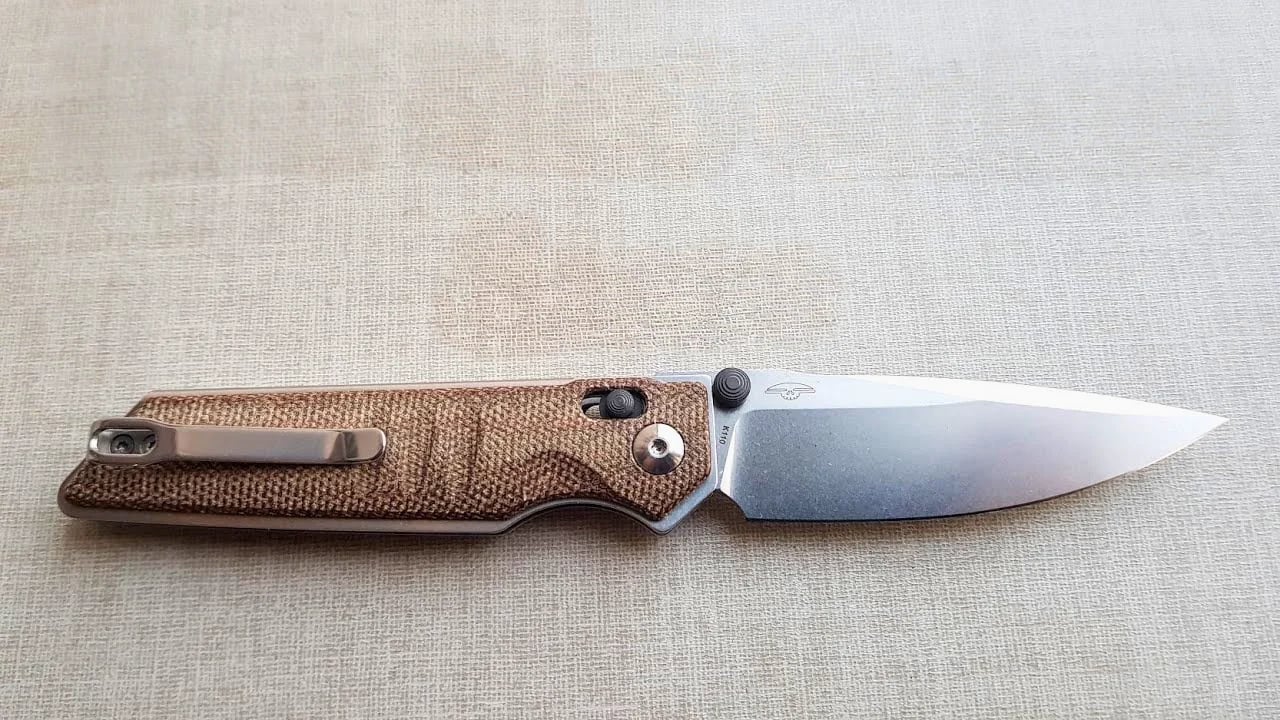
The Sacra gives you a slim modern folder with a crossbar-style lock and the kind of lightweight construction that makes a knife disappear in the pocket. Real Steel has quietly produced some excellent value knives over the years, and this is one of the designs that deserves more attention.
The lock allows easy ambidextrous operation, while the blade remains useful enough for normal cutting instead of being shaped around visual drama. Real Steel also tends to keep its knives relatively thin, which helps tremendously during slicing. A pocket knife does not need a quarter-inch spine to open feed bags or break down boxes. The Sacra understands that. It is a good example of an affordable knife benefiting from restraint rather than trying to win buyers with sheer size.
CRKT CEO Flipper
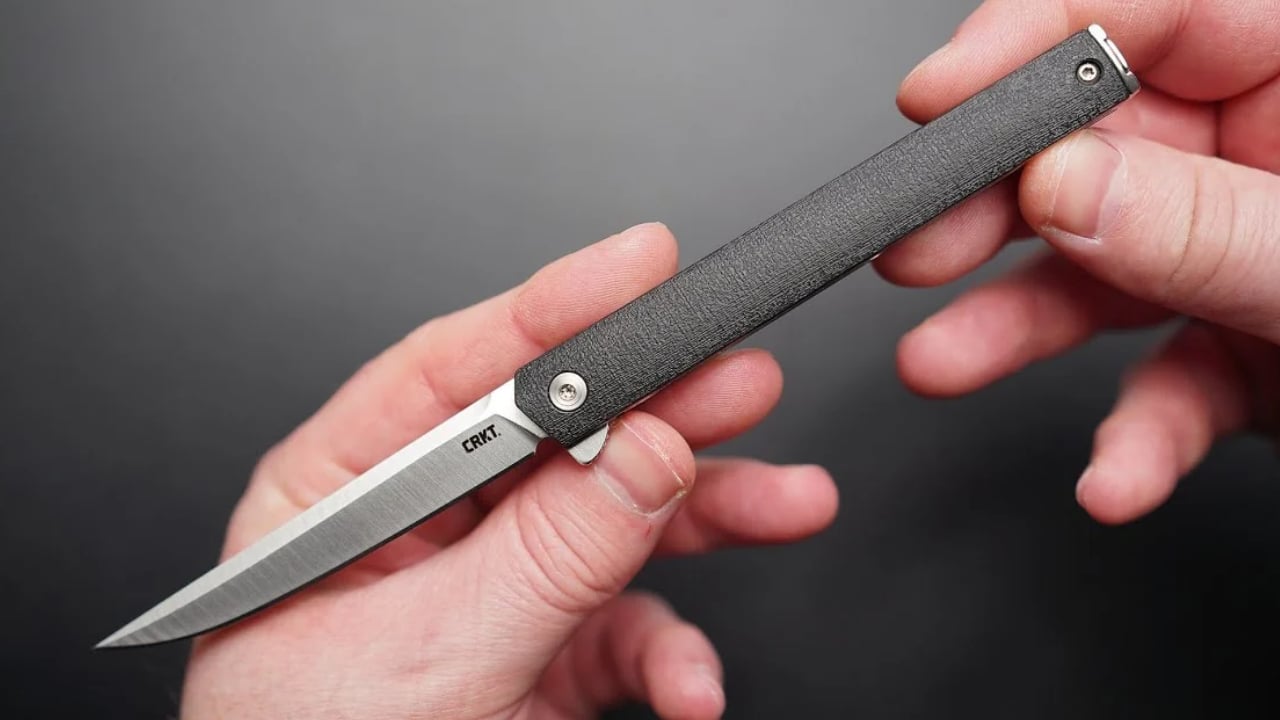
The CEO Flipper is designed around a completely different type of carry. It is narrow enough to resemble a pen in the pocket, which makes it particularly useful in offices, churches, restaurants, or anywhere a large tactical folder attracts more attention than you want.
Despite the slim dimensions, it still gives you a useful locking blade and quick deployment. The knife excels at opening packaging, slicing fruit, cutting loose threads, and handling the small jobs that make up the majority of everyday knife use. It is not a woods knife and should not be judged like one. What makes it hard to beat is how well it fills its intended role without costing much. For discreet everyday carry, there are far more expensive knives that do not offer much more practical utility.
Ruike P121 Hussar
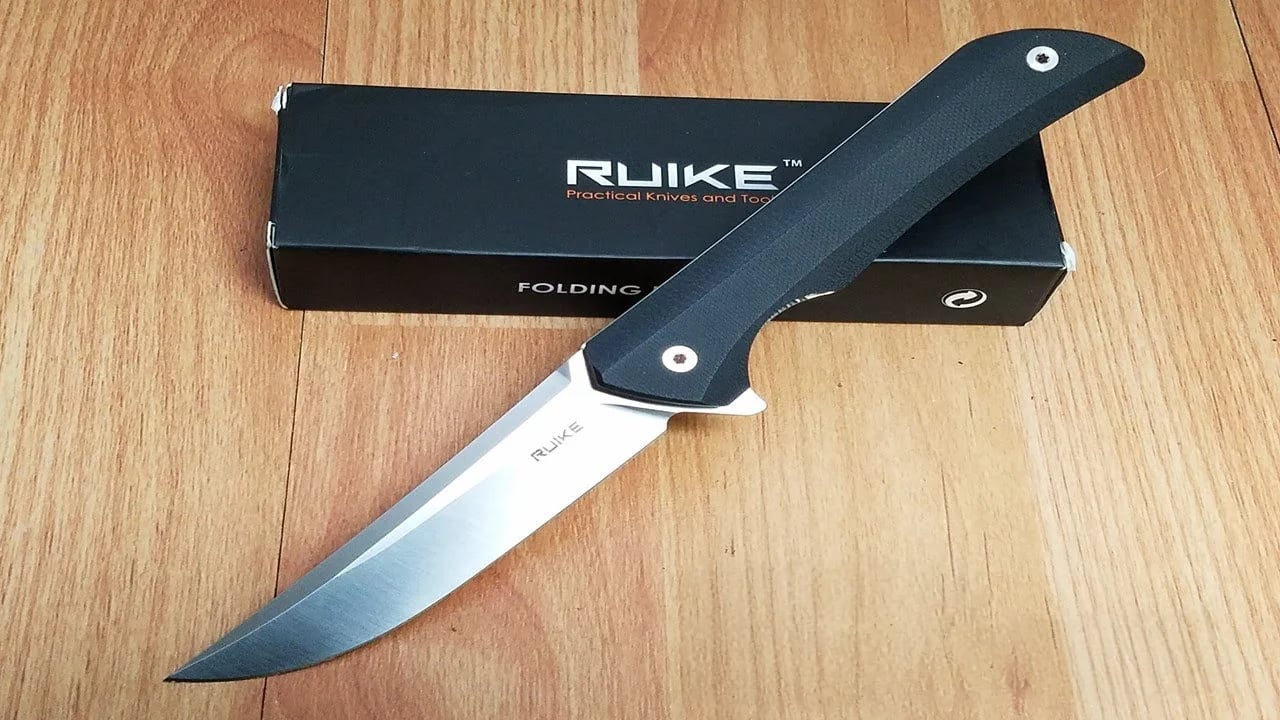
The P121 Hussar has the clean, understated design Ruike does particularly well. Its blade is long enough to feel substantial, but the knife remains slim and easy to carry. The flipper action is smooth, and the frame-lock construction gives it a solid feel without adding unnecessary parts.
Ruike’s use of Sandvik-style stainless steels has also been a good fit for affordable working knives. They resist corrosion, sharpen without much effort, and hold an adequate edge without requiring expensive equipment when maintenance time comes. The P121 does not have the newest lock or the loudest styling, but that is why it ages well. Five years from now, a straightforward frame lock with a useful blade will still make just as much sense as it does today.
SOG Stout FLK
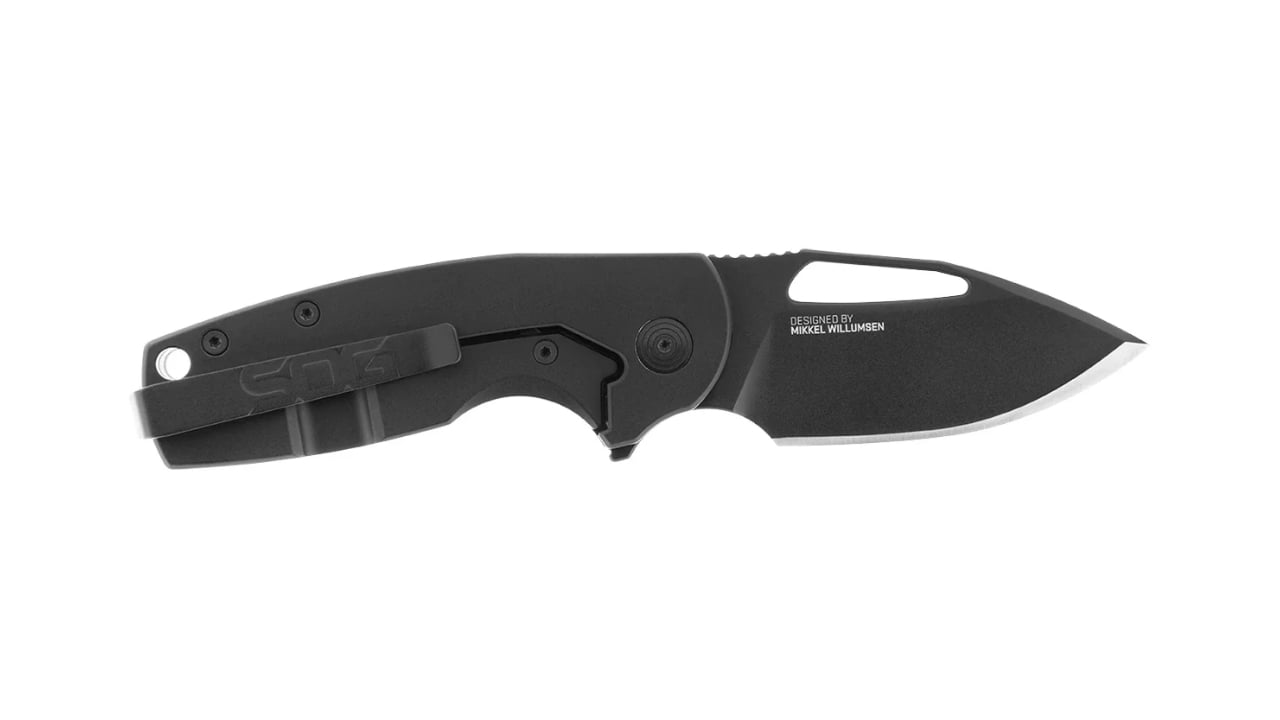
The Stout FLK is compact but feels far more substantial in the hand than its dimensions suggest. The broad blade and full grip make it a useful work knife for someone who does not want a long blade hanging in the pocket.
The frame-lock construction is straightforward, and the blade geometry gives you plenty of usable edge for packaging, rope, and normal work. Shorter knives also have a practical advantage that enthusiasts sometimes overlook: they are easier to control during precise cuts. The Stout is not trying to maximize cutting reach. It gives you a compact tool with enough strength to handle harder jobs than its size suggests. For someone who values control and portability, it delivers a lot for the money.
Gerber Zilch

The Zilch sits well below the $100 limit, but that is precisely why it deserves attention. Not every buyer needs a $90 knife just because the budget allows it. The Zilch gives you a lightweight liner-lock folder, practical blade profile, and pocket clip for a fraction of that amount.
It is best treated as an inexpensive user rather than a miniature premium knife. The steel is basic, and the construction is not going to impress somebody accustomed to titanium framelocks. What it does provide is a useful cutting tool that weighs very little and costs little enough that losing or damaging it does not ruin your week. For a truck, tackle box, spare work knife, or somebody buying his first folder, the Zilch makes a convincing argument for spending less.
Kizer Task
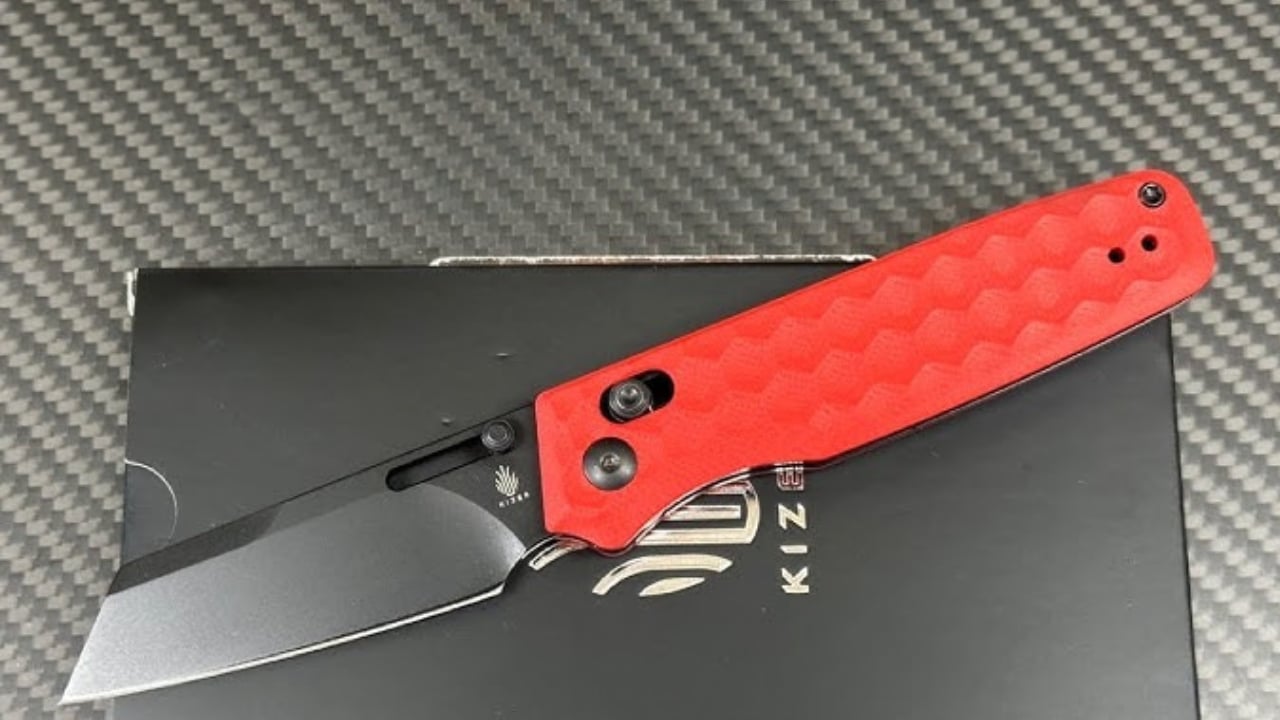
The Task fits the modern EDC formula almost perfectly: useful blade size, comfortable handle, secure lock, and smooth deployment without moving into premium pricing. Kizer has enough manufacturing experience now that even its less expensive models generally feel polished at the pivot and lock.
The knife is particularly appealing for buyers who want a crossbar-style mechanism but care more about cutting performance than collecting brands. The neutral handle shape works in several grips, and the blade is conventional enough to sharpen without any odd recurves or specialized equipment. That makes the Task easy to own over the long haul. There are more prestigious knives with similar layouts, but prestige does not make cardboard separate any faster.
Boker Plus Atlas
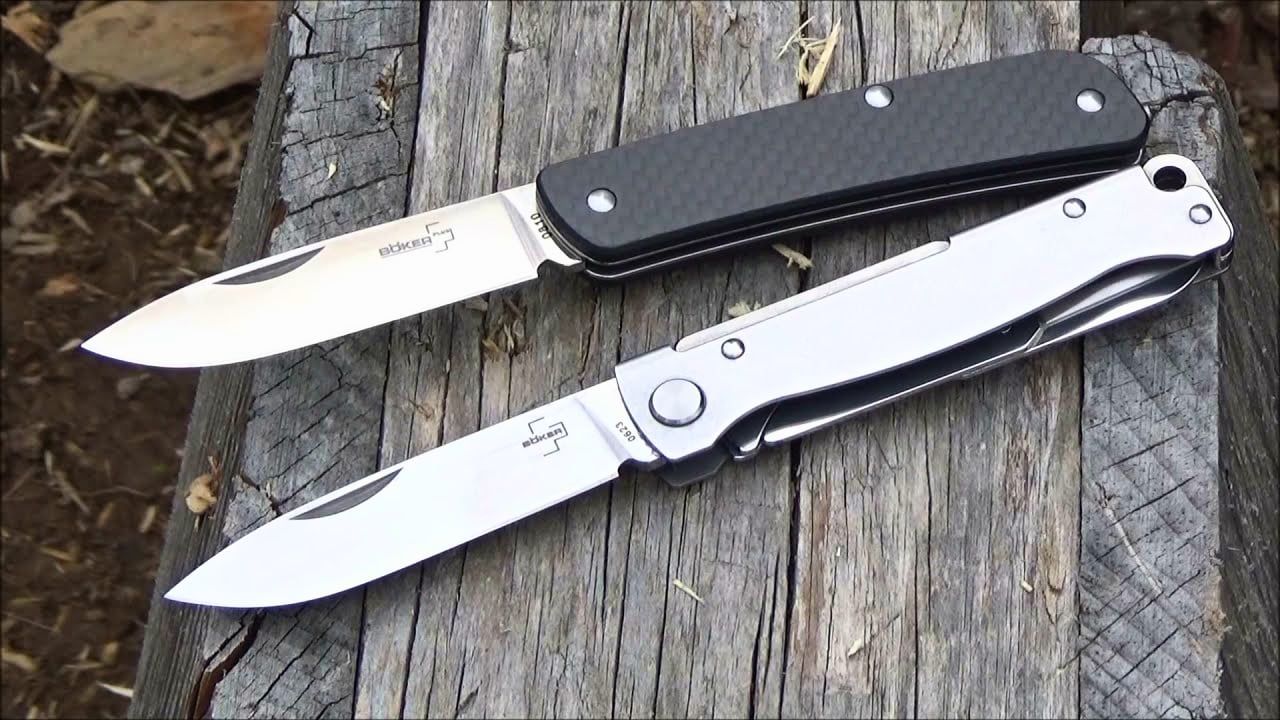
The Atlas strips the folding knife down to what many people actually need. The slim stainless handle, simple slip-joint mechanism, and narrow blade give you a knife that can ride in a pocket all day without constantly reminding you it is there.
It is especially useful for people who do not need a locking tactical folder. The thin blade slices extremely well, and the subdued appearance makes it suitable for settings where pulling out a giant flipper would be unnecessary. The Atlas also costs well below the limit, leaving enough room for a sharpener or another inexpensive knife if you want one. Under $100 does not have to mean spending the full hundred. Sometimes the hardest knife to beat is the one that accomplishes the job for half the budget.
Like The Avid Outdoorsman’s content? Subscribe to our newsletter so you never miss an article.
Here’s more from us: