Photo credit: Grizzly_Creek/YouTube
A hard-use fixed blade has to do more than survive a few dramatic baton tests. The real challenge is staying useful after years of sharpening, wet weather, dirty work, wood processing, game cleaning, and getting tossed into trucks, packs, and toolboxes. Toughness matters, but so do edge geometry, handle comfort, corrosion resistance, sheath quality, and whether the knife still cuts well after the novelty wears off.
The best hard-use knives usually avoid extremes. A blade can be too thin for repeated abuse, but it can also be so thick that normal cutting becomes a chore. The sweet spot is a design with enough steel behind the edge to take punishment while still working like a knife. These 20 fixed blades have the construction, steel, and overall design to keep earning their place long after cheaper knives have been retired.
ESEE 5
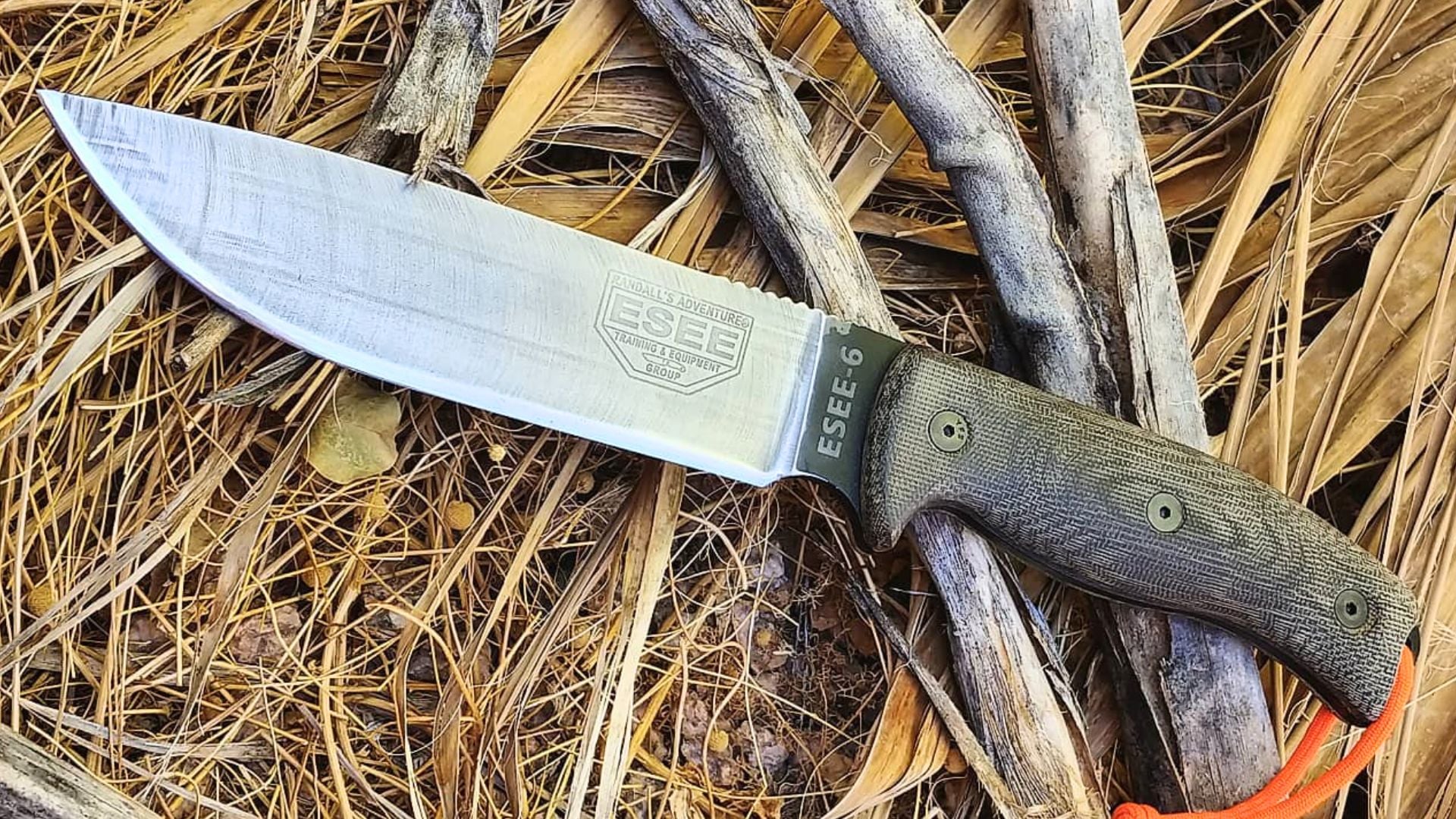
The ESEE 5 is one of the clearest examples of a knife built around surviving hard use. Its thick 1095 carbon-steel blade, full-tang construction, and substantial handle make it feel almost impossible to overwhelm during normal outdoor work. It can split kindling, cut rope, scrape, carve, and handle the kind of ugly chores that would make a lighter knife feel questionable.
The tradeoff is weight. The ESEE 5 is not a delicate slicer, and you will notice it on your belt. Still, the steel is easy to sharpen in the field, and the simple construction means there is very little to go wrong. Keep the exposed edge protected from rust and the knife can last for decades. It is not subtle, but subtlety is not what people buy an ESEE 5 for.
Bark River Bravo 1
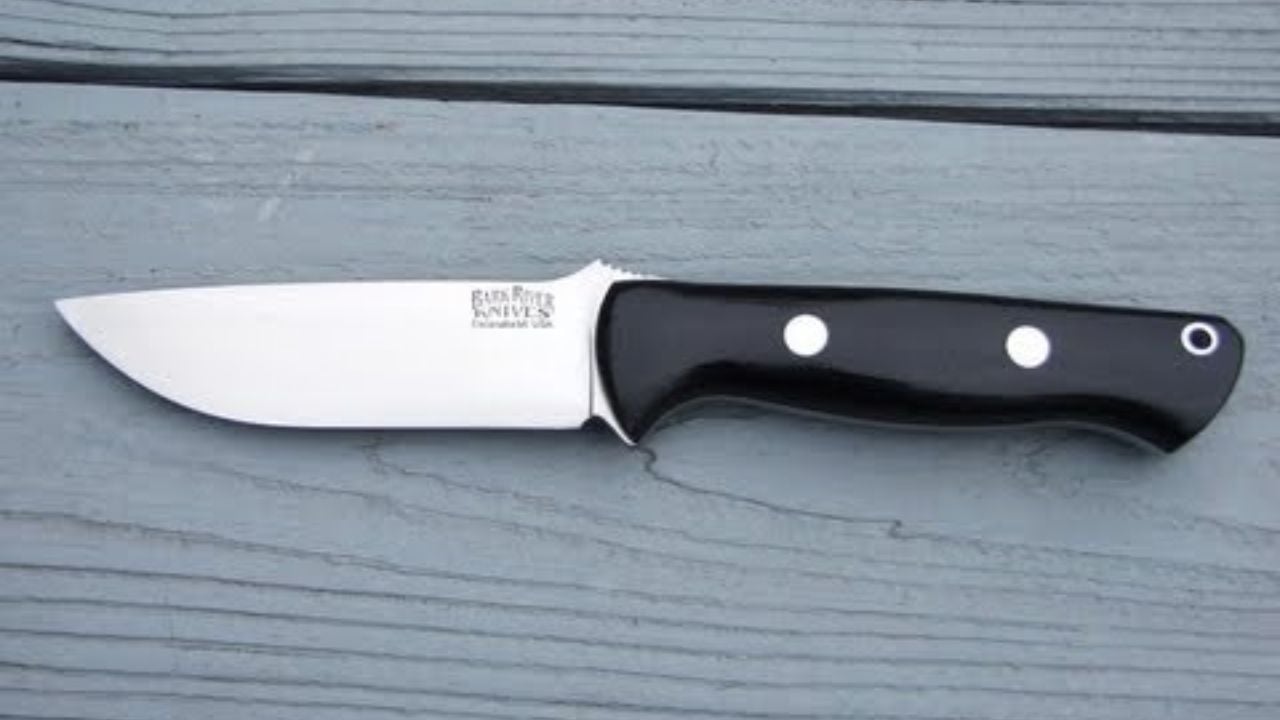
The Bravo 1 is one of those knives that combines genuine toughness with much better cutting ability than most overbuilt survival blades. Its convex edge puts enough material behind the cutting surface to resist damage while still slicing and carving efficiently.
That balance matters over years of use. A knife that is brutally strong but miserable to cut with eventually gets left behind. The Bravo 1 avoids that problem. The handle fills the hand well, the blade length is practical, and Bark River has offered it in several steels that suit different priorities. It is expensive, but the money goes toward a design that can survive hard use without becoming a sharpened pry bar. That is why it remains one of the better long-term field knives.
TOPS B.O.B. Fieldcraft

The B.O.B. Fieldcraft was designed around serious outdoor use, and it shows in the blade thickness, handle shape, and straightforward 1095 construction. It is tough enough for rough camp work but still manageable for carving and fire preparation.
What makes it especially durable over time is how easy it is to maintain. The carbon steel takes an edge without requiring specialized sharpening systems, and the full-tang design gives you confidence during heavier work. The coating helps protect most of the blade from corrosion, though the exposed edge still needs attention. TOPS also gave the handle enough contour to remain comfortable when the knife is used hard for extended periods. It is a knife built to be worn down gradually rather than babied.
White River Ursus 45
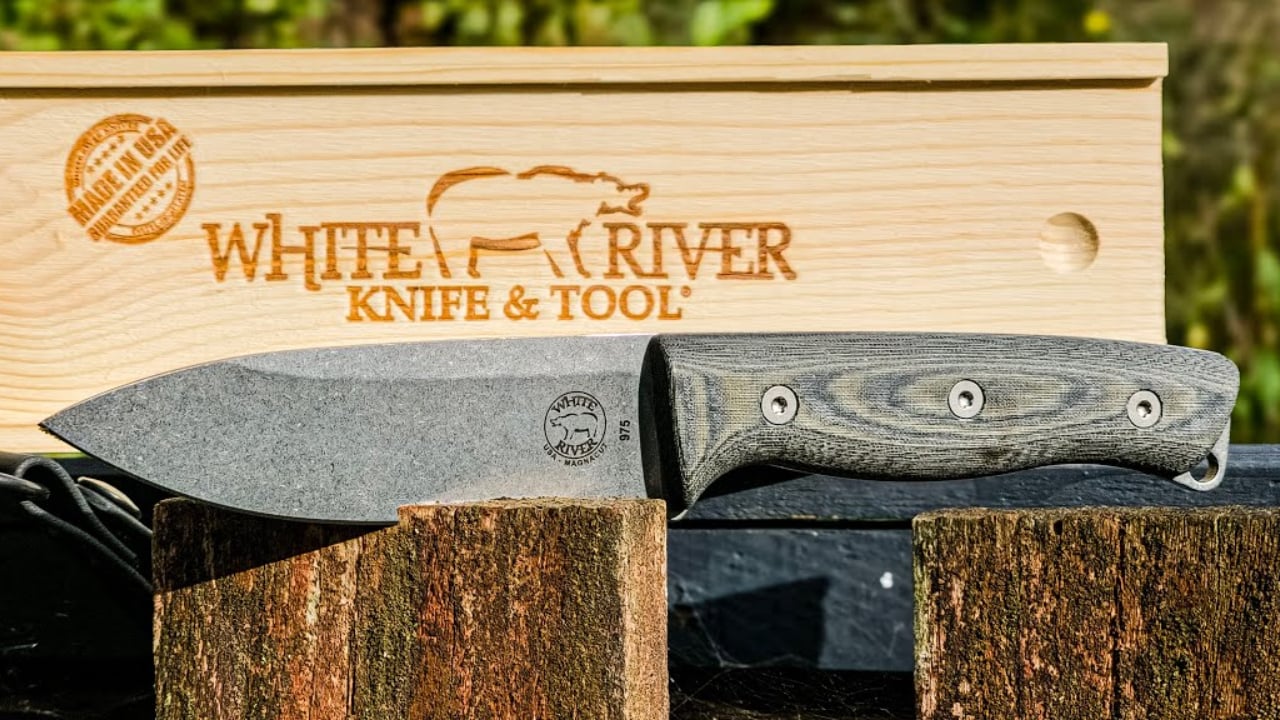
The Ursus 45 combines a practical blade length with premium materials and an outdoor-focused design that never feels excessively bulky. The full-tang construction and sturdy blade give it plenty of margin for splitting wood, camp work, and hunting chores.
The bigger advantage is how usable it remains. White River does a good job of keeping the blade geometry efficient, so the knife can handle food preparation and carving without feeling clumsy. The handle is also shaped for long sessions rather than quick showroom impressions. This is the kind of knife that can take years of abuse because the owner actually wants to keep carrying it. Hard-use knives only matter if they are comfortable enough to stay in service.
Fallkniven A1

The A1 has been around long enough to prove that its reputation is more than marketing. Its laminated stainless construction gives it excellent resistance to wet conditions, while the convex edge provides both toughness and useful cutting performance.
That stainless build is especially important for long-term abuse because not every owner wants to wipe and oil a carbon-steel blade after every wet day. The A1 tolerates neglect better than many traditional bushcraft knives while still being strong enough for rough wood processing. The synthetic handle also handles rain, cold, and sweat without demanding care. It is a serious field knife that can spend years moving between packs, boats, trucks, and camps without turning maintenance into a second hobby.
Cold Steel SRK Compact

The Compact version of the SRK keeps much of the toughness associated with the full-size model while making the knife easier to carry and use for everyday outdoor work. That smaller size can actually improve long-term usefulness because you are more likely to keep it on you.
Cold Steel’s basic formula works well here: tough steel, secure handle, simple sheath, and no unnecessary ornamentation. The blade is thick enough to tolerate hard use but not so large that normal tasks become awkward. For someone who wants a fixed blade that can live in a vehicle or hunting pack for years, the SRK Compact makes a lot of sense. It is also inexpensive enough that scratches and wear never feel like a tragedy.
Benchmade Anonimus

The Anonimus is one of Benchmade’s more serious outdoor fixed blades, built around CPM-CruWear and a full-tang design that offers excellent toughness without excessive blade thickness. That steel choice gives it a strong combination of edge retention and resistance to chipping.
The knife also remains fairly light for the amount of strength it offers. That matters if you intend to actually carry it rather than keep it in a gear bin. The handle is comfortable enough for prolonged use, and the blade profile handles both rough outdoor chores and normal cutting well. CruWear is not stainless, so basic care still matters, but it is an excellent steel for someone who expects to work a knife hard instead of treating it like a collectible.
Bradford Guardian 4.2
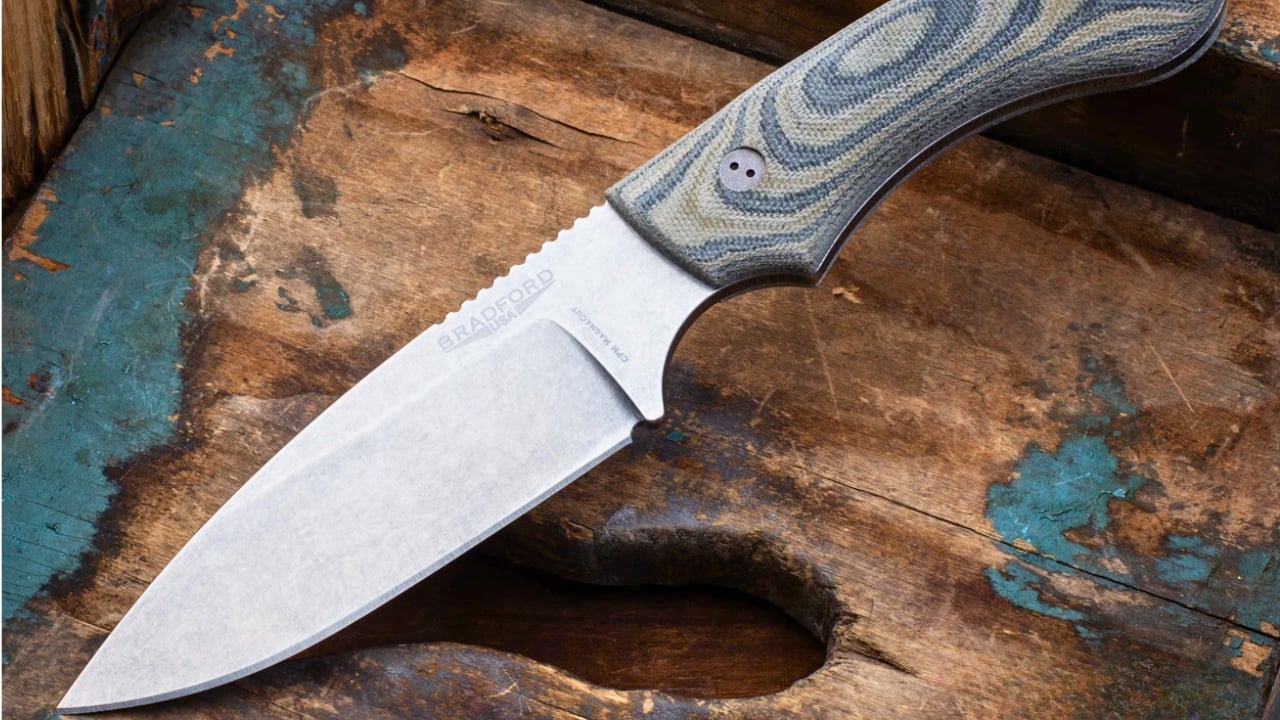
The Guardian 4.2 sits in a useful size range where the knife has enough blade for serious outdoor work without becoming a burden. Bradford’s full-tang construction and premium steel options also make it a strong long-term choice.
The real advantage is that the design remains simple. There are no gimmicks or complicated handle features to age poorly. You get a comfortable grip, practical blade shape, and enough steel to survive repeated hard use. Depending on the version, you can choose stainless or tougher tool steels to match your environment. That flexibility makes the Guardian series especially appealing for someone who wants one fixed blade to keep using for years rather than constantly chasing the next model.
LionSteel T6
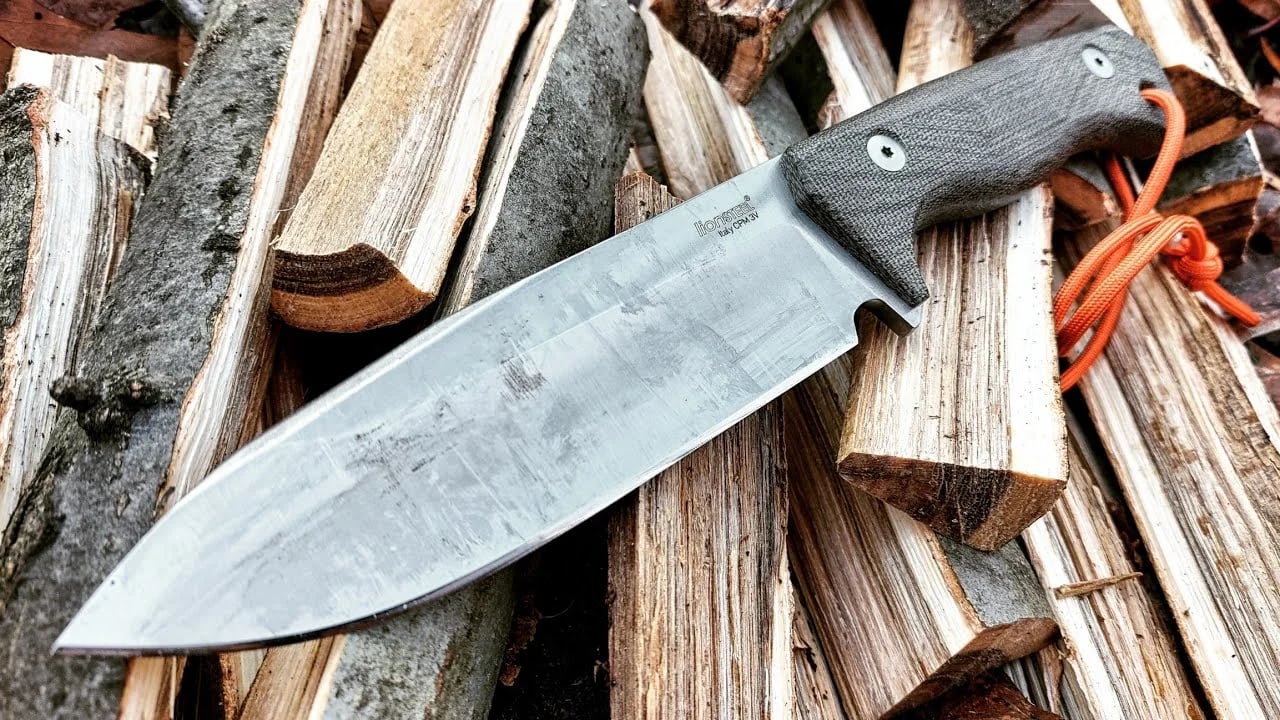
The T6 is a substantial fixed blade that manages to stay more refined than many knives in the same hard-use category. The full-tang construction, large handle, and premium steel give it enough strength for rough camp work and prolonged outdoor use.
Where it separates itself is fit and ergonomics. LionSteel tends to pay more attention to handle contour and finishing than many purely tactical brands, which matters when the knife is actually used for hours rather than minutes. The blade is large enough for wood processing but still controlled enough for ordinary utility work. It is not cheap, but it is the kind of knife that can absorb years of wear without feeling obsolete or fragile.
Joker Bushcrafter
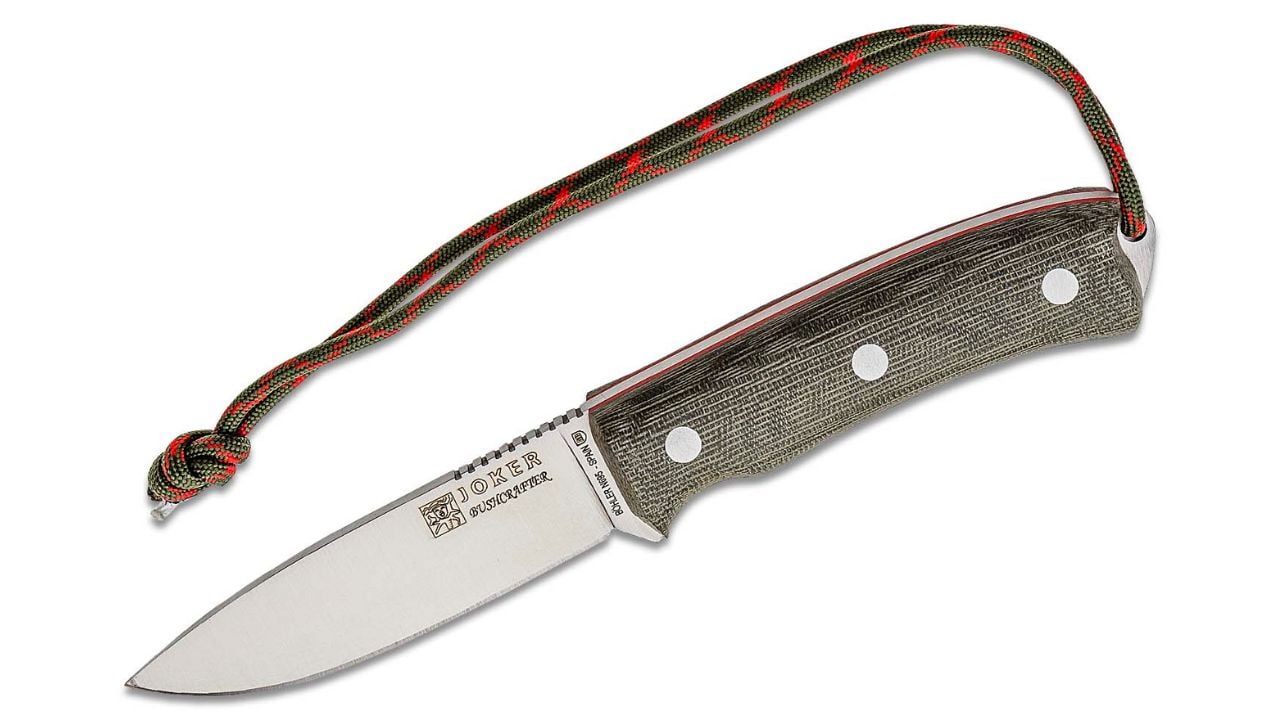
The Joker Bushcrafter offers a lot of durability without pushing into premium-custom pricing. Its full-tang construction, straightforward blade geometry, and comfortable handle make it suited to exactly the kind of repeated camp use that wears out weaker knives.
It is especially strong for woodwork. The edge geometry bites efficiently, and the blade has enough substance to handle heavier tasks without becoming oversized. The sheath quality is often better than expected for the price, which matters because a hard-use knife spends a lot of time being carried, not just cutting. Joker has built a strong reputation among outdoorsmen precisely because these knives feel like tools rather than fashion pieces.
ESEE 6
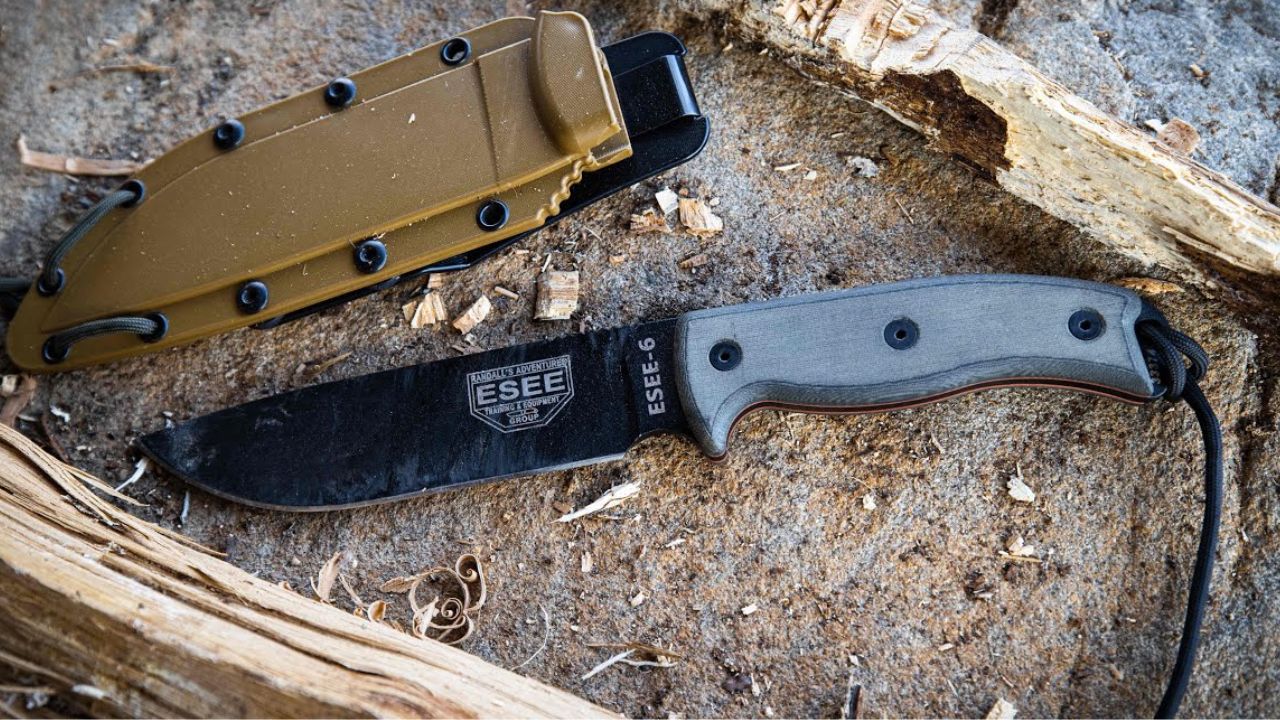
The ESEE 6 gives you more reach than the ESEE 5 while actually feeling less bulky in some kinds of use. The longer blade helps with chopping and splitting, yet the profile remains practical enough for normal camp chores.
The 1095 steel is simple, tough, and easy to maintain in the field. It will rust if neglected, but it also sharpens easily after hard use and tolerates abuse that would make harder, more brittle steels less appealing. The handle is large enough for secure control, and ESEE’s straightforward construction means parts and scales can be replaced if needed. It is the kind of knife that gets uglier over time without getting less useful.
KA-BAR Becker BK10 Crewman
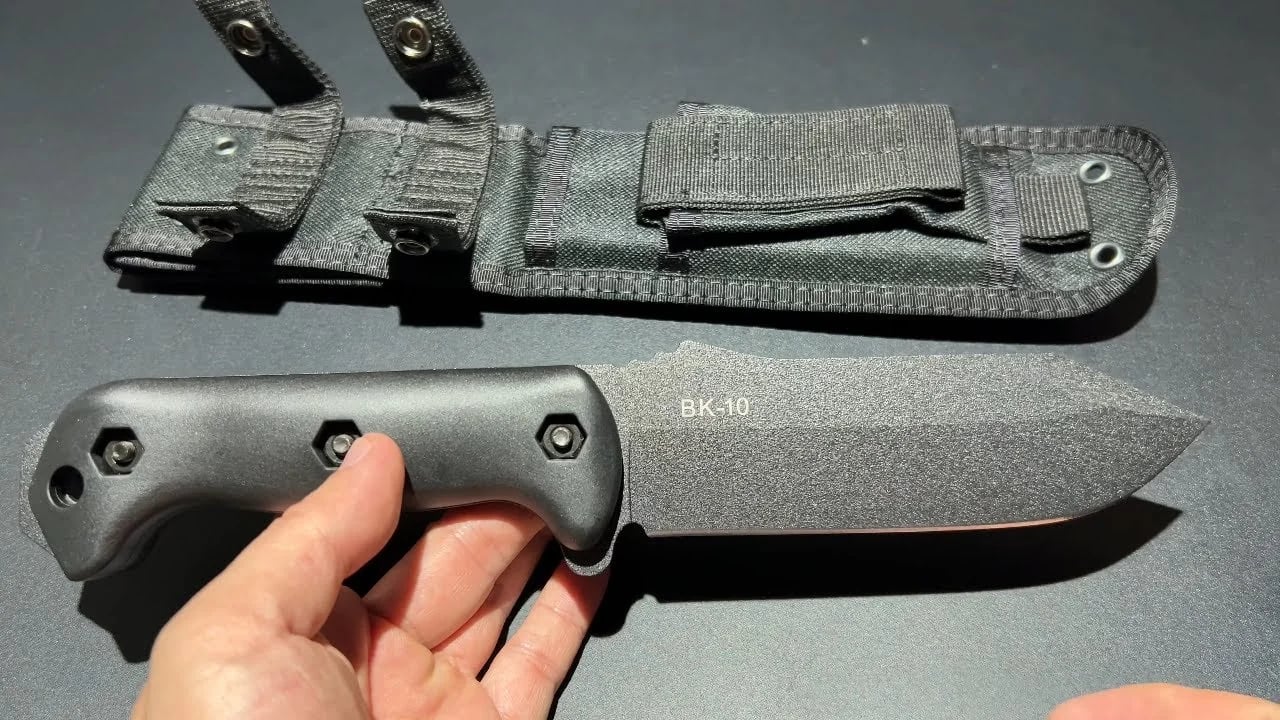
The BK10 sits in a better balance point than some of the heavier Becker designs. It has enough blade thickness and full-tang strength for rough work without becoming as cumbersome as the BK2.
That makes it easier to carry and much more pleasant for normal cutting. The 1095 Cro-Van steel is tough and field-friendly, while the removable handle scales give owners plenty of options if the factory grips wear or simply do not suit them. The Crewman has the kind of simple, industrial build that ages well. Scratches, worn coating, and sharpened edges only make it look more like the tool it was intended to be.
Spartan Blades Harsey Fighter
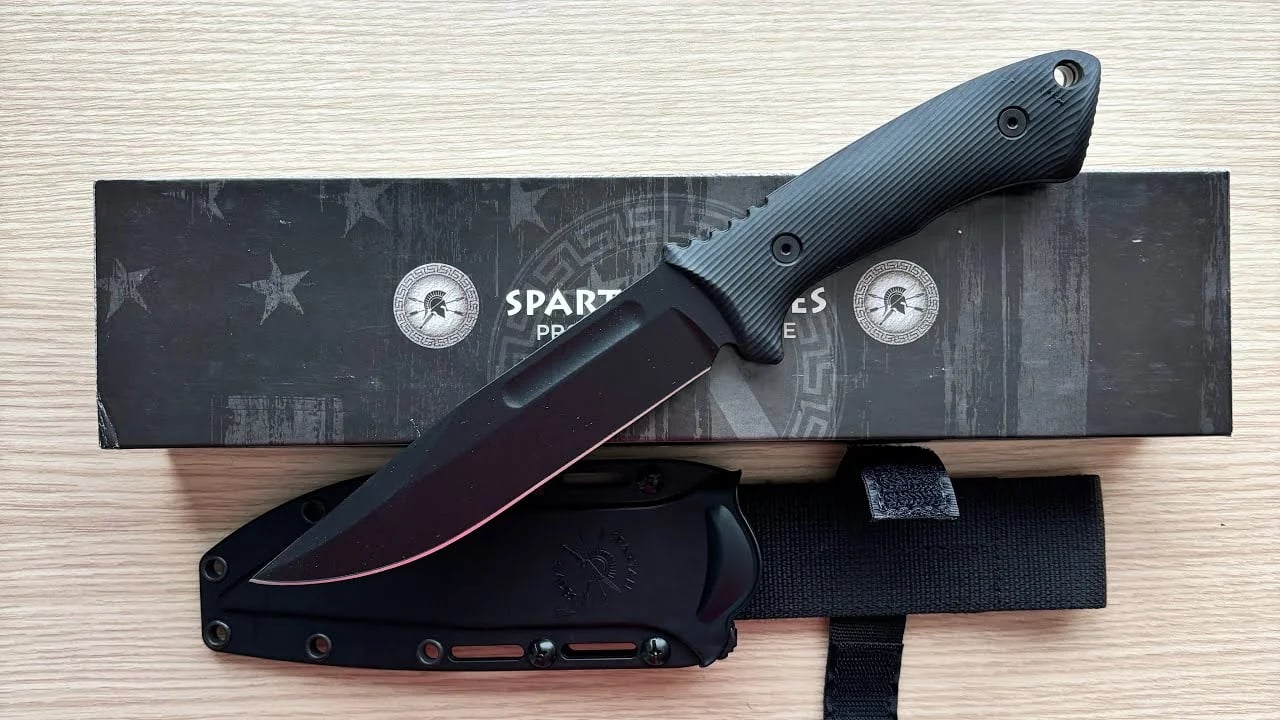
The Harsey Fighter is a more expensive hard-use knife, but the construction justifies much of that cost. The blade is stout, the handle is secure, and the overall design comes from a maker known for serious field-oriented tools.
The steel and heat treatment are built around maintaining performance under repeated hard use rather than simply chasing maximum edge retention. The handle shape also gives you control during both heavy and detailed work. This is the sort of knife that can survive years of use because nothing about it feels delicate. It is overkill for someone who only opens boxes, but for field work, hunting, and rough outdoor use, it has the durability to become a lifetime tool.
Helle Nord

The Nord is a large Scandinavian fixed blade designed to handle heavier outdoor work without abandoning the cutting efficiency Helle is known for. Its full-tang construction gives it much more strength than traditional lighter Scandinavian knives.
That combination makes it a good long-term field knife. You get enough blade for wood processing and shelter work, but the geometry remains efficient enough for carving and food preparation. The handle is also shaped around extended use rather than maximum tactical grip. It is a knife that can age well because the design is rooted in actual outdoor work rather than trends. Keep it maintained and there is little reason it could not remain useful for decades.
Reiff F6 Leuku
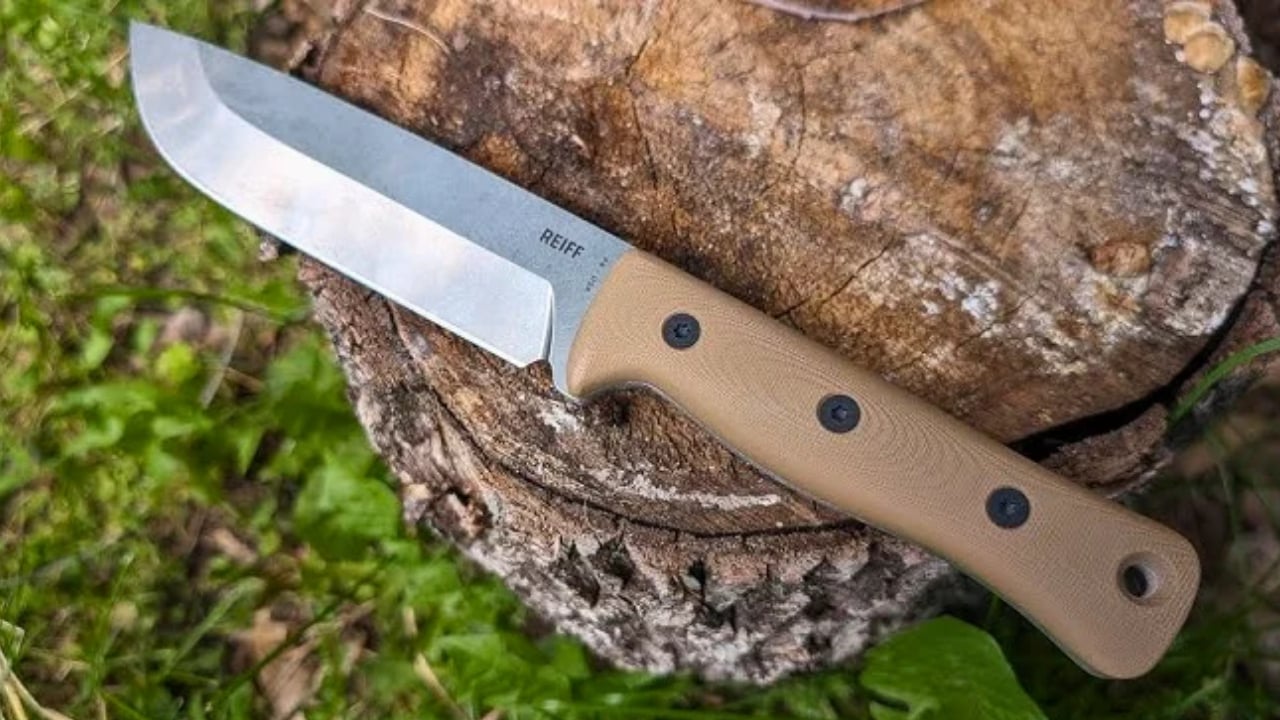
The F6 Leuku is built around serious wilderness use, with a longer blade and tough construction that allow it to handle heavier camp chores than a smaller bushcraft knife.
The advantage is that it still behaves like a knife rather than a short pry bar. The edge geometry remains useful for cutting and carving, while the extra length gives you more leverage for wood processing. The full-tang construction and tough steel provide plenty of confidence when the knife is pushed hard. For someone who prefers one larger fixed blade rather than carrying both a small knife and hatchet, the F6 is built to handle that workload for years.
Buck 124 Frontiersman
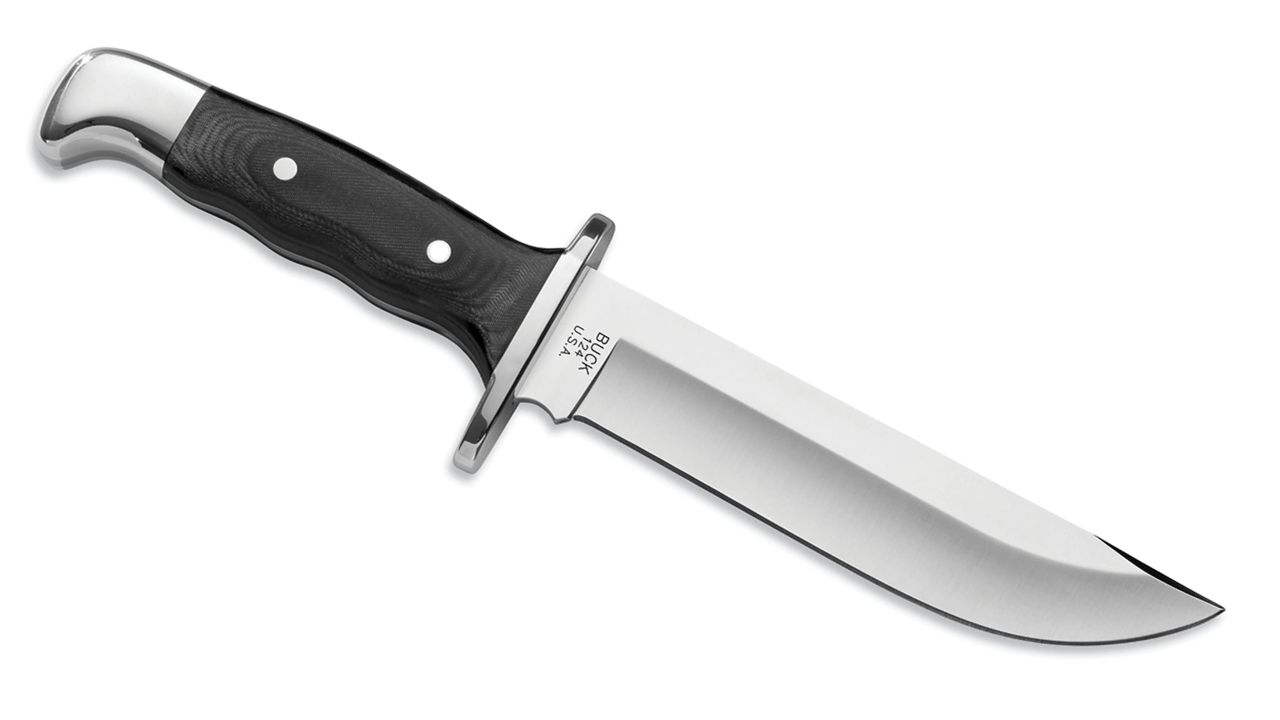
The 124 Frontiersman is old-school in the best way. It is large, heavily built, and made with the kind of straightforward construction that has helped Buck knives stay in service for generations.
The blade is thick enough for rough use, the handle gives plenty of control, and Buck’s heat treatment makes even relatively conventional steel perform better than the specification sheet might suggest. It is heavier than many modern outdoor knives, but that mass also gives it a reassuring durability. This is the kind of fixed blade that can spend decades in hunting camps and still feel completely usable. It is not trendy, and that is part of the appeal.
Ontario RAT-5

The RAT-5 has long been a practical hard-use option because it combines a useful five-inch blade with tough carbon steel and uncomplicated construction. It is large enough for camp work without becoming awkward on the belt.
The knife’s biggest strength is how easy it is to keep going. The steel sharpens quickly, the coating protects most of the blade, and the handle scales can take abuse without looking fragile. It is not as refined as more expensive options, but hard-use knives do not always need refinement. They need to keep working after being dropped, soaked, sharpened repeatedly, and used for jobs that were not part of the sales brochure. The RAT-5 fits that description well.
Casström Lars Fält Knife
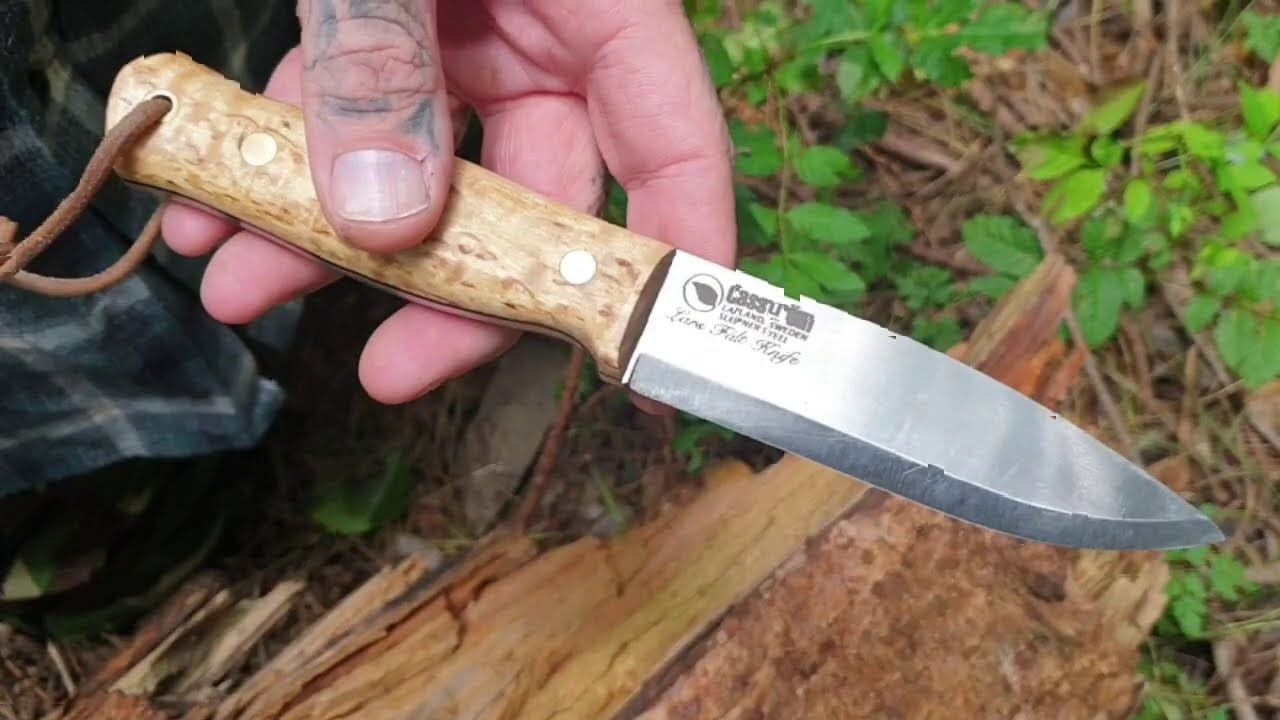
The Lars Fält Knife is built around traditional bushcraft principles, but the construction is substantial enough for long-term hard use. The full tang and Scandi-style edge make it particularly strong for carving, fire preparation, and general woods work.
The handle is also excellent for extended sessions, which matters much more over years of ownership than aggressive grip texture. A knife that creates hot spots every time you carve will eventually get replaced no matter how tough it is. The Casström avoids that problem. It is sturdy without being excessive, easy to sharpen, and designed around the kind of repeated woodworking that actually defines many outdoor trips.
Work Tuff Gear Puzon Predator Hunter
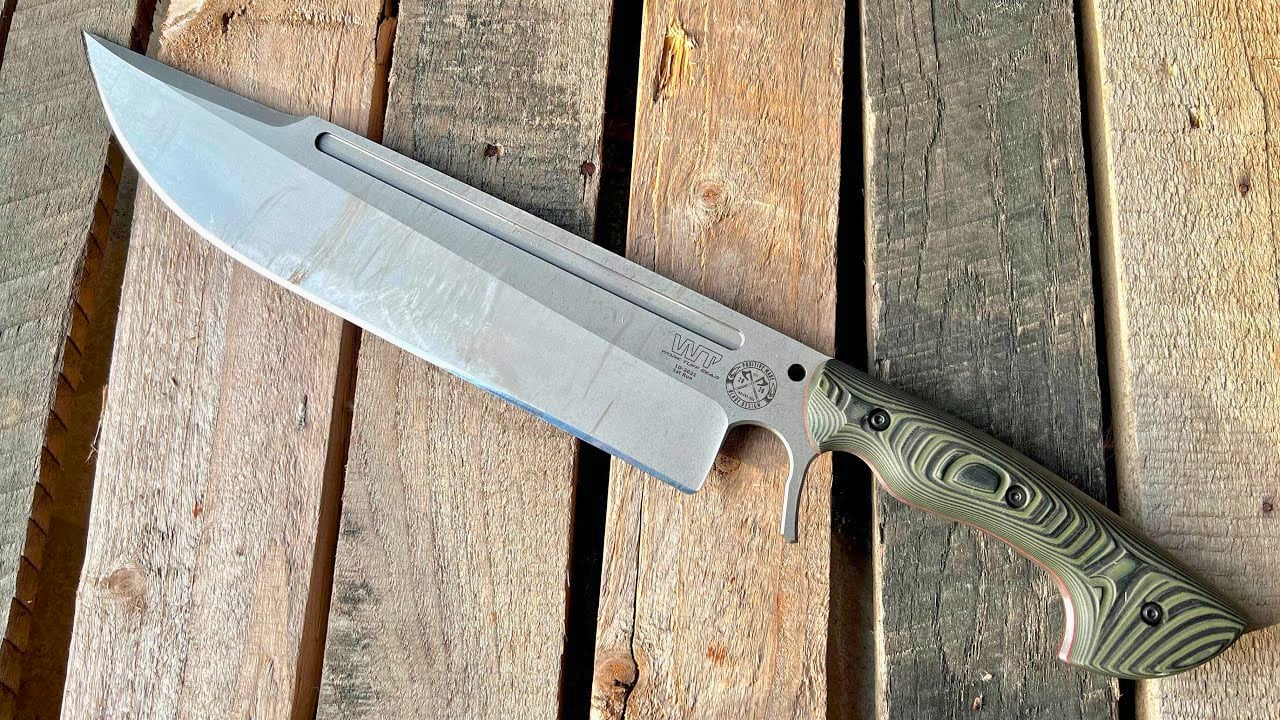
Work Tuff Gear has built a reputation around hard-use fixed blades, and the Puzon Predator Hunter gives you plenty of steel without losing all sense of cutting efficiency. The full-tang construction and large handle make it suited to serious field work.
It is heavier than a traditional bushcraft knife, but that extra strength is useful if the blade is going to handle chopping, splitting, and rough camp chores regularly. The design also gives enough belly and edge length to remain useful for hunting-related work. This is not the knife for someone counting ounces. It is for someone who expects to put real wear into a fixed blade and wants the knife to look better with scars than it did new.
Hogue EX-F02
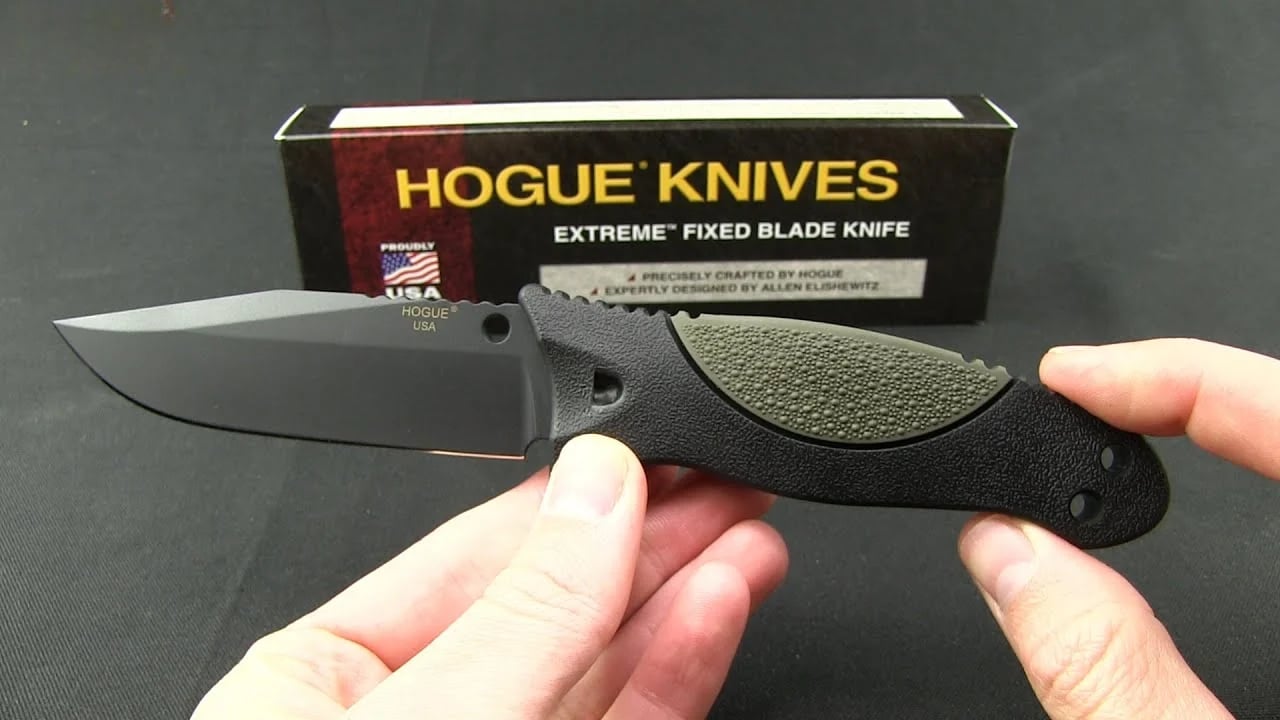
The EX-F02 is a more practical outdoor choice than some of Hogue’s heavier tactical fixed blades. It still gives you serious full-tang construction and a strong blade, but the proportions are easier to live with during normal field work.
Hogue’s handle design is one of the biggest strengths. The knife stays secure during wet or dirty work without requiring exaggerated guards or uncomfortable texturing. The blade is also thick enough to tolerate abuse while remaining capable of normal slicing and utility work. That balance is what gives a hard-use knife longevity. If it only survives abuse but becomes annoying during everything else, it eventually gets replaced. The EX-F02 has a better chance of staying in rotation for years.
Like The Avid Outdoorsman’s content? Subscribe to our newsletter so you never miss an article.
Here’s more from us: