Photo credit: Melissa – CC BY 2.0/Wiki Commons
Dog breeds go through popularity cycles just like anything else. A breed can dominate family homes, hunting camps, farms, or television screens for decades and then slowly disappear as lifestyles change and newer breeds take over.
Sometimes the reason is practical. Large dogs cost more to feed, working breeds need more exercise, and heavy grooming can be a dealbreaker for modern families. Other breeds simply lose cultural visibility once the movies, hunting traditions, or jobs that made them famous fade. None of that means these dogs stopped being good breeds. In fact, several on this list still make outstanding companions for the right owner. You just do not see nearly as many of them as you once did.
Irish Setter
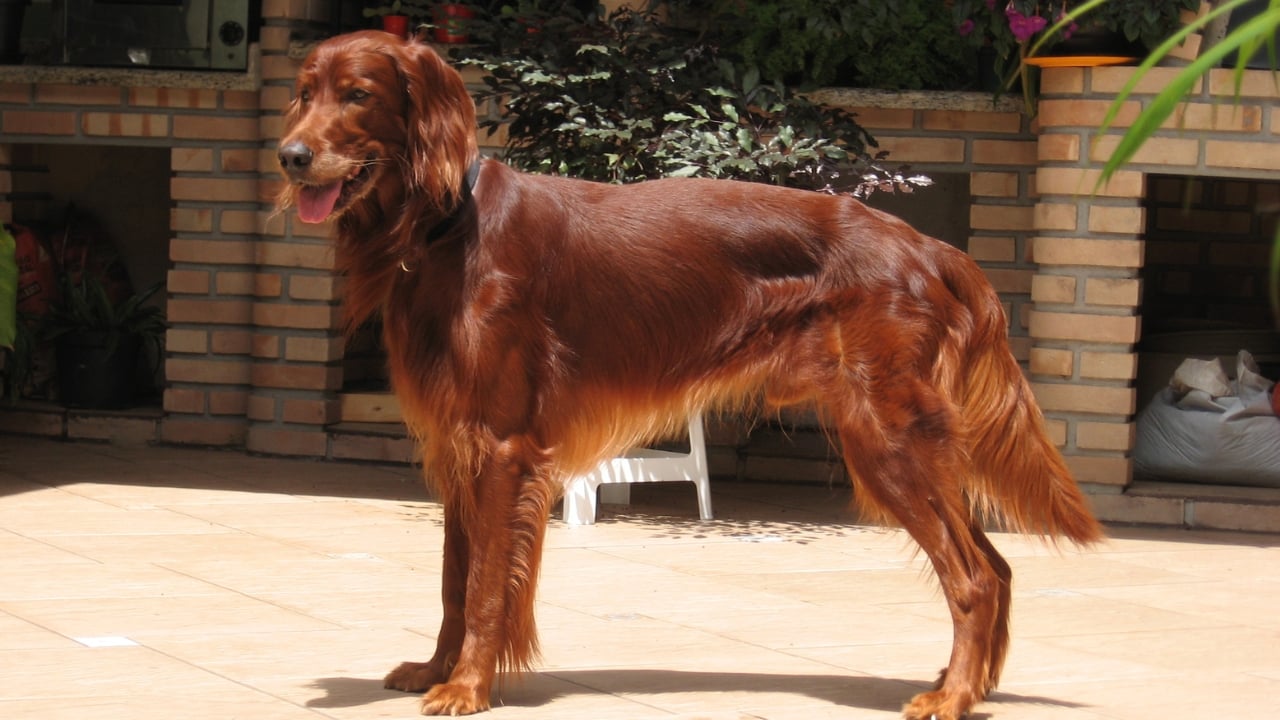
There was a time when the Irish Setter was one of the most recognizable family dogs in America. Its long red coat and elegant build made it impossible to miss, and the breed gained enormous exposure through hunting culture and popular media.
Today, you are far more likely to see a Labrador, Golden Retriever, or one of the newer designer crosses. Irish Setters require exercise, training, and regular coat maintenance, which can discourage families looking for an easier dog. They remain affectionate and energetic companions, but they no longer occupy the mainstream position they once enjoyed.
Collie
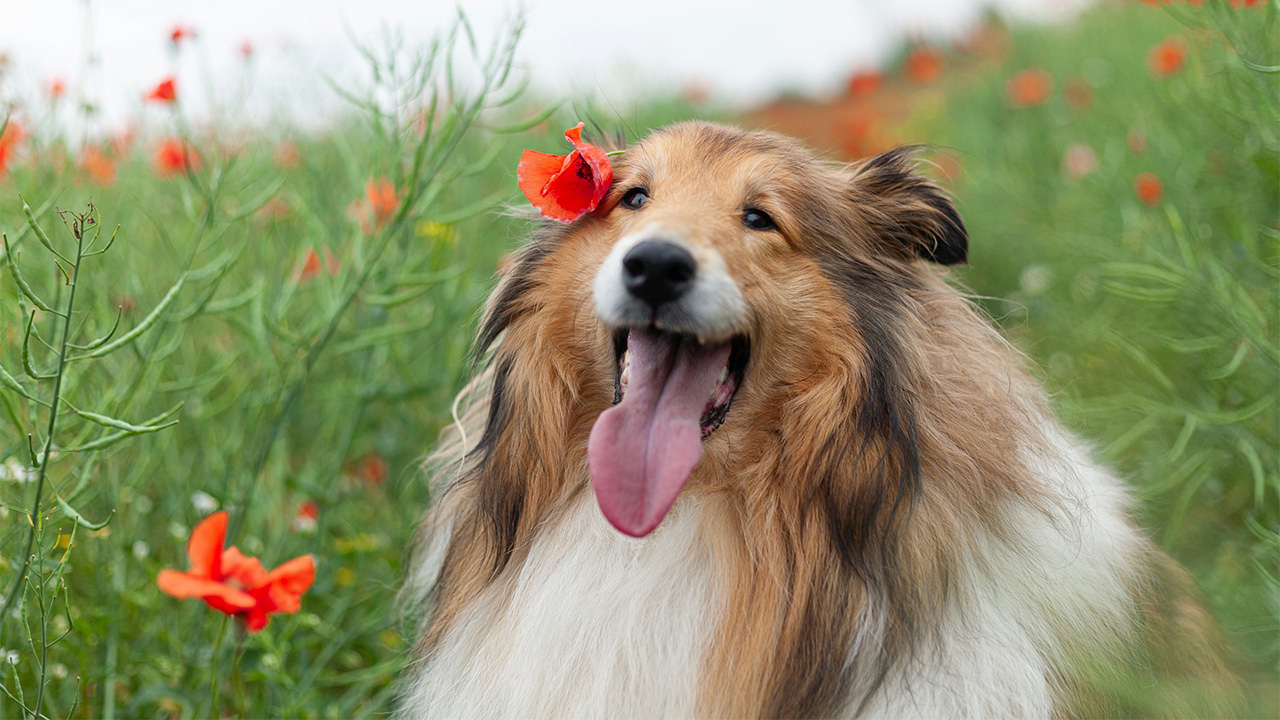
The rough-coated Collie was once practically synonymous with the ideal family dog.
Lassie turned the breed into a cultural icon, and for decades Collies were common enough that nearly everyone knew someone who owned one. That visibility has faded dramatically. Their large coat requires regular care, and families looking for herding breeds often choose Australian Shepherds or Border Collies instead. Collies are still intelligent, gentle, and devoted dogs, but they have become surprisingly uncommon compared with their former fame.
Cocker Spaniel
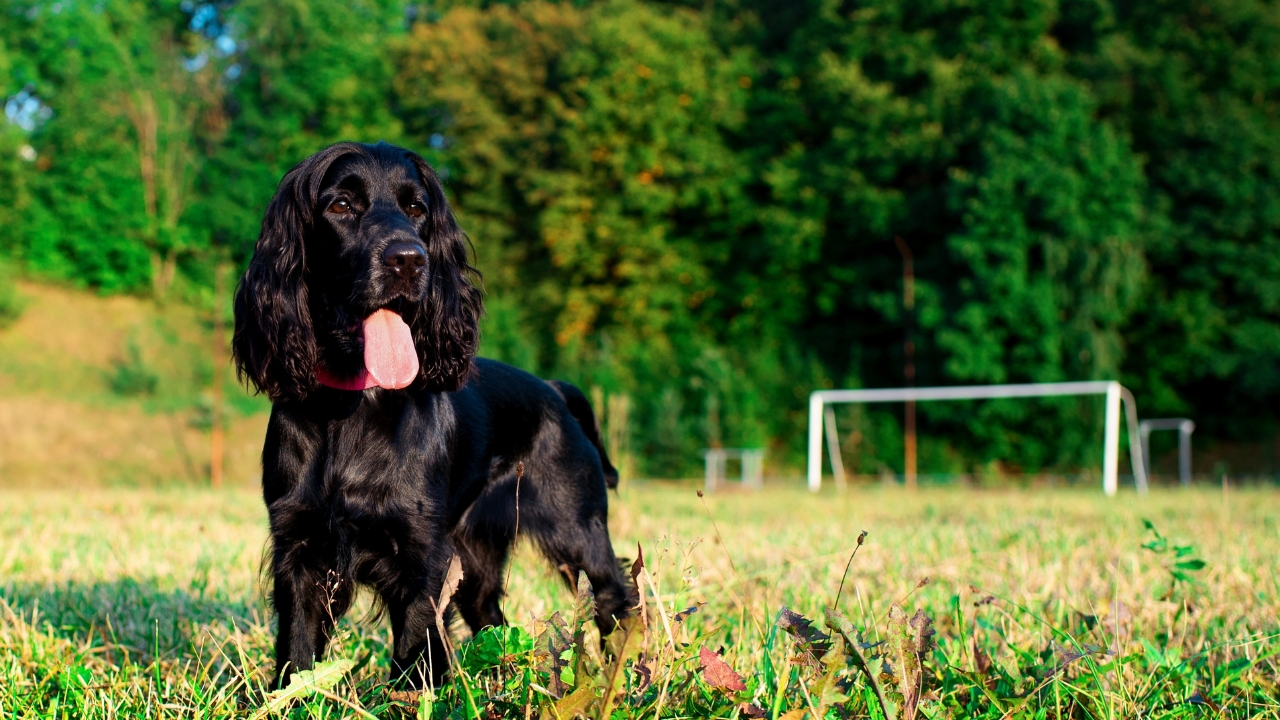
Cocker Spaniels were once everywhere. Their manageable size, cheerful temperament, and attractive coat made them one of America’s favorite family dogs.
Their popularity eventually declined as other smaller companion breeds gained ground. Grooming is also more demanding than many new owners expect, particularly around the ears and feathering. The breed still has a dedicated following and can make an excellent household companion, but the days when Cocker Spaniels seemed to occupy every other suburban backyard are long gone.
English Springer Spaniel
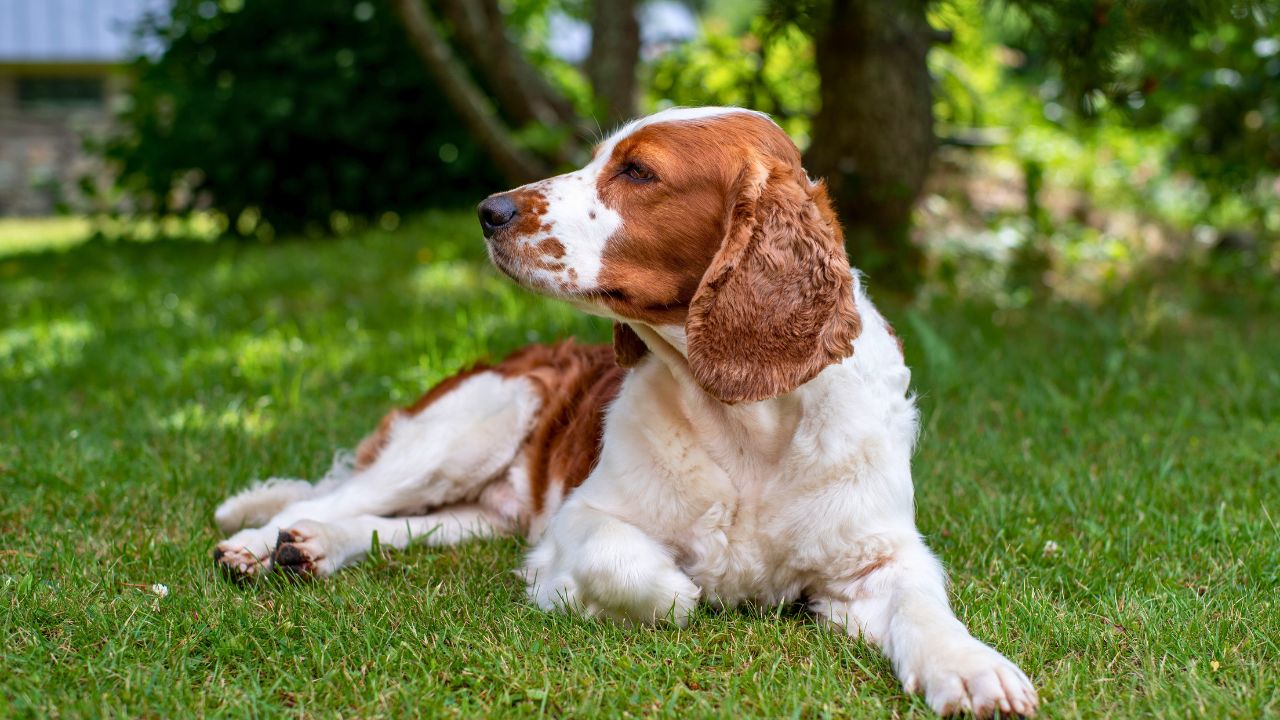
Springers were once among the most familiar sporting dogs in American homes.
They remain highly capable flushing dogs, but mainstream family ownership has shifted heavily toward Labs, Goldens, doodles, and smaller companion breeds. A Springer also needs considerable exercise and mental stimulation, particularly if it comes from strong working lines. For hunters and active families they can be outstanding dogs. They simply no longer receive the broad attention that once made them a common sight.
Brittany
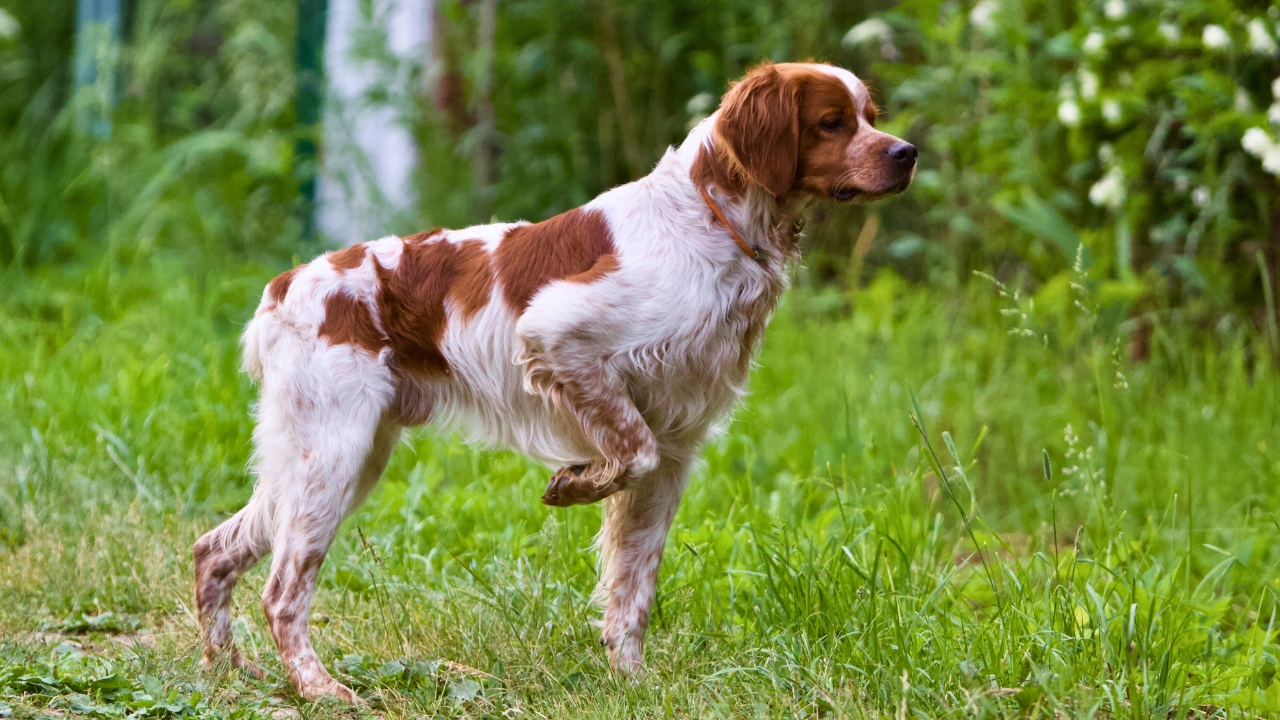
The Brittany remains highly respected among upland hunters, but outside hunting circles its visibility has dropped considerably.
These compact bird dogs are athletic, trainable, and extremely energetic. That last trait can make them challenging for households expecting a quiet companion. As fewer families participate in traditional upland hunting, breeds closely associated with that lifestyle naturally become less common. Brittanys still excel at exactly what they were bred to do, but they are increasingly a specialist’s dog rather than a mainstream family choice.
English Setter

English Setters once had a much stronger presence among bird hunters and sporting-dog owners.
The decline of traditional quail and upland hunting in many regions has reduced the number of households looking specifically for a pointing dog. Their beautiful feathered coats also require more upkeep than the short coats of popular breeds like Labs and German Shorthaired Pointers. The English Setter remains graceful, affectionate, and highly capable in the field, but its former prominence has faded.
American Foxhound

Foxhounds were once much more closely connected to rural American life and traditional hunting culture.
Modern suburban living is not particularly well suited to a dog bred to cover tremendous distances while following scent. They can be vocal, energetic, and independent, which makes them difficult for owners expecting the easy obedience of a typical companion breed. American Foxhounds still have dedicated hunting enthusiasts, but outside those circles the breed has become remarkably uncommon.
Bloodhound

The Bloodhound has one of the most recognizable faces in the dog world, yet actual ownership is much less common than its cultural fame would suggest.
These dogs are large, powerful, slobbery, and almost unbelievably driven by scent. A Bloodhound that catches an interesting trail can suddenly forget every other priority. That makes secure fencing and patient training essential. They remain exceptional tracking dogs, but their size and specialized temperament have pushed them well outside the mainstream family-dog market.
Basset Hound

Basset Hounds were once a staple of advertisements, television, and suburban family life.
Their low-slung appearance still attracts attention, but ownership comes with more work than their laid-back personality suggests. Ear care, skin issues, weight management, and back problems can all require attention. Families now have far more small and medium companion breeds to choose from. The Basset remains charming and unmistakable, but you simply do not encounter them as often anymore.
Dalmatian

Few breeds experienced a popularity roller coaster quite like the Dalmatian.
Movies repeatedly pushed demand upward, but many families discovered that the real dog was considerably more energetic and demanding than the fictional version. Dalmatians were bred for endurance and can require substantial exercise and structured training. They also have breed-specific health considerations prospective owners should understand. The spotted coat remains instantly recognizable, but the breed is no longer the common family choice it briefly became.
Old English Sheepdog

The Old English Sheepdog once appeared everywhere from television programs to advertising campaigns.
Its massive coat is also a major commitment. Keeping one clean, brushed, and free of mats requires far more time than many families want to spend on grooming. Large size adds another expense, particularly when food and veterinary care are considered. They remain affectionate and memorable dogs, but modern owners seeking shaggy companions often gravitate toward doodle-type dogs instead.
Chow Chow

Chow Chows once had a major popularity surge, particularly during the late 20th century.
Their lion-like coat and distinctive blue-black tongue made them visually irresistible. Their temperament, however, can be much more independent and reserved than buyers expecting a cuddly family dog anticipate. Early socialization and responsible handling matter considerably. As buyers shifted toward highly social companion breeds, the Chow gradually became less common despite remaining one of the most visually distinctive dogs around.
Chinese Shar-Pei

The Shar-Pei became a novelty sensation when the breed’s wrinkled appearance captured public attention.
That popularity eventually cooled. The same skin folds people find attractive can require careful maintenance, and the breed can be prone to several health concerns. Shar-Peis also tend to be more independent and reserved than many mainstream family breeds. They still have devoted owners, but the rush to own one purely because of its unusual appearance has largely disappeared.
Afghan Hound

The Afghan Hound once represented glamour in the dog world.
Its flowing coat and aristocratic appearance made it a regular presence in advertising, dog shows, and popular culture. Maintaining that coat is a serious undertaking, though, and the breed’s independent sighthound temperament is very different from the eager-to-please personality many families want. Afghans remain striking dogs, but they have become much more of a specialty breed than an ordinary household choice.
Borzoi

The Borzoi was once far more visible among owners attracted to elegant sighthounds.
Their calm indoor demeanor can be misleading because these dogs were bred to run and pursue game at speed. They need secure areas and owners who understand strong prey drive. Their enormous size also makes housing and transportation more complicated. Borzois retain a loyal following, but modern pet ownership has increasingly favored smaller dogs and easier-to-manage family breeds.
Airedale Terrier

The Airedale was once enormously respected as a working, hunting, guarding, and all-purpose farm dog.
That versatility helped earn it the nickname “King of Terriers,” but modern owners have dozens of more specialized breeds to choose from. Airedales are intelligent, energetic, and sometimes stubborn, so they need an owner willing to provide structure. Their wiry coat also requires maintenance. They remain excellent dogs in capable hands, but their former mainstream status has largely disappeared.
Scottish Terrier

The Scottie was once one of the most recognizable small dogs in America.
Presidential ownership, advertising, and popular culture helped make the compact black terrier an icon. Today, French Bulldogs, Dachshunds, Cavaliers, and various small mixes dominate much of the companion-dog market. Scotties also retain the independent terrier personality that can surprise buyers expecting a lap dog. They are still full of character, but they no longer enjoy anything close to their former visibility.
Wire Fox Terrier
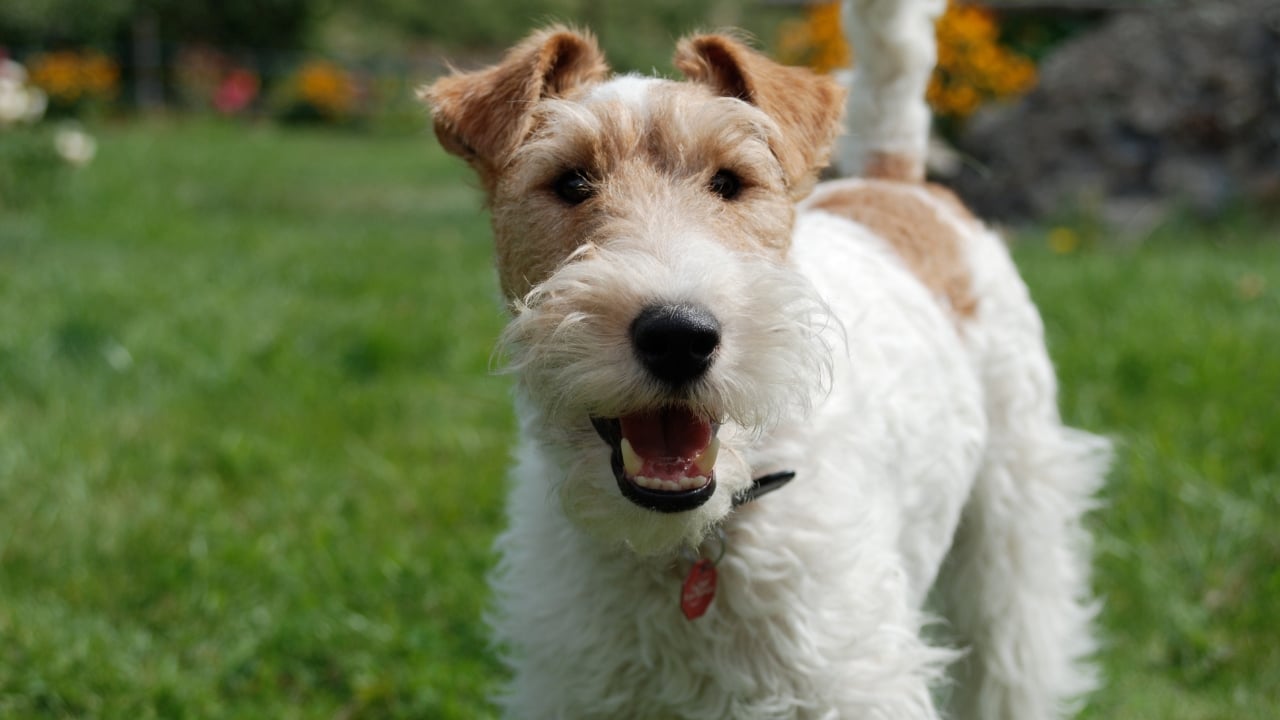
Wire Fox Terriers were once tremendously popular both as show dogs and household companions.
They have since become far less common outside dedicated terrier circles. These dogs are energetic, clever, and intensely curious, which can be a lot for someone wanting an easygoing pet. Their traditional coat also requires specialized grooming. The breed remains athletic and full of personality, but the modern companion market has shifted toward breeds that demand less management.
Irish Wolfhound

Irish Wolfhounds have never been ordinary dogs, but they once enjoyed considerably more cultural attention as one of the world’s most impressive giant breeds.
Their size creates obvious challenges. Food bills are substantial, vehicles and homes need enough space, and giant breeds generally come with shorter lifespans and expensive medical considerations. The Wolfhound’s calm, gentle personality remains appealing, but fewer families are willing or able to take on everything that comes with owning such a massive dog.
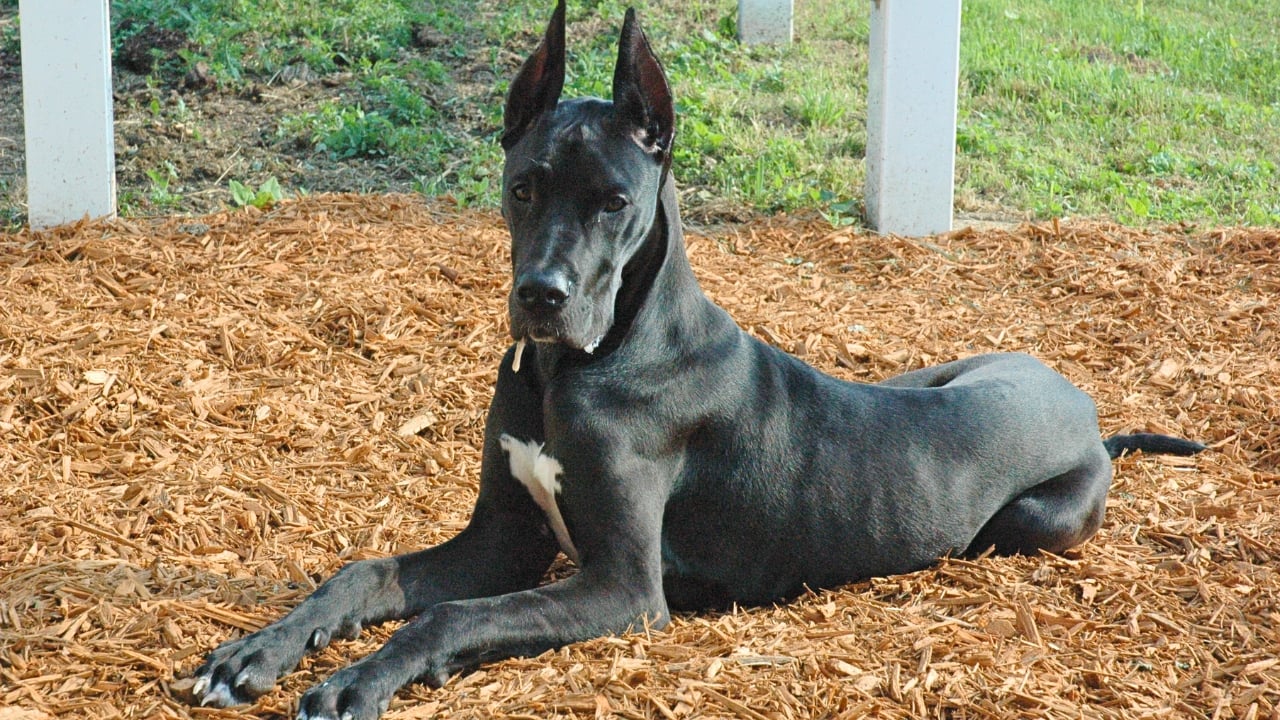
Great Dane

Great Danes are still recognizable everywhere, but their actual place among mainstream family dogs is not what it once was.
Size is the biggest obstacle. Feeding a 120- to 170-pound dog costs real money, large beds and crates take up enormous amounts of space, and veterinary treatment can become expensive quickly. Their shorter average lifespan is also difficult for owners who have already lived with giant breeds. Danes remain affectionate, impressive dogs, but many families now choose smaller breeds that are easier and cheaper to manage.
Like The Avid Outdoorsman’s content? Subscribe to our newsletter so you never miss an article.
Here’s more from us: