
Photo credit: Jayanth Muppaneni/Unsplash.com
A lot of people treat freshwater like the safer version of the outdoors. No surf, no saltwater predators, no ocean weirdness. Just lakes, rivers, muddy banks, reeds, boat ramps, and the same tackle boxes people have been dragging around since forever. But freshwater has its own kind of trouble, and some of it has more bite than people expect. There are plenty of creatures in lakes and rivers that can shred soft plastics, chew through nets, crack lines, tear up boots, ruin stringers, and turn “good enough gear” into a pile of regrets fast.
That is the part folks learn the hard way. They think gear failure means bad luck or cheap equipment, when a lot of the time the animal on the other end was built to destroy whatever touched it. Teeth, crushing jaws, rasping mouths, claws, and plain raw leverage all matter once you get close to the water. Some of these creatures will damage gear while feeding. Some do it while thrashing. Some do it just because you got too close to the wrong mouth with the wrong material. Here are 15 lake and river creatures that can bite clean through gear faster than most people think.
Alligator gar
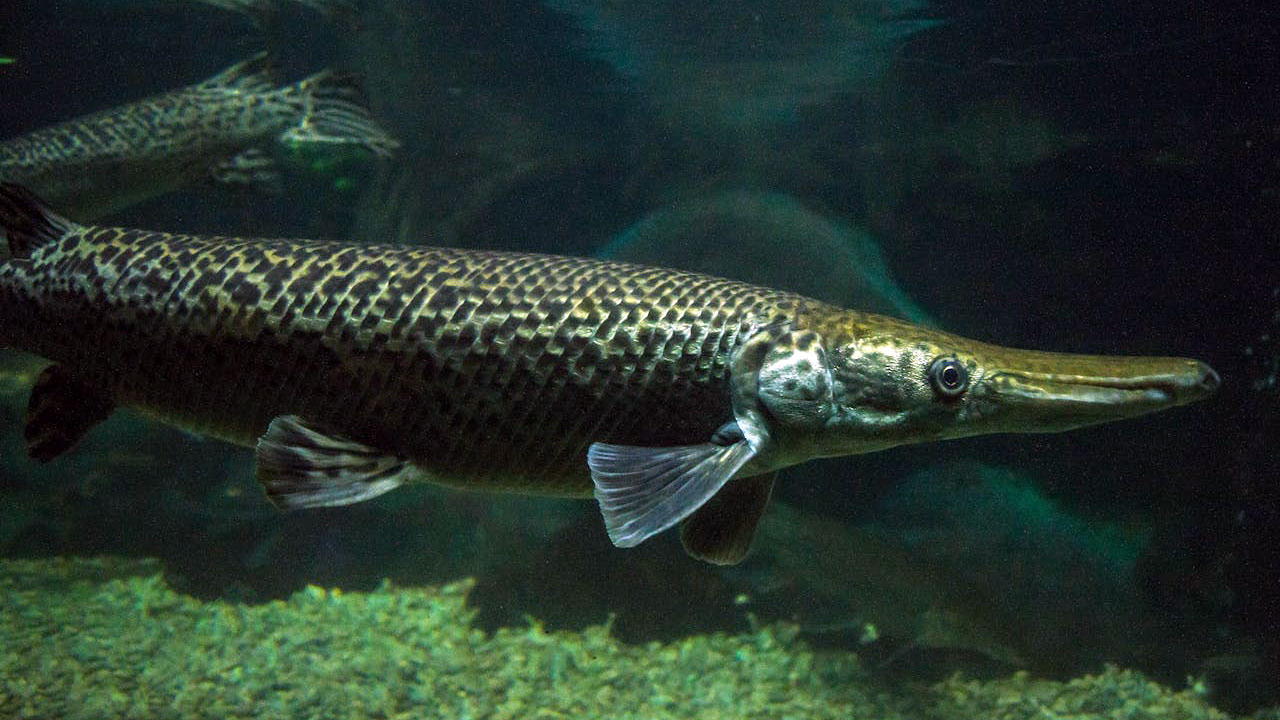
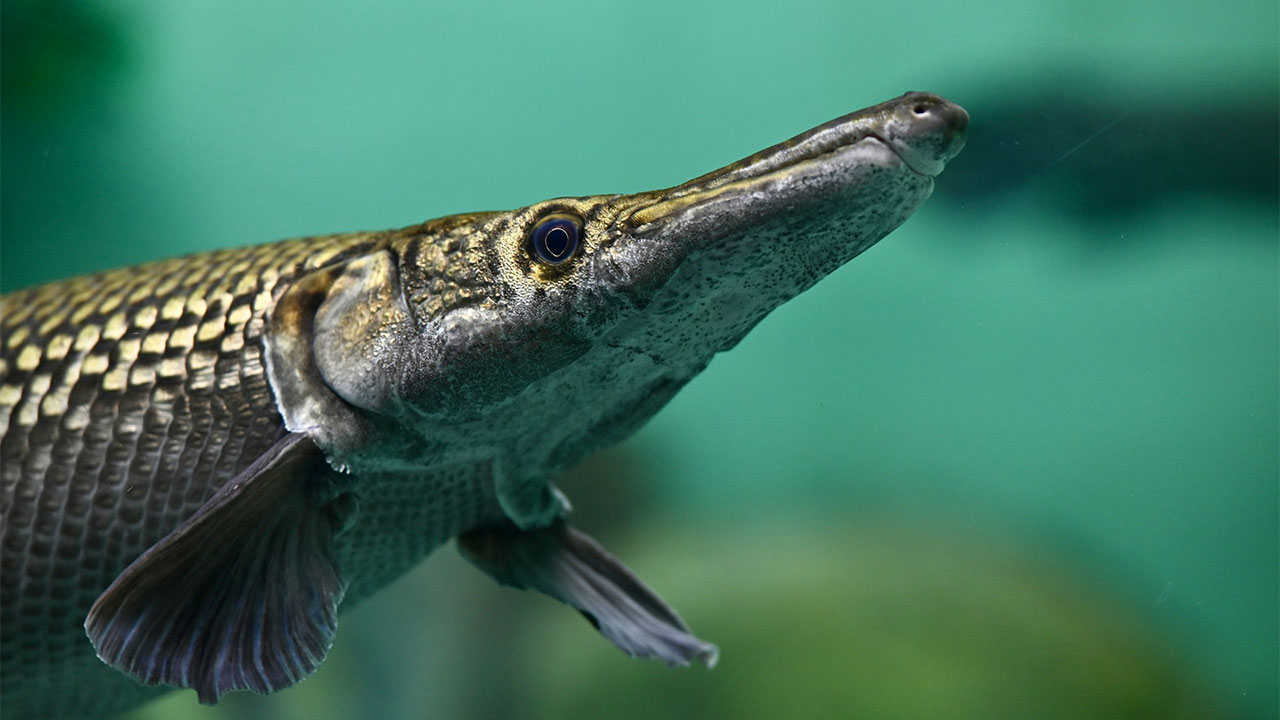
Alligator gar look like something that should live in a swampy legend instead of a real river, and their mouths are a big reason why. Those long jaws are lined with serious teeth, and when one clamps down on a bait, a line, or a fish already hooked up, cheap gear gets exposed in a hurry. A gar does not have to neatly slice through everything like scissors. Between the teeth, the head shakes, and the leverage of a big fish rolling in current, it can make leaders, nets, and soft baits look weak fast.
This is why people who target gar on purpose do not show up with bargain-bin tackle and wishful thinking. Heavy leaders, stout hooks, and durable handling gear exist for a reason. Even when you are not targeting them, a big gar can wreck your setup just by being in the wrong place at the wrong time. Folks bank-fishing rivers in gar country learn pretty quickly that some fish are not content to just get hooked and come quietly. Gar can absolutely make your tackle look underdressed.
Northern pike

Northern pike are one of the most obvious freshwater gear wreckers out there. They are built around speed, ambush, and a mouth full of teeth that seem custom-made for cutting through anything you hoped would hold. Ask enough anglers about mysterious break-offs, missing lures, or lines that came back frayed like they rubbed a hacksaw, and pike will show up in the conversation fast. A big one does not need long to ruin mono, chew up soft plastics, or make a landing net look like it had a rough day.
What gets people is how quickly it happens. One head shake, one turn, one surge boat-side, and suddenly the gear that handled bass all weekend looks laughably underbuilt. Pike do not play fair, and they are not supposed to. If there is one fish that teaches people why leaders matter, it is this one. A pike’s mouth is basically a bad attitude with teeth attached, and it treats weak gear accordingly.
Muskellunge
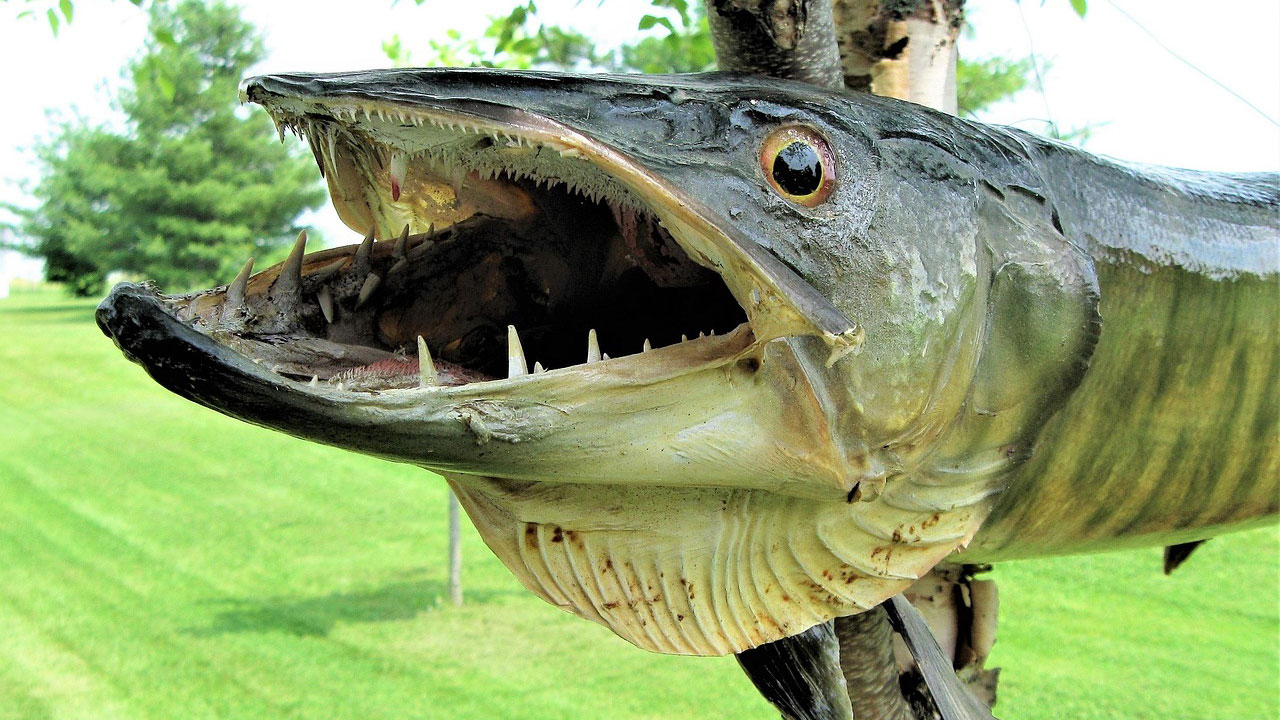
Muskies are pike with even more reason to test a person’s setup. They are larger, notorious for boat-side chaos, and fully capable of turning a normal tackle situation into a full-on equipment evaluation. Big trebles get buried, nets get thrashed, leaders get tortured, and hands get introduced to why proper tools matter. Their teeth are not there for decoration, and neither is the body behind them. When a muskie decides to surge, twist, or roll, every weak point in your rig starts telling on itself.
That is why muskie fishermen seem half-angler, half-tool collector sometimes. Long pliers, hook cutters, heavy leaders, serious nets, strong rods, and reels built to take a beating are all part of the package because the fish demands it. Even if one does not literally bite through every piece of gear in sight, it absolutely has the ability to destroy the parts that are not up to snuff. There is a reason people talk about muskies with a certain level of respect. They make you earn the whole encounter.
Chain pickerel
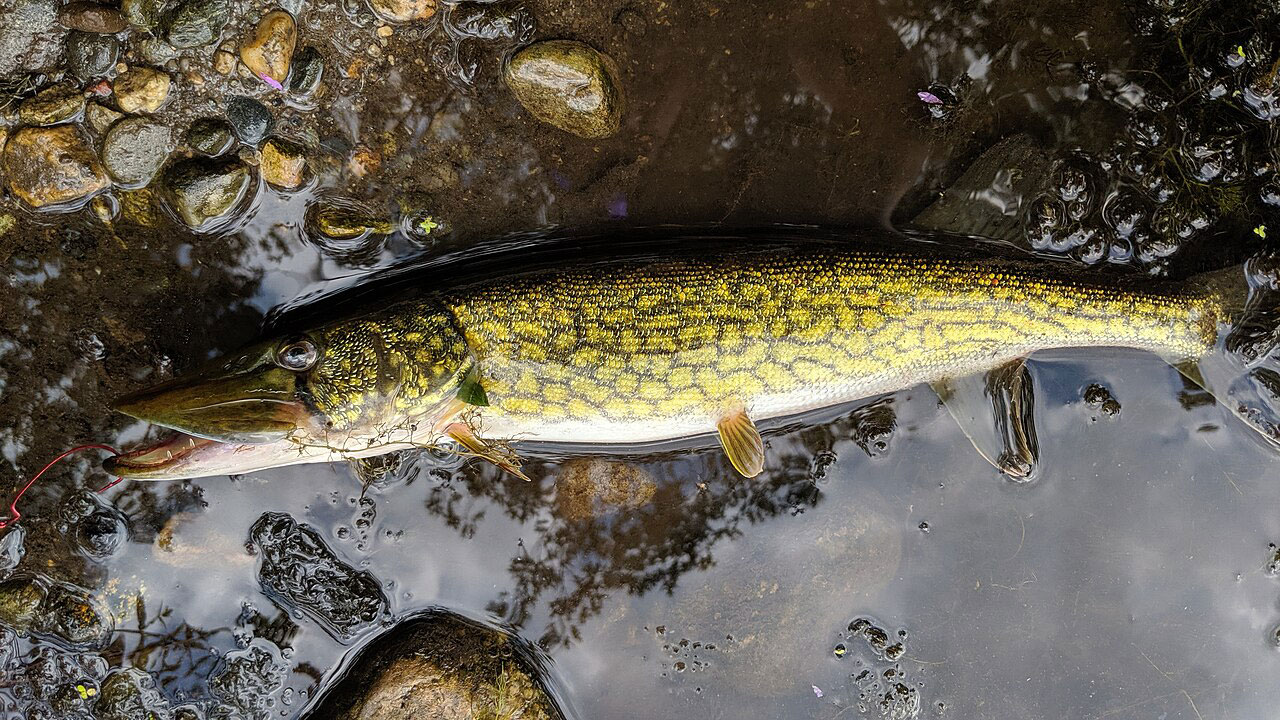
Chain pickerel do not get the same spotlight as pike and muskies, but they are cut from the same meaner-than-they-look cloth. They have the teeth, the ambush instinct, and the habit of making lighter freshwater gear regret being there. Smaller lures come back slashed up. Light leaders get tested hard. Landing a pickerel carelessly is a good way to end up with chewed tackle, torn fingers, or both. They may not be as famous, but they absolutely know how to wreck a light setup.
Part of the problem is that people often do not prepare for them the way they would for a trophy pike. They are out chasing something else, and a pickerel shows up to expose the weak spots. That is where the damage happens. One quick strike, one thrash near the bank, and the whole thing gets messy. These fish punch above their weight when it comes to gear abuse.
Flathead catfish
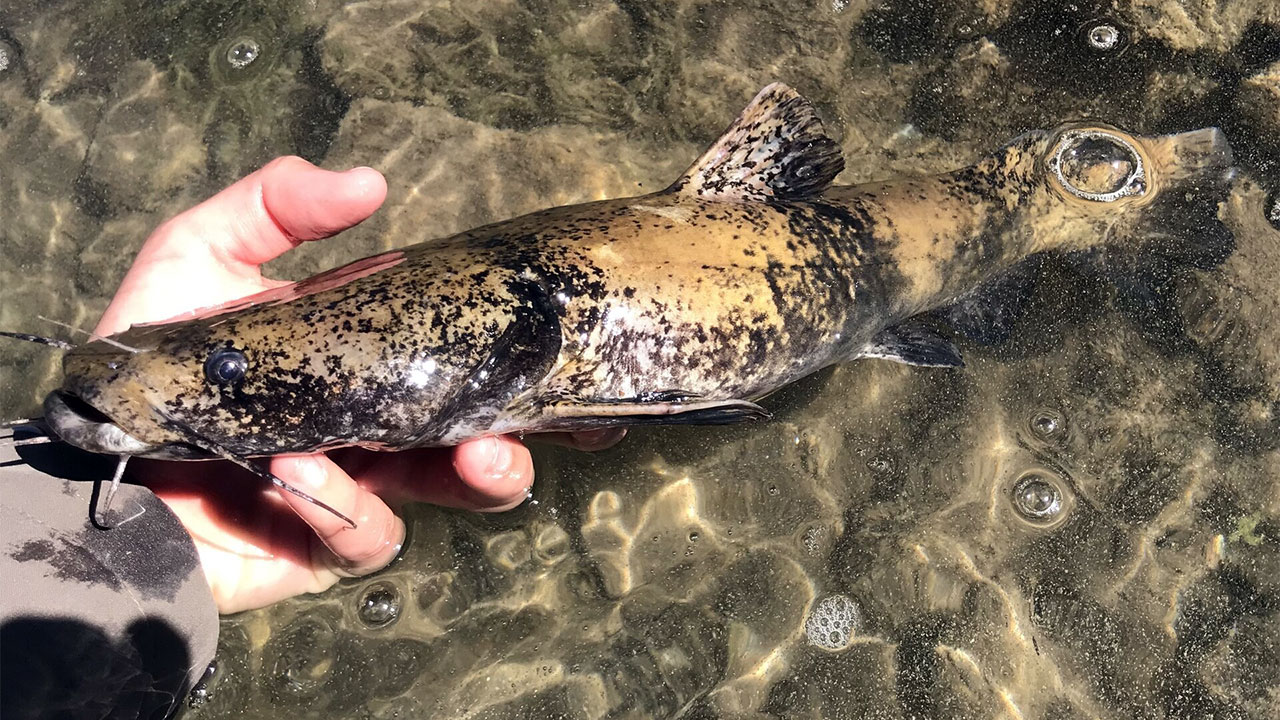
Flatheads are not toothy in the pike sense, but they are still rough on gear in a whole different way. A big flathead has a huge mouth, serious power, and the kind of stubborn fight that tests knots, hooks, rod tips, and your patience all at once. When one bulldogs into timber, rock, or current, it does not need to bite through your setup cleanly to destroy it. It just needs to use its body and the environment against you, and flatheads are excellent at that.
They also have abrasive mouths and enough mass to make lighter line or worn terminal gear fail in a hurry. People forget that gear destruction is not always about sharp teeth. Sometimes it is about raw pressure in ugly places. Hook a big flathead around snags or hard structure and you learn real fast that “freshwater fish” is not some gentle category. A flathead can wreck tackle like it took the whole thing personally.
Blue catfish
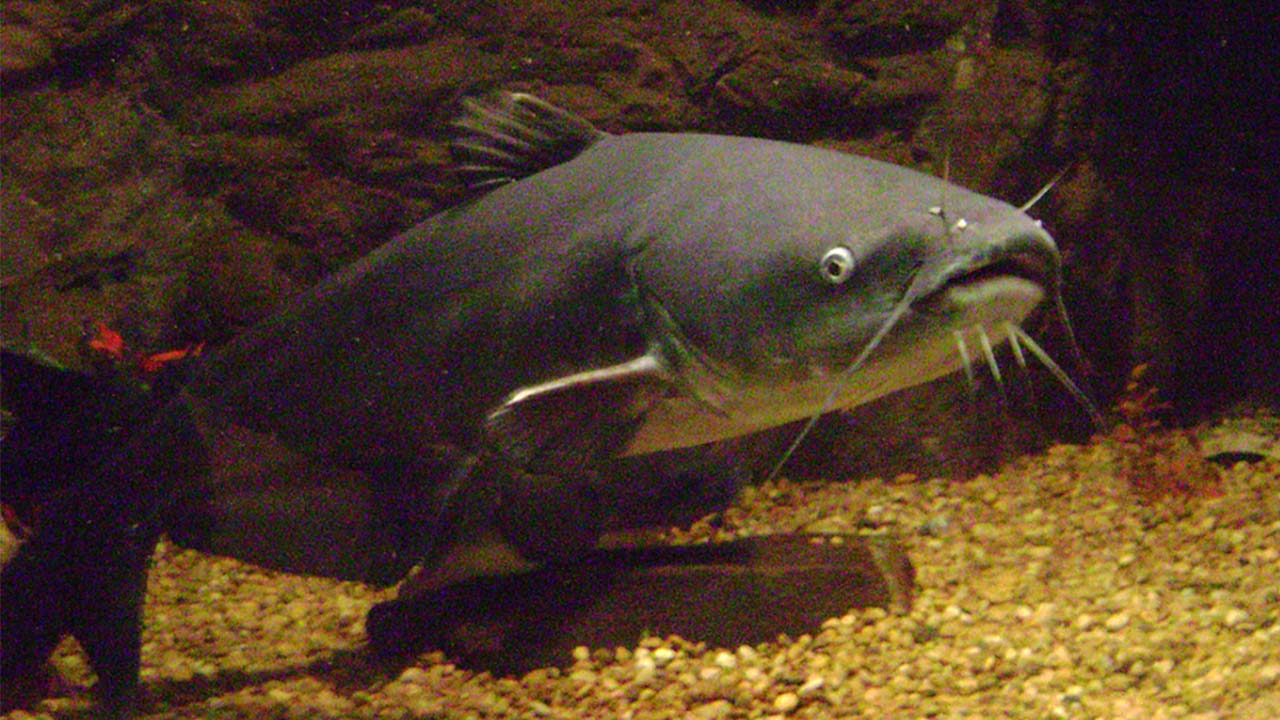
Blue catfish bring many of the same problems, just often in bigger water with more room to punish weak gear. A big blue can pull like a freight train, turn downstream, and force line across whatever rough stuff the river has waiting. Add current, depth, and a heavy fish that does not want to cooperate, and you have a setup that is one bad knot or one worn leader away from getting humbled in a hurry. Again, it is not about slicing gear with teeth so much as overwhelming it with force.
That still counts when the result is the same: broken lines, bent hardware, busted rod guides, or a net that took too much abuse at the boat. Blues are one of those fish that make people upgrade their gear after the fact. They thought they were fine until one serious fish explained otherwise. In river systems especially, blues are hard on everything that is not ready for sustained pressure.
Snapping turtles
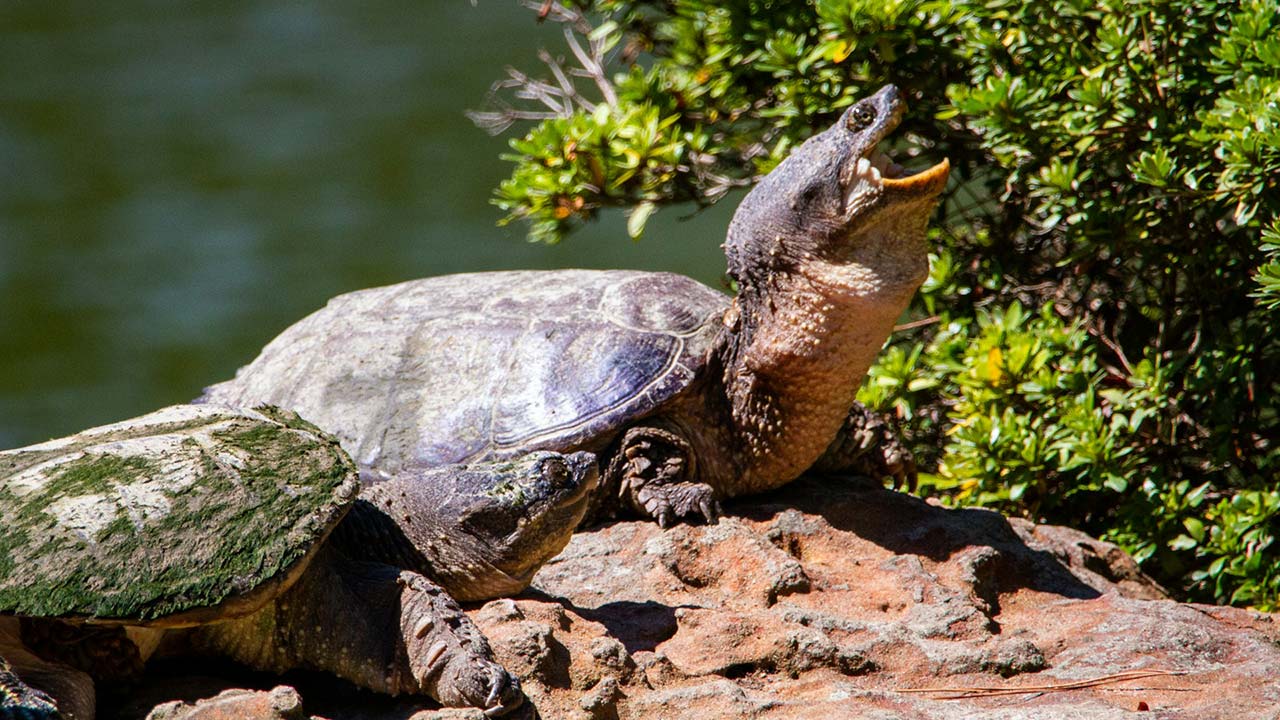
Snapping turtles absolutely deserve a place here because they do not just damage gear, they make people rethink how close their hands were to it. A big snapper has a jaw built for crushing, and it does not care whether the thing in front of it is a baited hook, a stringer fish, a limb line setup, a landing net edge, or something you were dumb enough to hold too close. They can bite through line, wreck soft gear, and put a sudden end to whatever easy handling plan you thought you had.
This is especially true around bank lines, trotlines, live wells, and fish baskets where turtles show up looking for an easy meal. People underestimate them because they are slow on land and familiar-looking in a pond sort of way. That comfort vanishes the second one clamps onto something solid. A big snapper’s bite is the kind of freshwater reality check that makes plastic, rope, and fingers all seem a little more temporary.
Softshell turtles
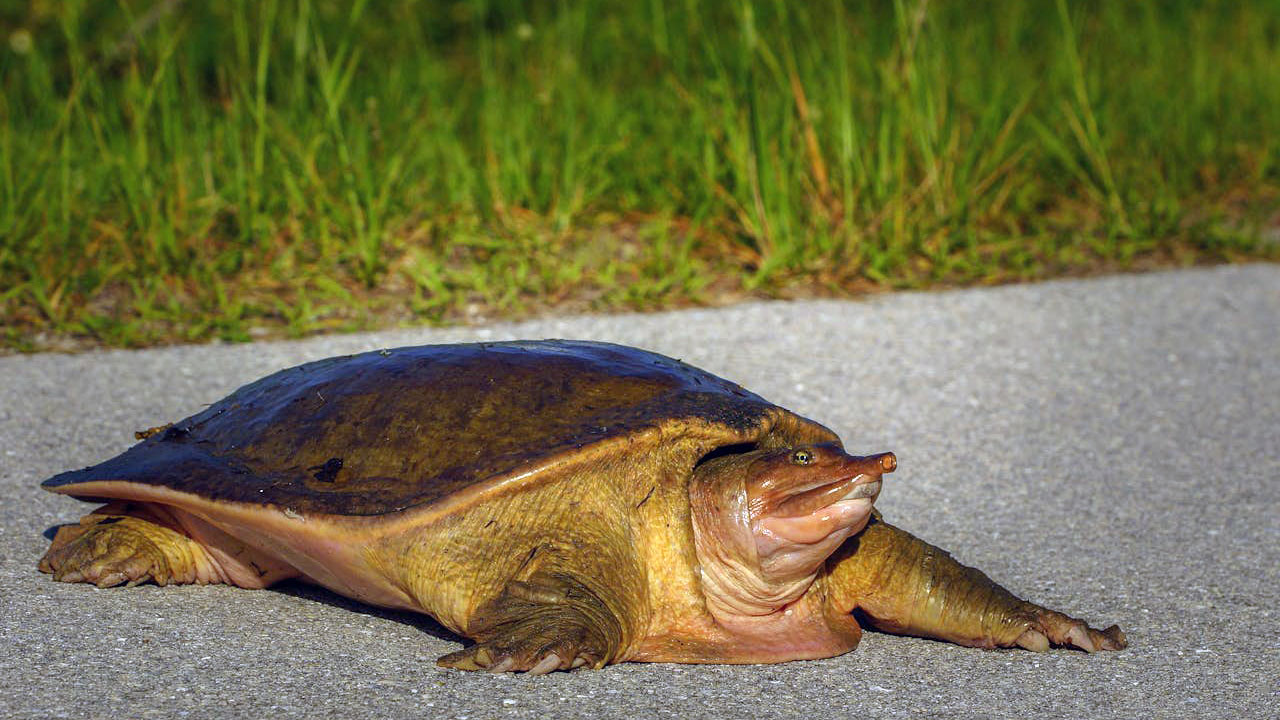
Softshell turtles do not get quite the same respect as snappers, but they can be just as unpleasant in the wrong moment. They are fast in the water, surprisingly aggressive when handled, and fully capable of biting hard enough to make a person drop whatever they are holding. Their neck reach alone catches people off guard. A softshell that looks secure in a net or on a bank can suddenly prove otherwise, and if your gear is flimsy or your handling is careless, things go sideways fast.
They are also rough on fishing setups when they hit baited lines or get tangled where they do not belong. Hooks, leaders, net mesh, and hands all end up in the danger zone. The biggest issue with softshells is how badly people misread them. They do not look as heavily armored as snappers, so folks assume they are less serious. That assumption has probably led to a lot of punctured gear and a fair number of words not fit for print.
Freshwater drum
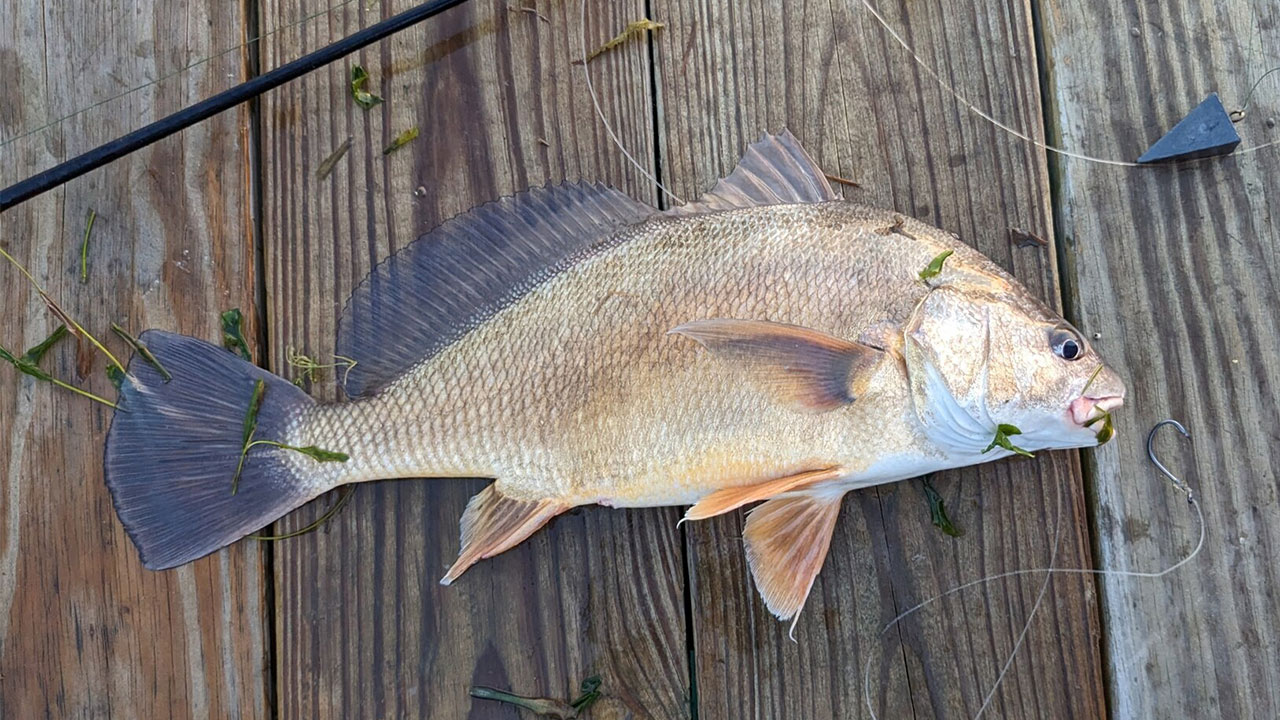
Freshwater drum are not usually the first species people think of for gear damage, but they can be harder on tackle than they get credit for. They have strong pharyngeal teeth for crushing prey like mussels and snails, and while they are not out there clipping line like a pike, they are still capable of beating up lures, stressing terminal tackle, and using their body and stubborn fight to tear up weaker setups. They are one of those fish that surprise people by being much more physical than expected once hooked.
A big drum in current or around rough bottom can turn a light or medium setup into a lesson about abrasion and pressure. They are not glamorous, which is probably why they get overlooked in these conversations. But anybody who has caught enough of them knows they can absolutely be rough on gear, especially when the fight stays deep and ugly. Freshwater does not need fangs to tear things up.
Bowfin
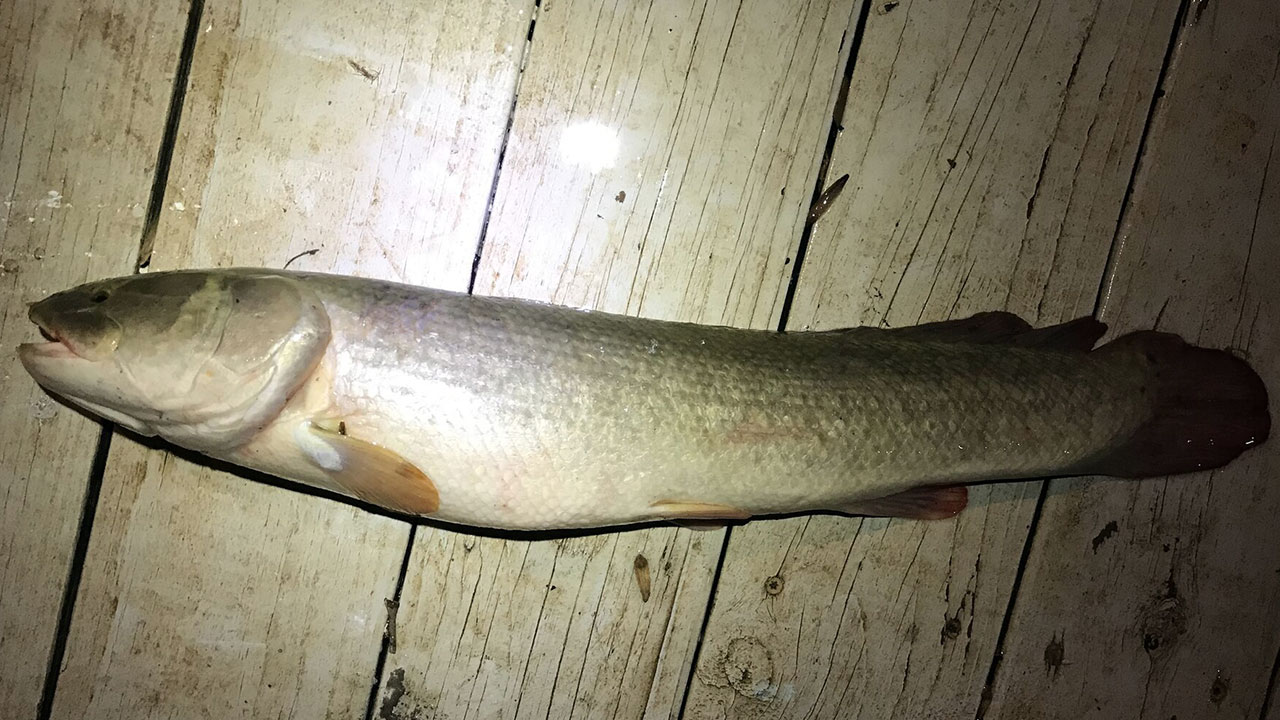
Bowfin have a mouth full of attitude and enough toughness to make gear failure feel personal. They are notorious for violent fights, rolling, thrashing, and refusing to act like a fish that has accepted its situation. That kind of fight is hard on hooks, line, leaders, and especially on any angler who gets lazy around the landing phase. Their teeth are not on the same level as pike, but they are plenty capable of chewing up baits and making close handling a bad idea.
The bigger issue is that bowfin combine a nasty disposition with a body built to stay in the fight. They do not quit cleanly, and that means more time for things to go wrong. A cheap net, a weak swivel, a worn line section, or a rushed grab can all get exposed when a bowfin starts doing what bowfin do. There are fish that fight hard, and then there are fish that seem to take the whole process personally. Bowfin are in that second group.
Eels
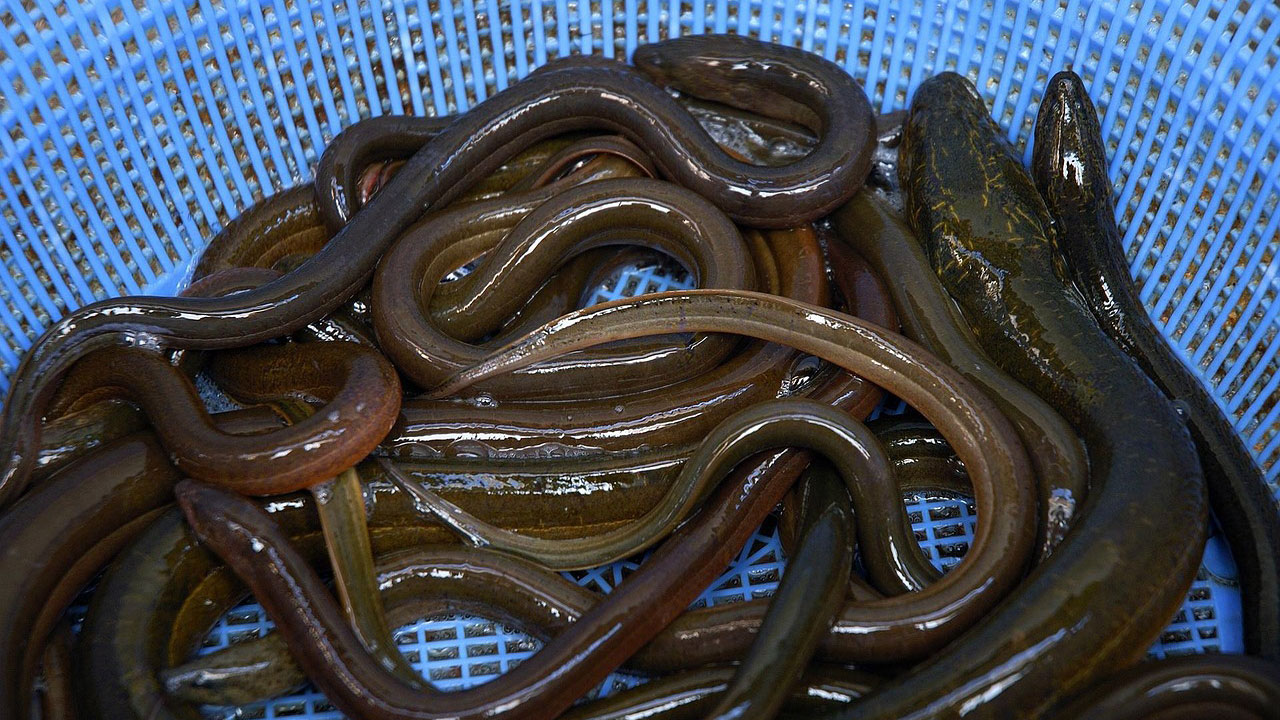
Freshwater eels and eel-like species can be a nightmare around gear simply because they are built to twist, wrap, slime everything up, and turn normal handling into a circus. Even when they are not biting through something outright, they can tangle lines, stress knots, and make every step of the landing and unhooking process harder than it should be. Add sharp teeth on some species and the whole setup gets even less fun. Gear does not have to come back severed to count as ruined for the moment.
Anybody who has dealt with enough eels knows the challenge is not just the bite. It is the whole package. They slip through hands, wrap into netting, knot around gear, and make tools harder to use because nothing stays still long enough. In river systems where eels are common, they have a way of taking a simple catch and turning it into a full equipment management problem in about five seconds.
Beaver
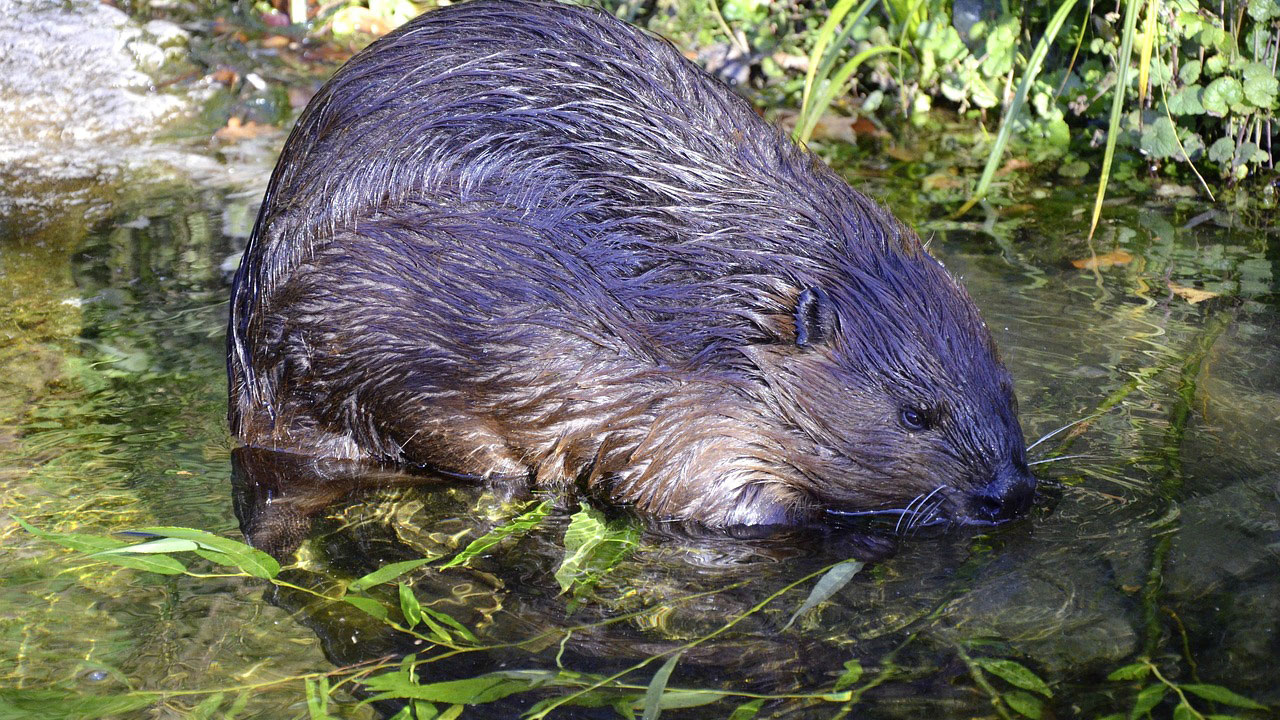
Beavers are not predators, but they absolutely can and do chew through gear if that gear ends up in their space. Ropes, decoys, dock lines, netting, wood-handled tools, and even some plastics can take a beating from a beaver that decides it does not like what is in the water or wants to work on it out of territorial or construction instinct. Their teeth are made for wood, and anything with similar resistance may get tested if it is left where they can reach it.
This one is easy to overlook because most people think of beaver damage in terms of trees and dams, not outdoor equipment. But folks with shoreline gear, traps, decoys, or property around active beaver water know better. A beaver does not need to understand your setup to ruin it. It just needs the opportunity to chew, drag, or interfere with the wrong part of it. The result is the same either way.
River otters
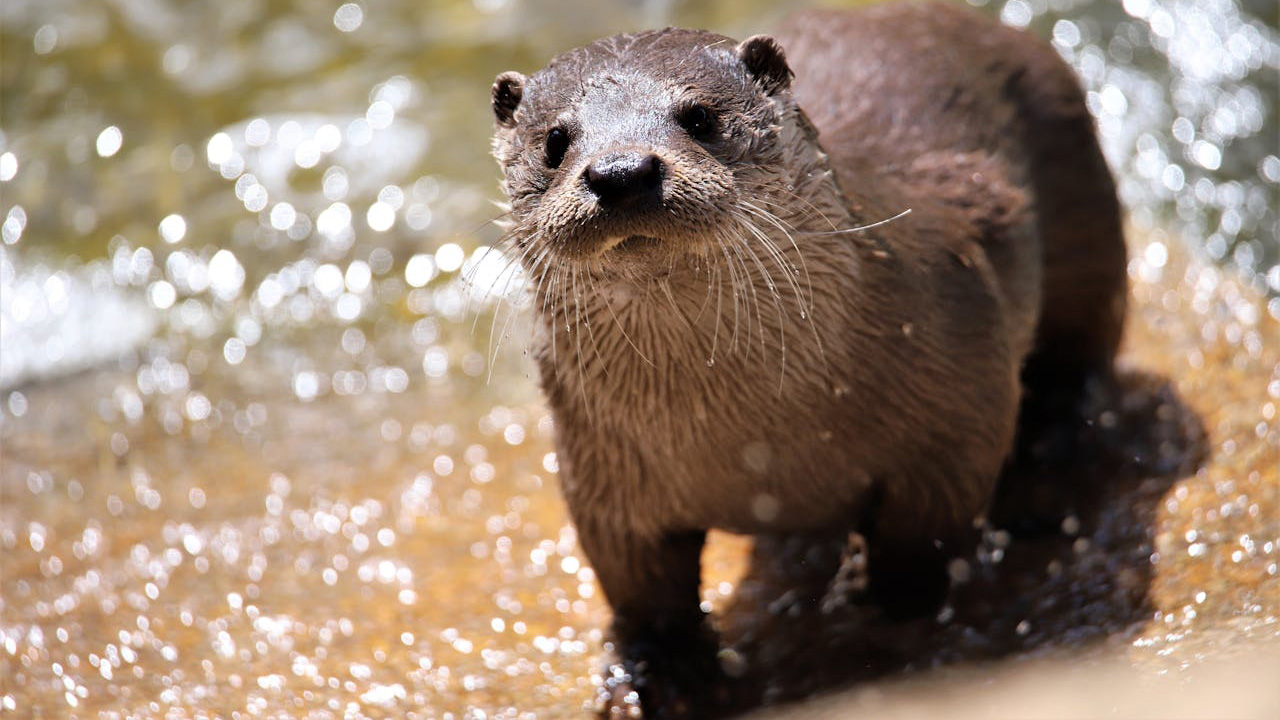
Otters can be rough on gear in a more chaotic way. They are curious, strong, playful in the worst possible sense for equipment, and fully capable of tearing into fish baskets, stringers, nets, and anything else that stands between them and something edible. If an otter decides your gear is attached to food, your chances of keeping both intact go downhill fast. Teeth, speed, teamwork, and water advantage make them a real problem.
They are also the kind of animal people underestimate because they look slick and almost friendly from a distance. Then one starts ripping fish off a line or working over a net and the tone changes in a hurry. Around lakes, docks, and quiet river stretches, otters can absolutely turn carefully managed gear into a mess. They do not always “bite through” things cleanly, but they cause more than enough destruction to earn the spot.
Crayfish

Crayfish are small, sure, but they still ruin gear all the time in the freshwater world. Soft plastics get shredded, bait gets picked apart, and certain rigs come back looking like they were left in a blender with gravel. They are not exactly chewing through rods and reels, but if you fish enough around rocks, current seams, and bottom structure, you already know how much tackle they can cost you. Small claws across enough numbers add up in a hurry.
They also matter because they contribute to that constant low-grade gear destruction that anglers sometimes blame on “nothing.” Something was down there, and a lot of the time it was crayfish slowly turning your bait into nonsense. Compared to the bigger animals on this list, they are a smaller-scale problem, but in terms of real gear damage over time, they punch way above their size.
Lampreys
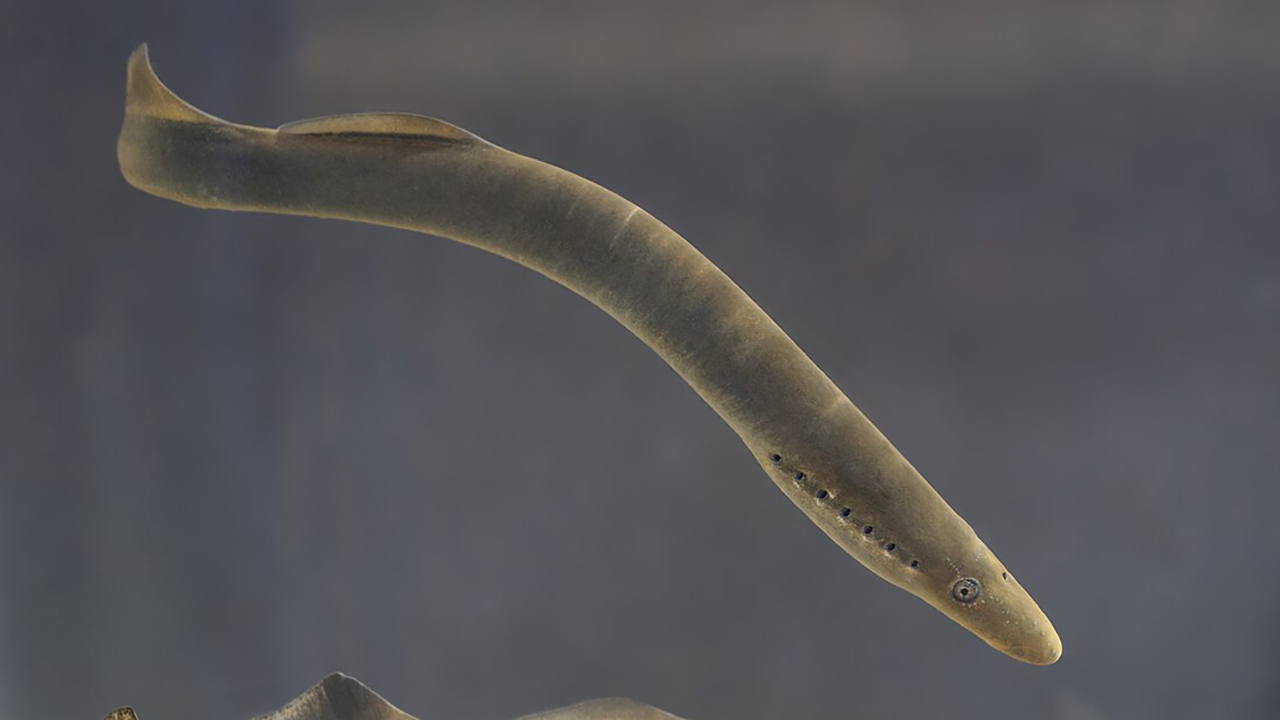
Lampreys are the kind of freshwater horror people wish were less real once they get a good look at one. They latch on, rasp flesh, and generally make the water feel less friendly than it did five minutes earlier. While they are more famous for the damage they do to fish than to human gear, they can absolutely ruin caught fish, attached stringers, and soft materials involved in handling and storage. If one gets into the wrong setup, you will know it.
The bigger reason they belong here is the mouth. A creature built around attaching and rasping is not something you want mixed into your gear system casually. They are not the most common direct cause of broken tackle, but they are very much part of the “freshwater can chew through more than people think” category, especially around fish already in hand or held in the water.
Alligators
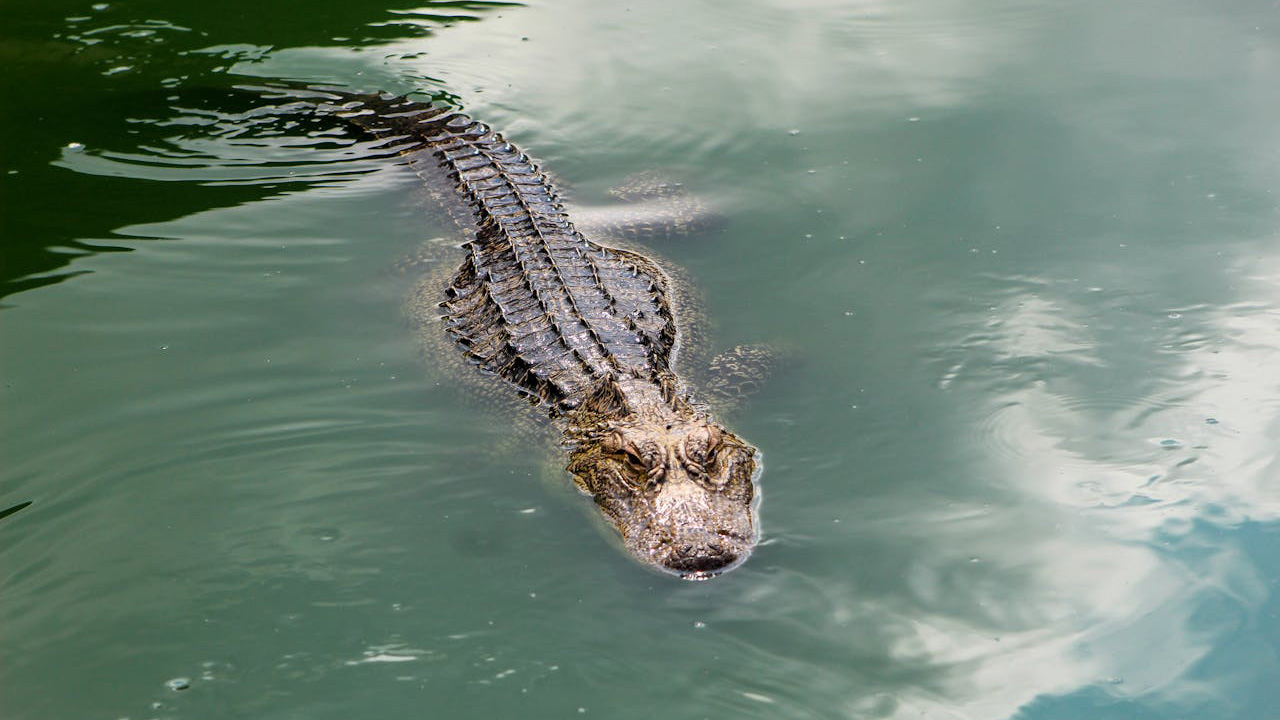
In the right parts of the South, alligators turn freshwater gear into their business whenever they feel like it. They will hit stringers, steal hooked fish, clamp onto nets, chew up lines, and generally remind people that their bass pond or river backwater is not quite as tame as it looked. A gator does not need to be huge to ruin a setup. It just needs to decide that whatever is splashing, struggling, or tied up nearby is worth investigating with its mouth.
That becomes a real problem fast because gators bring both teeth and force. A stringer of fish, a landing net, a kayak-side catch, or even a topwater strike near the wrong bank can turn into an expensive or dangerous mess. Folks who fish around gators long enough learn to factor them into gear decisions the same way other people factor rocks or timber. They are just another way freshwater proves it can be rough on equipment and harder on complacency.
Like The Avid Outdoorsman’s content? Subscribe to our newsletter so you never miss an article.
Here’s more from us:


