Photo credit: WORN TRUST/Youtube
Most of us have one that got away. A rifle you traded because a buddy swore something else was better. A shotgun you sold to fund a new scope. A handgun you let go because it “didn’t fit a role,” only to realize later it fit just fine. Here are 20 firearms I’ve seen folks regret moving down the road before they really understood what they had.
1. Marlin 336

The classic lever gun gets sold when someone decides they’re “done with brush hunting” or they want a flatter-shooting rig. Then they realize how handy a 336 is in a scabbard, behind a truck seat (secured, of course), or walking timber edges where shots are quick.
Practical consequence: you lose a simple, reliable deer rifle that carries like a dream and points fast. Replacing it later usually costs more, and the older, smoother ones aren’t getting easier to find.
2. Remington 870 Wingmaster
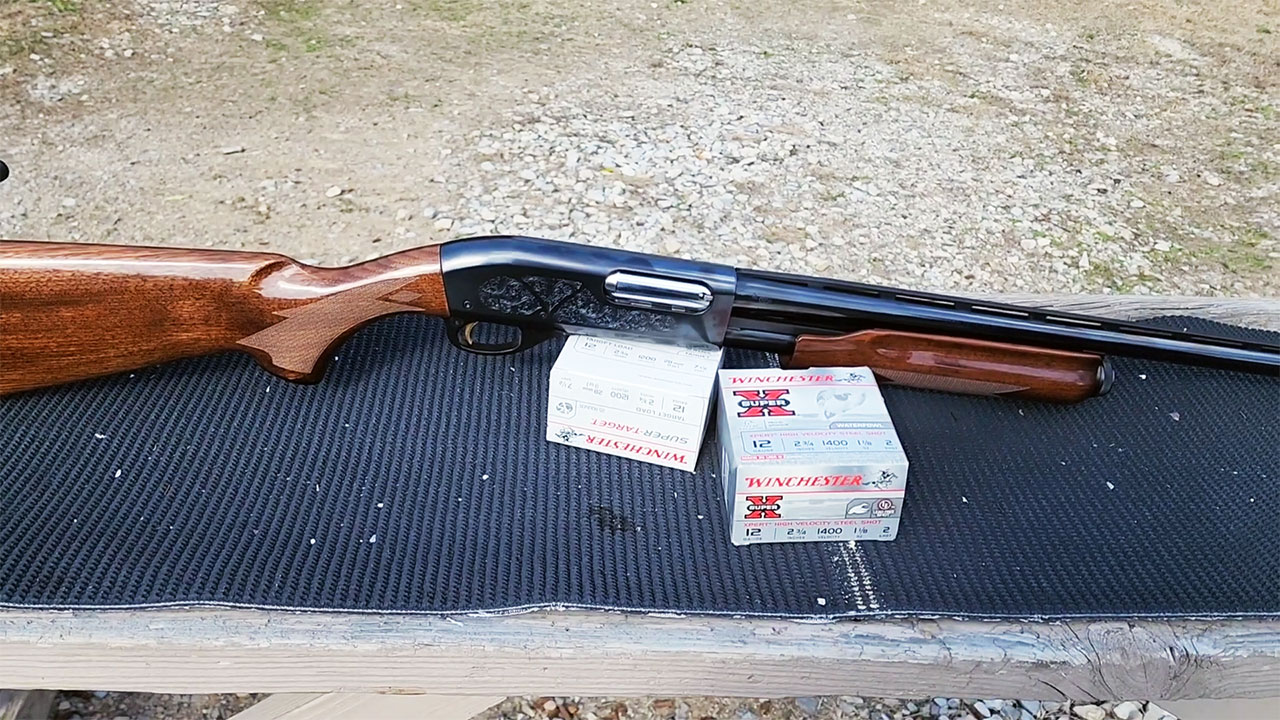
A lot of folks sell a Wingmaster thinking all 870s are the same, or they want a semi-auto for waterfowl. Then they handle a newer budget pump and realize that slick old action wasn’t imaginary.
Practical consequence: you traded away a shotgun that feeds almost anything, runs filthy, and lasts generations. When you need a no-drama pump for ducks, turkeys, or home use, you miss it.
3. Ruger 10/22 (older, basic carbine)
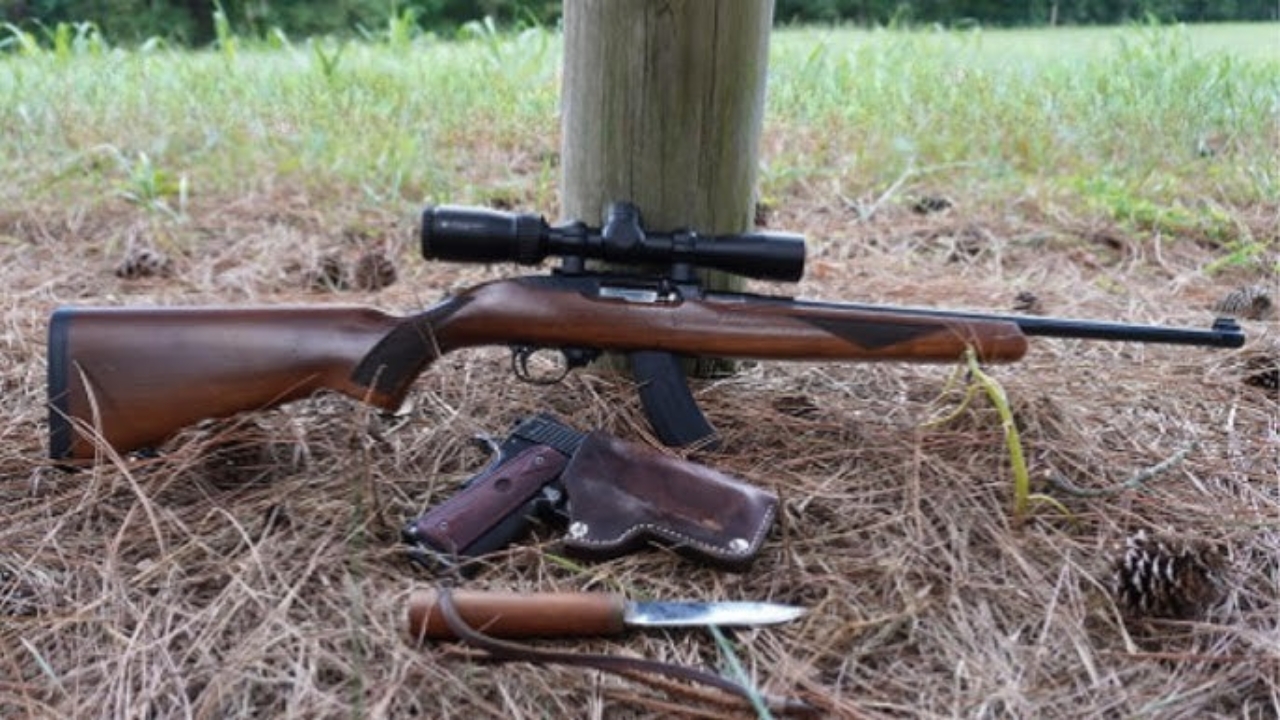
The 10/22 is often the first “real” rifle people buy, and it’s also the one they dump when they get into centerfire stuff. Later on, they have kids, grandkids, or just want cheap trigger time and realize that little .22 did a lot of work.
Practical consequence: you end up re-buying the same rifle for more money, then chasing magazines and parts you used to already have. A dependable .22 is never a bad thing to keep around.
4. Smith & Wesson Model 19

K-frame .357s get sold when someone decides revolvers are “old school” or wants to consolidate to one carry platform. The regret hits when they remember how that gun balanced and how it shot with .38s all afternoon.
Practical consequence: you lose a revolver that’s easy to shoot well and pleasant to carry for its size. Replacing a clean one later can be pricey, and the good ones don’t sit long.
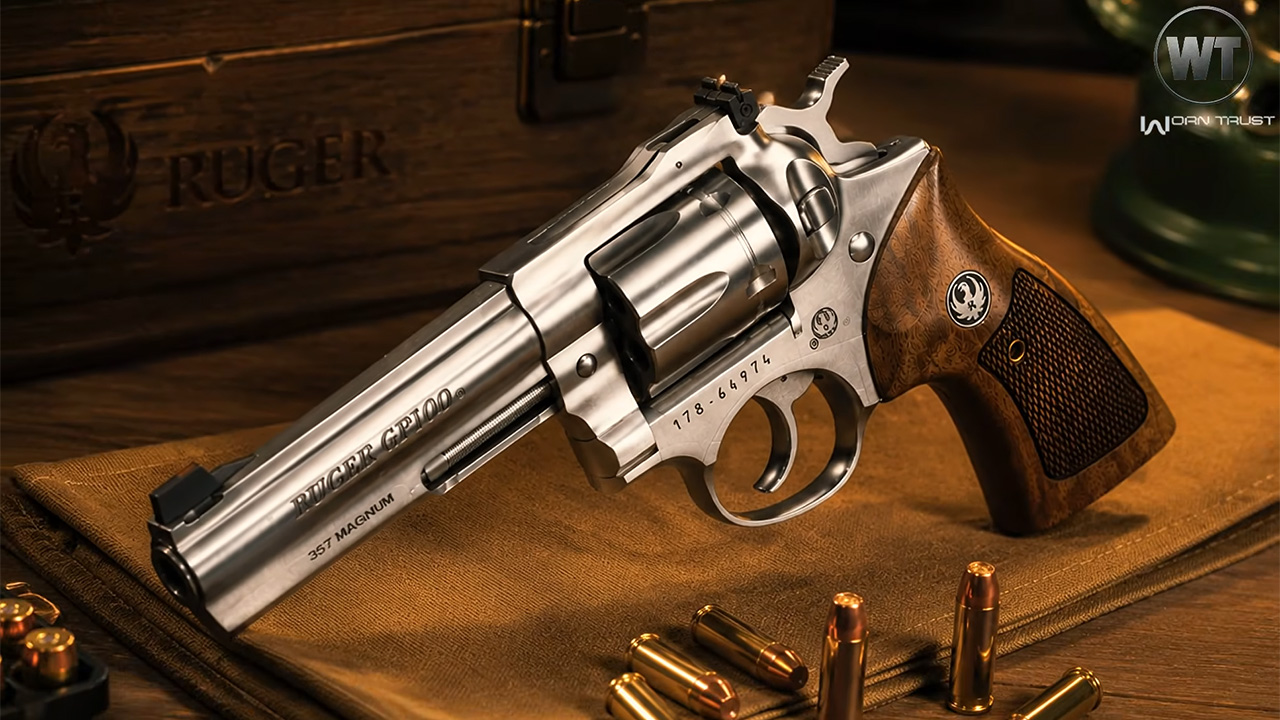
5. Ruger GP100 (4-inch)

Some folks buy a GP100, decide it’s heavy, and trade it toward a lighter carry gun. Then they realize heavy is part of why it’s such a steady shooter and why it soaks up full-house loads without beating you up.
Practical consequence: you give up a rugged “do everything” revolver that can live on a nightstand, ride on a belt in the woods, and still be enjoyable at the range.
6. Glock 19
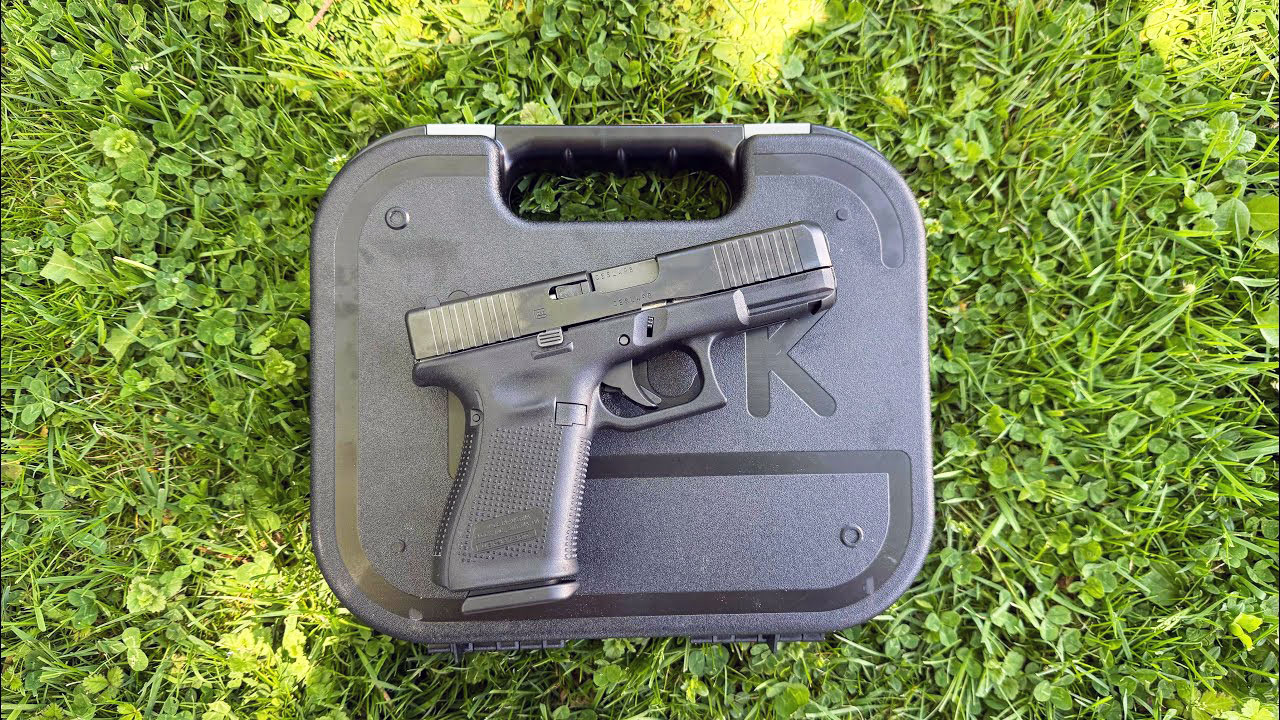
The Glock 19 is the definition of boringly effective, which is exactly why it gets sold. People chase something slimmer, something with a better trigger, something with more style, and then reliability or parts availability becomes the issue.
Practical consequence: you end up with a carry gun that’s pickier, harder to support, or more finicky with mags and ammo. The 19 is easy to run, easy to maintain, and easy to get back up and running if something breaks.
7. SIG Sauer P226
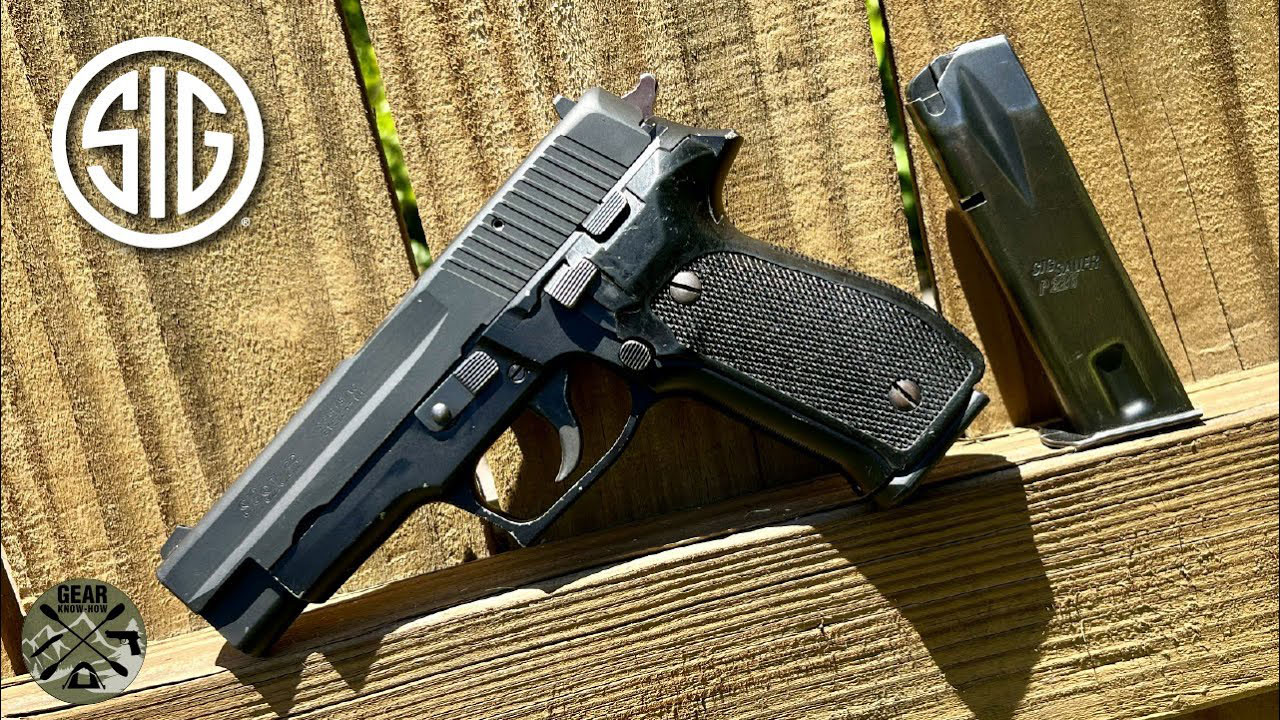
Full-size pistols are the first to go when folks move toward compact carry guns. Then range day comes around, or a home-defense role becomes the priority again, and they remember why the P226 built its reputation.
Practical consequence: you lose a soft-shooting, accurate, high-confidence pistol that’s forgiving under stress. Replacing it usually costs more than what you sold it for, especially if it had good sights and magazines.
8. CZ 75B

The CZ 75B gets sold because it’s “heavy” or because someone wants a striker gun for consistency. Then they pick one up later and remember how natural it points and how easy it is to shoot well.
Practical consequence: you gave up an all-steel pistol that settles down recoil and rewards good fundamentals. For range work and training, it’s hard to beat without spending real money.
9. Browning Hi-Power
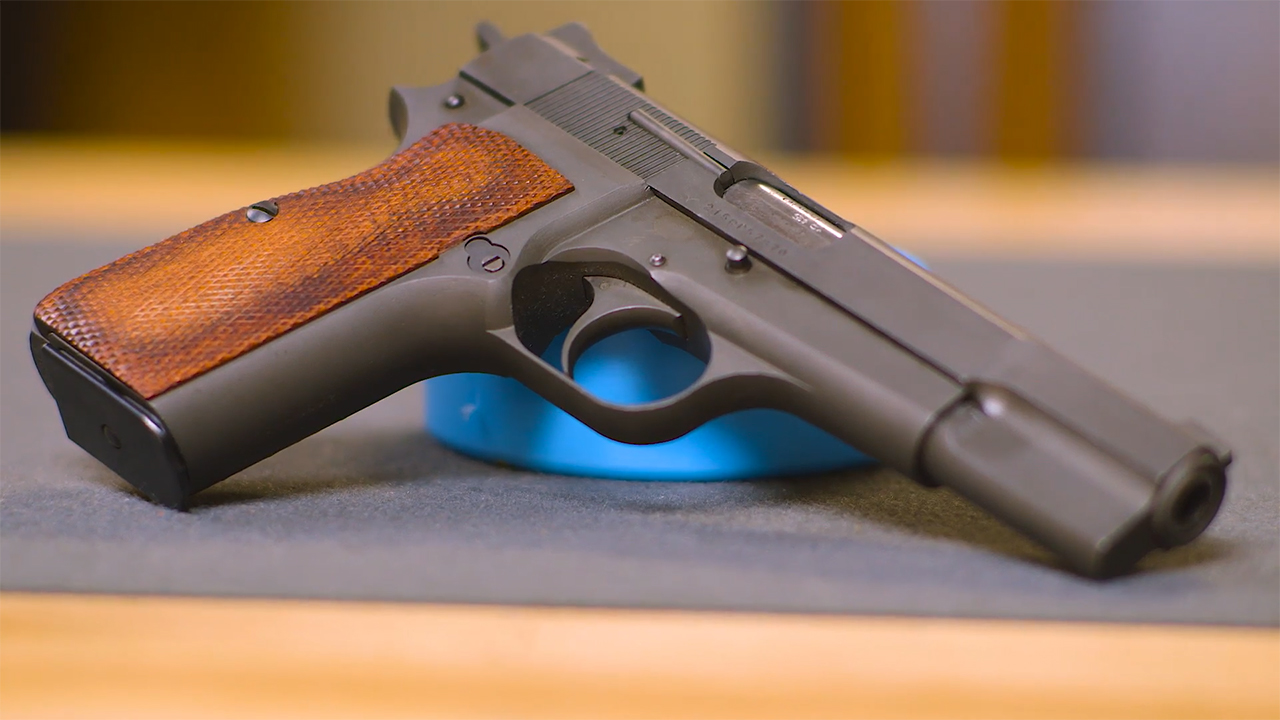
Plenty of Hi-Powers got sold off when polymer pistols took over and people wanted more capacity. The regret shows up when you realize you let go of a classic that still handles like a sports car compared to a lot of modern options.
Practical consequence: you traded away a pistol that’s both shootable and collectible. Getting back into one later can mean hunting for clean examples and paying collector prices.
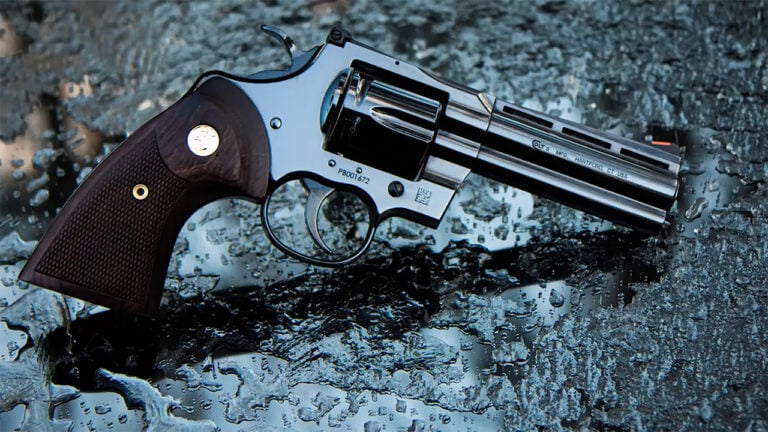
10. Colt Python (older production)

Sometimes the Python gets sold because it’s “too nice to shoot” or because a big bill shows up. Folks regret it when they see what they go for later and realize they could’ve kept it and still fed it .38s for most shooting.
Practical consequence: you lose a revolver that holds value and tends to appreciate if you take care of it. Even if it’s not your daily shooter, it’s one of those heirloom guns that’s hard to replace.
11. Ruger Blackhawk (.357 or .45 Colt)
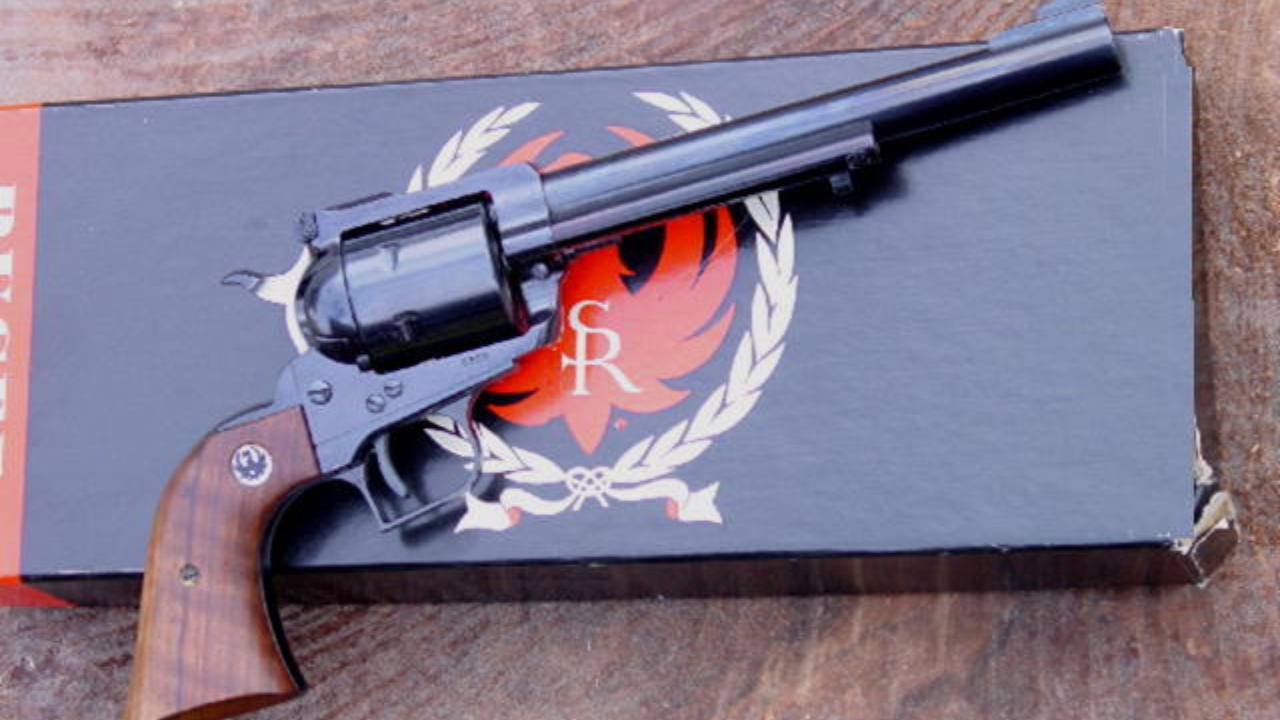
Single-actions get sold because they seem slow, old-fashioned, or “just a fun gun.” Then hunting season rolls around, or you get the itch for a simple woods sidearm, and that Blackhawk suddenly makes a lot more sense.
Practical consequence: you gave up a tough revolver that handles hot loads well and doesn’t mind hard use. It’s also one of the easiest handguns to maintain over decades.
12. Winchester Model 70 (pre-’64 or older classics)
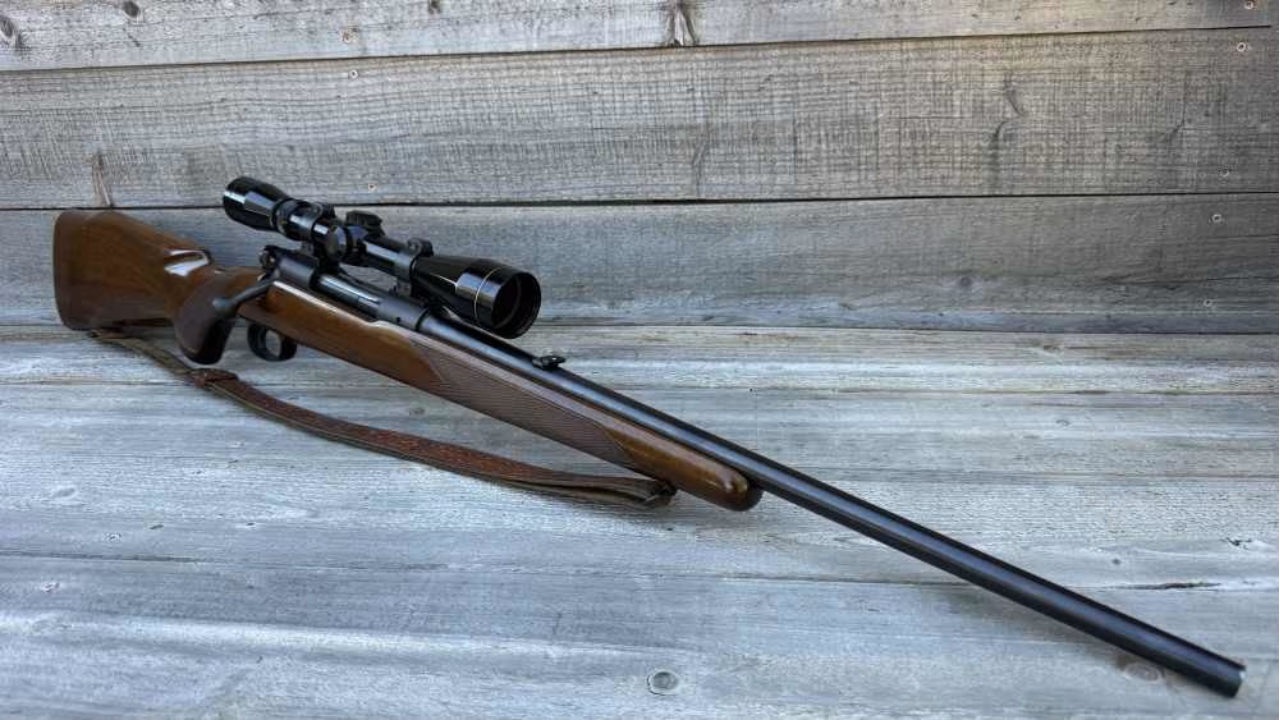
Model 70s get moved when someone wants detachable magazines, a chassis stock, or a more “modern” hunting rifle. Years later, they shoulder a well-worn Model 70 and remember what a good hunting rifle feels like.
Practical consequence: you traded away controlled-round-feed confidence and a rifle that often shoots better than folks expect with the right load. The older ones also tend to hold value if they’re not abused.
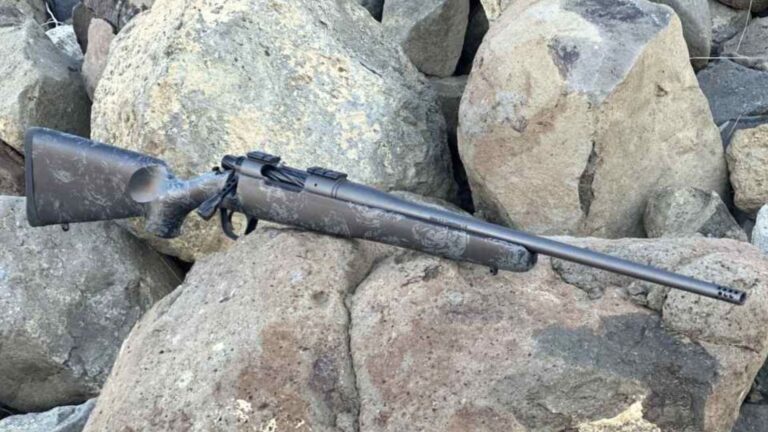
13. Remington 700 (older, plain-Jane hunting rifle)
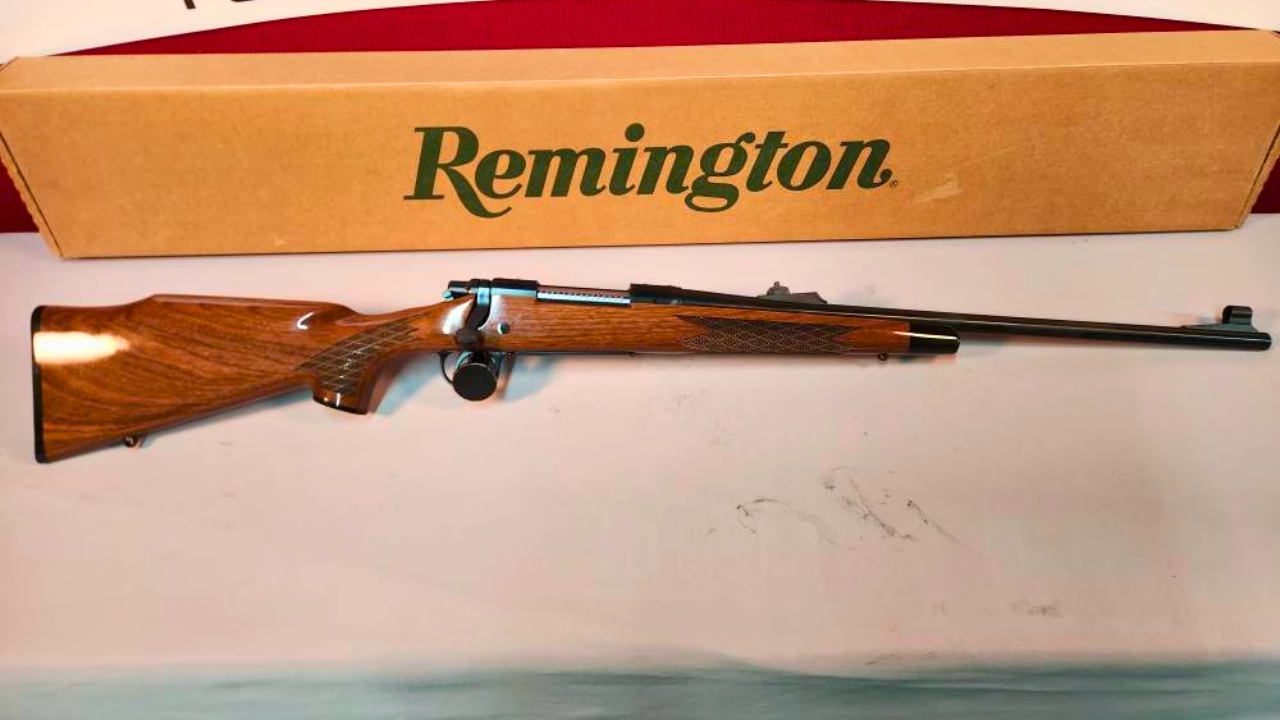
Everybody has an opinion on the 700, and that noise has pushed a lot of owners to sell rifles that never gave them a lick of trouble. Plenty of those older 700s just plain shoot, even with basic scopes and a worn sling.
Practical consequence: you lose a rifle with huge aftermarket support and easy gunsmith familiarity. If you ever want to re-barrel or tune a hunting rifle down the road, the 700 platform is still one of the easier roads.
14. Savage 110 (older “ugly” versions)

The old 110s aren’t glamorous, and that’s why they get sold cheap. Then someone buys a newer rifle that looks better but doesn’t outshoot that homely Savage, especially from real hunting positions.
Practical consequence: you give up a workhorse that’s often more accurate than it has any right to be. For a practical deer rifle, “pretty” matters a lot less when you’re shooting off sticks in a crosswind.
15. Ruger M77 (tang safety models)
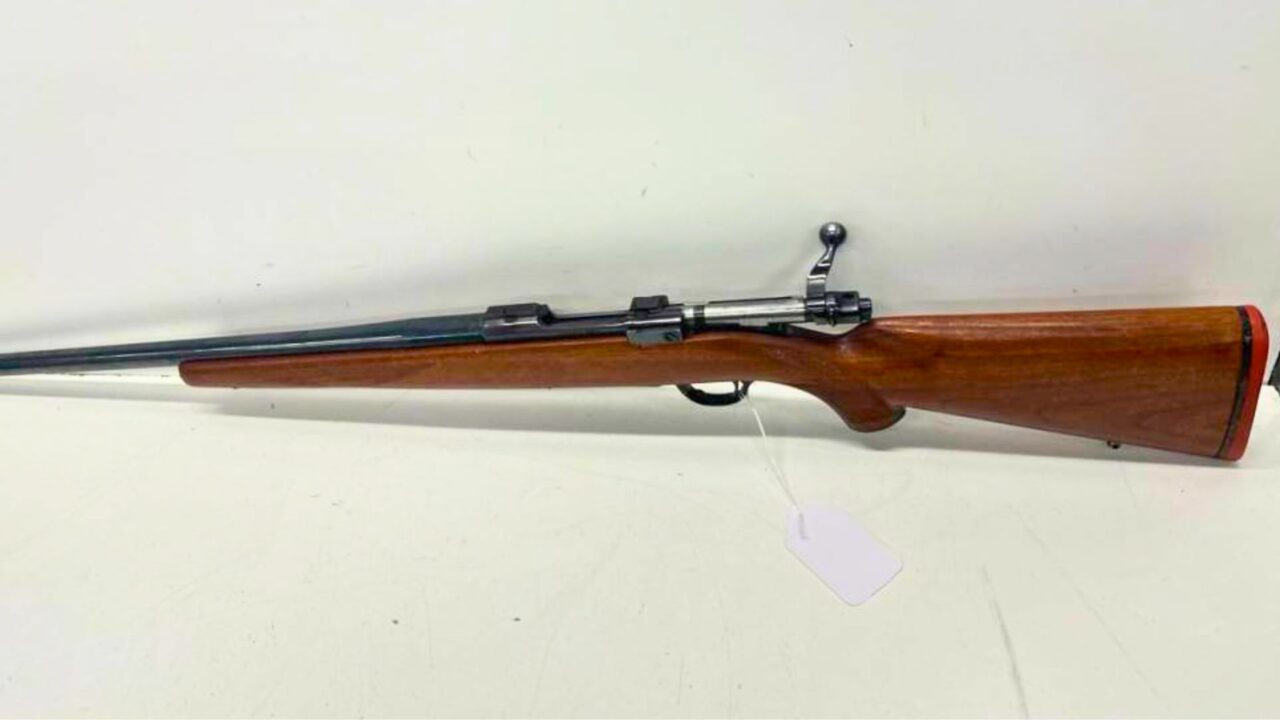
Tang safety Rugers are the kind of rifle you sell when you’re trimming the safe and keeping only “modern” stuff. Then you realize those rifles balance well, feed reliably, and feel like they were built for real hunting weather.
Practical consequence: you lose a sturdy rifle that’s comfortable with gloves and cold hands, and that’s not a small thing in late season. Finding another clean tang-safety M77 can take time.
16. Tikka T3 (or T3x)

Some people sell their Tikka because it feels too light, too simple, or “not American enough.” The regret hits when they buy something heavier that doesn’t shoot any better and doesn’t cycle as smoothly.
Practical consequence: you traded away a rifle that’s easy to carry all day and tends to be accurate with factory ammo. That combination is exactly what most hunters actually need.
17. Mosin-Nagant 91/30 (good bore, matching-ish)

Mosins got flipped for years because they were cheap and common. Now, the ones with solid bores and decent triggers aren’t stacked in barrels for pocket change, and folks realize they sold a piece of history that also happens to be fun.
Practical consequence: you lose a rifle that’s rugged, simple, and still capable of practical accuracy with the right ammo. It’s not a precision rig, but it’s a reliable bang every time kind of rifle.
18. SKS (quality import with original parts)

People sell SKSs when they decide they want detachable mags, optics rails, and a more modern 7.62×39 platform. Later on, they miss the simple reliability and the way an un-messed-with SKS just runs.
Practical consequence: you end up paying more for another one, especially if you want it in original condition. A clean SKS is also one of those rifles that’s easy to hand to a new shooter and keep things straightforward.
19. Ruger Mini-14 (older Ranch Rifle)
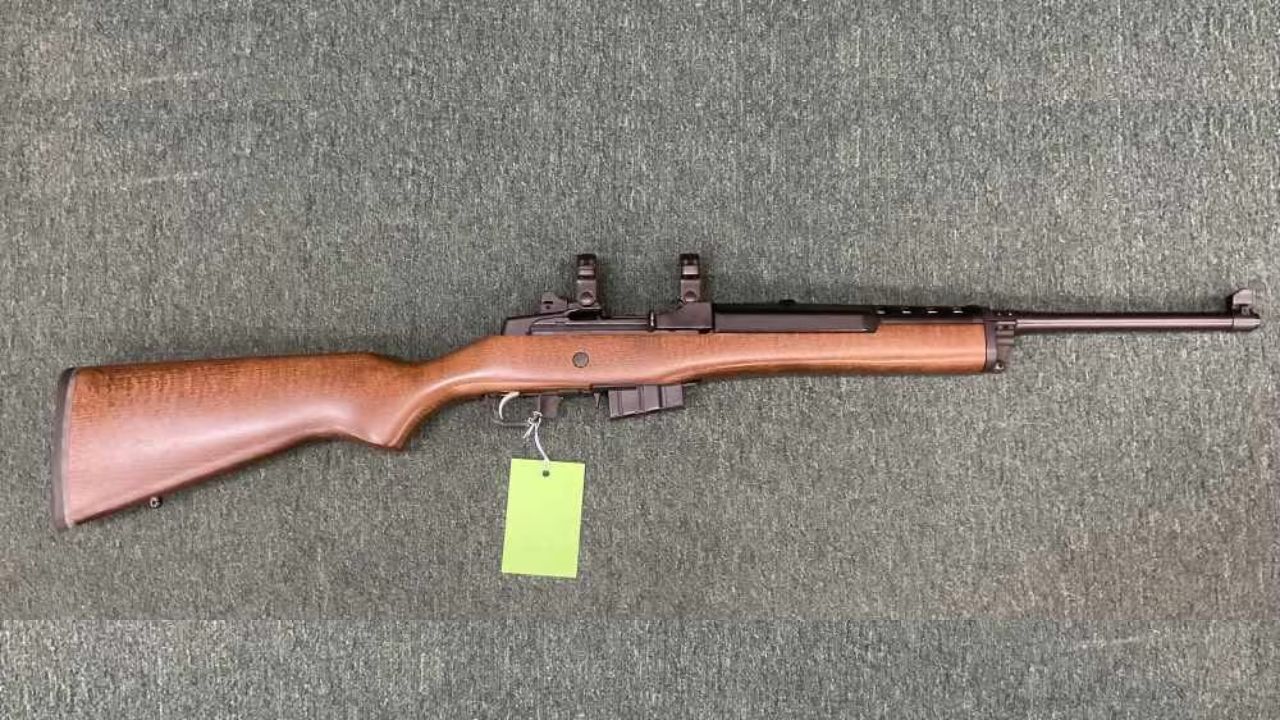
The Mini-14 gets sold when someone decides they “need” an AR for everything. Then they spend time around property, trucks, and gates and realize the Mini carries well, handles fast, and doesn’t snag on everything like a longer, accessorized rifle can.
Practical consequence: you lose a handy utility rifle that’s often plenty accurate for property work and coyotes at sane distances. With good mags, they’re dependable, and they live a pretty easy life in the real world.
20. Benelli M2
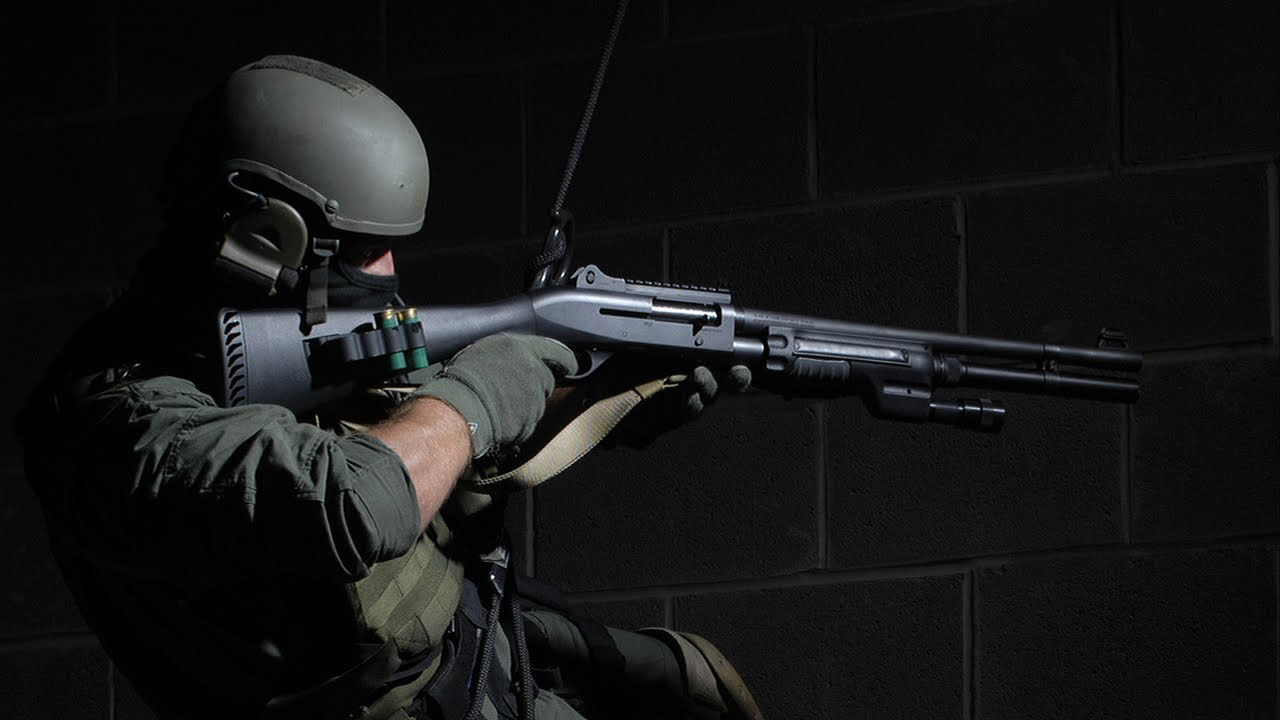
Good semi-auto shotguns get traded when folks chase the newest model or decide they’re going back to a pump to “simplify.” Then cold mornings, wet blinds, and high-volume dove hunts remind them what a proven inertia gun does right.
Practical consequence: you give up a shotgun that cycles clean and keeps running when conditions aren’t nice. Replacing a well-worn, well-fit M2 later usually costs more than the trade made you.
The common thread in all of these isn’t hype or nostalgia. It’s that a lot of guns earn their keep in boring ways: they run when they’re dirty, they shoot where you look, and they don’t ask for much. If you’re thinning the safe, sell the duplicates and the stuff you truly don’t use, but be careful about letting go of the ones that have already proven themselves when it mattered.
Like The Avid Outdoorsman’s content? Be sure to follow us.
Here’s more from us: