Photo credit: Academy Sports
A strong reputation can keep a firearm alive long after the design stops being competitive. Buyers remember military service, old hunting stories, action movies, or the version their father owned. That history can hide outdated controls, mediocre accuracy, excessive weight, weak reliability, or prices that no longer make sense.
Some of these guns were excellent for their time. A few can still perform well in the right role. The problem is that their names carry more weight than their current performance. These 20 firearms continued selling, collecting praise, or avoiding serious criticism largely because shooters respected what they once represented.
Colt Series 80 Government Model
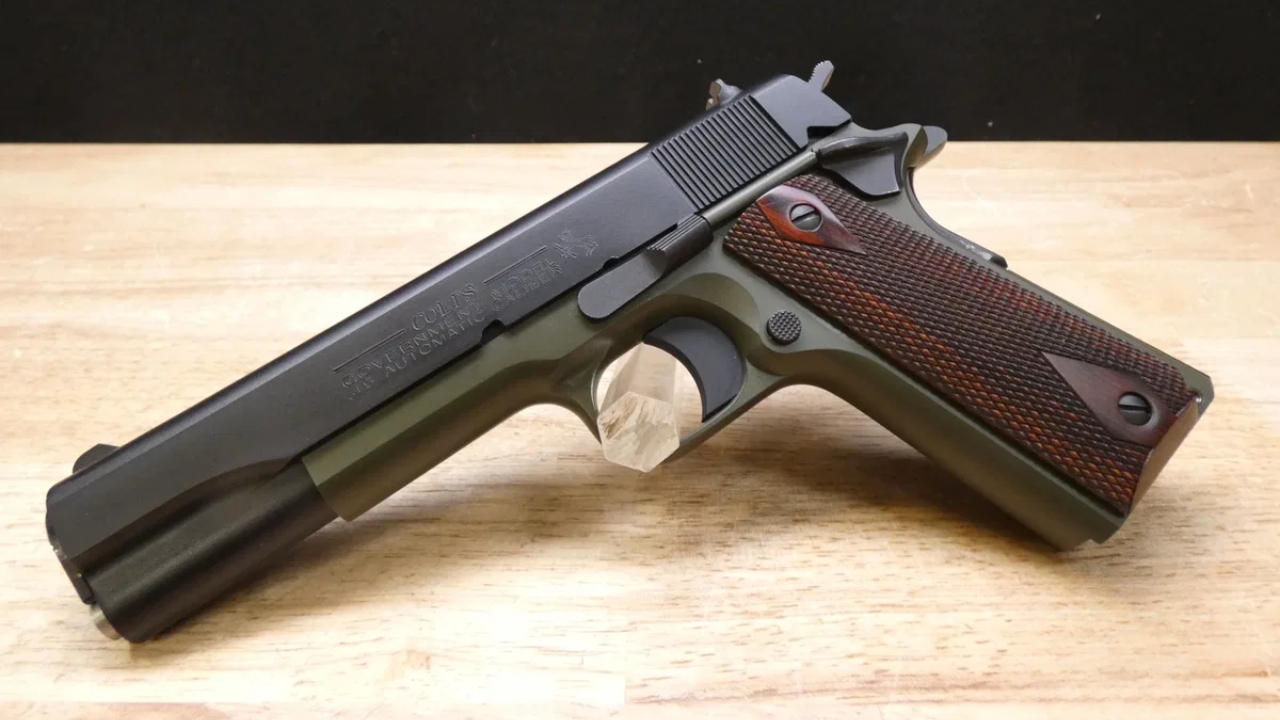
The Colt name gives almost any 1911 instant credibility. Buyers associate the Series 80 Government Model with American military history, traditional manufacturing, and the original company most closely tied to the pistol.
The actual gun can feel ordinary beside modern 1911s in the same price range. Basic sights, inconsistent triggers, loose fitting, modest finishes, and limited factory features leave buyers paying heavily for the roll mark. A good Colt can be dependable and accurate, but competing pistols often include better sights, frontstrap texturing, improved controls, and tighter assembly for similar money. The Series 80 survives because many shooters want a Colt more than they want the best-equipped 1911.
Kimber Custom II
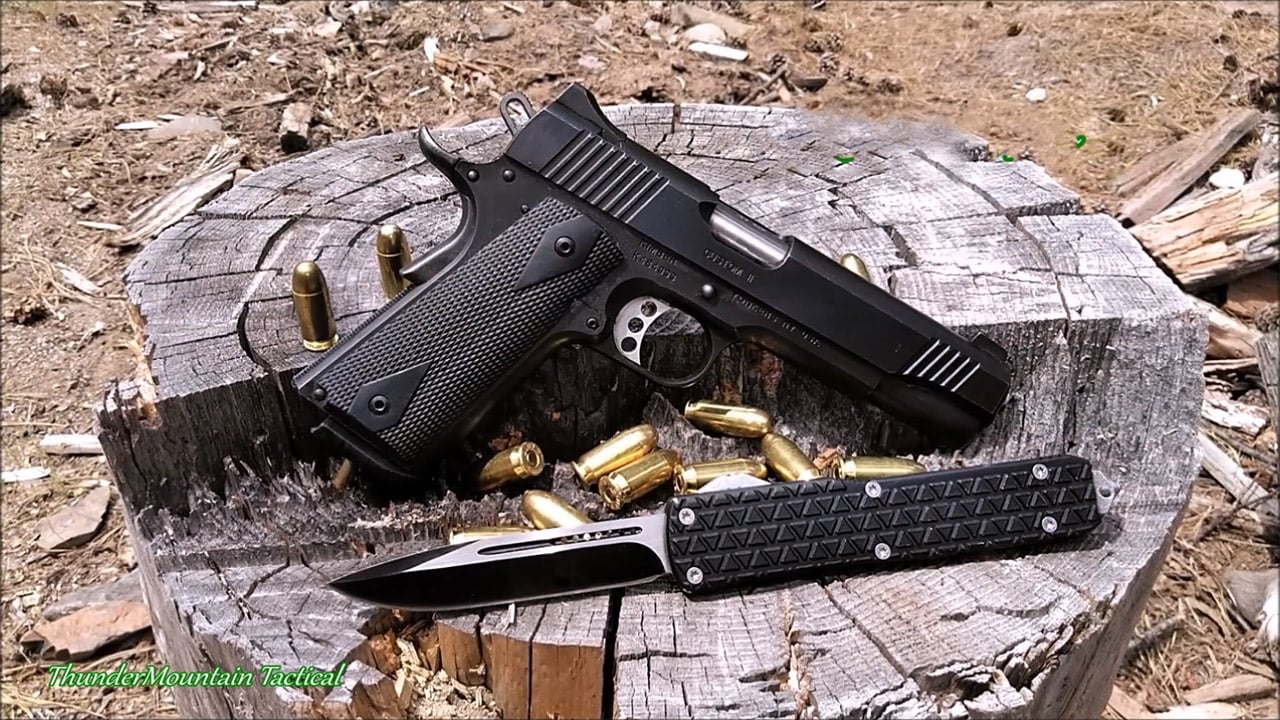
The Kimber Custom II helped establish the idea that buyers could purchase a factory 1911 with features that once required custom work. Its beavertail, extended safety, improved sights, and polished appearance made it seem like a major upgrade over basic military-style pistols.
That reputation has outlasted the period when those features were unusual. Nearly every serious 1911 manufacturer now offers comparable equipment, often with stronger quality control and fewer expectations about break-in. Reports of magazine sensitivity, inconsistent extraction, finish wear, and reliability problems have followed Kimber for years. The Custom II still sells because the brand once represented an affordable step toward a custom 1911, even though the market has largely caught up.
Walther PPK/S

The PPK/S is one of the most recognizable pistols ever made. Its movie history, European police background, and elegant steel construction give it a level of prestige few compact handguns can match.
As a modern carry pistol, it offers limited capacity, sharp blowback recoil, a heavy first trigger pull, small controls, and more weight than many higher-capacity alternatives. Some examples can also be ammunition-sensitive or uncomfortable because of slide bite. Buyers continue accepting those compromises because the PPK/S feels historic and looks refined. Its legend remains much stronger than its practical advantages.
Desert Eagle Mark XIX
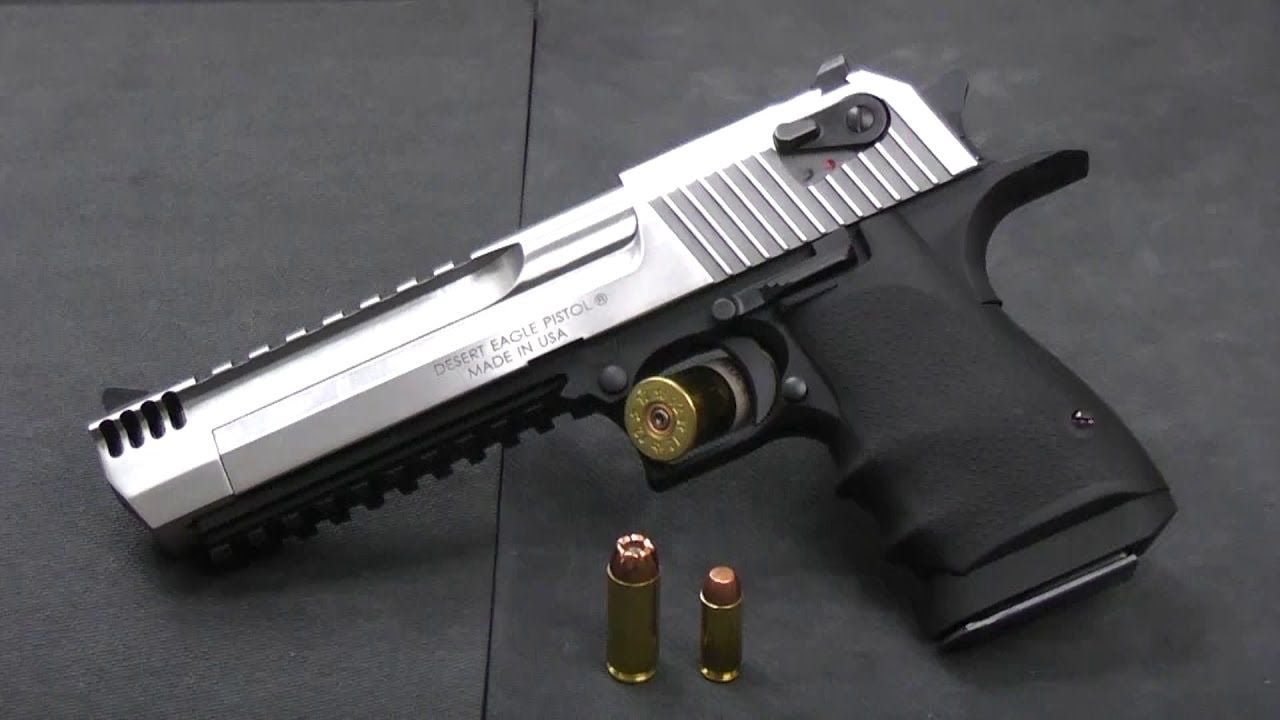
The Desert Eagle became famous because nothing else looked or behaved like it. Its enormous slide, gas-operated action, rotating bolt, and magnum chamberings made it a permanent part of movies, games, and gun-counter conversations.
Its real-world usefulness is extremely limited. The pistol is heavy, expensive, ammunition-sensitive, awkward for smaller hands, and difficult to carry. Even hunting applications can often be handled more simply with a revolver or compact rifle. The Desert Eagle survives because owning one feels like owning an icon. Its reputation for power and visual impact matters more than its value as a practical handgun.
Colt Single Action Army

The Single Action Army is inseparable from the history of the American West. Its shape, loading gate, hammer, and four-click action define what many people imagine when they hear the word revolver.
Modern shooters are paying premium prices for a six-shot handgun that must be loaded one chamber at a time and normally carried with an empty chamber under the hammer. Stronger, less expensive single-actions from Ruger offer safer transfer-bar systems and greater durability. The Colt remains desirable because it is the original, not because it is the most sensible version of the design.
Smith & Wesson Model 29
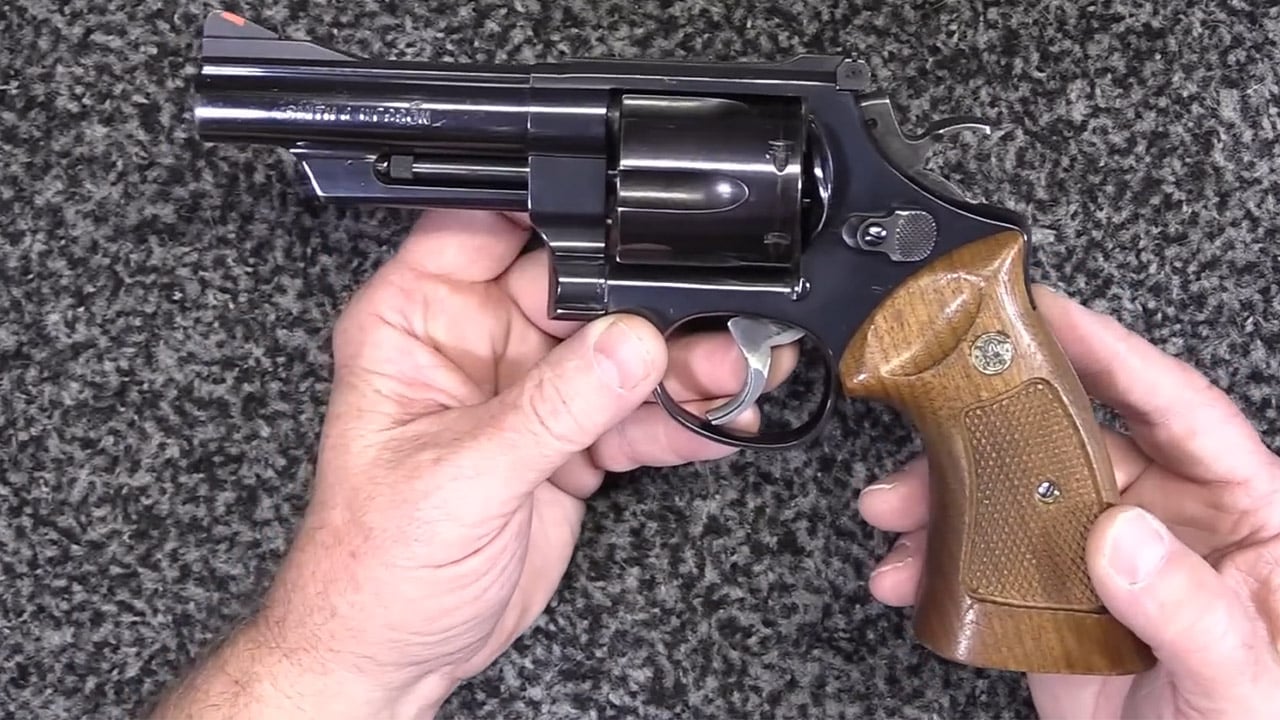
The Model 29 became a cultural icon after the .44 Magnum gained fame as one of the most powerful handgun cartridges available. Its polished finish, large frame, and screen presence turned it into an aspirational revolver.
For most owners, it is more gun than they need. Full-power ammunition is expensive and tiring, while the revolver is too large for convenient carry. Hunters and serious magnum shooters may use its capability, but many examples spend most of their lives firing .44 Special or sitting in safes. The Model 29 remains popular because of what it represents, even when a smaller .357 Magnum would serve the owner better.
SIG Sauer P226
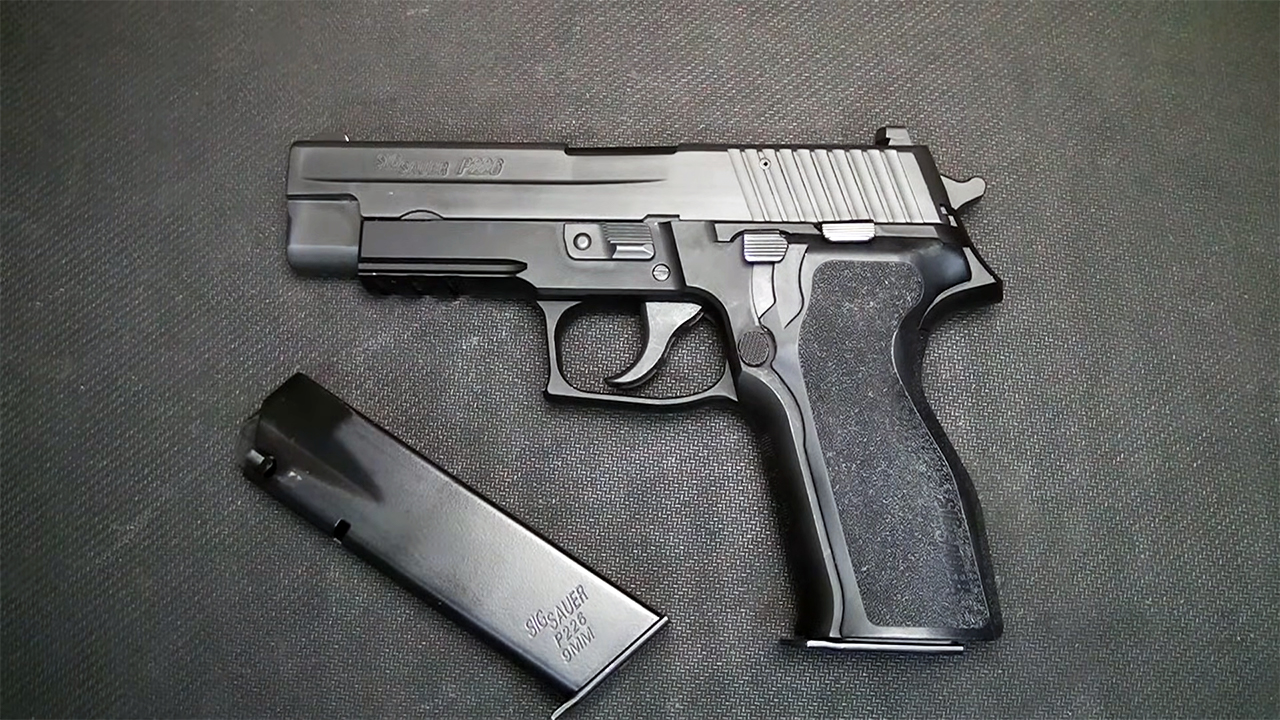
The P226 earned its reputation honestly through military trials, police service, durability, and excellent shooting characteristics. The problem is that buyers sometimes treat every current P226 as automatically superior to newer pistols.
It is large, heavy, expensive, and equipped with a double-action trigger system that requires more training than a consistent striker-fired action. Factory packages can climb well beyond the price of equally dependable handguns with optics cuts and better accessory support. The P226 remains a strong pistol, but much of its current appeal comes from decades of professional use rather than a clear advantage over modern alternatives.
Beretta 92FS
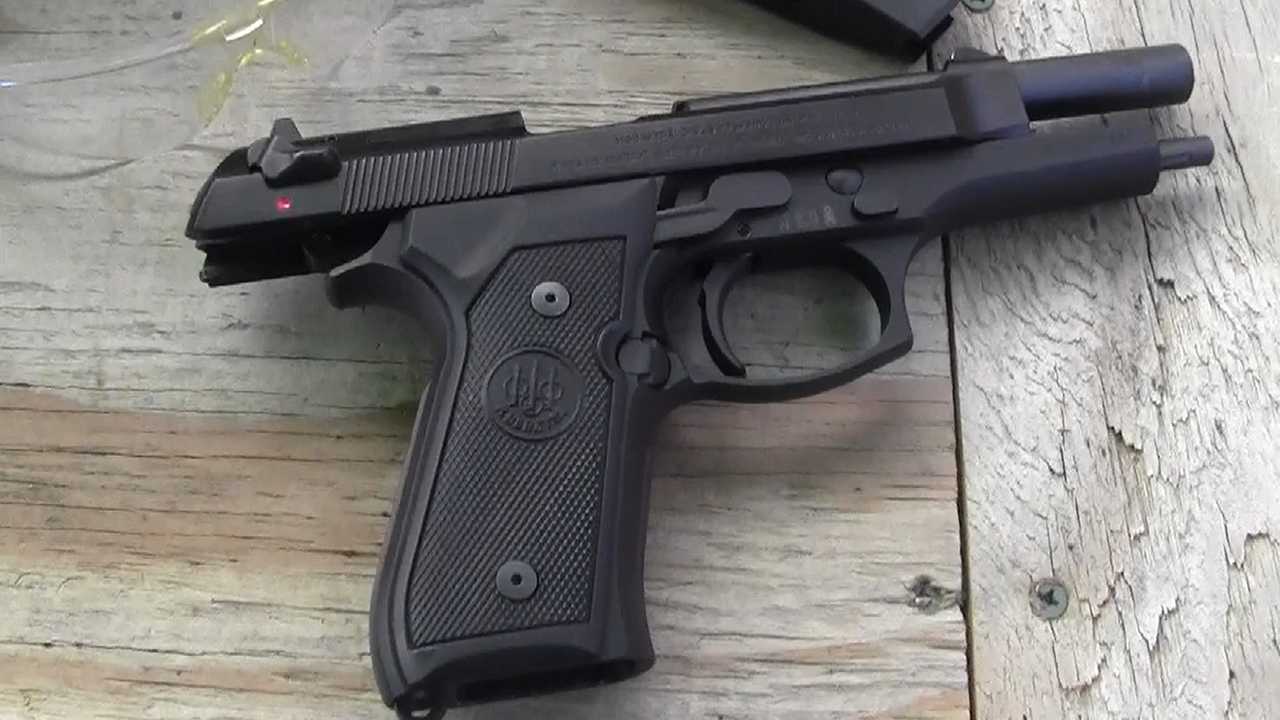
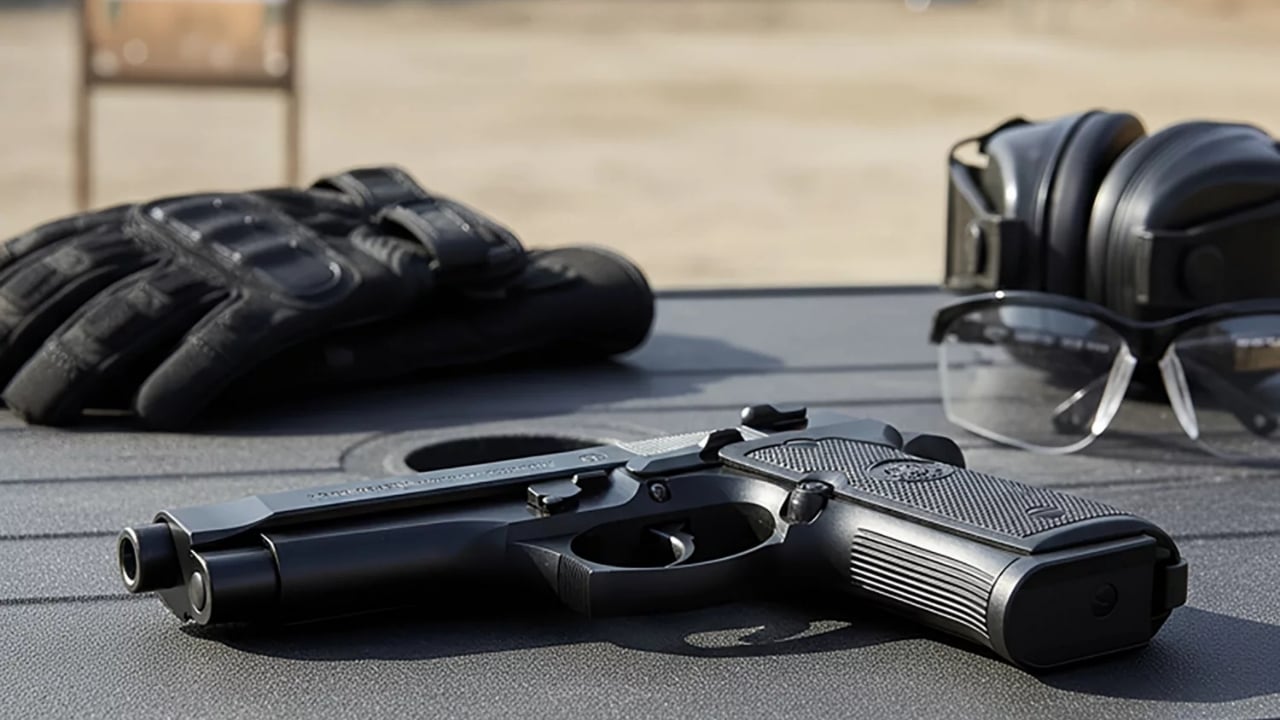
The Beretta 92FS served the United States military for decades and became one of the most visible handguns in film history. Its open slide, exposed barrel, and large frame make it instantly recognizable.
Its reputation can make buyers ignore the bulky grip, slide-mounted safety, long trigger reach, limited optics compatibility, and size-to-capacity ratio. Newer 92 variants address several of those issues, but the basic 92FS remains largely unchanged. It is still soft shooting and dependable with proper maintenance. It also continues selling because shooters want the famous military pistol, not because it is the strongest current defensive option.
Springfield Armory M1A
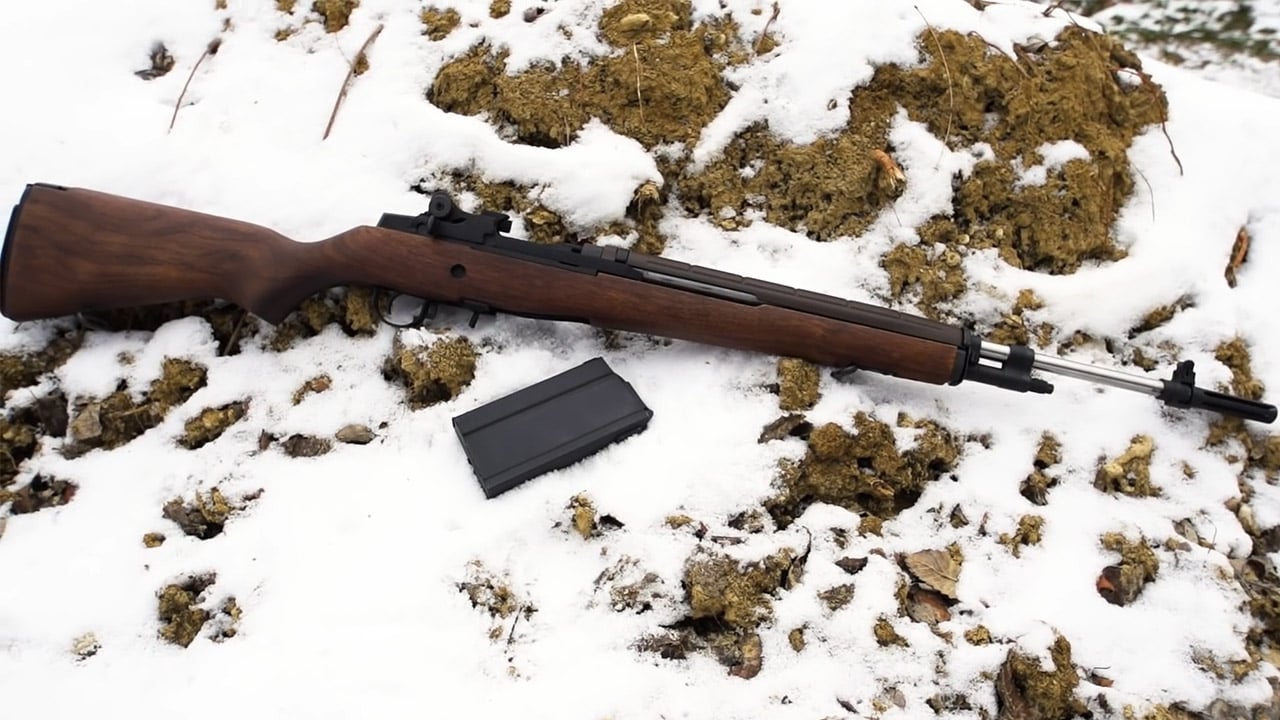
The M1A benefits from its connection to the military M14 and the romantic image of a full-powered American battle rifle. Walnut stocks, exposed operating rods, and iron sights give it a character modern rifles often lack.
The platform is heavy, expensive, difficult to mount optics on properly, and more demanding to maintain for consistent accuracy than an AR-10. Magazines and replacement parts also cost more than common AR components. A good M1A is enjoyable and capable, but its modern popularity depends heavily on military nostalgia. Shooters often forgive weaknesses they would criticize immediately in a newer .308 rifle.
Ruger Mini-14 Ranch Rifle
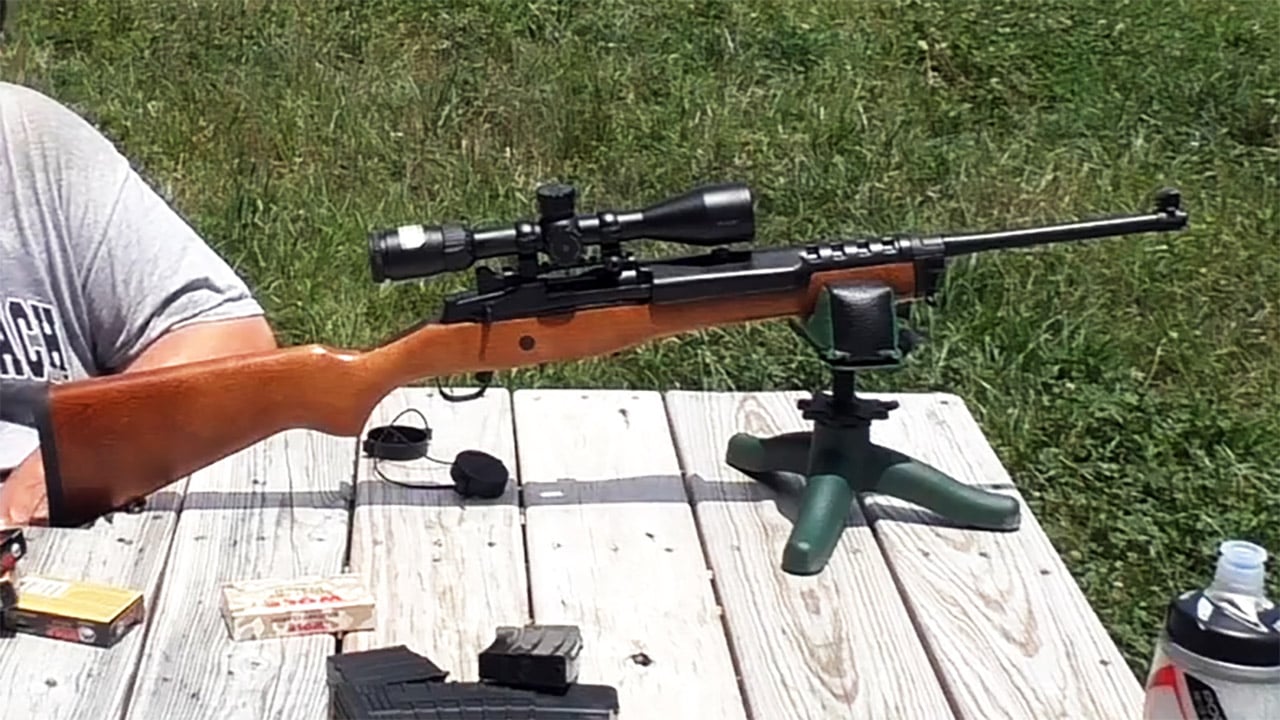
The Mini-14 built its reputation as a light, dependable semiautomatic rifle with traditional styling. It became especially attractive to shooters who wanted .223 Remington performance without the appearance of an AR-15.
Older rifles were often criticized for poor accuracy once barrels heated, inconsistent point of impact, and expensive proprietary magazines. Newer production improved, but the Mini-14 now costs enough to compete with well-equipped AR-15s that are more accurate, modular, and widely supported. It remains popular because shooters remember it as a classic ranch and law-enforcement rifle, even when the value argument has weakened.
Winchester Model 94
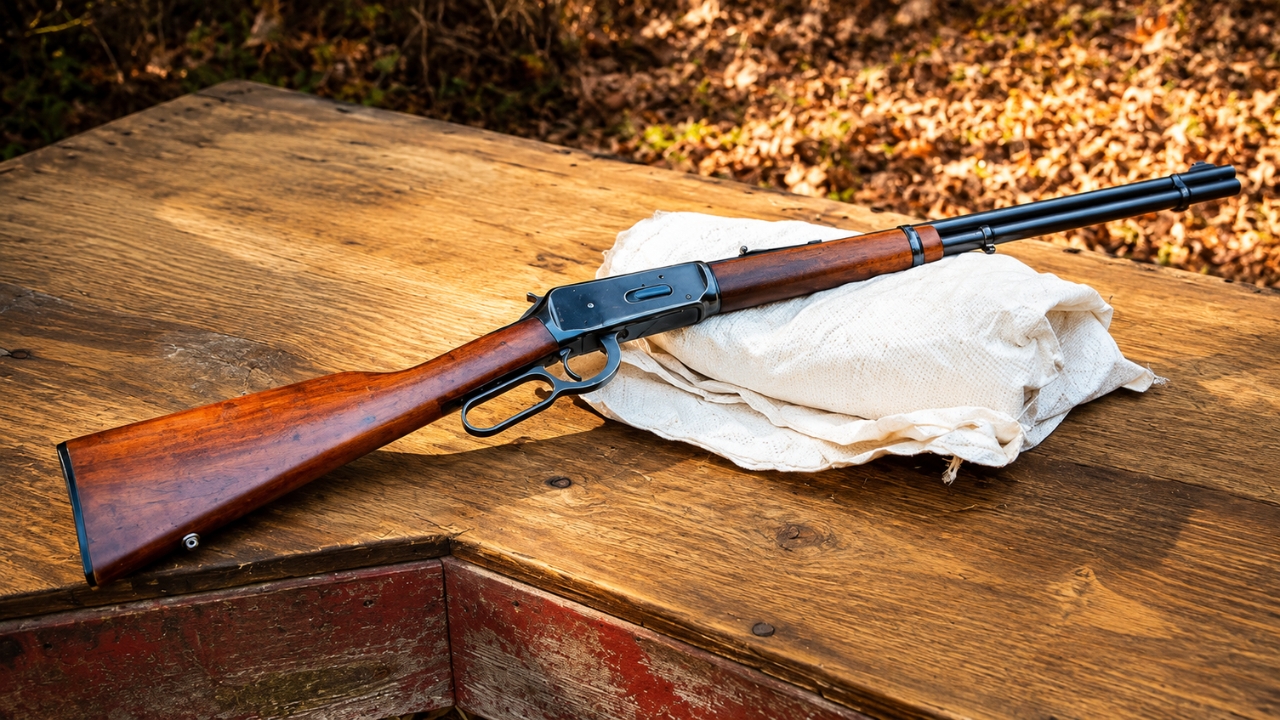
The Model 94 is one of the most important hunting rifles ever made. Its light weight, flat receiver, and .30-30 chambering made it nearly ideal for carrying through thick woods.
Modern prices often reflect history more than construction. Many current or recent examples cannot match the fit, finish, or smoothness of older rifles, yet buyers still pay heavily for the Winchester name. The .30-30 remains useful, but inexpensive bolt actions offer greater range and accuracy. The Model 94 survives because generations of hunters view it as the definitive deer rifle.
Remington Model 700
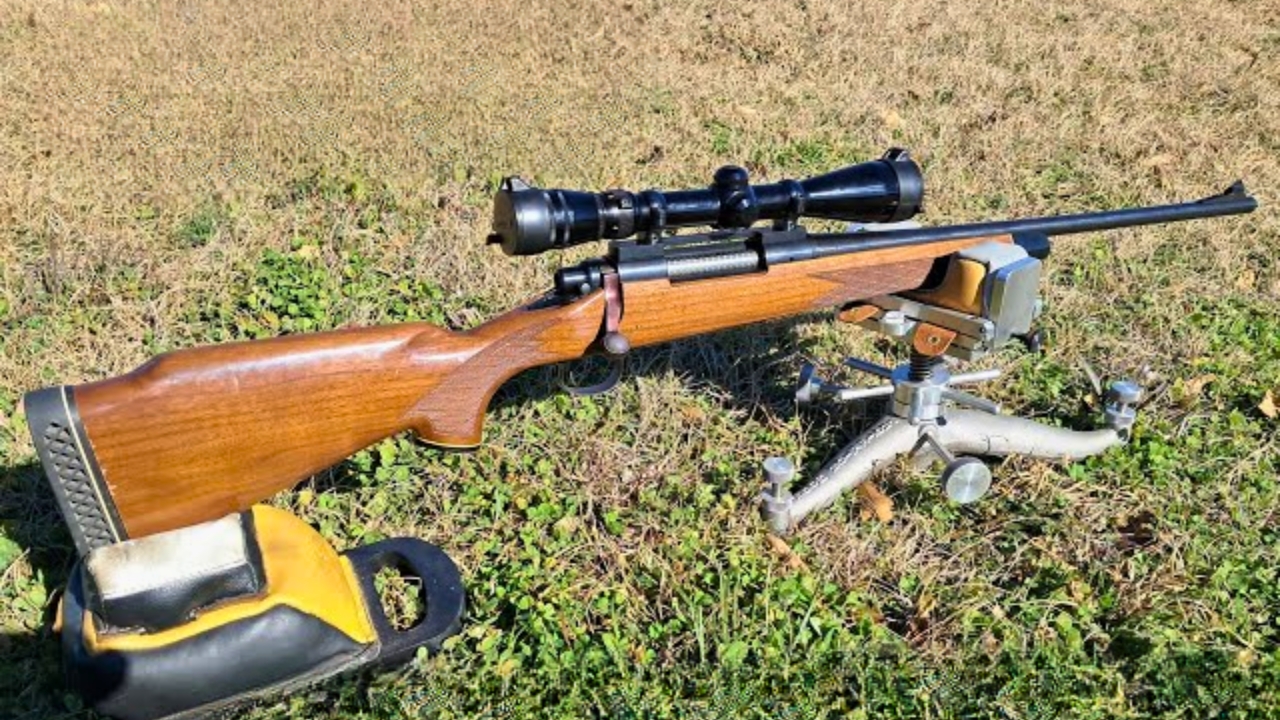
The Model 700 became the foundation for military rifles, custom builds, competition guns, and millions of hunting rifles. Its round receiver and simple action created one of the largest aftermarket ecosystems in the industry.
That history sometimes protects weak factory configurations from criticism. Flexible stocks, plain finishes, rough bolt movement, and bargain components have appeared on models still benefiting from the Model 700 name. Buyers often defend the rifle by pointing out how easily it can be upgraded, which means spending more money to replace the parts supplied by the factory. The action remains useful, but its reputation frequently carries rifles that feel unfinished.
Weatherby Mark V
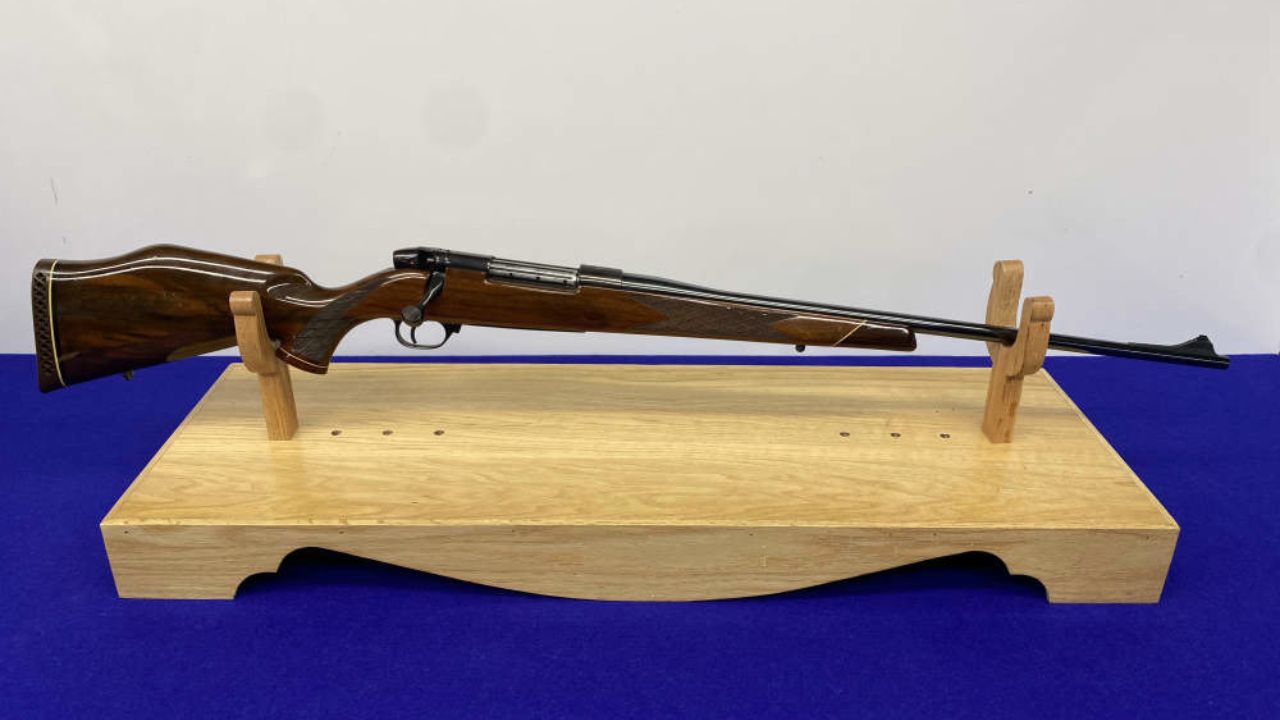
The Mark V became known for strength, high velocity, and the polished appearance of classic Weatherby rifles. Its multi-lug action and magnum chamberings gave it an identity no ordinary hunting rifle could match.
That reputation can overshadow high prices, substantial ammunition costs, heavy recoil, and performance many hunters will never use. Modern rifles costing much less can deliver excellent accuracy and enough power for nearly any North American game. The Mark V remains desirable because it represents premium Weatherby ownership. Its prestige often matters more than the practical benefit of the action or cartridge.
Browning BAR Mark III

The BAR built a strong reputation as one of the few dependable semiautomatic hunting rifles chambered for full-power cartridges. It gave deer hunters quick follow-up shots without forcing them into a military-style platform.
The current design remains heavy, mechanically complicated, and difficult for ordinary owners to service deeply. Accuracy is usually adequate rather than exceptional, and magazines are expensive and limited in capacity. Modern AR-10-style rifles offer easier maintenance and broader accessory support. The BAR continues to benefit from decades of hunting credibility and the Browning name.
Benelli Super Black Eagle 3
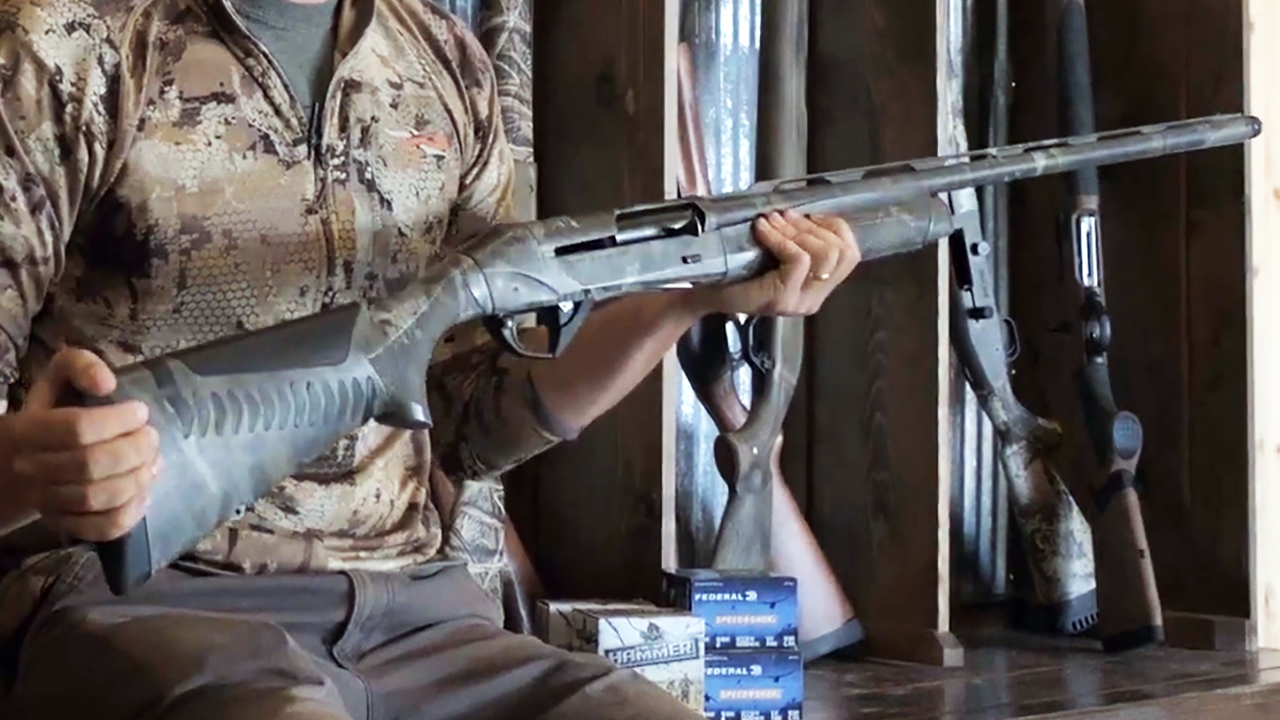
The Super Black Eagle line earned enormous respect among waterfowl hunters. Its inertia action, ability to handle magnum shells, and resistance to fouling helped make it a standard in harsh duck-hunting conditions.
The reputation now supports a premium price that can be hard to justify for every buyer. Less expensive inertia shotguns from Franchi and Stoeger offer similar operating principles, while gas guns can produce softer recoil. The SBE3 remains an excellent shotgun, but many hunters pay extra because the name has become part of waterfowl culture. Its standing is not based solely on what it does differently today.
Remington 870 Express
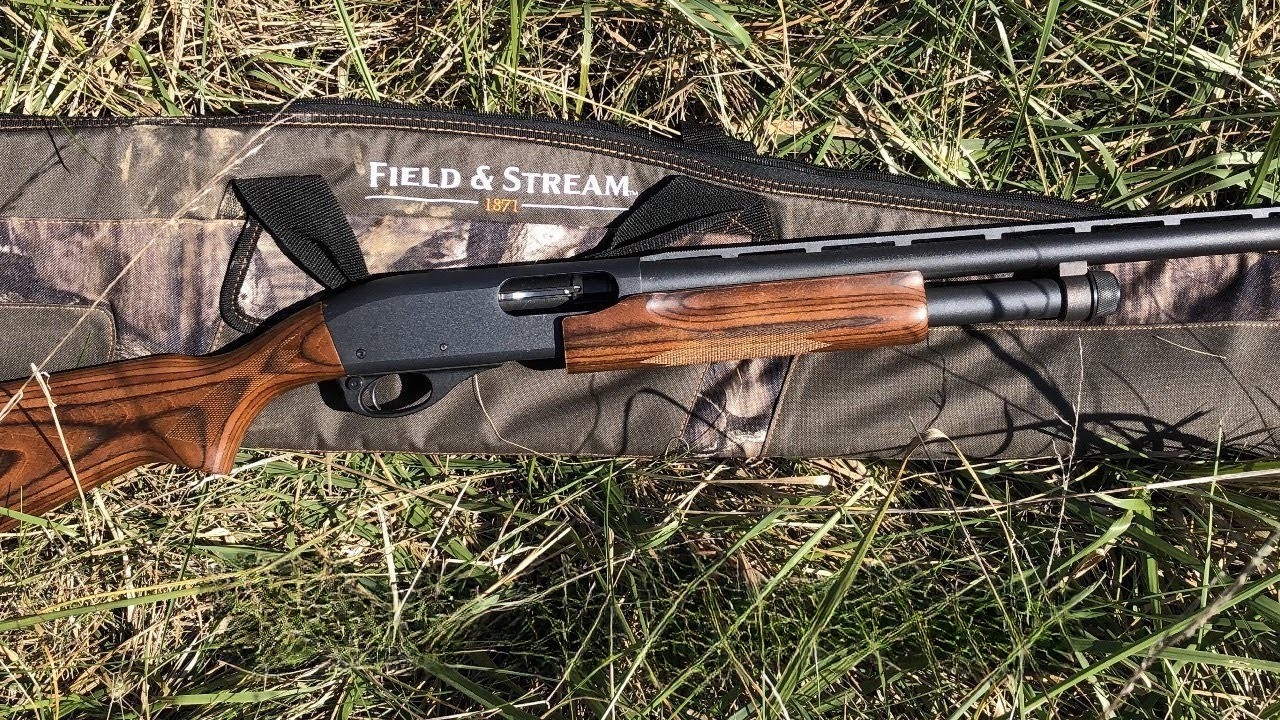
The 870 Express survived for years under the reputation established by older Wingmasters and Police Magnums. Buyers assumed they were receiving the same proven pump shotgun with a less polished finish.
Later Express production often showed rough chambers, thin finishes, rust-prone exterior metal, and actions that felt far less refined than older guns. The design itself remained sound, but execution did not always match the name. Shooters continued recommending it because the 870 had been dependable for generations. In many cases, they were defending the reputation of previous production rather than the gun on the store rack.
Marlin 1895

The Marlin 1895 became one of the most recognizable modern lever actions because of its .45-70 chambering, large-bore image, and popularity as a bear-country rifle. The Guide Gun and later tactical versions turned it into a cultural favorite.
The rifle is powerful, but it is also heavy, limited in capacity, expensive to feed, and often purchased for situations the owner will never face. Current Ruger-made examples are well built, yet prices reflect enormous demand and brand history. Many buyers would be better served by a lighter .30-30, bolt-action rifle, or shotgun. The 1895 continues thriving partly because owning a big-bore Marlin feels more serious than most practical alternatives.
Thompson/Center Contender
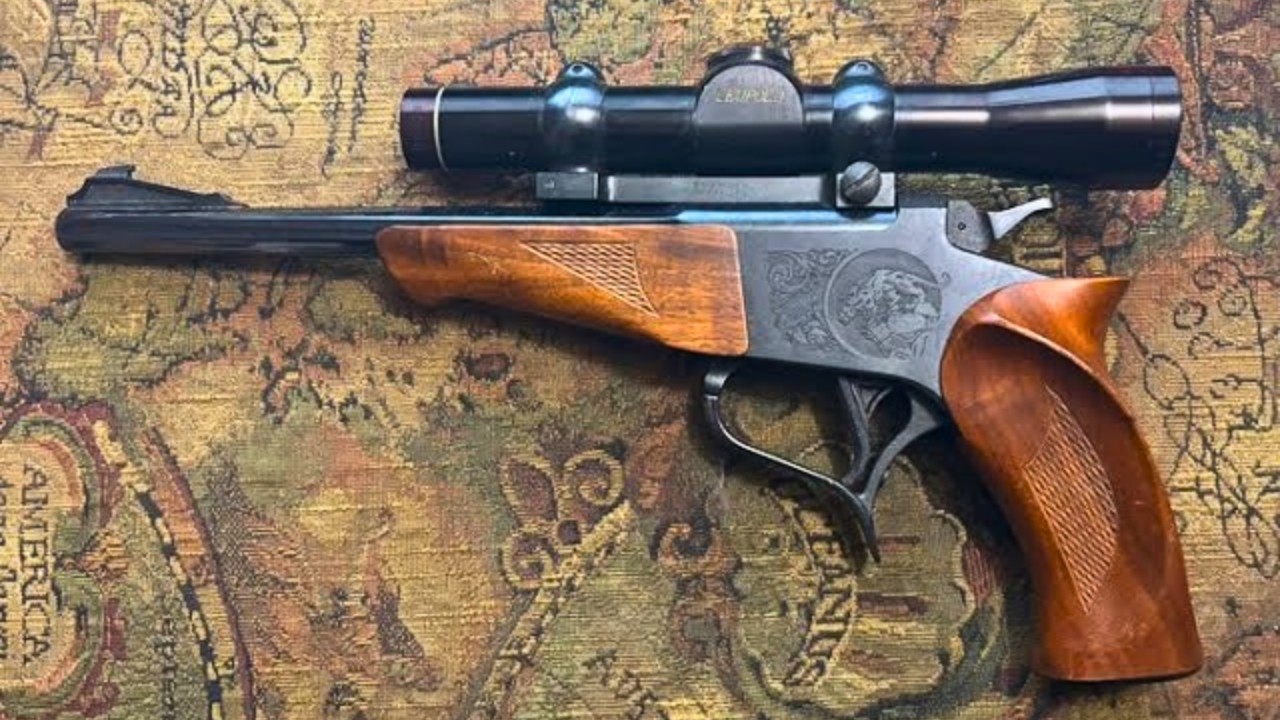
The Contender developed a legendary reputation for accuracy, cartridge flexibility, and handgun hunting. Its interchangeable barrels allowed one frame to support everything from rimfire rounds to powerful centerfire cartridges.
In practice, barrel changes require investment, specialty cartridges can be expensive, and the single-shot layout limits follow-up speed. Modern bolt-action pistols, compact rifles, and highly accurate revolvers can fill many of the same roles. The Contender remains respected because it pioneered an entire category. Its historical importance sometimes hides how specialized and inconvenient the system can be.
H&K USP
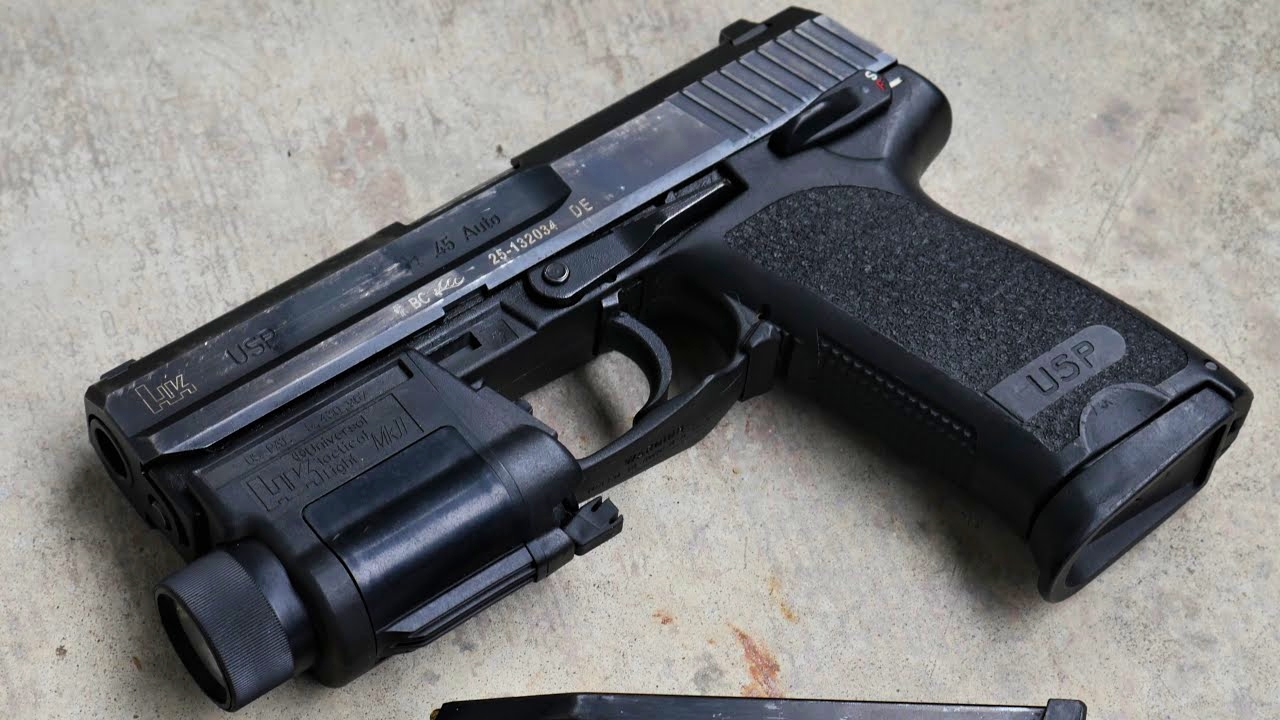
The USP was designed during an era when military and police pistols were expected to survive extreme abuse. Its oversized controls, heavy slide, polymer frame, and recoil-reduction system gave it an exceptional durability reputation.
That strength comes with a bulky grip, high bore axis, expensive magazines, dated accessory rail on early models, and a price far above many newer duty pistols. The trigger is dependable but rarely impressive without modification. The USP remains desirable because it represents old-school HK engineering. Its reputation for surviving torture tests often carries more weight than its actual advantages for ordinary owners.
FN SCAR 17S

The SCAR 17S became famous as a lightweight .308 battle rifle connected to special-operations use. Its folding stock, short-stroke piston system, and distinctive appearance created demand almost immediately.
Its current price places it far beyond many accurate and dependable AR-10-style rifles. Owners must also accept expensive magazines, a reciprocating charging handle on older versions, unusual recoil behavior, and accessories that can be sensitive to the rifle’s impulse. The SCAR is capable and relatively light, but its military image does much of the selling. For most civilian use, its reputation is easier to justify than its cost.
Like The Avid Outdoorsman’s content? Subscribe to our newsletter so you never miss an article.
Here’s more from us: