Photo credit: 22plinkster/Youtube
Every gun counter has one guy who trusts the Blue Book like it’s a weather report, and another guy who’s been burned enough times to know it’s more of a suggestion. Revolvers are where that gap gets wide. The book will tell you a number, and the real world will laugh and tack on another couple hundred because “they don’t make ’em like that,” or because the last three that hit the used case were gone before lunch.
This isn’t about fantasy prices or safe queens only. This is about revolvers that bring more money than they “should” because they’re harder to replace, they’ve got a reputation you can’t spreadsheet, or they’ve got a fit-and-finish you just don’t see in new production at normal-guy prices anymore. Some of these are collectors’ darlings, sure. A bunch of them are just plain useful and everybody knows it.
1. Smith & Wesson Model 19 (Combat Magnum)

Walk into a shop and see a clean Model 19 with honest holster wear and a tight lockup, and watch how fast it gets handled like it’s already sold. The Blue Book number might act like it’s “just another .357,” but folks who’ve shot them know how sweet that K-frame feels in the hand.
They point natural, they balance right, and the double-action pull on a good one feels like it’s on ball bearings. Yes, you can run hot .357s, but most of us end up feeding them .38s and midrange .357 anyway. As a carry or trail gun that won’t beat you up, they’re hard to beat, and that’s why they keep bringing more than the book suggests.
2. Smith & Wesson Model 66 (stainless Model 19)
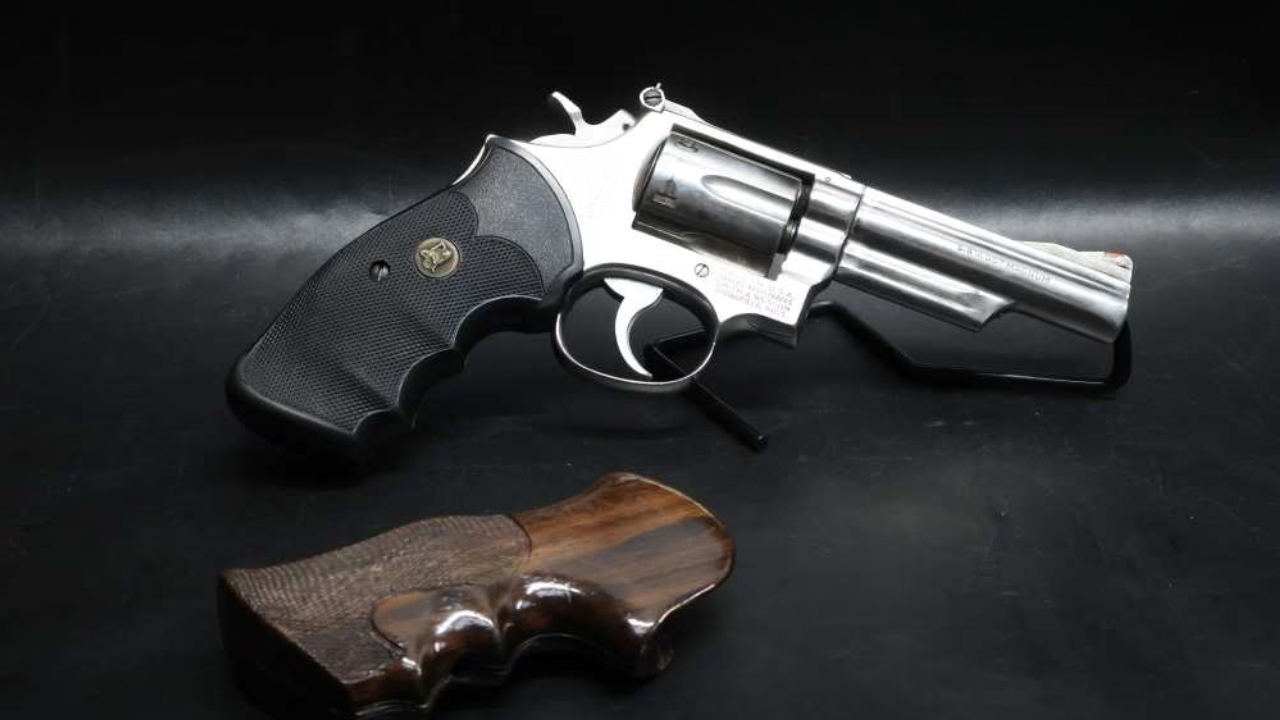
The 66 is the “do everything” version for guys who live in wet country, sweat a lot, or spend time in boats and trucks. Stainless is not magic, but it buys you forgiveness when life gets busy and you don’t wipe a gun down like you should.
Older 66s have a feel that new guns sometimes miss, and they’ve got that classic K-frame carry profile. Everyone knows the good ones don’t sit long, especially with original stocks and no weird “kitchen table” polishing. If you’re trying to find one the week before deer season, you’ll learn real quick what the market thinks.
3. Smith & Wesson Model 27 (Registered Magnum family)
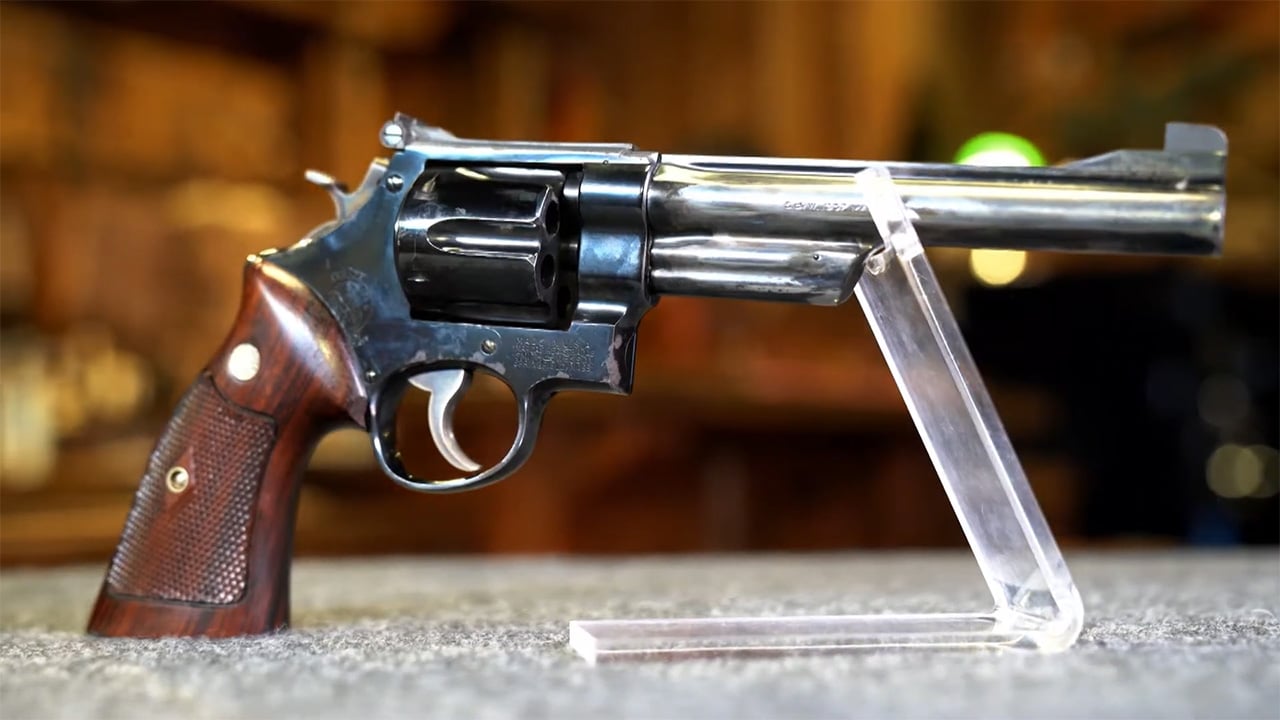
If you’ve never handled a Model 27, it’s easy to underestimate why people pay up. Then you open the cylinder, look at the finish, the checkering, the little details, and it clicks. This is the kind of revolver that makes you understand why old timers got attached.
They’re heavy, they’re not “pack light” friendly, and they’re not for everybody. But they shoot soft for a .357, and they feel like a serious piece of machinery. The book might price it like it’s simply an older N-frame, but buyers treat them like craftsmanship you can still use.
4. Smith & Wesson Model 28 (Highway Patrolman)
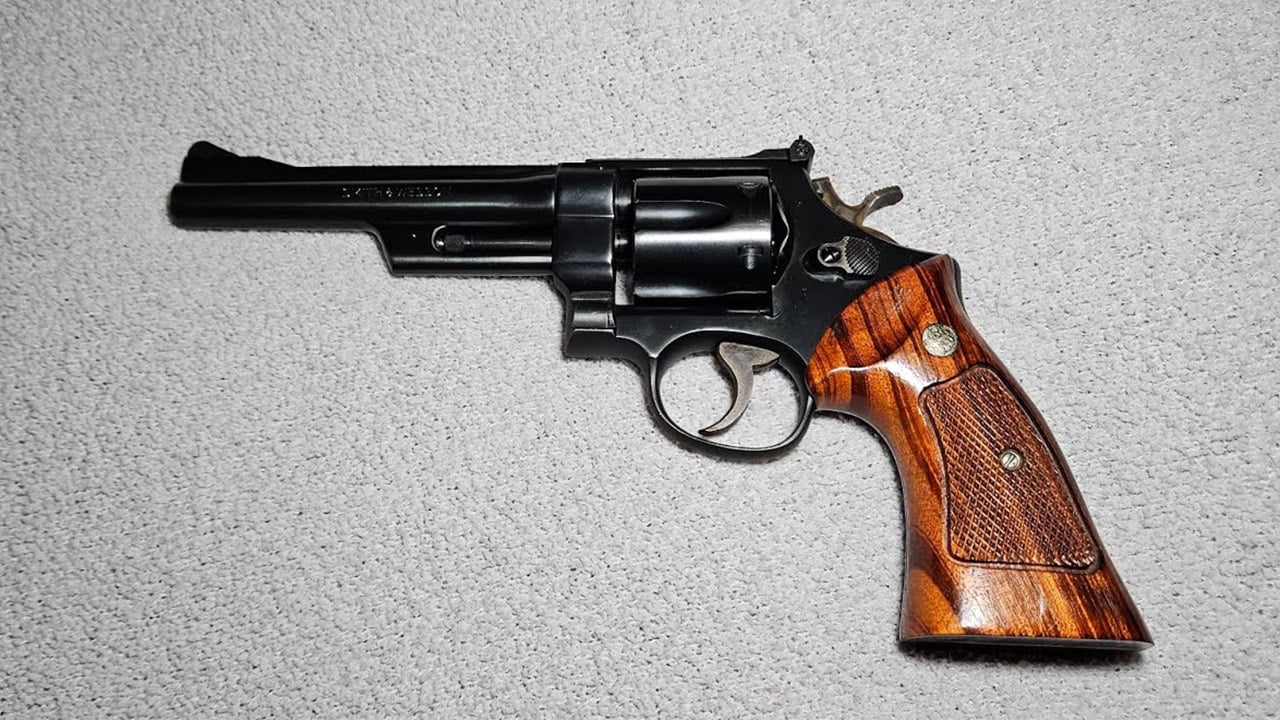
The Model 28 is the sleeper in the S&W .357 world. It doesn’t have the glossy finish of the 27, so some folks assume it should be cheap. That’s the mistake.
It’s an N-frame .357 that’s built to work, not pose. You get strength, durability, and that big-frame steadiness without having to baby it. When a clean 28 shows up, it sells to the guy who actually shoots, and he usually doesn’t care what the Blue Book says.
5. Smith & Wesson Model 29 (and 629)
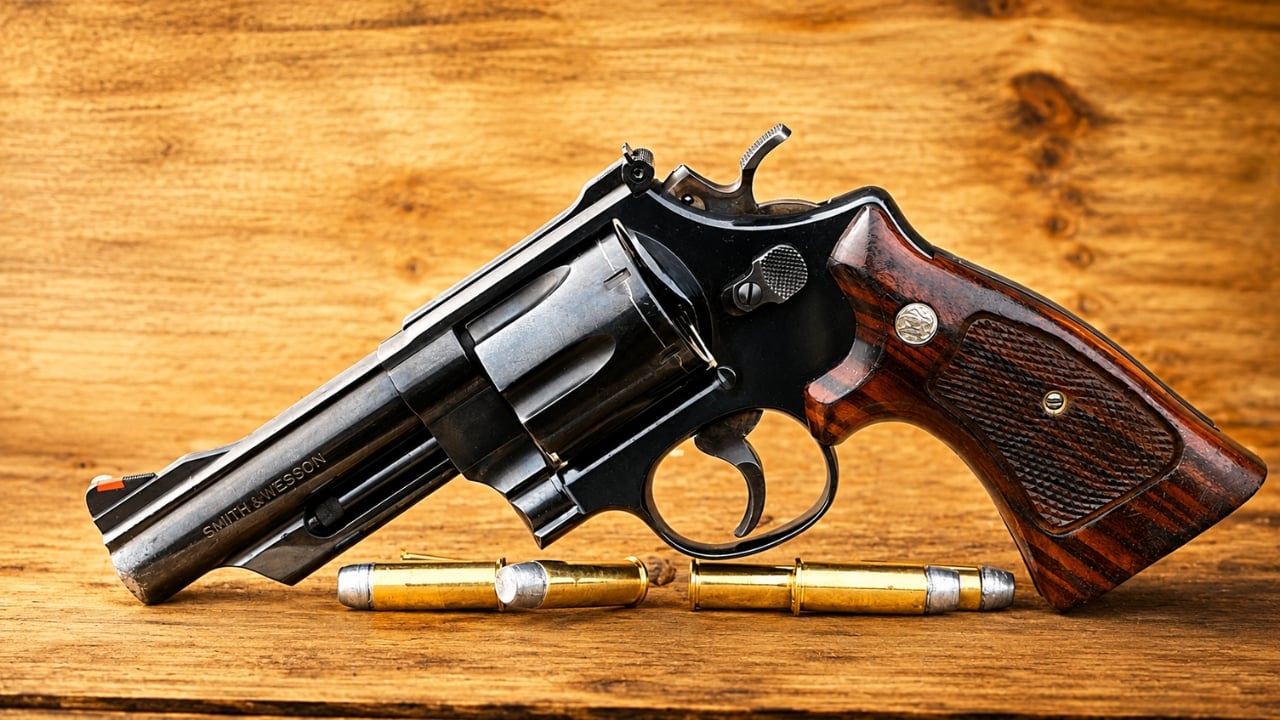
Dirty Harry did what marketing departments dream about, but the Model 29 earned its place beyond the movie stuff. A nice 29 has a kind of “click” in the action and a confidence in the lockup that makes you want to slow down and shoot well.
Even the stainless 629s bring strong money when they’re clean and un-messed-with. Not because everyone needs a .44 Magnum, but because a good .44 is a lifetime gun for hunters and woods walkers. And the replacement cost of a comparable-feeling revolver is higher than most folks want to admit.
6. Colt Python (older production)
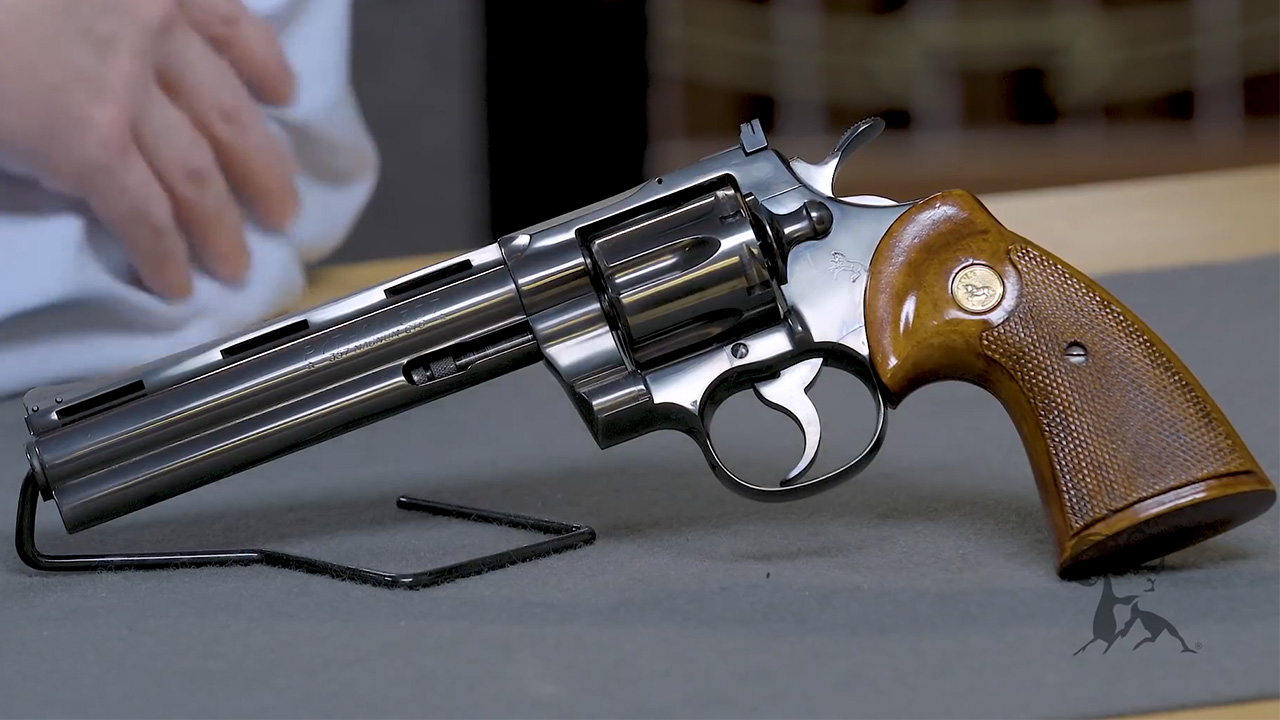
The Python is the obvious one, and yes, it’s pricey. Still, it routinely outpaces guide numbers because collectors and shooters both chase the same thing: that Colt look and that old-school polish that makes modern production seem a little sterile.
They’re not the “beat it around in the toolbox” choice, and parts and service can be a real consideration. But demand is demand. If the timing is right and it’s not abused, the market treats it like a blue-chip revolver, not a used handgun.
7. Colt Detective Special
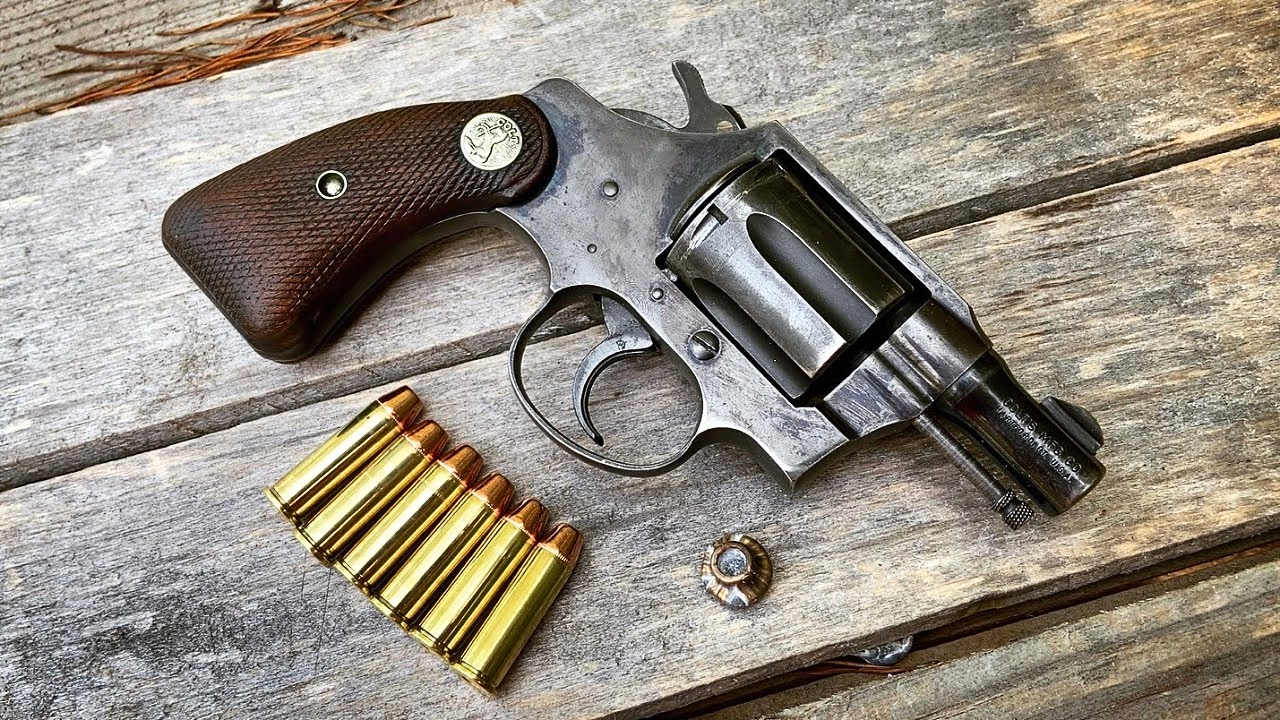
Small-frame Colts that actually carry well have their own gravity. The Detective Special in particular has the kind of following that ignores price guides, especially for earlier examples with the features folks want.
It’s a revolver that still makes sense: compact, shootable, and built in an era when a “snub” was expected to be a real fighting gun, not a novelty. If you want one in nice shape, you’ll probably pay more than you planned, and that’s been true for years now.
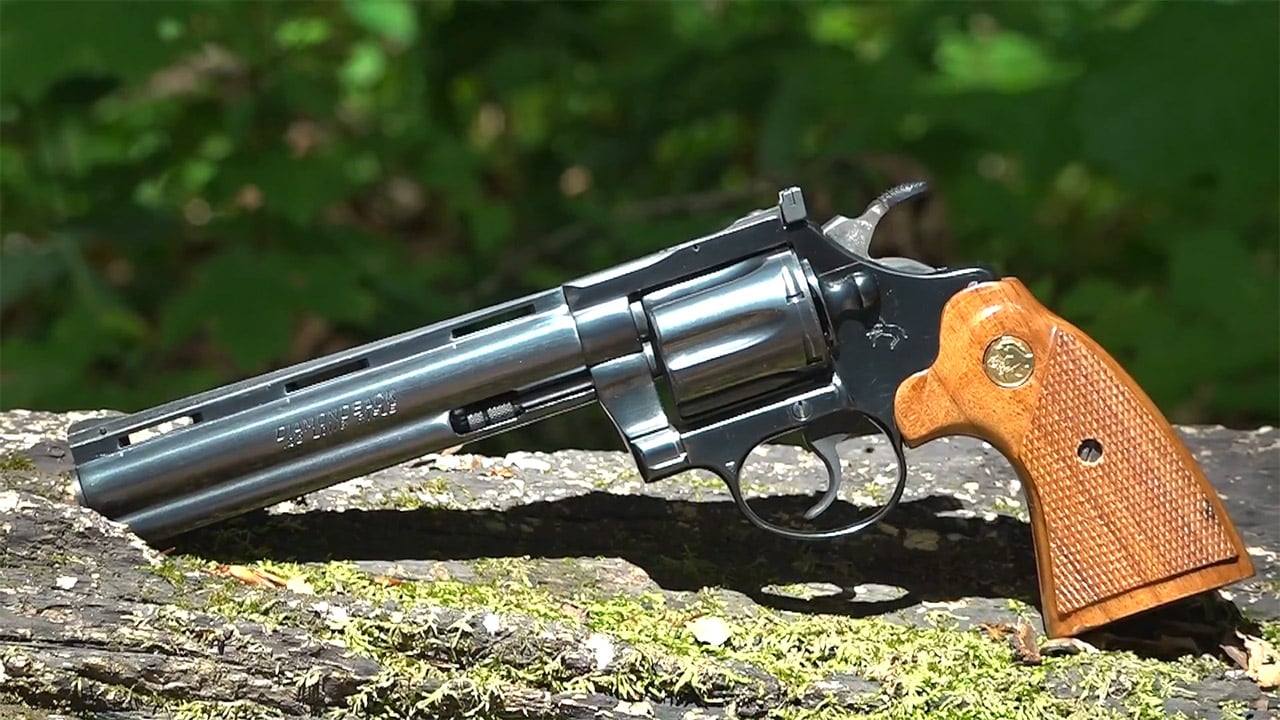
8. Colt Diamondback
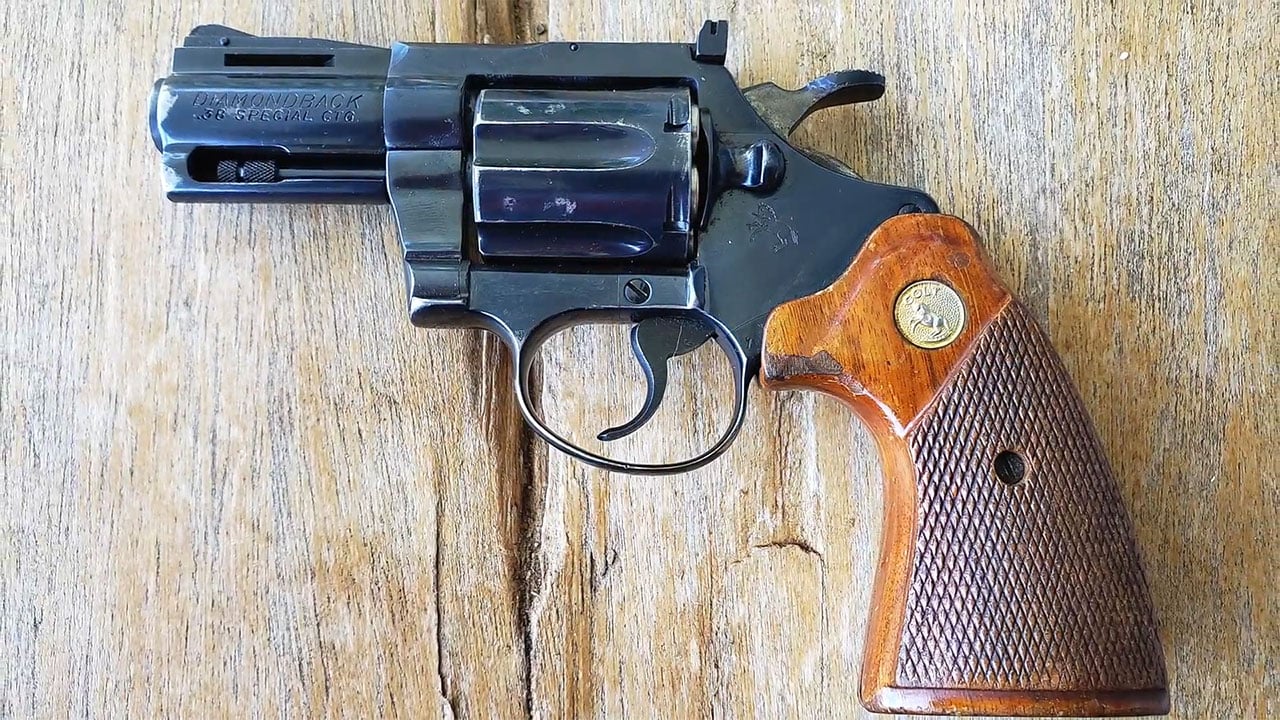
The Diamondback is what happens when a revolver has style and substance at the same time. It’s not just a “pretty gun,” but let’s be honest, the looks matter here. The ventilated rib and Colt lines make it stand out in a case full of similar shapes.
They’ve become tough to find at what most folks would call reasonable money. The book can say whatever it wants; the guy who’s been hunting a clean one for two years is not negotiating like it’s common.
9. Colt Trooper Mk III
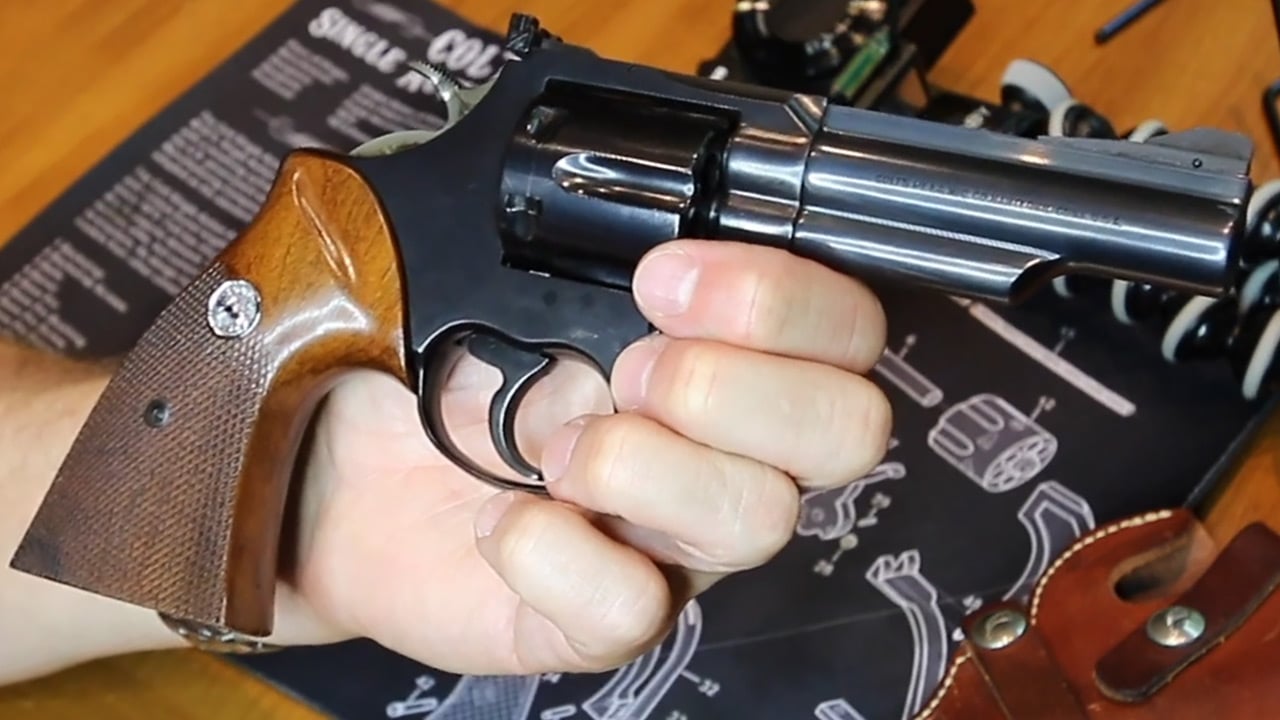
The Trooper Mk III doesn’t always get the same love as the Python, which is exactly why it’s on this list. For a long time it was the “smart buy” Colt .357, and even now it often sells fast when it’s mechanically right.
They’re sturdy, they shoot well, and they give you that Colt wheelgun feel without Python-level pricing. A clean Trooper with a good bore and tight timing tends to bring more than the guides suggest because shooters know it’s a lot of revolver for the money.
10. Ruger Security-Six
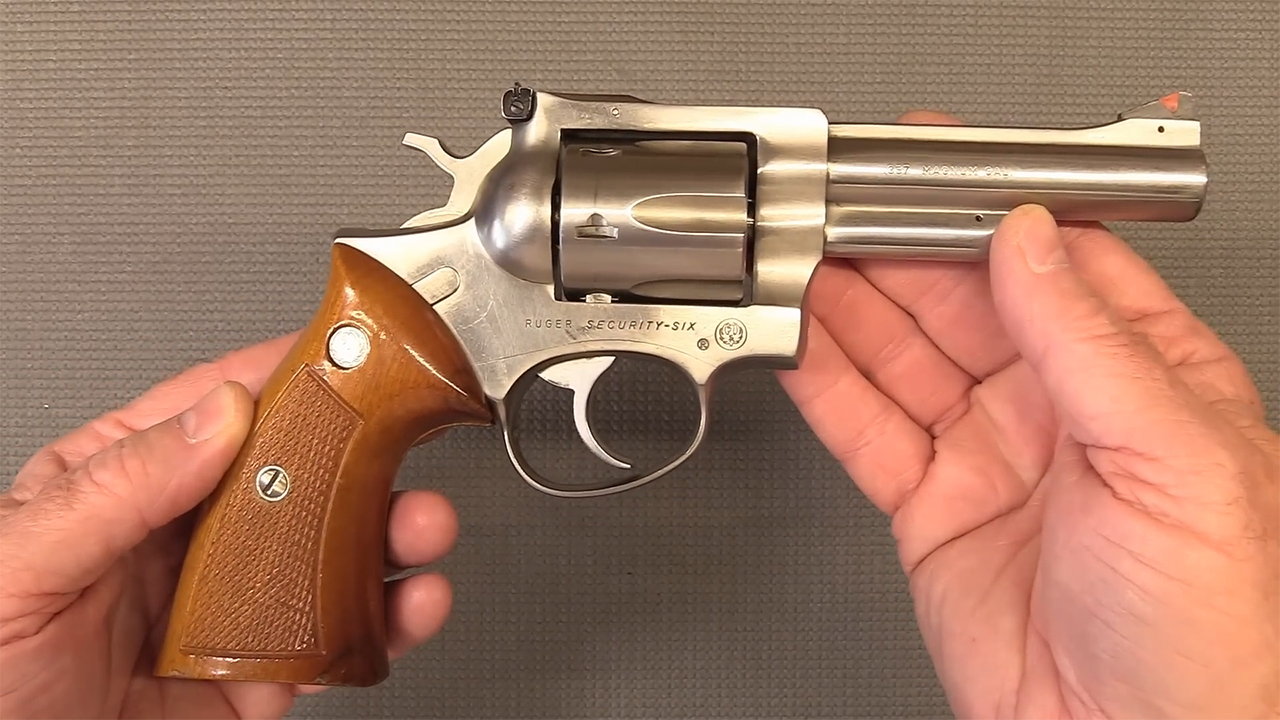
The Security-Six is one of those guns that gets called “basic” until you actually run it. It’s not fancy. It’s just right. The size is excellent, and it carries easier than big-frame .357s while still being plenty strong.
Ruger quit making them, and the used market noticed. A Security-Six with a good action and no issues is a buy-now revolver. There’s a reason so many folks who sell one spend the next year trying to find another that isn’t overpriced.
11. Ruger Speed-Six
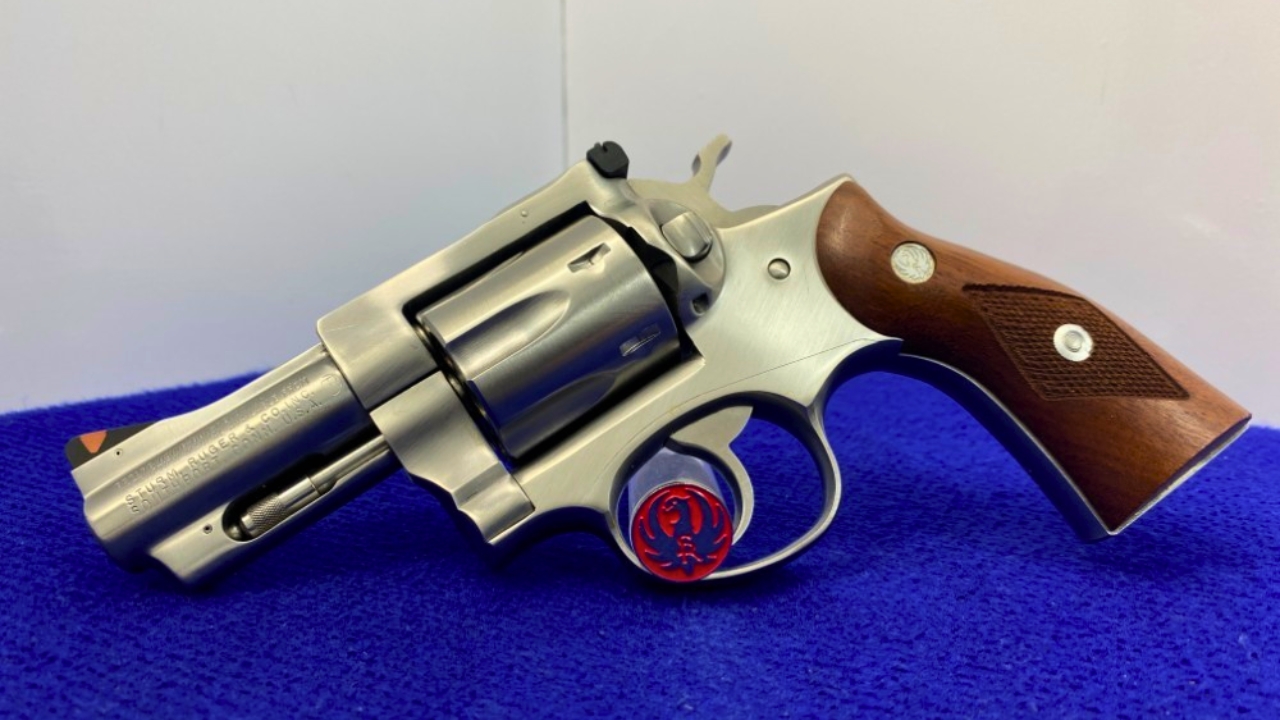
If you like the Security-Six but want a little more carry-friendly profile, the Speed-Six is the one. It’s got that rounded butt and a feel that works for belt carry and vehicle carry without printing like a brick.
They aren’t rare in a museum sense, but they’re rare in “I can just go pick one up whenever” terms. Good ones bring strong money because they’re a practical revolver that doesn’t need excuses. If you find one that hasn’t been hacked up, don’t expect it to be cheap.
12. Ruger Service-Six
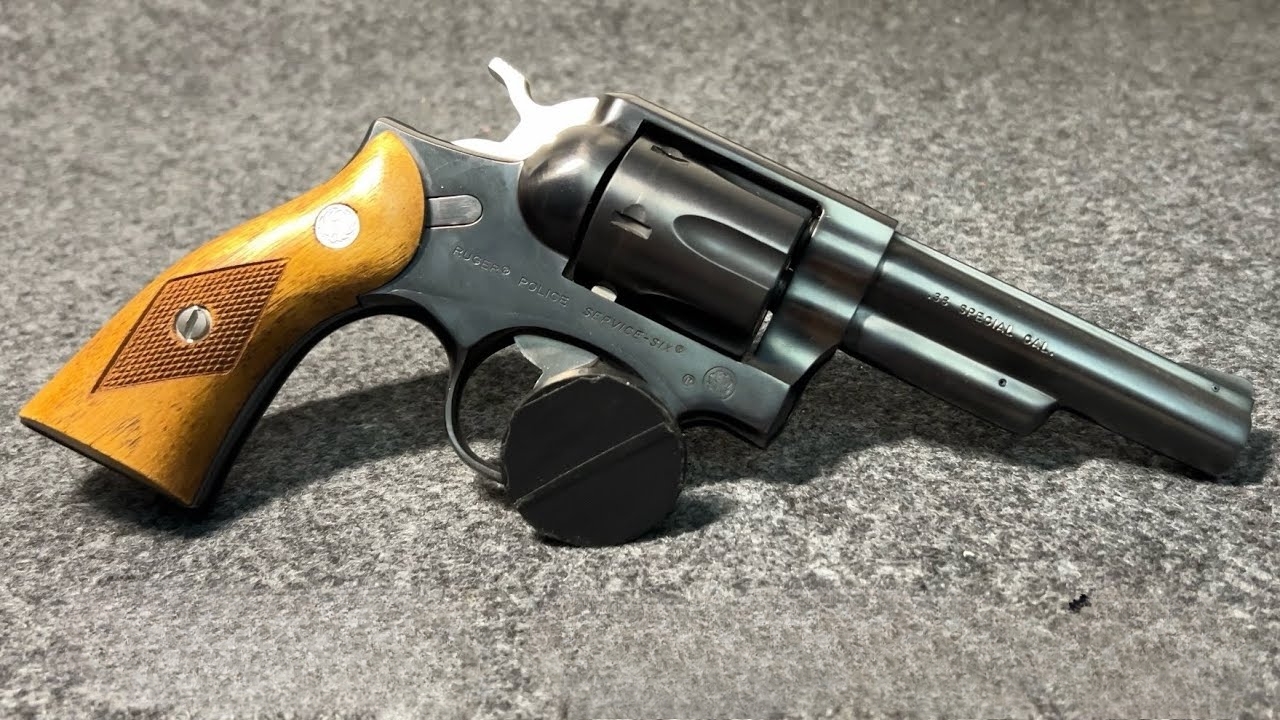
The Service-Six doesn’t get talked about at deer camp, but it’s quietly one of the better working revolvers Ruger ever built. They were duty guns, and a lot of them got used hard, so clean examples matter.
When you find one that hasn’t been rode rough and put away wet, it’s a legitimate “do everything” .357 for regular people. That utility bumps the price in the real world, especially when buyers see how today’s new revolver pricing has climbed.
13. Ruger GP100 (older, clean examples)

The GP100 is still made, so you’d think it would track the book pretty closely. Not always. A clean older GP100 with a smooth action and a good barrel gap will get snapped up because it’s one of the few revolvers you can run hard without feeling like you’re abusing something delicate.
They’re heavier than some guys want for carry, but for a range gun, woods gun, or house gun, they’re boring in the best way. And boring guns that always work tend to sell for more than “fair value” when people actually need one.
14. Ruger Redhawk .44 Magnum
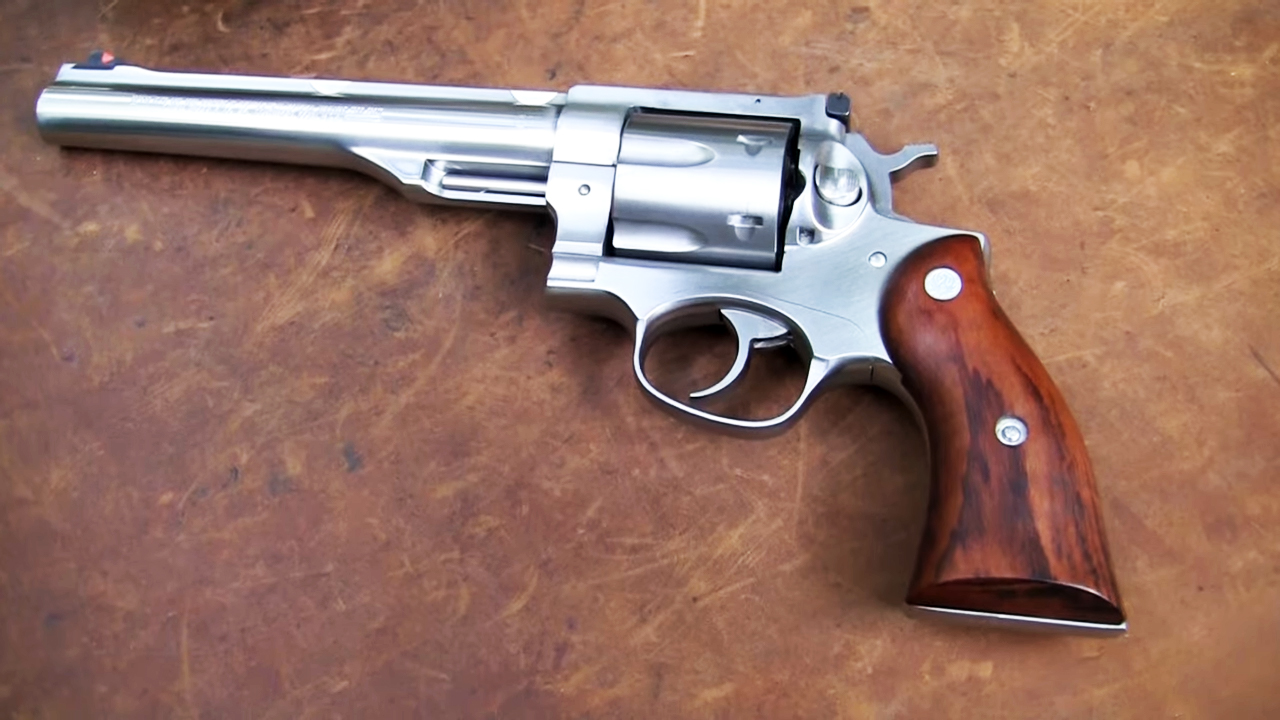
The Redhawk is a chunk of steel, and I mean that as a compliment. If you want a .44 that will handle heavy loads without feeling like it’s on the edge, this one has a reputation for shrugging off work.
It’s not as sleek as some alternatives, and it’s not a light belt gun. But guys who hunt with handguns and guys who spend time in bear country keep driving the price. When one shows up with a clean cylinder and no signs of abuse, it rarely goes for “book.”
15. Ruger Blackhawk (three-screw models)

The old three-screw Blackhawks have a following that isn’t going away. Part of it is nostalgia, part of it is the feel of the action, and part of it is that they’re just plain cool in a way a lot of modern guns aren’t.
Single-actions aren’t everyone’s daily tool, but they’re accurate, strong, and simple. In hunting camp, they also tend to be the revolver that gets passed around after supper because everyone wants to thumb the hammer and feel it. Those are the guns that hold value even when the book acts like they shouldn’t.
16. Ruger Super Blackhawk (early production, especially)
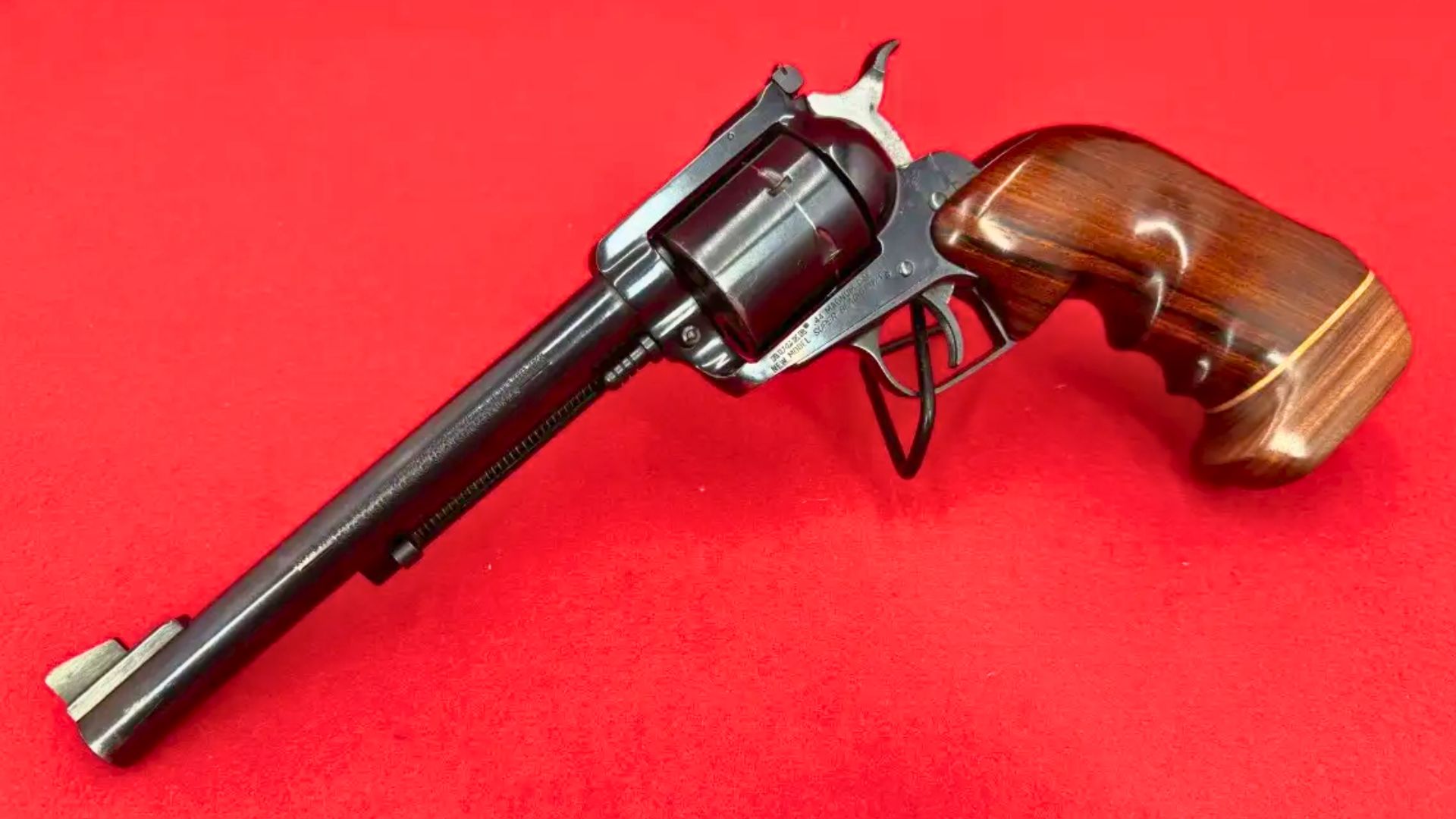
A Super Blackhawk in .44 Magnum is not subtle. It’s also one of the most honest handgun hunting platforms ever made. If you’ve packed one in a chest rig for a season, you understand why they don’t get dumped cheap very often.
Early guns and clean examples bring more than expected because they’re built for real use and they’ve got a long track record. They’re not a “first revolver” for most folks, but they’re a “forever revolver” for the guys who get into them.
17. Smith & Wesson Model 10 (pre-model and early model guns)
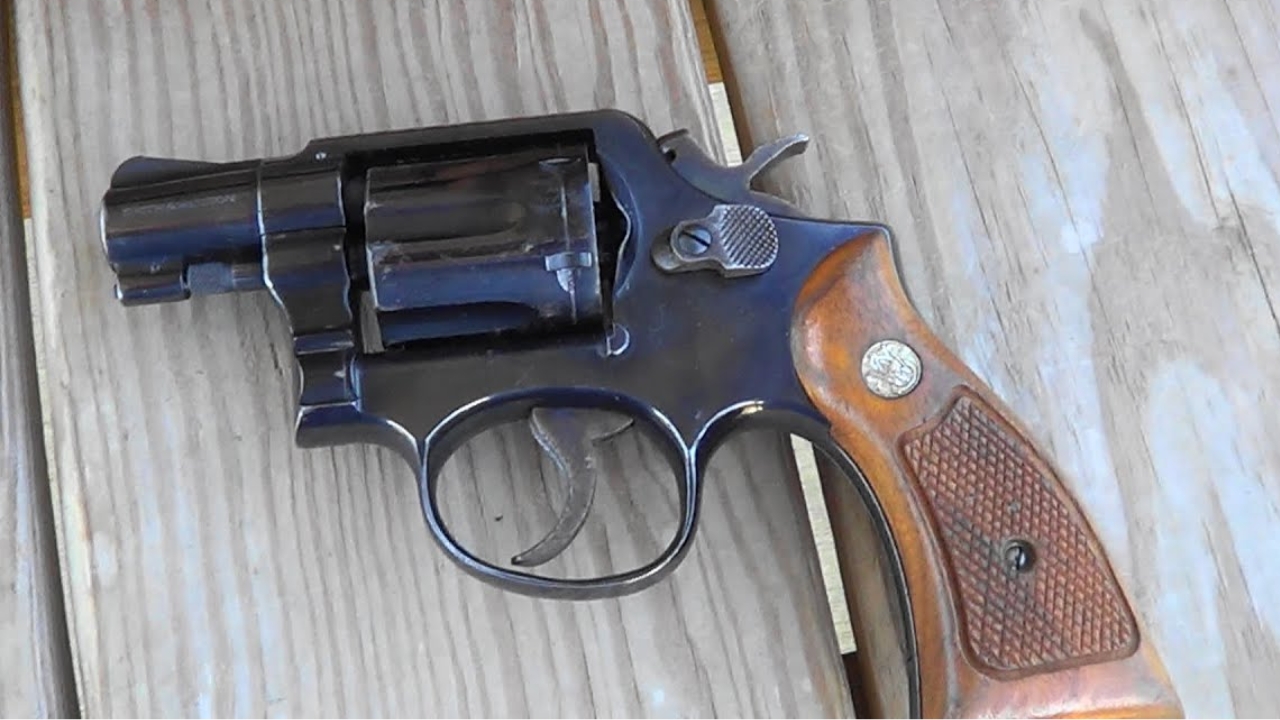
The Model 10 is the definition of plain. Fixed sights, usually blued, usually not flashy. Then you shoot a good one and realize it’s exactly what a service revolver should be: smooth, accurate, and easy to live with.
Clean older Model 10s are getting harder to find at throwaway prices. They make great trainers, great nightstand guns for folks who don’t want semi-auto drama, and great “I just want something that works” revolvers. That kind of usefulness ignores the book.
18. Smith & Wesson Model 15 (K-38 Combat Masterpiece)
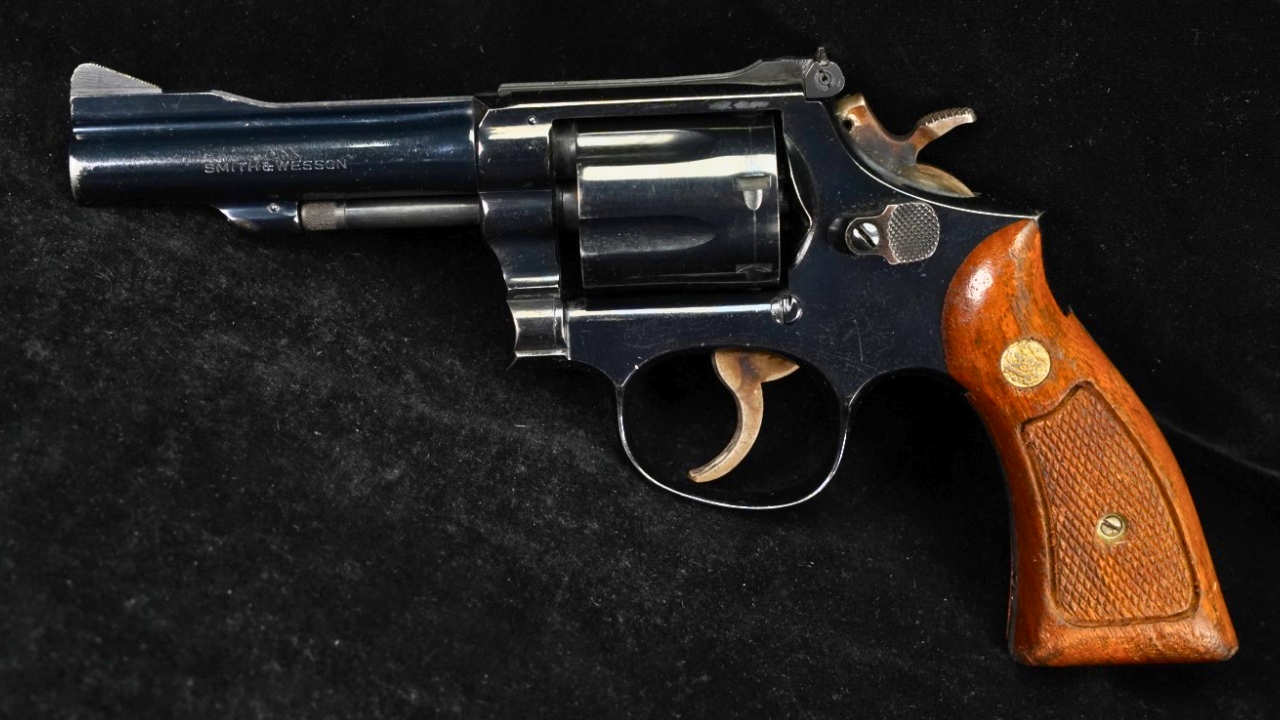
A Model 15 with a good trigger is a reminder that .38 Special doesn’t have to be boring. The sights are usually excellent, the balance is right, and the gun flat-out shoots. It’s one of those revolvers that makes you look better than you are on a good day.
They used to be the “reasonable” buy compared to .357 K-frames. Not so much anymore. When someone finds a clean one with the features they want, they’ll pay up because the experience of shooting one isn’t easily replaced with something new.
19. Dan Wesson Model 15 (.357 Magnum)

Dan Wesson revolvers have always had a “if you know, you know” crowd. The Model 15 is a big part of that. They’re accurate, strong, and they have a distinctive feel that’s different from the big two.
They aren’t as common in every shop, and that scarcity adds pressure when one hits the case. Condition and completeness matter a lot, but even shooter-grade examples can bring more than expected because they’re respected by people who actually spend time on the range.
20. Smith & Wesson Model 17 (K-22 Masterpiece)
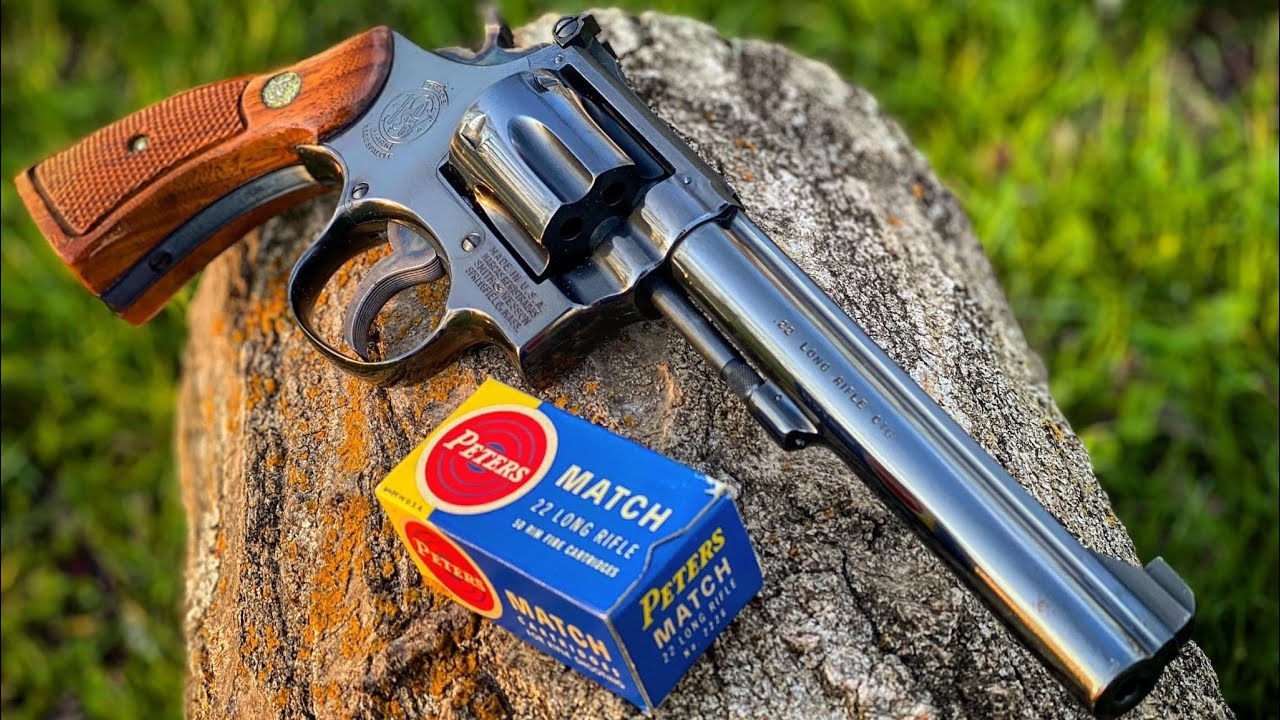
A good .22 revolver is one of the best tools a shooter can own, and the Model 17 is one of the best of that breed. The Blue Book might treat it like a rimfire “nice to have.” Shooters treat it like a cornerstone.
They’re not cheap anymore because everyone figured out the same thing: you can shoot it all day, it’s accurate, and it teaches fundamentals without beating you up. If you’re the guy who brings new shooters to the range, this is the revolver that earns its keep, and the market pays accordingly.
If you’re shopping for any of these, the trick is to look past the paper number and pay attention to what matters: timing, lockup, endshake, bore condition, and whether the gun’s been messed with by somebody who watched one too many videos. And if you already own one of these and it’s a good example, I wouldn’t be quick to let it go. The Blue Book may not be impressed, but the next guy standing at the counter probably will be.
Like The Avid Outdoorsman’s content? Subscribe to our newsletter so you never miss an article.
Here’s more from us: