Photo credit: BigJ’s Knives/YouTube
A survival knife has to earn its place because every ounce matters once you are carrying gear instead of admiring it on a workbench. A giant quarter-inch-thick blade may survive abuse that would destroy a normal knife, but that does not mean you want to carve tent stakes, process food, or make feather sticks with a sharpened crowbar. On the other hand, an ultralight carving knife is not much comfort when it becomes your only cutting tool miles from the truck.
The best survival knives land somewhere in the middle. They are strong enough for ugly field work but still cut efficiently, sharpen without specialized equipment, and come with handles you can use after your hands are cold, wet, or tired. A good sheath matters almost as much because a knife you hate carrying eventually gets left behind. These 20 are knives I would actually be willing to add to a pack rather than simply admire for how tough they look.
Morakniv Garberg Stainless

The Garberg is what you get when Mora takes its lightweight Scandinavian knife formula and builds it around a full-tang construction intended for harder use. It retains the excellent cutting geometry that makes Morakniv so good at wood processing while adding considerably more confidence for jobs beyond ordinary carving. The stainless version is especially attractive for a survival kit because wet weather, sweat, and long stretches between careful maintenance are less likely to become a problem.
More importantly, the Garberg does not become ridiculously heavy in the process. That matters when the knife is riding on your belt all day or living in a pack beside water, shelter, food, and everything else you actually need. The Scandi-style edge is also straightforward to maintain in the field. It may not look dramatic, but the combination of cutting efficiency, durability, and reasonable weight is exactly what makes it worth carrying.
Fallkniven S1
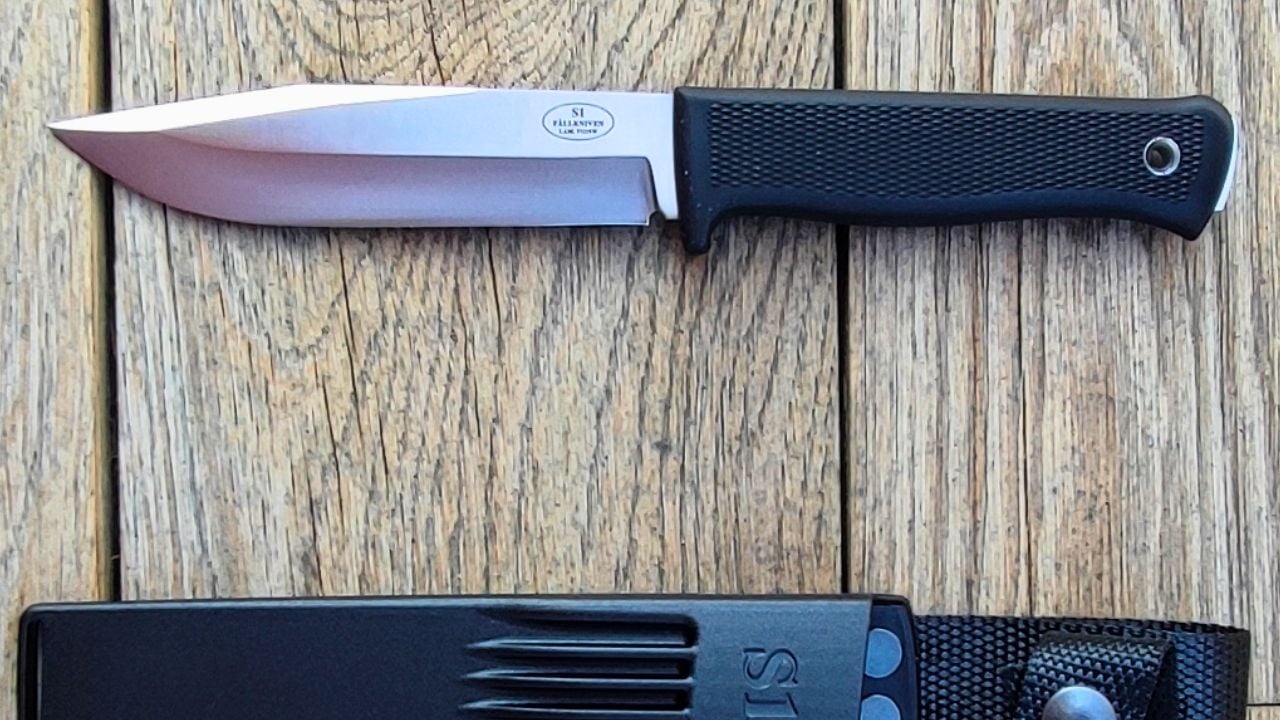
The Fallkniven S1 has long been respected because it manages to feel substantial without becoming an oversized camp knife. The roughly five-inch blade is long enough for wood processing and camp chores but short enough to remain controllable for food preparation, notching, and finer tasks. Laminated stainless construction also gives it an advantage in wet environments where a neglected carbon-steel blade may require considerably more attention.
What makes the S1 especially useful is the convex edge. It provides enough material behind the edge for durability while still cutting far better than the thick wedge geometry found on some survival knives. The thermorun handle is not fancy, but it remains practical when conditions deteriorate. This is a knife I would rather have during several miserable days of rain than something with beautiful wood scales and exposed carbon steel. Survival equipment should tolerate neglect, and the S1 is built around that reality.
ESEE Laser Strike
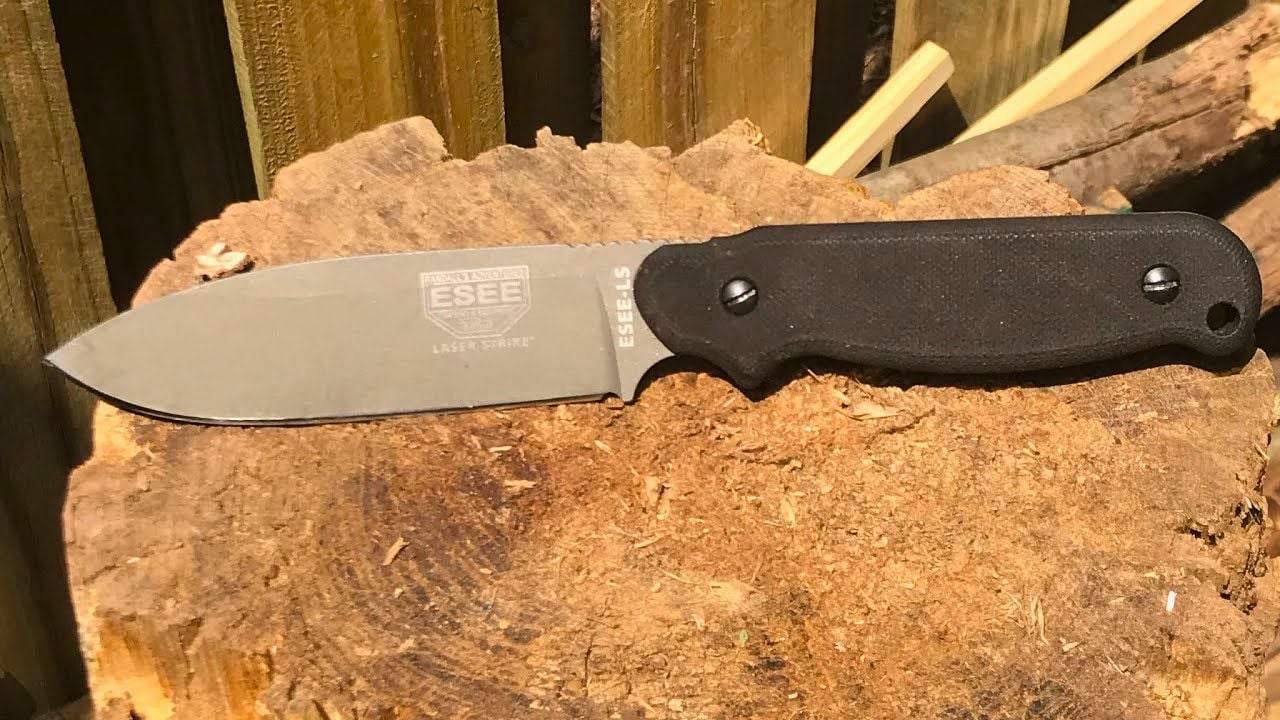
The Laser Strike is one of ESEE’s better-balanced outdoor knives because it gives you the durability associated with the brand without going as far into sharpened-pry-bar territory as some heavier models. The blade is long enough for serious campsite work, while the handle provides plenty of control for chopping, carving, and preparing kindling. The 1095 carbon steel is uncomplicated, tough, and easy to touch up with basic sharpening equipment.
The tradeoff is corrosion resistance. If you live somewhere humid or expect to spend days in constant rain, you need to pay attention to the exposed edge and any worn areas of coating. That is a manageable problem rather than a reason to dismiss the knife. In exchange, you get steel that can take a beating and be restored without requiring diamond stones or expert sharpening skills. For a survival blade that may actually be worked hard, field maintainability matters enormously.
Cold Steel SRK
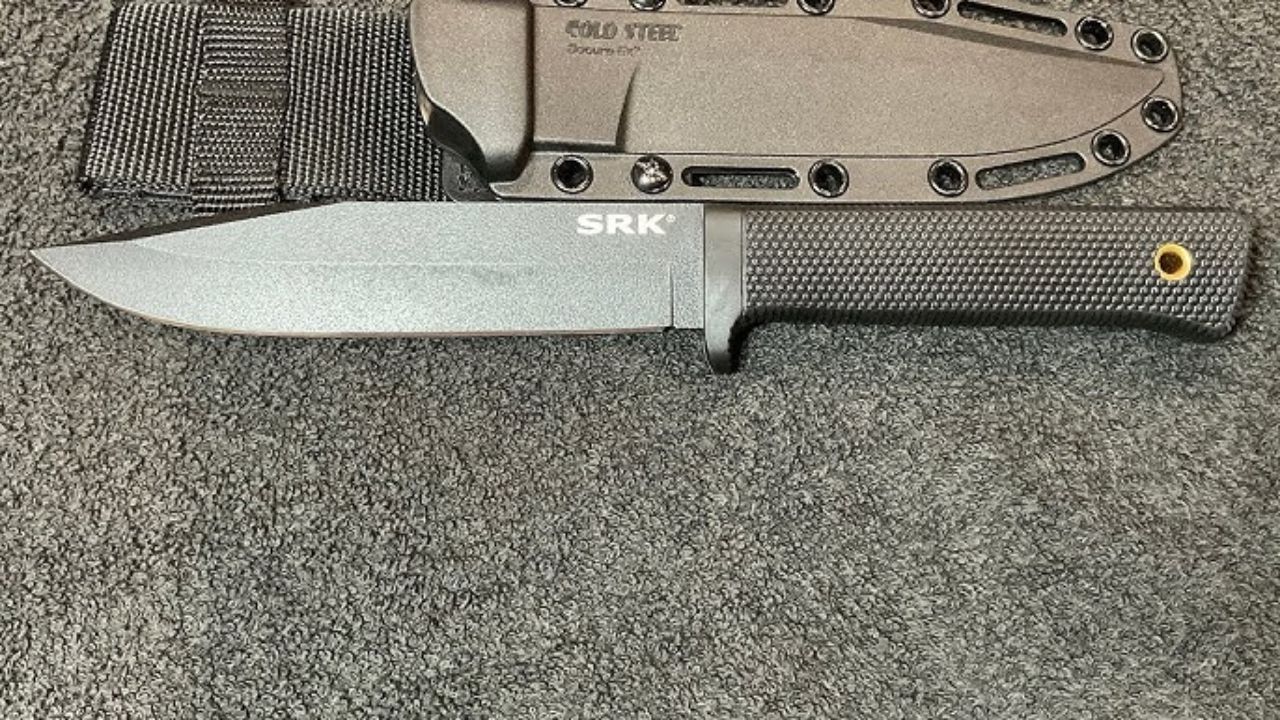
The SRK has survived for so long because the basic design is difficult to improve upon. It gives you a six-inch fixed blade, a secure handle, enough belly for general cutting, and enough strength for rougher jobs without the elaborate features manufacturers sometimes bolt onto survival knives just to make them appear more capable.
Its strongest argument may be value. You can spend dramatically more on boutique outdoor knives without gaining anything close to the same increase in practical capability. The SRK can process kindling, cut rope, prepare food, and handle camp work while remaining straightforward enough that you will not hesitate to actually use it. It is also large enough for genuinely demanding tasks without wandering into machete territory. Survival equipment should be equipment you are willing to scratch and abuse. The SRK’s price and construction make that easy.
White River Firecraft FC5

The Firecraft FC5 is built around the kind of jobs a survival knife actually performs instead of simply maximizing blade thickness. The approximately five-inch blade is large enough for batoning modest wood and preparing shelter materials while remaining controllable for finer cutting. White River also gives the knife a handle shape that works well during extended use instead of relying on aggressive texturing to create the illusion of grip.
The fire-making focus is useful rather than gimmicky. A survival knife should work naturally alongside a ferrocerium rod because fire may matter far more than whether the knife can survive being hammered through an enormous log. The FC5 also carries like a serious belt knife instead of an anchor. That balance is what I want. If a knife is comfortable enough to remain on you and capable enough to handle the important jobs, it is more useful than something theoretically indestructible that lives in the truck.
LT Wright Genesis Scandi
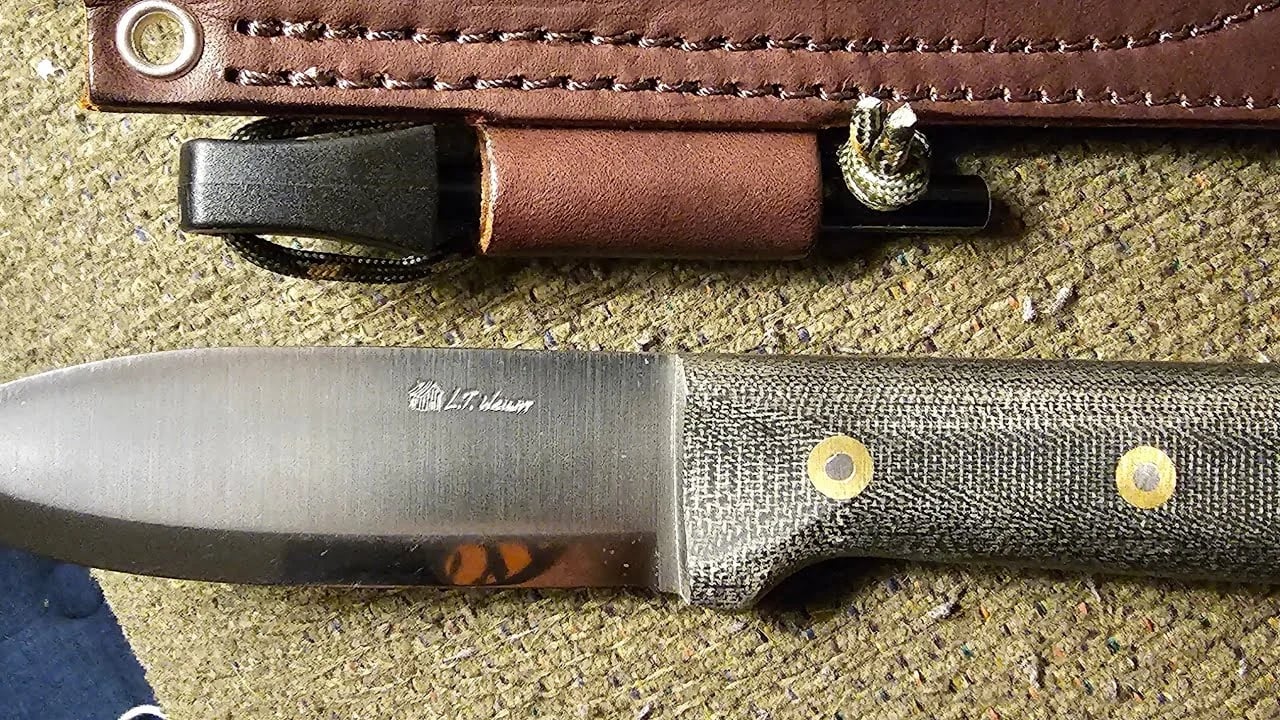
The Genesis Scandi is the kind of knife that becomes more impressive the longer you use it. At first glance, it looks almost plain. The blade is modest in size, the handle follows traditional bushcraft proportions, and there are no dramatic sawbacks, glass breakers, or oversized guards trying to make it look like emergency equipment.
That restraint is exactly why it works. The Scandi grind bites into wood beautifully, making carving, notching, feather sticks, and general shelter work far easier than they are with many thick survival blades. LT Wright also gives the handle enough shape and length to remain comfortable through sustained cutting. A survival knife may spend far more time processing wood than smashing through things, so cutting efficiency deserves priority. The Genesis provides enough toughness for serious field use without sacrificing what a knife is fundamentally supposed to do.
Condor Terrasaur

The Terrasaur is a great reminder that a useful survival knife does not need to cost several hundred dollars. Condor built it as a straightforward full-tang outdoor knife with a simple synthetic handle, carbon-steel blade, and geometry intended for actual bushcraft rather than display-case appeal.
That makes it particularly attractive as a knife you can keep in a vehicle, emergency kit, or hunting pack without worrying about the investment. The blade is large enough for camp chores but compact enough for controlled carving, and the handle remains usable in wet conditions. Carbon steel means some maintenance is required, but it also makes field sharpening easy. If I needed several dependable knives for different emergency kits, I would rather buy multiple Terrasaurs than spend the entire budget on one exotic premium blade that I was afraid to abuse.
Victorinox Venture Pro
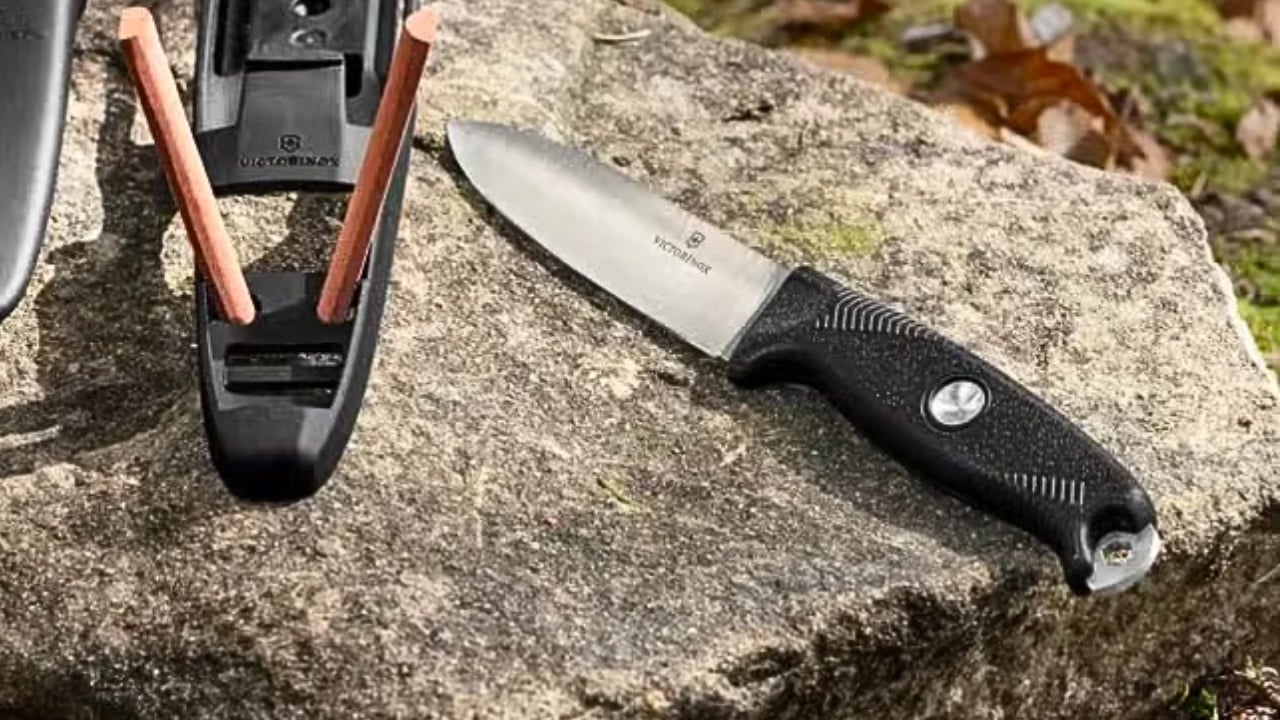
The Venture Pro is a very different survival knife from the oversized blades that usually dominate the category. Victorinox focused on practical outdoor work, giving it a manageable fixed blade, comfortable synthetic handle, and features oriented around fire starting and ordinary bushcraft tasks.
That smaller size makes it better for many of the jobs you will perform most often. Food preparation, cutting cordage, carving trigger components, sharpening sticks, and preparing tinder all benefit from control rather than raw blade mass. A smaller knife also weighs less, which means it is more likely to stay on your belt during a long hike instead of getting stuffed into a pack. I would pair it with a folding saw or compact hatchet rather than force one knife to become a chopping tool. That combination is often far more effective than carrying one oversized blade.
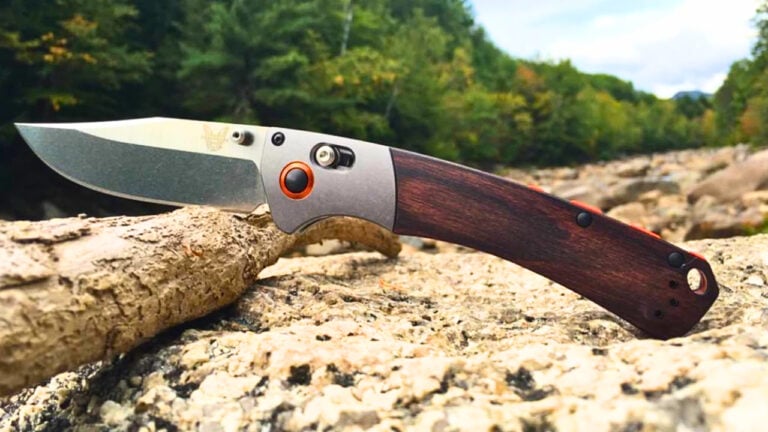
Benchmade Bushcrafter
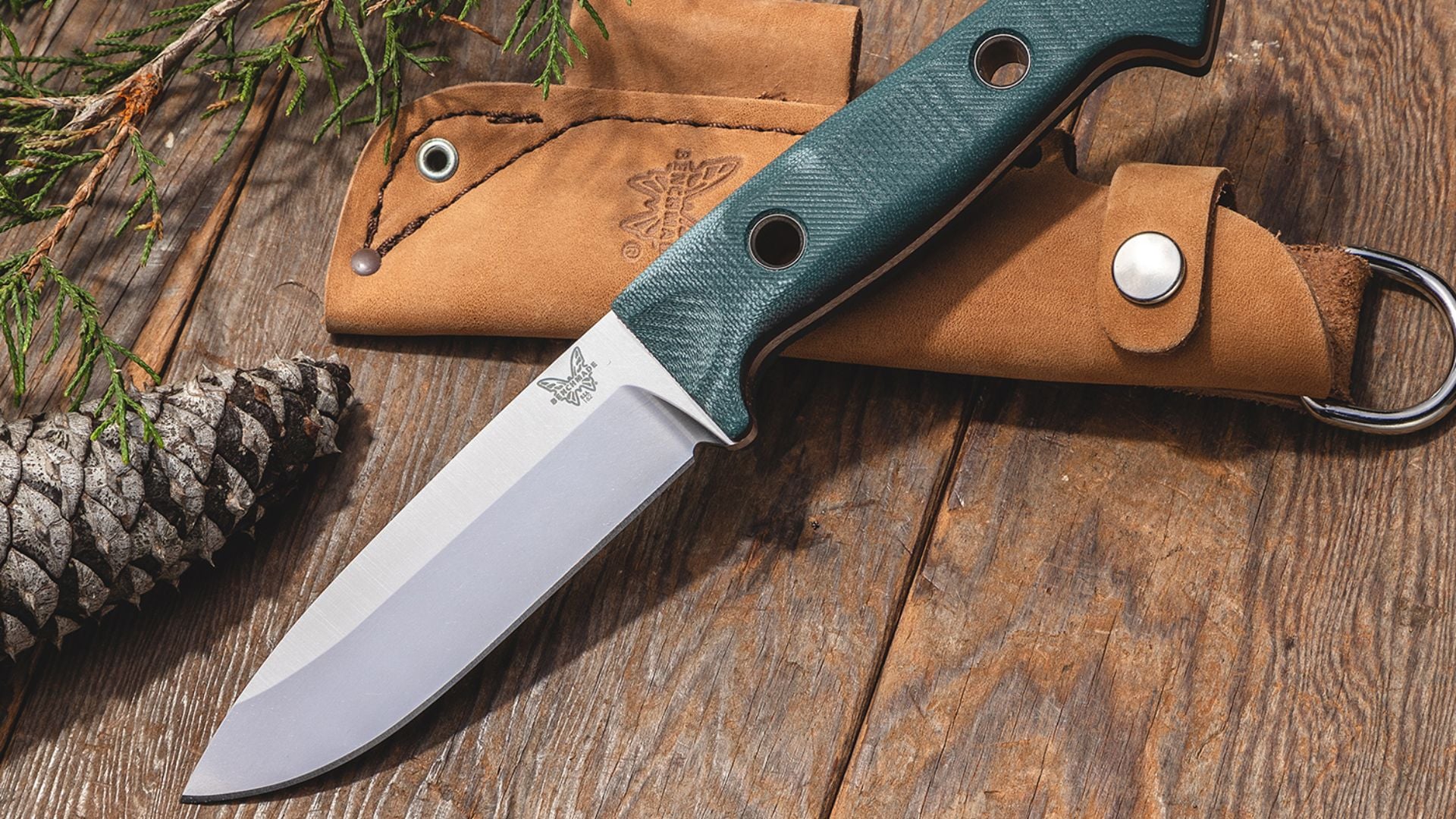
The Benchmade Bushcrafter takes a premium approach without abandoning practical proportions. The full-tang blade is thick enough to handle hard outdoor work, but the knife remains sized for controlled cutting rather than trying to imitate a short machete. The contoured handle is especially useful when you are doing repetitive work and start noticing every poorly placed ridge or hot spot.
Premium steel makes the edge more resistant to wear than basic carbon steels, which can matter on longer trips where you are processing dirty wood, rope, and other abrasive material. The tradeoff is that high-performance steel can take more effort to sharpen when you finally do dull it. For someone comfortable maintaining modern steels, that is a reasonable exchange. The Bushcrafter costs more than a Mora or Condor, but at least the additional money buys better materials and refinement instead of unnecessary bulk.
KA-BAR Becker BK16

The BK16 may be the most practical Becker design for someone who actually intends to carry the knife. Some of the larger Becker models are tremendously strong but start becoming heavy enough that you question whether a hatchet would make more sense. The BK16 keeps the rugged construction philosophy while shrinking the package into something much easier to wear.
The blade is still substantial enough for splitting small pieces of wood and other rough camp work, while the drop-point profile remains useful for food, game, and general cutting. The handle is also large enough for real hands without making the knife needlessly thick. I particularly like that the design does not pretend one knife should replace every other tool. Bring a saw for major wood processing and let the BK16 handle the cutting jobs. That is a much more realistic survival setup.
Reiff Knives F4 Bushcraft Survival
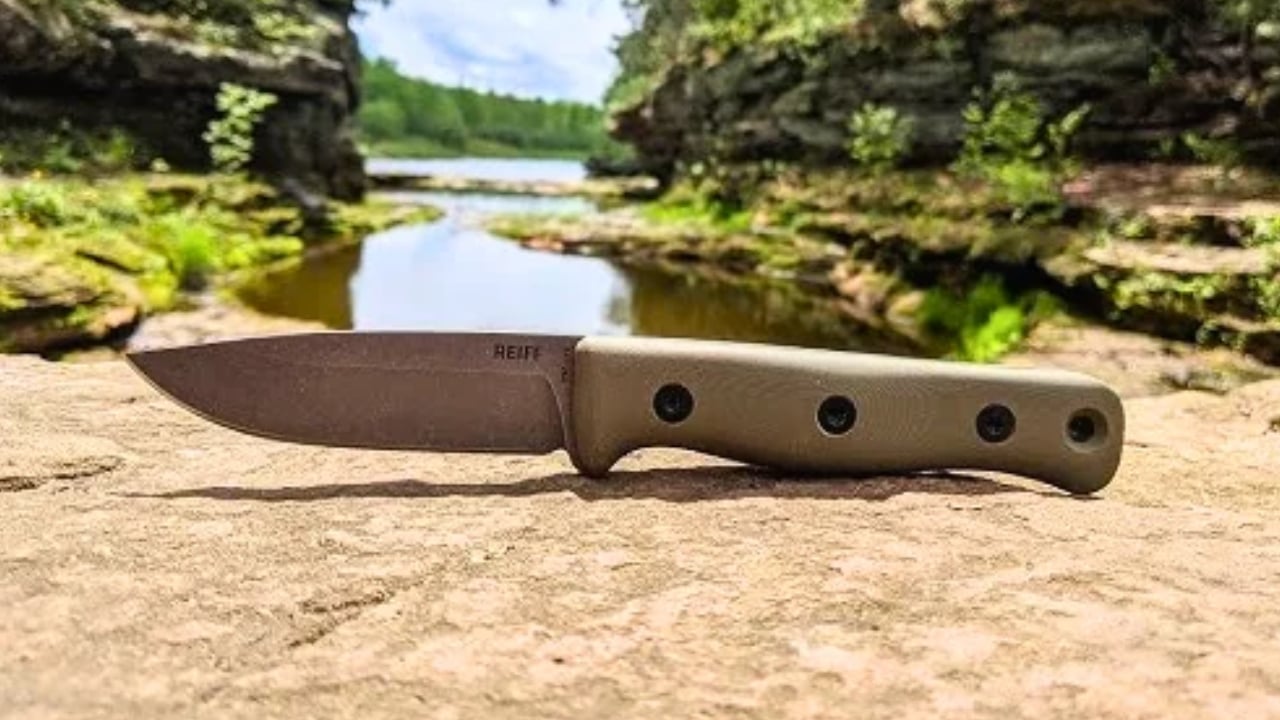
The Reiff F4 sits in a sweet spot for anyone who thinks many survival knives have become unnecessarily large. A roughly four-inch blade gives you excellent control for carving and camp work, while the full-tang construction and tough steel provide enough margin for harder use when conditions force you to improvise.
The smaller size also makes it easy to keep on your belt all day. That is more important than it sounds. Emergency equipment only helps if it is still with you when the emergency happens, and heavy knives often migrate into packs that can become separated from the person carrying them. The F4 gives you enough knife without creating that temptation. Add a compact saw and you have a much more efficient wood-processing system than trying to baton huge logs with a giant blade simply because somebody on the internet called it survival training.
Terävä Jääkäripuukko 140

The Jääkäripuukko 140 looks like equipment rather than a lifestyle accessory, which is part of the attraction. The Finnish design gives you a fairly substantial carbon-steel blade, straightforward rubber handle, and enough length for serious wilderness work without becoming difficult to control.
The rubberized grip becomes particularly useful in cold or wet weather. Fancy handle materials are nice until your fingers are numb and everything is covered in rain, mud, or animal fat. The Jääkäripuukko is intended to keep working under exactly those conditions. Its carbon steel does require corrosion awareness, but the tradeoff is excellent toughness and straightforward sharpening. This is the sort of knife I would be comfortable beating up because nothing about it feels precious. For real survival equipment, that may be one of the highest compliments possible.
Helle Utvær

The Utvær brings traditional Scandinavian cutting efficiency into a full-tang fixed blade that can tolerate much harder outdoor use than a lightweight carving knife. The handle has the warm, comfortable feel of a traditional outdoor knife, while the blade shape remains useful for food preparation, woodwork, and general camp duties.
The big advantage is that it still behaves like a cutting tool. Some survival knives become so thick behind the edge that even slicing an apple feels unnecessarily difficult. The Utvær avoids that trap. I would not choose it for mindless abuse or use it as a substitute pry bar, but that is not what a good survival knife should be judged by. If you are stranded, efficiently creating fire materials, preparing food, and making shelter components matters much more than demonstrating that your knife can survive ridiculous abuse.
Casström No. 10 Swedish Forest Knife
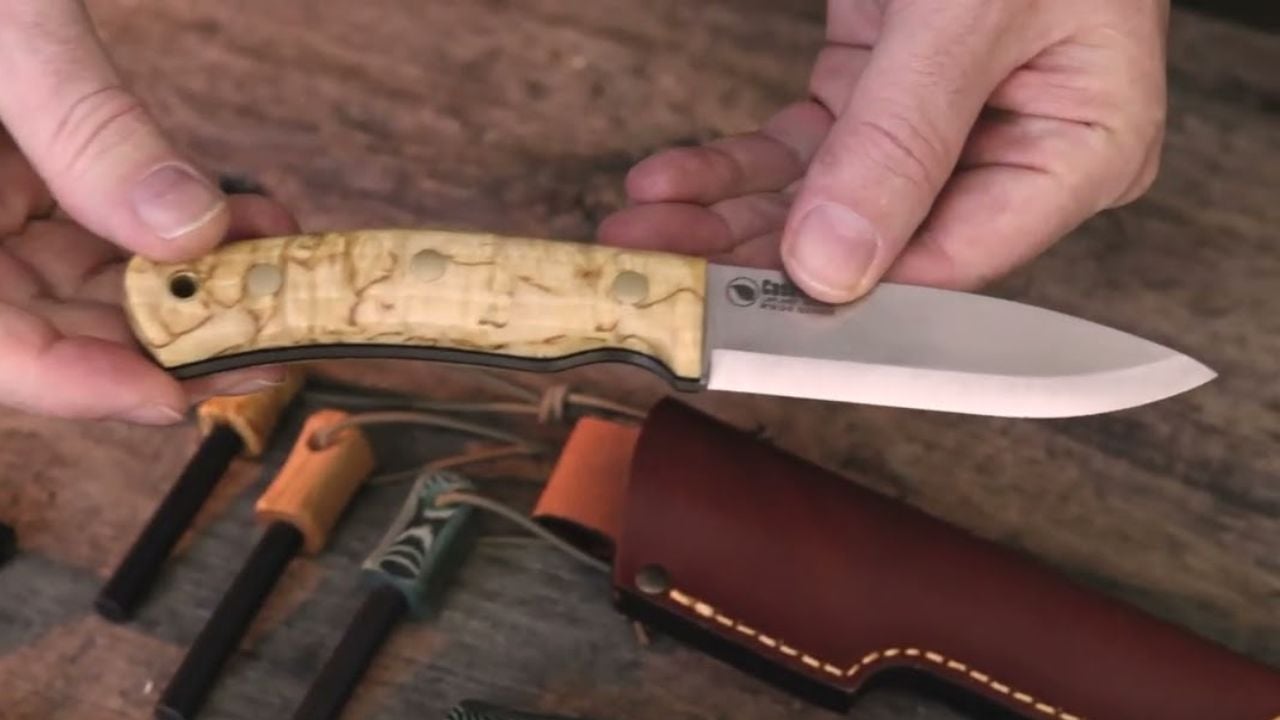
The No. 10 Swedish Forest Knife is another excellent example of the Scandinavian approach: make a knife that excels at ordinary wilderness jobs and give it enough strength to handle the unexpected. Its proportions are extremely manageable, and the handle is shaped around prolonged use rather than visual aggression.
The knife performs particularly well during woodwork. A good Scandi-style edge gives you precise control while making feather sticks, notches, and small stakes, and the blade is stout enough that you are not constantly worried about damaging it. Casström also offers configurations suited to people who prefer different steels or handle materials. Survival knives spend a surprising amount of time doing boring work. The No. 10 is good at boring work, which is exactly why I would rather carry it than many much more dramatic alternatives.
Joker Nomad 6.5
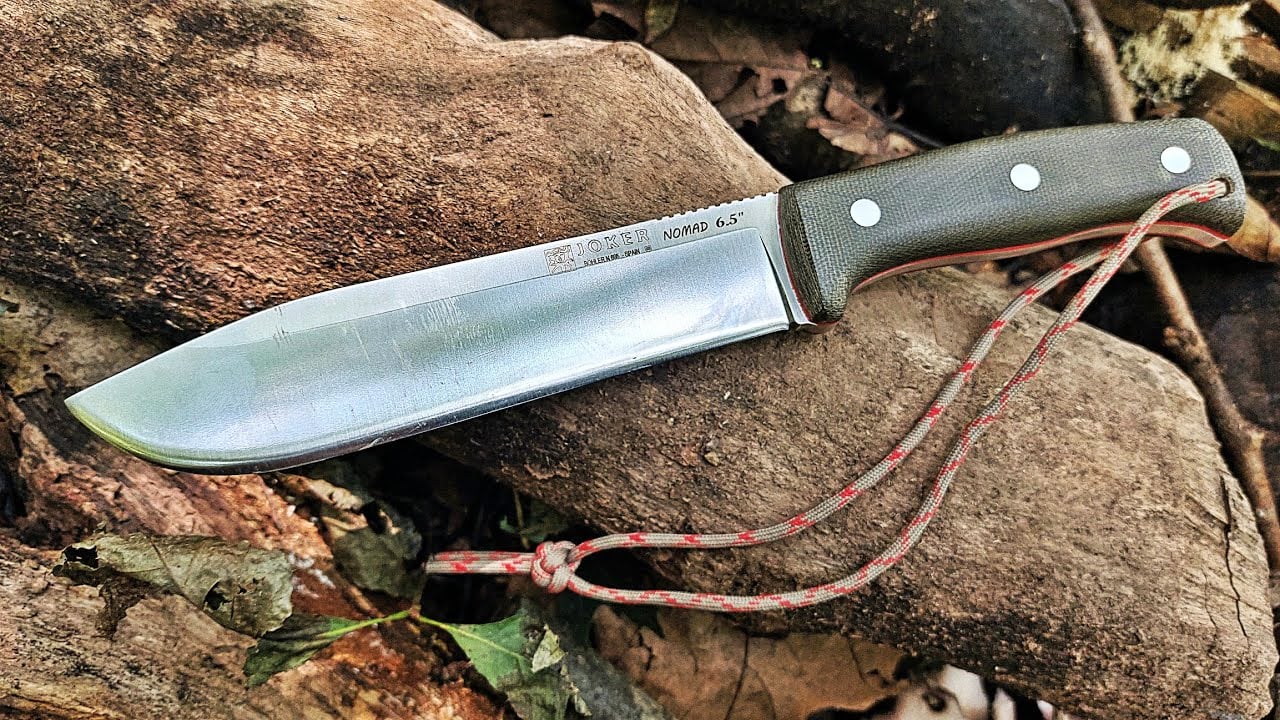
The Joker Nomad 6.5 moves toward the larger end of the category without becoming ridiculous. The extra blade length gives it more chopping authority and makes it easier to split larger pieces of wood, which can be useful when you do not have a hatchet available.
The key is that Joker still gives it usable edge geometry and a handle designed for actual field work. That separates it from large survival knives that are essentially sharpened slabs of steel. A knife this size is obviously heavier than a four-inch bushcraft model, so I would choose it when I expected the blade to do more of the camp-tool workload. For a vehicle kit, canoe trip, or base-camp setup where ounces are less critical, the Nomad provides a very useful combination of chopping ability and normal knife control.
LionSteel M5

The LionSteel M5 is a good choice for someone who wants a modern stainless outdoor knife without abandoning traditional field proportions. The blade is substantial enough to inspire confidence, while the handle and overall profile remain much easier to use for ordinary cutting than many heavy survival designs.
Stainless construction is a real advantage if the knife may spend time around rain, snow, sweat, or food and you cannot guarantee careful maintenance every evening. Survival gear should tolerate imperfect ownership because emergencies rarely happen under ideal conditions. The M5 also feels refined without becoming so expensive or decorative that using it hard feels wrong. It occupies a nice position between basic utility knives and boutique custom blades. If I expected a knife to live in wet conditions for days at a time, corrosion resistance would move it significantly higher on my list.
Bark River Aurora
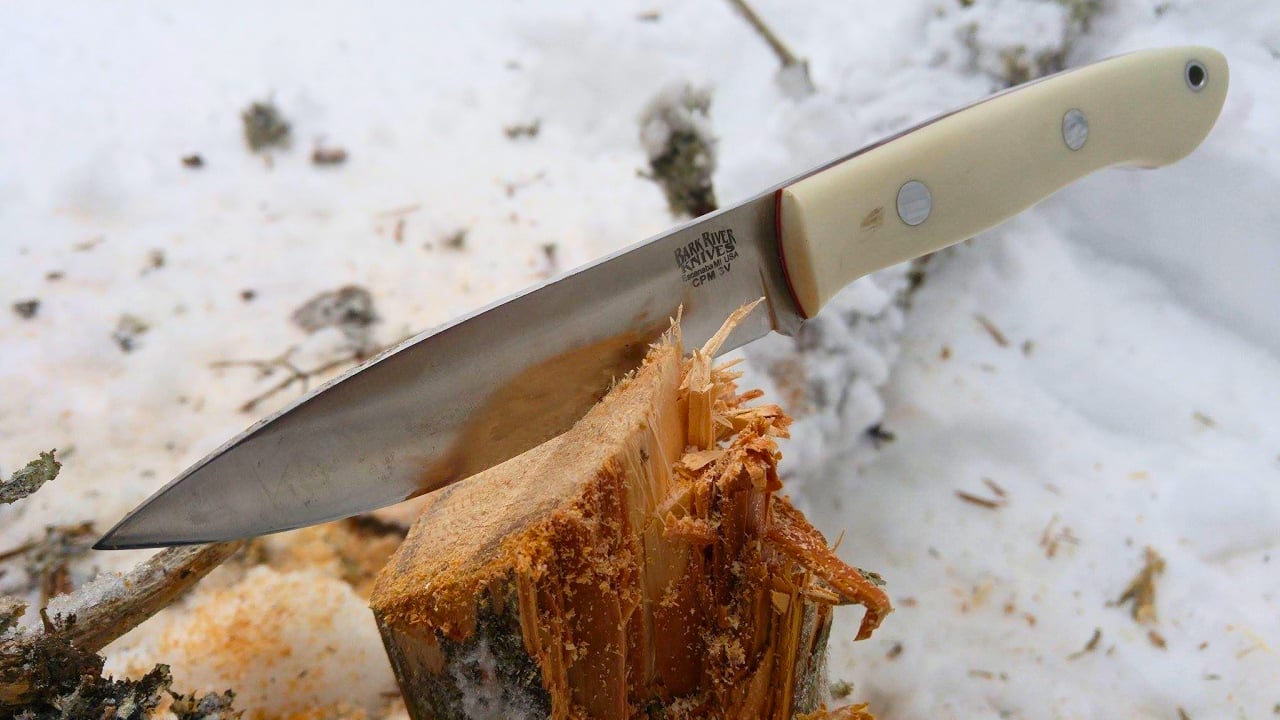
The Aurora is built around bushcraft rather than brute-force survival theatrics, and that makes it particularly useful. Bark River’s convex geometry produces a strong edge that still cuts efficiently, while the approximately four-and-a-half-inch blade offers enough length for common wilderness work without feeling oversized.
Where the Aurora stands out is extended use. The handle is shaped for control rather than relying on deep finger grooves, which lets your hand shift naturally depending on whether you are carving, slicing, or applying more force. That matters after an hour of work far more than it does during a thirty-second gun-counter inspection. The knife is expensive enough that I would not call it a value choice, but the additional money goes toward fit, edge geometry, and materials you can actually appreciate during use. It is a premium knife that still remembers its job.
Architect Knives AK 5.5
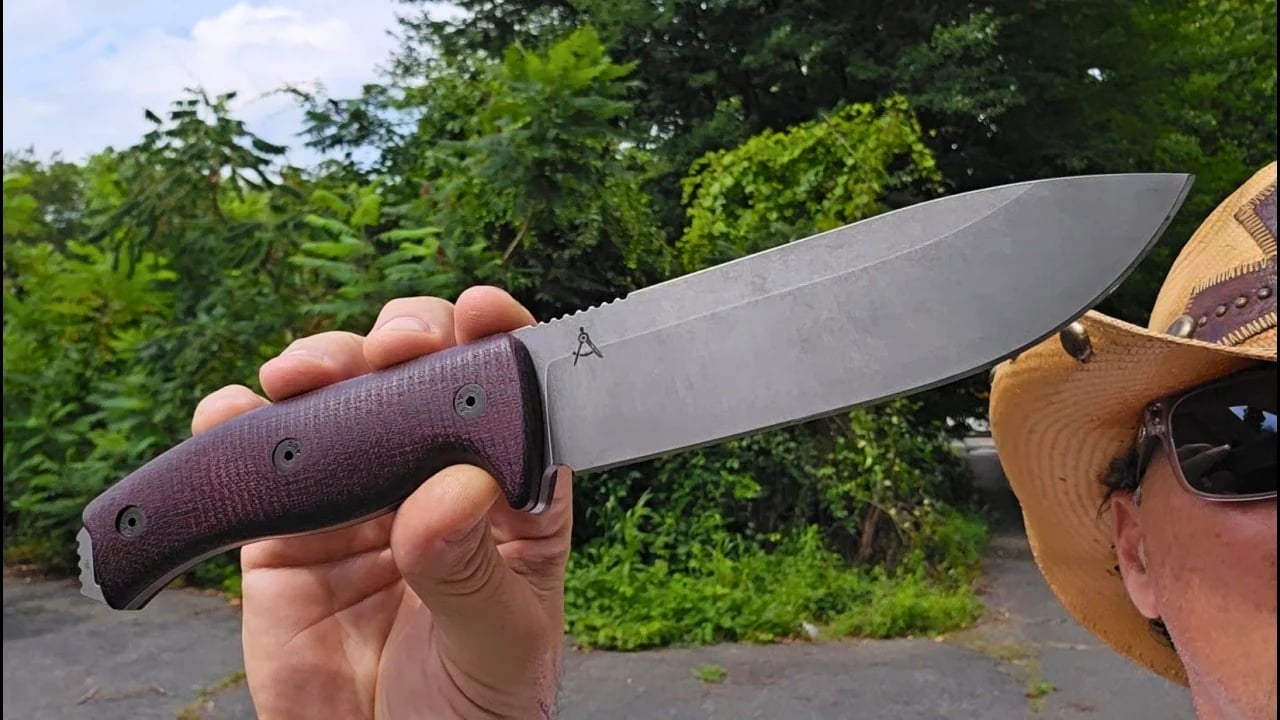
The AK 5.5 is for someone who wants more blade than a conventional bushcraft knife without jumping into the enormous survival-knife category. The length gives you useful leverage for splitting and heavier camp work, while the design remains controlled enough for carving and ordinary utility cutting.
That middle size is one of the most useful places for a true one-knife emergency setup. A four-inch blade is easier for fine work, and an eight-inch blade chops better, but a well-designed five- to six-inch knife can do enough of both to get you through a bad situation. The full-tang construction provides confidence when the knife has to be pushed harder than normal. I still would not use it as a crowbar unless circumstances forced me to, but it gives you considerably more margin than a lightweight hunting knife.
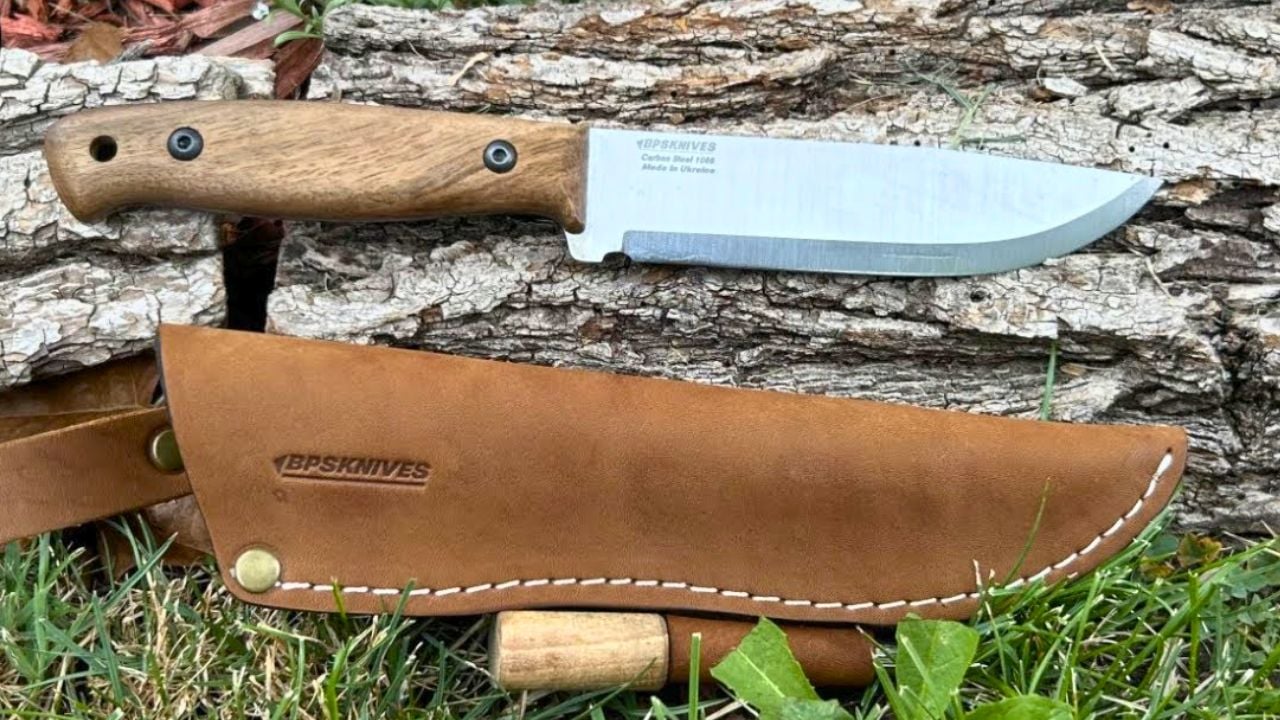
BPS Adventurer

The Adventurer is proof that survival capability does not automatically scale with price. BPS builds a straightforward carbon-steel fixed blade with wood handles and a traditional outdoor profile, usually at a price low enough that you can actually put one in an emergency kit without worrying about it.
The blade geometry is suited to carving and general camp work, while the full-tang construction provides more confidence than the price might suggest. The carbon steel needs oil and basic care, especially in humid conditions, so this would not be my first choice for someone who refuses to maintain gear. For a shooter, hunter, or camper who already understands carbon-steel tools, that is hardly a major obstacle. I would rather have an inexpensive Adventurer that is always packed than a $300 survival knife sitting safely at home because the owner does not want to damage it.
Fallkniven F1

The F1 is smaller than what many people picture when they hear “survival knife,” and that is one of its greatest strengths. It was designed around practical outdoor survival rather than the assumption that every emergency requires chopping a tree down with your belt knife. The compact blade is easy to control, stainless construction handles ugly weather, and the convex geometry combines cutting ability with enough edge strength for demanding work.
Its size also makes it extremely easy to keep on you. That matters because a survival knife carried on your body remains available if you lose your pack, roll a canoe, or leave camp unexpectedly. Pair the F1 with a small folding saw and you can handle far more realistic wilderness tasks than you could with one gigantic blade. The F1 does not look like the toughest knife in the room. It simply solves the problems that matter.
Like The Avid Outdoorsman’s content? Subscribe to our newsletter so you never miss an article.
Here’s more from us: