Photo credit: Random/Youtube
New gun owners usually do the same thing most of us did: buy the gun they’ve been thinking about for years. It’s normal. The problem is, the first “dream gun” doesn’t always cover the boring little needs that show up on a random Tuesday night, or halfway through a wet deer season, or when you realize your only defensive handgun is a full-size brick you never actually carry.
Experienced gun owners tend to keep a handful of practical, unglamorous firearms ready for specific moments. Not because they’re trying to build a museum, but because they’ve already been burned once: the wrong gun for the job, no spare mags, no way to train cheaply, no backup when something breaks, or a “cool” choice that turns into a headache in the field. Here are 20 models that seasoned owners often have on hand long before a new owner figures out why they matter.
1. Ruger 10/22 Carbine
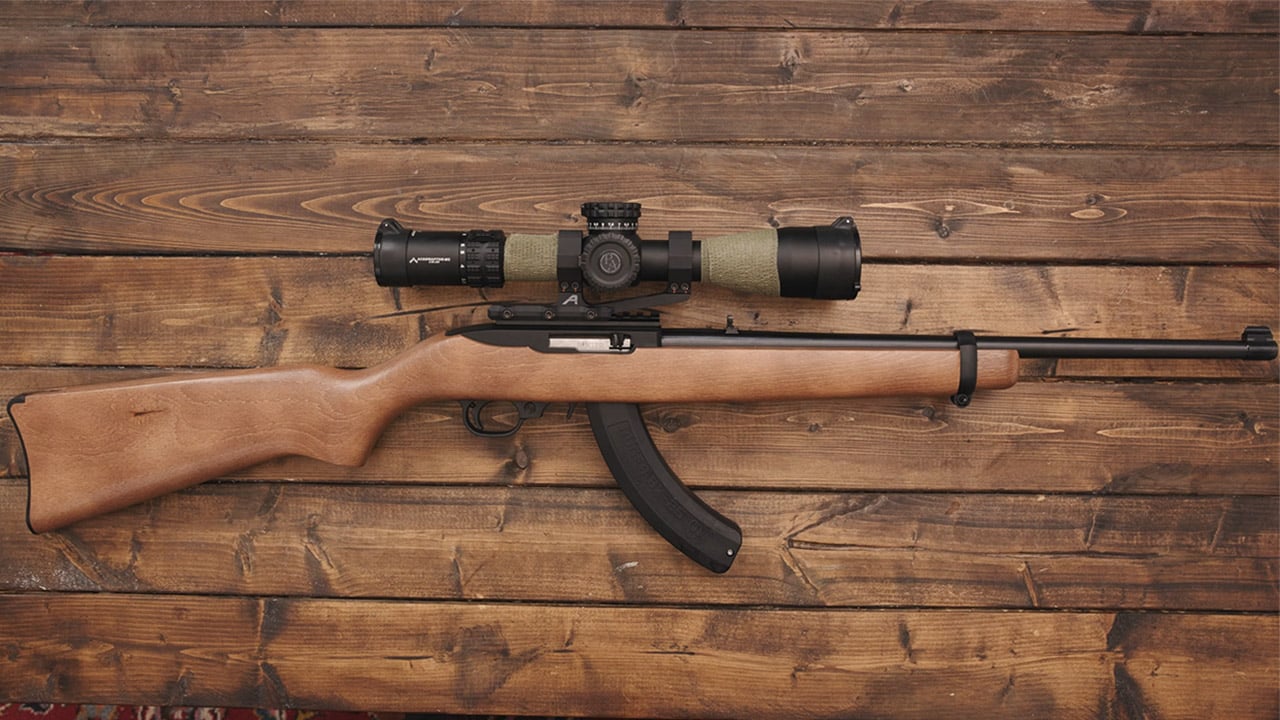
This is the rifle that turns “I should practice more” into actual practice. Cheap .22LR, easy handling, and it’ll teach trigger control without beating you up or draining your wallet. It’s also the gun you hand a new shooter without feeling like you’re setting them up to fail.
Plenty of folks buy one eventually, but they wait too long. Then they’ve already burned money running centerfire ammo just to learn fundamentals. There is nothing fancy about it, and that is kind of the point.
2. Glock 19 (Gen 3/4/5)
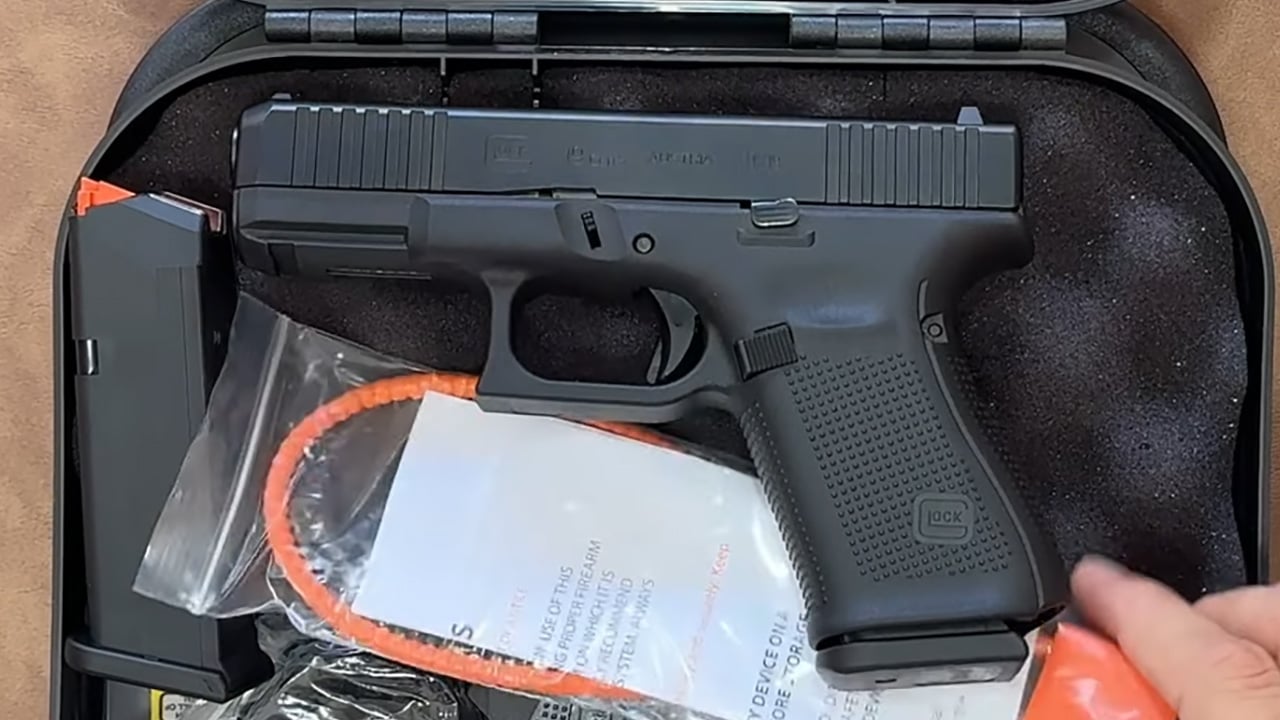
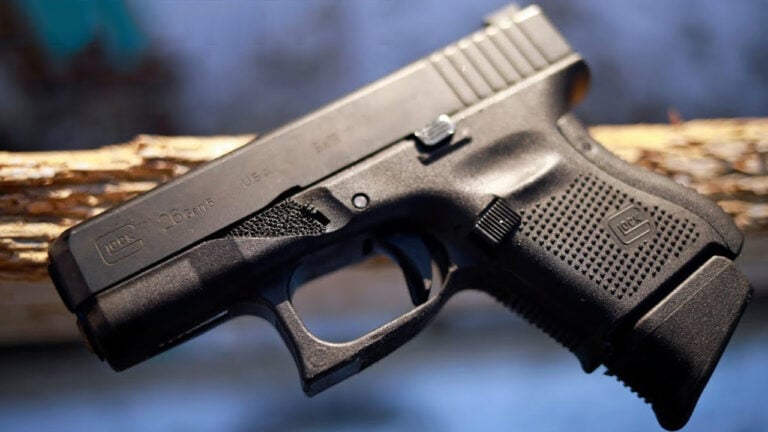
New owners love either tiny carry guns or full-size duty pistols. The Glock 19 sits in that middle lane where life actually happens: big enough to shoot well, small enough to carry, common enough that holsters and magazines are everywhere.
It’s also the pistol you can find parts for in a pinch, and most decent instructors can help you run one because they see them daily. The excitement factor is low. The usefulness factor is high.
3. Smith & Wesson M&P Shield 9mm
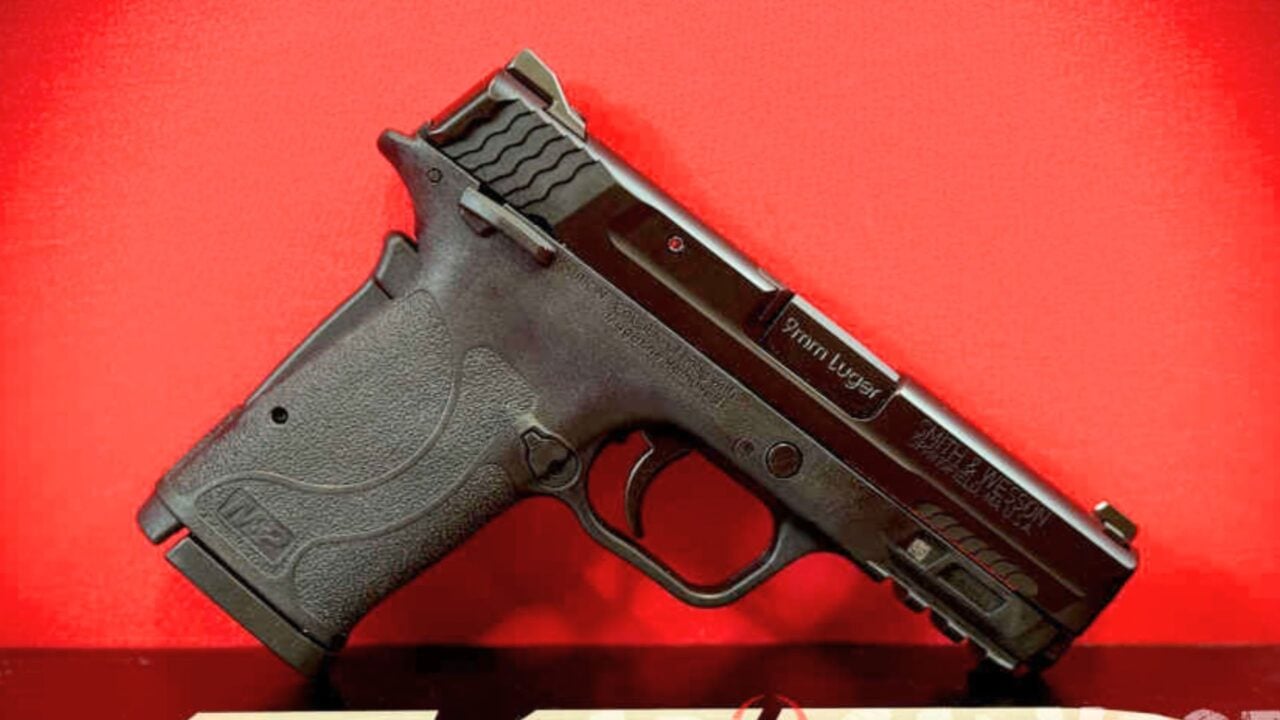
Carrying a handgun is mostly about comfort and consistency. The Shield is one of those pistols that disappears under normal clothes, doesn’t need a weird holster setup, and still shoots like a real gun.
New owners often pick something smaller and harsher, then wonder why they never practice. Or they buy something bigger and leave it at home. The Shield is a “be honest with yourself” gun.
4. Mossberg 500

A pump shotgun isn’t glamorous until you need one. The Mossberg 500 keeps chugging along in rain, dust, and general neglect better than it has any right to for the money.
It can cover home defense, camp use, and hunting with simple barrel and choke choices. Ask me how I know: when a storm knocks power out and things get weird, the simple shotgun starts making a lot of sense.
5. Remington 870 Wingmaster
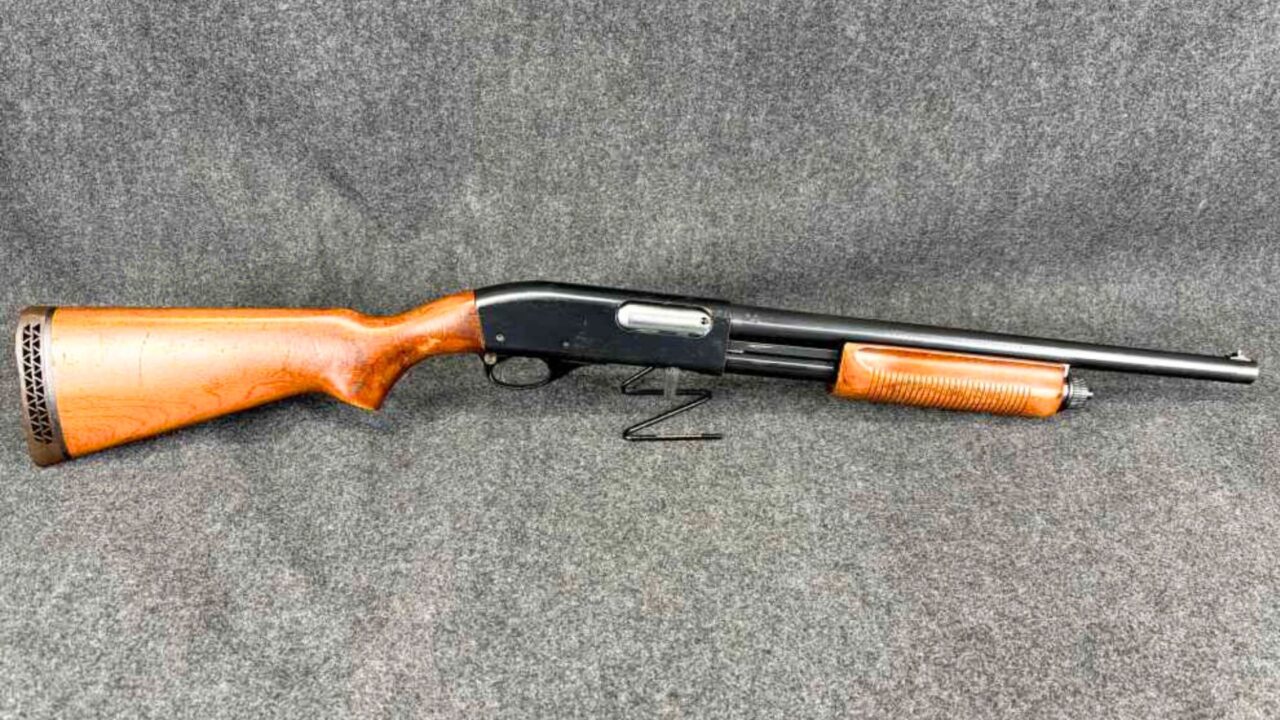
The older Wingmasters have an action that feels like it’s on ball bearings. A lot of new owners grab whatever tactical-looking pump is on the rack, then learn the hard way that rough actions and questionable QC get old fast.
The Wingmaster isn’t immune to abuse, but it’s the kind of shotgun you can run for decades. And if you keep one, you’ll understand why old-timers won’t sell theirs.
6. Ruger GP100 (4-inch)

Every experienced owner I know has at least one revolver they trust. The GP100 is a workhorse: simple manual of arms, durable, and it handles .357 Magnum without feeling like it’s going to shake itself apart.
It also sits loaded in a safe for long periods without magazine springs, feed lips, or ammo sensitivity being part of the conversation. Revolvers aren’t trendy. They are reliable in a boring, comforting way.
7. Smith & Wesson Model 642

This one is for the day you’re running to the store, working around the property, or just don’t feel like gearing up. A lightweight J-frame in .38 Special is not a range toy. It’s a “real life” gun.
New owners underestimate how often comfort decides whether you carry at all. The 642 is snappy and not fun for long sessions, but it’s there when bigger guns aren’t.
8. Ruger LCP II

There are times when pocket carry is the only carry that happens. The LCP II is small enough to make that possible, and reliable enough that it’s not just a novelty.
Is it pleasant to shoot? No. Is .380 everybody’s favorite? Also no. But when you need something truly small, you’ll wish you’d bought the proven little gun instead of the “micro” you found on sale with no track record.
9. Beretta 92FS
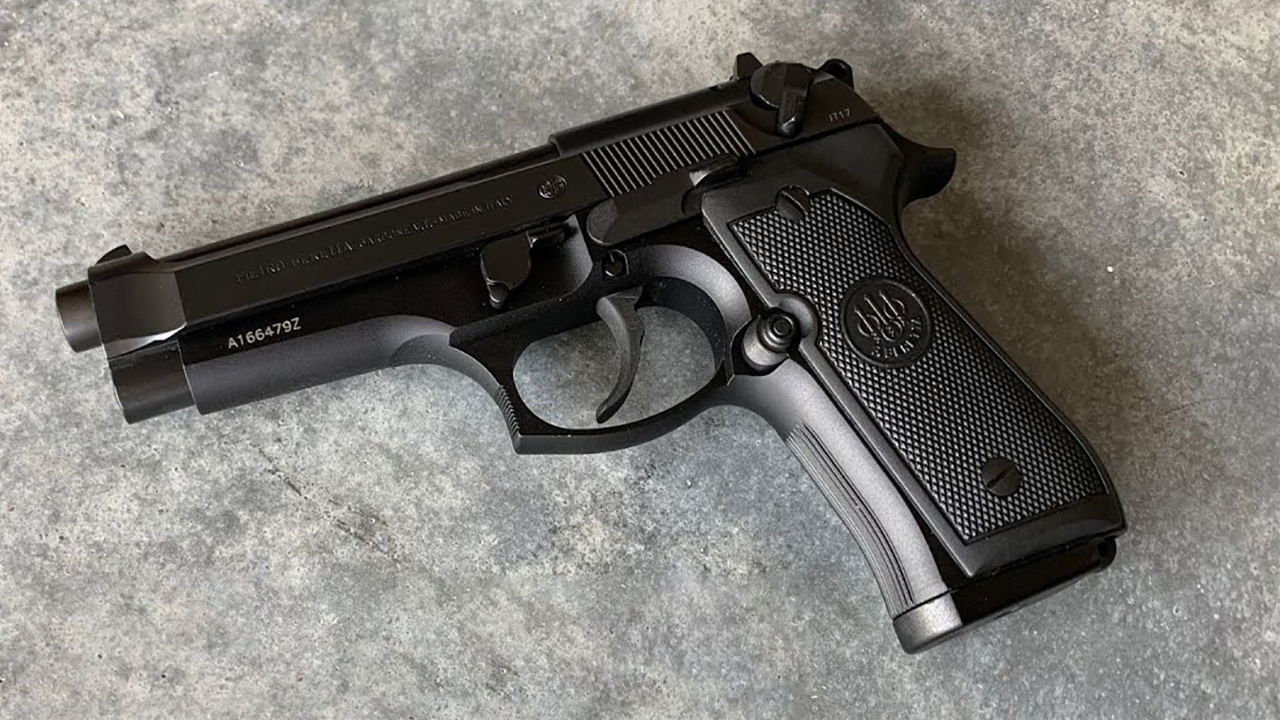
The 92FS is one of those pistols that just runs when you treat it halfway decent. The weight helps it shoot soft, the grip fits a lot of hands, and it tends to forgive sloppy fundamentals better than many compact pistols.
New owners sometimes avoid it because it’s big and “old.” Then they spend years chasing reliability and shootability in smaller guns. A full-size 9mm that behaves itself is a good reference point.
10. CZ 75B

The CZ 75B points naturally for a lot of shooters, and it has that solid, all-steel feel that makes range time enjoyable. It’s a gun that can turn “I guess I’ll practice” into “let’s shoot another box.”
It’s also a quiet lesson: not every good pistol is polymer and striker-fired. Variety isn’t just for fun. It keeps you learning.
11. SIG Sauer P365

This is the gun that made a lot of people rethink what a “small” 9mm could be. It carries easy, shoots better than most tiny pistols, and the magazine capacity is the reason it caught on.
New owners sometimes jump straight to something ultra-small and miserable, or something larger they don’t carry. The P365 is the compromise that actually works for a lot of bodies and wardrobes.
12. Ruger American Rimfire
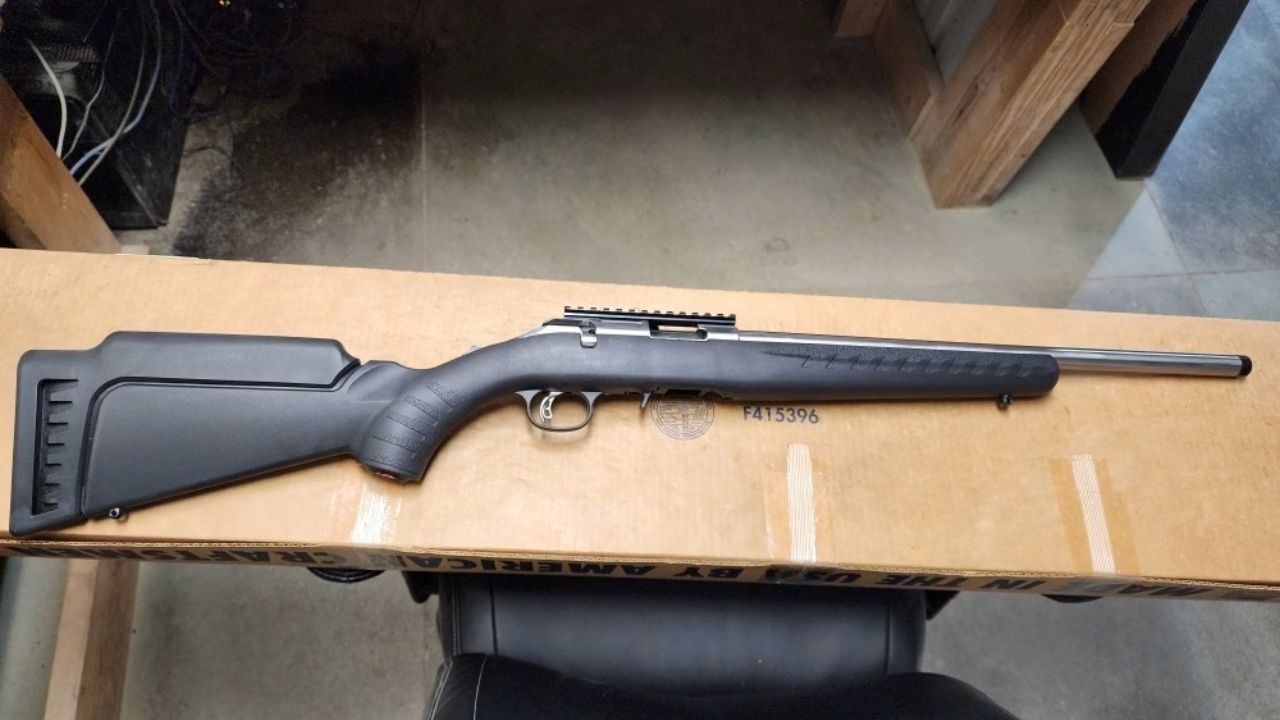
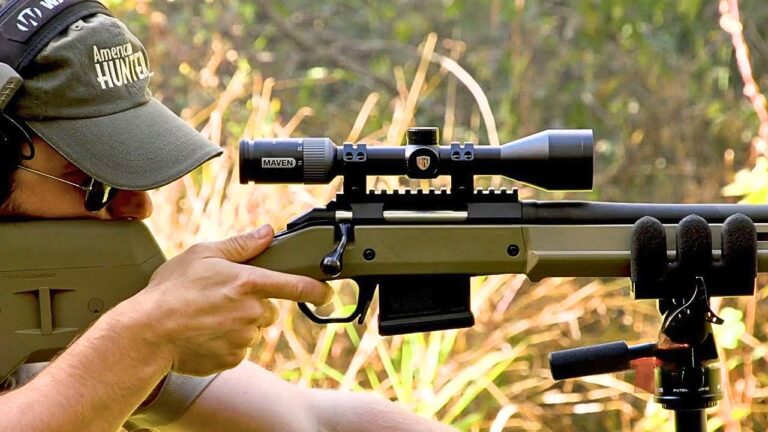
If you’re a hunter, a bolt-action .22 is not optional long-term. The Ruger American Rimfire is accurate enough for small game, quiet with the right setup, and it teaches good habits without the semi-auto “spray and pray” temptation.
It’s also handy for knocking down pests around the place where a centerfire is too much. New owners think they’ll “get one later.” Later shows up fast.
13. Marlin Model 60

The Model 60 has put more squirrels in pots and more smiles on faces than a lot of guns that cost three times as much. It’s simple, light, and it tends to shoot better than it has any business doing.
It’s not as modular as the 10/22, and tube-fed isn’t everyone’s favorite. Still, as a grab-and-go .22 that just works, it earns its keep.
14. Savage Axis II

Every deer camp ends up with a guy who has one rifle that “should” shoot, but won’t. The Axis II is the opposite: a budget bolt gun that often surprises people with real accuracy if you feed it ammo it likes.
New owners sometimes spend all their money on a rifle and cheap out on the scope and rings. Or they buy a bargain rifle with a terrible trigger and fight it for years. The Axis II’s trigger is a big reason it shows up in experienced safes.
15. Ruger American Rifle (Predator or Standard)

The Ruger American is another plain rifle that does the job without drama. It’s not a heirloom, but it’ll ride in a truck, sit in a cold blind, and still shoot straight.
What seasoned owners like is the “no excuses” nature of it. When a buddy needs to borrow a deer rifle, or you want a backup during season, this is the kind of gun that keeps plans from falling apart.
16. Remington 700 (older models)

There’s a reason the 700 became the default for so many hunters and shooters: aftermarket support, accuracy potential, and a feel that a lot of folks just shoot well. The older ones in particular have a reputation for being solid rifles.
New owners chase the newest thing, then later realize it’s hard to beat a platform with decades of parts, mounts, and know-how behind it. If you’re the type who sticks with a rifle for a long time, familiarity matters.
17. Marlin 336 (.30-30)
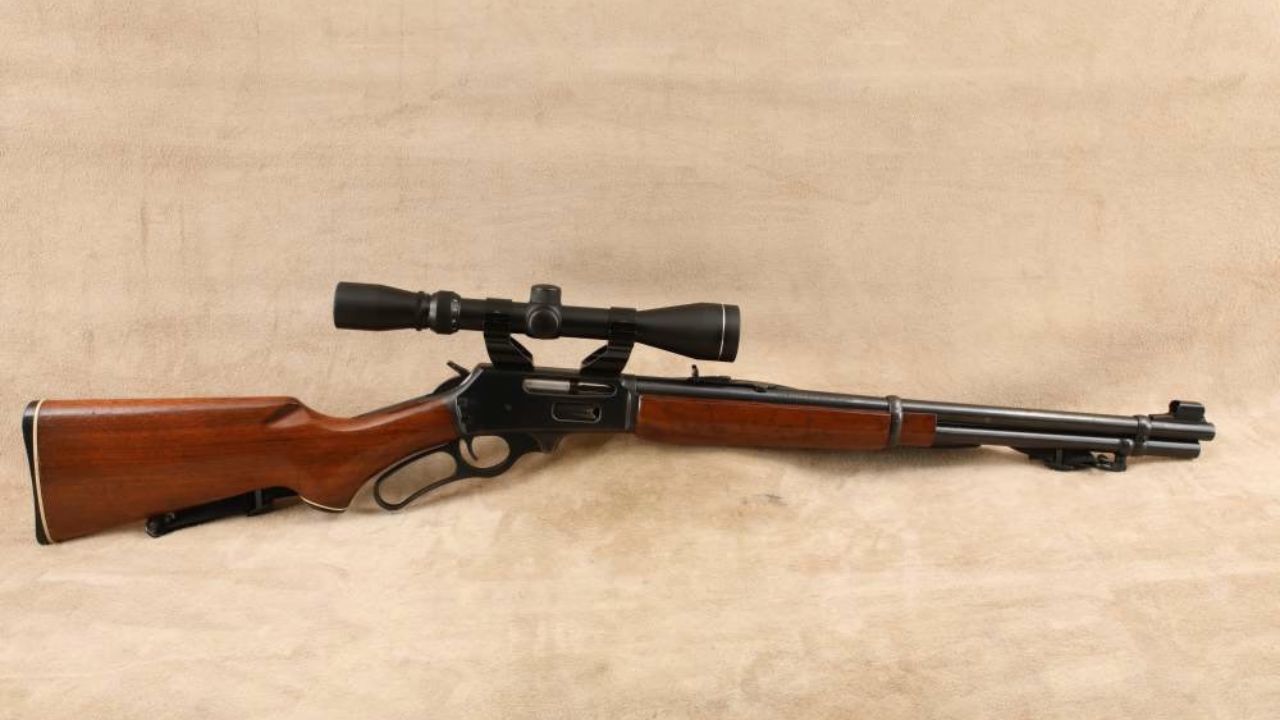
In thick woods, a lever gun carries like a dream and comes up fast. The .30-30 has been killing deer cleanly for generations, and the 336 is one of the classic working guns for that job.
New owners sometimes dismiss it as outdated until they’re sweating through brush with a scoped bolt gun snagging on everything. Then a handy lever action suddenly looks pretty smart.
18. Henry H001 Lever Action .22

This is the rifle you grab for an evening walk, a trapline check, or teaching a kid to shoot without making it a whole production. A .22 lever gun is pure practicality with a side of fun.
It also forces a slower pace, which is good for new shooters. I get why people overlook it. Still, it’s one of the easiest rifles to own and actually use.
19. Ruger Mark IV Standard
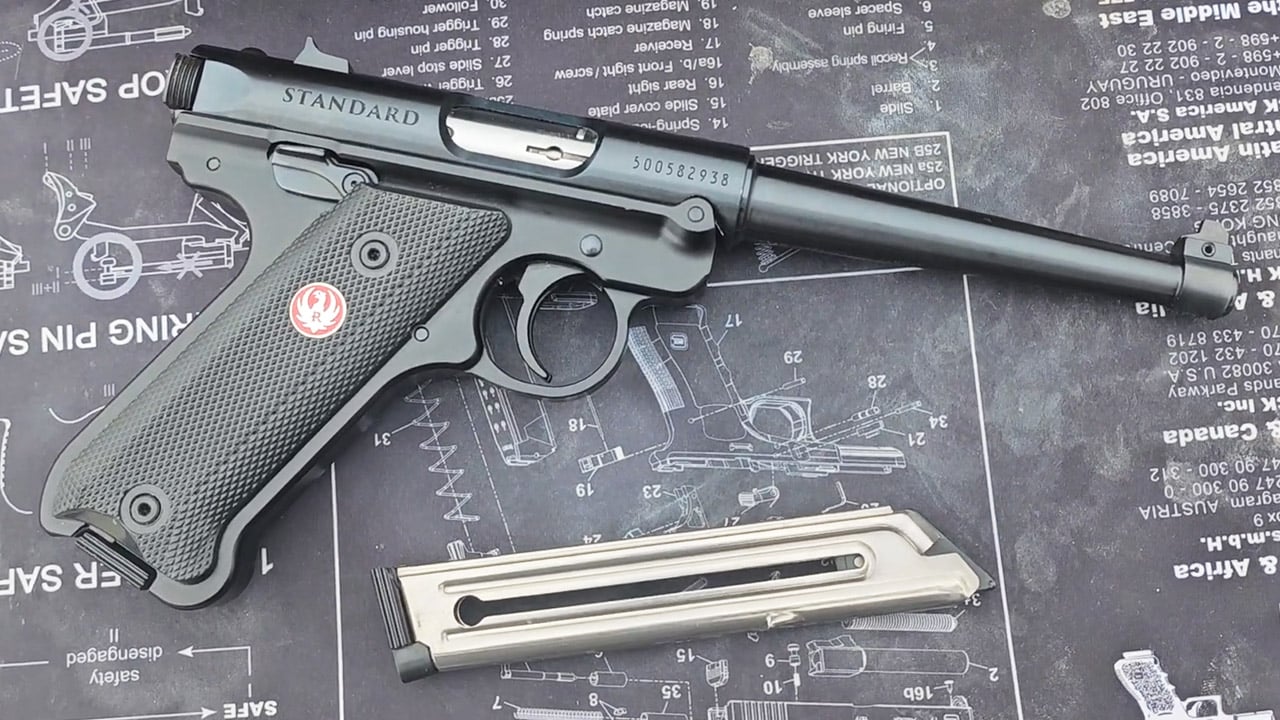
A good .22 pistol is a training tool you’ll keep forever. The Mark IV is accurate, reliable, and the takedown is no longer a wrestling match like some earlier rimfire pistols. That alone makes it worth owning.
New owners focus on defensive handguns and skip rimfire pistols. Then they try to improve their shooting while paying centerfire prices. A rimfire pistol fixes that problem fast.
20. Smith & Wesson Model 617
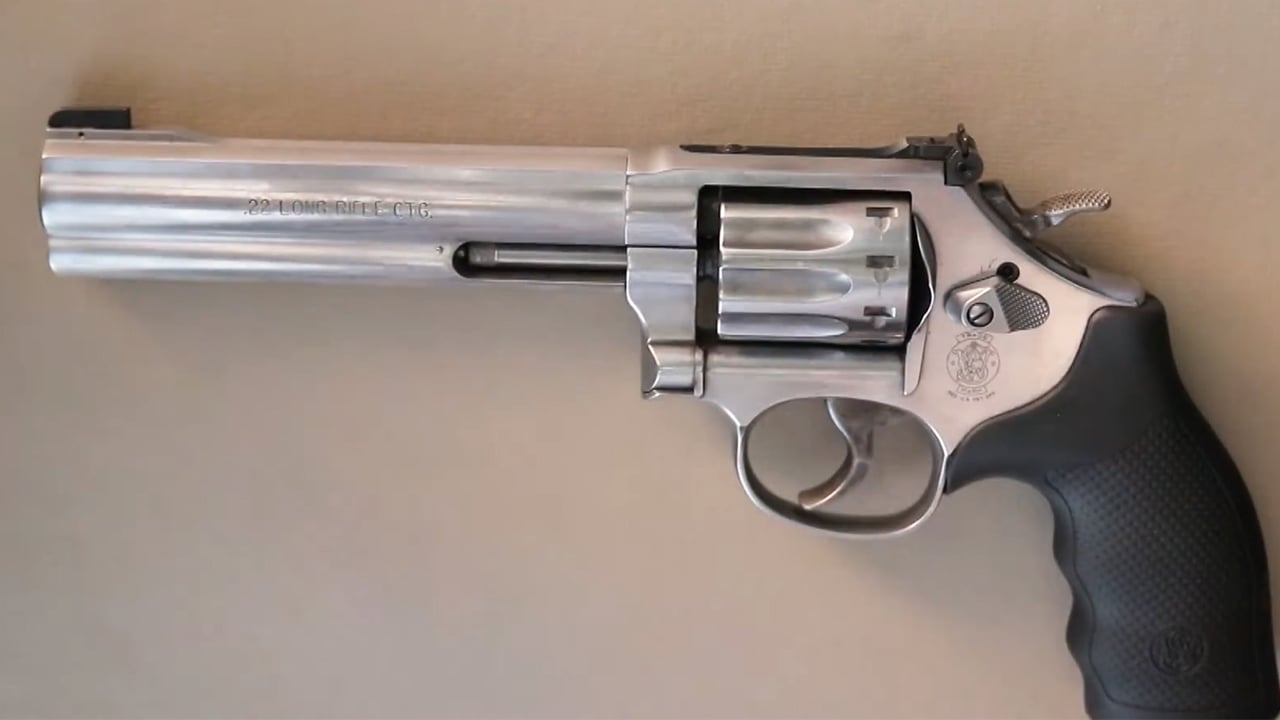
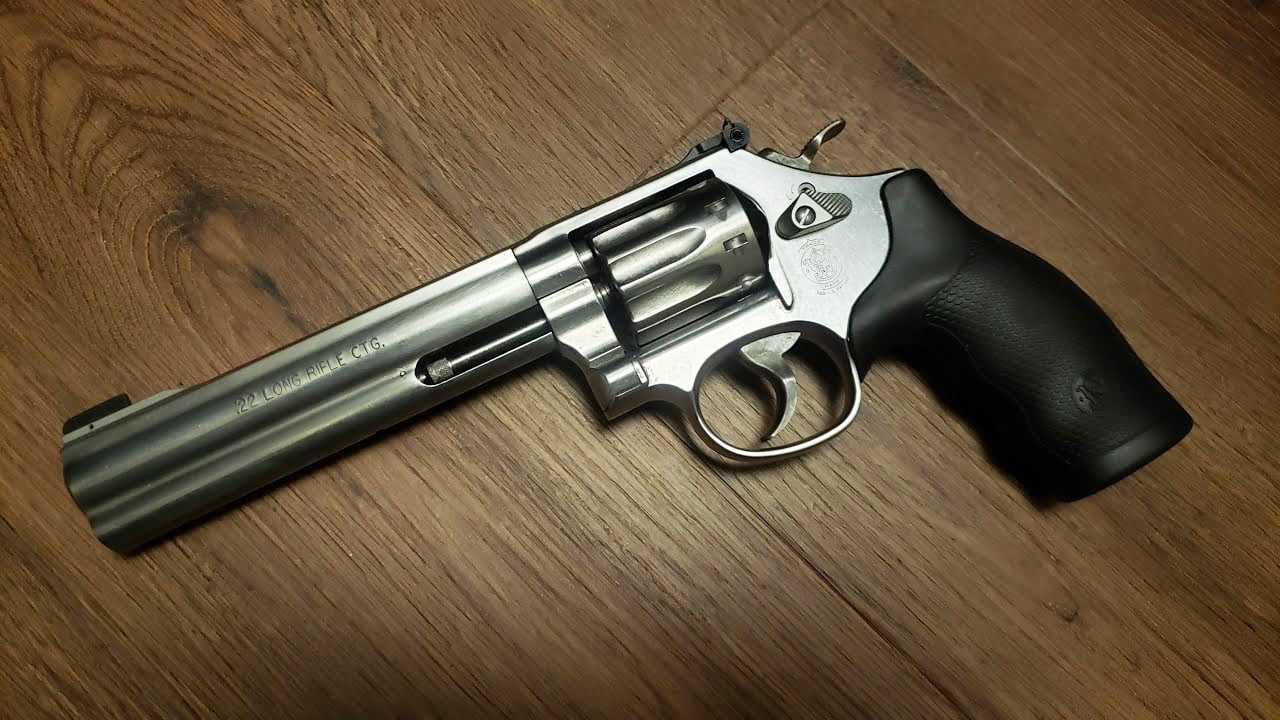
A .22 revolver sounds like a luxury until you shoot one a lot. The 617 lets you practice double-action trigger work cheaply, it’s great for teaching, and it’s one of the best “check your fundamentals” guns out there.
It’s also the rimfire handgun that tends to run when semi-auto .22s get picky with ammo. It’s heavy, sure, but that weight makes it steady and pleasant. You’ll shoot it more than you think.
If you’re new to guns, don’t read this as “go buy 20 firearms.” Read it as a map of the needs that show up over time: training, carry comfort, a reliable shotgun, a deer rifle you trust, and a couple of rimfires that keep you practicing. The experienced guys aren’t necessarily richer or smarter. They’ve just already learned which boring tools end up being the ones you reach for when it matters.
Like The Avid Outdoorsman’s content? Be sure to follow us.
Here’s more from us: