Photo credit: Olga Aniven/Shutterstock.com
Some dog breeds develop reputations that make ownership sound easier than it really is. A beautiful coat, friendly expression, or famous movie appearance can hide the fact that the dog was bred for hard work, independence, guarding, hunting, or nonstop activity. Those instincts do not disappear just because the dog lives in a backyard instead of on a ranch or in the field.
That does not make these breeds bad dogs. Most of them are excellent in the right home. The problem starts when people buy one based on looks or popularity without understanding the daily work involved. Exercise, training, grooming, prey drive, barking, stubbornness, and size can all turn into serious challenges. These 20 breeds are often much harder to own than they first appear.
Siberian Husky

Huskies are friendly, athletic, and striking enough that people often assume they will make easy family dogs. What gets underestimated is how much movement and mental stimulation they need. These dogs were bred to cover long distances while pulling, and that drive does not disappear in a suburban yard.
They are also famous escape artists. Fences get climbed, dug under, or tested repeatedly, and recall is often unreliable once something interesting catches their attention. Add the shedding, vocal behavior, and tendency to become destructive when bored, and ownership can become a full-time management job. A Husky can be a great companion for an active owner, but it is rarely the laid-back family pet people expect from the pictures.
Belgian Malinois

The Belgian Malinois has become one of the most admired working breeds in the world, but that popularity has caused a lot of people to buy dogs they are not prepared to handle. A Malinois is not simply a leaner German Shepherd.
These dogs can have extreme drive, speed, bite intensity, and sensitivity to movement. They often need structured training and meaningful work every day, not just a walk around the block. Without that outlet, they can become destructive, reactive, or obsessive. Even well-bred dogs may be more dog than the average household needs. In experienced hands they are exceptional. In the wrong setting they can turn daily life into constant management.
Border Collie
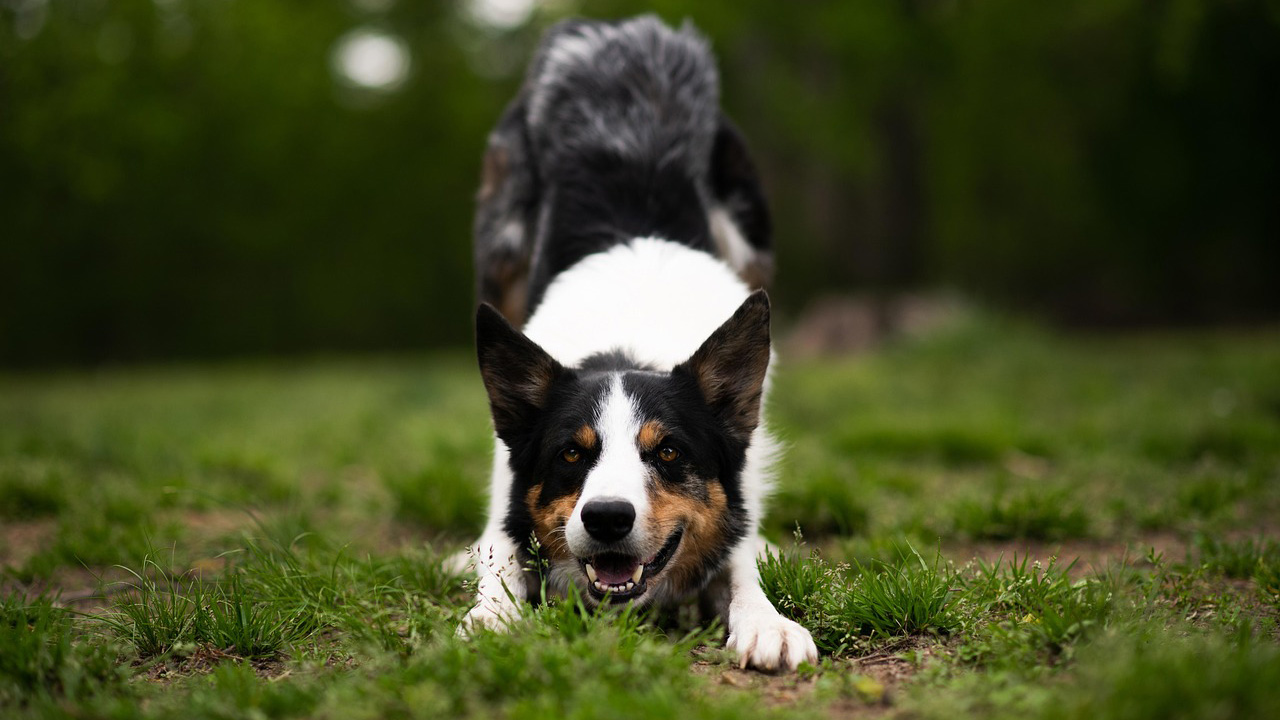
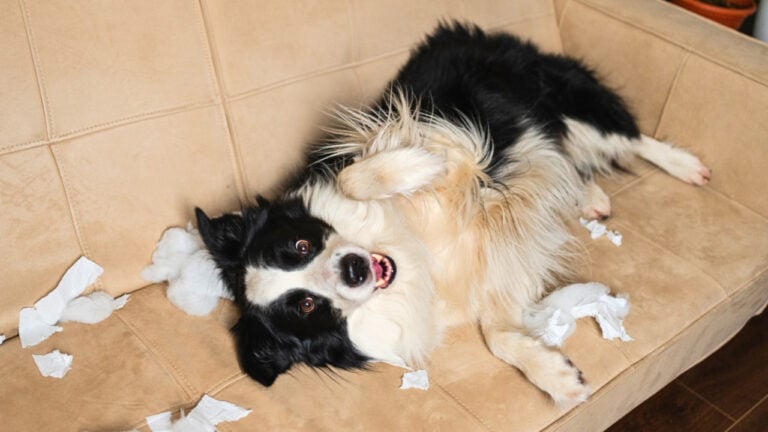
Border Collies are famous for intelligence, and that can make them sound easier to own than they are. The problem is that intelligence comes with a relentless need to do something.
A bored Border Collie may invent work by chasing cars, staring at shadows, herding children, or obsessing over movement around the house. They can also become highly sensitive to noise and routine changes. Physical exercise alone does not always solve it because they need mental challenges just as much as running. For someone with livestock, dog sports, or serious training goals, they can be phenomenal. For a casual pet home, their brain can become the hardest part of ownership.
Australian Cattle Dog

Heelers are compact, tough, and loyal, which makes them look like ideal farm or family dogs. The harder part is living with the intensity that made them so good at moving cattle.
They tend to be mouthy, suspicious, energetic, and extremely attached to their people. Without training, that can show up as nipping, guarding behavior, or trying to control everyone around them. They also have enough stamina to keep going long after a normal family is tired. A Cattle Dog usually wants clear rules and a job. If you just want a dog to hang around the yard, this breed can become much more demanding than expected.
Great Pyrenees
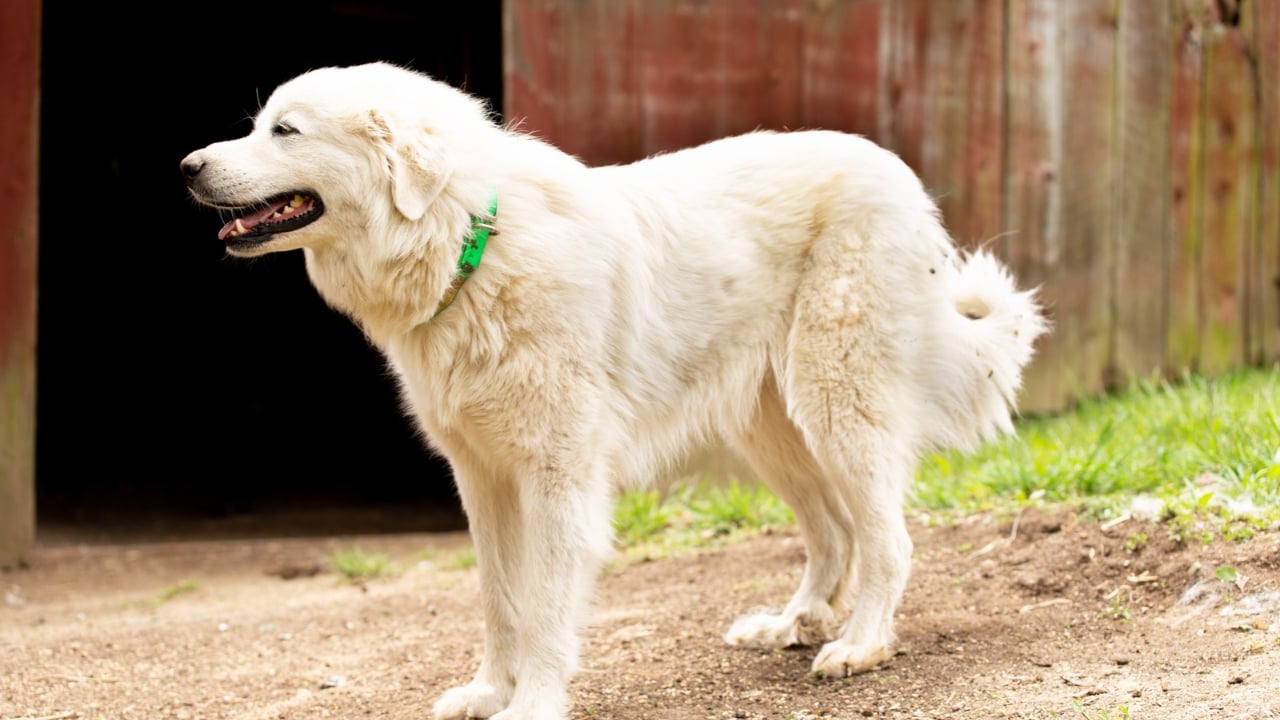
Great Pyrenees look calm and gentle, and they often are. What surprises new owners is how independent they can be. Livestock guardians were bred to make decisions without waiting for a person to tell them what to do.
That means obedience can be selective, especially when the dog believes it knows better. They also bark heavily at night, patrol large areas, shed enormous amounts of hair, and may roam if boundaries are not clear. Their size adds another layer because even a friendly Pyr can be difficult to control physically. On acreage with a real guarding job they make sense. In a small yard, their natural instincts can become frustrating fast.
Akita

Akitas are quiet, dignified, and deeply loyal to their families, which makes them appealing to people who want a serious companion dog. They are also powerful, independent, and often intolerant of other dogs.
Socialization matters from the beginning, and even then you cannot assume an Akita will enjoy dog parks or strangers entering its space. They tend to think for themselves, which makes training different from working with a breed that lives to please. Their size and strength also mean mistakes have real consequences. A stable Akita can be an excellent dog, but this is not a breed that should be chosen casually based on looks alone.
Cane Corso

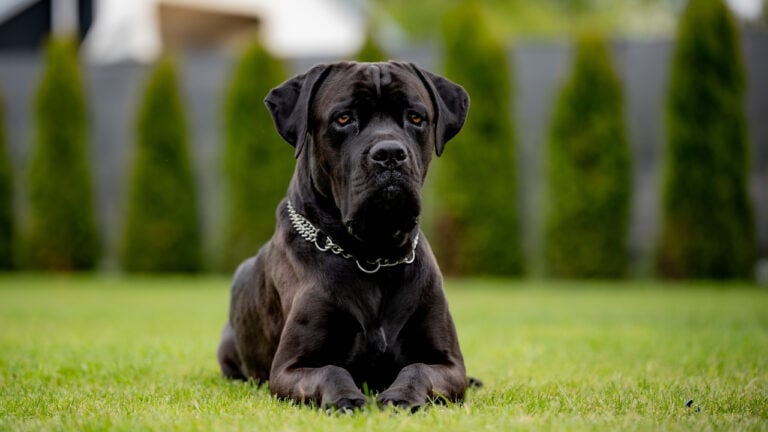
The Cane Corso has exploded in popularity because it combines an imposing appearance with strong family loyalty. That same popularity has put a lot of powerful dogs into inexperienced homes.
A Corso needs early socialization, consistent rules, and an owner comfortable managing a large guardian breed. Without that foundation, territorial behavior and suspicion can become difficult to control. They are also physically strong enough that poor leash manners are more than an inconvenience. The breed can be affectionate and calm with its family, but it was never meant to be socially easygoing with everyone. Owning one responsibly takes more work than the impressive photos suggest.
German Shorthaired Pointer

German Shorthaired Pointers are friendly and athletic, which makes them seem like easy active-family dogs. The challenge is how much energy many of them actually have.
A young GSP can run for hours and still want more. They are also hunting dogs with strong noses and prey drive, so off-leash reliability takes real training. Bored dogs may chew, jump, pace, or turn the house into their own obstacle course. They are excellent companions for hunters and active owners, but they are not easy just because they are friendly. The energy level is often the part people underestimate.
Weimaraner

Weimaraners are sleek, affectionate, and strongly bonded to their owners. That attachment can become a challenge when the dog struggles to settle alone.
Separation issues are common, and the breed has enough size and energy to do serious damage when bored or anxious. They also need much more exercise than a normal walk provides. Hunting instincts remain strong, so squirrels, cats, and wildlife can become major distractions. A Weimaraner wants to be involved in everything you do. That can feel wonderful until you realize how little independence some of them are willing to tolerate.
Jack Russell Terrier
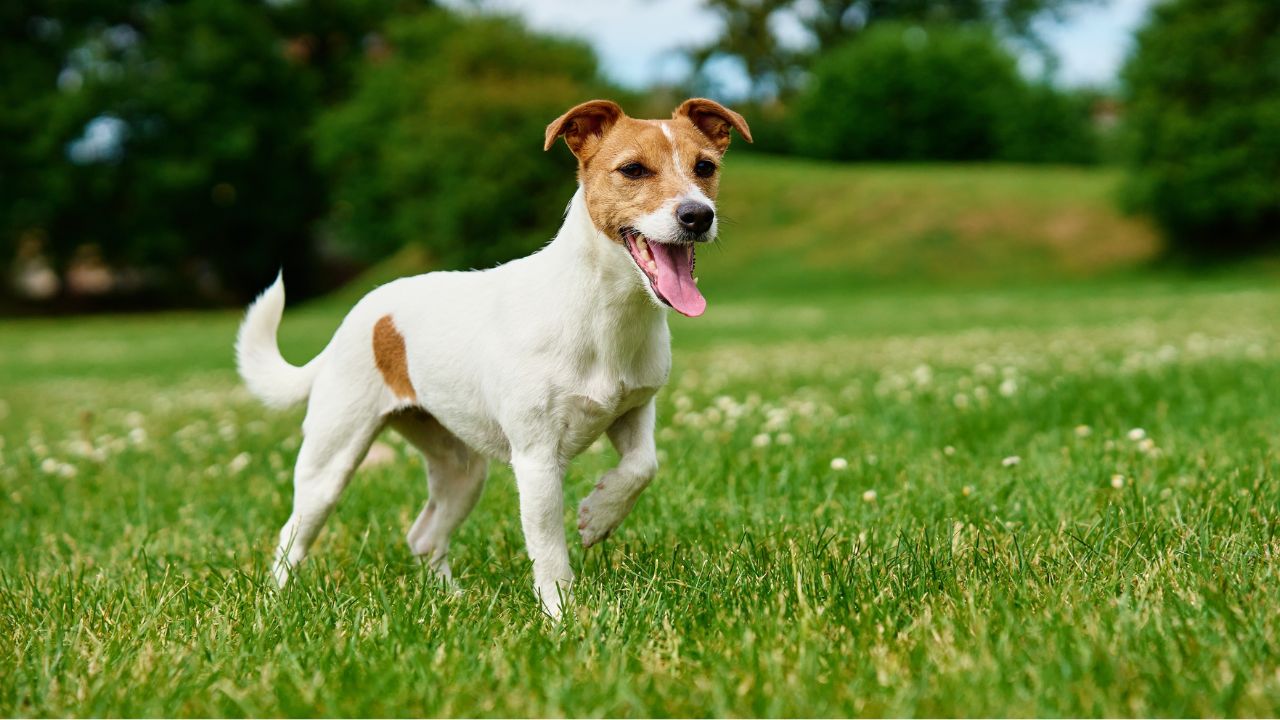
A Jack Russell is small enough that people assume it will be easy to manage. In reality, it often packs the drive of a much larger working dog into a body that can fit under your arm.
These terriers were bred to chase quarry into tight places, so persistence and fearlessness are deeply ingrained. They can dig, bark, chase small animals, and keep moving long after most owners expect them to be tired. Training helps, but you are not removing the terrier from the dog. For someone who likes high-energy little workers, they are great. For someone looking for an easy small pet, they can be exhausting.
Beagle
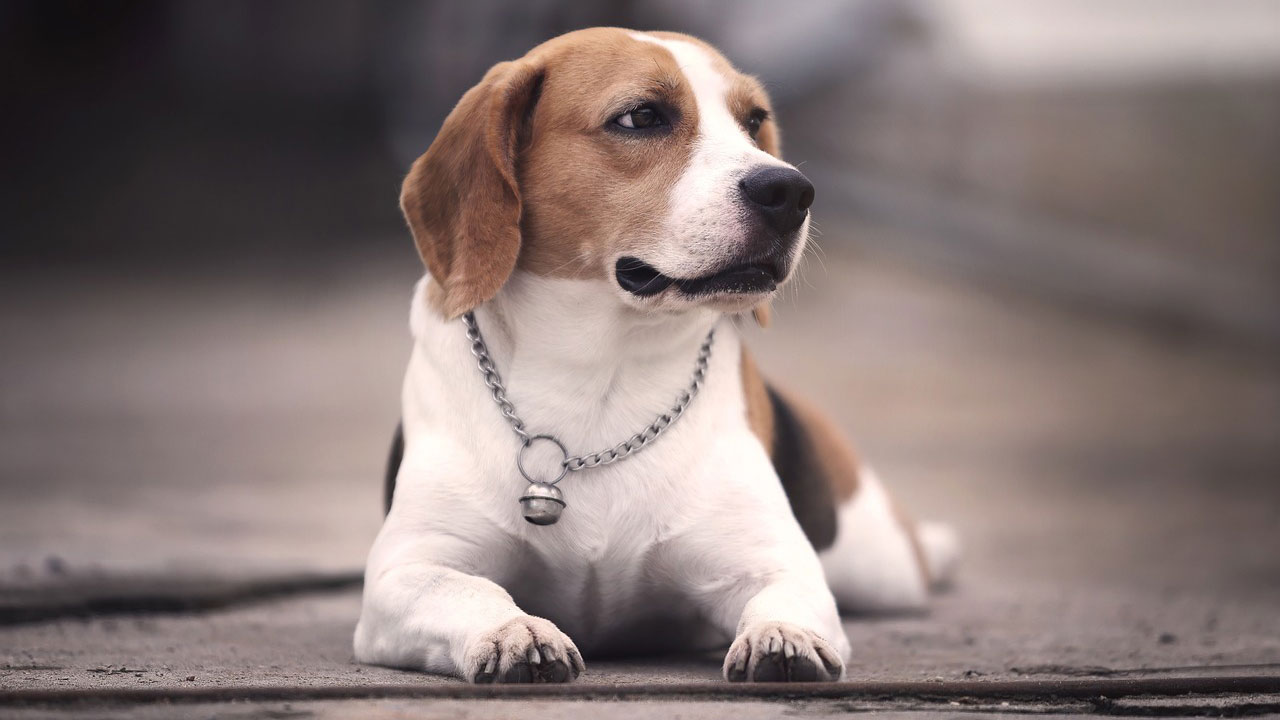
Beagles are friendly, compact, and generally good-natured, which makes them look easy on paper. The nose changes everything.
Once a Beagle catches a scent, the rest of the world can stop mattering. Recall can be difficult, fences get tested, and walks can turn into long investigations of every interesting smell. They are also vocal, especially when excited or frustrated. Food motivation can be intense enough to create weight problems if portions are not controlled. Their temperament is usually pleasant, but managing the instincts of a scent hound requires more patience than many first-time owners expect.
Dachshund

Dachshunds are small and popular, but they were bred as serious hunting dogs rather than lapdogs. That background still shows up in stubbornness, barking, digging, and a willingness to confront things much larger than themselves.
Their long backs also create health-management concerns that owners have to take seriously. Jumping from furniture, obesity, and rough handling can all increase the risk of spinal problems. Housebreaking can also be frustrating in some lines. They can be funny, loyal dogs, but small size should not be confused with easy ownership. A Dachshund often has the confidence of a much bigger dog with the physical limitations of a very unusual body shape.
Chow Chow
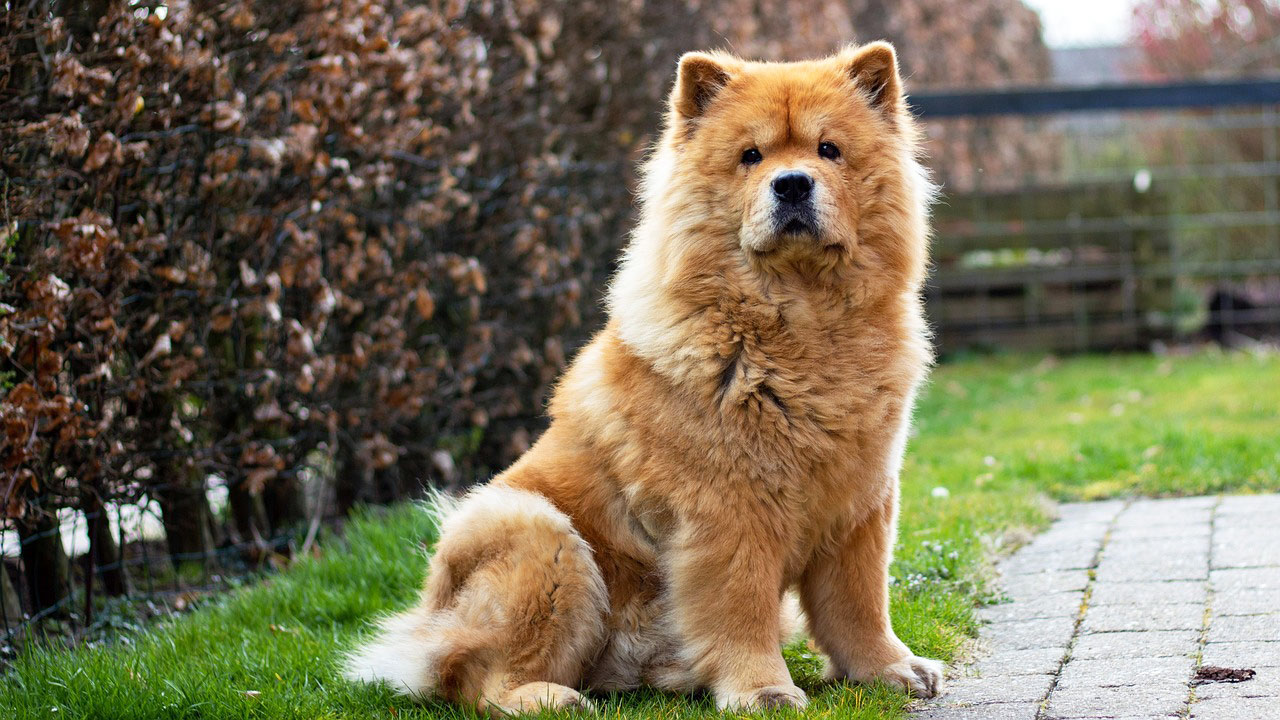
Chows can look like oversized teddy bears, which creates completely the wrong expectation. They are usually reserved, independent, and not especially interested in pleasing strangers.
That temperament can be manageable with good socialization, but it requires respect and consistency. They are not always tolerant of rough handling, chaotic environments, or unfamiliar dogs. The coat also demands regular maintenance, especially during heavy shedding seasons. A Chow can be calm and devoted to its household, but it is not typically the kind of dog that wants to greet every visitor. People who buy one for appearance alone can be surprised by how serious the personality is.
Australian Shepherd

Australian Shepherds are attractive, intelligent, and eager to work, which makes them seem like a perfect all-purpose family dog. The challenge is that many of them never really switch off without training.
They can become obsessed with movement, including children, bicycles, livestock, or vehicles. Herding behavior can also show up as chasing and nipping. Their brains need work just as much as their bodies do, and a bored Aussie can become noisy or destructive. They are fantastic for active households and farms where they have something useful to do. In a home that only offers short walks, though, that intelligence can become a problem.
Alaskan Malamute

Malamutes are bigger, heavier, and often more independent than Huskies. They were bred for pulling heavy loads rather than racing, which gives them tremendous strength and endurance.
That strength becomes a problem if leash manners are poor. They can also be dog-selective, prey-driven, and stubborn when they see no reason to cooperate. Their thick coats require serious grooming, especially in warm climates. Malamutes can be affectionate and entertaining, but they are not oversized plush toys. They need owners who understand northern breeds and are prepared for a dog that can physically overpower someone who has not done the training.
Catahoula Leopard Dog
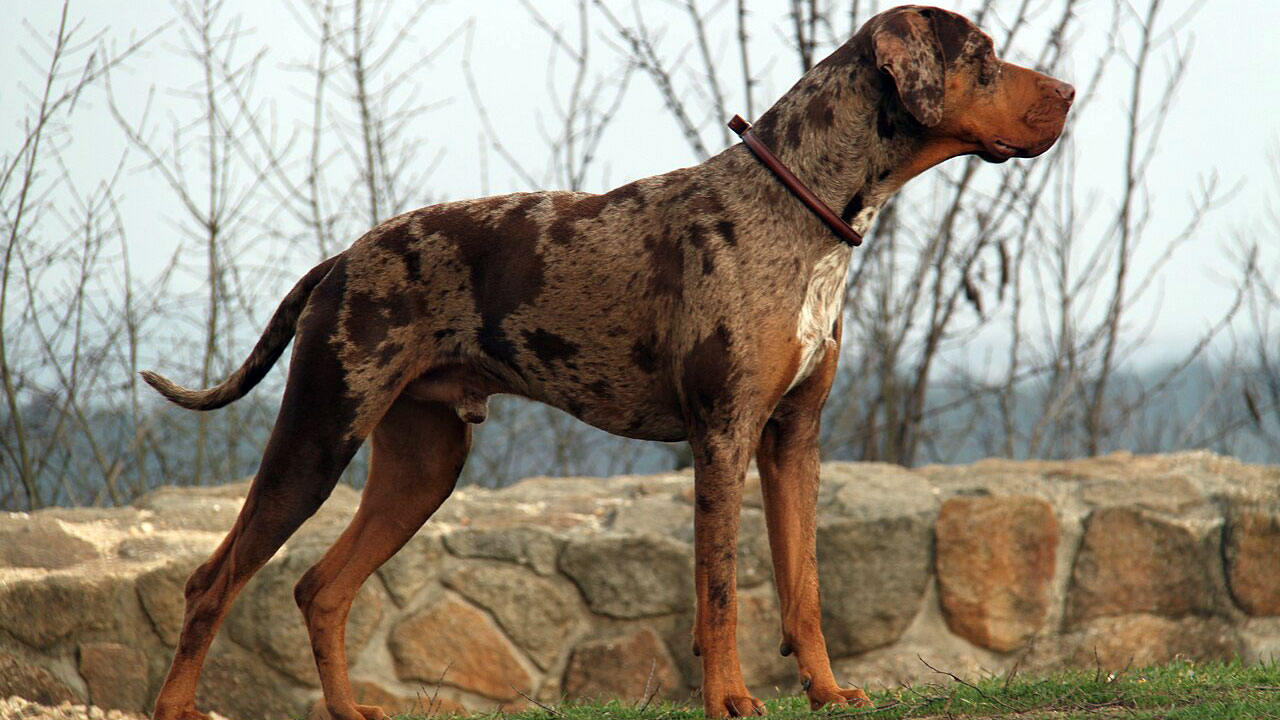
Catahoulas attract attention because of their coats and striking eyes, but those looks come attached to a serious working dog. The breed was developed around livestock, hogs, and rough farm work where confidence mattered.
They tend to be athletic, strong-willed, and suspicious enough to make early socialization important. Prey drive can be high, and they often need far more exercise and structure than a normal pet home provides. Some are excellent with their families while being much less accepting of strange dogs or people. A Catahoula can be incredibly useful on a farm, but a bored one in a small backyard can become difficult very quickly.
Giant Schnauzer

Giant Schnauzers look sharp, intelligent, and manageable because they are not as massive as some guardian breeds. In reality, they can be intense working dogs with strong protective instincts.
They need training, socialization, and regular mental work. Their energy level is high, and they can become pushy if rules are inconsistent. Grooming is another major commitment because the coat does not maintain itself. A Giant Schnauzer can excel in protection sports, obedience, and serious family-guardian roles, but it is much more demanding than simply owning a large version of a Miniature Schnauzer.
Rhodesian Ridgeback
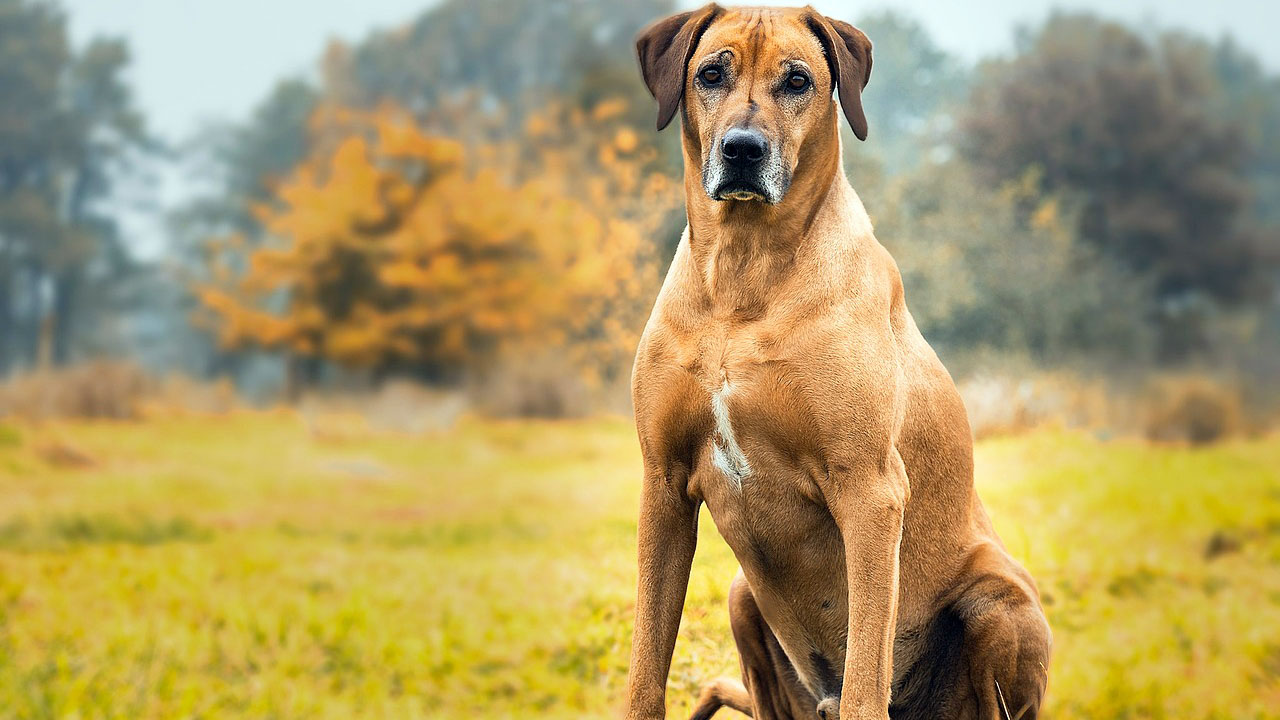
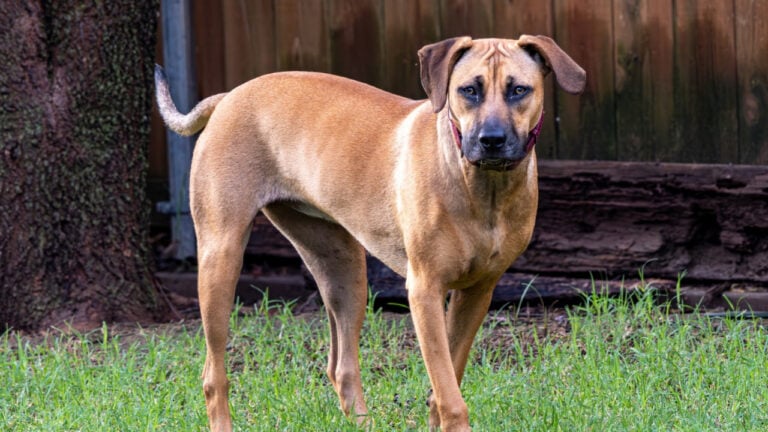
Rhodesian Ridgebacks are often described as calm family dogs, which can make people underestimate the athleticism and independence behind the breed.
They were developed to work around dangerous game in Africa, and they still carry plenty of confidence and prey drive. Young Ridgebacks can be powerful, destructive, and difficult to tire. Recall can also be a challenge when something starts running. They tend to mature into calmer adults, but getting there requires consistent training and enough exercise to keep them sane. The breed can be very affectionate with family, but it is not automatically easy just because it spends plenty of time sleeping indoors.
Shiba Inu

Shibas are compact, clean, and quiet enough to look almost effortless compared with many working breeds. The surprise is how independent they are.
They are famous for deciding whether a command is worth following rather than automatically cooperating. Prey drive can be strong, and many owners never trust them completely off leash. They can also be particular about handling and other dogs. Grooming is usually manageable until shedding season arrives, when the amount of coat coming off can be impressive. A Shiba can be an excellent companion for someone who appreciates an independent personality, but it is a poor choice for anyone expecting eager obedience.
English Bulldog
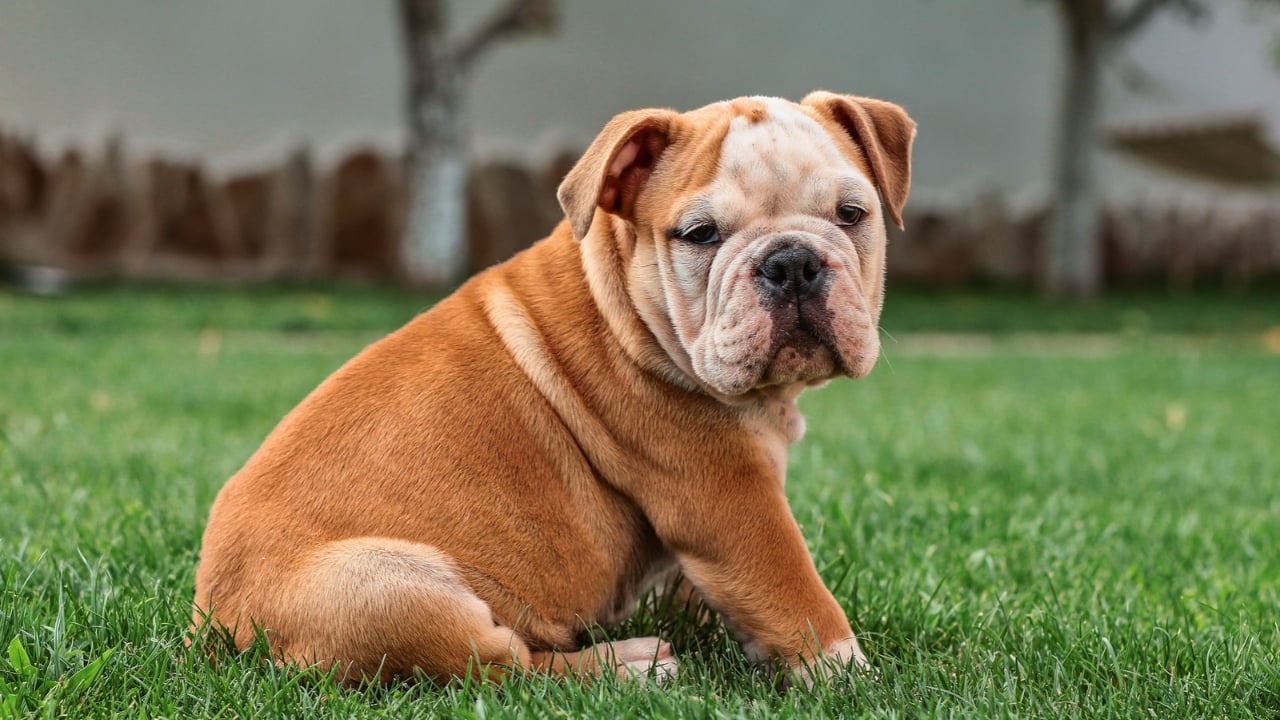
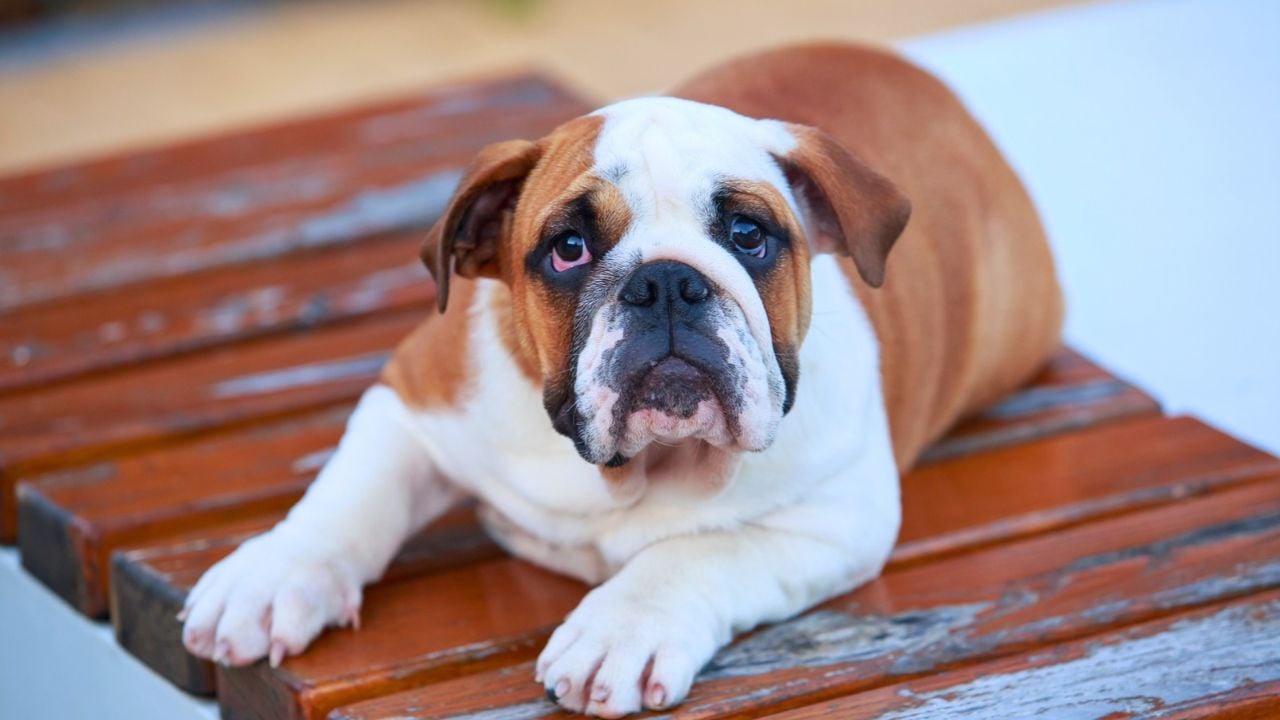
English Bulldogs are not difficult because they need endless exercise. They are difficult because the opposite problem can be just as demanding. Heat tolerance, breathing, skin folds, joints, and overall health can require constant attention.
Their low activity level makes them look easy, but routine care can become expensive and time-consuming. Hot weather can be dangerous, long walks may be unrealistic, and some dogs need regular cleaning around wrinkles and tail pockets. They are generally affectionate and entertaining companions, but that personality comes with management most casual buyers do not see in the photos. Owning one can be physically easier than owning a working breed while being much harder medically and financially.
Like The Avid Outdoorsman’s content? Subscribe to our newsletter so you never miss an article.
Here’s more from us: