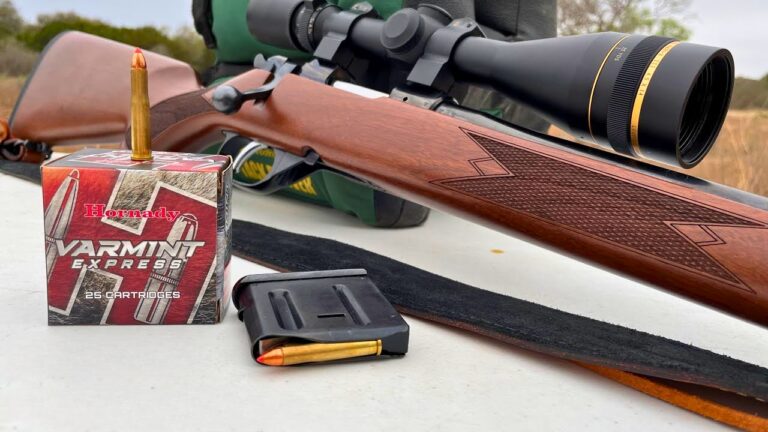
Photo credit: PNW Outdoor Reviews/YouTube
Every year there’s a new “most accurate rifle ever” getting pushed hard, and every year I watch regular shooters at the range quietly stack better groups with rifles nobody’s bragging about online. Usually it’s the same story: a sensible barrel, a decent trigger, a stiff enough stock, and an action that just runs without drama. No velvet-rope marketing required.
These aren’t all glamorous. Some are plain. A few are heavy. A couple have quirks that’ll annoy you if you like fancy touches. But in enough side-by-side range days, informal club matches, and “let me try yours” bench sessions, these are the rifles that keep showing up with boringly good accuracy when the shooter does their part.
1. Tikka T3x Lite
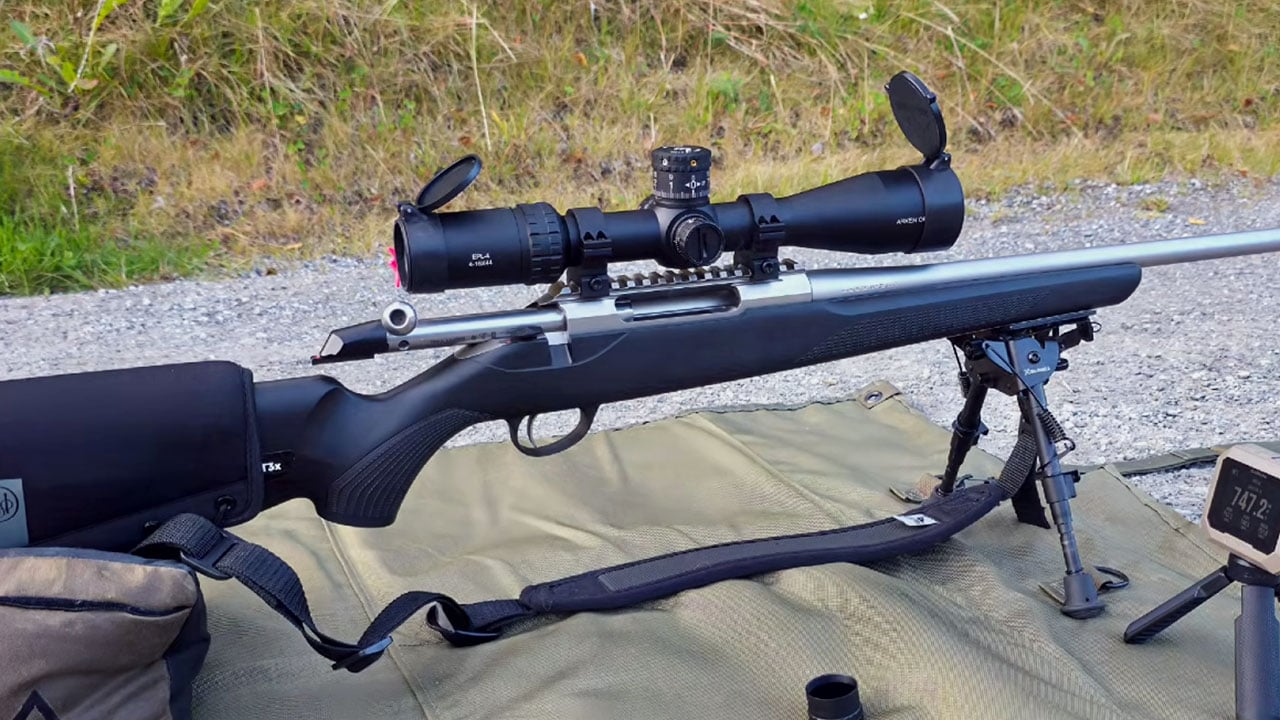
I’ve watched more “I didn’t even try that hard” tight groups come off a T3x Lite than just about anything else. The action is slick, the barrel quality is consistent, and the trigger is usually good right out of the box. It doesn’t feel like a custom rifle, but it also doesn’t need excuses.
The knock is the factory stock feeling hollow to some folks, and the recoil can feel snappy in lighter chamberings with a thin pad. Still, if you want a hunting rifle that shoots like it has no business shooting that well, this is one of the safest bets. Magazines are available, aftermarket support is strong, and it carries like a real mountain rifle instead of a bench anchor.
2. Bergara B-14 HMR
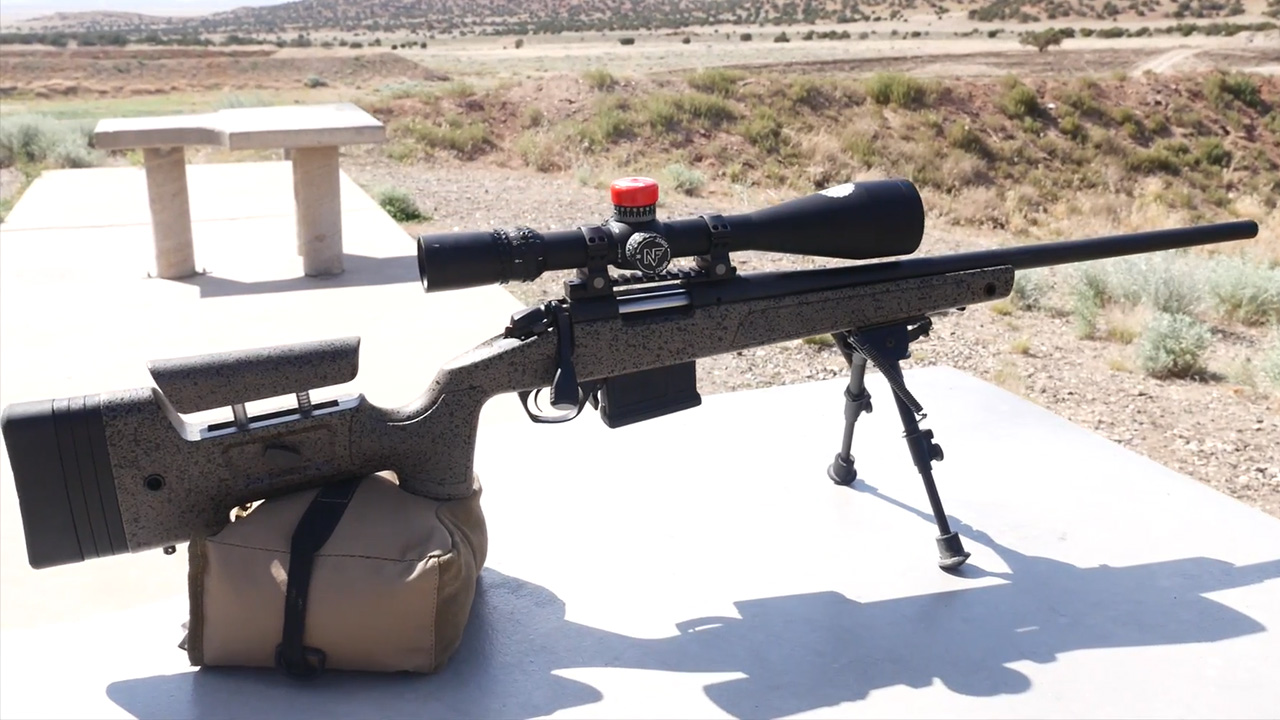
The B-14 HMR is one of those rifles that makes you wonder why you ever fought with flimsy stocks and rough triggers. It’s not “cheap,” but it’s also not priced like a boutique build. The weight, the mini-chassis feel, and the way it rides bags help normal shooters look better than they are.
What gets overlooked is how often they shoot with basic factory ammo. You don’t need a mystical handload to get honest precision out of these. The tradeoff is obvious: it’s heavier than a lot of hunters want to pack all day. But if your season involves a stand, a blind, a short walk, or any range time at all, it’s a steady performer that doesn’t need a hype man.
3. CZ 457 Varmint
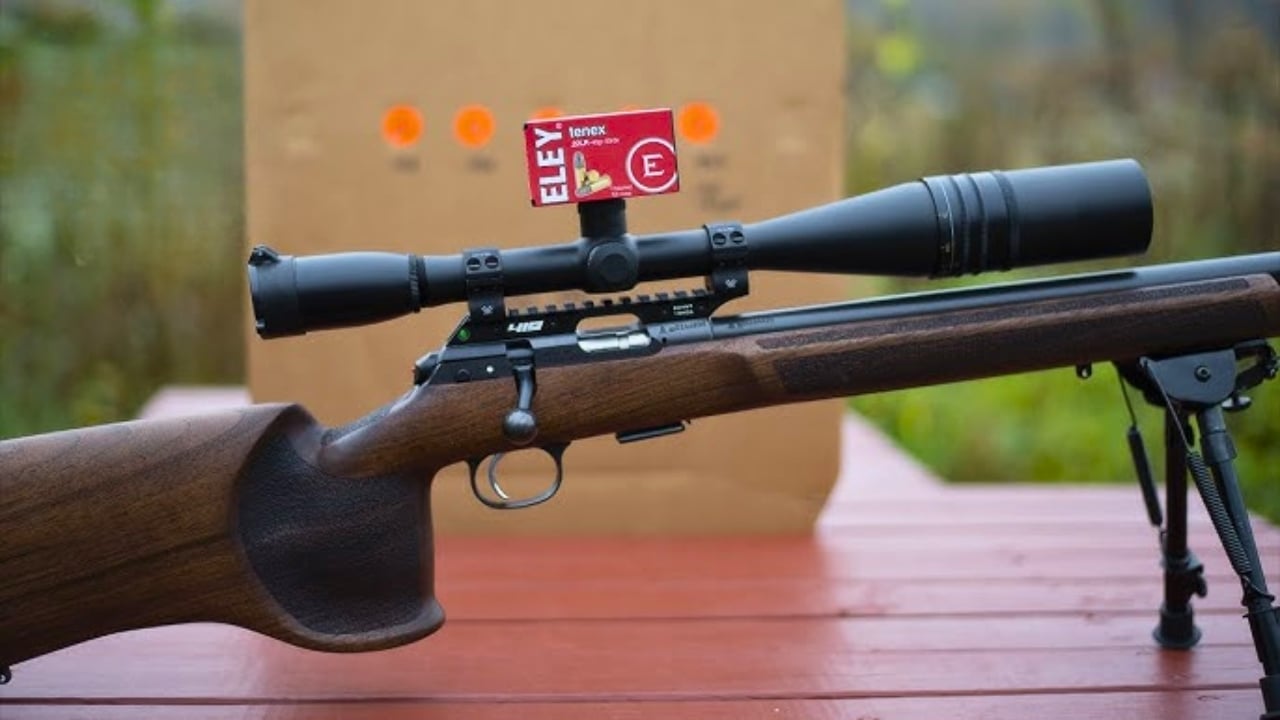
Rimfires are where accuracy comparisons get real, because you can shoot all day without taking out a loan. The CZ 457 Varmint shows up, gets fed decent .22 LR, and just drills. The barrels are good, the action is tidy, and the trigger situation is way better than most shooters expect at the counter.
The funny part is how many centerfire guys become rimfire snobs after a day behind one. Yes, it can be ammo picky—most accurate .22s are. But once you find what it likes, it’ll print groups that embarrass rifles costing more. It’s also a terrific trainer because the ergonomics feel like a “real” rifle, not a toy, and the bolt throw is clean and repeatable.
4. Savage 110 Tactical

Savage gets joked about for looks, and I get it. They’re not usually the prettiest rifles on the rack. But the 110 Tactical has quietly been making people rethink that opinion when they see groups on paper. The AccuTrigger isn’t everyone’s favorite, but it’s generally predictable and usable.
The other thing Savage did right is making it accessible to set up. The factory rail, common footprint, and the way many models take to different loads makes them easy to live with. The stock isn’t custom-level, and the bolt can feel a little agricultural. Still, when a rifle repeatedly puts three to five shots where they’re supposed to go, the “ugly” talk dies down fast.
5. Ruger American Predator
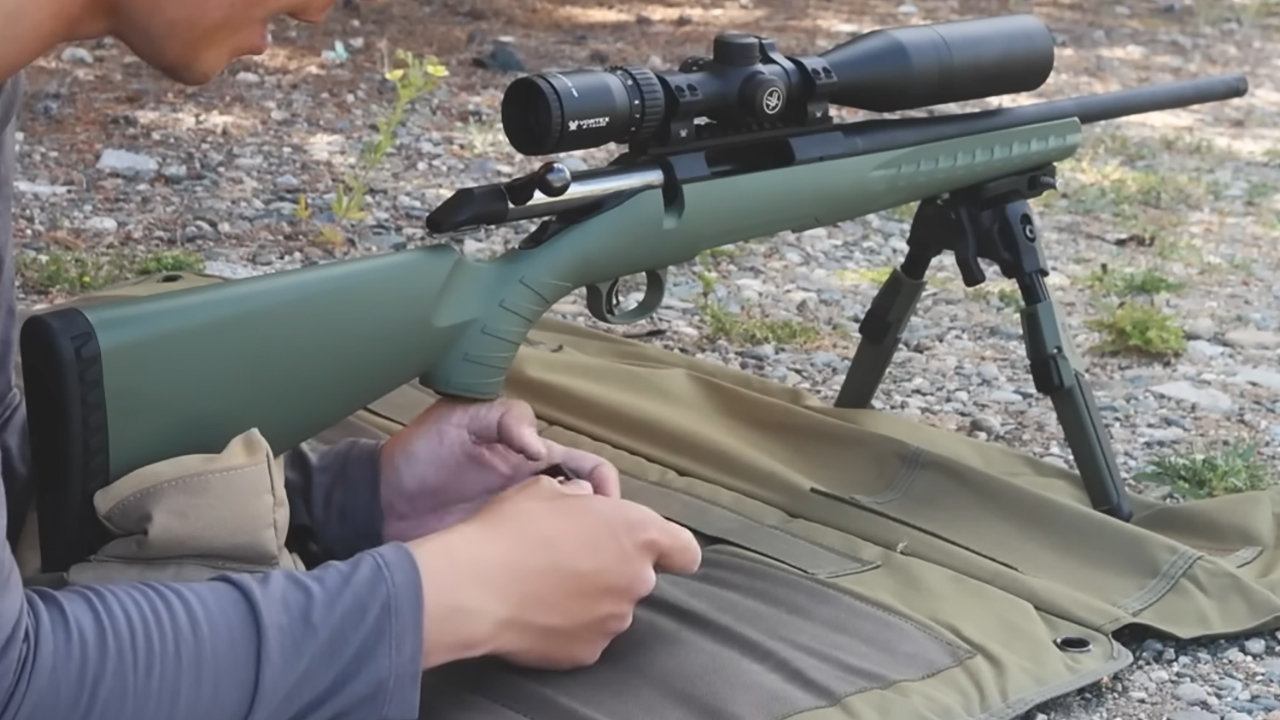
This is one of those rifles that causes arguments because it’s “too cheap” to be that capable. Yet the Ruger American Predator keeps turning in groups that make new shooters grin and seasoned shooters squint. It’s not refined. The bolt lift can be stiff. The stock flex is real if you crank into a bipod like you’re mad at it.
But the barrel and chamber tend to be solid, and the whole rifle just seems to want to shoot. In practical hunting accuracy terms, it does the job with room to spare. Magazines can be the sticking point depending on the variant, so pay attention before you buy. If you’re building a budget setup, spend the money on good glass and decent ammo and let the rifle do what it does.
6. Howa 1500 (Heavy Barrel / Varminter)

Howa rifles don’t always get the spotlight they deserve, and that’s fine—less noise, more shooting. The Howa 1500 action has a reputation for being strong and smooth, and the heavy-barrel versions in particular shoot like they’re trying to prove a point. They feel like work rifles, not fashion pieces.
The factory triggers are often good enough to leave alone, and the barreled actions make a lot of sense if you want to drop one into a better stock later. The downside is weight, especially on varmint profiles, and some factory stocks are nothing to write home about. But as a “quiet winner” in accuracy comparisons, Howa belongs here. They’re consistent, and consistency is what counts.
7. Weatherby Vanguard Series 2
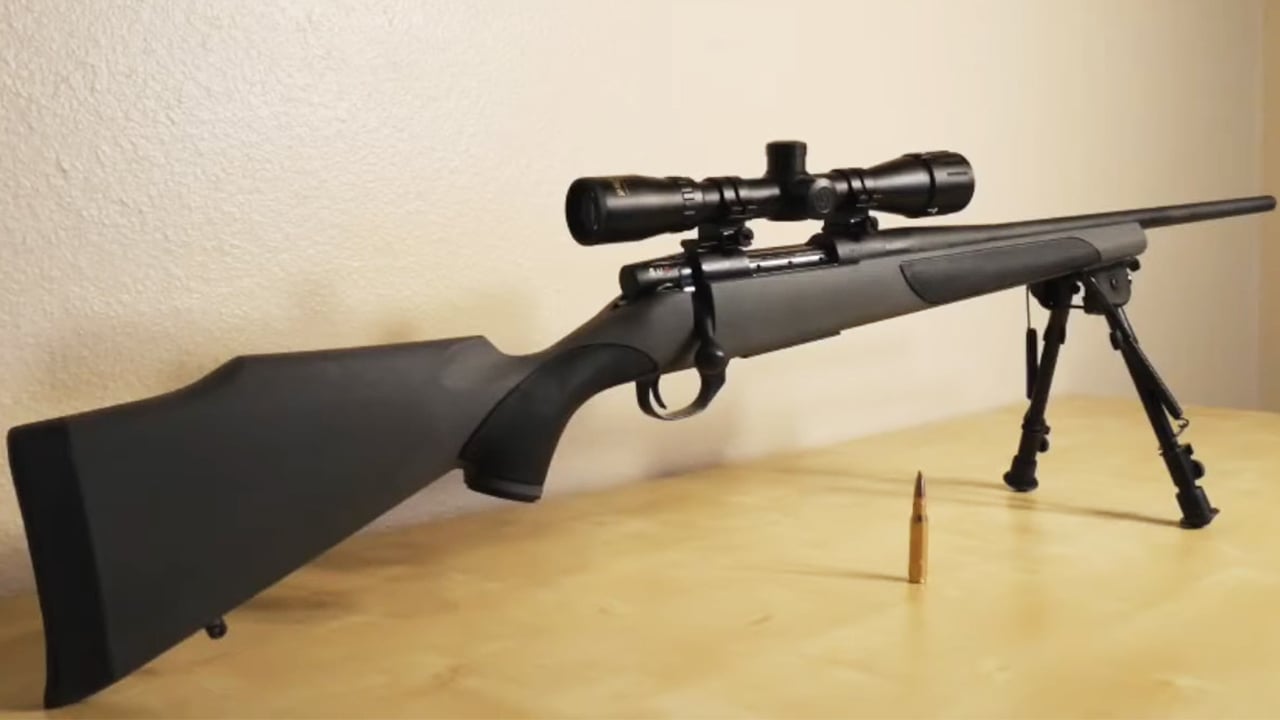
The Vanguard is another rifle that doesn’t need a lot of online cheering. It’s a solid, traditional bolt gun with a track record of shooting straight if you feed it halfway decent ammo. The Series 2 triggers are generally a step in the right direction, and the barreled actions tend to be uniform.
It’s not the lightest rifle, and it’s not the quickest-handling thing in thick timber. But from a bench, a blind, or across a cut bean field, these rifles put bullets where they belong. They also have that “old-school” feel a lot of modern rifles have lost. If you’re the type who wants a rifle to last, not just impress on day one, it’s a good pick.
8. Browning X-Bolt (Hunter / Pro)
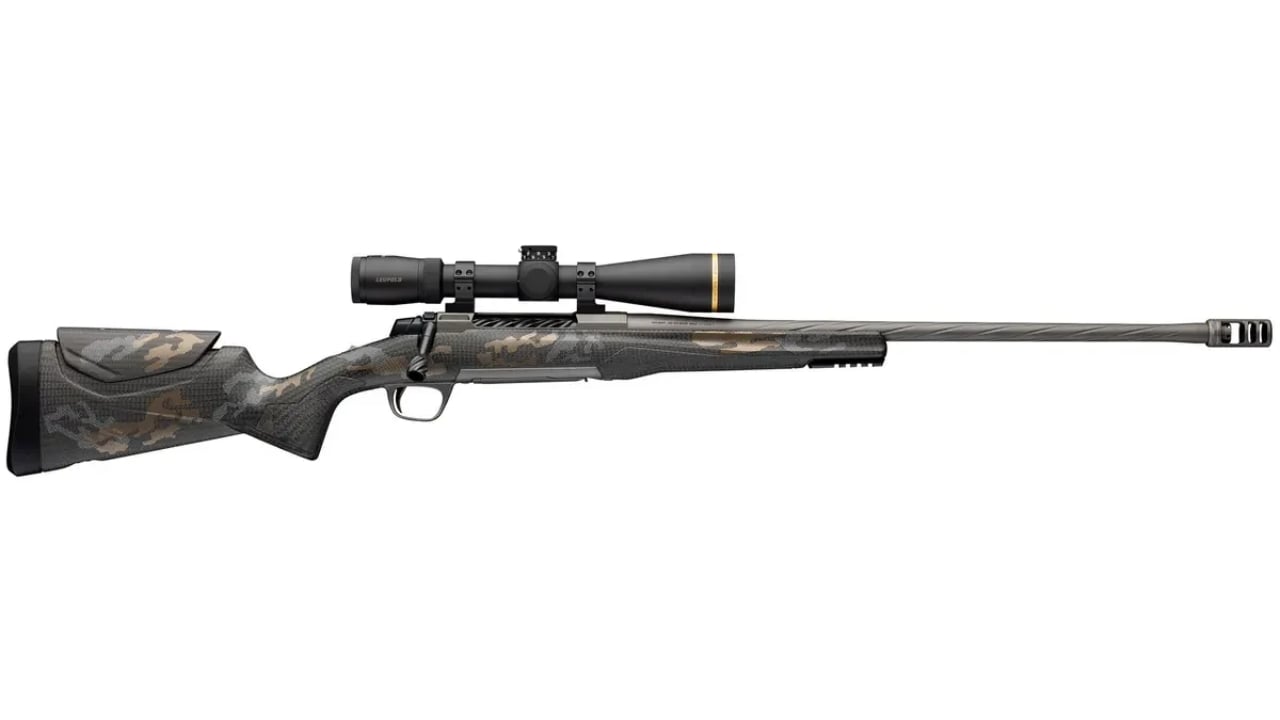
Browning gets attention, sure, but the accuracy side sometimes gets overshadowed by the fit-and-finish talk. The X-Bolt has been quietly excellent across a lot of chamberings, and the bolt feel is one of the better “factory smooth” experiences you’ll find. The triggers are typically crisp enough that you can focus on fundamentals.
The rotary magazine isn’t everybody’s favorite, but it feeds well and sits flush, which matters in the field. Where these rifles shine is real hunting accuracy—cold bore, awkward rests, and a heartbeat you can feel in your scope. They tend to hold point of impact and not do weird things between range day and opening morning. That kind of boring reliability is worth a lot.
9. Sako S20

The Sako name makes some folks assume you’re paying for a logo. Then they shoot one and stop talking. The S20 isn’t exactly under-the-radar price-wise, but it still fits this list because it wins comparisons without needing hype campaigns. The barreled action quality shows up on target, not just in a spec sheet.
It’s modular, and while I’m not always sold on “transformer rifle” concepts, the ergonomics are practical. The action is smooth, and the rifle tends to shoot a wide range of loads well. The downside is you can spend a lot once you start chasing accessories and extra parts. If you leave it alone and just shoot it, it behaves like what you paid for—tight groups and repeatable dope.
10. SIG Sauer Cross
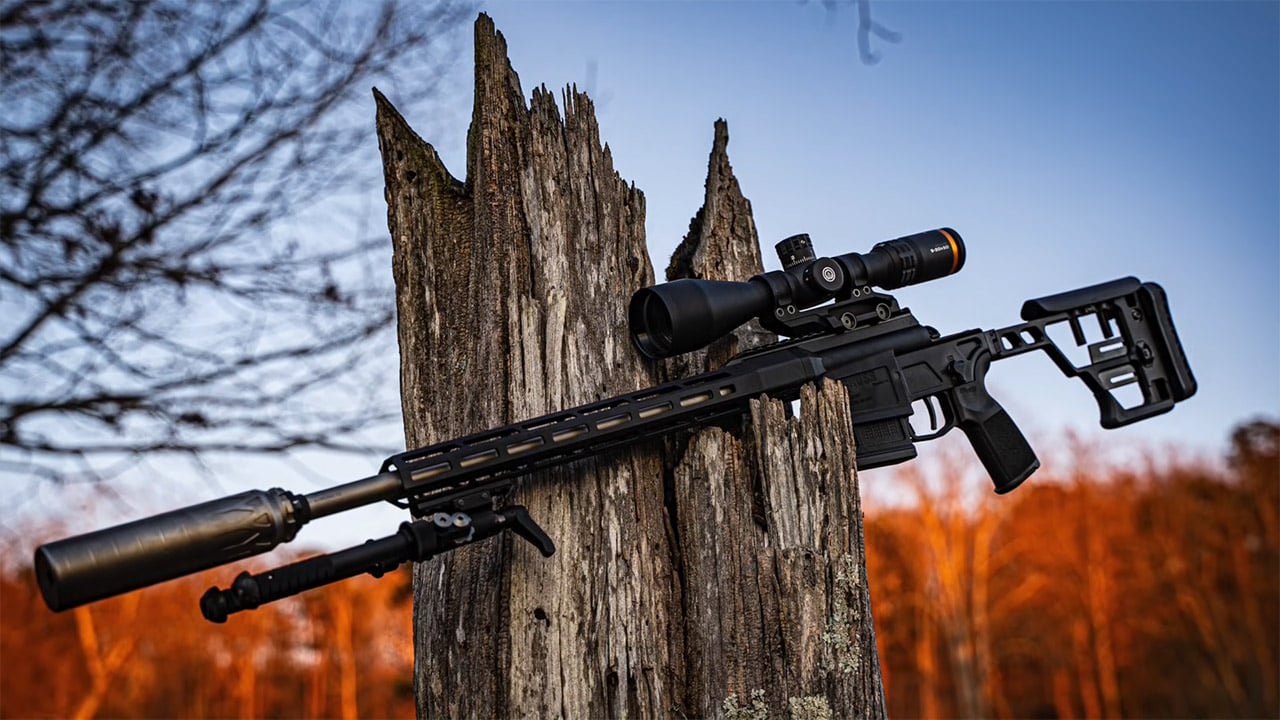
The Cross had its share of early chatter, and I’m not here to re-litigate internet drama. What I’ve seen, though, is that a good Cross in a common chambering can flat-out shoot. It’s light for what it is, packs easy, and it’s one of the few “packable” precision-style rifles that doesn’t feel like a compromise in the accuracy department.
The folding setup is handy if you’re actually moving around with it—truck to ridge, ridge to canyon, and back again. The trigger is usually respectable, and the barrel quality is better than skeptics want to admit. It’s not the warm-and-fuzzy traditional hunting rifle some folks want, and it can feel a bit sterile. But if you care about hit probability more than walnut nostalgia, it earns its keep.
Free for gun owners: If something happened to you tomorrow, would your family know where the guns are, who has the safe combination, or what to do first? Our free Gun Owner’s Family Checklist walks them through it. It takes about 15 minutes to fill out. Get your free copy here.
11. Remington 700 SPS Tactical

The 700 name gets dragged into every argument on the internet, and some of that is deserved. But the SPS Tactical configuration has a habit of shooting well when you get a good one and don’t sabotage it with junk optics. The heavy barrel helps, and the footprint means parts, bases, rings, and stocks are everywhere.
The factory stock is the weak link. It can put pressure on the barrel and it doesn’t always play nice with bipods. Still, it’s a rifle that can be made better without reinventing the wheel. As a “quiet winner,” it’s usually not the rifle doing something wrong—it’s the setup. Put it in a decent stock, torque it correctly, and it’ll hang with more expensive guns.
12. Winchester XPR

The XPR doesn’t get a lot of campfire bragging, but it should get more respect. I’ve seen them shoot surprisingly tight groups with plain factory hunting ammo, which is what most hunters actually use. The trigger is usually decent, and the whole rifle has a straightforward, no-nonsense feel.
It’s not as slick as a Tikka, and it’s not as “rifle-lover romantic” as a Model 70. But it points well, carries well, and doesn’t act finicky. The magazines aren’t as universal as some other platforms, so buy a spare when you find one. If you want a modern bolt rifle that just behaves and doesn’t ask for attention, the XPR is one of those sleepers.
13. Thompson/Center Compass (Gen II)
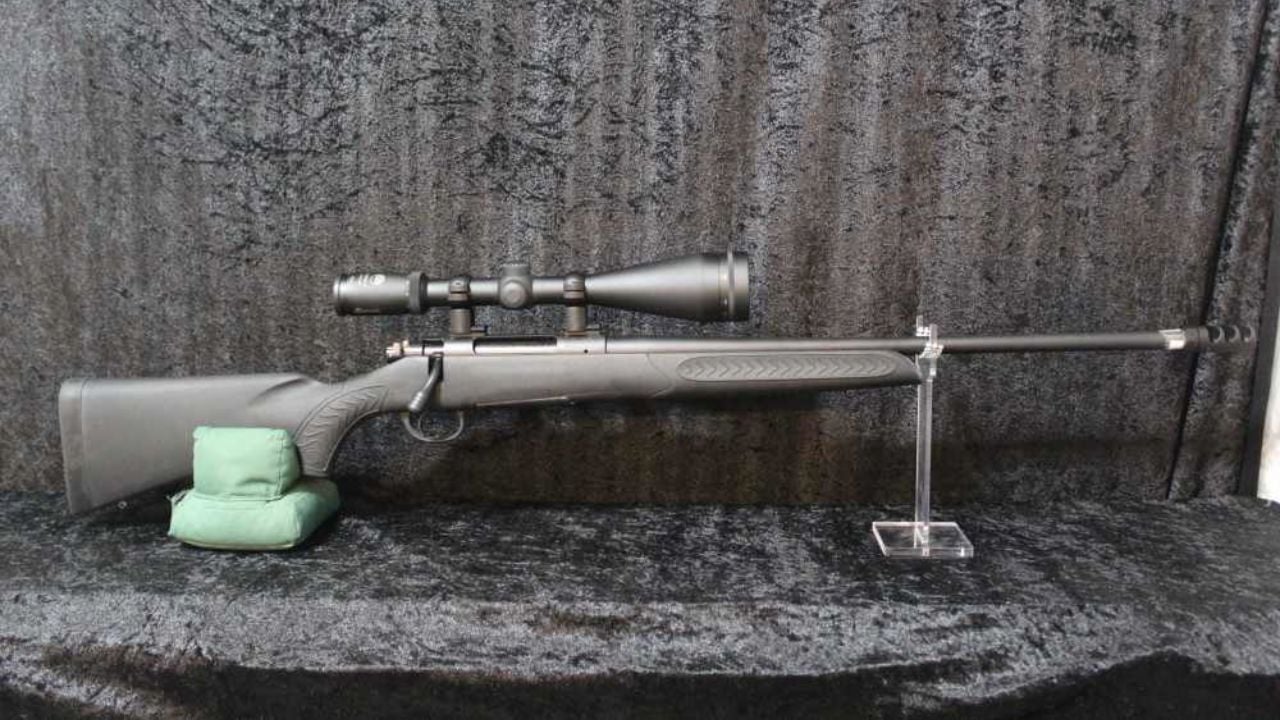
The Compass has been the butt of a few jokes because it’s a budget gun, and budget guns earn suspicion. The updated versions, though, have surprised a lot of shooters when the targets come back. They’re simple rifles, but the barrels often shoot better than the price tag suggests.
You’ll feel where money was saved. Stocks can be basic, and the overall finish is not what you buy to admire under a light. But if you’re looking for a rifle you can beat around in a truck, drag through wet grass, and still trust at 200 yards, the Compass has done that for a pile of hunters. It’s a “spend less on the rifle, more on practice” kind of tool.
14. Mossberg Patriot Predator
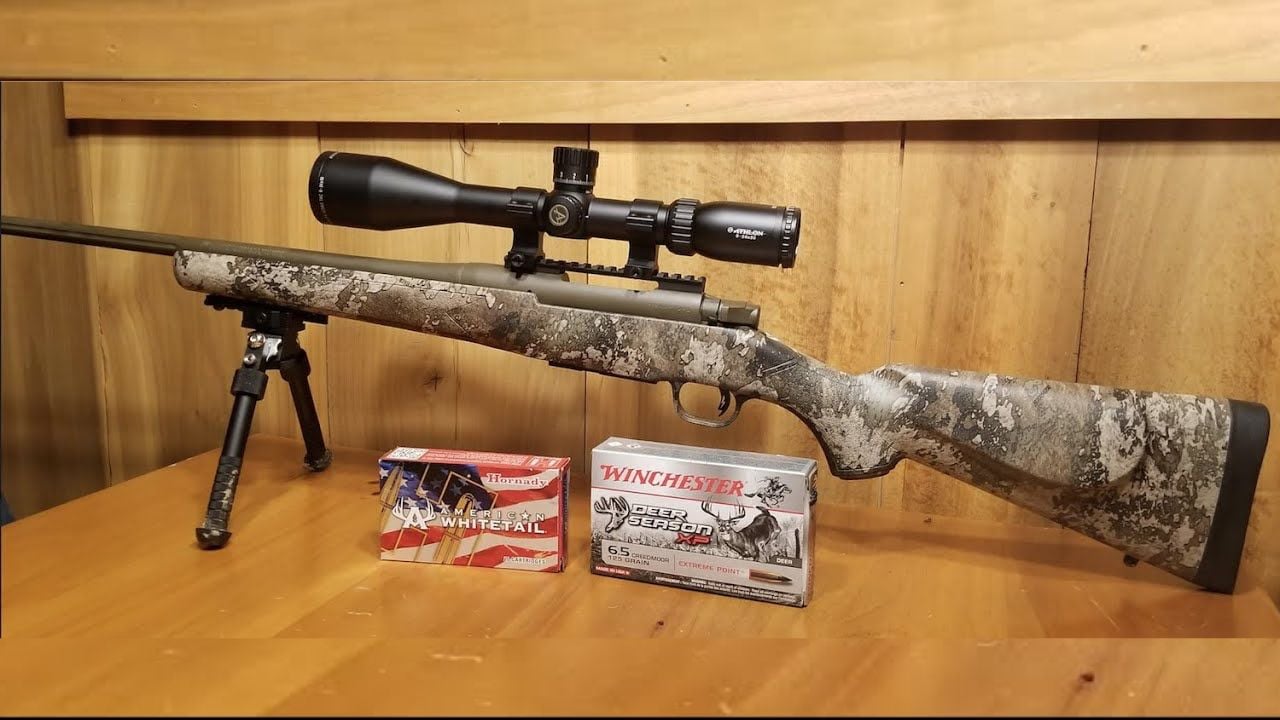
Mossberg is shotgun country for most folks, so their bolt guns get overlooked. The Patriot Predator, especially in common varmint and deer chamberings, can shoot much better than the reputation suggests. When one is set up right, it’ll put down respectable groups and do it without much fuss.
The bolt feel isn’t luxury-smooth, and some rifles have triggers that benefit from careful adjustment within factory limits. But the overall platform is practical. It’s light enough to carry, and the barrel contours on Predator variants tend to behave well during a few-shot string. If you’re the kind of shooter who cares about real-world accuracy and not brand status, this is a rifle that can quietly make you look smart.
15. CZ 600 Alpha
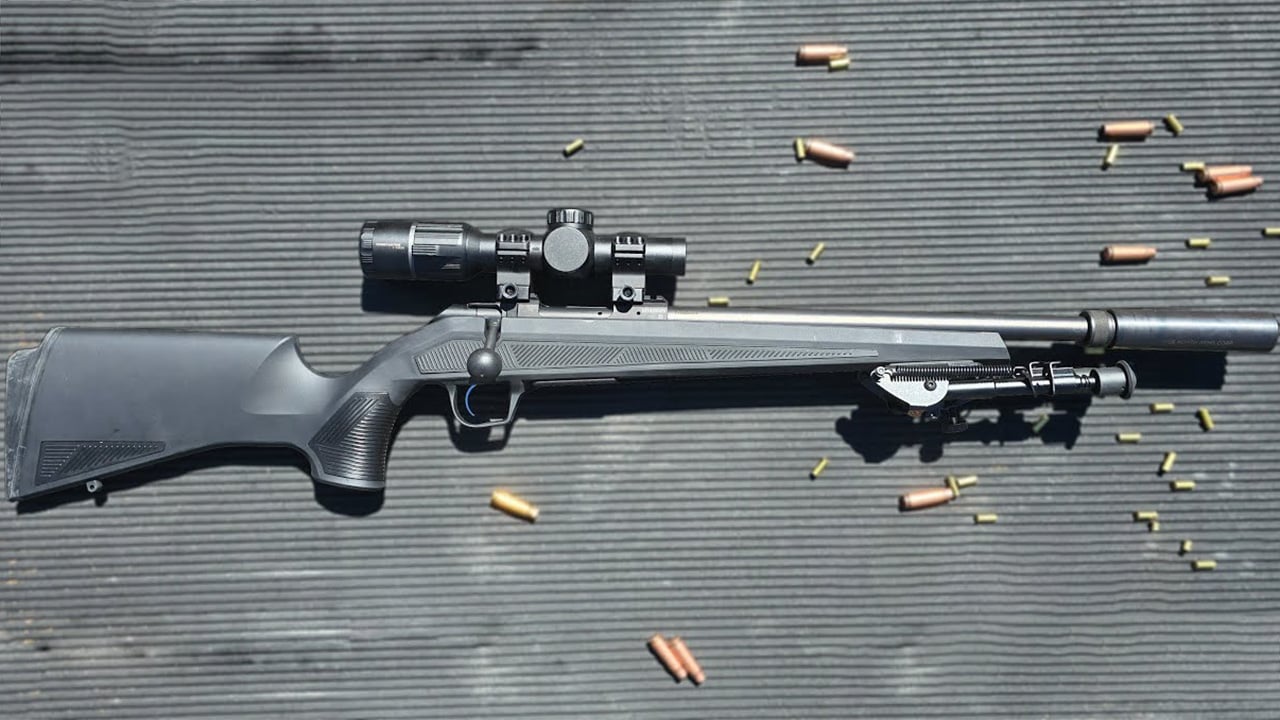
The CZ 600 line arrived with plenty of noise, then settled into a more normal place once the dust cleared. The Alpha variant is the plain working version, and that’s exactly why it’s been impressing shooters. It’s not flashy, but it’s often accurate right out of the gate and tends to feed smoothly.
The ergonomics are modern without being weird, and the rifles I’ve spent time around weren’t particularly ammo picky. That matters when you’re grabbing what you can find before season. The stock won’t win beauty contests, and some traditionalists don’t love the overall look. Fine. Put it on paper and it becomes hard to argue with. It’s a good example of “boring design, good results.”
16. Ruger Hawkeye Long-Range Target

Ruger’s Hawkeye line usually gets discussed as hunting rifles, not accuracy winners. The Long-Range Target version changes that conversation. It’s heavier, set up for optics, and built to be shot from supported positions. That alone makes it more useful for honest accuracy comparisons than a featherweight mountain gun.
The action is rugged, and the rifle tends to hold up to real use without turning into a maintenance project. The trigger is generally workable, though some shooters swap to their preference. The main drawback is you’re not going to love carrying it up and down ridges all day. But if your goal is printing tight groups, stretching distance responsibly, and having a rifle that doesn’t feel delicate, it’s a solid option that doesn’t get talked about enough.
17. Savage Axis II Precision

The Axis name makes some shooters dismiss it without ever firing one. The Precision variant is a different animal than the basic big-box Axis, and it shows at the bench. The chassis-style setup and heavier profile make it easier to shoot well, even for folks still learning fundamentals.
Is it refined? No. You’ll still notice “budget DNA” in little places. But the AccuTrigger is generally usable, and the rifle tends to shoot well with factory match ammo. It’s also one of those rifles that helps you understand what matters: stable support, consistent cheek weld, and a trigger you can press cleanly. If you’re getting into precision shooting without wanting to burn money, this one keeps quietly outshooting expectations.
18. Christensen Arms Ridgeline
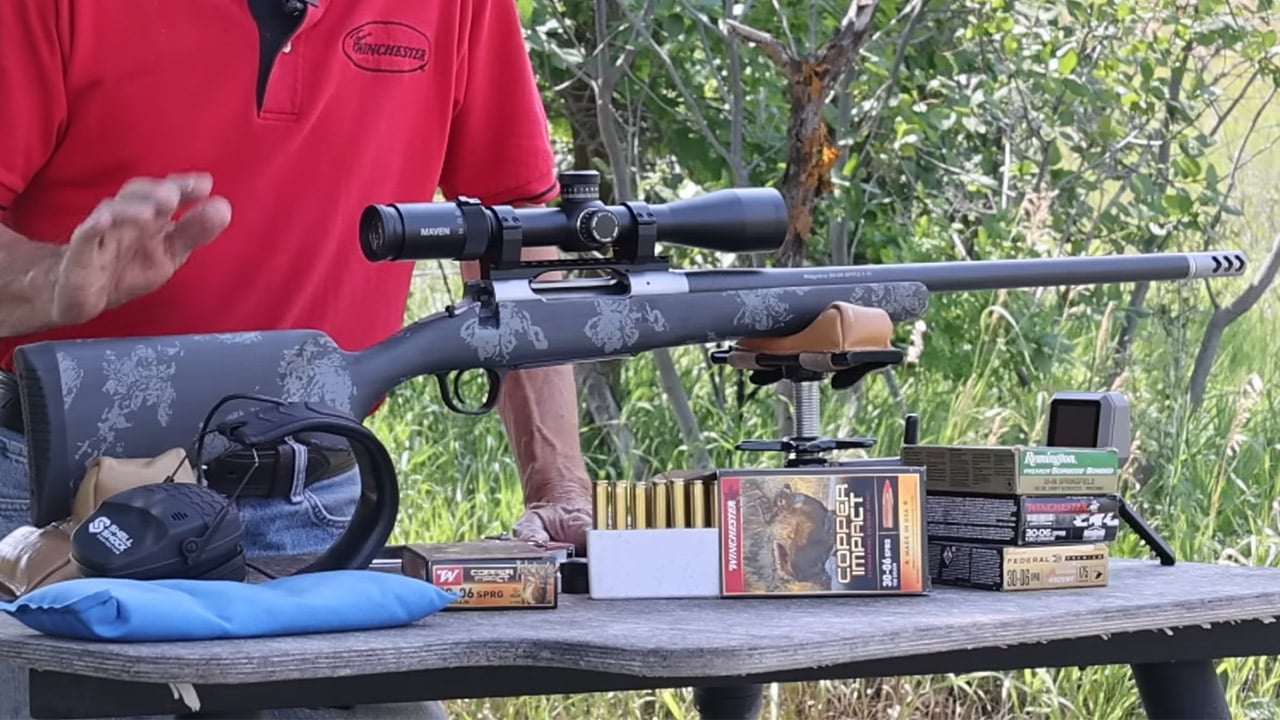
Light rifles that shoot like heavy rifles are the dream, and the Ridgeline is one of the few that can actually deliver when you get a good example. It’s not a “value” rifle, but it often ends up in accuracy comparisons because hunters bring them to the range and they don’t embarrass themselves. That carbon barrel concept isn’t just for looks when it’s executed right.
It carries easy, which means it actually gets taken hunting instead of living in the safe. The flip side is light weight can punish you in harder-kicking chamberings, and not everyone enjoys that. Also, with any brand in this space, consistency is what buyers watch closely, so inspect and test your rifle early. When they’re on, they’re very on.
19. Marlin 336 (Micro-Groove barrels)
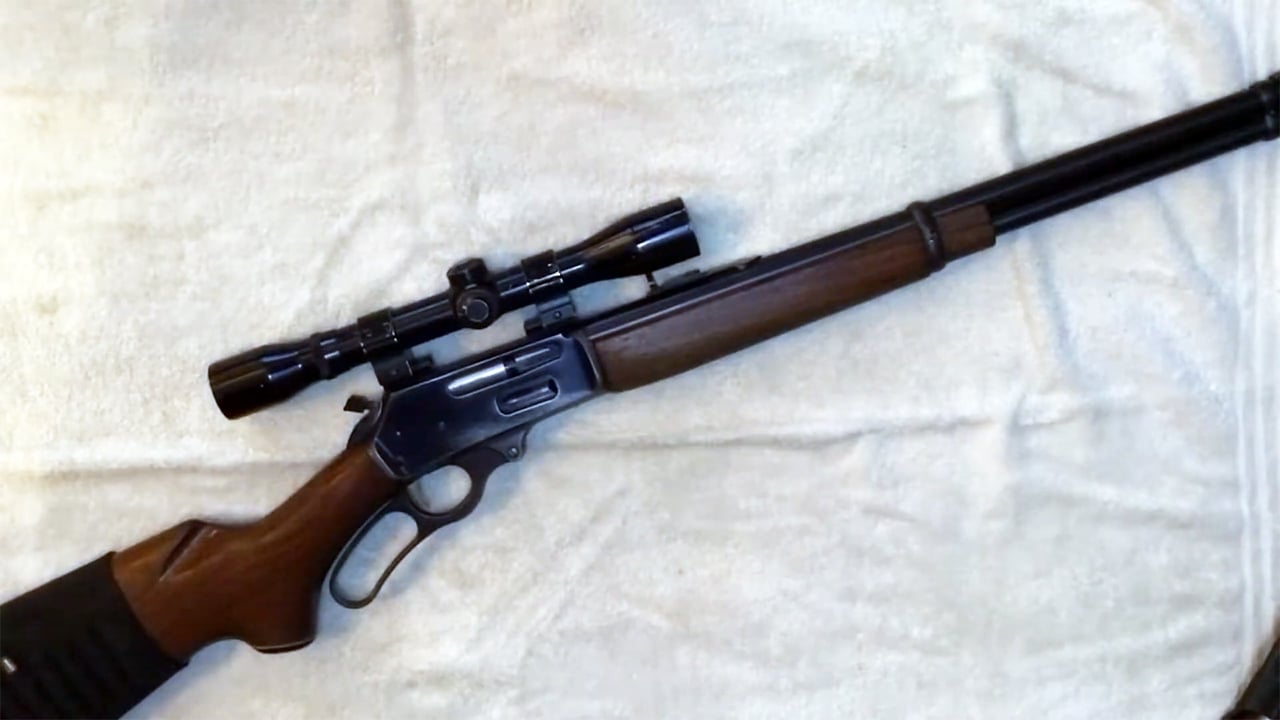
Lever guns don’t get invited to “accuracy” conversations much, and that’s a mistake. A good Marlin 336, especially one that’s been cared for and wears a decent sighting system, will group better than most folks expect. No, it’s not a 600-yard rig. That’s not the point.
Inside normal woods ranges, a 336 can be downright surgical, and the Micro-Groove barrels have a history of shooting jacketed bullets well. The bigger win is how fast and natural they point. That matters when a buck appears for five seconds and you’re shooting off a tree, not a bench. Keep the screws snug, don’t beat the crown up, and these rifles will keep stacking venison in the freezer while everyone else argues online about tiny groups.
20. Springfield Armory M1A Loaded Precision
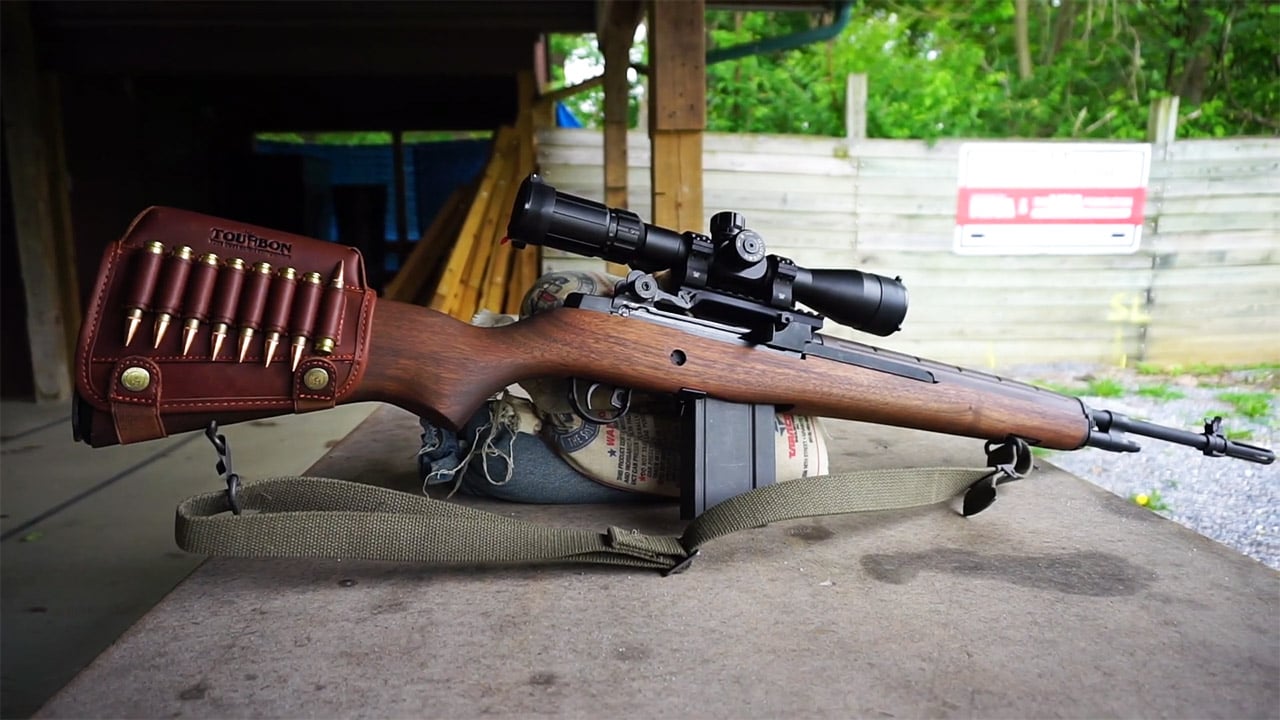
The M1A crowd is its own world, and I’m not going to pretend it’s the easiest rifle to wring accuracy out of. But the Loaded Precision-style setups have been quietly doing good work when they’re properly set up and fed ammo they like. A semi-auto .308 that holds respectable groups through strings is nothing to sneeze at.
It’s heavier, it’s more expensive to feed, and it’s not as simple to tune as a bolt gun. Magazines are common, though, and the rifle has a feel that’s hard to replace if you grew up around service rifles. It’s also a rifle that rewards disciplined shooting—steady position, consistent sling or support, and not rushing shots as the barrel warms. When it’s running right, it’s better than the internet gives it credit for.
None of these rifles are magic, and any of them can be made to look bad with poor ammo, sloppy mounting, or a scope that won’t hold zero. But if you’re tired of buying hype and want a rifle that earns its reputation the old-fashioned way—holes close together on paper and clean kills in the field—start with this kind of list. The quiet winners usually stay winners because they’re built to shoot, not just to sell.
Like The Avid Outdoorsman’s content? Subscribe to our newsletter so you never miss an article.
Here’s more from us: