Photo credit: annapowa/Pixabay.com
Some dogs were developed primarily as companions. Others were built around a job from the beginning. Herding livestock, guarding flocks, pulling sleds, tracking game, hunting vermin, protecting property, and retrieving birds all shaped breeds that still carry those instincts today, even when they never see the work their ancestors did.
That is why some dogs struggle in homes that do not give them enough to do. The same drive that made a breed valuable on a ranch or in the field can turn into pacing, barking, digging, chasing, or destruction when there is no outlet. These 20 breeds were not made to sit around waiting for something to happen. They were made to work.
English Shepherd
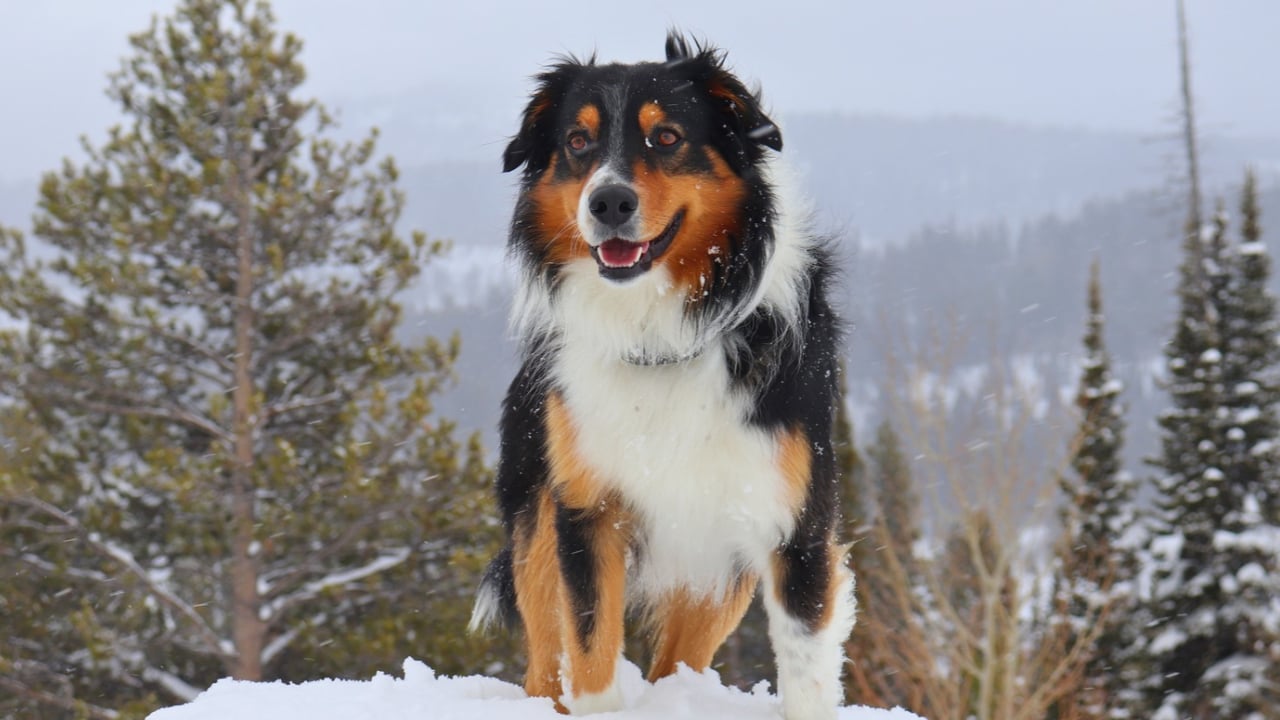
English Shepherds are one of the purest examples of an all-purpose farm dog. They were expected to move livestock, watch the property, control pests, and stay close enough to the family to be useful wherever needed.
That versatility is still the breed’s biggest strength. A good English Shepherd tends to be intelligent without being as frantic as some modern herding breeds, and many are capable of settling once the day’s work is over. They are especially well suited to small farms where one dog may need to handle several different jobs. Give one livestock, acreage, and regular work, and the breed makes far more sense than it does as a bored suburban pet.
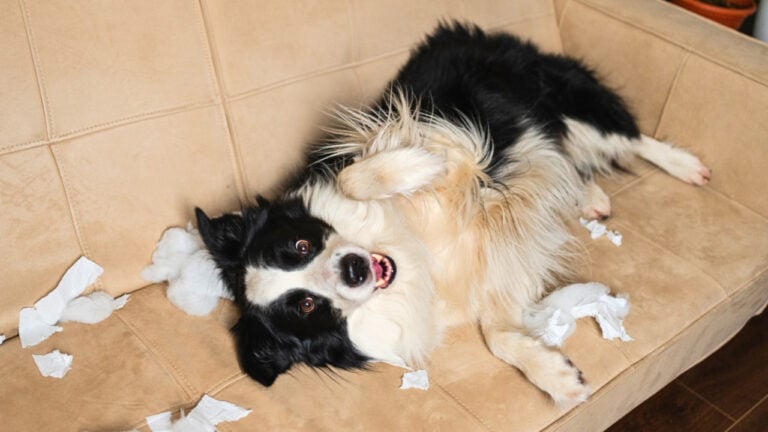
Border Collie

Border Collies were built around precision stock work, and almost everything about them reflects that purpose. They are fast, intensely observant, highly responsive to movement, and capable of controlling livestock from remarkable distances.
Their intelligence gets most of the attention, but the real story is work ethic. A Border Collie usually wants a problem to solve and can become difficult when there is nothing meaningful to focus on. Herding, agility, obedience, and advanced training all suit them because they thrive on mental pressure as much as physical exercise. This is one breed where simply wearing the dog out physically may not be enough.
Australian Cattle Dog
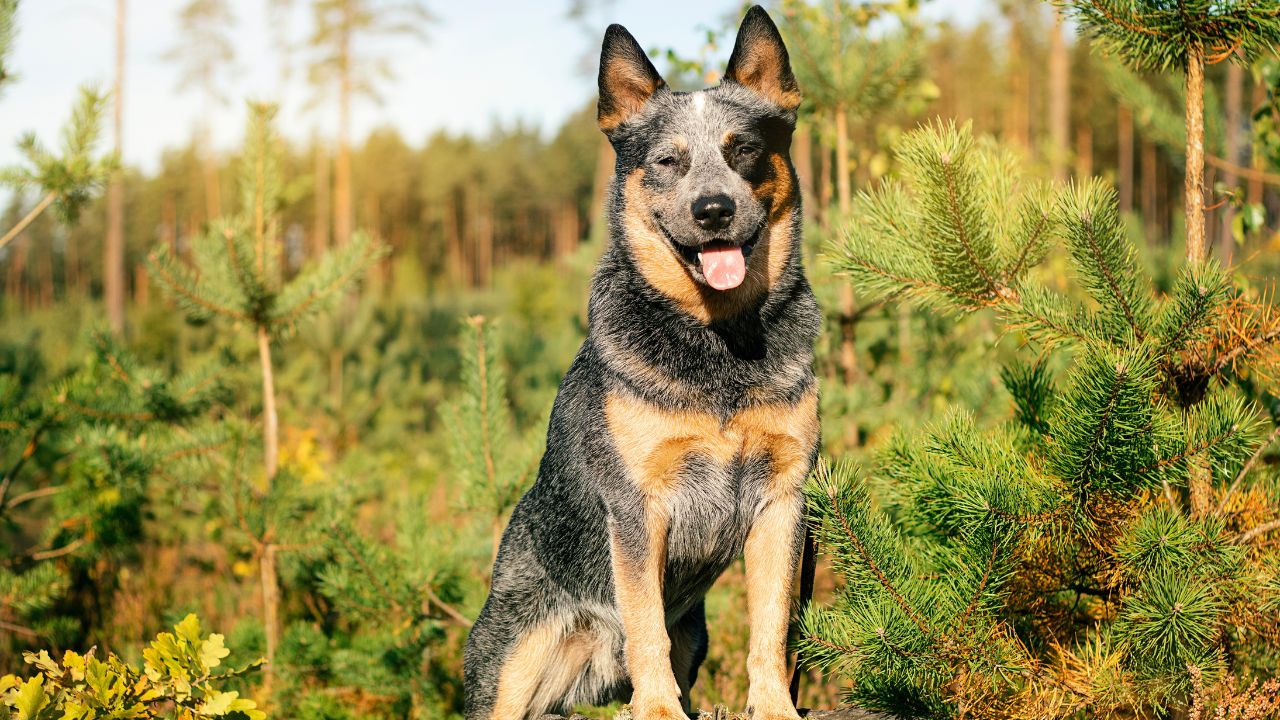
Australian Cattle Dogs were developed to move stubborn cattle over long distances and rough country. That required toughness, stamina, and enough nerve to get close to livestock much larger than themselves.
The breed still carries that edge. Heelers tend to be intense, alert, and deeply loyal, with a tendency to control movement around them. On a farm, that can be extremely useful. In a home without work, it can turn into nipping, chasing, or obsessive behavior. They are not built around softness or easygoing social behavior. They were built to get a difficult job done.
Australian Kelpie
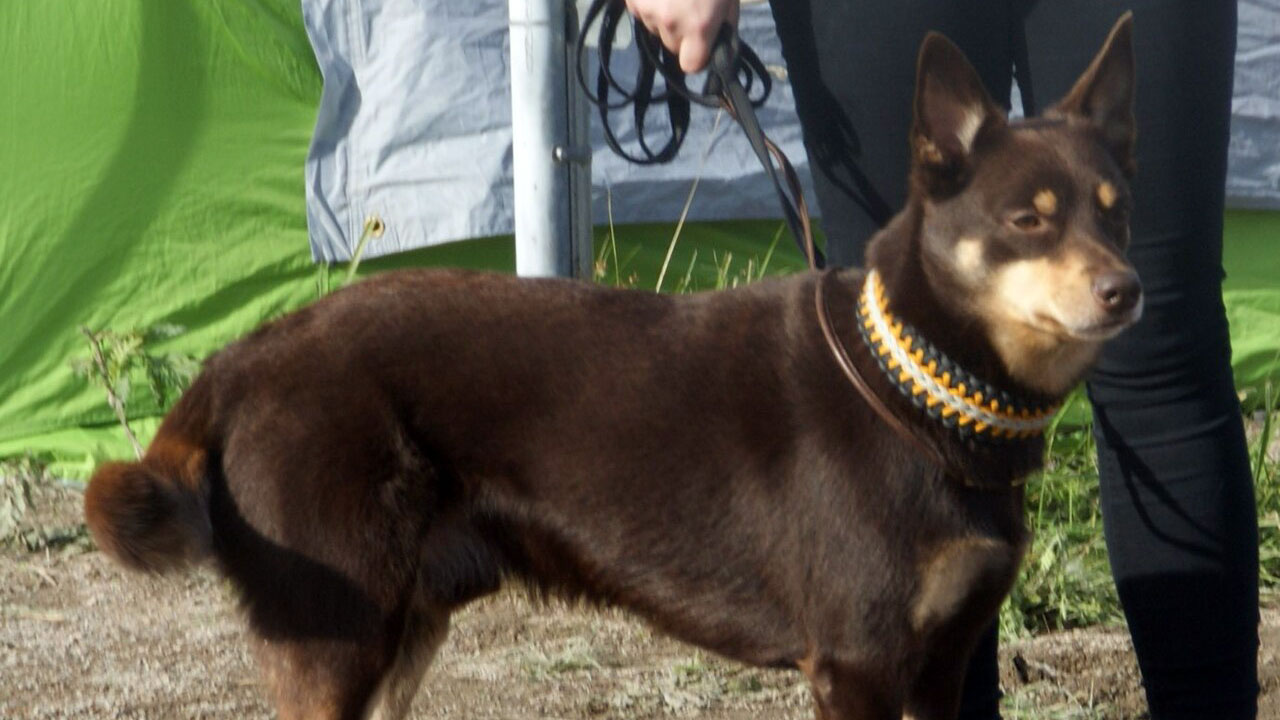
Kelpies were developed to cover enormous distances while moving livestock in harsh Australian conditions. They are lighter and quicker than many cattle dogs, which helps them work efficiently over large properties.
Their stamina is hard to overstate. A Kelpie can work for hours without losing much speed, and many are capable of handling stock with very little direction once they understand the job. That independence is valuable in the field but demanding in a pet home. Without regular work, they can become restless fast. On a ranch, they are exactly where they belong.
McNab
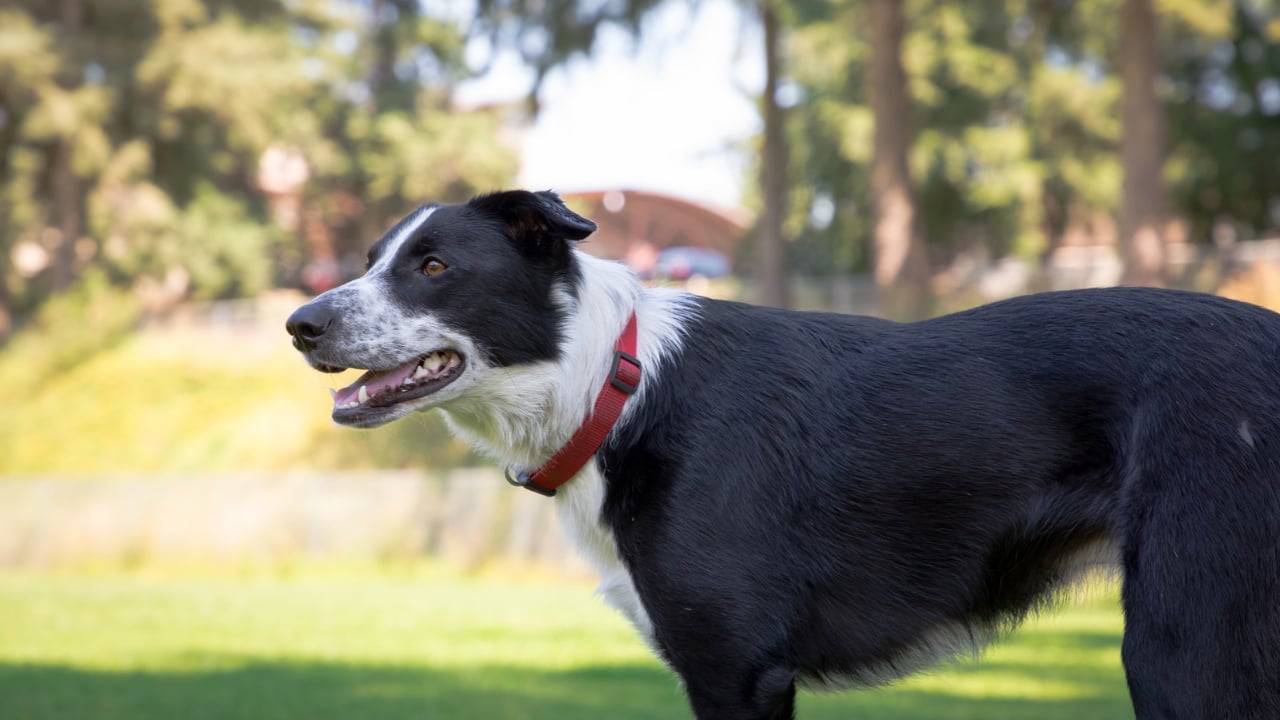
McNabs were developed for practical stock work in the western United States, and they still have a strong reputation among ranchers who know them. They tend to combine speed, endurance, and a more direct working style than some heavily eye-focused herding breeds.
They are often especially good at covering rough ground and working cattle or sheep without needing constant micromanagement. The breed is also usually highly connected to its handler, which gives it a nice balance of independence and cooperation. McNabs remain relatively uncommon outside working circles, but that has nothing to do with ability. They were built for real ranch work and still excel at it.
Belgian Malinois
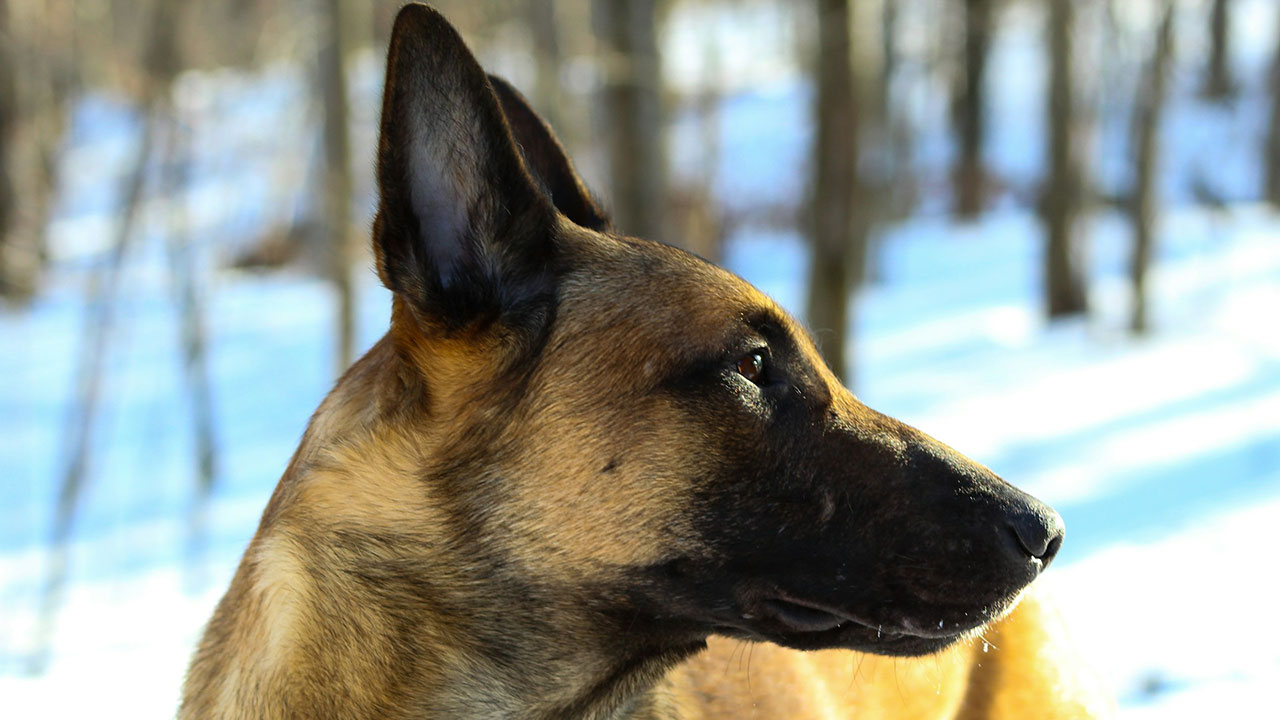
Belgian Malinois were made for demanding service work, and few breeds show that purpose more clearly. They are fast, intense, athletic, and capable of learning complex tasks at an extremely high level.
Police work, military work, detection, protection sports, and advanced obedience all fit the breed because they thrive on structure and pressure. The problem is that the same drive becomes difficult in an ordinary home. A bored Malinois can find destructive ways to create its own job. They are impressive dogs, but they were never meant to be effortless companions. Their value comes from how much they can do when given real work.
Dutch Shepherd
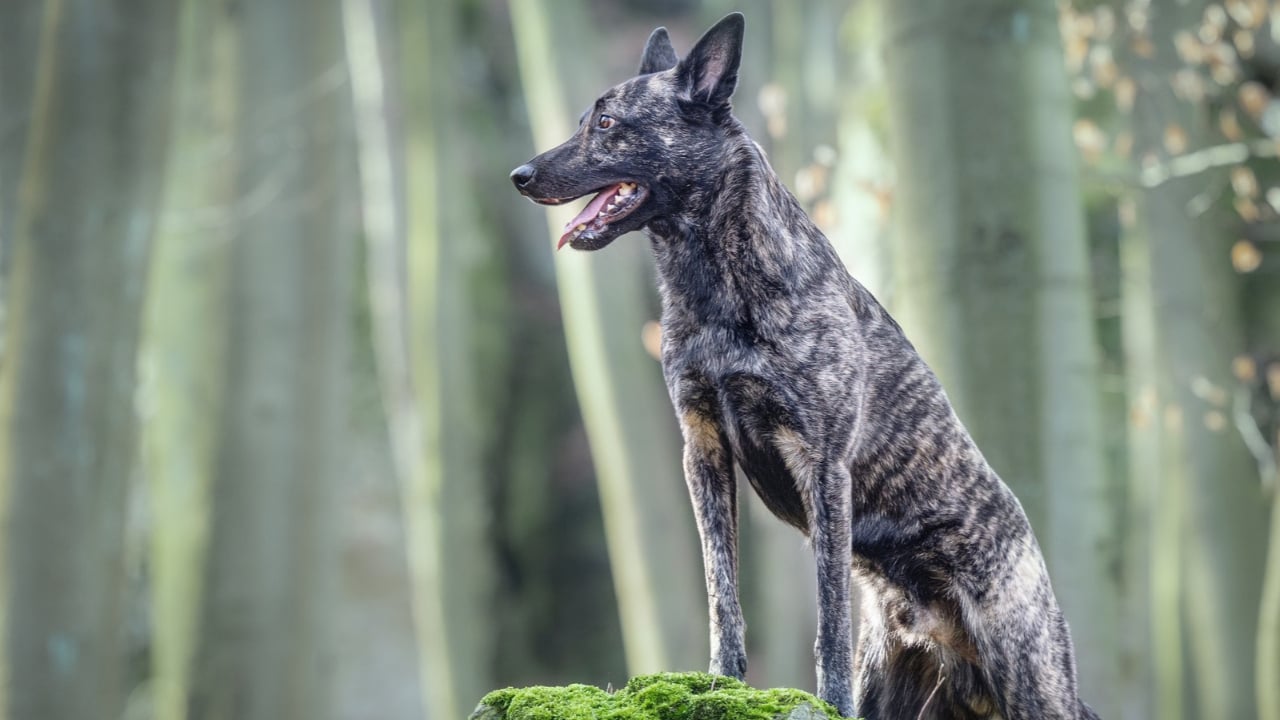
Dutch Shepherds share much of the same working ability as the Malinois but remain less common. They were originally used for herding and general farm work before becoming popular in modern police and protection roles.
They are athletic, smart, and often highly driven, which makes them excellent candidates for detection, obedience, and protection training. Many lines have enough energy to overwhelm casual owners, especially without daily structure. The brindle coat gets attention, but the real appeal is the brain and work ethic underneath it. This is a breed that performs best when expectations are high.
German Shepherd

German Shepherds were developed to be versatile working dogs rather than one-purpose specialists. Herding, police work, tracking, search-and-rescue, protection, and military service have all become part of the breed’s history.
The best working-line Shepherds still carry that versatility. They tend to be highly trainable, physically capable, and naturally aware of their surroundings. Their popularity has created a huge range of temperaments, so not every German Shepherd has the same drive. The good working examples, though, make it easy to understand why the breed became one of the most widely used service dogs in the world.
Great Pyrenees
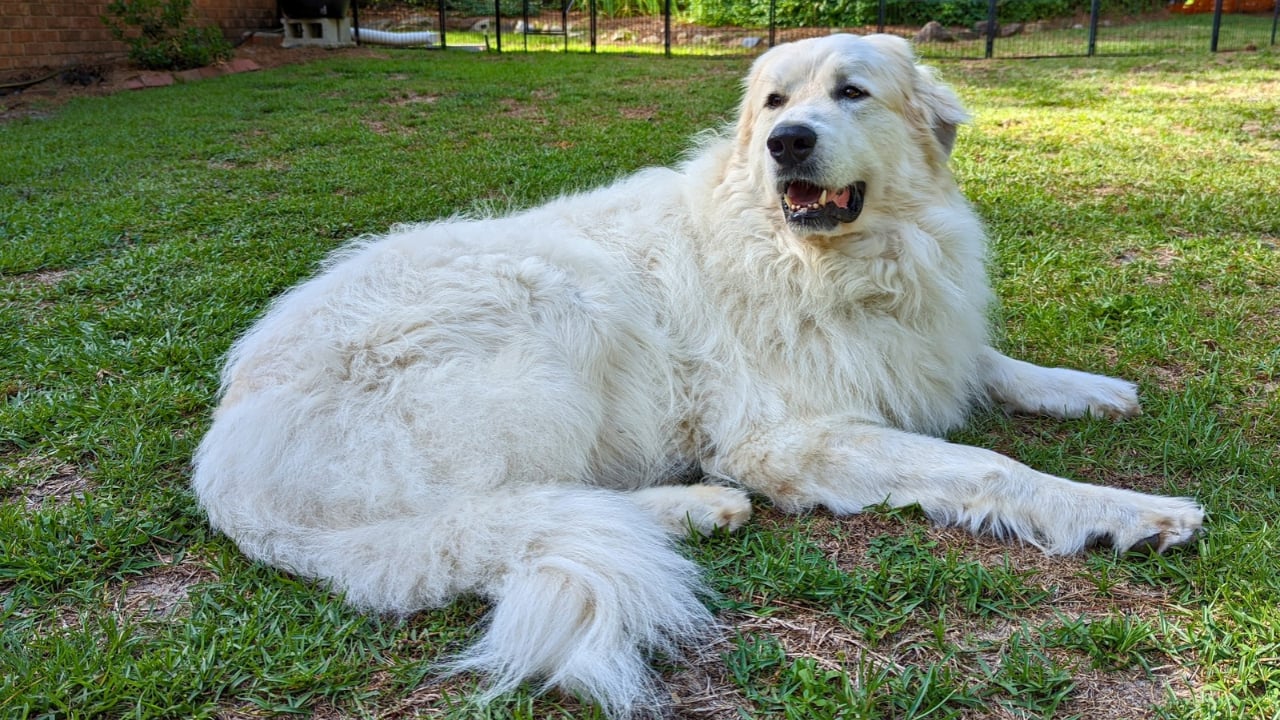
Great Pyrenees work differently from herding dogs because their job is not to control livestock. It is to stay with them, watch the surroundings, and decide independently when something needs to be challenged.
That independence is the entire point. A Pyrenees working at night cannot wait for someone to tell it whether a coyote approaching the pasture looks suspicious. Barking, patrolling, and stubborn decision-making all come from that guardian role. In the right livestock setting, those traits are valuable. In a small yard, they can become frustrating quickly. The breed was made to work without constant supervision.
Anatolian Shepherd

Anatolian Shepherds were developed to protect livestock across large, open areas where predators were a real threat. That demanded size, endurance, confidence, and the ability to make decisions without human direction.
They are usually reserved, serious, and extremely aware of territory. Unlike many obedience-oriented working dogs, they do not exist to perform repeated commands for fun. Their work is based on judgment. That can make them look stubborn to someone expecting a German Shepherd personality. Around livestock, the same trait becomes exactly what you want. They are built to patrol, assess, and respond.
Maremma Sheepdog

Maremmas have spent generations guarding flocks in Italy, and their instincts remain closely tied to livestock protection. They are usually calm until something gives them a reason not to be.
A good Maremma bonds strongly with the animals it guards and tends to stay focused on the property rather than seeking constant attention from people. They can be vocal and independent, especially at night when predators are most active. That behavior can be difficult in suburban settings, but on a farm it makes sense. They were built to work while people slept.
Kangal
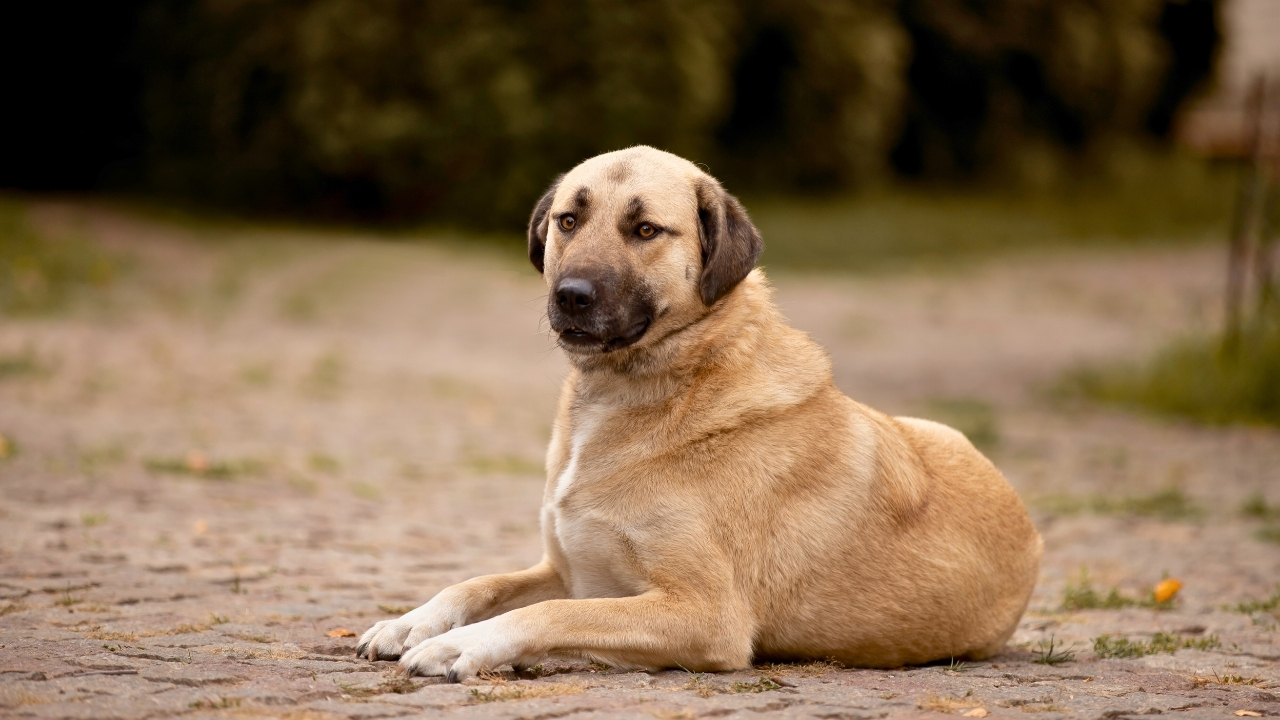
Kangals are serious livestock guardians with the size and confidence to confront large predators. Their strength gets most of the attention, but the breed’s real working value is judgment.
They are expected to stay with livestock, recognize threats, and respond appropriately without wasting energy on every little disturbance. That requires a stable temperament and strong territorial instincts. They are not dogs for casual owners, and they do not need endless obedience drills to feel fulfilled. They need space, clear boundaries, and a real guarding role.
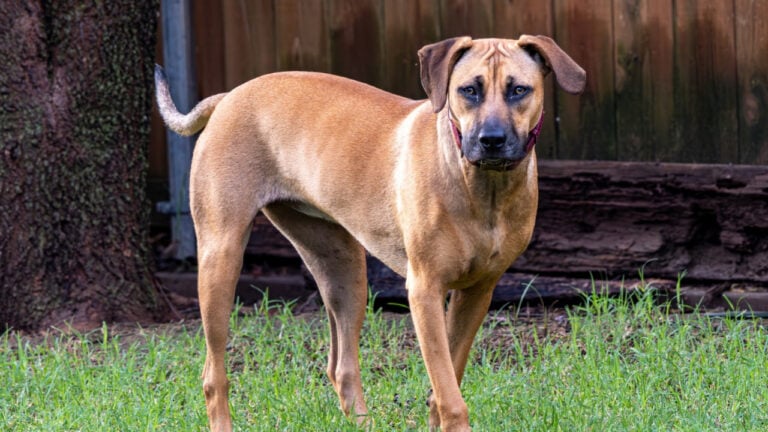
Black Mouth Cur
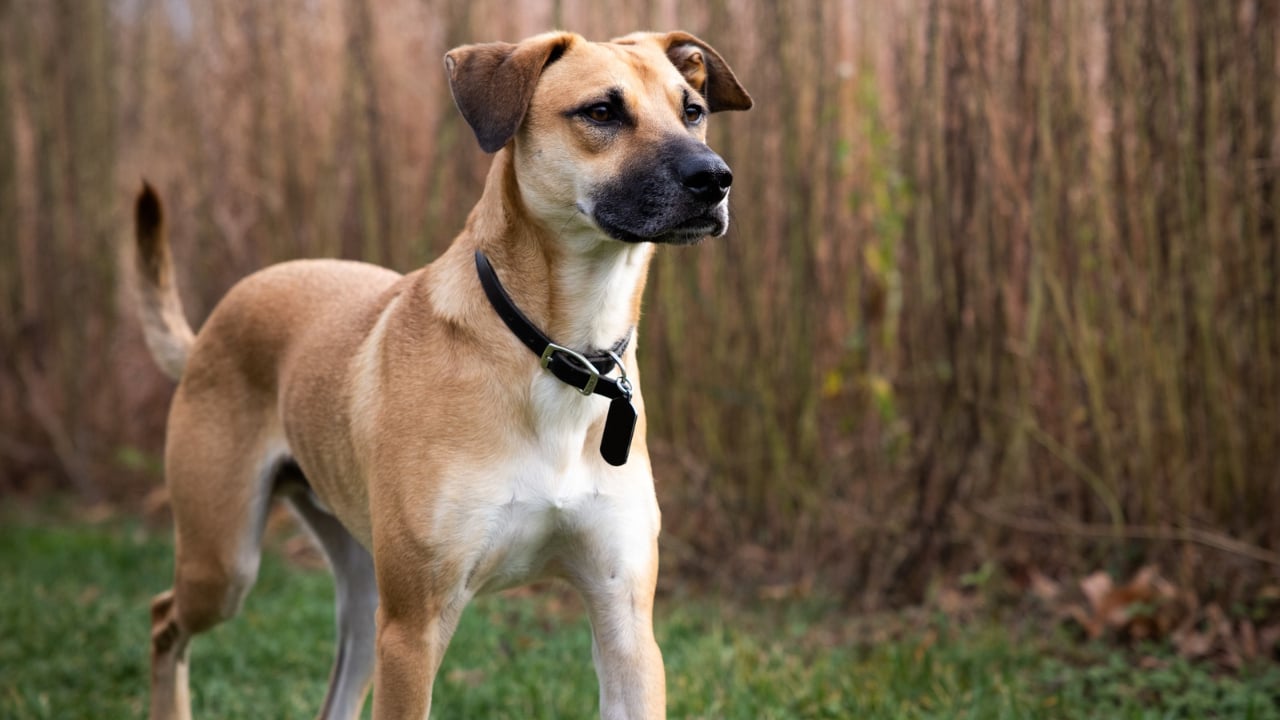
Black Mouth Curs were developed as practical rural dogs capable of handling several jobs. Hunting hogs, treeing game, moving livestock, and watching property all fit within the breed’s traditional role.
That versatility makes them especially useful on farms where one dog needs to do more than one thing. They tend to be athletic, bold, and strongly bonded to their people. Many have enough drive to become difficult if they spend all day in a small yard, but give them room and work and they usually settle into their purpose quickly.
Catahoula Leopard Dog
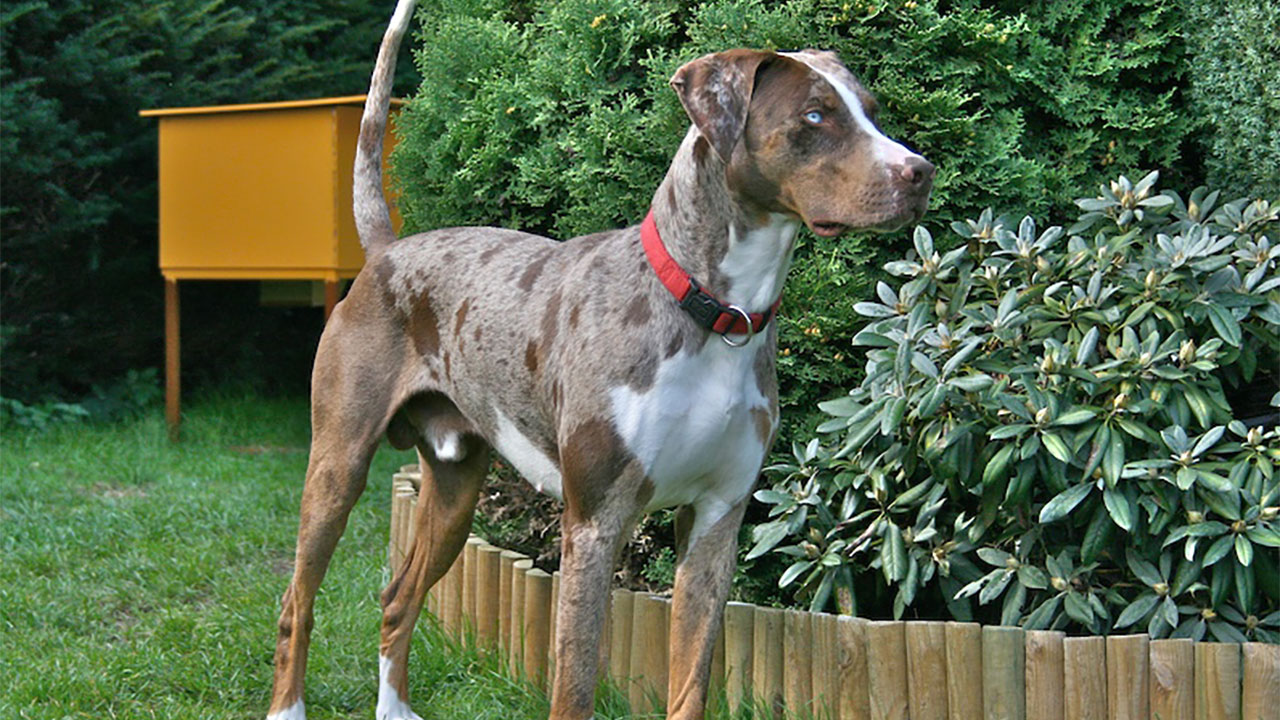
Catahoulas were built for rough work, especially involving livestock and hogs. They needed enough grit to stand their ground, enough speed to cover difficult terrain, and enough intelligence to work independently.
That combination can make them challenging in ordinary homes. They are often strong-willed and highly aware of what is happening around them. On a farm or hunting property, those traits become useful. Catahoulas are not decorative dogs with unusual coats. They are working animals whose appearance just happens to attract attention.
Plott Hound

Plott Hounds were developed for serious big-game hunting, particularly bear and hogs. Following large game through rough country demands nose, endurance, courage, and a willingness to stay with the chase.
Plotts tend to have more intensity than many softer hounds. They are athletic, persistent, and capable of working for long periods in difficult conditions. Their independence can make them challenging around the house, but that same trait matters when a dog is working well ahead of the hunter. They are built to pursue a job until it is finished.
Treeing Walker Coonhound

Treeing Walkers were made for speed and efficiency in the woods. They can strike a track, move it quickly, and stay with game until it trees, all while working well away from the handler.
That style requires independence and huge stamina. A Walker may cover far more ground than someone unfamiliar with hounds expects, which is why proper tracking systems and training matter. Around home, many can be surprisingly relaxed. Once hunting starts, though, the switch flips. Their entire body language changes because the work is what they were bred to do.
German Wirehaired Pointer
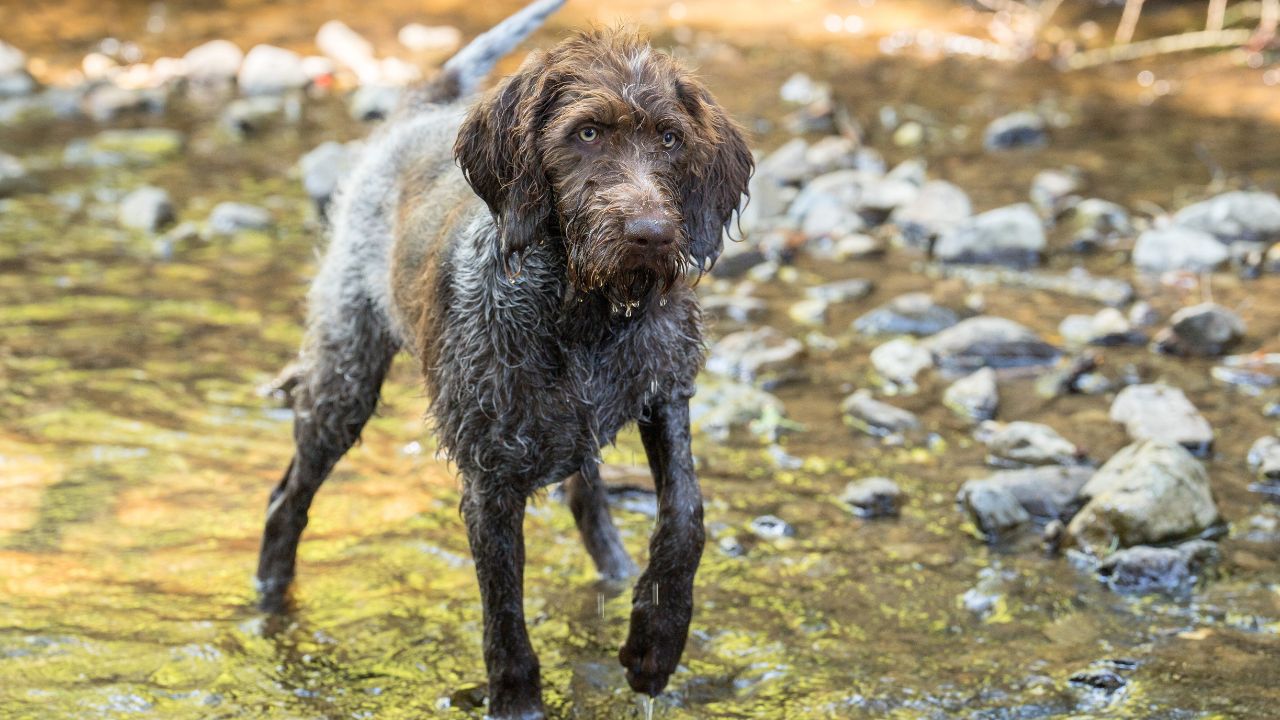
German Wirehairs were designed to handle multiple hunting jobs rather than specialize in one. Pointing, retrieving, tracking, and water work all fall within the breed’s wheelhouse.
Their harsh coats protect them in rough cover, while their physical toughness lets them work in weather that would discourage softer sporting dogs. They also tend to have more edge than some bird-dog breeds, which helps when tracking or handling furred game. If you want one hunting dog capable of doing several things well, the Wirehair is one of the clearest examples of a breed born for work.
Chesapeake Bay Retriever
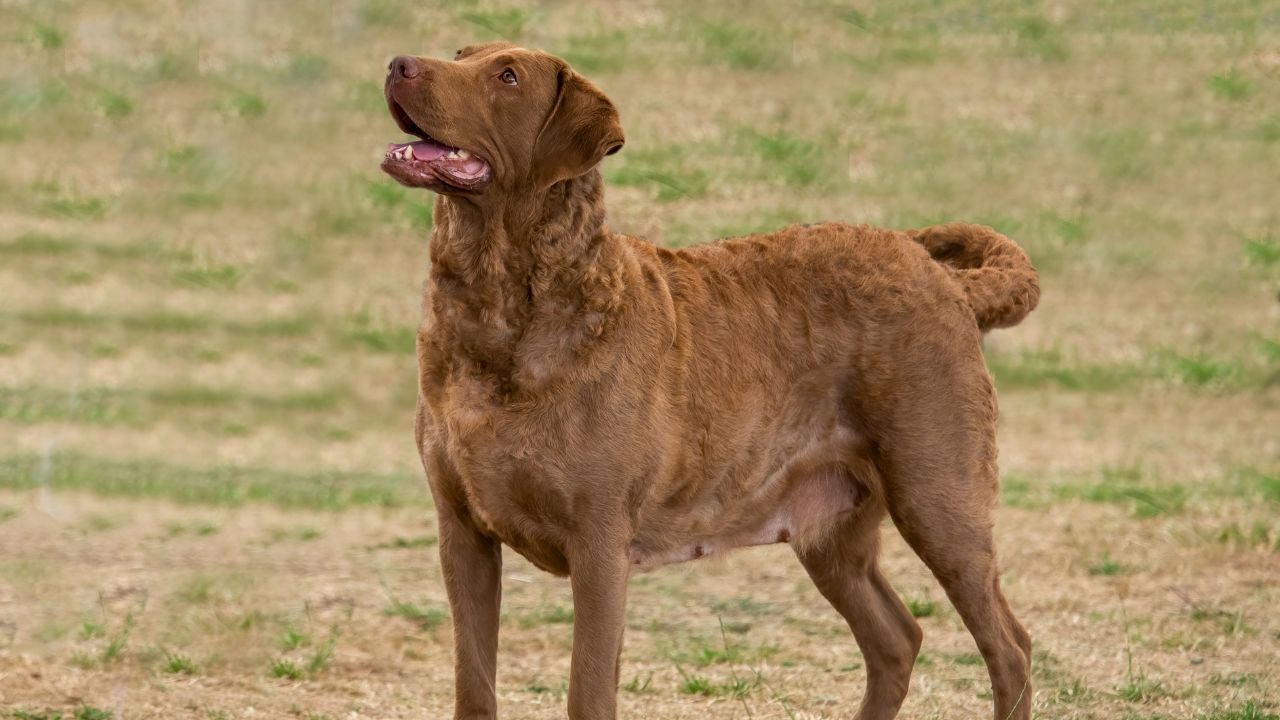
Chesapeakes were developed to retrieve waterfowl in cold, rough conditions where a soft or lightly built dog would struggle. Heavy coats, strong bodies, and determination were essential.
That working background gives the breed a more serious personality than many people expect from a retriever. They can be protective, independent, and less eager to greet every stranger than a typical Lab. In freezing water or nasty weather, though, that toughness becomes a major advantage. A good Chessie will keep retrieving long after easier conditions are gone.
Jack Russell Terrier
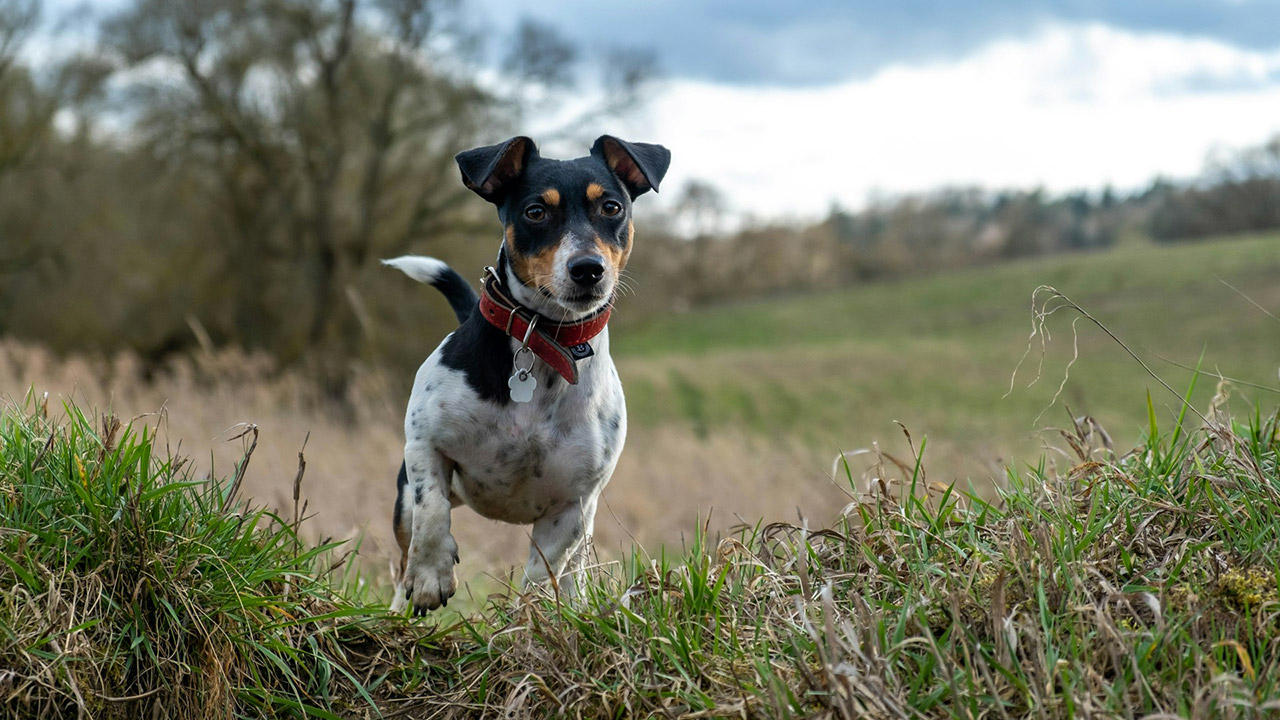
Jack Russells were bred to pursue quarry into tight places, and the intensity required for that job is still very much present. They may be small, but they do not think small.
These dogs are quick, fearless, persistent, and constantly looking for something to chase. Digging, barking, and strong prey drive are all part of the package. That can make them exhausting pets for people who expected an easy little companion. Give one vermin control, barn work, or structured activity, and the same behavior suddenly looks far more useful.
Rat Terrier
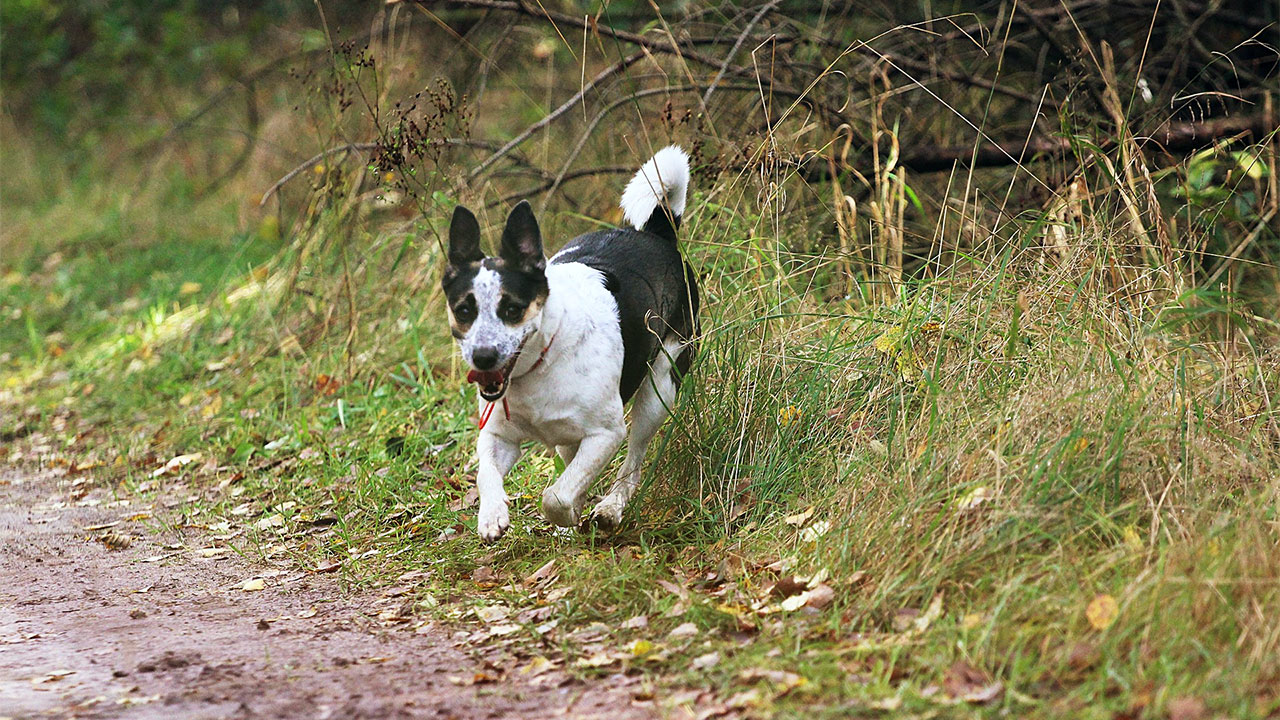
Rat Terriers were developed to control vermin around farms, barns, and homes, and they remain excellent at that job. They are quick enough to catch rodents and alert enough to notice activity that larger dogs may ignore.
Their compact size makes them practical around equipment, feed rooms, and tight spaces where a big farm dog would be awkward. They are also easier to live with than some harder terrier breeds while still carrying serious prey drive. On a working farm, a good Rat Terrier can quietly save feed, protect storage areas, and keep pest numbers down without needing much fanfare.
Like The Avid Outdoorsman’s content? Subscribe to our newsletter so you never miss an article.
Here’s more from us: