Photo credit: Let's Shoot It/YouTube
The worst time to discover you really wanted a gun is after everybody else reaches the same conclusion. Models that once sat untouched in pawn shops suddenly become collector targets, discontinued rifles start bringing premium money, and yesterday’s cheap surplus gun turns into something owners refuse to sell.
Most of the guns on this list were not obvious investments when they were affordable. That is exactly the point. They were shooters first, and plenty of people assumed there would always be another one available later. Today, the owners who bought early look pretty smart, while everyone else gets to remember the prices they could have paid.
Marlin Model 444

The Model 444 spent years living behind the much more famous .45-70. Shooters who wanted a big-bore lever gun often walked straight past the .444 Marlin chambering because ammunition was less common and the cartridge never received the same cultural attention.
That made the rifles relatively easy to ignore when good used examples were plentiful. Once older Marlins became more desirable and big-bore lever guns took off again, that changed quickly. A clean Model 444 now has appeal from several directions: classic Marlin construction, a distinctive cartridge, and a configuration that was never produced in numbers comparable with more mainstream deer rifles. Passing on a nice one because another would surely appear later turned out to be a bad assumption.
Winchester Model 70 Pre-64 Standard Rifle
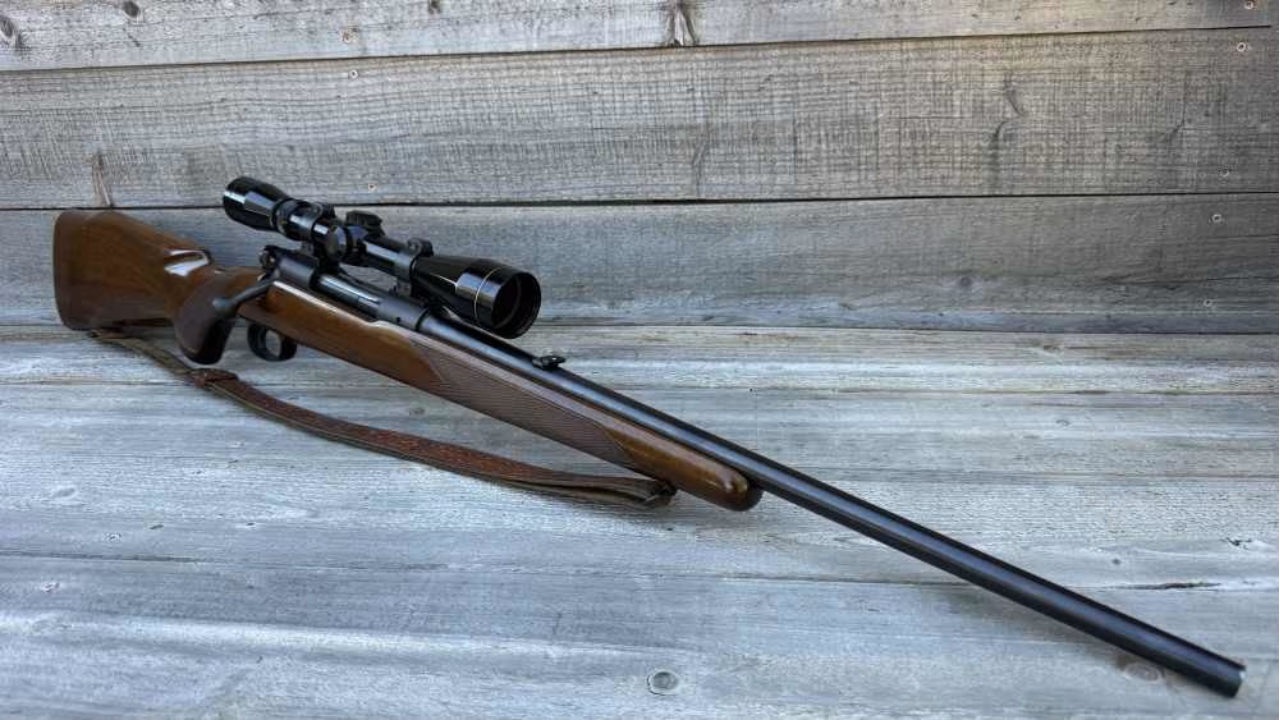
There was a period when an old Model 70 was simply an older hunting rifle. Plenty had been drilled, rebarreled, restocked, or carried hard enough that nobody thought twice about using one for another deer season.
Collectors eventually became much more serious about original pre-1964 rifles. Suddenly details such as chambering, stock condition, sights, finish, and untouched factory configuration mattered tremendously. Owners who bought clean examples before the broader market fully recognized them ended up with rifles that became considerably harder to duplicate. These were never truly cheap rifles, but the prices people remember passing on look very different now.
Remington Model 700 Classic
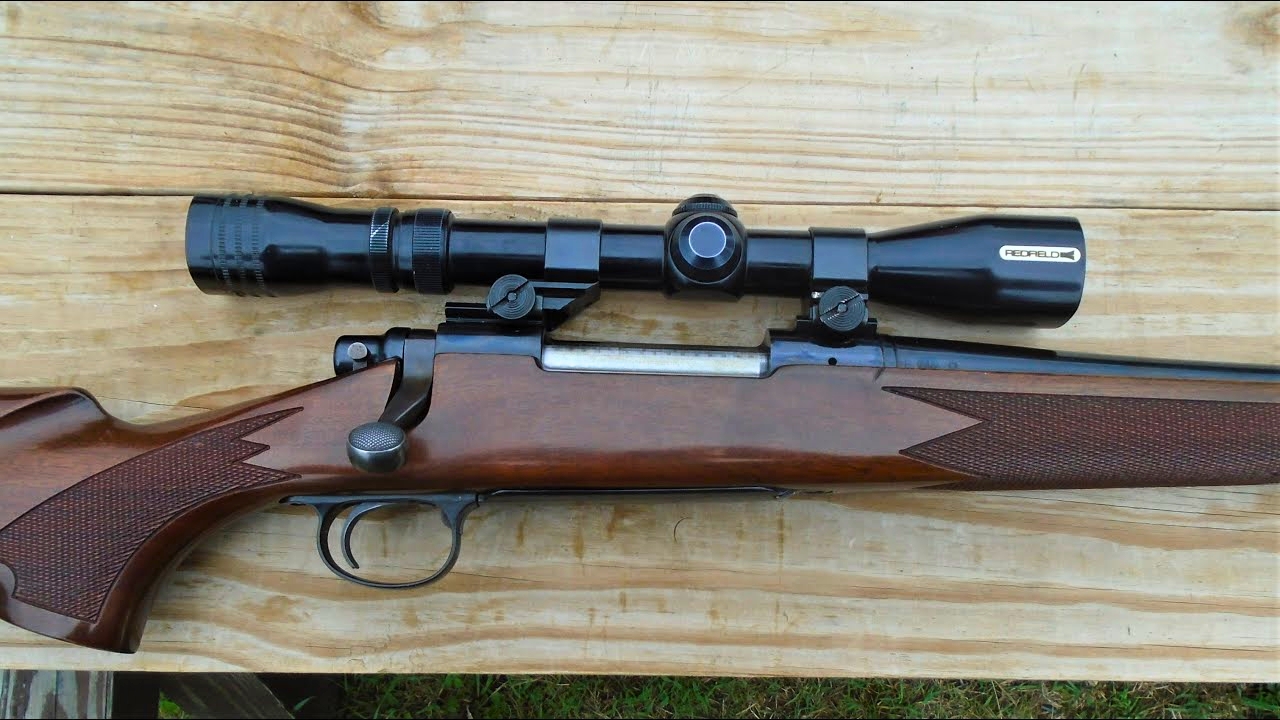
The Model 700 Classic was easy to underestimate because it looked like another walnut-stocked Remington bolt gun during an era when those were everywhere.
The important difference was that Remington produced the Classic in changing chamberings and configurations, giving collectors plenty of variations to chase later. Owners also used them as hunting rifles rather than preserving them like limited-production collectibles. That means clean original examples in desirable chamberings are considerably more interesting today. Plenty of shooters probably remember seeing one at an ordinary used-rifle price and assuming there would always be another.
Ruger No. 1 International
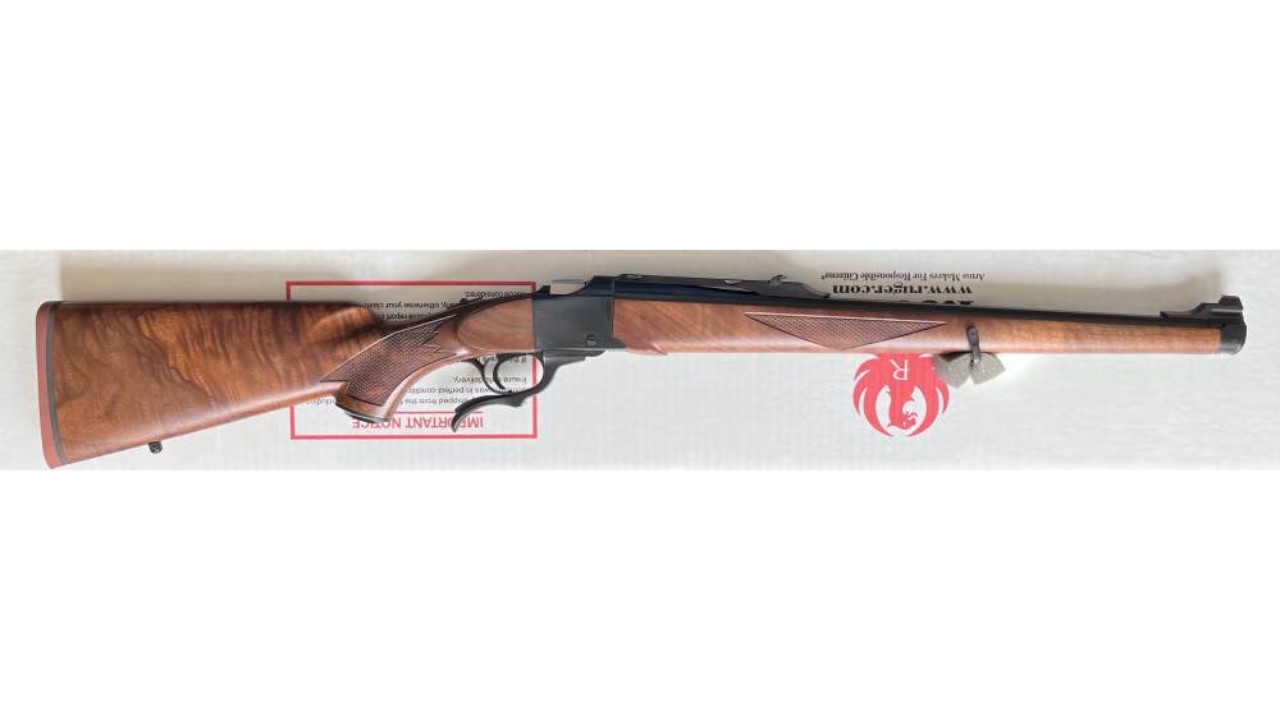
The No. 1 was always a premium single-shot rifle, but the International version with its full-length Mannlicher-style stock had a particularly distinctive look.
For years, buyers could treat them primarily as unusual hunting rifles. Now collectors pay much closer attention to chamberings, production periods, wood, and configurations across the entire No. 1 family. The International stands out immediately because nothing else in Ruger’s modern catalog really replaces it. Owners who bought when these were simply attractive used rifles avoided the much tougher search that comes with wanting one now.
Sako L61R Finnbear

Older Sakos once occupied a strange place on the used market. Experienced hunters knew they were excellent, but many buyers still focused primarily on Winchester, Remington, and Ruger.
That left rifles like the L61R Finnbear available for prices that look very appealing in hindsight. The smooth action, excellent machining, and traditional stock work have aged beautifully. As more shooters began appreciating vintage European sporting rifles, good Finnbears started disappearing into collections. The rifles did not suddenly get better. The market simply caught up to how good they already were.
Weatherby Mark V German-Made Rifles

Older German-made Mark Vs were once simply used Weatherbys. They were expensive rifles when new, but decades of use meant many entered the secondary market at prices that seemed reasonable compared with current premium rifles.
Collectors eventually began separating German production, Japanese production, chamberings, stock styles, and condition much more carefully. High-quality original rifles now carry an appeal that goes beyond pure hunting performance. If you passed on a clean German Mark V because another Weatherby would work just as well, you may have been correct functionally. You probably were not correct financially.
Browning Safari Grade Bolt Action
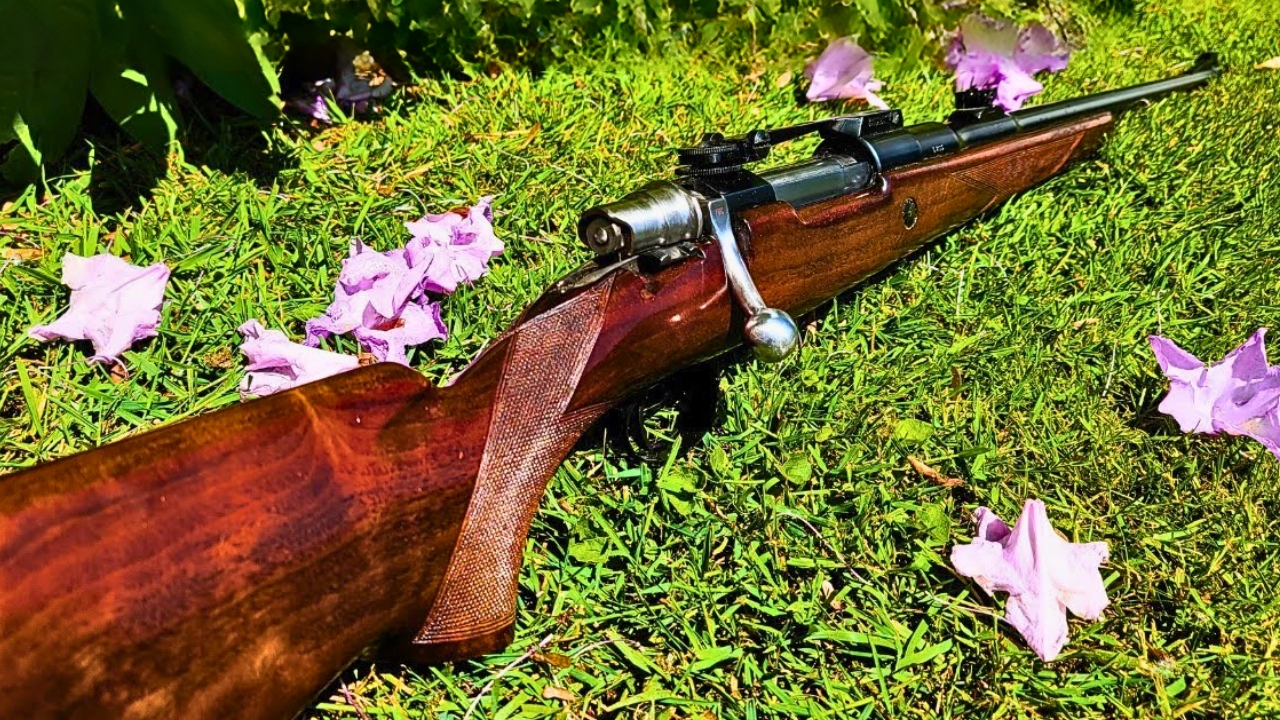
The Browning Safari rifles built on FN Mauser actions once seemed like very nice but fairly conventional hunting rifles.
Time changed the comparison. Deep bluing, quality walnut, controlled-round-feed actions, and old-school Belgian production now stand out sharply from the average modern rifle. Many were hunted hard, which makes excellent original examples more desirable. Owners who bought them before vintage Browning prices strengthened were getting craftsmanship that would be extremely expensive to reproduce today.
Remington Model 788 Carbine

The Model 788 was originally supposed to be the affordable Remington. That old budget reputation lingered for years after production stopped.
Shooters eventually figured out that these rifles frequently shot extremely well, and certain short-barreled or less-common configurations became particularly desirable. The irony is hard to miss. A rifle designed to sit below the Model 700 in price can now command enough money that nobody would call a clean example a cheap backup rifle. Owners who bought when they still were cheap got one of the better bargains in old Remingtons.
Winchester Model 1907
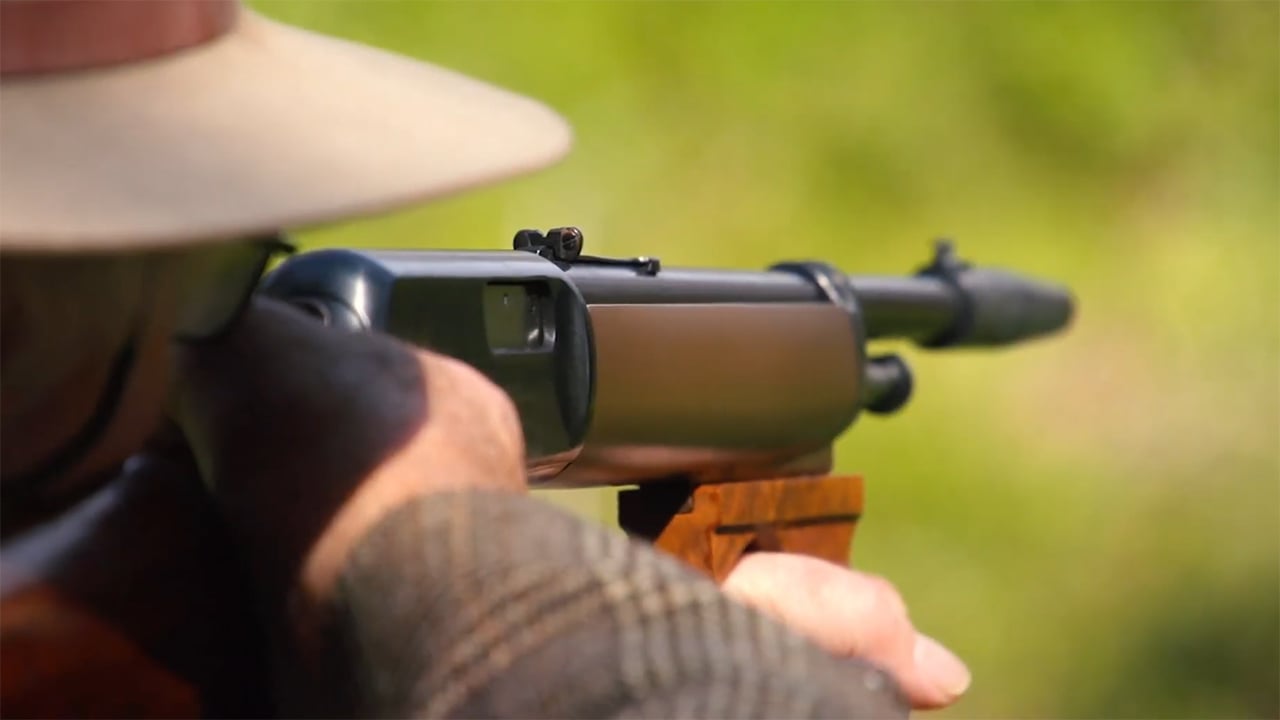
The Model 1907 spent years as an odd old semiautomatic chambered for .351 Winchester Self-Loading, a cartridge that hardly encouraged casual modern shooting.
That kept practical demand modest. Collector demand is a different matter. The rifle represents an early period of American semiautomatic centerfire development and has enough police and historical associations to make it far more interesting than its outdated cartridge suggests. Clean rifles that once looked like obsolete curiosities now attract buyers who understand exactly what they are.
Marlin Model 375
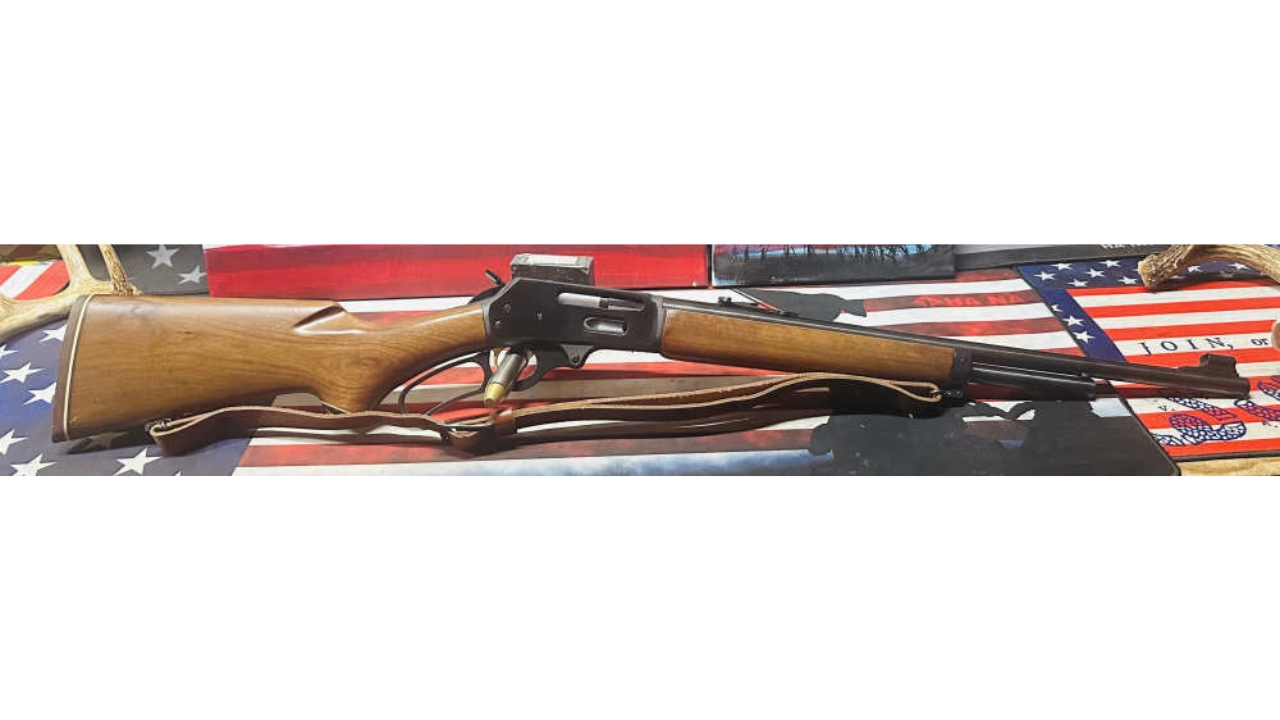
The Model 375 never enjoyed the fame of the 336 or larger-bore Marlins. Chambered in .375 Winchester, it occupied a small niche even while it was available.
That is exactly what makes it painful for anyone who wants one now. Production was limited enough that there is no endless supply waiting on used racks, while interest in unusual Marlin chamberings has increased dramatically. The owners who grabbed them when they were simply oddball lever guns now have something that can be surprisingly difficult to replace.
Remington Model 1100 28 Gauge

The Model 1100 itself was everywhere. The 28-gauge versions were another story.
For years, small-gauge autoloaders appealed mostly to dedicated bird hunters and clay shooters, which kept them outside the mainstream 12-gauge market. As interest in classic small-gauge shotguns grew, clean 28-gauge 1100s became much more desirable. A gun that once seemed unnecessarily specialized now looks like one of the most appealing versions of an American classic.
Browning Citori Lightning 16 Gauge
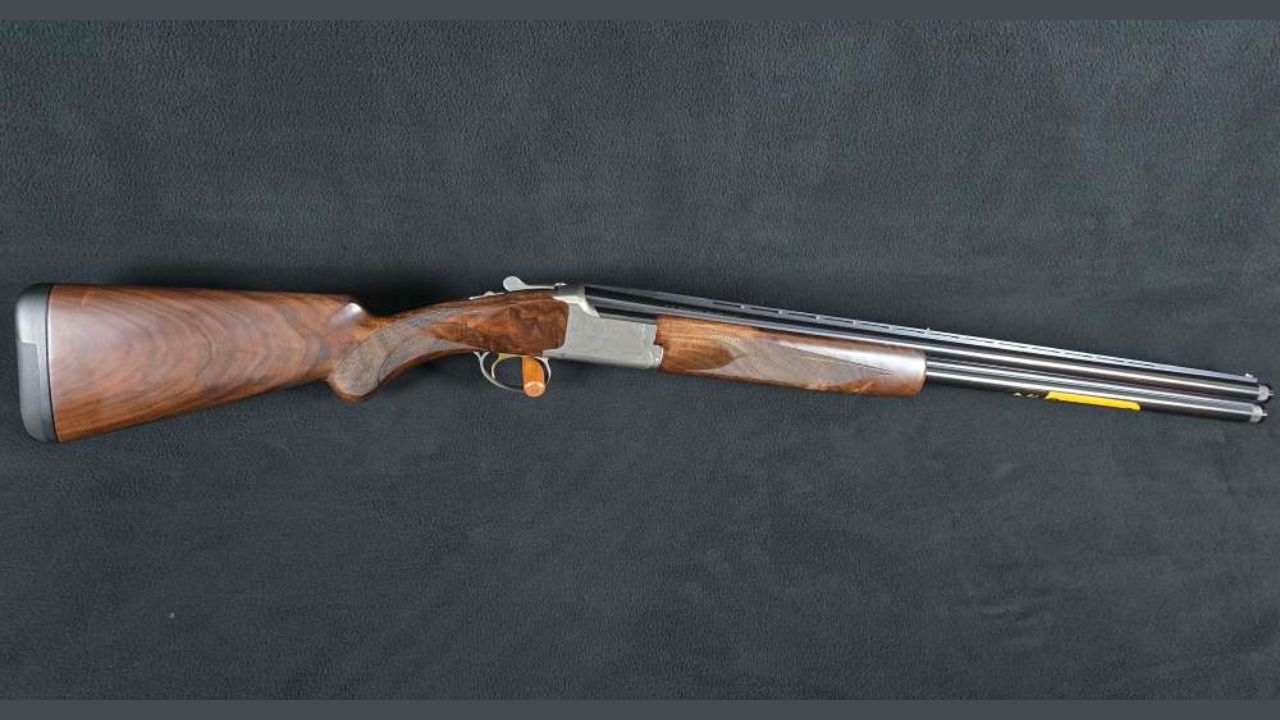
A 16-gauge over-under was never going to outsell 12s and 20s, and that limited audience once helped keep used examples relatively approachable.
Then the 16 gauge developed a stronger enthusiast following, while certain Browning configurations became less routine. The Lightning’s traditional lines and quick handling only add to the appeal. Owners who bought one when the 16 was still considered an outdated middle child now have a shotgun plenty of people wish they had picked up at yesterday’s prices.
Ithaca Model 37 16 Gauge
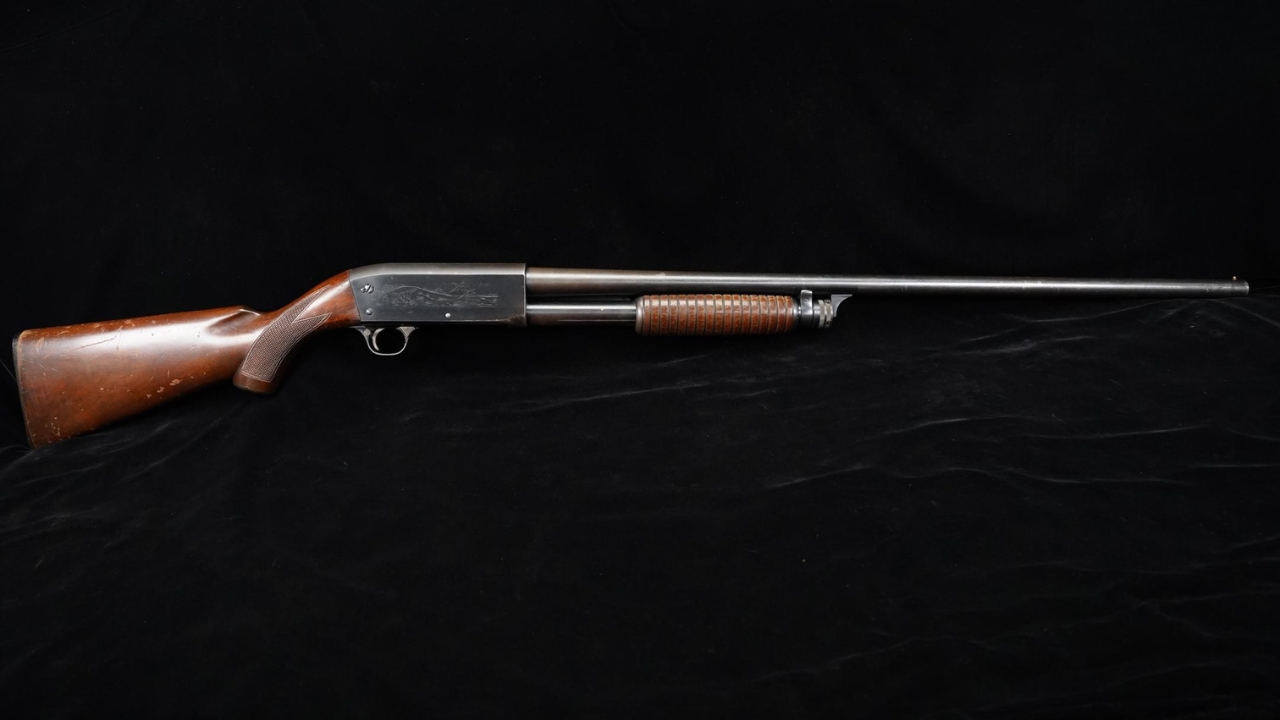
The Model 37 is already one of America’s great pump shotguns, but older 16-gauge versions have become particularly attractive.
They were light, quick, and built during a period when the 16 was still a normal field gauge. Plenty were hunted hard because nobody thought a basic pump gun needed preservation. Today, an original example with good wood and minimal modifications can be much tougher to locate. The guys who bought them when old Ithacas were simply inexpensive field guns had the right idea.
Colt New Frontier .22
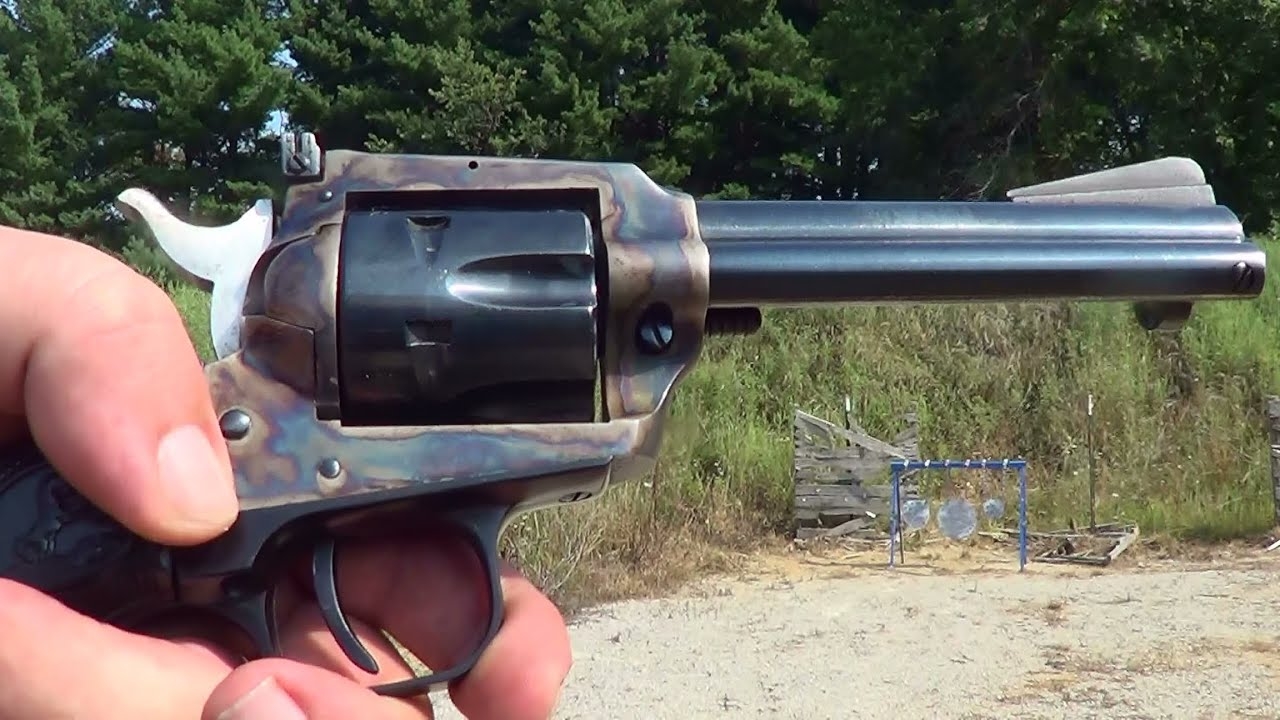
The little New Frontier rimfires once lived in the shadow of Colt’s larger centerfire single actions. They were fun .22s carrying the Colt name, but not necessarily guns people treated like serious collectibles.
That was before virtually every discontinued Colt revolver started receiving more attention. Clean New Frontier .22s combine inexpensive shooting, classic styling, and Colt collector appeal in a way that has become increasingly difficult to find cheaply. Owners who bought these as ordinary rimfire revolvers ended up with something much more desirable than expected.
Smith & Wesson Model 43 Kit Gun
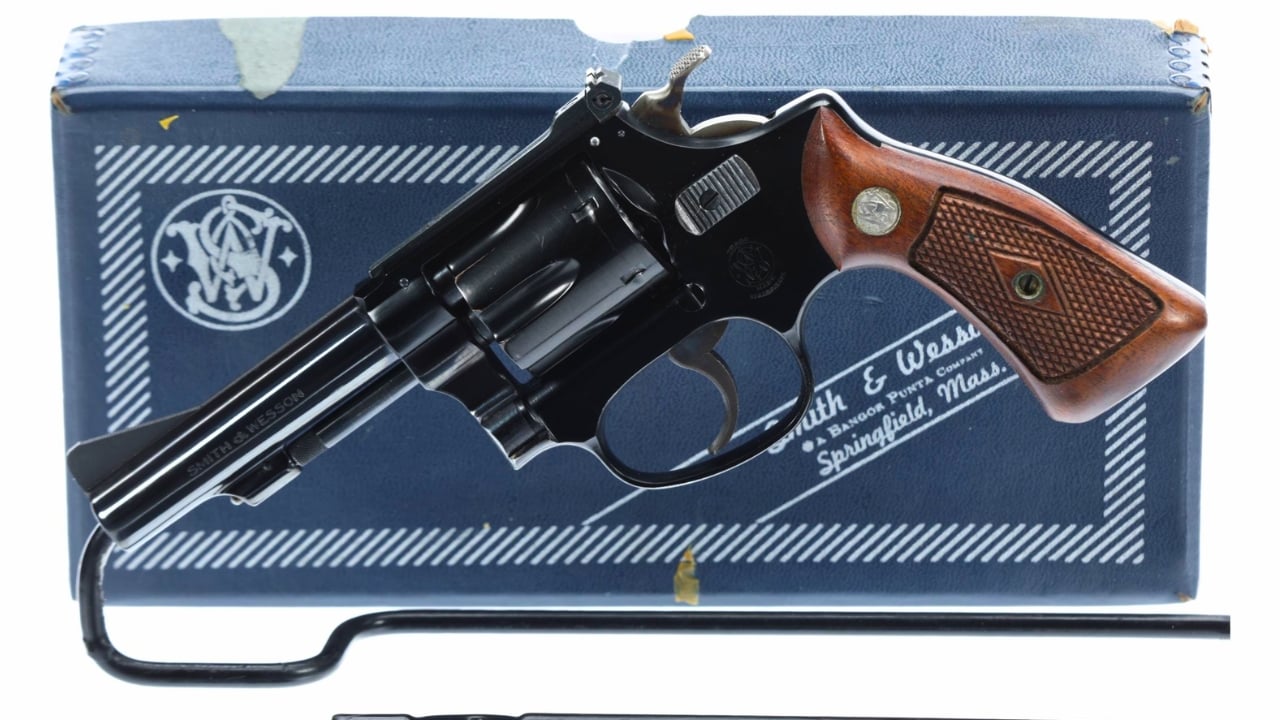
The Model 43 was built to be carried, not protected. Its lightweight construction and .22 LR chambering made it exactly the kind of revolver someone might throw into a fishing bag or carry around camp.
That treatment did not help the supply of clean guns. As interest in older Smith & Wesson Kit Guns grew, sharp Model 43s became much more desirable. What once seemed like a modest little rimfire now combines classic J-frame dimensions, Airweight construction, and discontinued configuration. Owners who bought clean examples before collectors started caring avoided a much more expensive hunt.
Colt Courier
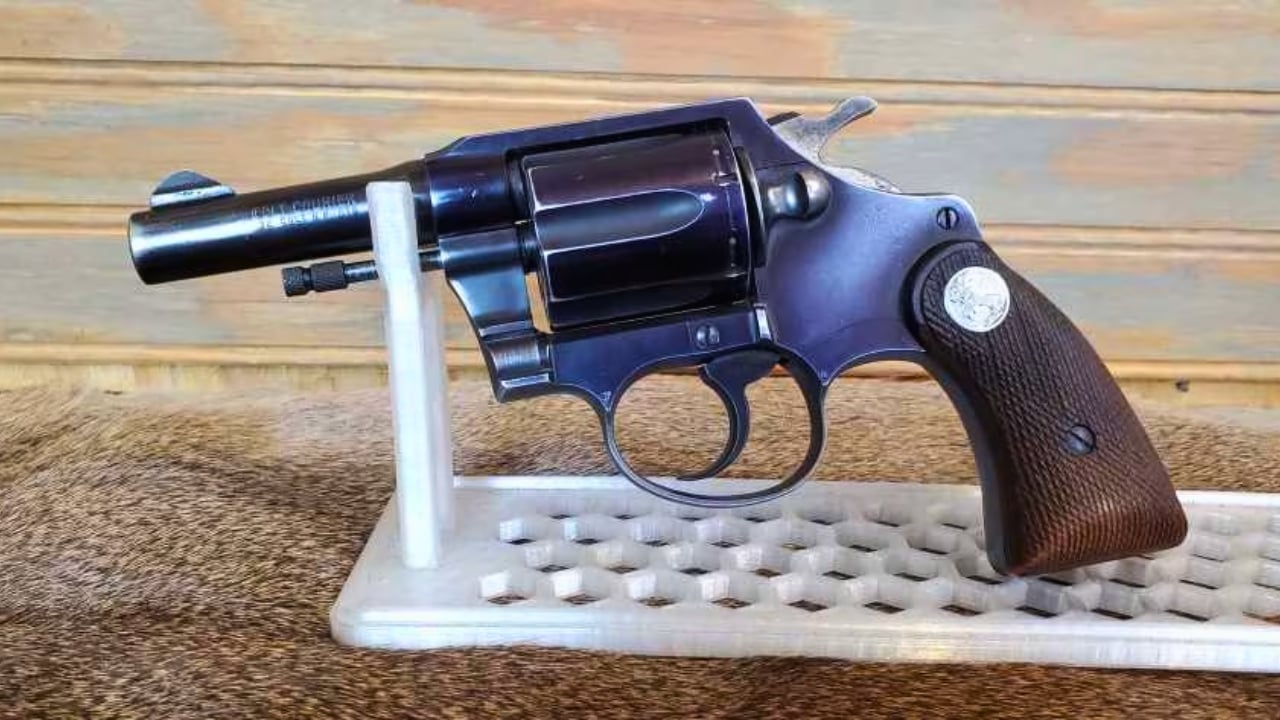
The Courier is one of those lesser-known Colt revolvers that remained relatively affordable because casual buyers often did not know what it was.
That obscurity could only last so long. Once Colt collectors began digging beyond the famous models, less-common factory chamberings and short-lived variants naturally received more attention. A clean Courier now has exactly the ingredients that drive collector interest: recognizable manufacturer, relatively small supply, and a configuration that cannot simply be replaced with a current-production gun.
Smith & Wesson Model 940
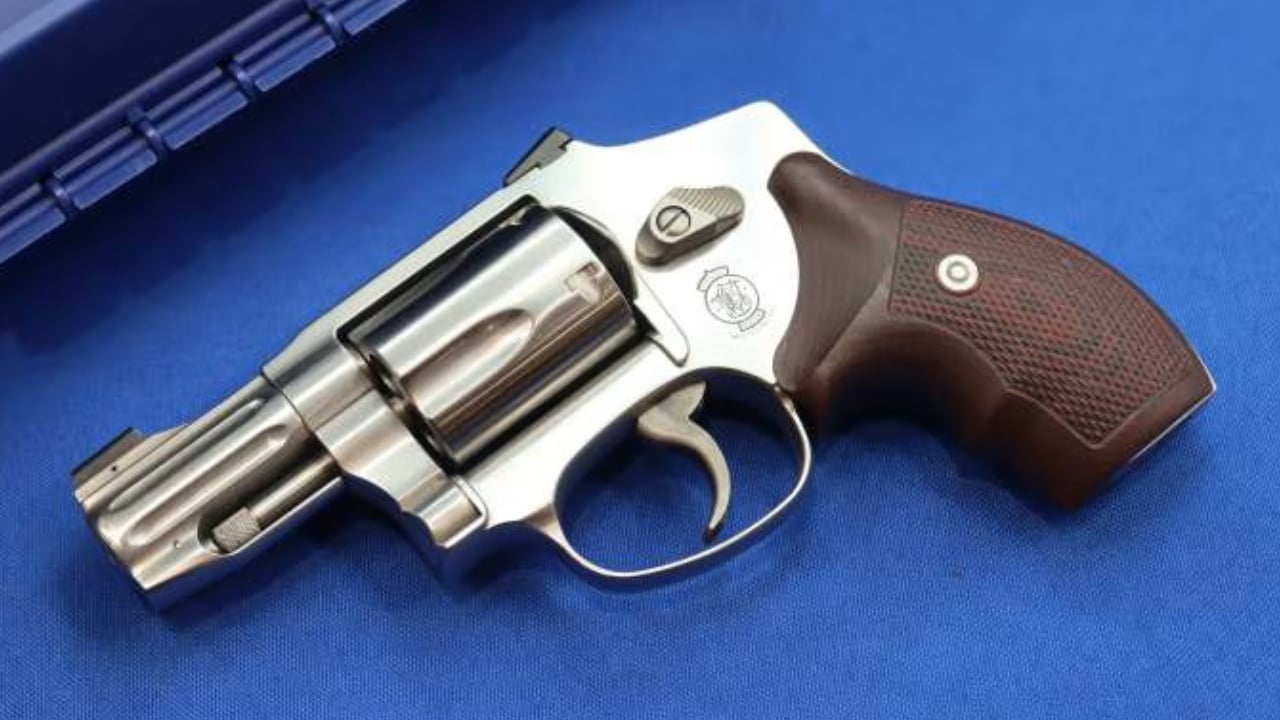
The Model 940 was a small 9mm Centennial-style revolver produced before compact 9mm semiautomatics completely took over concealed carry.
For years, it was an unusual little Smith rather than a particularly hot collectible. Then people realized Smith was no longer making this exact combination and that relatively few clean examples were circulating. The 9mm chambering gives it another layer of interest, especially among collectors who like unusual J-frame variations. The cheap-buy window closed before many shooters even noticed it was open.
Ruger Bisley .32 H&R Magnum

The .32 H&R Magnum Bisley was never a mass-market Ruger. It appealed to a fairly specific group of single-action and small-bore revolver shooters.
That limited appeal also meant production was not endless. As interest in .32-caliber revolvers increased, specialized Ruger configurations became far more interesting. The Bisley grip and chambering make this version especially distinctive. Anyone who grabbed one back when it looked like another niche Ruger now owns a revolver that is far more troublesome to replace.
Freedom Arms Model 97 .22 LR

Freedom Arms is best known for serious centerfire revolvers, so a premium Model 97 rimfire once seemed like an extravagant way to shoot .22 LR.
That perspective changes once you consider production numbers and the kind of buyer willing to order one. High-quality specialty revolvers rarely flood the used market because owners tend to keep them. A rimfire Freedom Arms also offers a shooting experience very different from inexpensive .22 revolvers. Anyone who bought before premium revolver prices moved higher probably has little reason to let it go.
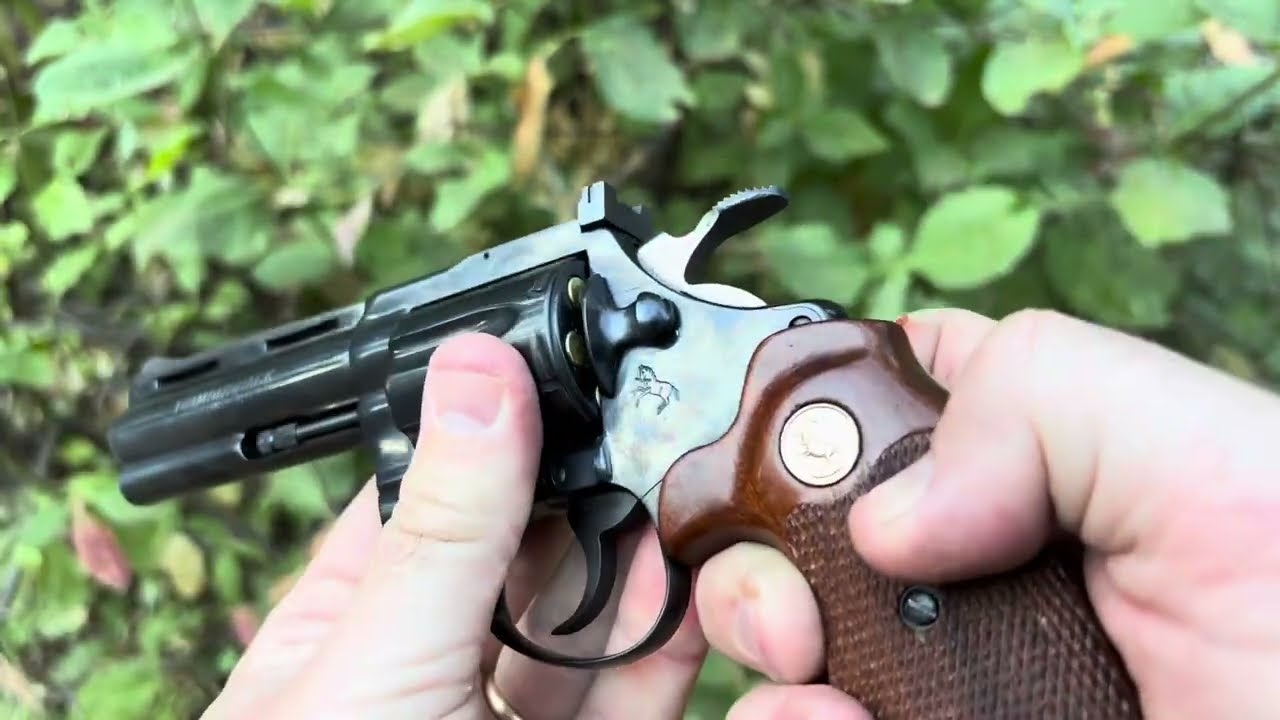
Colt Diamondback .22 LR
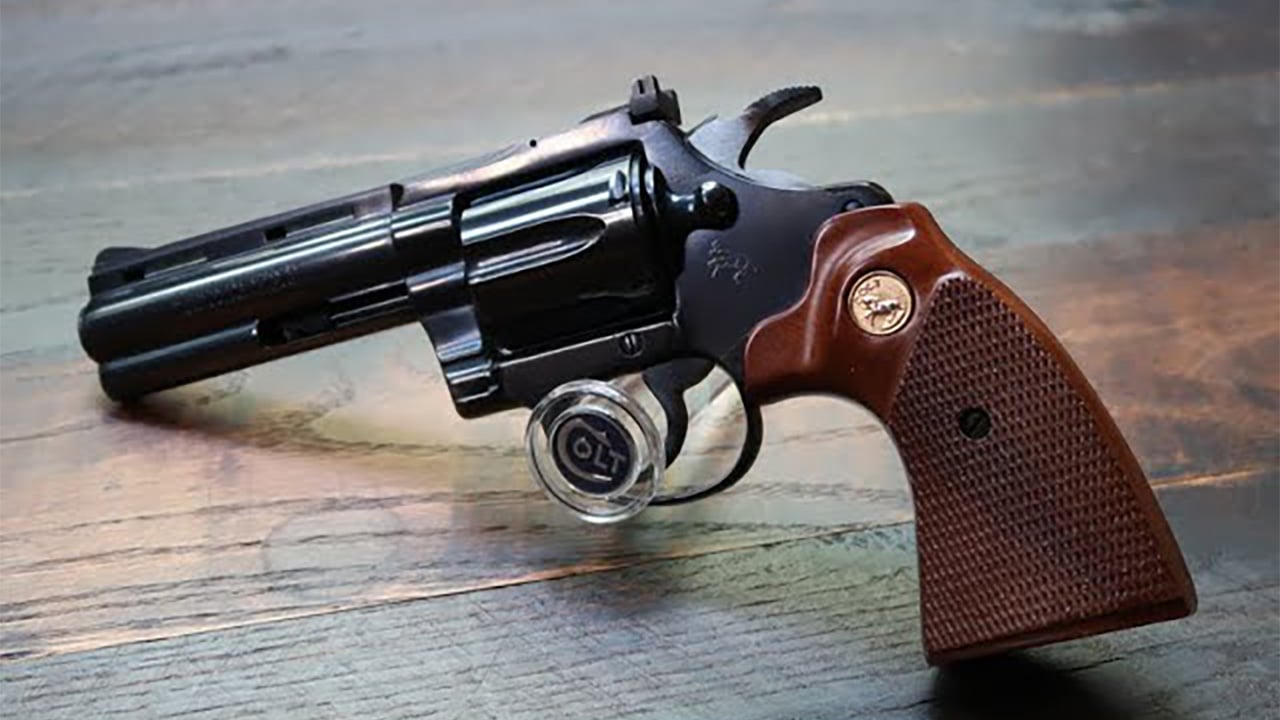
The Diamondback used to be the Colt revolver people bought when they wanted something nice but did not need a Python.
The .22 versions were especially easy to treat as shooters. Owners fired them constantly because .22 LR was cheap and the revolver was exceptionally pleasant to use. Collector demand eventually caught up, and the Diamondback name became much more valuable across chamberings. The shooters who bought .22 Diamondbacks when they were merely good rimfire revolvers probably wish they had bought two.
Like The Avid Outdoorsman’s content? Subscribe to our newsletter so you never miss an article.
Here’s more from us: