Photo credit: Moxy423 (Eugene Jankowski Jr)/YouTube
For years, the revolver market looked like it was shrinking into a handful of familiar categories: lightweight carry guns, big hunting magnums, and expensive collector pieces. Everything in the middle seemed to lose ground to higher-capacity semiautomatics.
That is starting to change. Shooters are rediscovering steel frames, smooth double-action triggers, unusual cartridges, and guns that feel completely different from another polymer 9mm. Some of these revolvers were ignored because they looked outdated. Others simply arrived before the current renewed interest in wheelguns. These 20 deserve another look.
Smith & Wesson Model 681
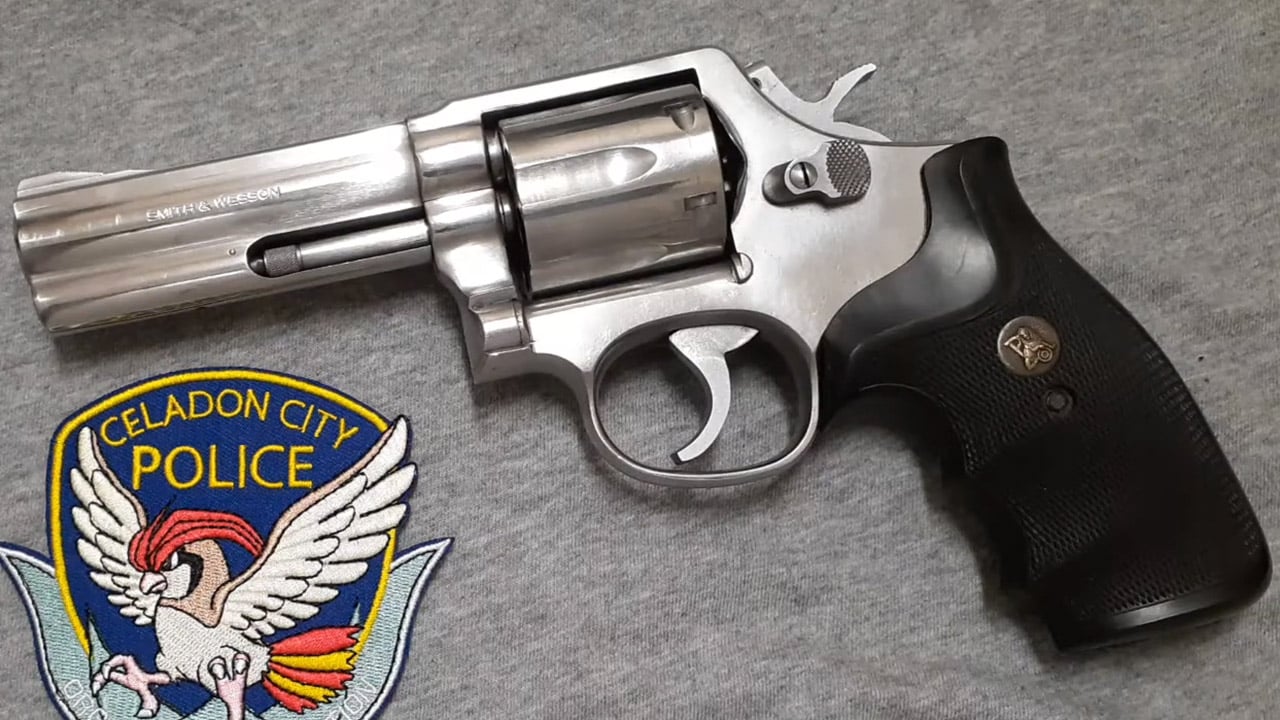
The Model 681 is basically the fixed-sight counterpart to the better-known adjustable-sight L-frame .357s, and that plain working-gun configuration kept it out of the spotlight for years.
Modern buyers are starting to appreciate exactly what made it boring. The L-frame gives .357 Magnum enough weight to remain manageable, fixed sights are rugged, and the stainless construction suits a revolver intended to be carried rather than admired. It has the proportions of a serious service gun without the bulk of larger hunting revolvers. For someone who wants an old-school .357 that can still be used hard, the 681 makes a lot of sense.
Ruger SP101 .327 Federal Magnum
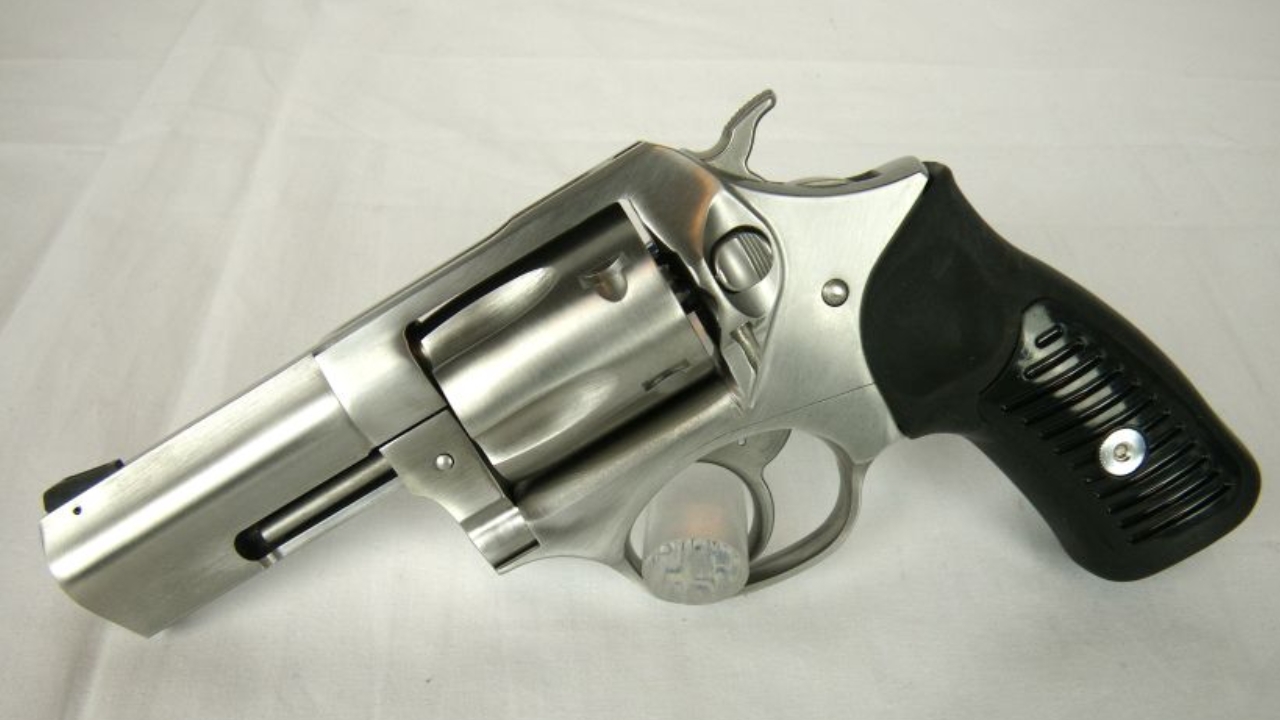
The SP101 is familiar, but the .327 Federal version has become much more interesting as shooters rediscover smaller-bore magnum cartridges.
You get an extra round compared with many similarly sized .357 revolvers, along with the ability to shoot several compatible .32-caliber loads. That gives the gun a huge range of recoil and performance. The SP101’s stout frame also makes even the hotter ammunition easier to manage than it would be in an ultralight revolver. Modern shooters looking beyond the usual .38 and .357 choices are beginning to understand why this version has such a loyal following.
Colt Metropolitan Mk III
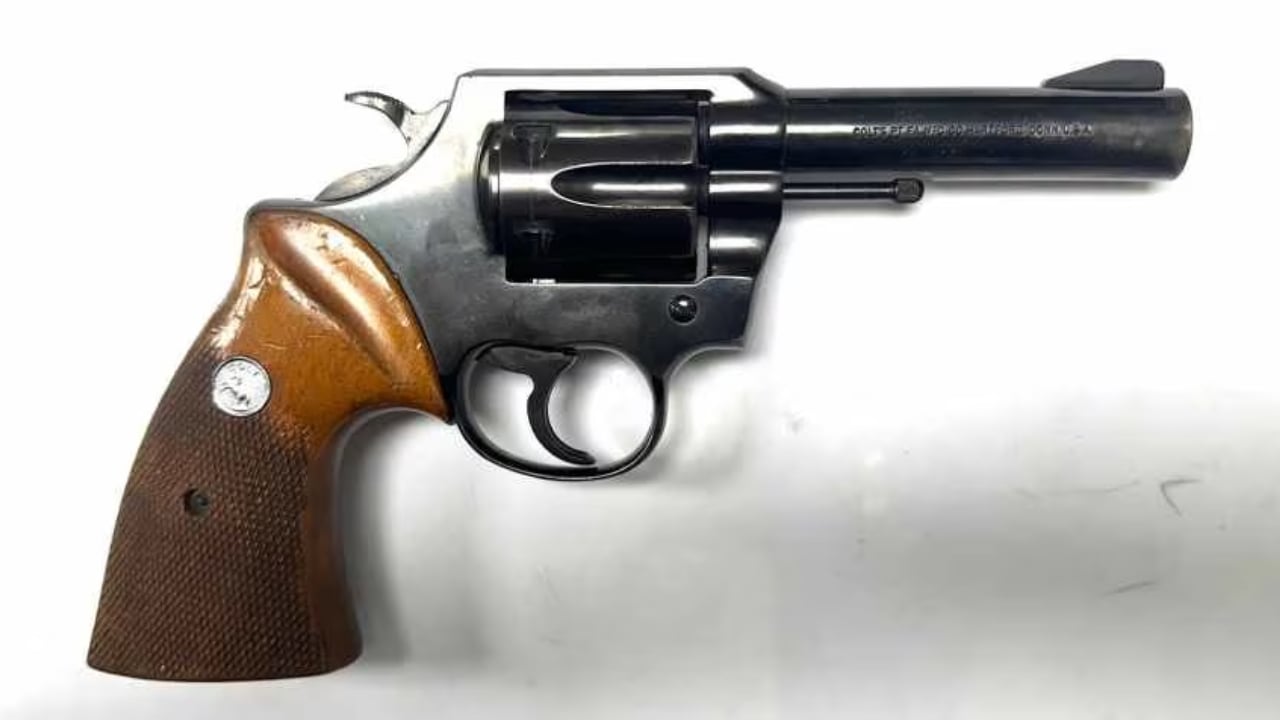
The Metropolitan Mk III spent most of its life overshadowed by more famous Colt revolvers, which kept it out of the conversation for decades.
That is precisely why buyers are looking harder now. It has classic Colt proportions, a substantial frame, and the kind of old production character people increasingly seek without immediately stepping into snake-gun pricing. As collectors and shooters dig deeper into Colt’s less-famous catalog, models like the Metropolitan are finally getting separated from the generic category of “old Colt revolver.”
Ruger Blackhawk .30 Carbine
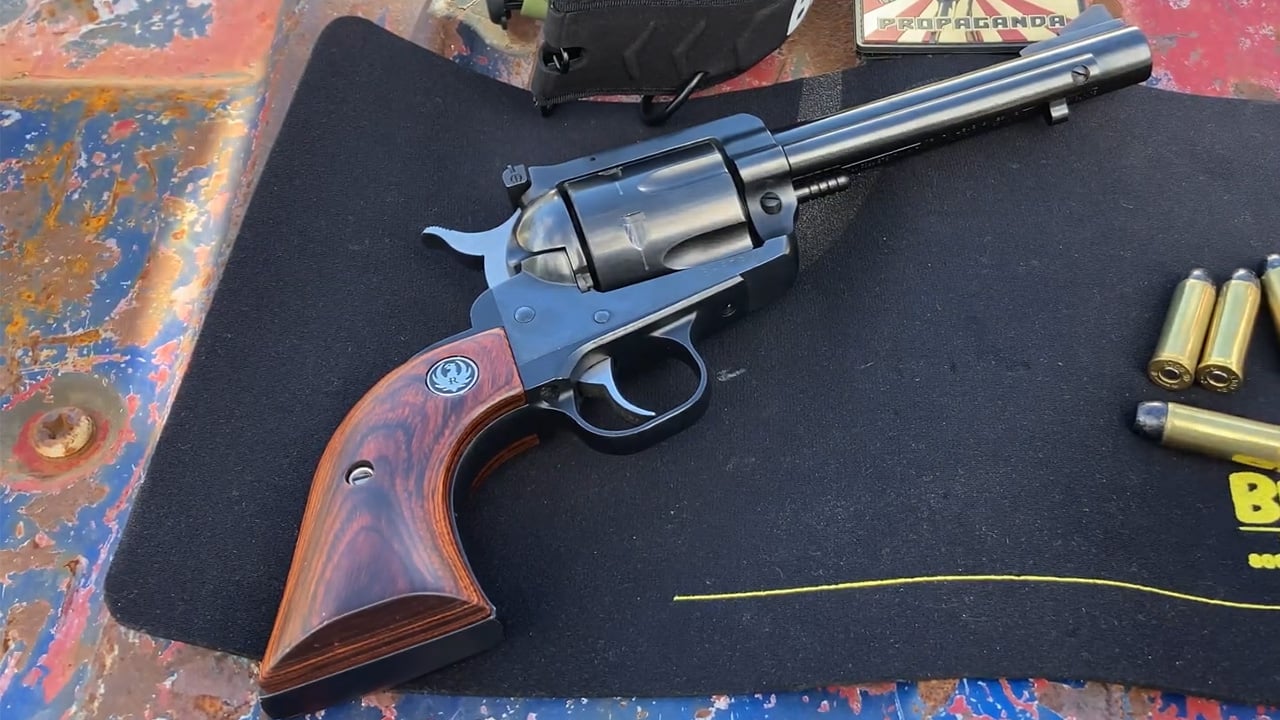
A revolver chambered for .30 Carbine sounds strange now and probably sounded strange when Ruger introduced it.
That oddness is becoming the appeal. It produces serious velocity, an enormous muzzle blast, and a shooting experience that cannot be duplicated with another ordinary .357. Modern buyers increasingly appreciate unusual factory chamberings, especially when the gun itself is built on Ruger’s strong single-action platform. It is loud, specialized, and completely unnecessary, which is exactly why people remember it after shooting one.
Smith & Wesson Model 547
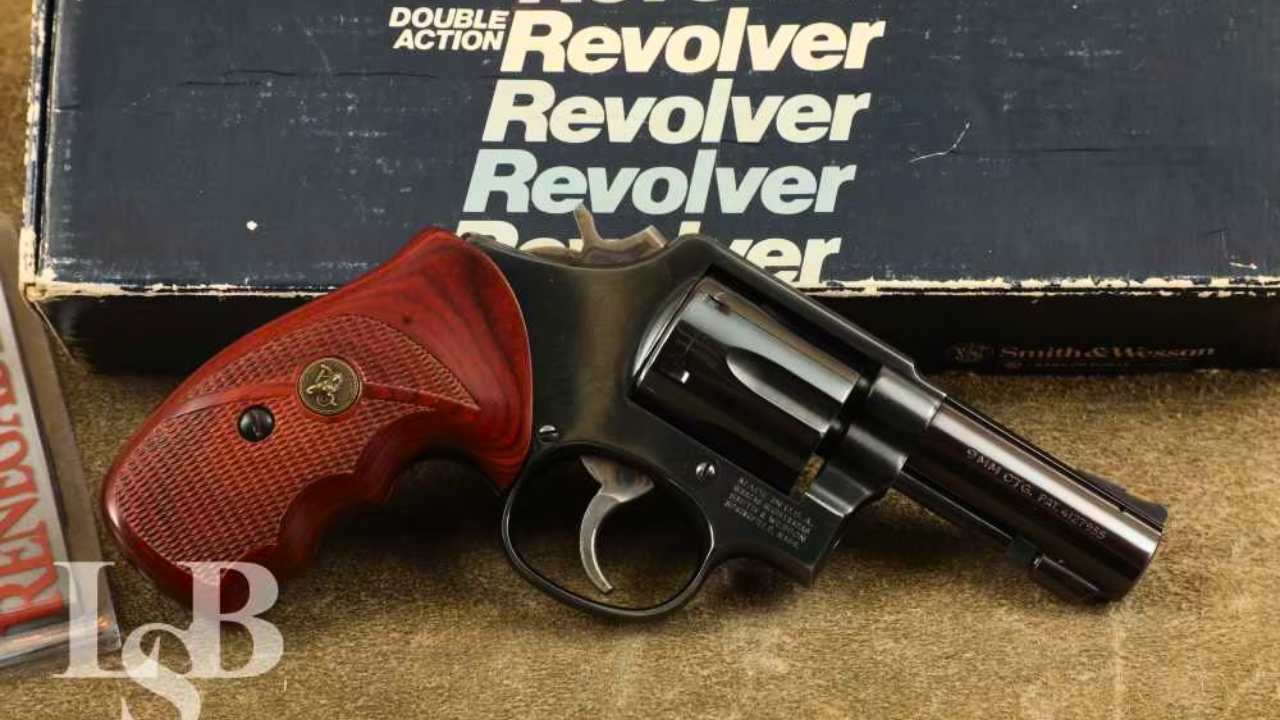
The 547 is one of Smith & Wesson’s cleverer experiments because it chambers 9mm without requiring conventional moon clips.
For years, it was simply an unusual K-frame that did not fit neatly into the traditional revolver world. Today, 9mm revolvers make much more sense to buyers who already stock the cartridge for semiautomatics. Add the unusual extraction system and relatively limited production, and the 547 suddenly looks far more interesting than it did when everyone wanted another .357.
Ruger Single-Seven
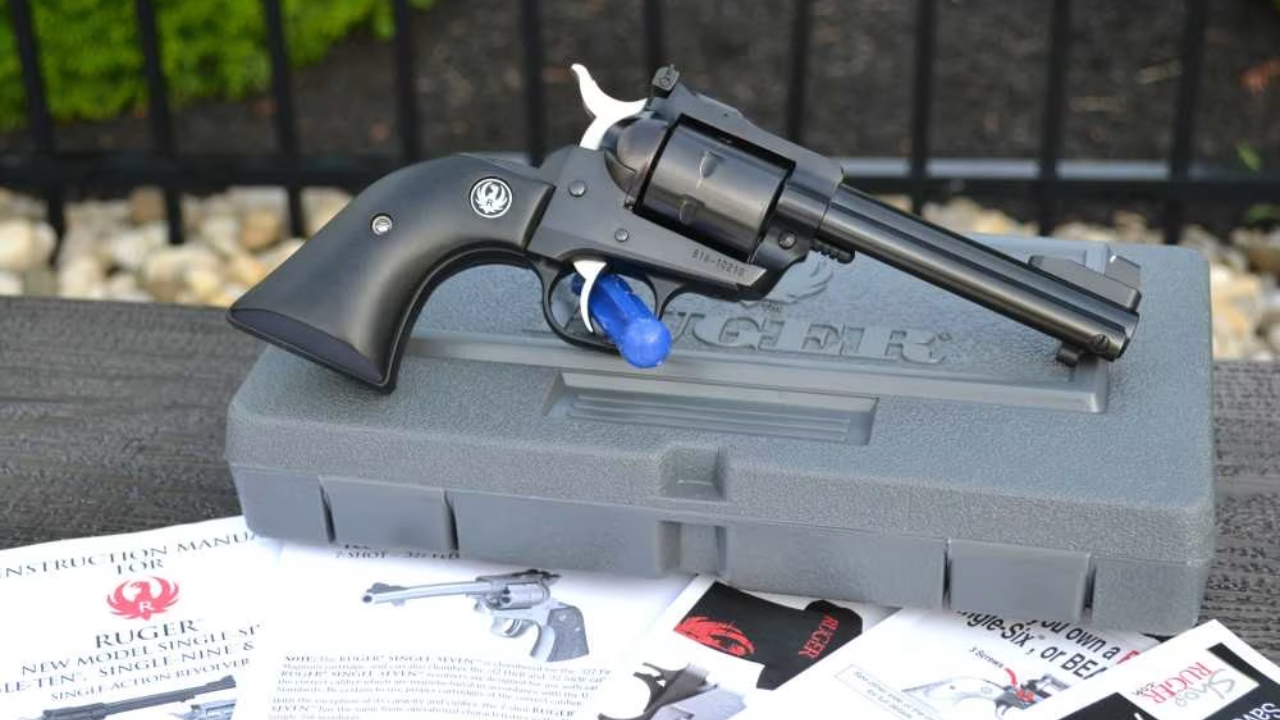
The Single-Seven combines Ruger’s traditional single-action formula with .327 Federal Magnum and a seven-round cylinder.
That gives it more flexibility than its old-fashioned appearance suggests. Shooters can use mild .32-caliber ammunition for recreational shooting and step up to hotter .327 loads when they want more performance. The cartridge has gained enough of a following that revolvers chambered for it no longer seem like dead-end oddities. The Single-Seven is a great example of an older-style action becoming relevant again because of the cartridge inside it.
Smith & Wesson Model 14
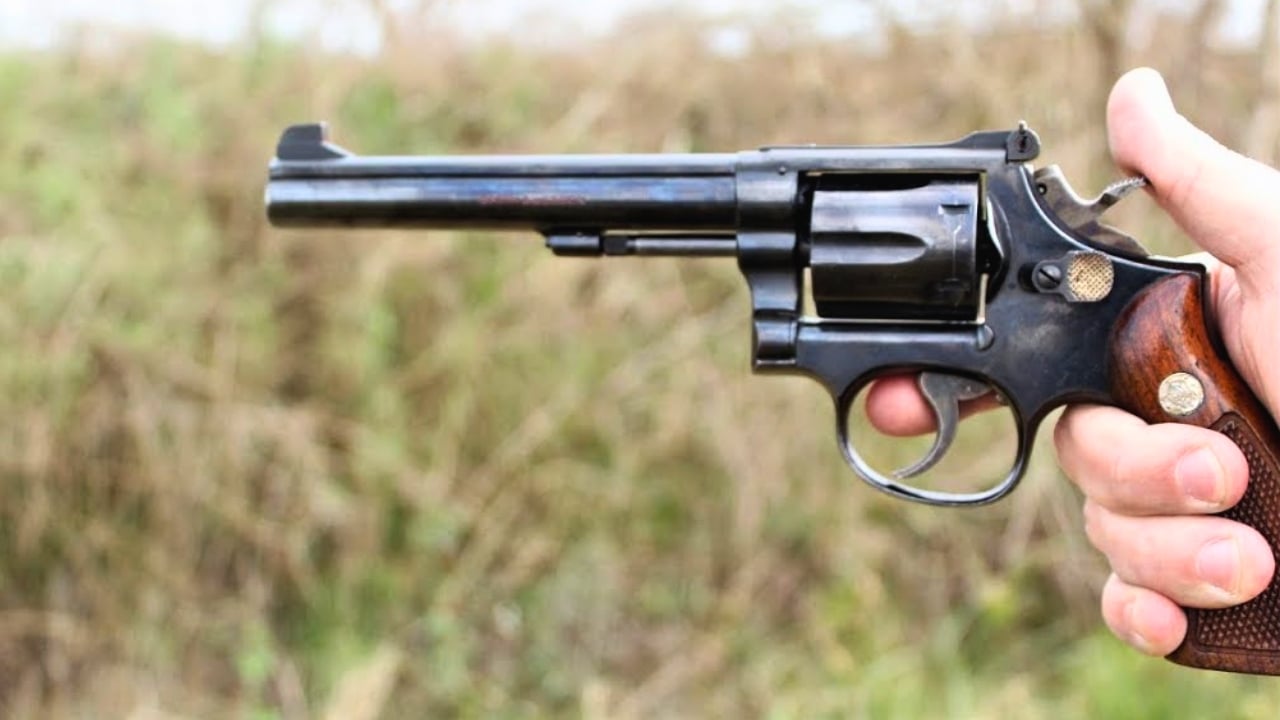
The Model 14 spent years being viewed mainly as a target revolver from an era that had passed.
Modern shooters are rediscovering how useful a good .38 Special target gun can be. The long barrel, adjustable sights, and excellent K-frame trigger provide a fantastic platform for learning double-action control. There is no magnum recoil or ultralight frame making the gun difficult to master. It simply rewards good technique. A generation raised on striker-fired pistols can learn a lot from a revolver this focused.
Colt Trooper Mk V
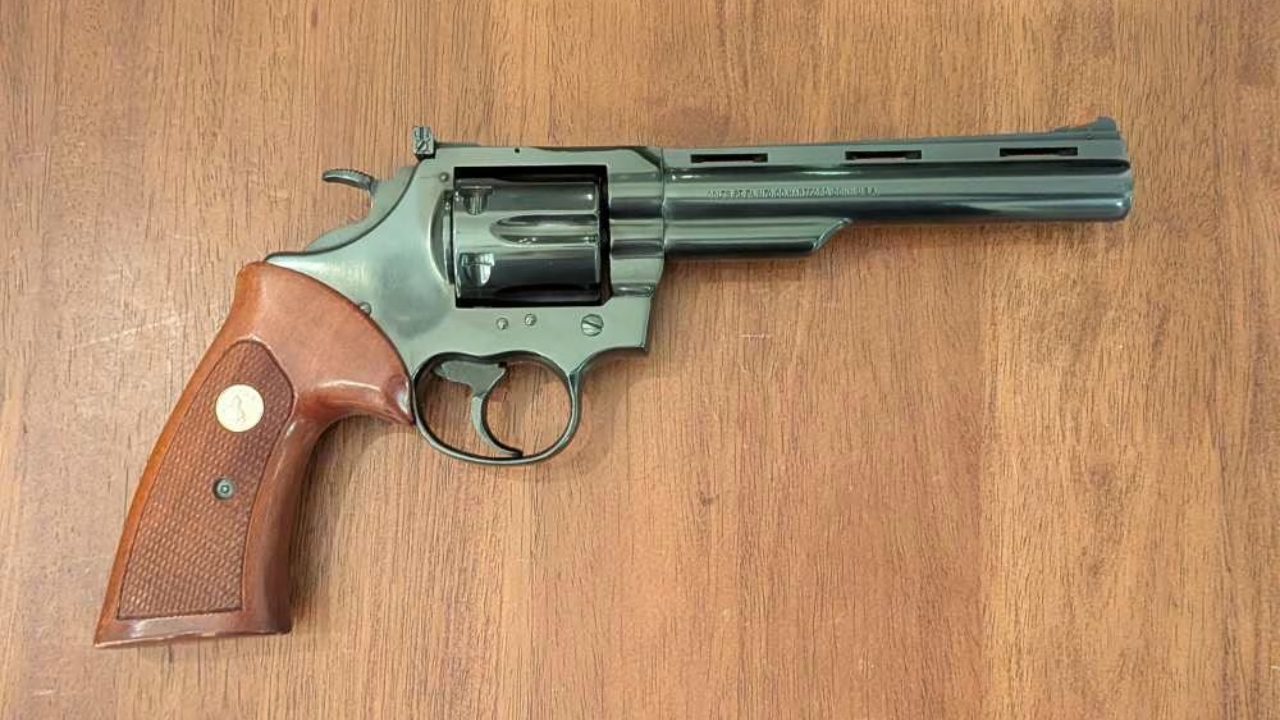
The Trooper Mk V lived behind the Python for most of its existence, and that comparison did it no favors.
Now that buyers are exploring older Colt revolvers more broadly, the Mk V is getting a second look. It offers a strong .357 Magnum platform with classic styling and a much more utilitarian personality than the premium snake guns. It is exactly the kind of revolver that makes sense for someone who wants to actually shoot an older Colt instead of worrying about every new cylinder line or holster mark.
Smith & Wesson Model 48
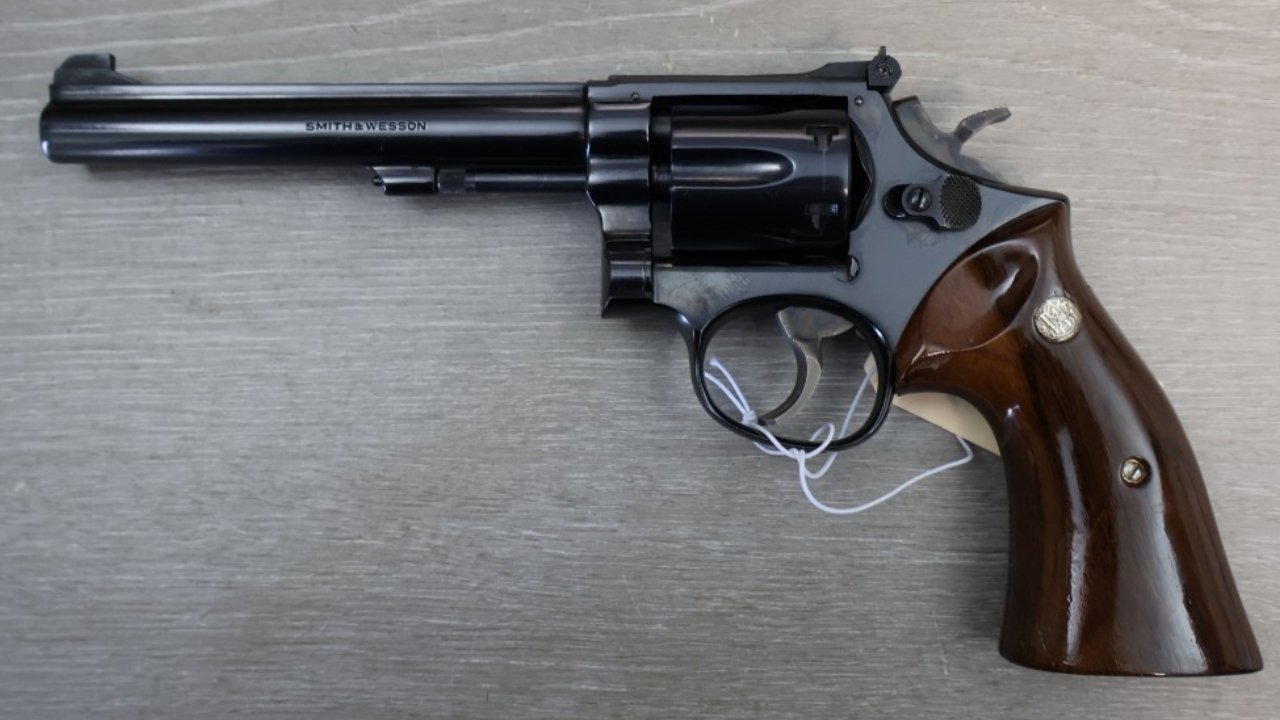
The Model 48 gives you the familiar K-frame experience in .22 Magnum, a cartridge that has become more interesting as shooters look for lightweight field and varmint options.
Its size makes .22 WMR extremely easy to control, while the adjustable sights and longer barrels available on older examples make it genuinely useful at distance. It sits between the casual .22 LR revolver and the centerfire magnum in a way that modern buyers are beginning to appreciate again. Not every useful revolver needs to be a defensive gun.
Ruger Redhawk .45 Colt
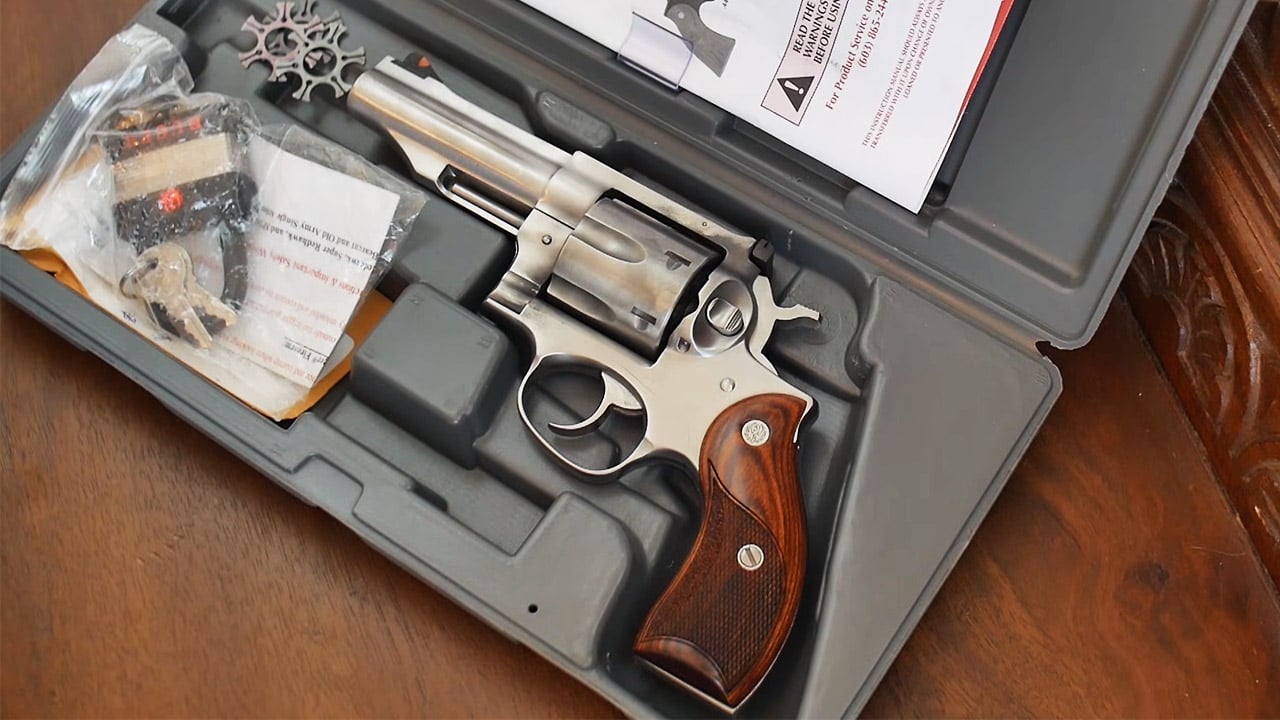
The Redhawk gets most of its attention in .44 Magnum, but the .45 Colt versions deserve much more interest.
The large frame gives handloaders and serious revolver shooters plenty of strength while also making standard-pressure .45 Colt loads extremely pleasant. That creates a broad range of possible use, from mild range ammunition to serious field loads appropriate for the platform. Modern shooters who are rediscovering big-bore cartridges without necessarily wanting maximum magnum blast are starting to understand the appeal.
Smith & Wesson Model 625 Mountain Gun
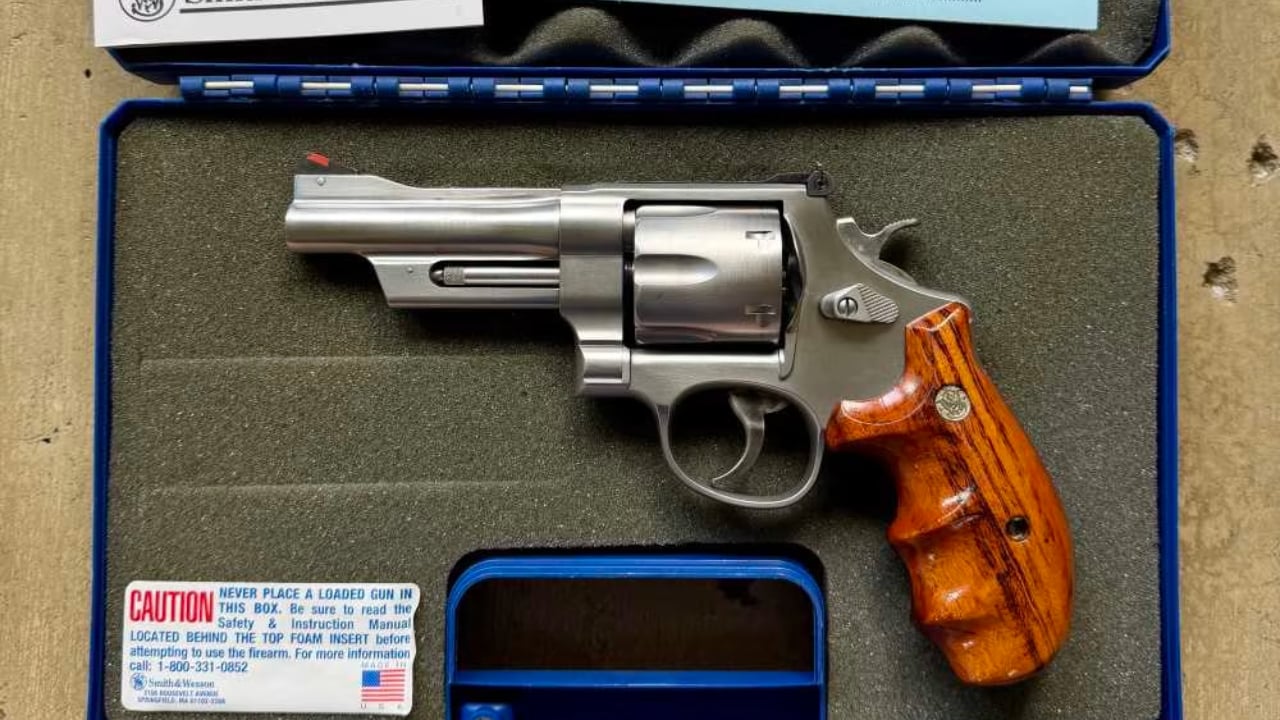
The standard 625 is already a large revolver, but the Mountain Gun configuration trims the concept into something much more practical for carrying.
That matters now because shooters are rediscovering big-bore revolvers as field guns rather than just range pieces. A lighter-profile N-frame chambered for .45 ACP or .45 Colt gives you serious bore diameter without turning the gun into an oversized hunting handgun. It feels purpose-built in a way many modern revolvers do not.
Colt Peacekeeper
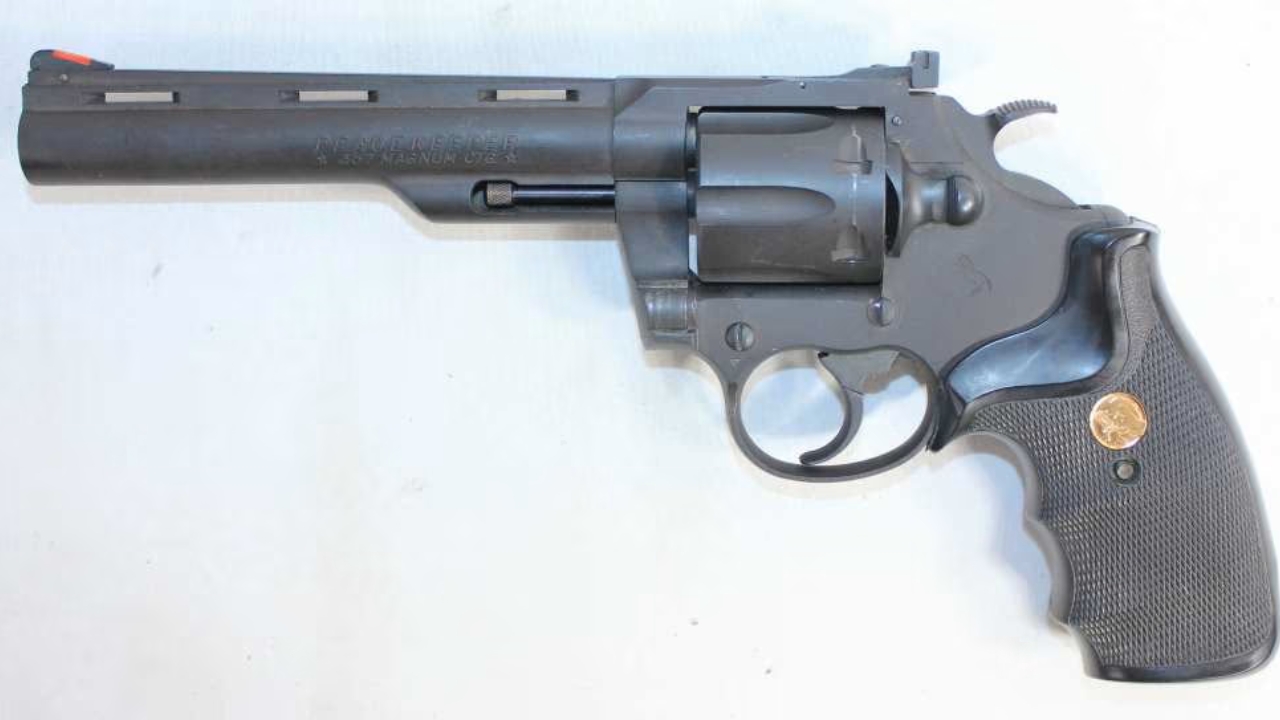
The Peacekeeper looked too plain to attract much collector excitement for a long time. Its matte finish made it seem like the cheaper, less desirable Colt.
That utilitarian presentation is now part of the attraction. The gun was built to work, and the finish makes more sense when you view it as a practical .357 rather than a display piece. Modern buyers who have grown tired of paying premium money for polished Colts are beginning to appreciate the models that were intended to be carried and shot.
Ruger Bisley Blackhawk .44 Special

The .44 Special Bisley appeals to a very different kind of revolver shooter than someone shopping solely for maximum power.
The cartridge is mild in a substantial single-action frame, while the Bisley grip changes the way the revolver handles in a way interchangeable polymer backstraps simply cannot mimic. Shooters rediscovering handloading and traditional big-bore cartridges often find this combination particularly satisfying. It is a revolver designed around feel rather than specifications.
Smith & Wesson Model 53
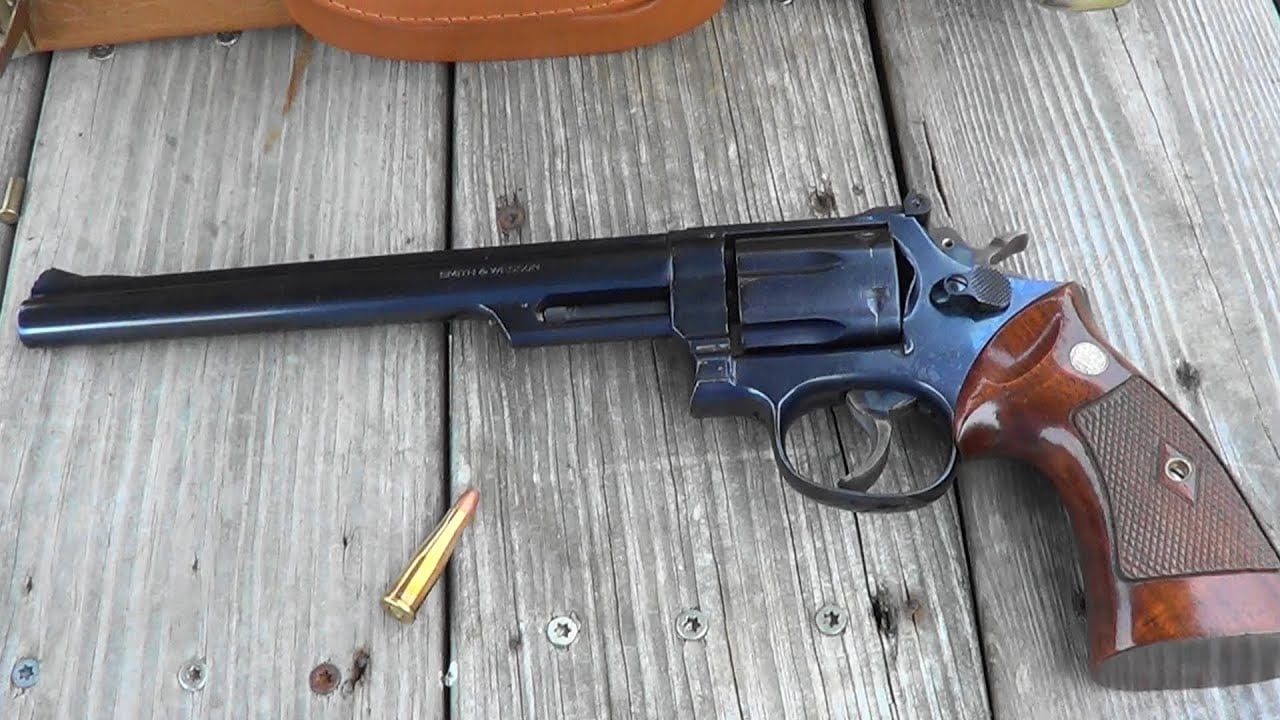
The Model 53 was unusual even when it was new because of its .22 Remington Jet chambering.
That bottleneck cartridge never became mainstream, which kept the gun in oddball territory. Modern collectors and shooters are much more willing to embrace mechanical weirdness, especially when it comes from a major manufacturer. The Model 53 offers exactly that: a classic Smith revolver wrapped around a cartridge and firing system that virtually nobody would attempt today.
Colt SF-VI
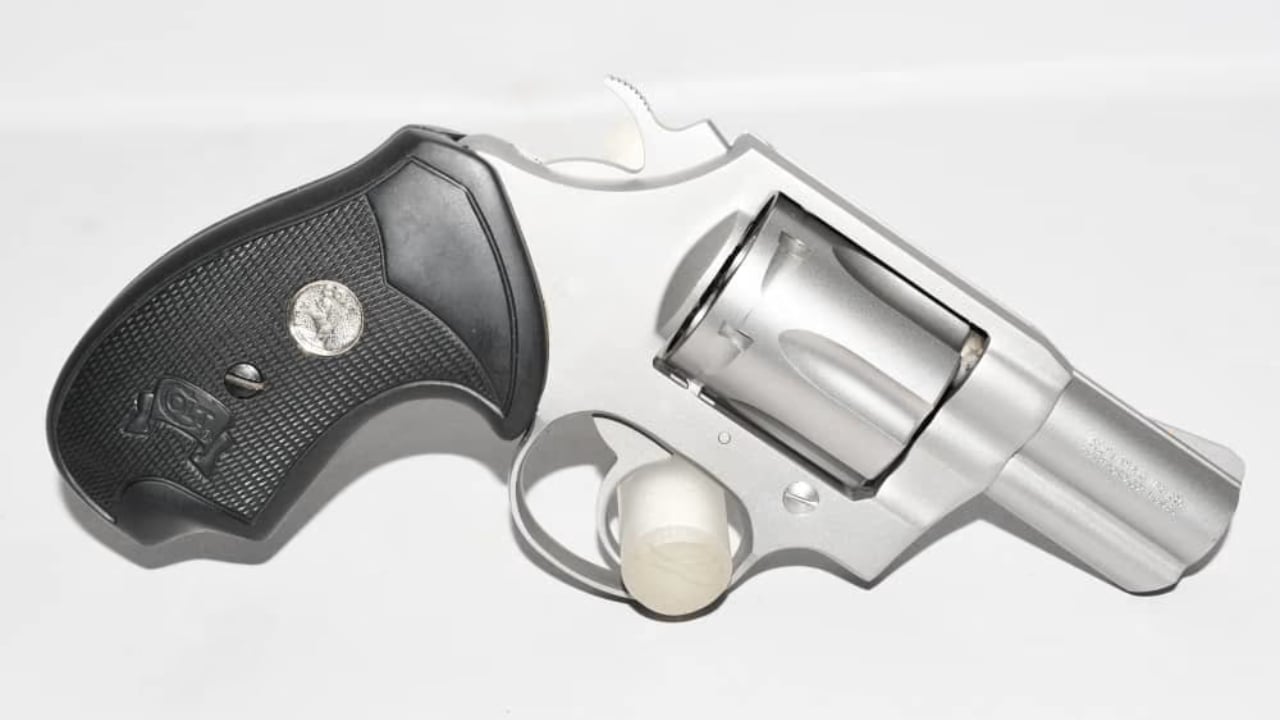
The SF-VI belongs to a transitional period in Colt revolver history that younger buyers are only beginning to explore.
It is not as famous as the Detective Special or the later snake-gun revivals, but it represents a genuine factory attempt to modernize Colt’s compact double-action format. That makes it especially interesting now that compact revolvers are receiving renewed attention. Short production runs also tend to become more appealing once buyers realize how little supply is actually available.
Ruger GP100 .44 Special
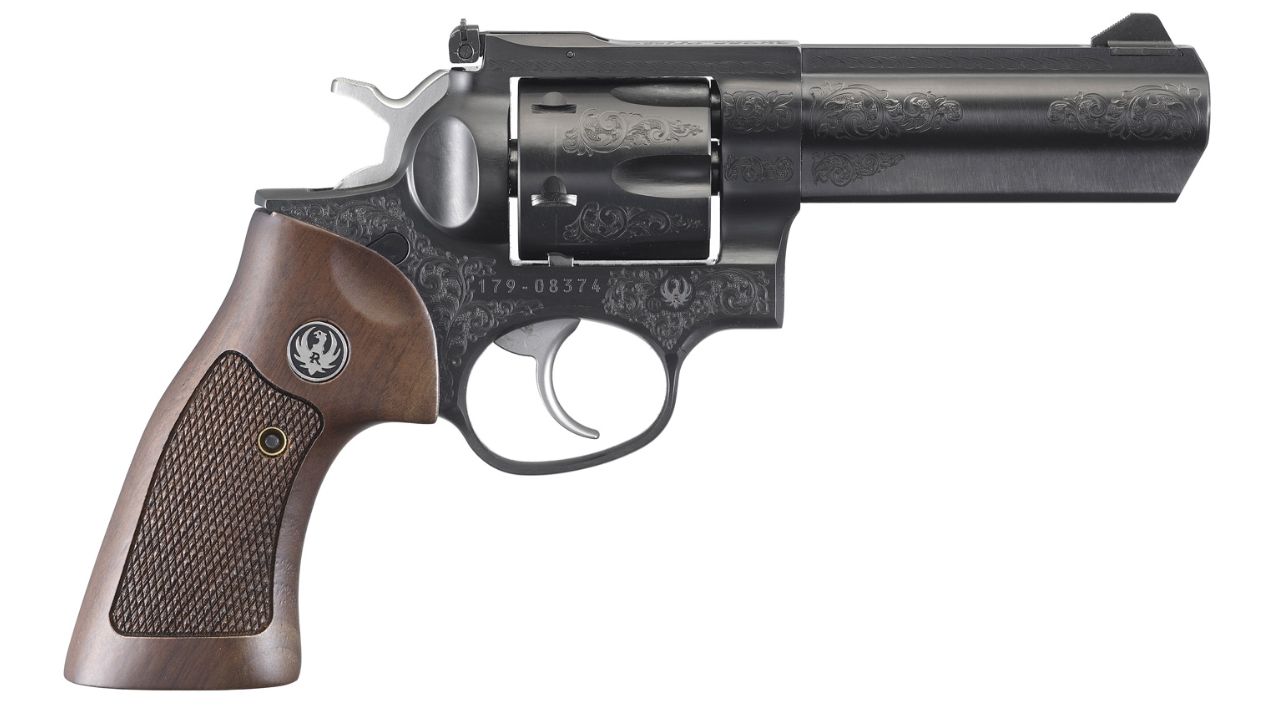
The GP100 .44 Special gives shooters a big-bore cartridge in a frame most people associate with .357 Magnum.
That unusual pairing works remarkably well. The gun is strong without being enormous, and .44 Special produces satisfying recoil without the punishment of full-power .44 Magnum. Modern buyers who want something more interesting than another .357 but do not need a giant hunting revolver are beginning to appreciate how sensible this configuration really is.
Smith & Wesson Model 16-4
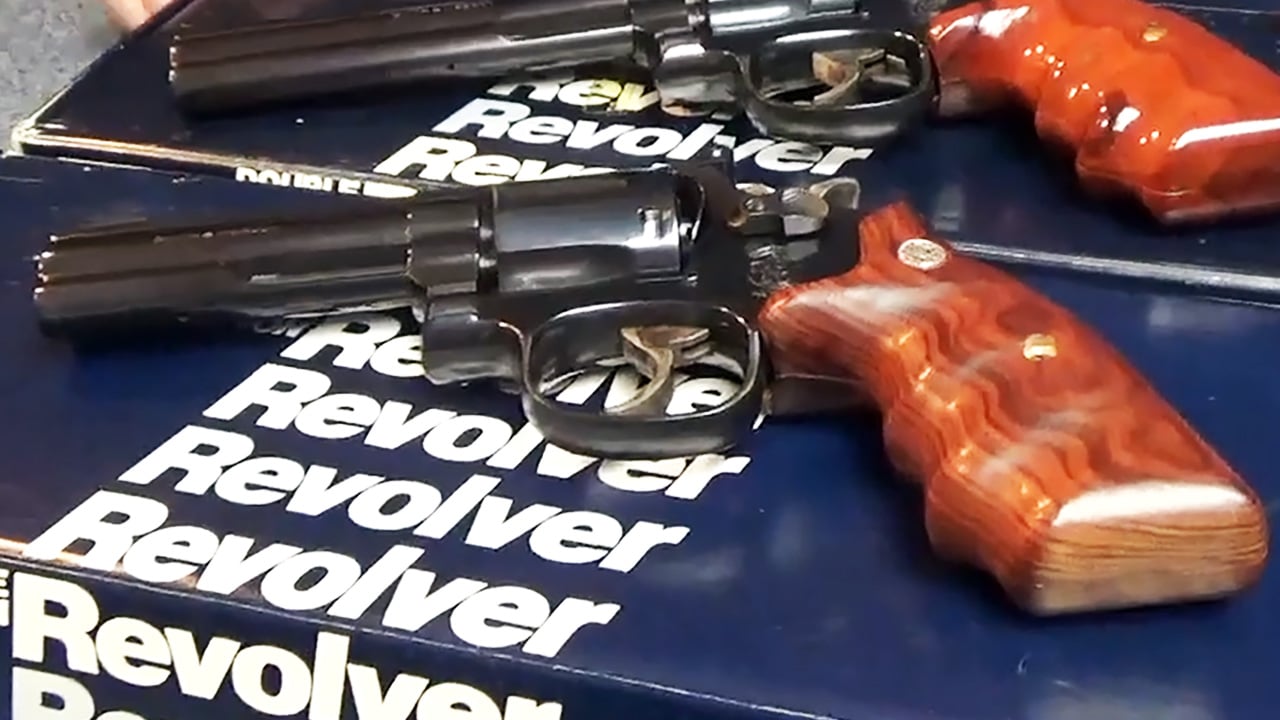
The Model 16-4 in .32 H&R Magnum was niche for years because the cartridge itself never reached mainstream popularity.
The modern revival of interest in .32-caliber revolvers has changed that. Shooters are realizing that smaller-bore cartridges can offer useful capacity, mild recoil, and excellent accuracy without dropping all the way down to rimfire. The Model 16-4 also brings classic Smith construction into the equation, making it increasingly attractive both as a shooter and as an uncommon factory configuration.
Ruger LCR .327 Federal Magnum
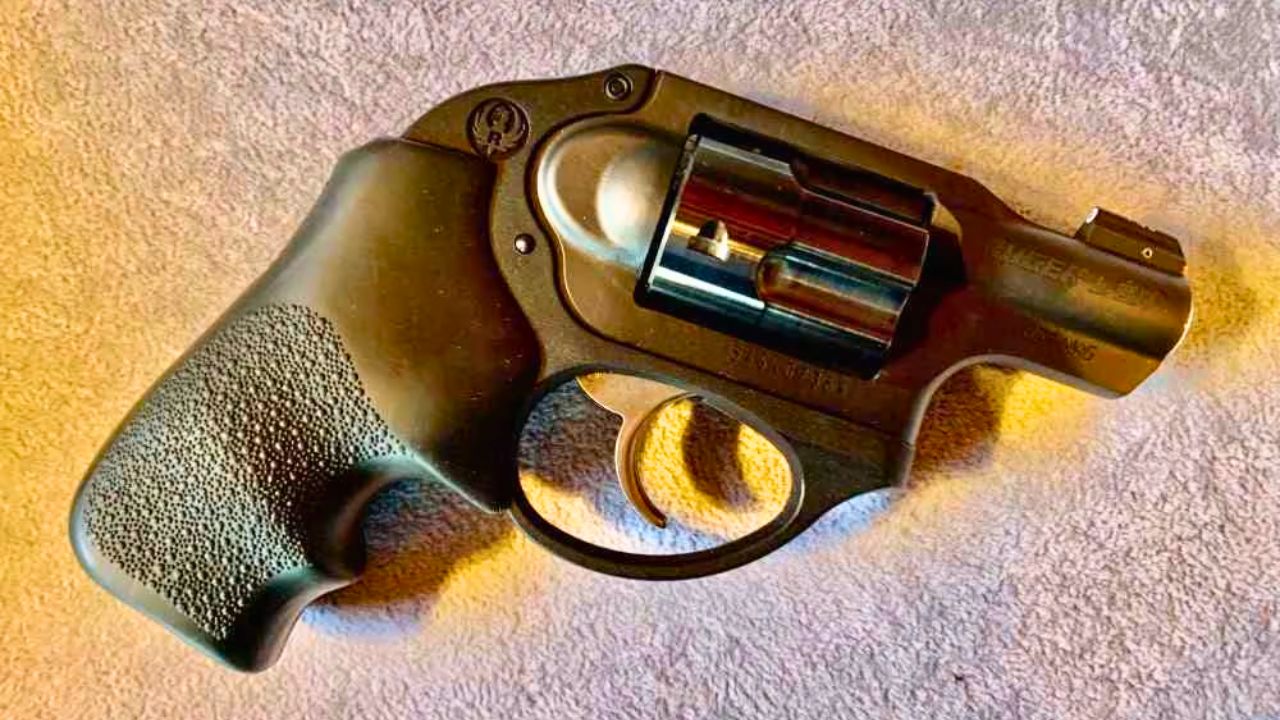
The LCR is already established as a modern carry revolver, but the .327 version is the one that deserves more attention.
Six rounds in a compact frame immediately give it an advantage over many five-shot .357s, while the range of compatible .32 ammunition lets the owner tailor recoil dramatically. That flexibility is exactly what modern concealed-carry buyers are beginning to notice. It may not have the cultural recognition of the traditional .38 snubnose, but it arguably offers more versatility.
Smith & Wesson Model 24
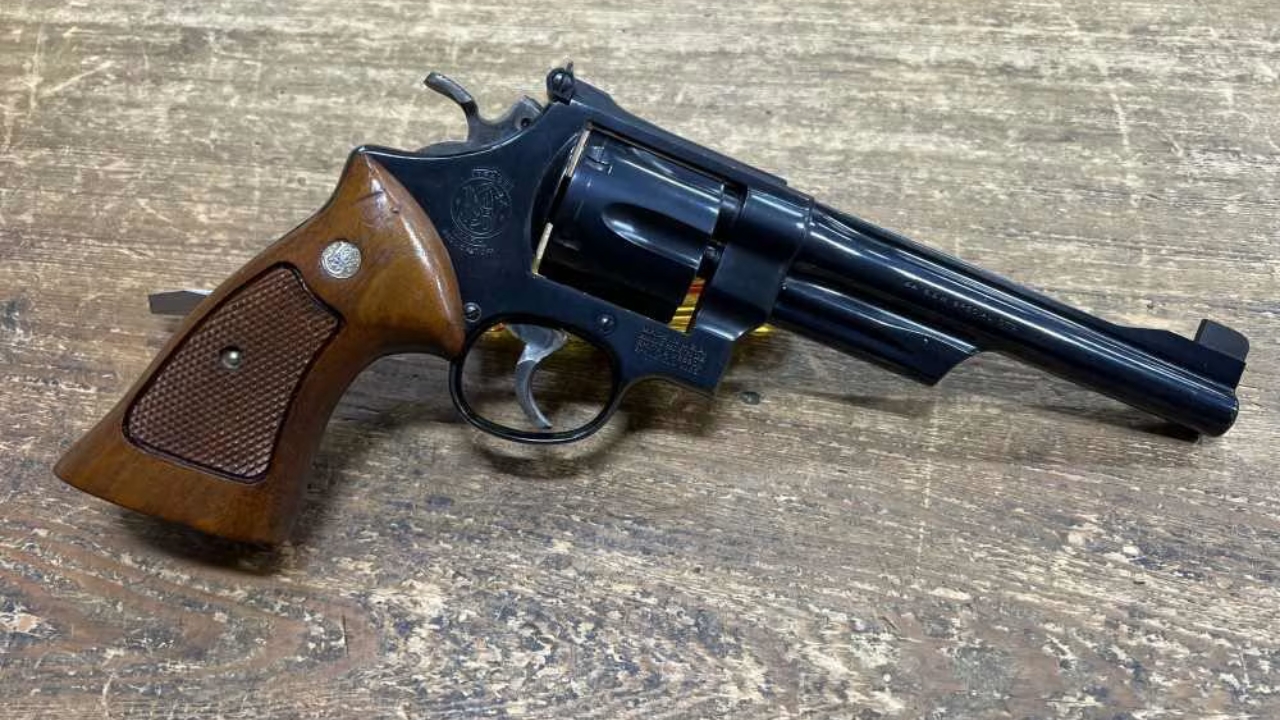
The Model 24 gives you an N-frame revolver chambered for .44 Special rather than .44 Magnum.
For years, that looked like less capability for nearly the same amount of gun. Today, shooters are increasingly willing to separate maximum power from enjoyable shooting. The Model 24 gives you a large-bore cartridge, excellent balance, and significantly less punishment than a full-magnum revolver. Once someone starts handloading or shooting a lot of big-bore ammunition, the appeal becomes very easy to understand.
Ruger Super Redhawk Alaskan .454 Casull

The Alaskan is hardly subtle. It combines a massive frame, extremely short barrel, and one of the more powerful mainstream revolver cartridges.
What modern shooters are rediscovering is that specialized guns can be valuable precisely because they do not try to do everything. The Alaskan is a compact-for-the-power field revolver intended for situations where serious energy matters more than comfort or elegance. It is an extreme design, but once you understand the mission, the oversized construction stops looking ridiculous and starts looking purposeful.
Like The Avid Outdoorsman’s content? Subscribe to our newsletter so you never miss an article.
Here’s more from us: