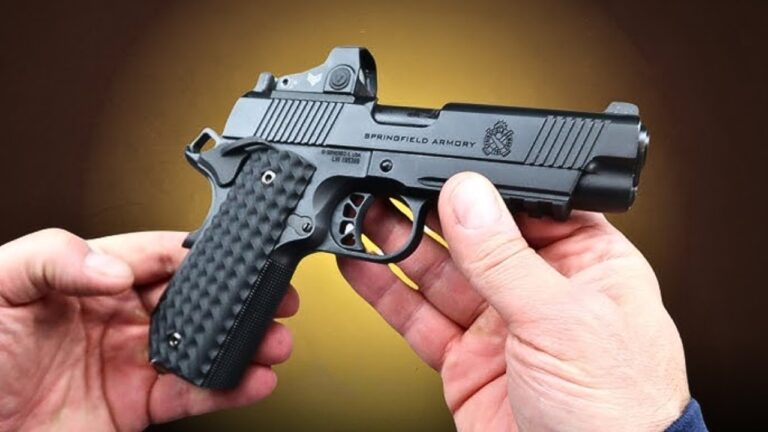
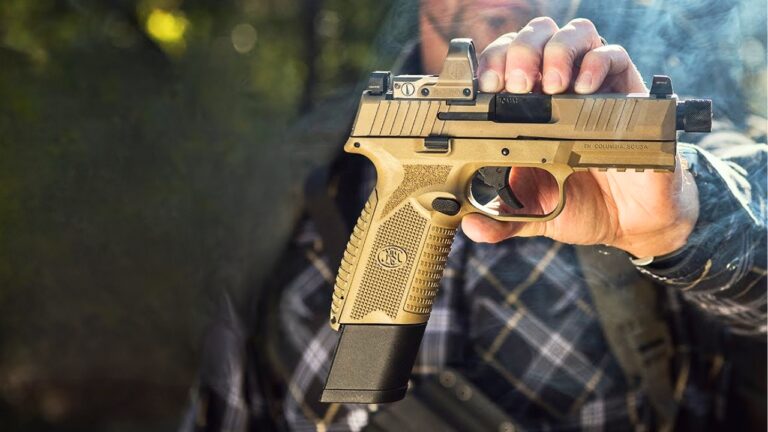
Photo credit: Terribly Tactical/YouTube
Every year about this time I get the same itch: dig the old stuff out, wipe it down, run a few boxes through it, and remember why certain designs never really needed “upgrades.” Not “limited edition” nostalgia. Not safe-queen collectibles. Just guns that you can still walk into a shop and buy, new, in basically the same form their designers intended.
Sure, materials change a little and lawyers make sure warnings are stamped where they weren’t in 1950. But the bones of these guns—how they feed, how they lock up, how they point—haven’t been “modernized” into something else. If you like simple, proven, and easy to live with, this is your lane.
1. Colt Single Action Army
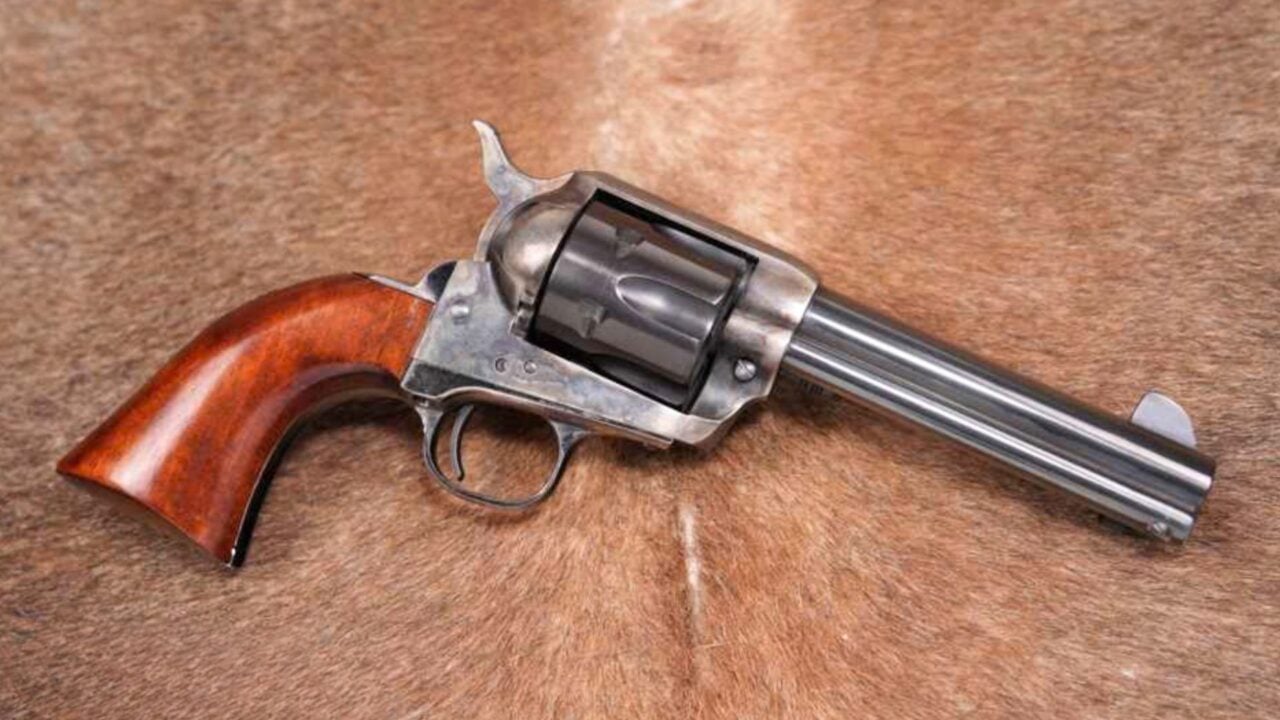
If you want to feel what “timeless” really means, thumb back a Colt SAA and listen to that click rhythm. It’s not the most practical tool for anything modern, but it is the original pattern that everybody else is still chasing. The grip rolls in recoil the way it was meant to, and the sights are as honest as it gets.
New ones aren’t cheap, and you don’t buy one because it makes sense on paper. You buy it because it’s a living piece of American gun culture that still works exactly the way it did when it earned its reputation.
2. Ruger Blackhawk
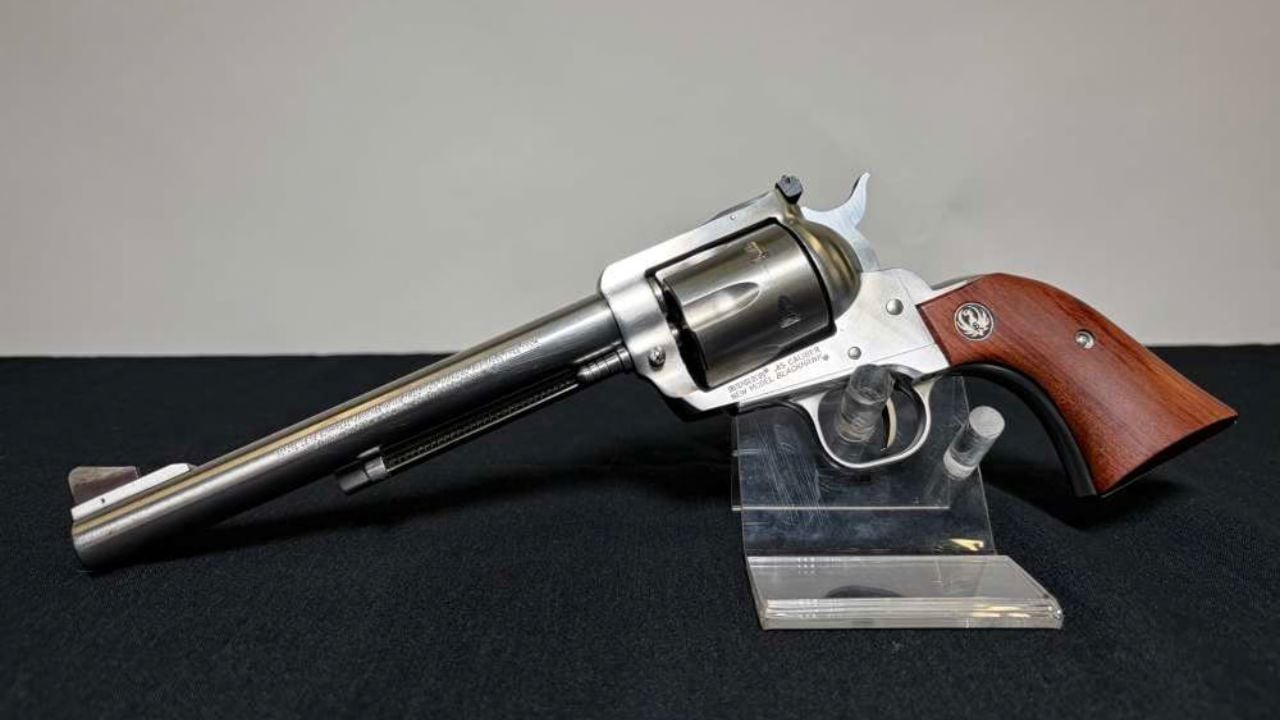
Ruger took the old single-action idea and made it tougher for real-world use, and they didn’t mess with the formula. The Blackhawk is still a workhorse revolver with a frame that can handle hard use and a feel that’s pure single-action.
It’s a great “woods revolver” if you actually spend time in the woods, because it’s simple, durable, and doesn’t care about rain, dust, or a bumpy ride in a truck. It is not light, and that’s part of why it lasts.
3. Smith & Wesson Model 29

Yes, it’s famous for reasons that have nothing to do with hunting. Still, the Model 29 is a classic .44 Magnum the way it was meant to be—big N-frame, long cylinder, and that smooth double-action pull that made S&W a household name.
It’s not a beginner’s revolver unless you enjoy developing a flinch. But for folks who actually use .44 Magnum for deer or bear country backup, it carries the same swagger and substance it always did.
4. Smith & Wesson Model 10
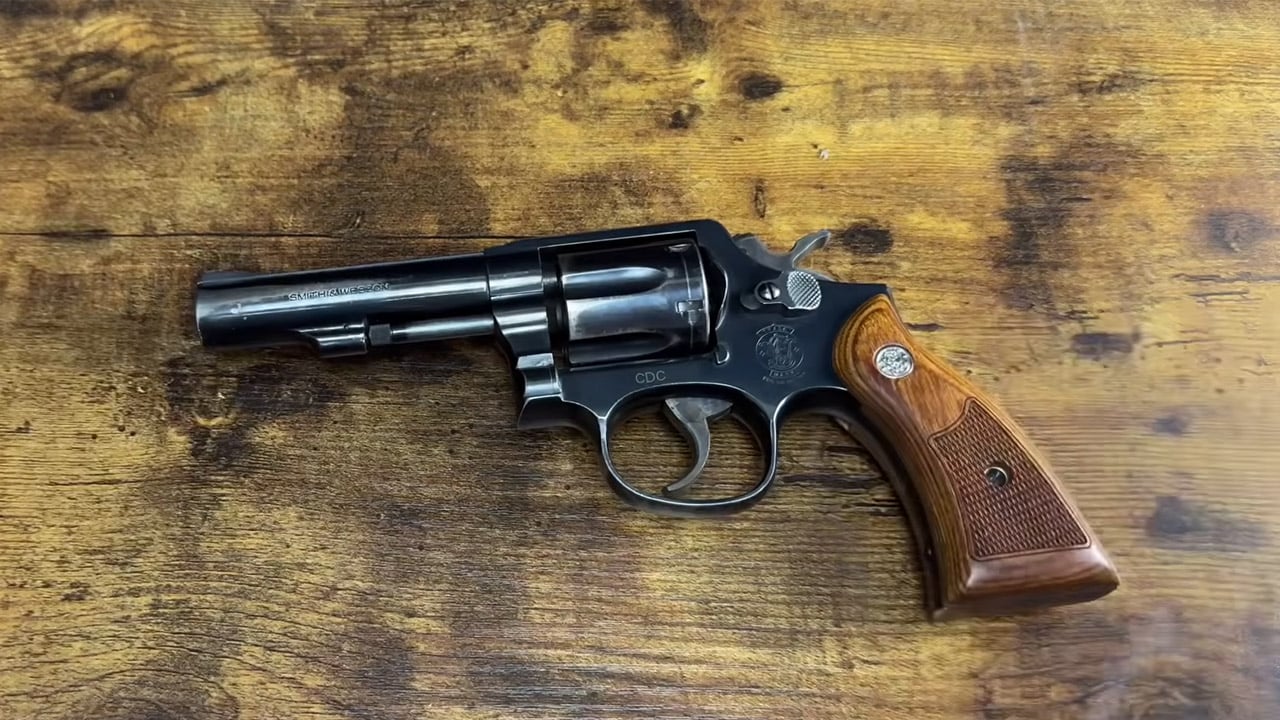
This is the plainest revolver on the list, and it might be the most useful. The Model 10 is still the same K-frame .38 Special that rode on countless hips for decades. Nothing fancy, nothing to show off, just a gun that points naturally and runs.
If you’ve ever shot one that wasn’t abused, you know the trigger is the selling point. The downside is it’s “old-school” heavy compared to today’s micro pistols, but that weight makes it easy to shoot well.
5. Colt 1911 Government Model
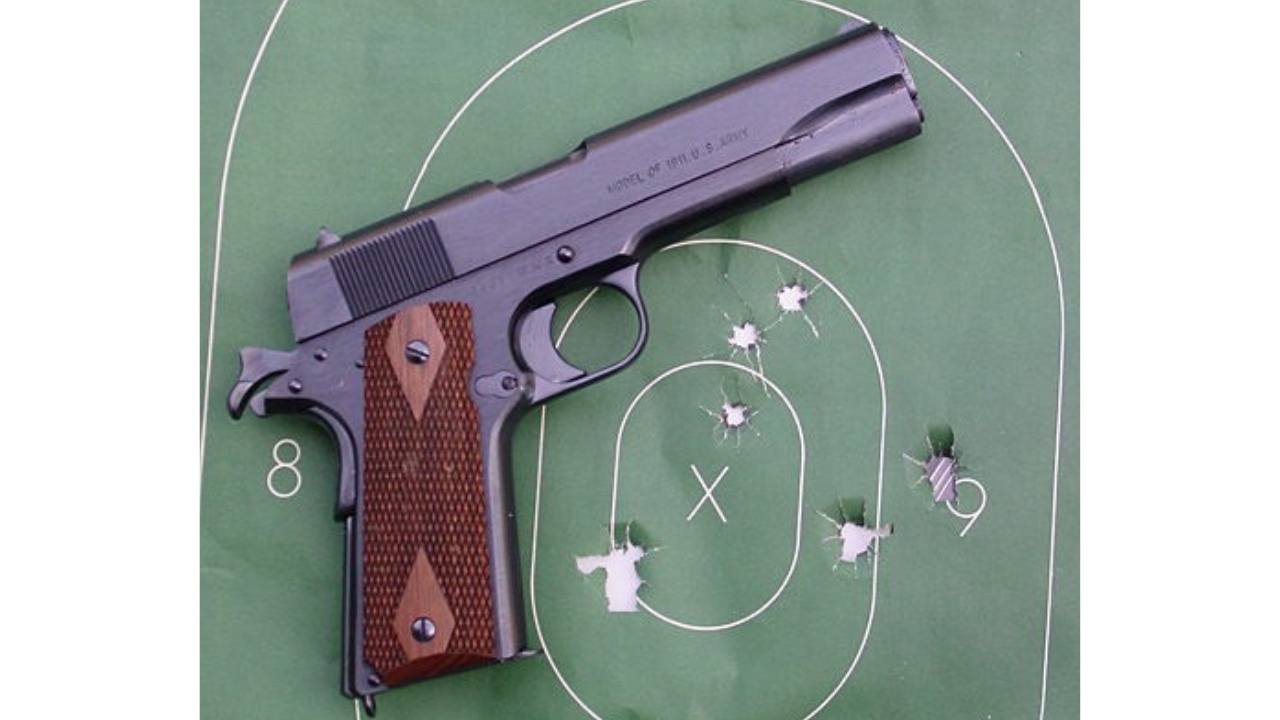
The 1911 has been copied so many times that people forget the original is still being built. A Government-length Colt still feels like a Government-length Colt: slim slide, straight lines, and a trigger that can make you look better than you are if you do your part.
Is it the simplest carry gun in 2026? No. It takes maintenance and decent magazines, and you need to be honest about training. But as far as “designed right the first time,” this one still belongs in the conversation.
6. Browning Hi-Power (FN/Browning pattern pistols in current production)
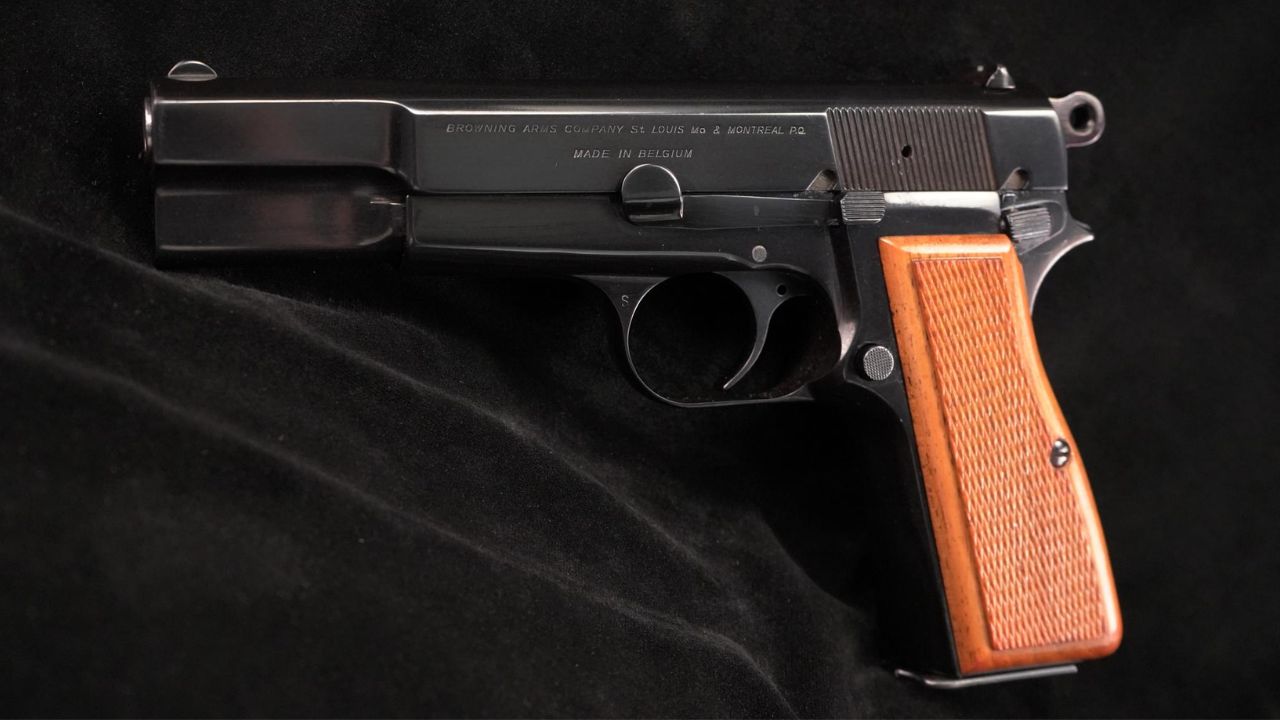
The original Hi-Power isn’t churned out the same way it was in the mid-century days, but the classic pattern is alive and well in current-production versions that stick closely to the original feel. Slim grip, great balance, and a pointability that makes sense the first time you bring it up on target.
It’s not the highest-capacity 9mm anymore, and it’s not the easiest to detail clean. Still, if you like steel guns that carry flat and shoot soft, the Hi-Power layout is hard to hate.
7. Glock 17
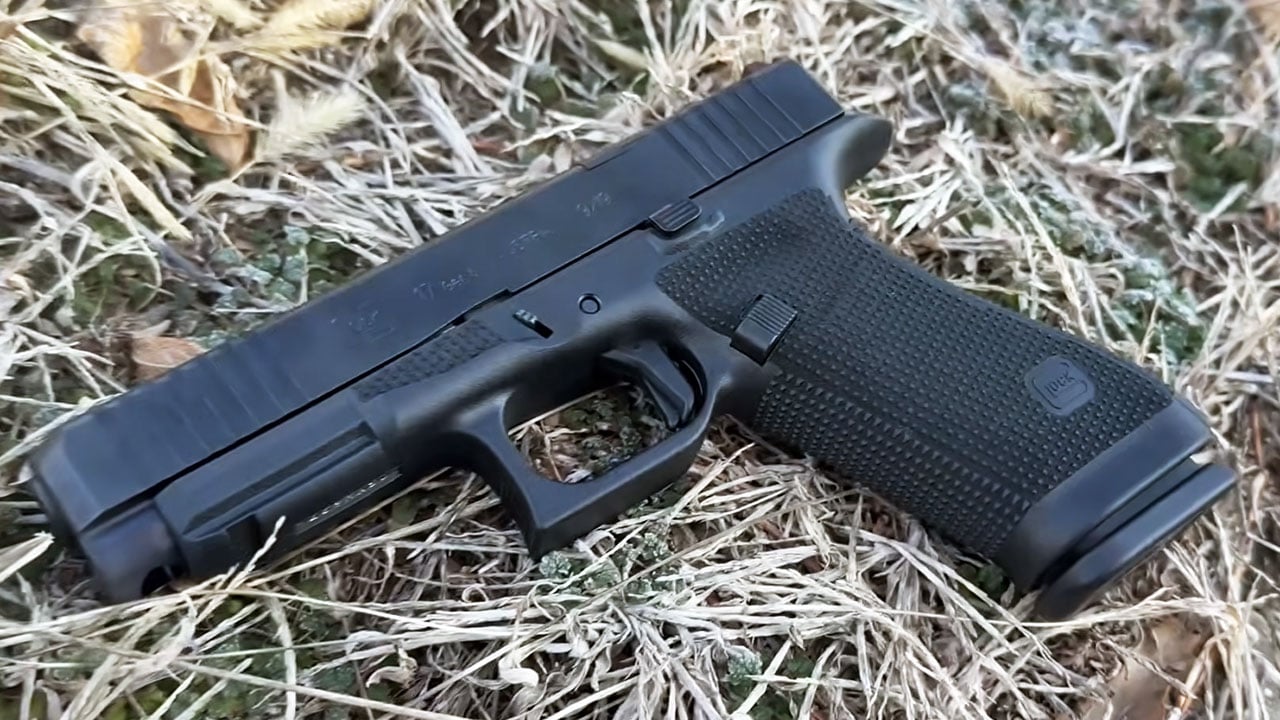
Say what you want about “plastic guns,” but the Glock 17 has stayed stubbornly Glock. Same striker-fired simplicity, same blocky feel, same boring reliability that makes it so common in nightstands and duty holsters.
It’s not romantic. It’s not interesting. But it’s the definition of a design that didn’t need a bunch of extra levers to do its job. Mags are everywhere, parts are everywhere, and the thing just keeps running.
8. Glock 19
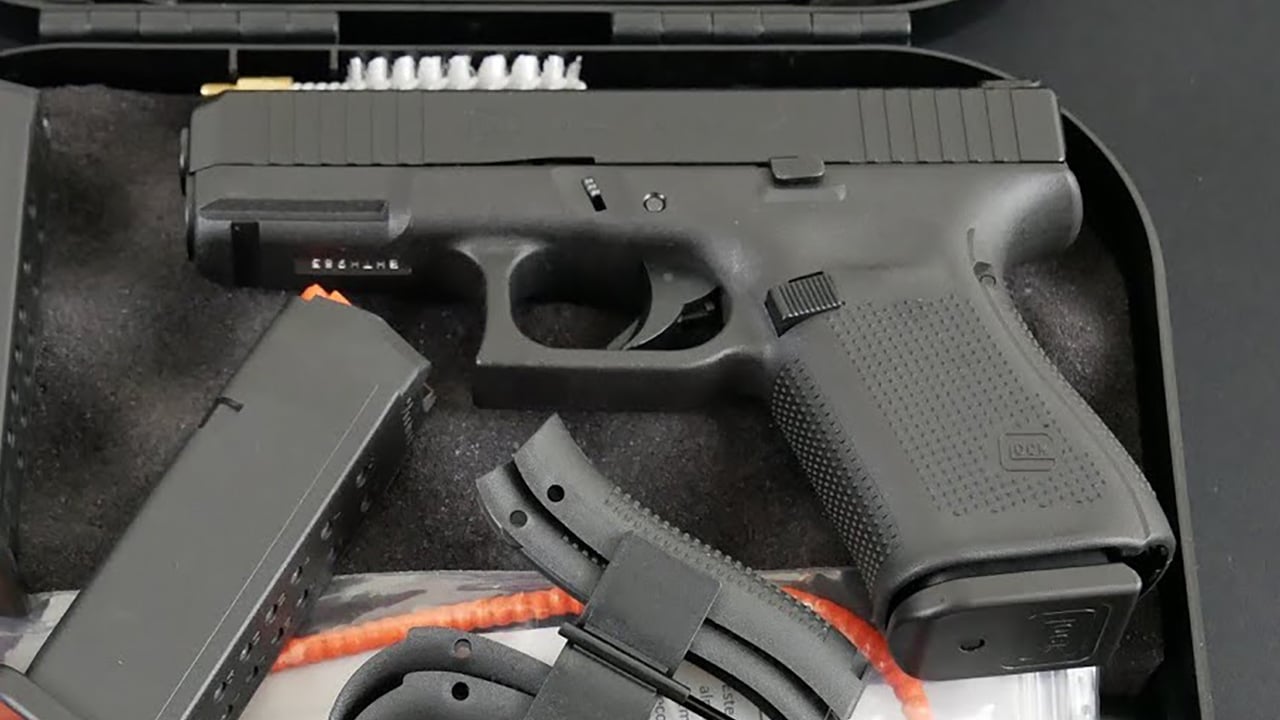
If the 17 is a service pistol, the 19 is the do-everything size. The design hasn’t been reinvented—just refined around the edges—and that matters because consistency is what makes a “go-to” gun a go-to gun.
The grip still fits a lot of hands, the sight radius is forgiving, and it carries easier than a full-size without turning into a tiny compromise blaster. For practical folks, it’s hard to argue with.
9. SIG Sauer P226
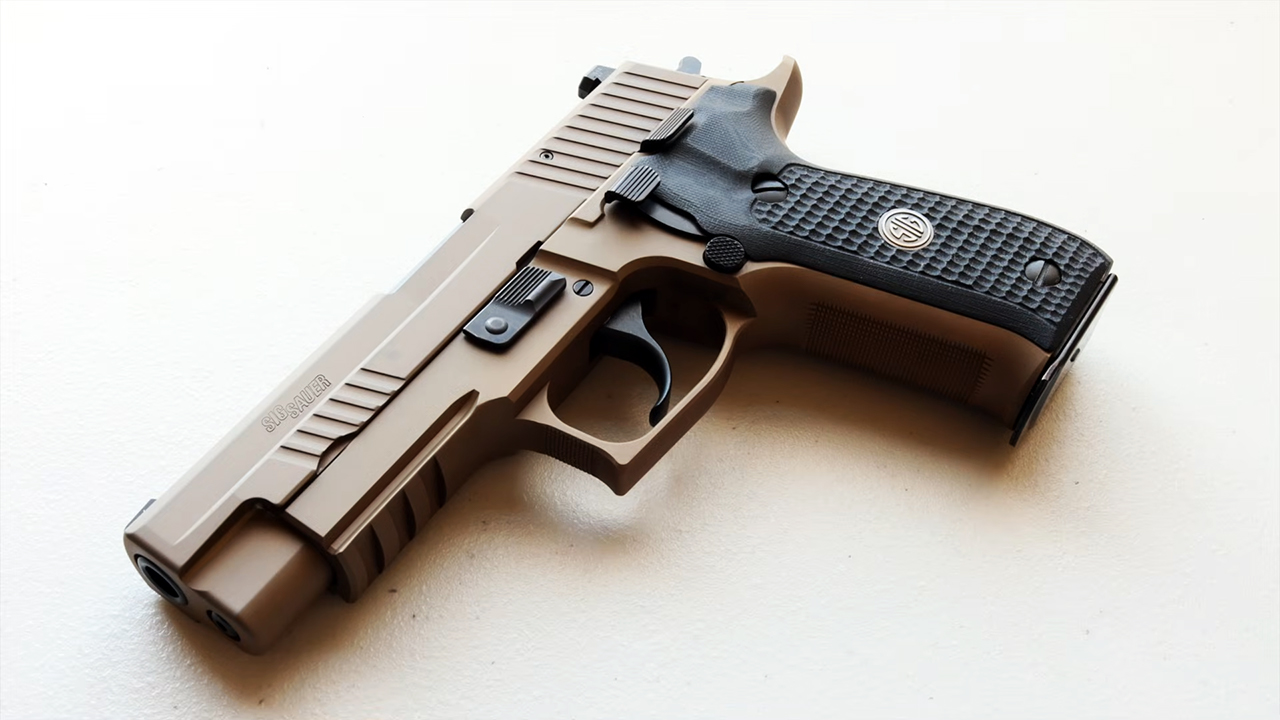
The P226 is one of those pistols that feels like a tool built for serious use, not a fashion show. DA/SA isn’t trendy, but a well-run P226 is still a soft-shooting, accurate 9mm that eats anything and keeps its manners.
It’s heavier than polymer options, and you’ll notice it on your belt. On a range day, though, that weight feels like a benefit. The design is still the design, and it’s still a good one.
10. Beretta 92FS

This is another “love it or don’t” gun, mostly because of the grip size and the slide-mounted safety. But the Beretta 92FS is still the same smooth-cycling, open-slide, reliable pistol it has always been.
It shines when you’re shooting a lot. The recoil impulse is easy, and the gun just tracks. If you’ve got big hands, it feels right. If you don’t, you’re going to know it fast.
11. CZ 75B

There’s a reason so many shooters quietly swear by the CZ 75 pattern. The low slide rails, the weight, and the way it sits in the hand makes it feel like it was shaped for human wrists instead of a CAD program.
It’s not the easiest slide to grab if you’re used to big serrations and lots of purchase. Still, the core design remains what it always was: tough, accurate, and easy to shoot fast once you learn it.
12. Ruger 10/22 Carbine
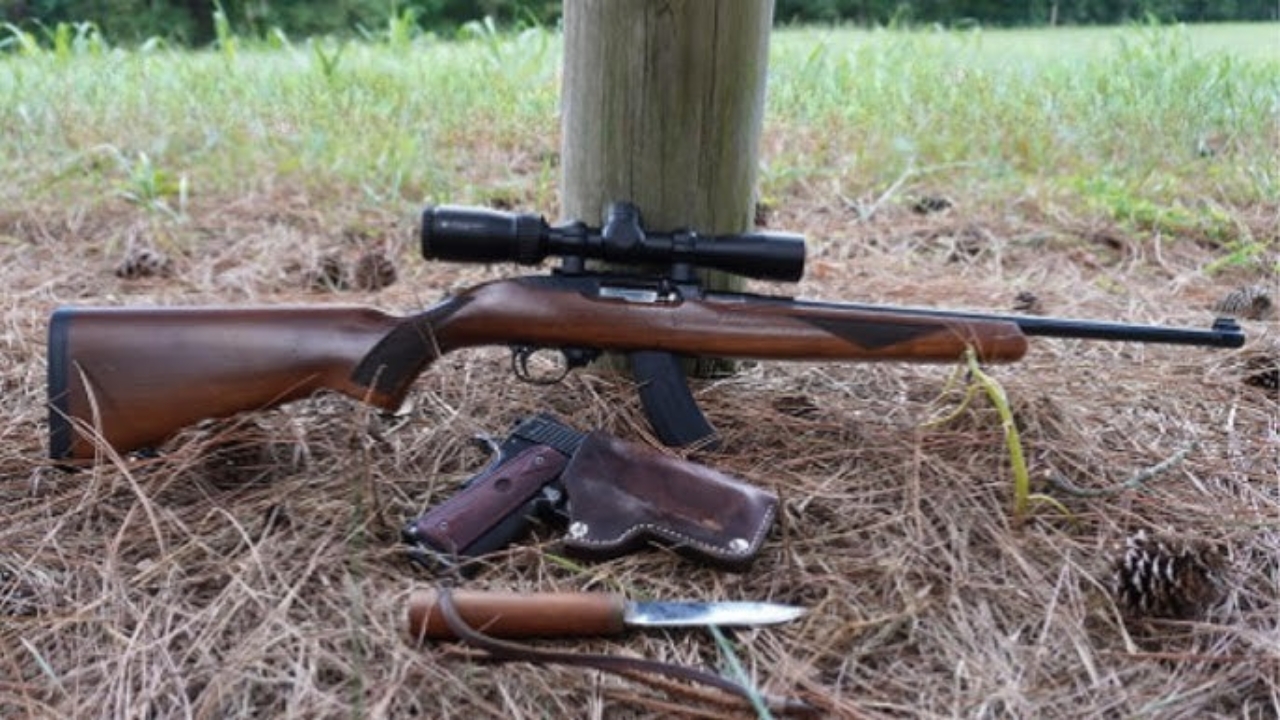
Everybody has an opinion on the 10/22, and most of them are correct. The design is the same simple blowback .22 that has taught more kids (and adults) the basics than any other rifle I can think of.
What’s changed is the aftermarket, not the gun. You can keep it bone stock and it’ll still put squirrels in the pot and ring steel all afternoon. Magazines are plentiful, and parts are so common it’s almost unfair.
13. Marlin Model 1895 (lever-action .45-70 pattern)
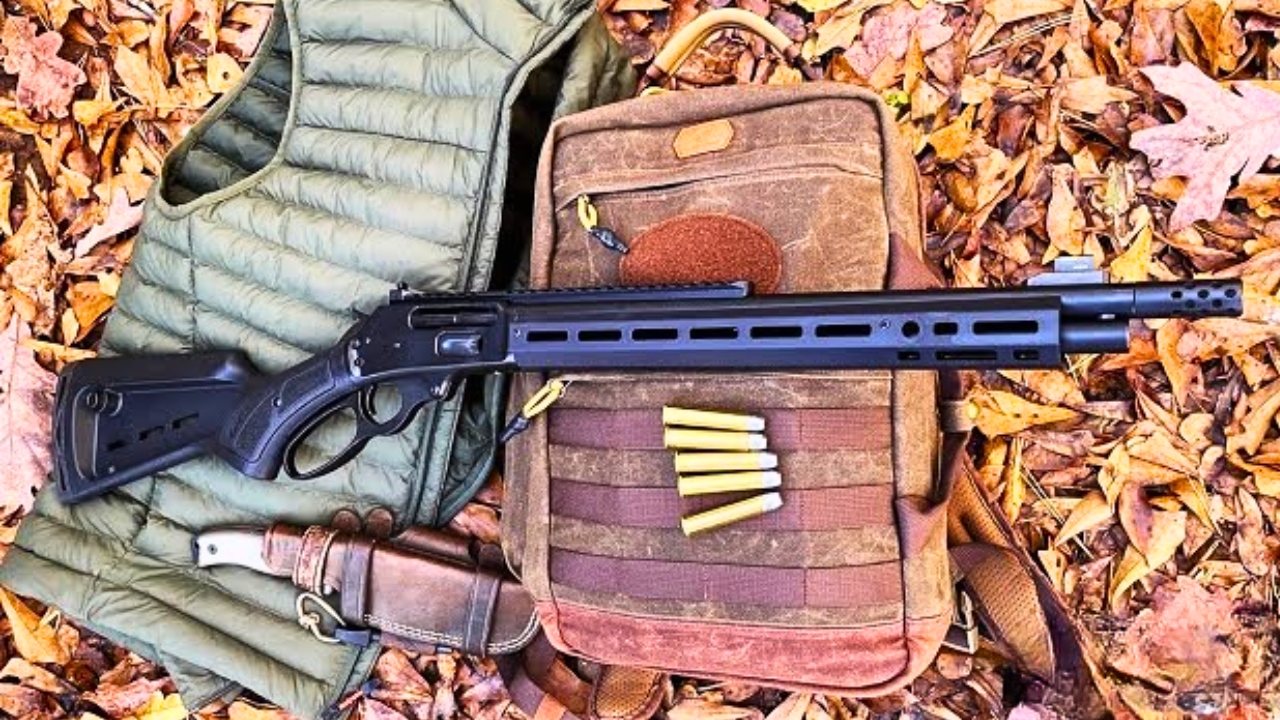
The modern Marlin 1895 is still the same big-bore lever gun idea: handy, thumpy, and made for close-to-midrange work where you want authority on target. Lever guns don’t need to be complicated, and this one isn’t.
It’s not for recoil-sensitive shooters, especially in lighter configurations. But if you hunt thick timber or want a simple rifle that carries well and hits hard, the 1895 layout keeps proving itself.
14. Henry Repeating Arms Golden Boy
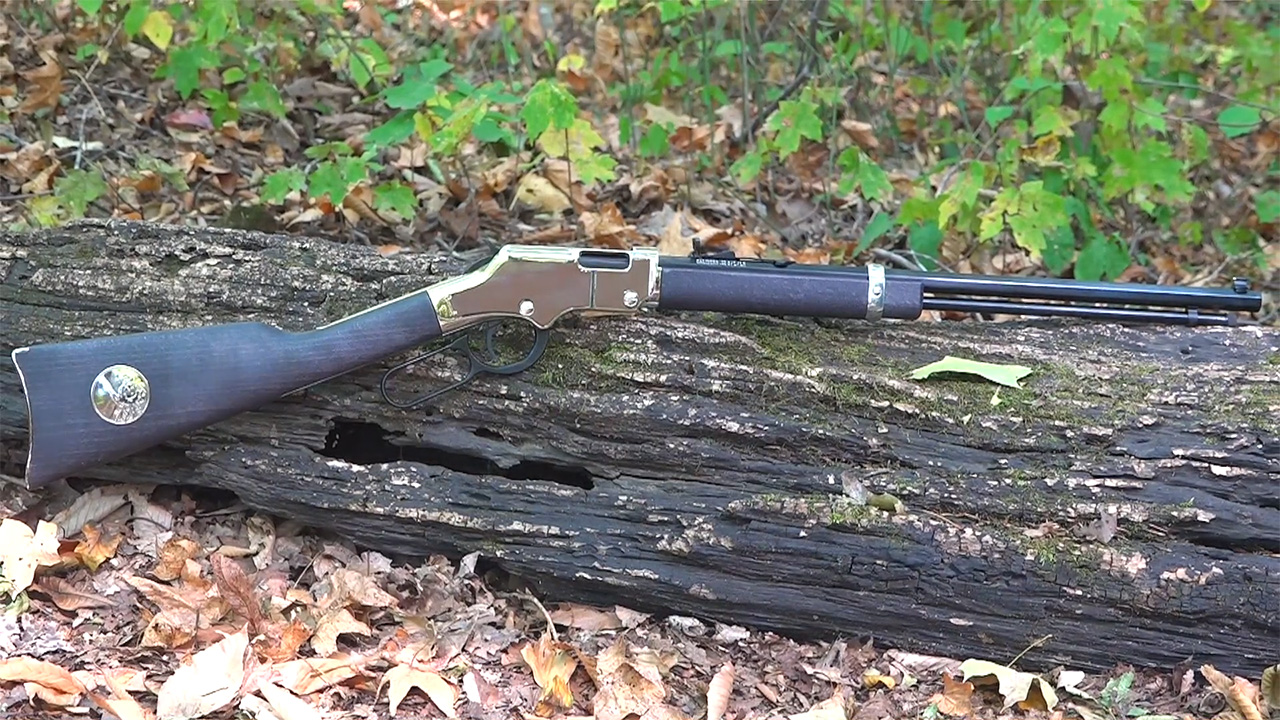
Yeah, it’s flashy. Brass receiver, smooth action, and it looks like something you’d see leaning in a cabin corner. But the Golden Boy’s appeal isn’t just looks—it’s that it runs like a classic rimfire lever gun is supposed to.
For small game and plinking, it’s hard to beat the fun factor. It’s not a “tactical” anything. It’s a .22 lever gun that makes you slow down and enjoy shooting again.
15. Winchester Model 70 (controlled-round-feed “Classic” pattern)
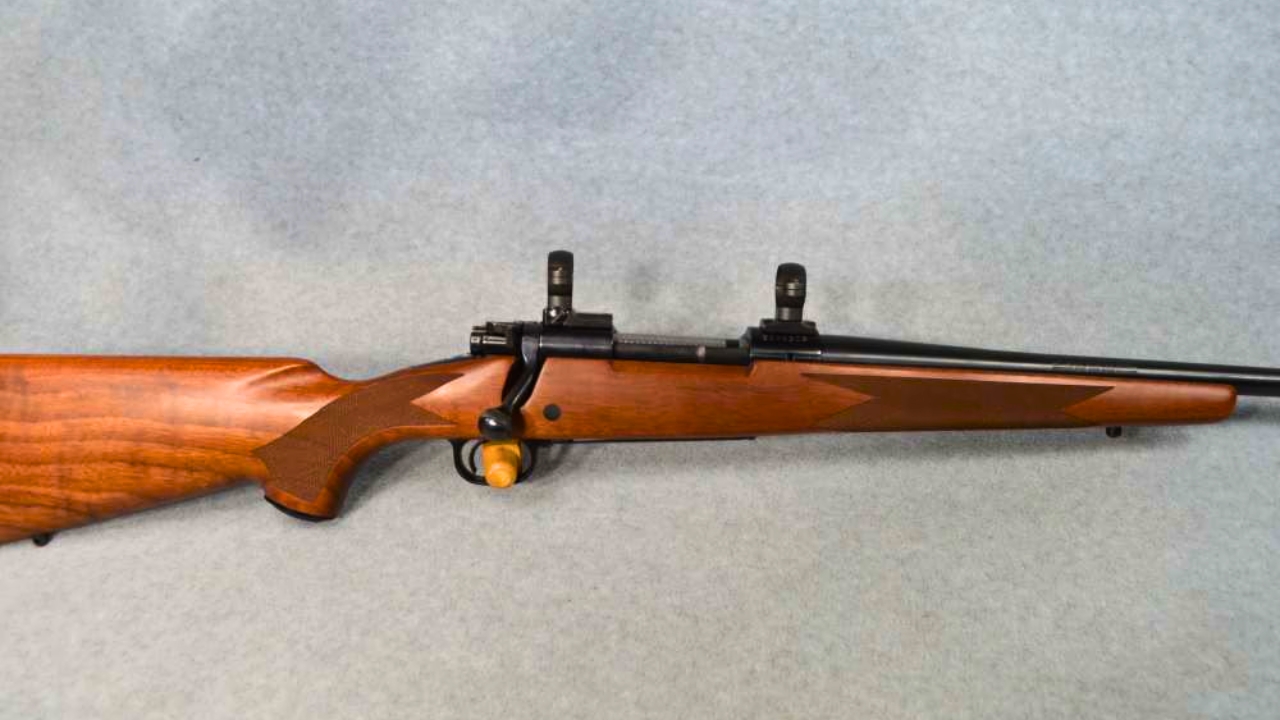
The Model 70 still gets called “The Rifleman’s Rifle” for a reason, and the controlled-round-feed versions keep the original spirit alive. The bolt feel is solid, the extractor is serious, and it feeds like it means it.
It’s not the cheapest way to get a hunting rifle. But if you want a traditional bolt gun with a real safety, a real stock, and a design that doesn’t depend on gimmicks, this one still makes sense.
16. Ruger Hawkeye (Model 77 lineage)
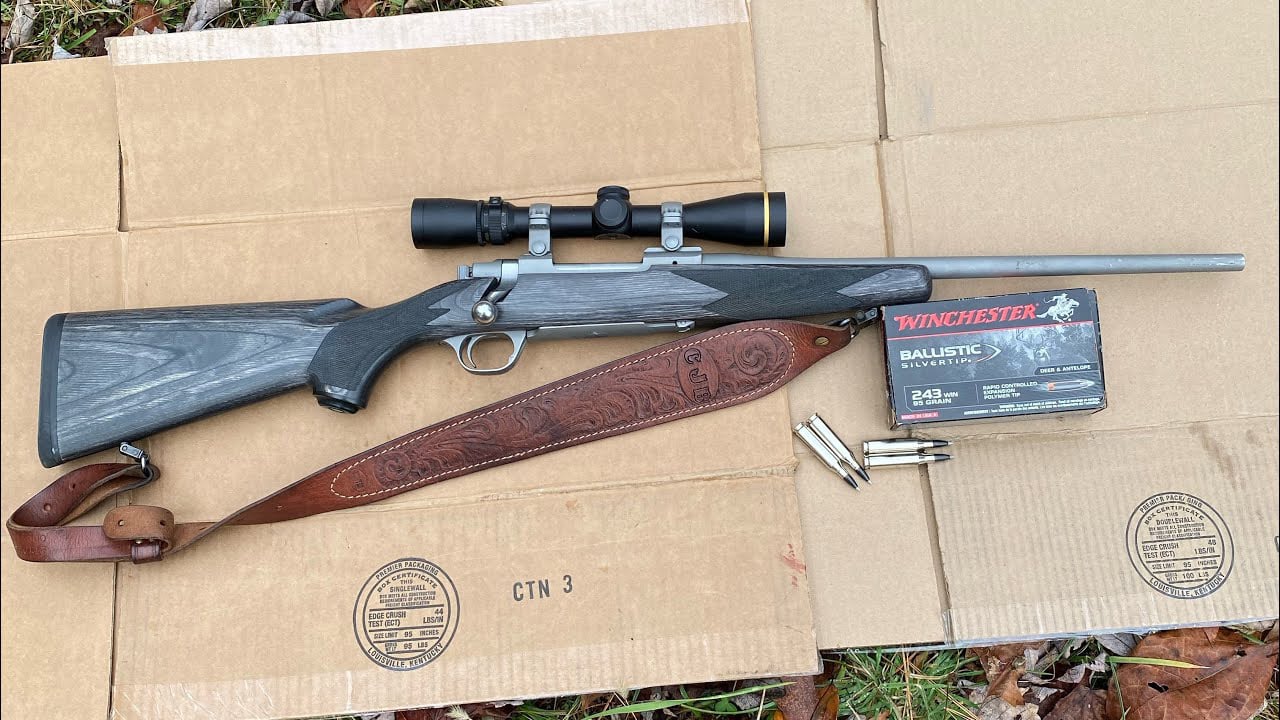
Ruger didn’t chase every trend with the Hawkeye. It’s still a robust, no-nonsense bolt gun that feels like it belongs behind a pickup seat during deer season. The controlled-round-feed setup and integral scope ring system are classic Ruger.
Triggers and stocks have improved over time, but it’s still the same basic rifle concept: durable, reliable, and meant to get hunted, not babied.
17. Remington Model 870 Wingmaster
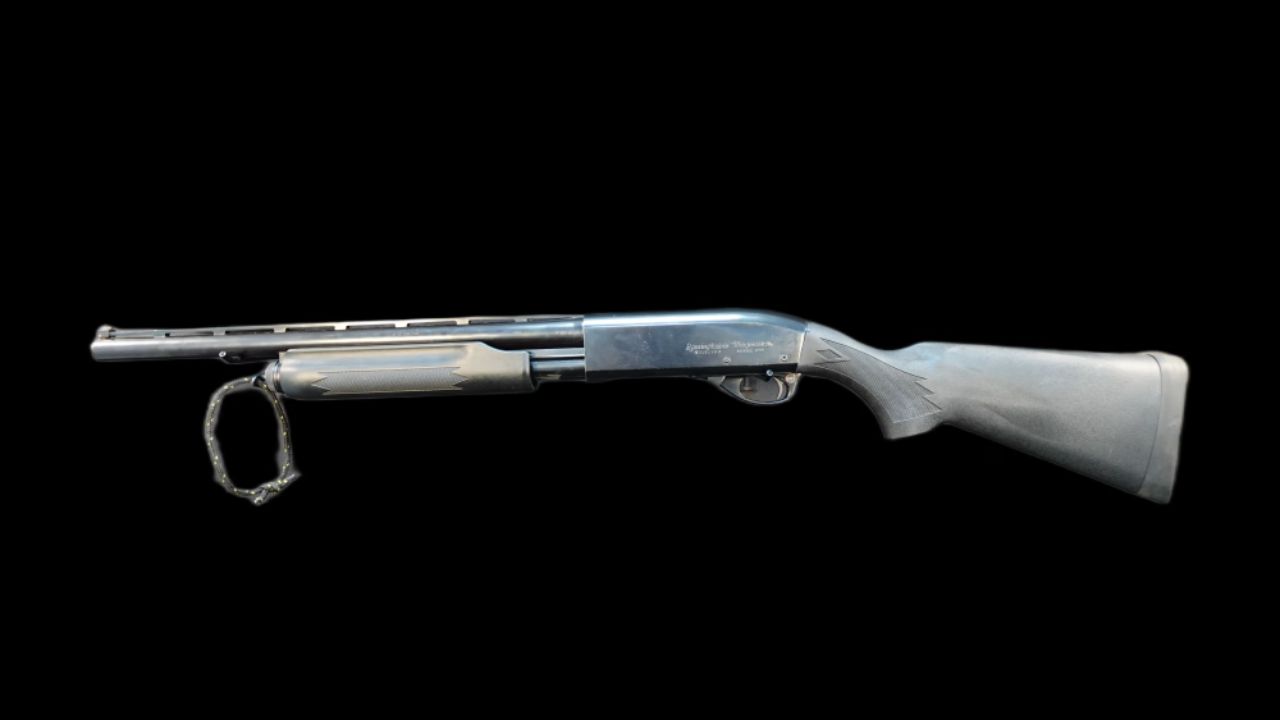
When you run an older Wingmaster hard and then pick up a new one, the vibe is familiar. That slide stroke—when it’s right—is still one of the best feelings in pump guns. The 870 design hasn’t been replaced because it does what it’s supposed to do.
Fit and finish can vary across eras, and I won’t pretend otherwise. But the platform is still the platform: simple to maintain, easy to find barrels for, and useful from turkeys to home defense with the right setup.
18. Mossberg 500

The Mossberg 500 has never been the “pretty” pump gun, and that’s fine. It’s a practical shotgun with a tang safety that makes sense, especially for lefties, and a design that’s proven itself in hunting camps everywhere.
The action can feel a little rattly compared to some others. Still, it works in the rain, it works when it’s dirty, and you can find parts and accessories without hunting down obscure suppliers.
19. Browning Auto-5 (current-production “A5” keeping the humpback spirit)
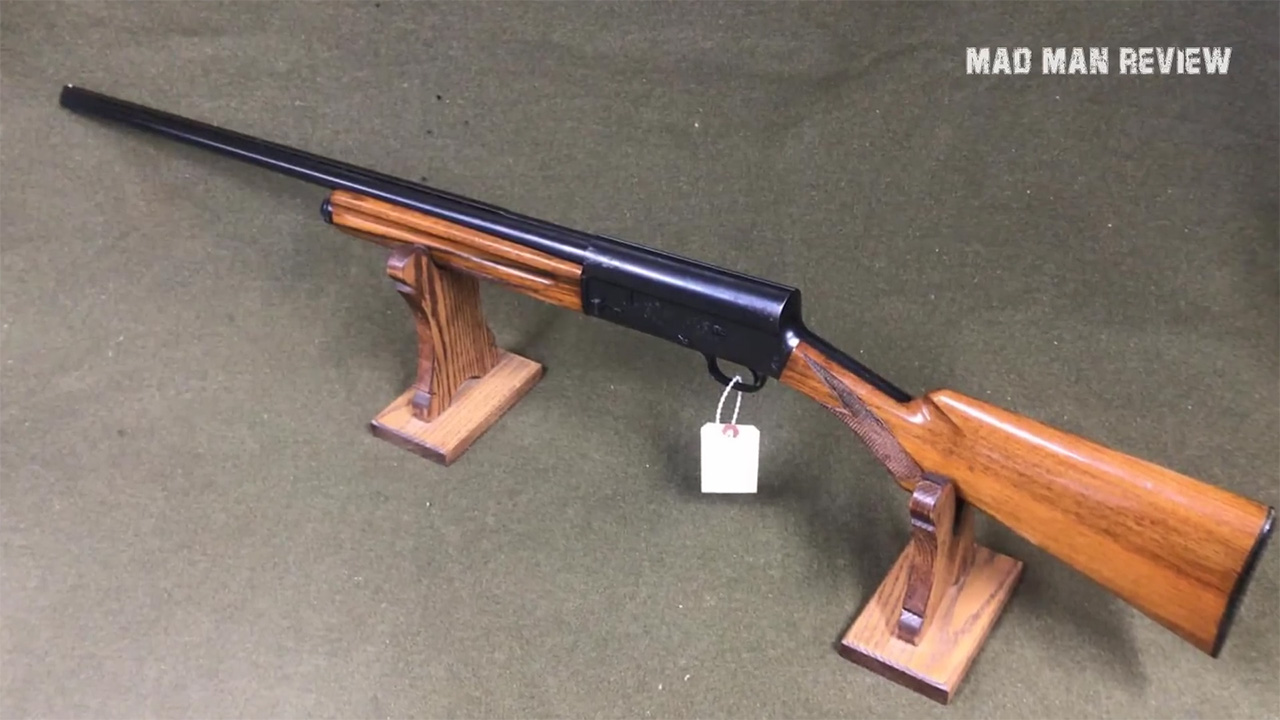
The classic humpback silhouette is one of the most recognizable shotgun profiles ever made. Modern versions keep the core feel and purpose alive: a fast-handling autoloader meant for birds and long days afield.
It’s not a museum piece you’re afraid to scratch. It’s a shotgun meant to be carried through cattails and corn rows. If you grew up around one, shouldering an A5 still feels like home.
20. Browning BAR (hunting rifle)
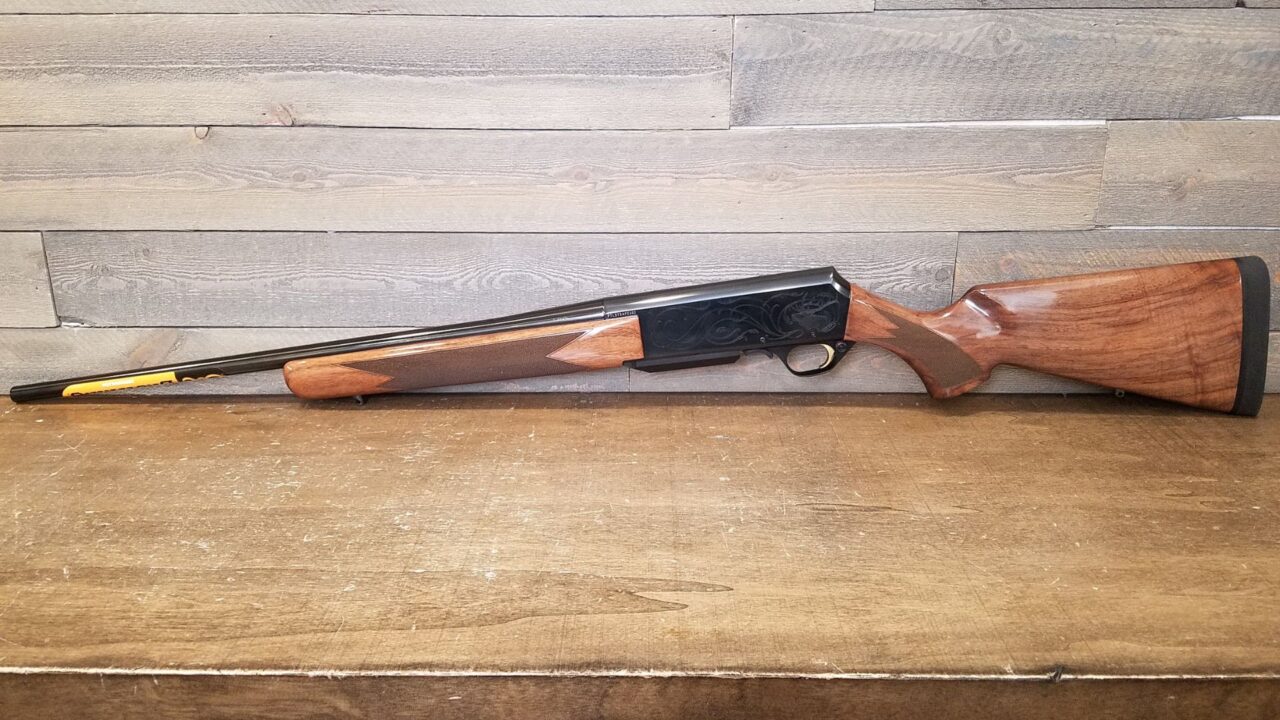
The BAR hunting rifle has quietly stayed in its lane: a reliable semi-auto built for hunters who want fast follow-ups without turning their deer rifle into a science project. It’s still a classic sporting design, not a tactical one.
It’s heavier than a bolt gun, and you’ll feel that on steep ridges. But from a stand, in thick woods, or on a cut where a second shot can matter, the BAR’s original purpose hasn’t changed—and neither has the basic recipe.
Trends come and go. The funny part is the guns that keep earning space in real working safes usually aren’t the ones with the loudest marketing. They’re the ones that feel right in the hands, feed when they’re supposed to, and don’t ask for much besides a little cleaning and honest practice. If you’ve got one of these already, I wouldn’t be too quick to let it go. Ask me how I know.
Like The Avid Outdoorsman’s content? Be sure to follow us.
Here’s more from us: