Photo credit: swordfish411/GunBroker
Some guns earn a reputation so strong that people stop questioning it. A famous military history, a loyal fan base, a legendary name, or years of glowing recommendations can make a firearm seem untouchable.
That is where expectations start outrunning reality. A gun can still be good and yet be nowhere near as impressive as its reputation suggests. Maybe the trigger is mediocre, the ergonomics are dated, the price has climbed too far, or newer competitors simply do the same job better. These 20 guns are not necessarily bad, but they do not always deserve the pedestal shooters put them on.
Colt Python
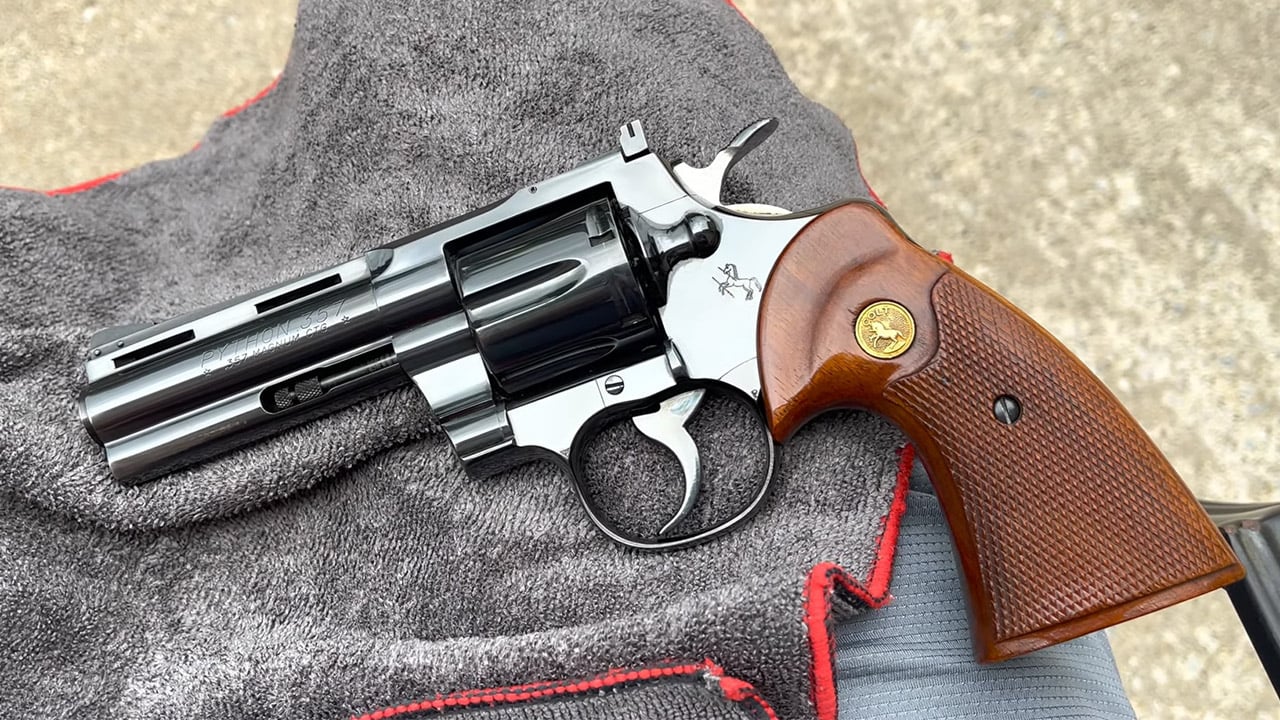
The Python may be the most famous revolver name in America, and that reputation does a lot of heavy lifting. Older examples are beautifully finished, and modern versions are strong, accurate, and undeniably attractive.
The problem is that people sometimes talk about the Python as if every other .357 Magnum revolver is playing for second place. That is hard to justify. There are less expensive revolvers with excellent triggers, strong lockup, and superb accuracy. The Python is very good, but a substantial part of what you are paying for is the name.
H&K USP

The USP earned a deserved reputation for durability, but that does not mean it is perfect. The pistol is bulky, the grip is large, and some trigger variants feel dated compared with newer hammer-fired designs.
It still works, and that matters. But when people call it one of the greatest service pistols ever built without qualification, they tend to ignore how much handgun ergonomics and trigger quality have improved since the USP arrived. Reliability alone does not make every other compromise disappear.
Glock 17
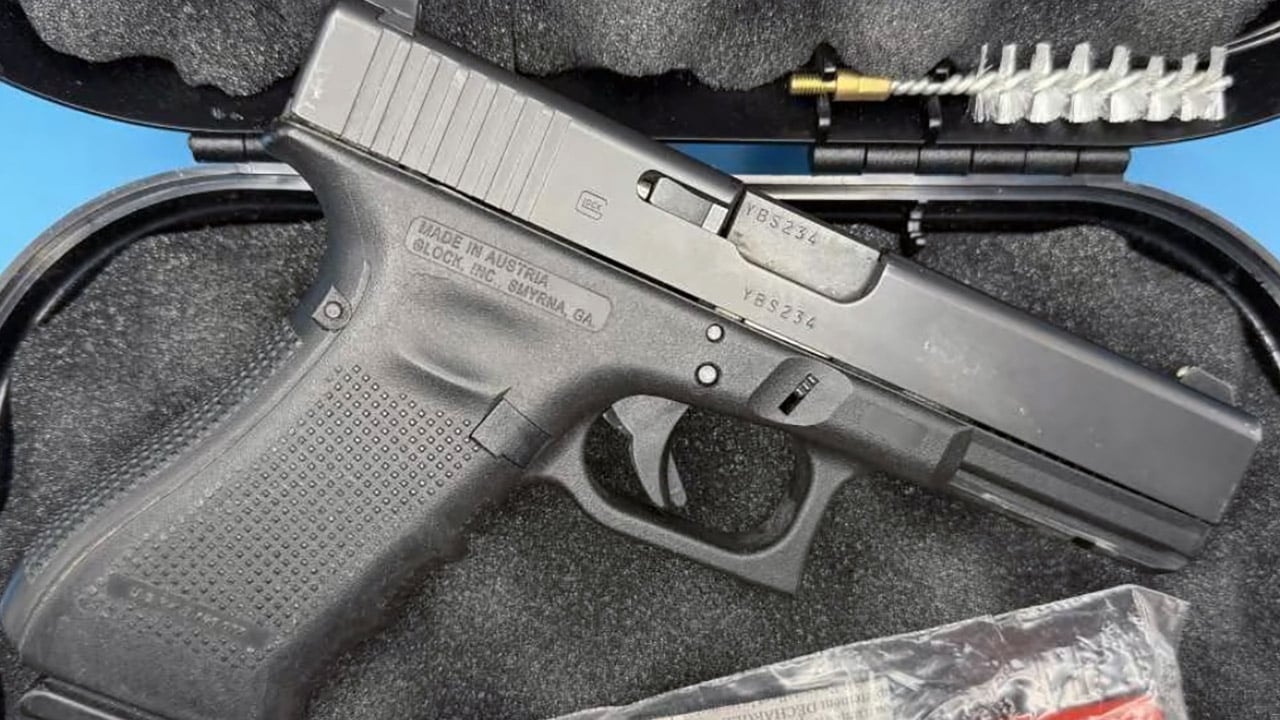
The Glock 17 changed the handgun market, and its influence is impossible to deny. It is durable, easy to maintain, and supported by an enormous aftermarket.
What it is not is magically superior to every other striker-fired pistol. The factory sights are basic, the trigger is average, and the grip angle does not work for everyone. The Glock 17 deserves respect for what it accomplished, but modern competitors now match or beat it in several areas straight out of the box.
Benelli M4

The M4 is one of the most respected tactical shotguns ever made, and much of that reputation is justified. It is reliable, rugged, and proven.
The problem is that the price often gets ignored when people talk about it. The gun is heavy, accessories are expensive, and several competing semiautomatics now offer excellent reliability and faster handling for less money. The M4 is still excellent, but the gap is not as huge as its reputation suggests.
Ruger Mini-14
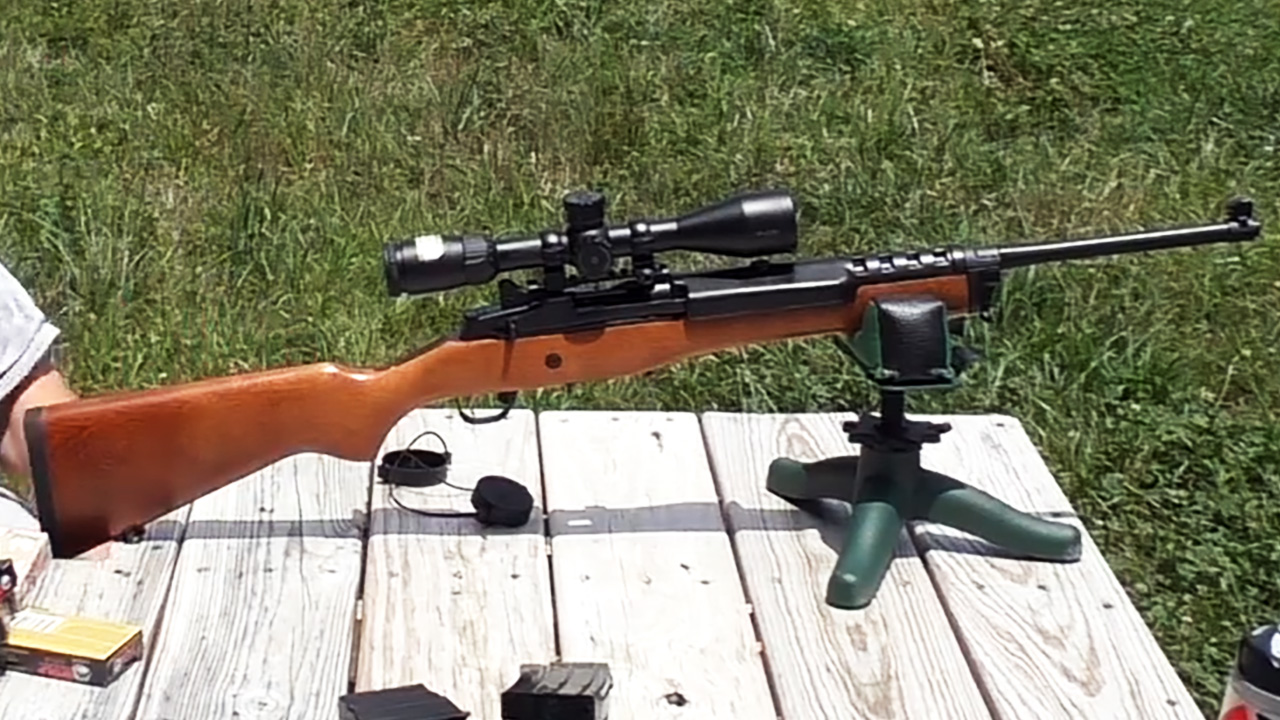
The Mini-14 has enormous appeal because it is light, handy, and avoids the look of an AR-15. It also has decades of name recognition behind it.
Older rifles, however, earned a mixed reputation for accuracy, and even newer versions can feel expensive relative to what they offer. Magazines cost more than common AR magazines, optics mounting is less straightforward, and the platform does not have the same flexibility. The Mini-14 is fun, but its reputation often exceeds its practical advantages.
Springfield Armory M1A

The M1A has military-style looks, a legendary lineage, and a devoted following. It is also heavy, expensive, and much more demanding to optimize than many modern .308 semiautomatics.
A good M1A can be accurate, but maintaining that accuracy can involve bedding, careful setup, and more attention than newer platforms require. The ergonomics are also undeniably old-school. It remains a fascinating rifle, but nostalgia does a lot of work for its reputation.
SIG Sauer P226
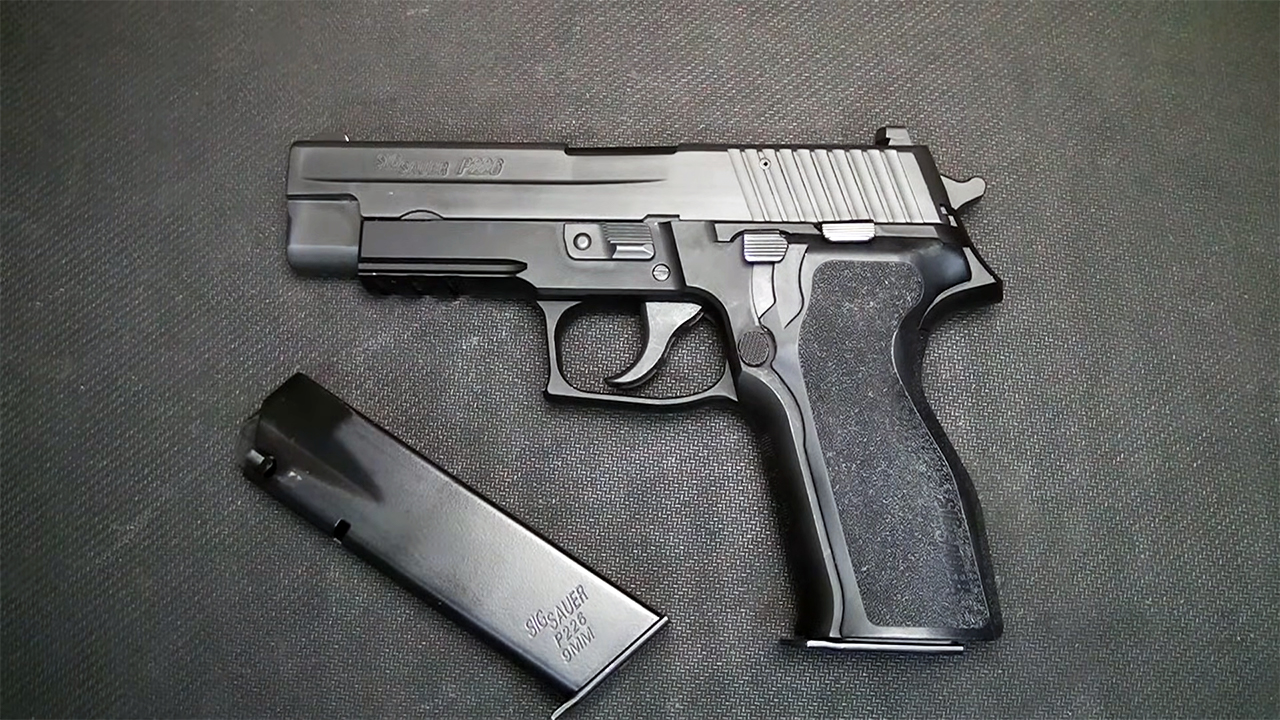
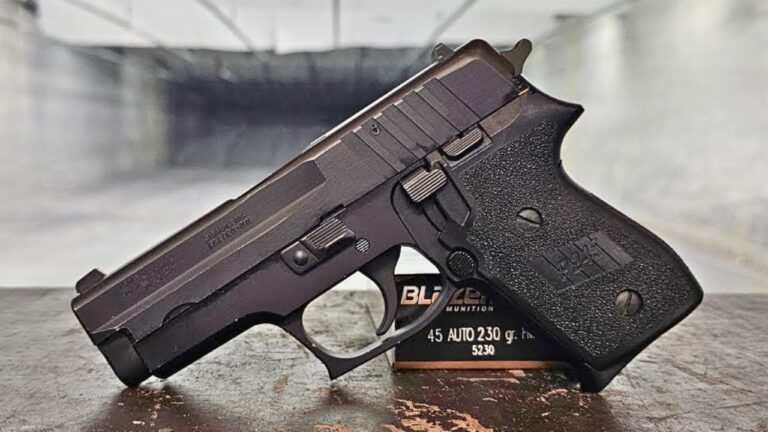
The P226 is one of the most respected service pistols ever built, and it absolutely deserves credit for durability and reliability.
Still, the standard versions are heavier and more expensive than many equally capable modern pistols. The double-action first shot also requires more training than a consistent striker trigger. The P226 remains excellent, but the idea that it is automatically better because it is metal and expensive does not always hold up.
Remington 870

The 870 earned its reputation during decades of excellent production. That history is exactly why people continue recommending it almost automatically.
The issue is that not every era of 870 production has been equal. Finish quality, action smoothness, and overall consistency have varied over time. A good 870 is still a very good shotgun, but buyers should judge the gun in front of them rather than relying entirely on the name stamped on the receiver.
FN SCAR 17S
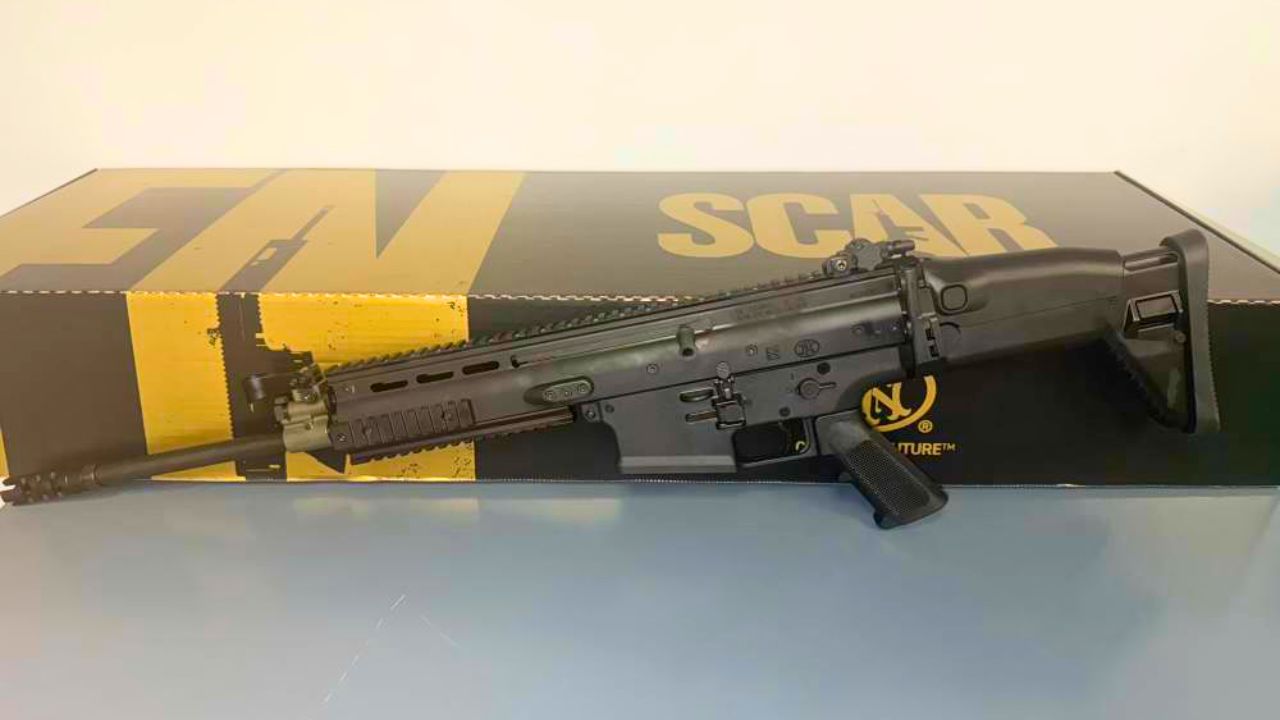
The SCAR 17S is light for a .308 semiautomatic, reliable, and immediately recognizable. It also carries one of the strongest reputations in the battle-rifle category.
The price makes the weaknesses harder to ignore. The reciprocating mass and recoil impulse can feel harsher than expected, magazines are proprietary, and accessories add even more cost. It is an excellent rifle, but many buyers can get comparable practical performance elsewhere for much less.
Kimber 1911

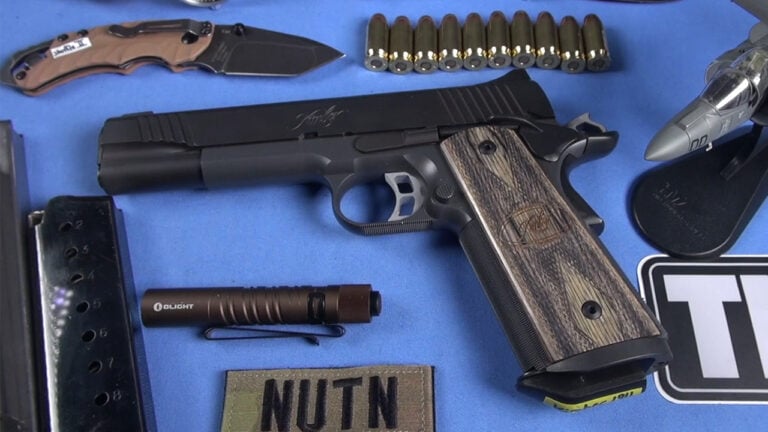
Kimber helped make factory 1911s with upscale features widely available, and the brand still carries a premium image with many buyers.
That reputation can be inconsistent with actual owner experiences. Some guns run beautifully, while others have developed complaints involving magazines, break-in periods, or feeding. At Kimber pricing, buyers tend to expect less uncertainty. The name alone should not substitute for evaluating the individual pistol.
Taurus Judge
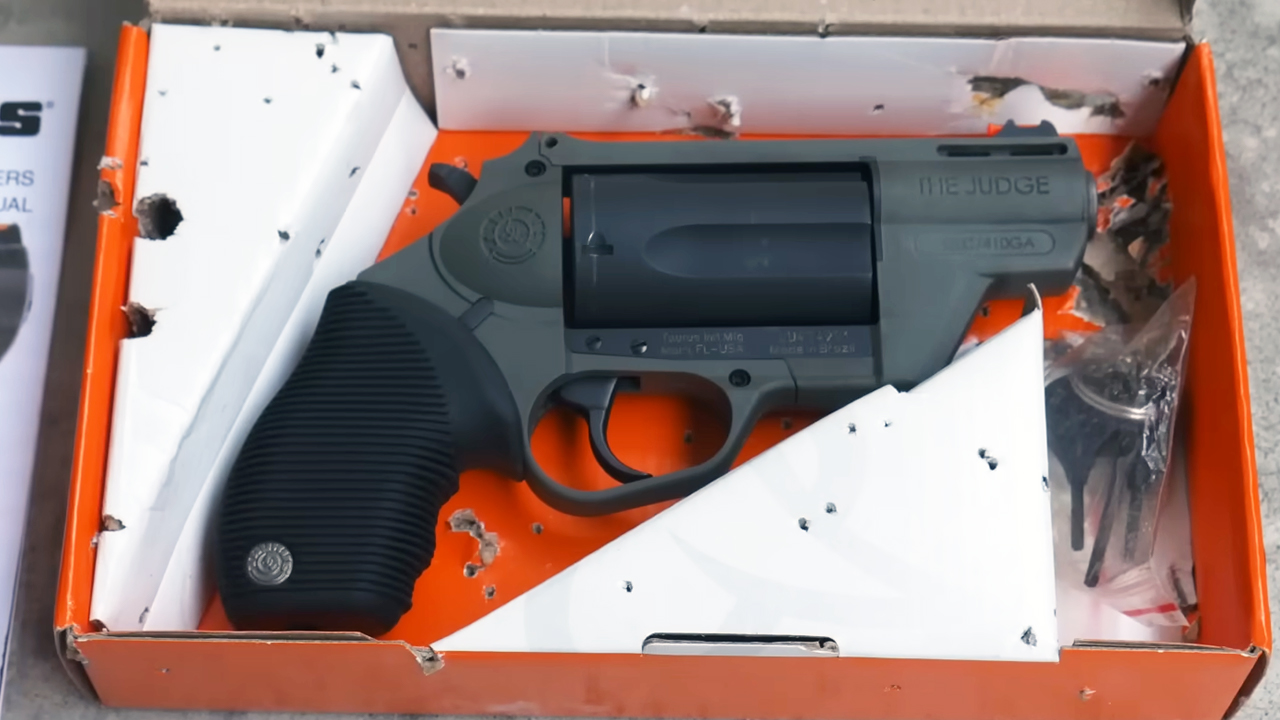
The Judge may have one of the strongest marketing reputations of any revolver. The idea of firing both .45 Colt and .410 shotshells makes it sound incredibly versatile.
In practice, that versatility comes with tradeoffs. The long cylinder makes the gun bulky, .410 performance from a short barrel is highly load-dependent, and conventional revolvers often shoot handgun ammunition better. The Judge is interesting, but it is not the do-everything defensive solution its reputation sometimes implies.
Desert Eagle

The Desert Eagle is legendary in movies, games, and gun culture. Few pistols have more presence.
As an actual handgun, it is enormous, expensive to feed, heavy to carry, and more sensitive to shooting technique than conventional service pistols. None of that matters if you want one because it is fun and iconic. It does matter if you expect the legend to translate into practical superiority.
Marlin 1895 SBL
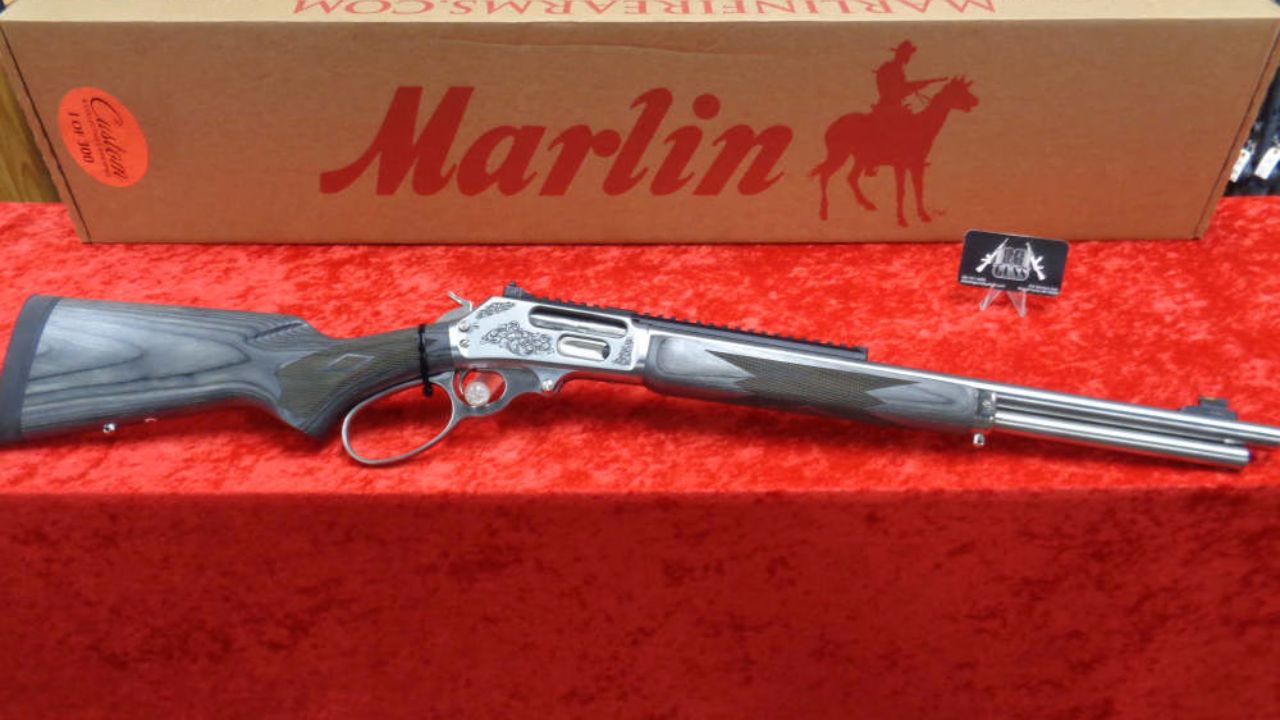
The 1895 SBL has become one of the hottest modern lever guns thanks to its stainless construction, big-bore chambering, and aggressive styling.
The reality is that it is still a heavy .45-70 lever gun with expensive ammunition, limited capacity, and substantial recoil. It is excellent for specific hunting roles, but the current hype can make it sound far more universally useful than it really is.
Browning Hi-Power
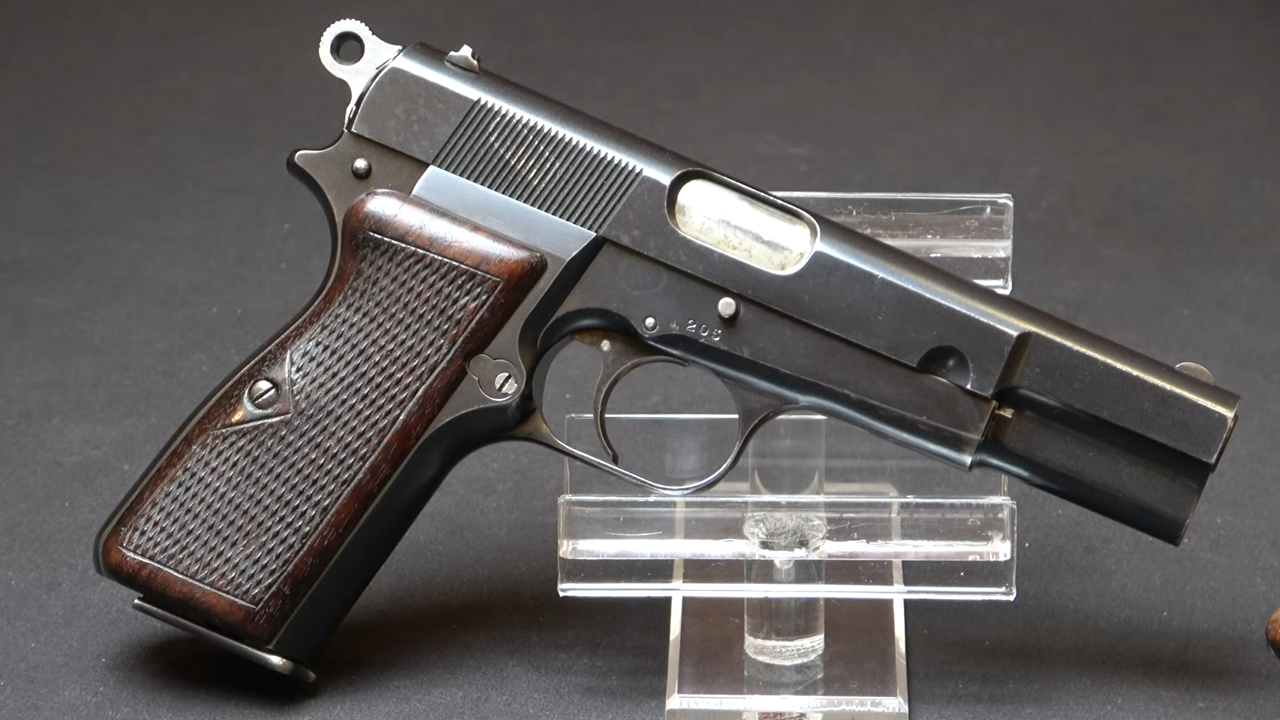
The Hi-Power is historically important, elegant, and still one of the best-looking service pistols ever produced.
Its reputation sometimes glosses over the trigger, especially on versions with a magazine disconnect. Hammer bite can also be a real issue for some shooters, and the safety is not always as easy to use as modern controls. The Hi-Power is a classic, but nostalgia tends to hide several very real shortcomings.
Mossberg 590A1

The 590A1 is built to survive abuse and has one of the strongest reputations among defensive pump shotguns.
The downside is weight. The heavy barrel and reinforced construction make sense for military use, but most civilian owners will never need that level of ruggedness. A lighter pump may handle faster and be easier to live with while offering all the durability they realistically require.
CZ 75 B

The CZ 75 B has excellent ergonomics, low recoil, and a well-earned following. It is one of the classic metal-framed 9mms.
Still, the tiny slide gives you less surface to manipulate, the double-action trigger can be long, and the safety arrangement on some versions is not ideal for every shooter. The CZ 75 remains very good, but the almost mythical reputation can make people forget it has quirks.
Ruger 10/22
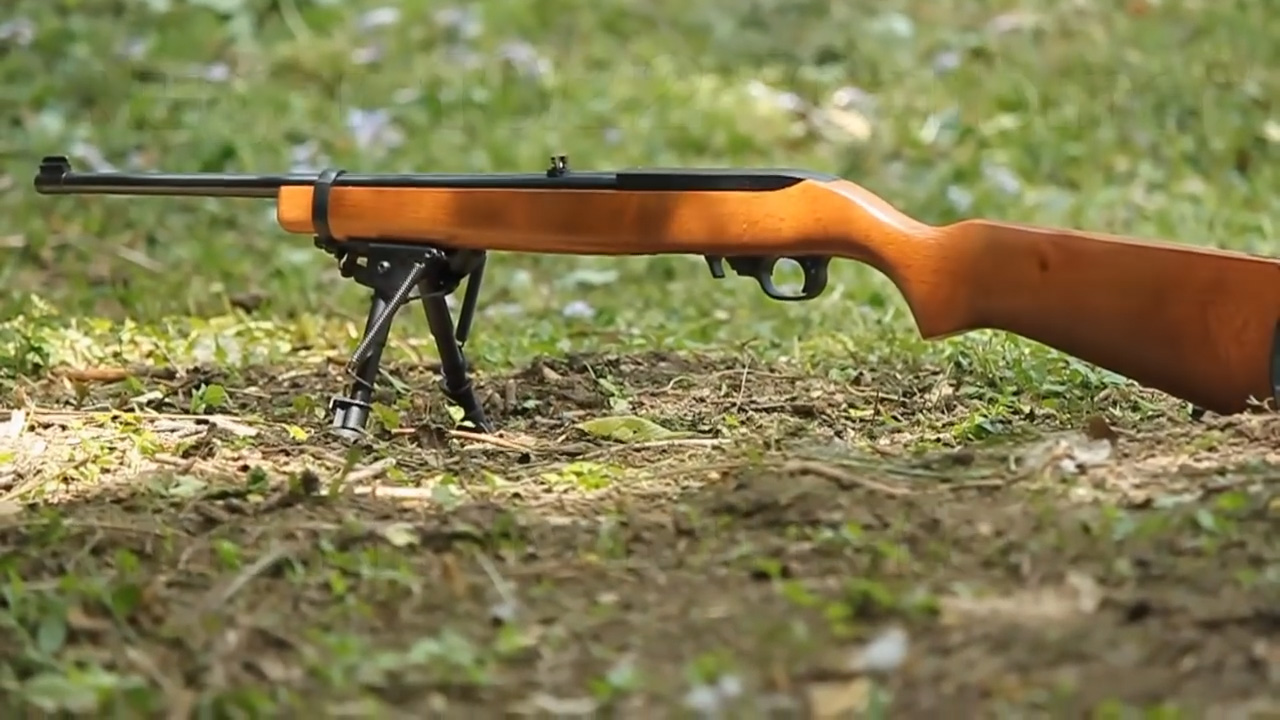
The 10/22 is probably the most famous semiautomatic .22 rifle in America. Its aftermarket is enormous, and the basic design has been around forever.
Out of the box, however, many standard versions are much more ordinary than the reputation suggests. Triggers can be heavy, stocks can feel cheap, and accuracy may be merely acceptable. The platform becomes exceptional once you start modifying it, but that is not the same as every factory 10/22 being exceptional.
Winchester Model 94

The Model 94 is one of the most important American sporting rifles ever made. It is light, handy, and forever tied to the .30-30.
That historical reputation can make people overlook the limitations. Traditional models are awkward to scope, the tubular magazine restricts ammunition shape, and the action is not always as smooth as more refined lever designs. It remains a great woods rifle, but it is not automatically the best lever gun just because it is the most famous.
Colt 1911 Government Model

The Government Model has one of the strongest reputations in handgun history, and for good reason. The trigger, grip angle, and shooting characteristics remain excellent.
The platform also carries lower capacity, more maintenance demands, and greater sensitivity to magazines and setup than many modern service pistols. A properly sorted 1911 is outstanding, but the idea that the design is inherently superior to newer pistols ignores a lot of practical progress.
Barrett M82A1
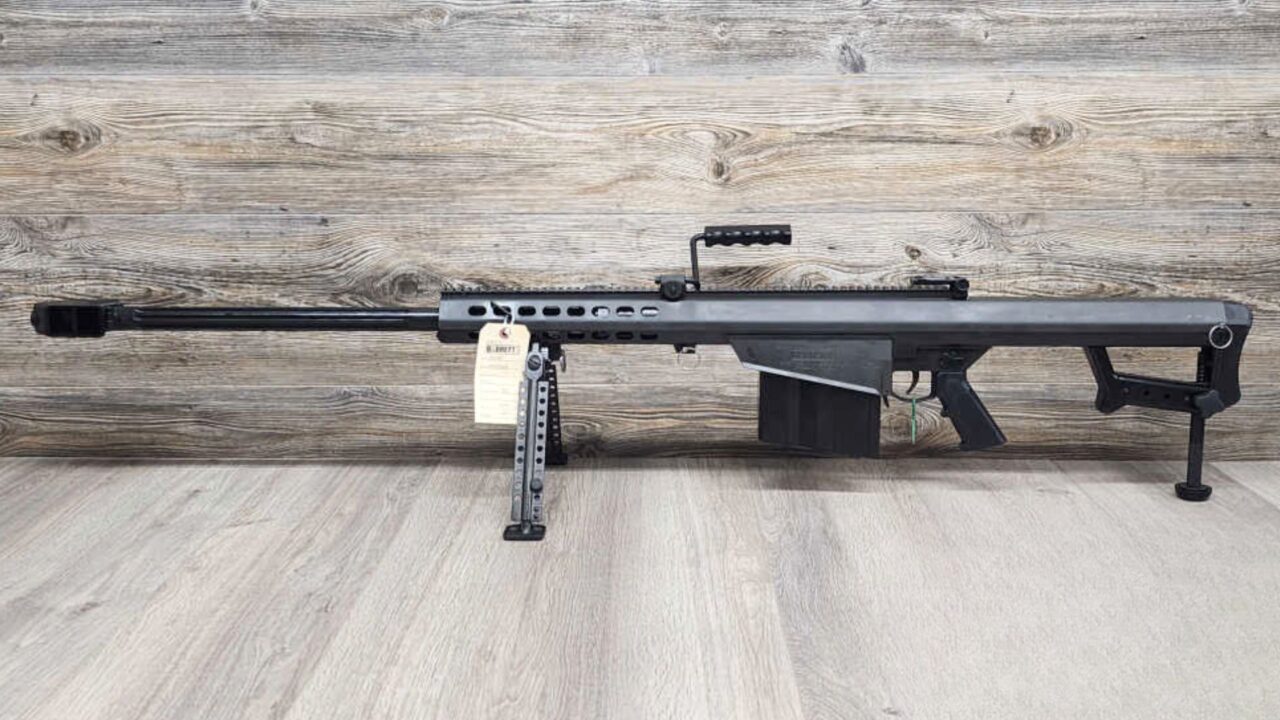
The M82A1 is one of the most recognizable rifles ever built. Its military use, massive cartridge, and unmistakable profile have given it almost mythical status.
It is also huge, heavy, brutally expensive to feed, and far less convenient than the reputation makes it sound. It serves a highly specialized role extremely well, but as a civilian rifle it is often more about the experience and status of ownership than practical usefulness. That is fine, but it is not the same thing as being universally great.
Like The Avid Outdoorsman’s content? Subscribe to our newsletter so you never miss an article.
Here’s more from us: