Photo credit: Antioch, Prince of the Hunt/YouTube
Every deer camp has at least one old rifle that looks like it has lived a hard life and still cycles like it is mad you even doubted it. Bluing worn thin where a hand rode it up a mountain. Stock dents from a fence crossing. Sling studs that have dragged through mud and never loosened up. Those rifles came from a time when a maker’s reputation depended on whether the gun kept working after years of hunting seasons, not whether it could be cranked out cheaper this quarter.
This is not a “they don’t make ’em like they used to” speech where everything new is junk. There are excellent modern rifles. But a lot of the older standbys were built with a different mindset: more steel, simpler systems, and designs that tolerated dust, rain, and neglect a little better than they should. Here are 20 rifles that earned their keep the slow way.
1. Winchester Model 70 (pre-64)

If you’ve ever worked a pre-64 bolt, you know the feel—smooth without being loose, like parts were actually fit instead of just assembled. The controlled-round feed and big claw extractor aren’t marketing gimmicks. They’re the kind of features you appreciate when you’re cold, tired, and trying to run the bolt without thinking about it.
They are not light, and they are not cheap anymore. But they’re the kind of rifle you can hand to a kid one day and not worry that it’ll be finicky about ammo or fragile around camp. If you’ve got one that shoots, hang on to it.
2. Mauser 98 (military and quality sporter builds)

The Mauser 98 is the reason half the bolt actions on the planet exist in their current form. It’s strong, simple, and forgiving, with an extractor that means business. Plenty of them started life in military service and ended up as hunting rifles, and most of those actions are still running.
Some are rough, some have seen questionable gunsmithing, and some have triggers that feel like dragging a cinder block. But a good one is a forever action. If you want a rifle to live behind a truck seat for years and still function, this is the old-school answer.
3. Springfield Armory M1903 (and 1903A3)
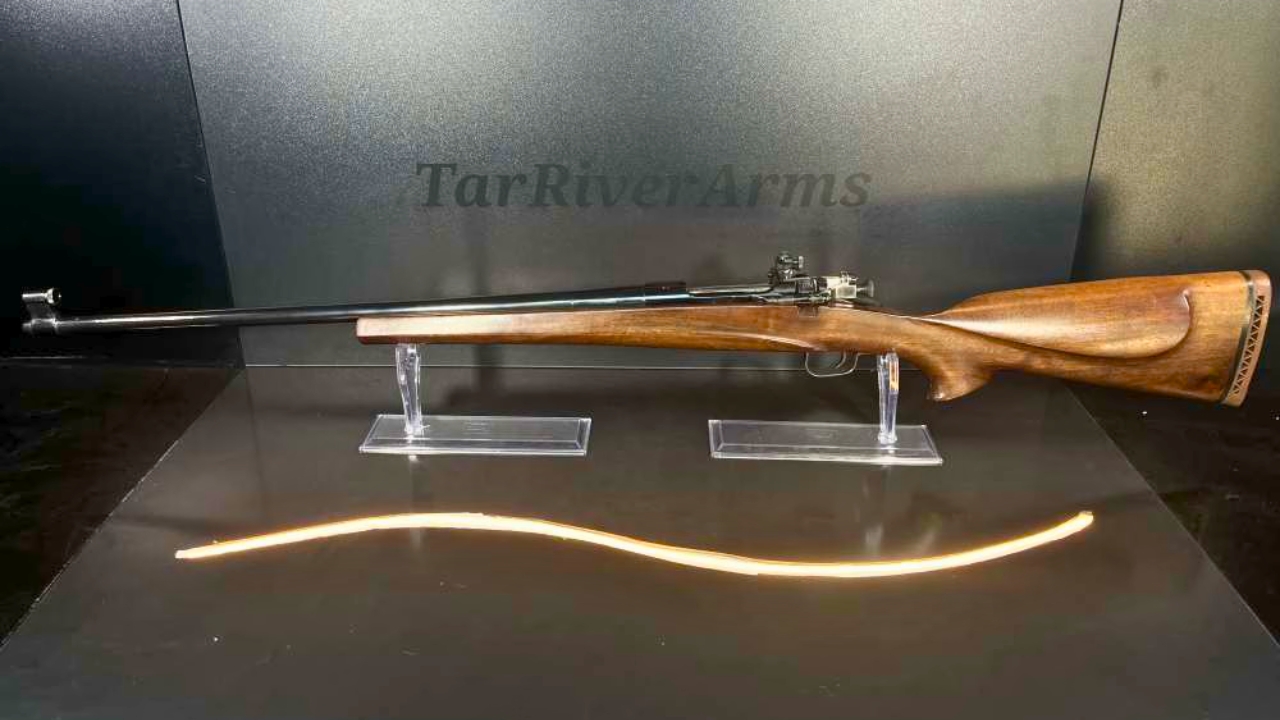
These rifles were built for a world that expected rifles to be abused, then cleaned, then abused again. The 1903 has that solid, no-nonsense feel in the bolt throw and the way the whole gun balances. A lot of them still shoot better than folks expect with decent ammo.
They’re long, they’re heavy, and nobody is calling them handy in thick brush. Still, as a “last rifle I’d ever sell” type of gun, they make sense. Just don’t turn one into a project unless you know exactly what you’re doing—original examples are only getting scarcer.
4. Lee-Enfield No. 4 Mk I

The Enfield is what you buy when you want fast follow-up shots from a bolt gun without it feeling frantic. That slick rear-locking action cycles quick, and the rifles were designed to keep going in mud, rain, and miserable conditions. They weren’t babied.
Accuracy varies, and some have bores that look like they were cleaned with gravel. But a good No. 4 is a genuinely practical rifle even today. If you find one with a strong bore, it’ll surprise you.
5. Ruger M77 (tang safety models)

There’s nothing flashy about the old tang-safety M77. It just feels like a rifle should feel—solid in the hand, with a safety you can run silently and naturally. These were made for hunters, not spec sheets.
Triggers can be hit or miss, and some aren’t as smooth as the internet wants them to be. But they hold up. They’re the rifles you see in a rack behind a farmhouse door, not because they’re pretty, but because they always work.
6. Remington Model 700 (early production)

Yes, there’s baggage around the 700 depending on era and maintenance, and no, I’m not pretending every one of them is perfect. But early 700s earned their reputation the honest way: accuracy, parts support, and a design that just plain got used.
They also became the base for more hunting and precision builds than most rifles will ever dream about. If you’ve got an older 700 that’s been reliable, keep it maintained, store it safely, and don’t get cute with shade-tree modifications. Boring reliability is the goal.
7. Winchester Model 94 (pre-64)
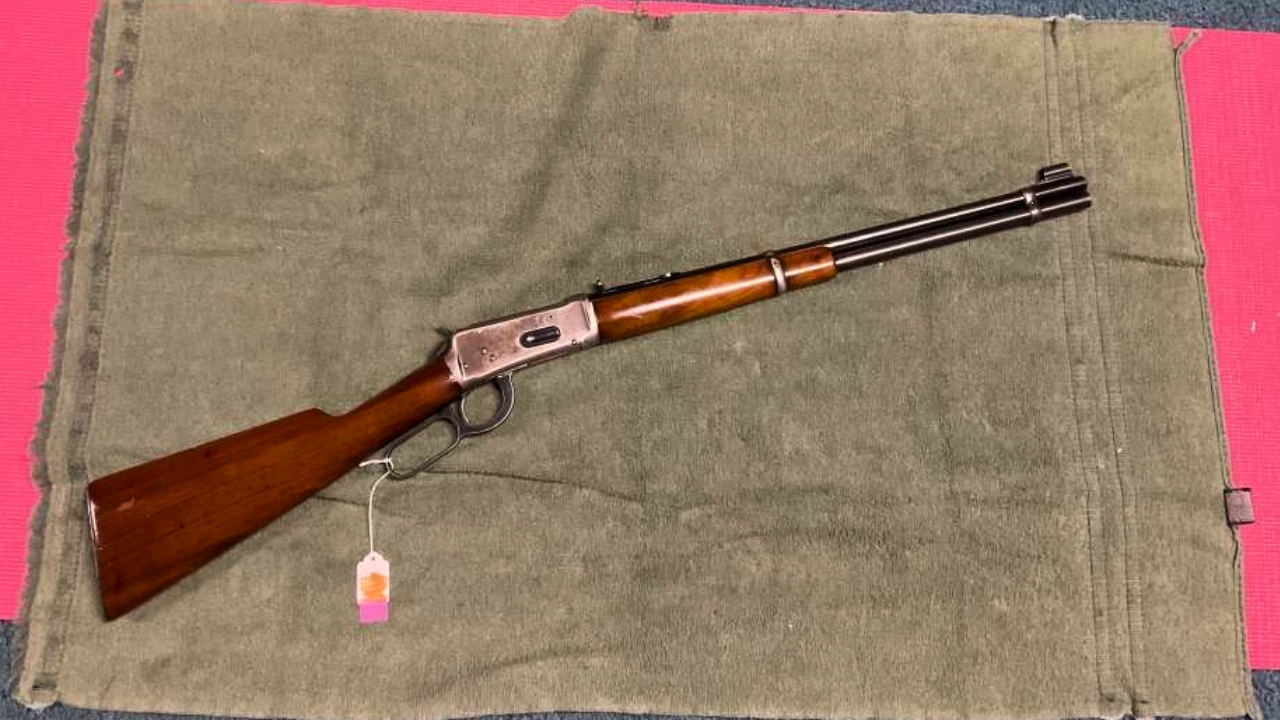
A pre-64 Model 94 is what “truck gun” used to mean before it became a social media category. Light enough to carry all day, slim enough to slip in and out of a scabbard, and simple enough to run with gloves on. They ride well and point naturally.
They’re not benchrest rifles, and most of them wear honest hunting sights. But as a practical woods rifle, especially in .30-30, it’s hard to argue against. The good ones feel alive in your hands.
8. Marlin Model 336

The 336 is one of those rifles that makes you wonder why you ever overcomplicated things. Side ejection, easy scope mounting if you want it, and a lever action that usually runs smoother than it has any right to after decades.
They do get carried a lot, which means they get knocked around a lot. That’s kind of the point. A 336 with a little finish wear is a sign it did the job instead of living in a safe.
9. Savage Model 99

The Savage 99 is a lever gun for folks who like clever engineering. Rotary magazine, sleek lines, and chamberings that make it more than just a short-range brush gun. A good 99 feels like quality the moment you shoulder it.
They can be more finicky to service than a basic lever action, and parts aren’t always as easy as a 336 or 94. Still, the ones that have been cared for keep running, and they’re a joy to hunt with.
10. Browning BAR (Belgian-made, early production)
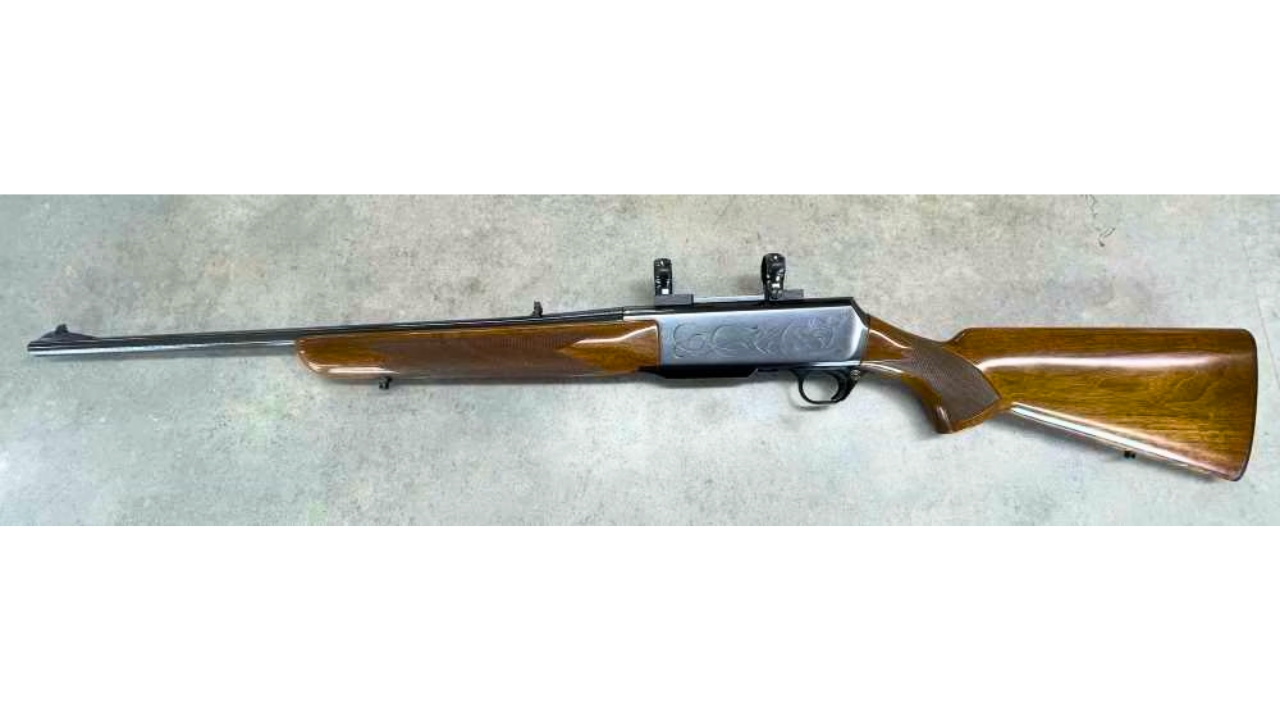
The old Belgian BAR hunting rifles weren’t built to be light. They were built to run. The action feels like it’s on rails, and they soak up recoil in a way that makes you shoot better than you deserve sometimes.
They’re not for everyone, especially if you hike steep country. But for a stand hunter or anybody who values a soft-shooting semi-auto that doesn’t feel disposable, these have a lot going for them. Keep them clean and they’ll keep cycling.
11. Ruger No. 1
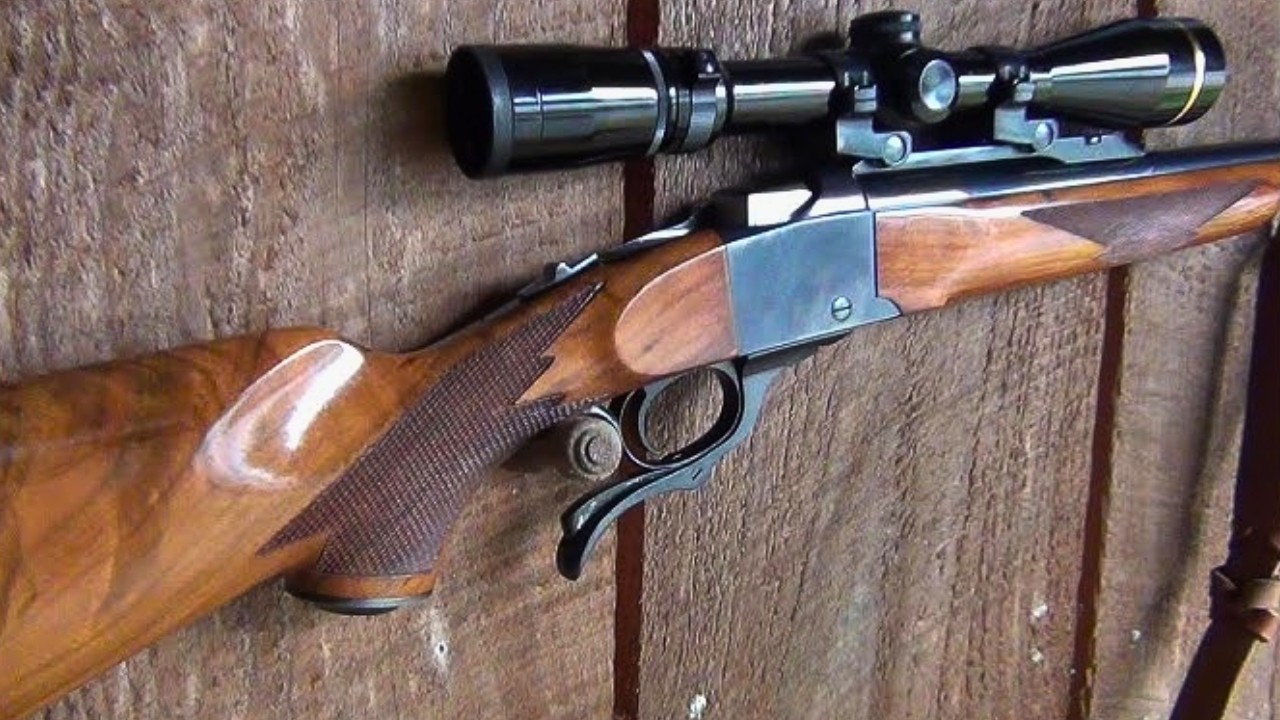
A Ruger No. 1 is proof that “one shot” doesn’t mean “limited.” These rifles were made with pride—strong falling-block action, nice wood on many of them, and a feel that makes you slow down and shoot like you mean it.
They can be picky about loads in certain chamberings, and you don’t buy one for rapid follow-ups. You buy it because it will last, because it’s simple, and because it makes hunting feel like hunting again instead of a gear race.
12. Ruger 10/22 (older walnut-stock carbines)

The 10/22 might be the most used rifle in America for a reason. The older walnut-stock carbines feel like a real rifle, not a toy, and they digest brick after brick of .22 without drama. I’ve seen them go years with “some oil and a wipe” as the maintenance plan.
Magazines are everywhere, parts are everywhere, and you can keep one running forever. It’s also the rifle that teaches kids the right habits because it’s pleasant to shoot. Those are “lasting” qualities that matter.
13. CZ 452 (and early CZ rimfires)
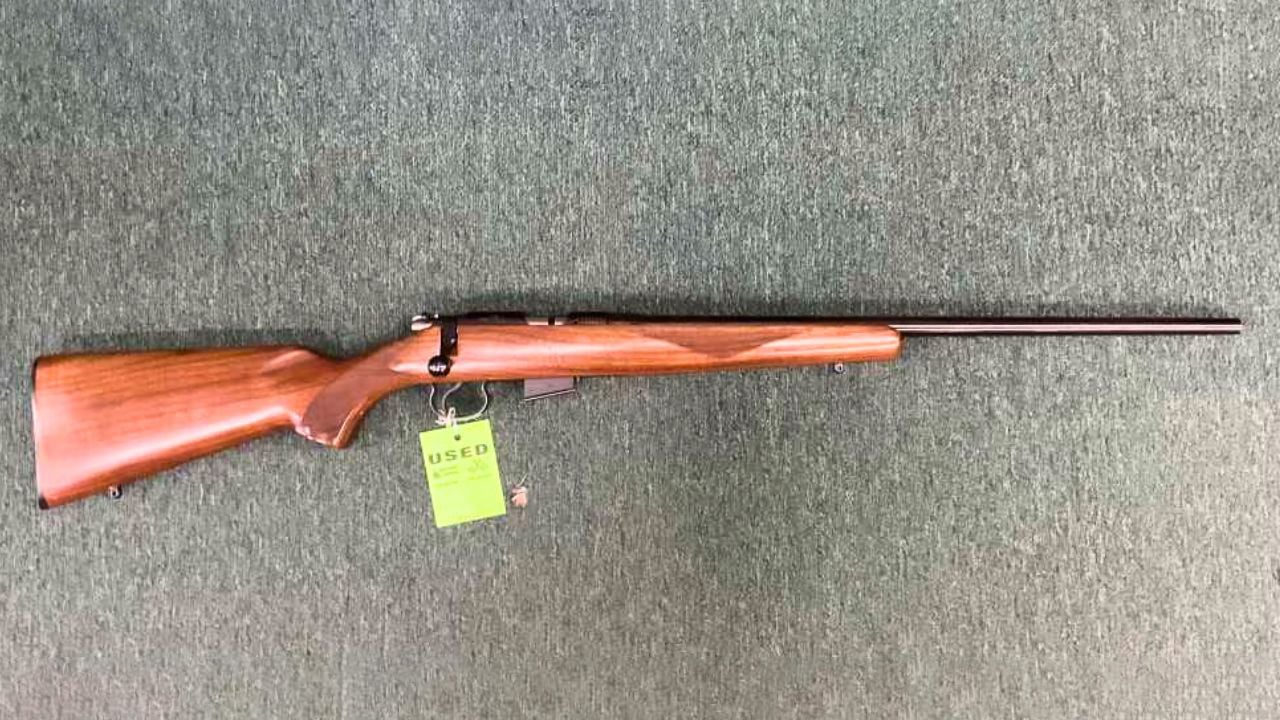
CZ rimfires built their fan club one small group at a time. The 452 in particular has that clean, mechanical feel, and many of them shoot way above what you paid. The wood and metal work often looks like it came from a more expensive rack.
They’re not tacticool, and they don’t need to be. If you want a .22 that will still feel tight and accurate after years of squirrel seasons, the 452 is hard to beat. It’s the kind of rifle you regret letting go.
Free for gun owners: If something happened to you tomorrow, would your family know where the guns are, who has the safe combination, or what to do first? Our free Gun Owner’s Family Checklist walks them through it. It takes about 15 minutes to fill out. Get your free copy here.
14. Sako L579 Forester

Old Sako rifles have a slickness that’s tough to describe until you run one. The bolt lift, the feeding, the way the whole action feels—there’s a quiet confidence to it. They were built to be used, but they were finished like somebody cared.
Replacement parts aren’t as casual as a modern mass-market rifle, and you don’t want to beat one up if it’s a clean example. But if you want a classic hunting rifle that feels “right” every time you pick it up, this is one of them.
15. Tikka M55/M65

Before Tikka became the modern accuracy bargain everybody talks about, the older M55 and M65 rifles were already earning a reputation for smooth actions and real-world reliability. They’re not loud about it. They just work.
They also tend to carry well, which matters more than folks admit. A rifle that balances and doesn’t fight you gets hunted harder. And the more a rifle gets hunted, the more you learn to trust it.
16. Steyr Mannlicher-Schoenauer (classic rotary-magazine rifles)
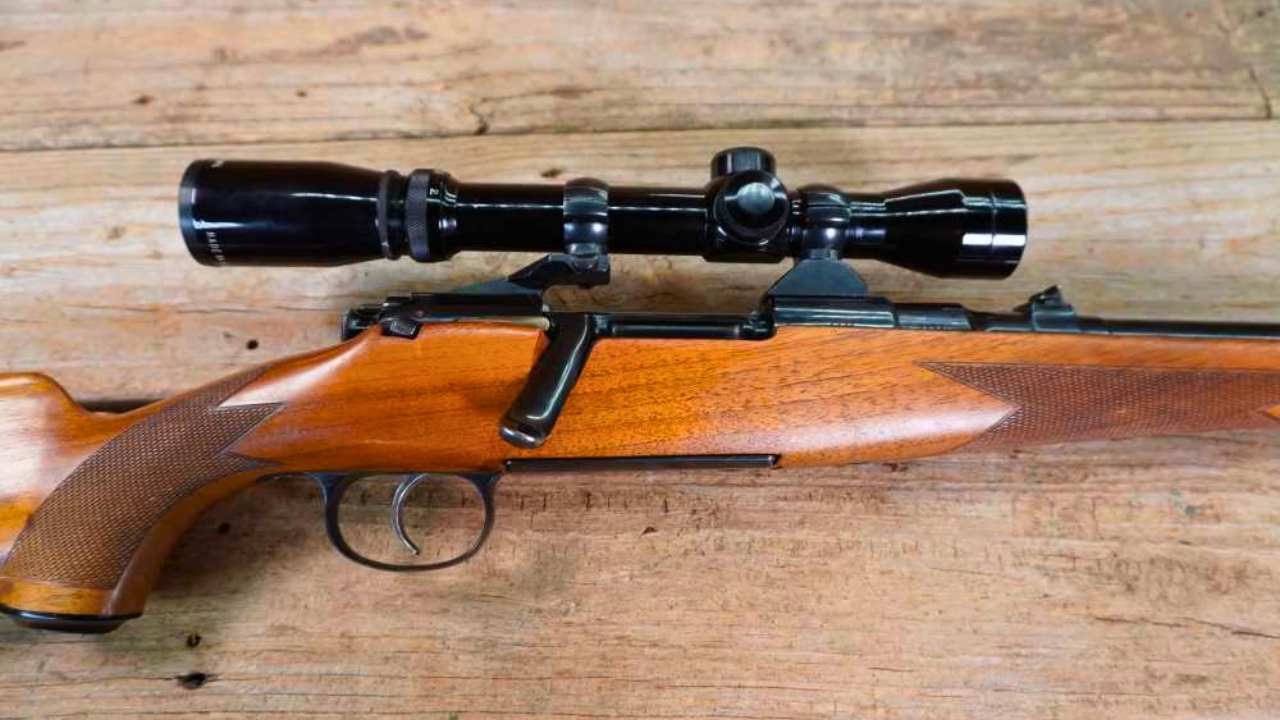
These are the rifles that make you understand why old-timers cared about craftsmanship. The action is famously smooth, and the whole rifle feels refined without being delicate. They weren’t meant to be “cheap enough.” They were meant to be good enough.
They’re not the best choice if you want easy aftermarket support or quick parts. But if you own one that’s in good shape, it’s not just a safe queen. It’s a rifle that can still hunt, and it’ll do it with style.
17. FN Browning Hi-Power Safari
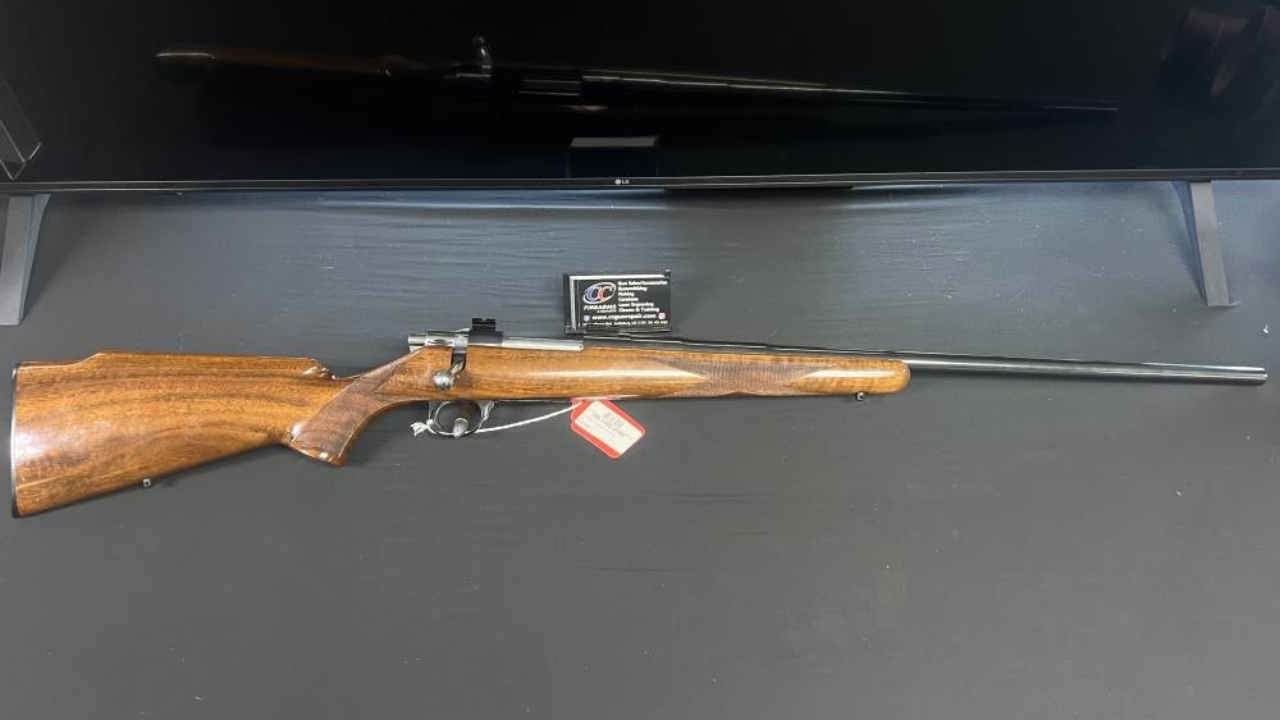
FN commercial Mauser-action hunting rifles under the Browning Safari name are serious rifles. Strong actions, good steel, and the kind of fit that makes you stop working the bolt just to feel it. They were built during an era where reputation traveled by word of mouth.
They’re often heavier than today’s mountain rifles, and sometimes they wear old scopes that deserve retirement. But the rifle itself is the point. If you want a classic big-game rig that doesn’t feel like it was cost-cut, this is a good place to look.
18. Remington Model 81 Woodsmaster

John Browning’s long-recoil designs look odd to modern eyes, but they have a track record. The Model 81 is heavy, sure, but it’s also the kind of rifle that kept running back when semi-autos were still proving themselves to hunters.
They’re not as easy to source parts for, and they’re not the simplest rifles to detail clean. Still, they’ve lasted this long for a reason. If you stumble into one that’s sound, it’s a piece of hunting history that can still put meat in the freezer.
19. Colt AR-15 SP1
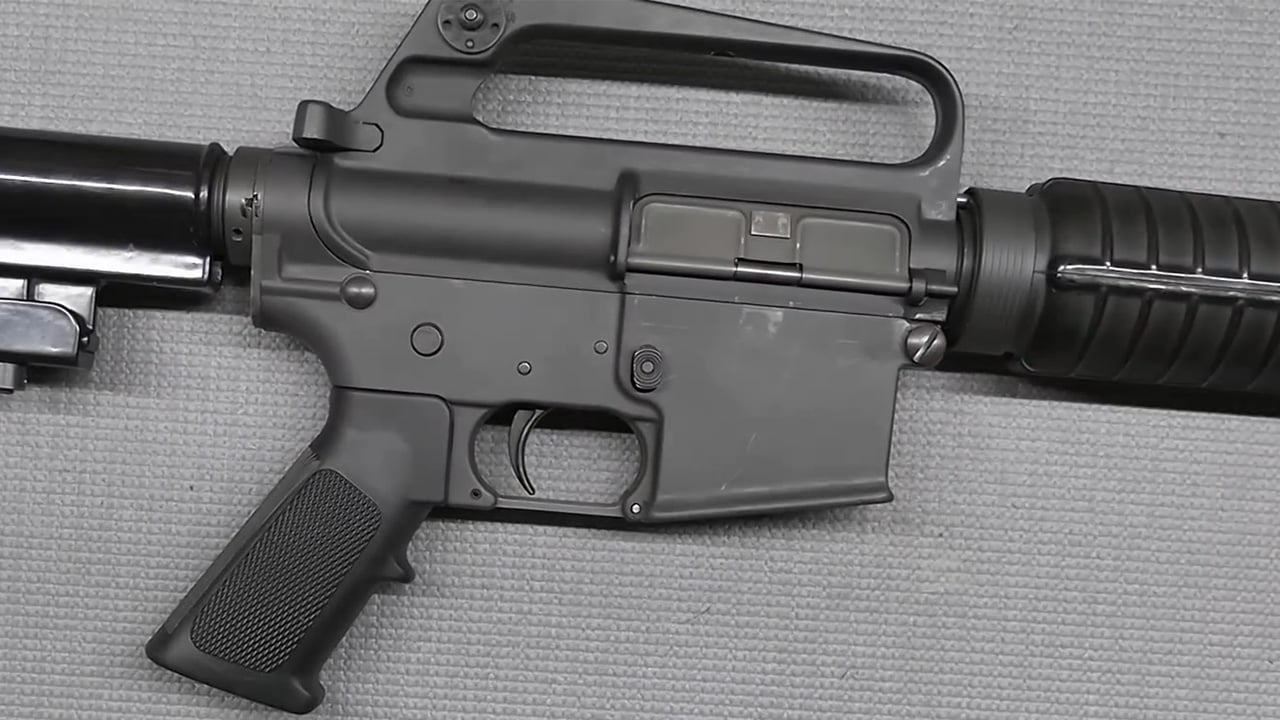
The SP1 isn’t a modern hard-use AR with rails everywhere and a light hanging off it. It’s an early civilian Colt that reminds you the platform started out light and handy. The fit and finish on many of them is better than what folks assume when they hear “old AR.”
They’re also not something you want to beat up if it’s clean, because collectors have noticed. But as an example of a rifle built when a company cared deeply about its name, the SP1 belongs on this kind of list. It’s simple, light, and it works.
20. M1 Garand (U.S. service rifles and quality builds)

Pick up a Garand and you feel the weight of “built to last” immediately. It’s a battle rifle that still runs decades later, and it does it with a kind of mechanical honesty you don’t see much anymore. The sights are excellent, the balance is better than it looks on paper, and the whole rifle feels like it was designed to survive real abuse.
It’s not a casual plinker unless you enjoy feeding it and hauling it. But if you want a rifle that represents durability as a standard, not a bonus feature, the Garand is right there at the top.
None of these rifles are magic, and every single one can be neglected into failure. But they came from an era where the default assumption was years of hard use, not a short product cycle. If you’ve got one that’s been riding with you through seasons, don’t apologize for it being “old.” Clean it, store it right, shoot it enough to stay honest, and let it keep doing what it was built to do.
Like The Avid Outdoorsman’s content? Subscribe to our newsletter so you never miss an article.
Here’s more from us: