Photo credit: Christensen Arms/YouTube
The Ruger 10/22 has earned its reputation, but the rimfire world is much bigger than one rifle. If you want a .22 for squirrels, training, target shooting, suppressor use, or just burning through cheap ammunition on a Saturday afternoon, there are plenty of rifles that deserve a serious look.
Some of them are more accurate out of the box. Others have smoother actions, better triggers, nicer stocks, or a completely different kind of character. A few are the sort of rifles you buy once and keep for decades. These are the rimfires I would look at when I wanted something excellent without simply buying the same 10/22 everyone else already owns.
CZ 457 American

The CZ 457 American is one of the easiest rimfire rifles to recommend because it feels like a real hunting rifle instead of a scaled-down trainer. The walnut stock has traditional proportions, the bolt runs smoothly, and the trigger is good enough that you are not immediately thinking about replacing it. Accuracy is where the rifle really earns its reputation. A good 457 with ammunition it likes can produce groups that make ordinary plinking rifles look sloppy, which is exactly what you want if squirrels, rabbits, or small targets at distance are part of the plan. The action also gives you room to grow into more specialized 457 configurations later.
If I wanted one .22 bolt rifle that could hunt, shoot groups, and still be enjoyable twenty years from now, this would be near the top of my list. It is refined without becoming fragile or overly specialized.
Tikka T1x MTR

The T1x MTR is appealing because it feels much closer to Tikka’s centerfire rifles than to the average inexpensive rimfire. The bolt is extremely smooth, the trigger is excellent, and the stock geometry makes the rifle easy to shoot from both field positions and a bench. It also has the accuracy to make small targets genuinely interesting instead of turning every miss into a question about whether the rifle or shooter caused it. For someone who already uses a Tikka centerfire, the familiar handling makes it especially useful as an inexpensive training rifle.
This is not the cheapest .22 on the rack, but it is one of the few that can make a new shooter and an experienced rifleman equally happy. That kind of range is worth paying for.
Bergara BMR Steel

The BMR Steel is a strong choice for someone who wants a modern rimfire that leans toward precision without becoming a giant bench gun. The steel barrel gives it useful stability, the stock has a more contemporary shape, and the rifle is designed to work well with optics. Accuracy is the main reason to buy it, but the overall package remains light enough that you can actually carry it hunting. That balance separates it from rimfires that are excellent from a rest but miserable to haul through the woods.
If your idea of a .22 includes tiny groups, small steel targets, and squirrels at the edge of practical rimfire distance, the BMR makes a lot of sense. It is serious enough to be interesting without becoming unnecessarily heavy.
Browning T-Bolt

The T-Bolt is one of the more interesting bolt-action rimfires because the straight-pull action feels completely different from a conventional turn-bolt. Instead of lifting and rotating the handle, you pull it straight back and push it forward again. That makes follow-up shots fast while still keeping the mechanical simplicity and deliberate feel of a manually operated rifle. Browning also gives the rifle a level of fit and finish that feels noticeably nicer than many basic rimfires.
It is not a rifle everyone thinks of first, which is exactly why it belongs here. If you want a rimfire that is mechanically interesting, well made, and fast to run without jumping to a semiauto, the T-Bolt is hard to ignore.
Anschutz 1761
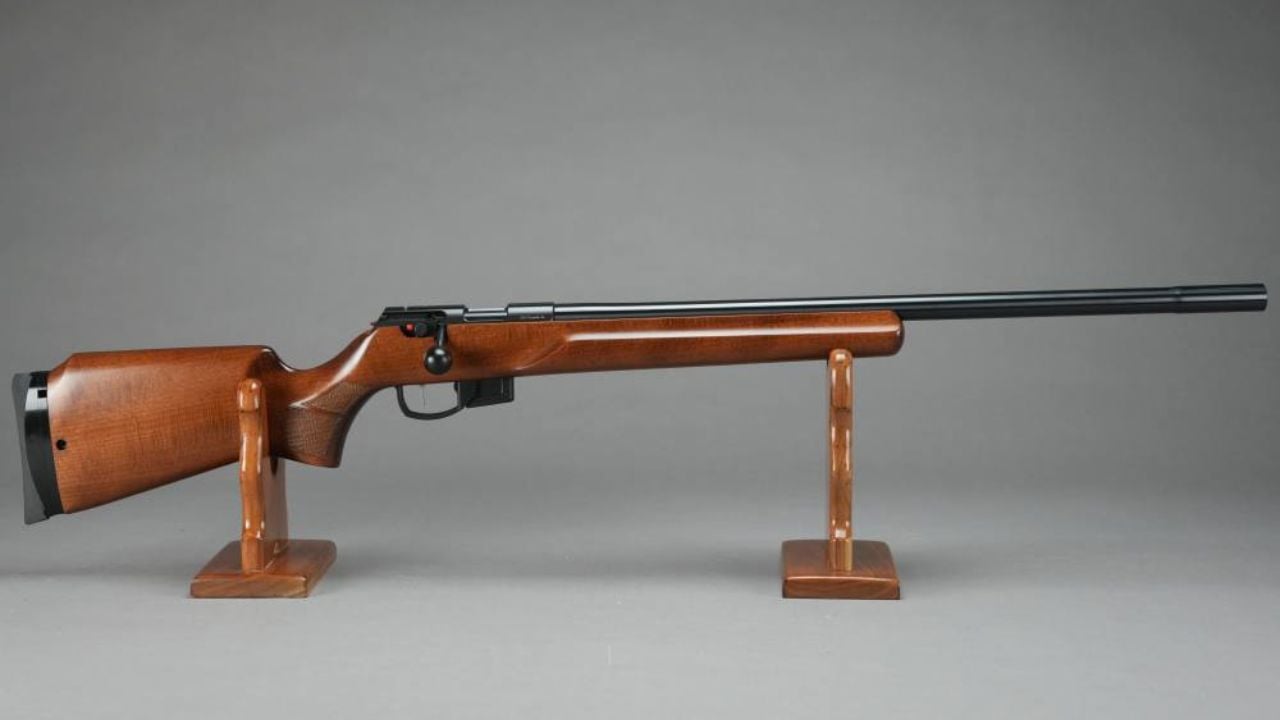
The 1761 is for the shooter who wants a rimfire that feels more like a precision instrument than a casual plinker. Anschutz has spent decades building rifles around accuracy, and the 1761 carries that mindset into a modern sporting platform. The trigger is exceptionally good, the action is refined, and the rifle has the kind of consistency that lets ammunition differences become obvious on paper. That matters if you enjoy finding the exact load your rifle prefers instead of simply buying whatever bulk box happens to be cheapest.
It is more expensive than most .22s need to be, but that misses the point. If you want a rifle that can stay interesting long after basic plinking stops being challenging, the Anschutz gives you somewhere to go.
Savage B22 Precision
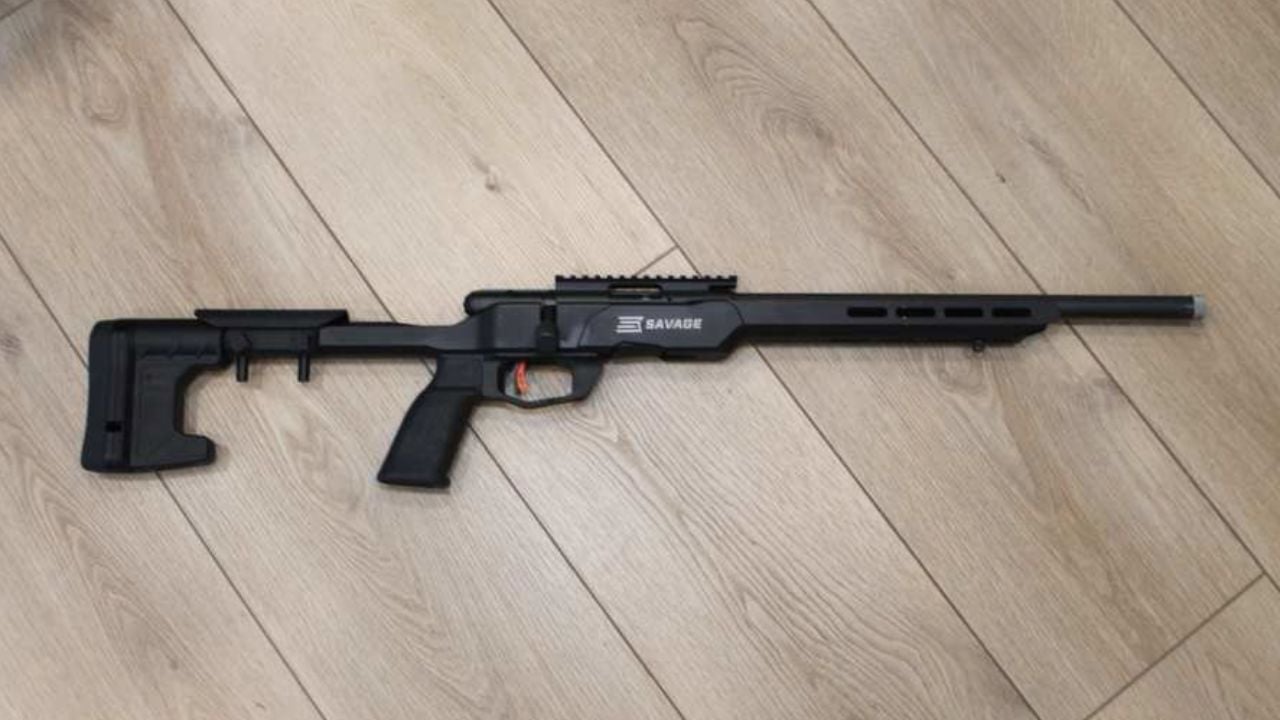
The B22 Precision is one of the better choices for someone who wants to experiment with practical rimfire precision shooting without immediately spending premium money. The chassis-style stock gives you a more adjustable and stable shooting position, the AccuTrigger is familiar and usable, and the heavier barrel helps keep the rifle steady during longer strings. It is clearly aimed at people who care about group size and consistency rather than carrying the rifle all day through squirrel woods.
That specialization is a strength if you know what you want. For small steel, paper targets, and positional practice, the B22 Precision can provide a lot of capability without forcing you into truly expensive match-rifle territory.
Henry Golden Boy .22
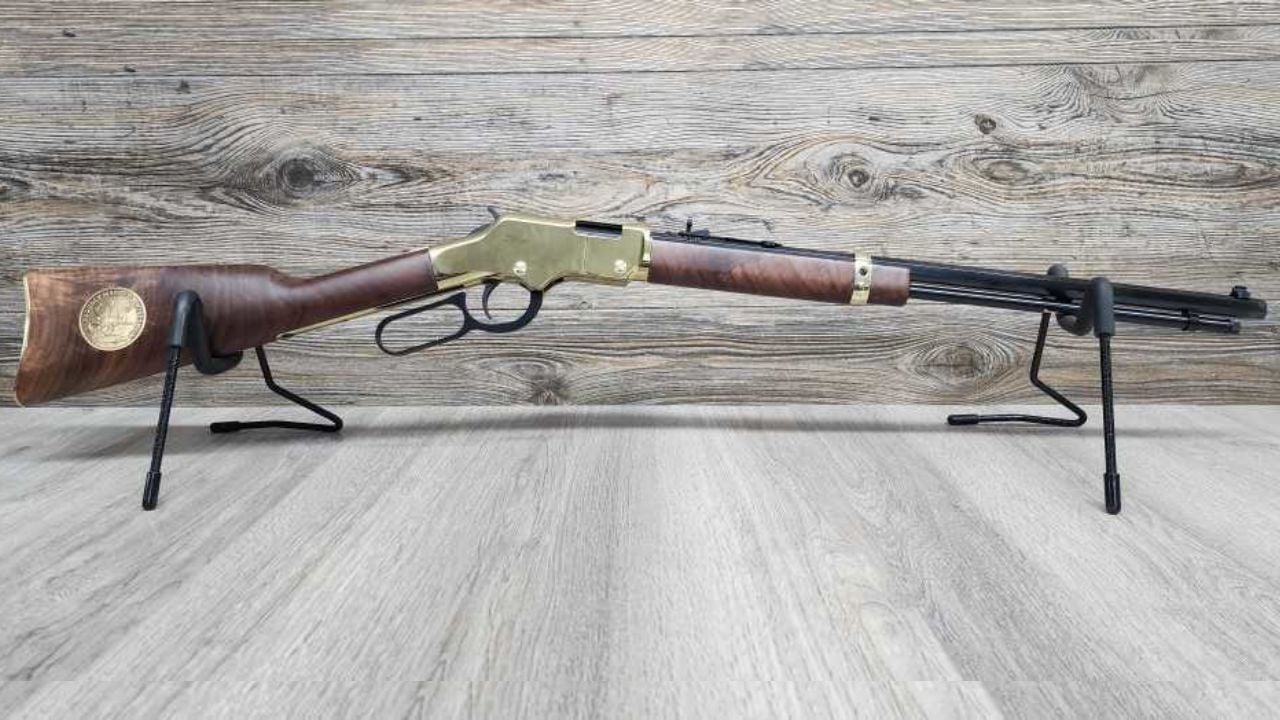
The Golden Boy is not the rifle I would pick for pure precision, but it may be one of the most enjoyable rimfires to own. The brass-colored receiver, octagonal barrel, and smooth lever action give it the kind of traditional feel that makes people want to shoot it even when they did not plan on spending much time at the range. It is also mild, easy to operate, and a great rifle for introducing someone to lever actions without the recoil or ammunition cost of a centerfire.
The rifle’s biggest strength is that it makes shooting fun. Not every .22 needs to chase tiny groups or tactical features. Sometimes you want a rifle that gets passed around all afternoon because everyone wants another turn.
Henry Small Game Rifle
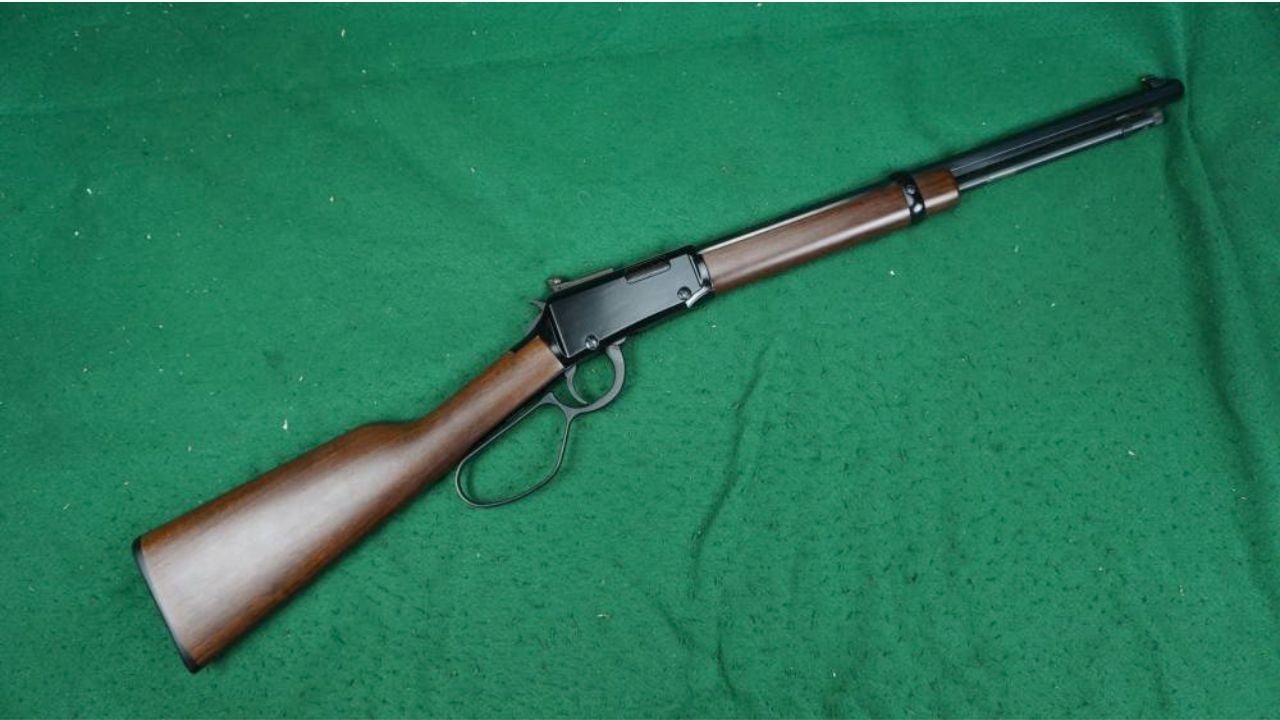
The Small Game Rifle takes the basic Henry rimfire lever action and makes it more practical for actual hunting. The peep sight is faster and easier to use accurately than many basic buckhorn setups, while the compact handling remains exactly what you want in woods and brush. The rifle is light enough to carry for hours and quick enough that a squirrel moving between branches does not feel like a complicated shooting problem.
If I wanted a lever-action .22 specifically for field use, I would take this over a prettier rifle that was less practical. It keeps the fun of the Henry action while adding sights that genuinely improve how the gun works.
Browning BL-22

The BL-22 is one of the slickest rimfire lever actions ever produced. The short lever throw makes it extremely fast to operate, and the rifle has a polished feel that immediately separates it from cheaper lever guns. It is compact, beautifully balanced, and easy to carry, which makes it just as useful for small-game hunting as it is for casual range shooting. The trigger moves with the lever on the design, which helps avoid pinching and contributes to the rifle’s distinctive feel.
This is the kind of .22 people keep because there is very little else like it. If you want a lever gun that feels refined rather than merely functional, the BL-22 is one of the best choices available.
Marlin Model 60
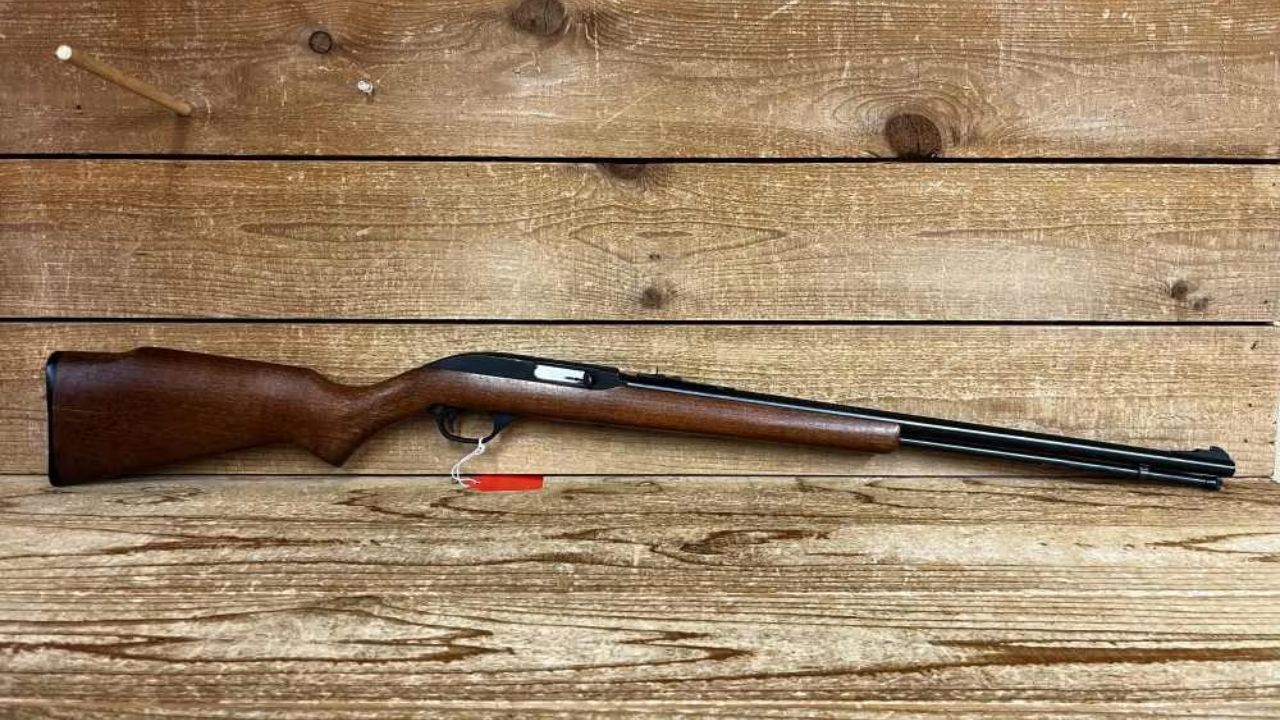
The Model 60 spent decades proving that a rimfire semiautomatic did not need a detachable magazine to become enormously popular. The tubular magazine gives the rifle a slim profile, the action is straightforward, and many examples shoot surprisingly well for what were originally affordable rifles. Countless shooters learned on one, hunted squirrels with one, and kept them around long after buying more expensive firearms.
Used examples remain interesting because the basic rifle still does the job. If you find a clean one at a sensible price, it can be one of the best traditional semiauto .22s to own without going anywhere near a 10/22.
Remington 552 Speedmaster

The 552 Speedmaster has something most modern rimfire semiautos do not: the ability to handle different .22 rimfire load types depending on ammunition and setup, while retaining a traditional sporting-rifle appearance. The tubular magazine, walnut-style stock profile, and classic Remington lines make it feel like a rifle from a completely different era. It is also remarkably smooth when properly maintained, which helps explain why owners tend to keep them for decades.
This is not the rifle for someone who wants rails and accessories. It is for someone who wants an old-school semiautomatic that is enjoyable to shoot and has enough mechanical character to feel special.
Winchester 9422
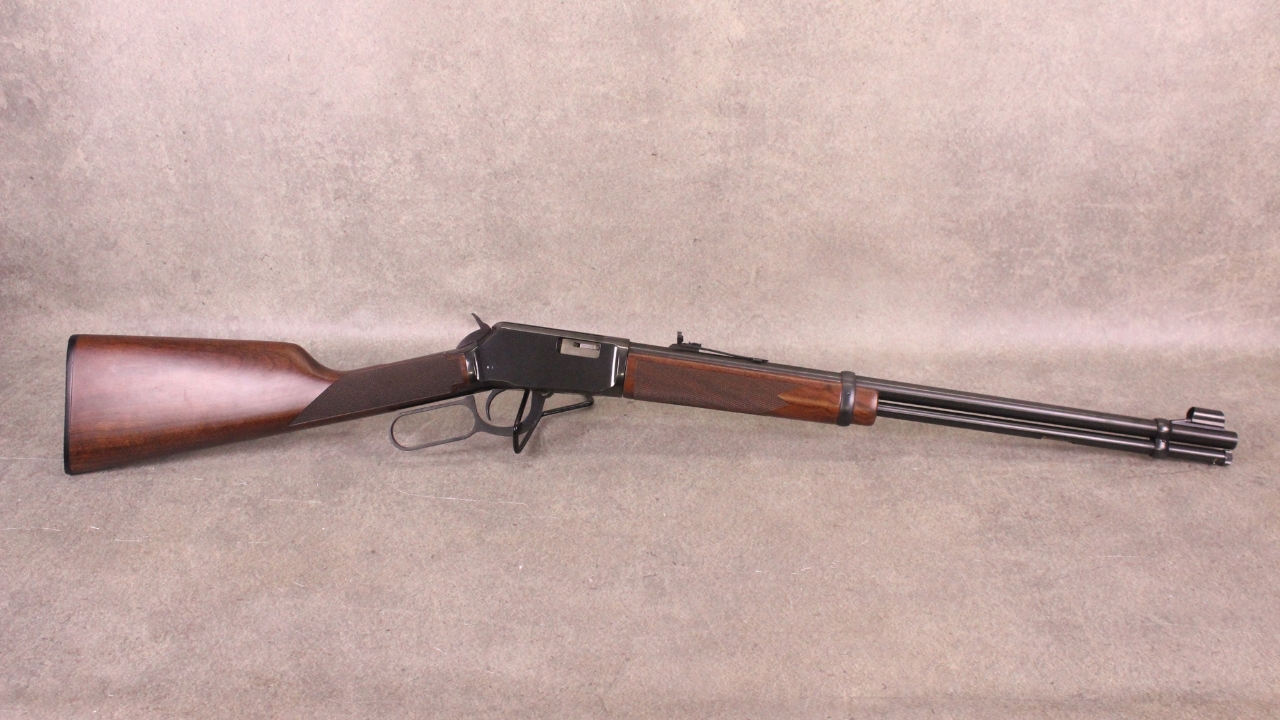
The 9422 is one of the rimfires that makes people understand why old lever guns became collectible. The action is exceptionally smooth, the rifle balances beautifully, and the build quality feels more substantial than many current-production .22s. It is the kind of rifle that can spend decades hunting squirrels and still feel tight enough to hand down.
The downside is that prices can make them difficult to justify as ordinary shooters. But judged purely as a rimfire rifle, the 9422 is excellent. If you already own one, I would be very slow to let it go.
Ruger American Rimfire
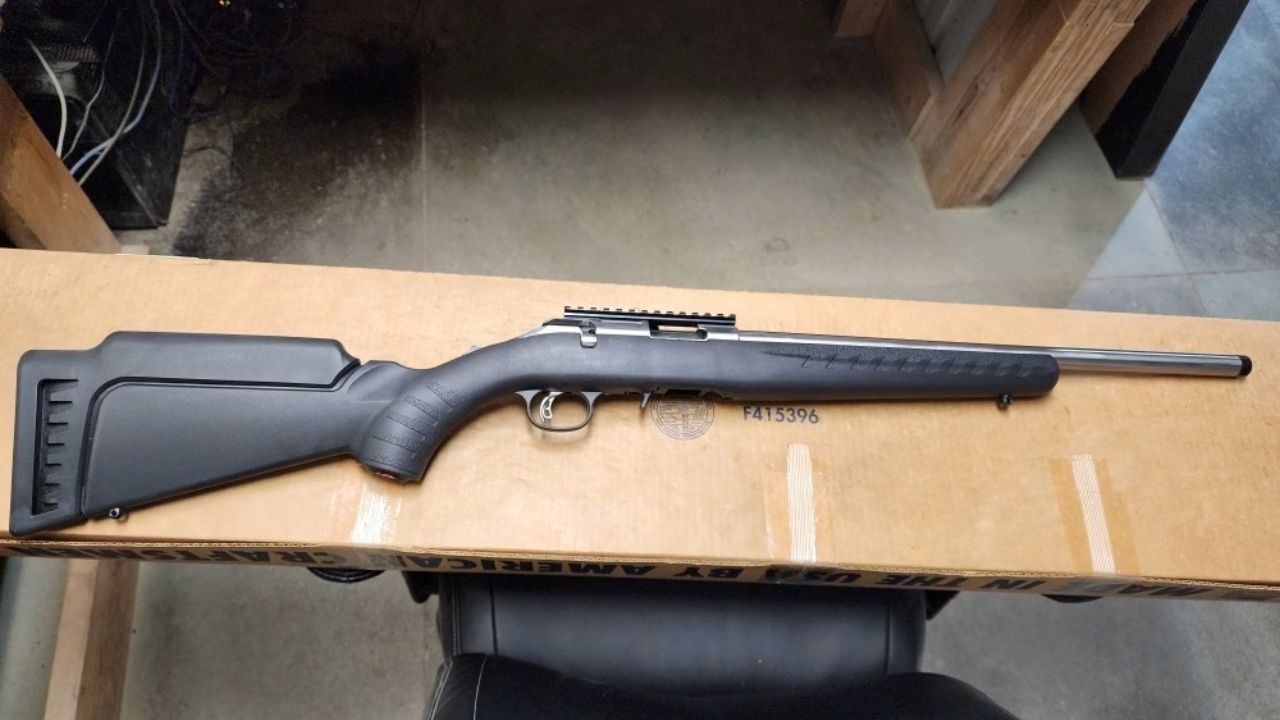
The American Rimfire is one of the best choices for someone who wants a .22 that feels like a conventional centerfire hunting rifle. The bolt action is straightforward, the stock works well for field positions, and the rifle is light enough to carry without becoming flimsy. It is also a good training rifle for someone who eventually plans to hunt with a centerfire bolt gun because the basic manipulation and shooting positions transfer naturally.
That makes it more useful than a dedicated plinker. You can teach a new shooter on it, hunt with it, mount a decent optic, and keep using it long after the beginner stage is over.
Winchester Wildcat
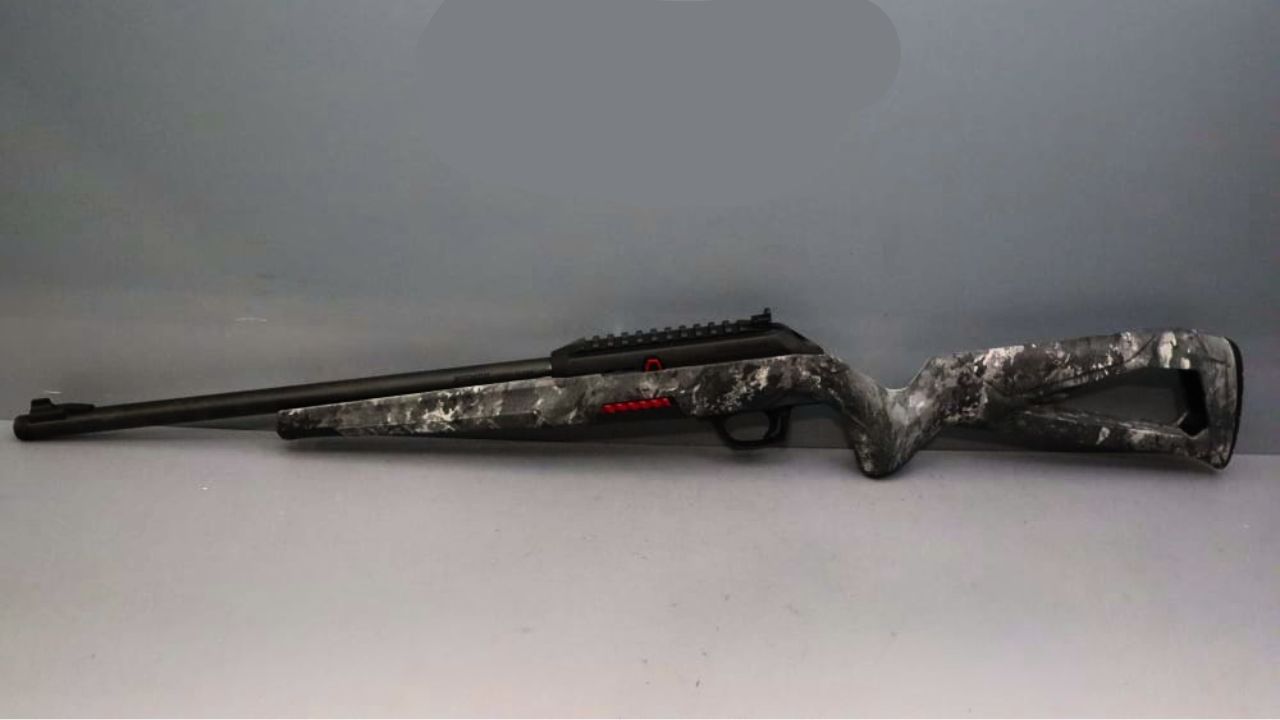
The Wildcat is a lightweight semiautomatic that makes a lot of sense for someone who wants something modern but does not care about building an enormous aftermarket project. The rifle is easy to carry, the controls are accessible, and maintenance is much more straightforward than on many traditional semiautos. Its detachable magazine setup is also familiar enough that most shooters figure the rifle out quickly.
It is not trying to be a premium target gun. It is a light, handy .22 that works well for plinking, informal training, and carrying around property. Sometimes that is exactly what a rimfire should be.
Savage A22
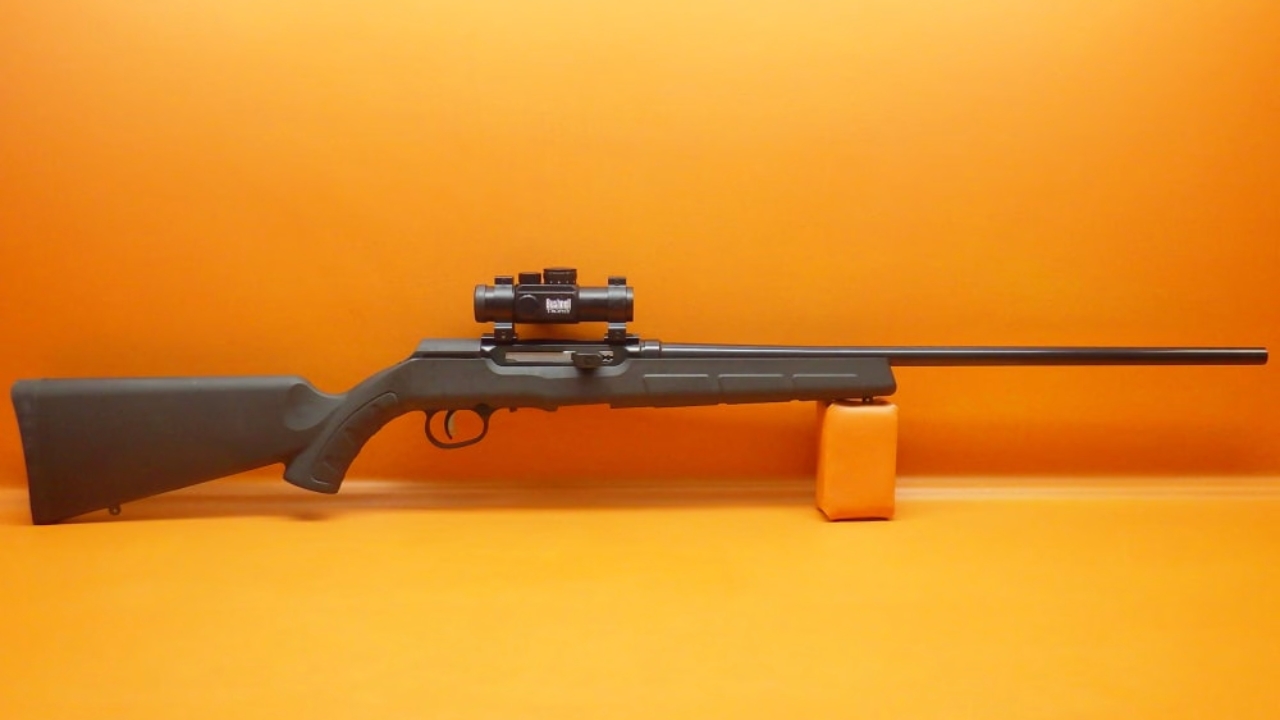
The A22 deserves more attention because it gives shooters a modern semiautomatic rimfire with a usable factory trigger and a straightforward layout. Savage brought some of the features people already liked from its bolt rifles into a semiautomatic package, which makes the gun feel more serious than many low-cost plinkers. It is available in multiple rimfire chamberings, giving buyers more flexibility than a rifle locked entirely into .22 LR.
For someone who wants an autoloader but does not want the same rifle everyone else owns, the A22 is a strong alternative. It offers enough accuracy and practicality to be more than just a range toy.
CZ 457 Varmint
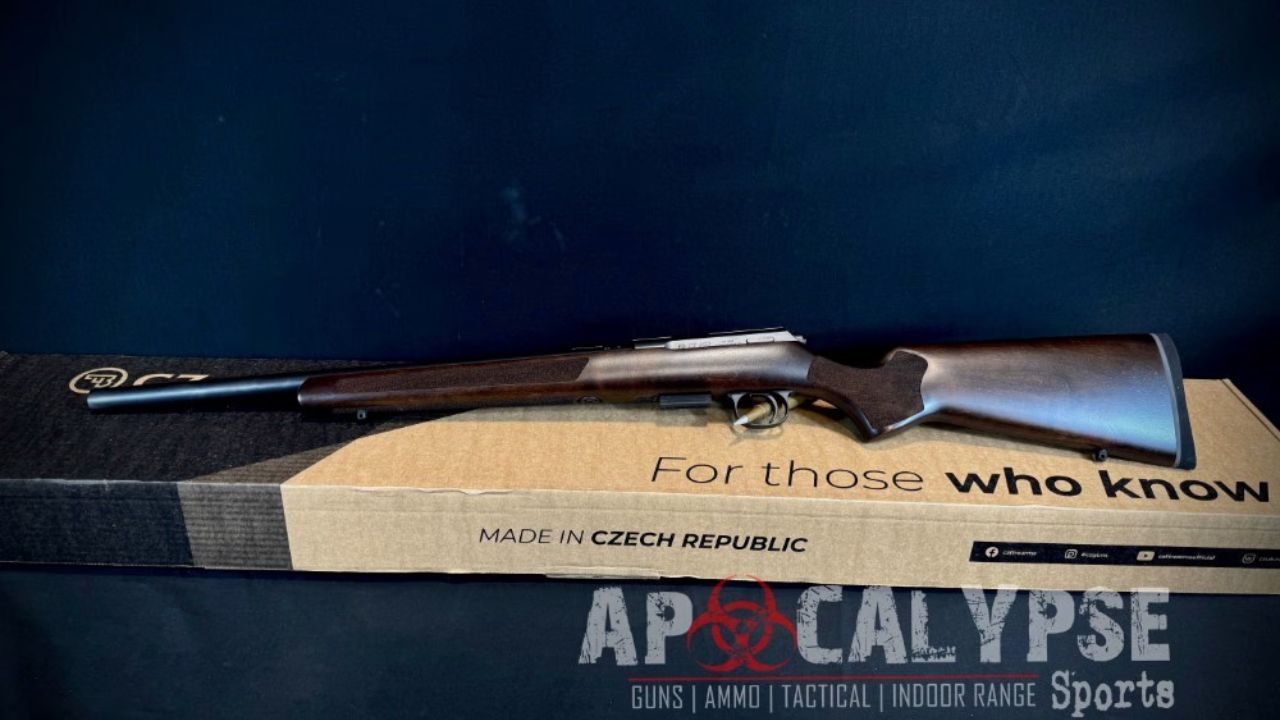
The Varmint version of the 457 is what I would choose if accuracy mattered more than carrying weight. The heavier barrel steadies the rifle and handles longer shooting sessions well, while the excellent 457 action and trigger remain the foundation. Put a decent optic on it and feed it ammunition it likes, and the rifle can become genuinely addictive because small mistakes start showing up clearly on target.
It also gives you a rifle that can cross between bench shooting and small-game hunting if you do not mind carrying the extra weight. For someone who wants to see how accurate a good factory rimfire can really be, the 457 Varmint is a great place to start.
Bergara B-14R
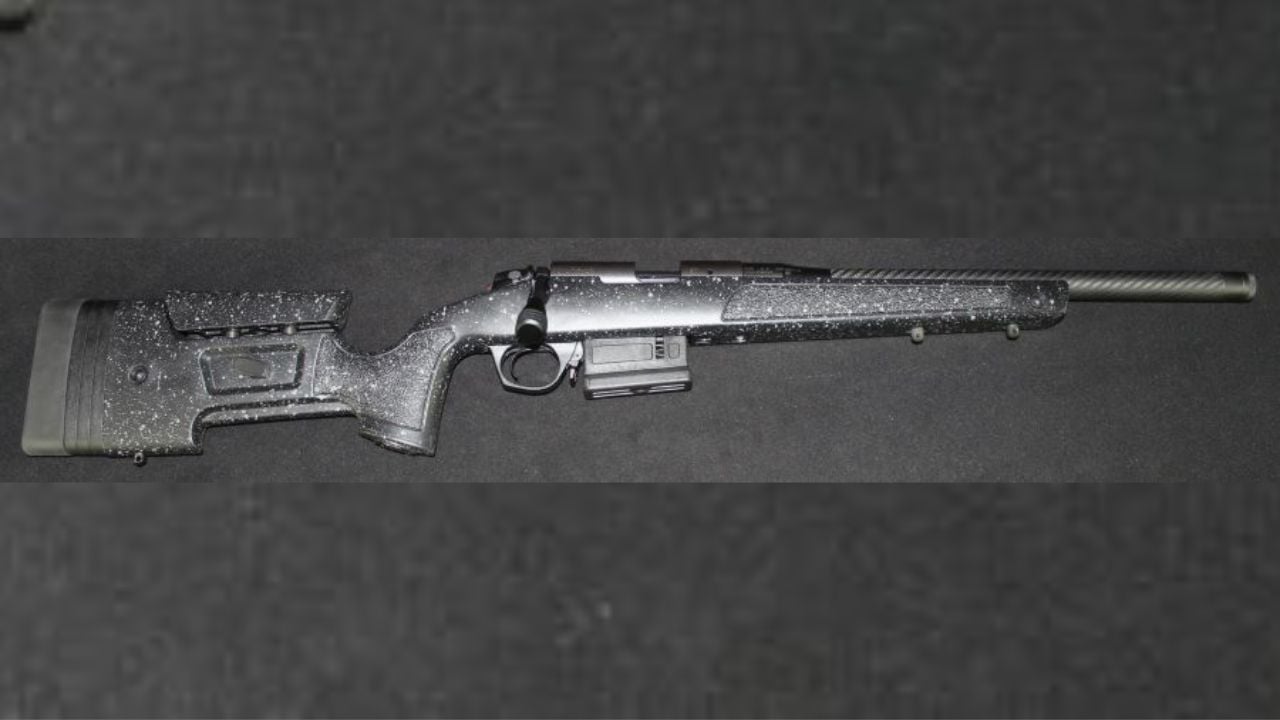
The B-14R is built for shooters who want their rimfire training rifle to feel like a full-size centerfire precision gun. The action footprint, stock options, and overall dimensions make it much closer to a serious bolt rifle than an ordinary .22. That gives precision shooters a way to practice positional shooting, trigger control, and wind calls with ammunition that costs far less than centerfire match loads.
It is excessive for casual plinking, but that is exactly why experienced shooters like it. If your goal is meaningful training rather than just inexpensive shooting, the B-14R earns its weight and cost.
Christensen Arms Ranger
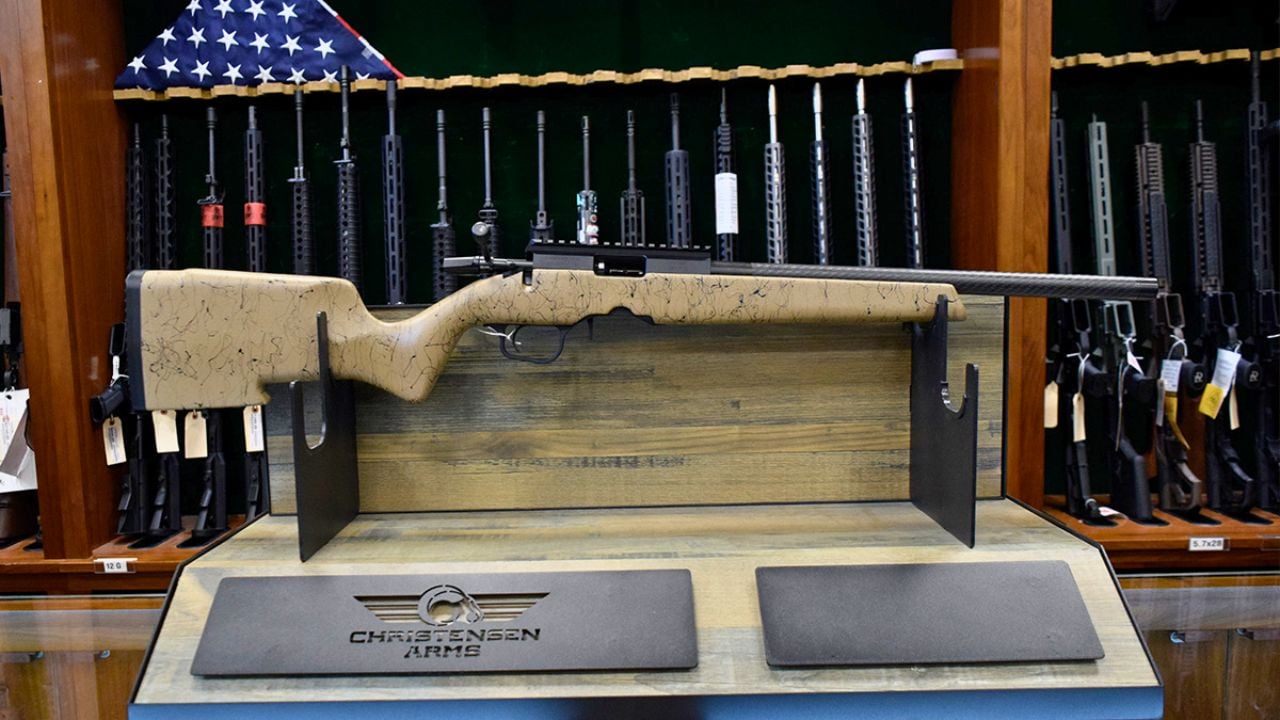
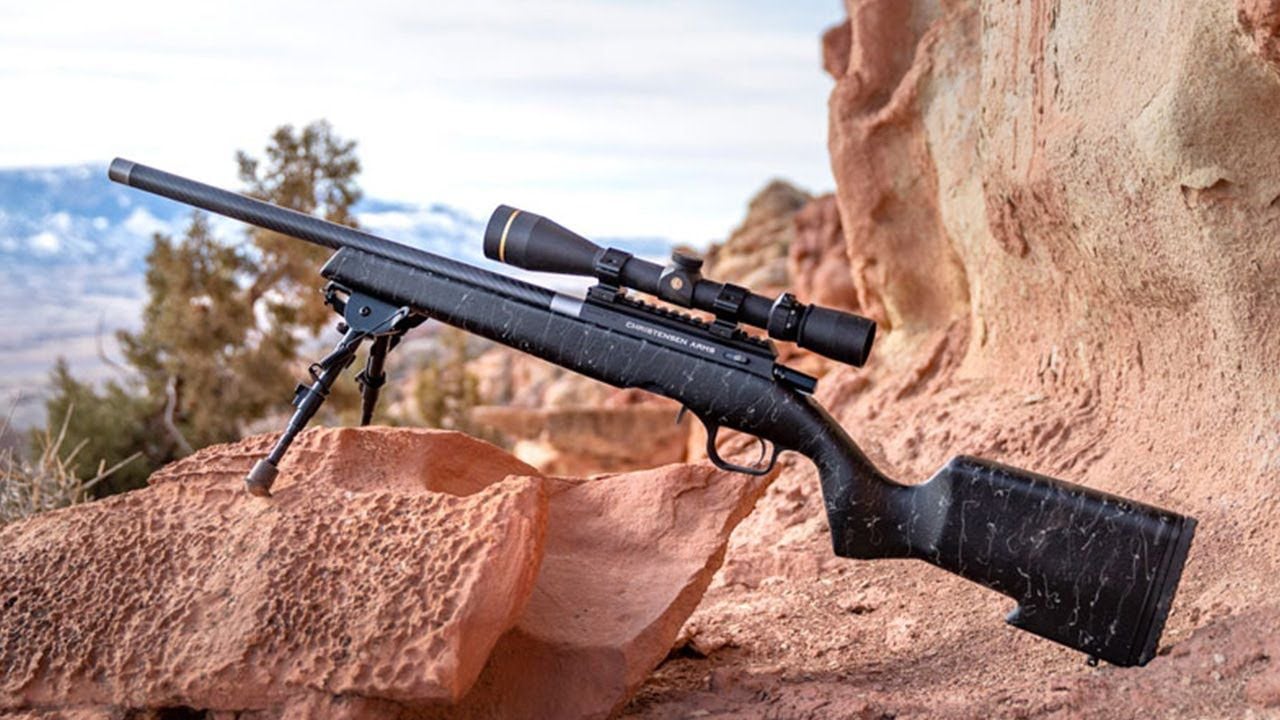
The Ranger takes a more premium approach to the lightweight rimfire rifle. It combines modern materials, a light overall package, and the kind of accuracy expectations shooters associate with more expensive rifles. That makes it attractive for someone who wants a serious small-game rifle that carries easily without feeling like a budget youth gun.
You pay for the weight savings and refinement, so this is not where I would send a first-time buyer on a strict budget. But for someone who already knows they want a high-end field rimfire, the Ranger fills a niche most inexpensive .22s do not touch.
Sako Quad
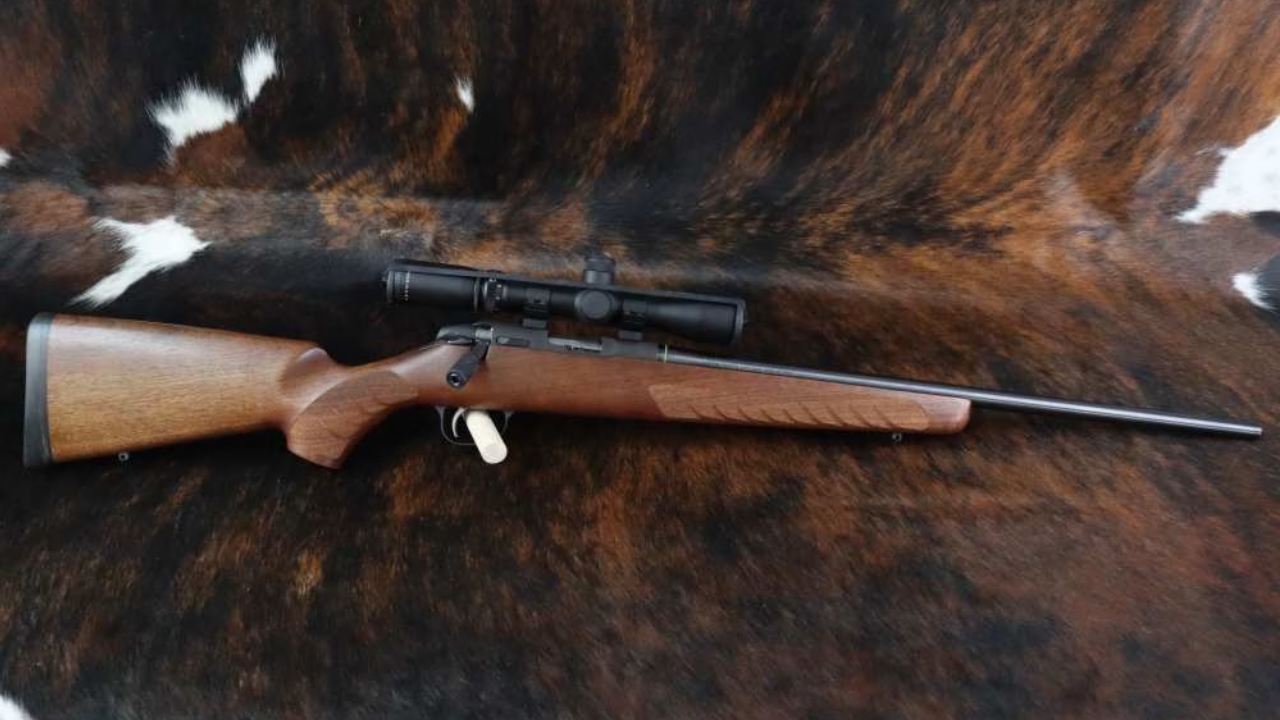
The Sako Quad remains one of the more interesting rimfire systems because of its interchangeable-barrel concept. Depending on configuration, the rifle can move among multiple rimfire chamberings, giving the owner a level of versatility that most traditional .22s cannot match. The action is smooth, the trigger is good, and the overall quality is what you would expect from Sako.
The concept especially appeals to someone who enjoys rimfires as a category rather than just wanting one cheap .22. Instead of owning a completely different rifle for every rimfire cartridge, the Quad gives you a more integrated system.
Steyr Zephyr II
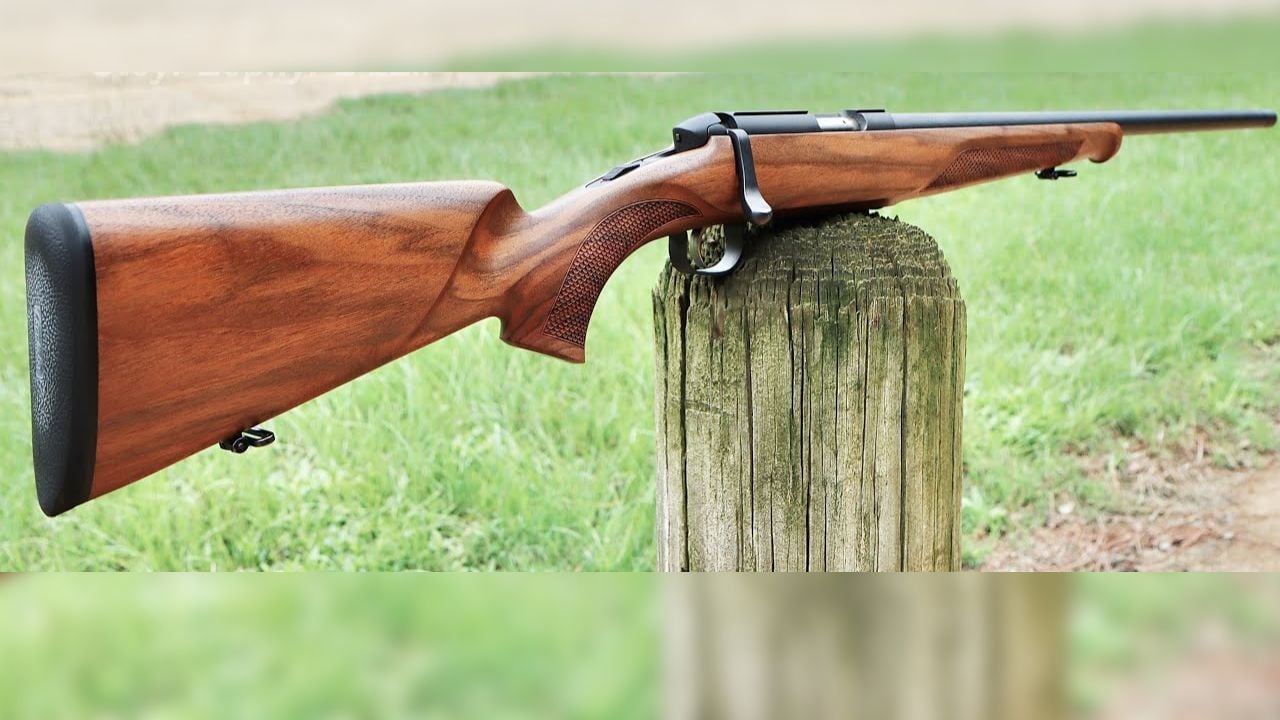
The Zephyr II is one of those rimfire rifles that feels expensive before you even fire it. The stock, bolt, metalwork, and overall balance give it a refined sporting-rifle character that is increasingly rare in a market full of polymer stocks and chassis systems. More importantly, it shoots well enough to justify the appearance. It can serve as a serious small-game rifle while still being enjoyable for careful target work.
If I wanted a rimfire that felt like something worth keeping for decades rather than merely using until the next model came along, the Zephyr II would be high on the list. It proves that a .22 can still feel like a proper rifle instead of a scaled-down accessory platform.
Like The Avid Outdoorsman’s content? Subscribe to our newsletter so you never miss an article.
Here’s more from us: