Photo credit: Josh Does Reviews/Youtube
There’s a moment on the range—and it happens in the deer woods too—when you send a good shot, the rifle barks, and then everything gets busy. The scope jumps, the muzzle climbs, the bolt feels like it’s stuck in wet sand, and the animal you thought would be down is suddenly moving again. That’s when you find out what rifle you actually brought.
Fast follow-up shots aren’t about being “tactical.” They’re about reality. Deer don’t always tip over. Hogs don’t always read the script. Coyotes don’t always hold still for a second chance. And if your rifle makes the second shot feel like a whole new setup, you’re working harder than you should.
1. Remington 770
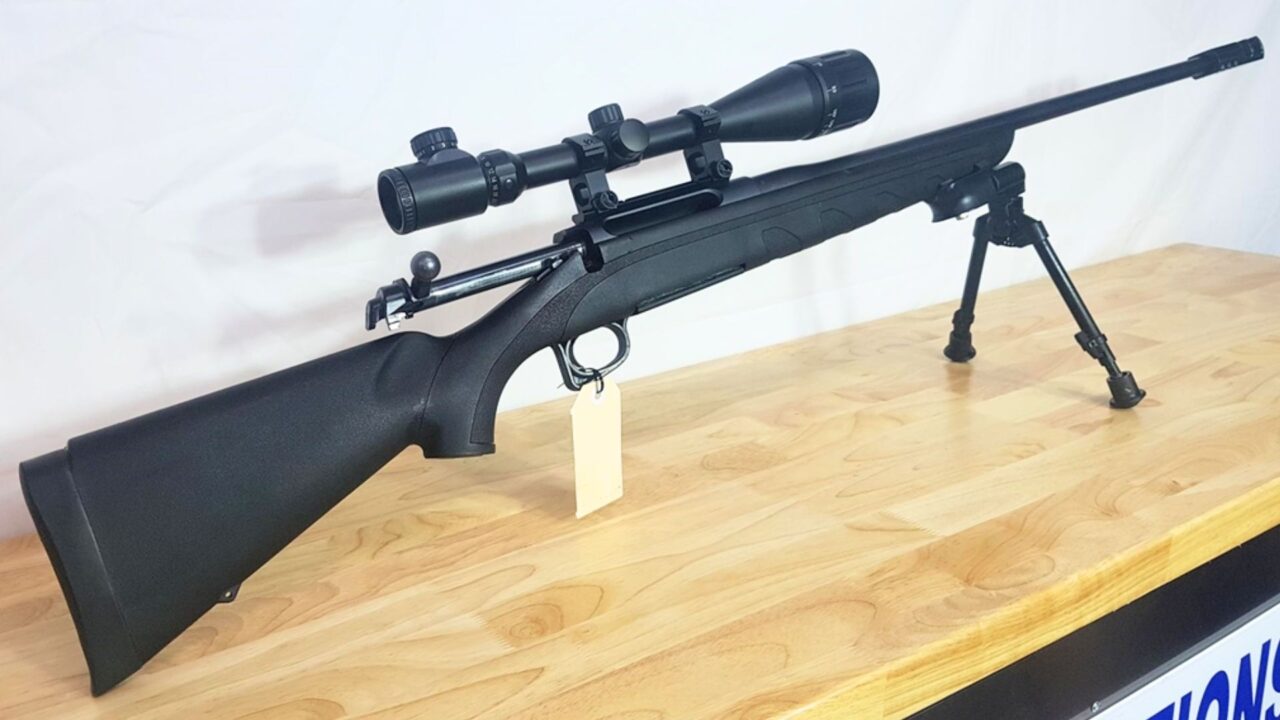
I’ve watched more than one guy fight one of these like it was a rusty gate. The bolt lift can be stiff, the whole action has that “budget plastic” feel, and under any kind of hurry it’s easy to short-stroke it or lose your cheek weld.
Plenty of them will put a bullet in the vitals at reasonable distances, so nobody wants to hear it. But when you need another round in the chamber right now, the 770’s rough action and mushy feel make it easy to get out of rhythm. Ask me how I know.
2. Remington 710
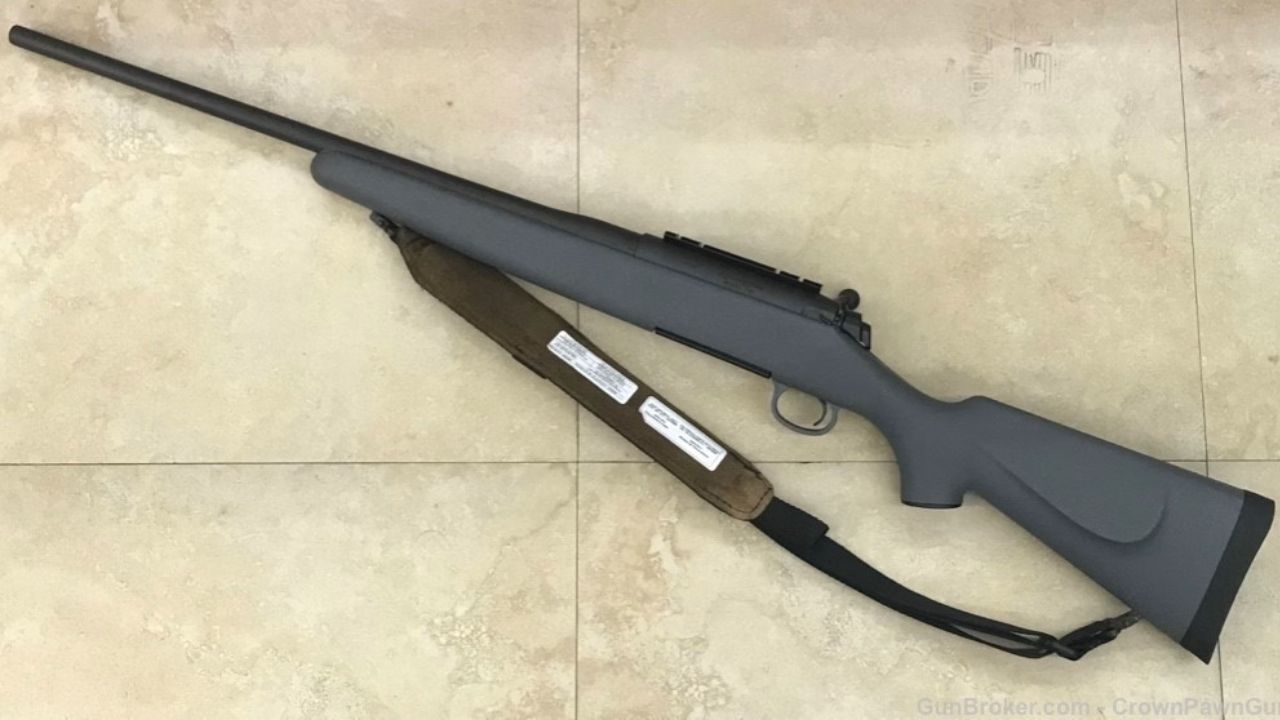
The 710 has a reputation for a reason, and a lot of it shows up when you cycle it fast. The bolt can feel gritty and the overall timing of running the action doesn’t encourage smooth, repeatable work.
It’s not just comfort, either. If you’re fighting the bolt, you’re usually lifting your head and losing the sight picture. That turns “shoot again” into “find the animal again,” and that’s a bad trade in low light.
3. Mossberg Patriot (lightweight hunting setups)

The Patriot is one of those rifles that looks like a lot of value on the rack. It’s light, it’s handy, it’ll usually shoot plenty fine. Then you touch off a full-power hunting load in a featherweight package and the scope comes up off the target like it’s trying to leave.
Light rifles are great to carry, but they can be rough to shoot well under pressure. With the Patriot, the combination of light weight and typical hunting stocks can make it harder to stay planted for a quick second shot unless your fundamentals are solid.
4. Ruger American Rimfire (in .22 WMR with heavy bolt lift)
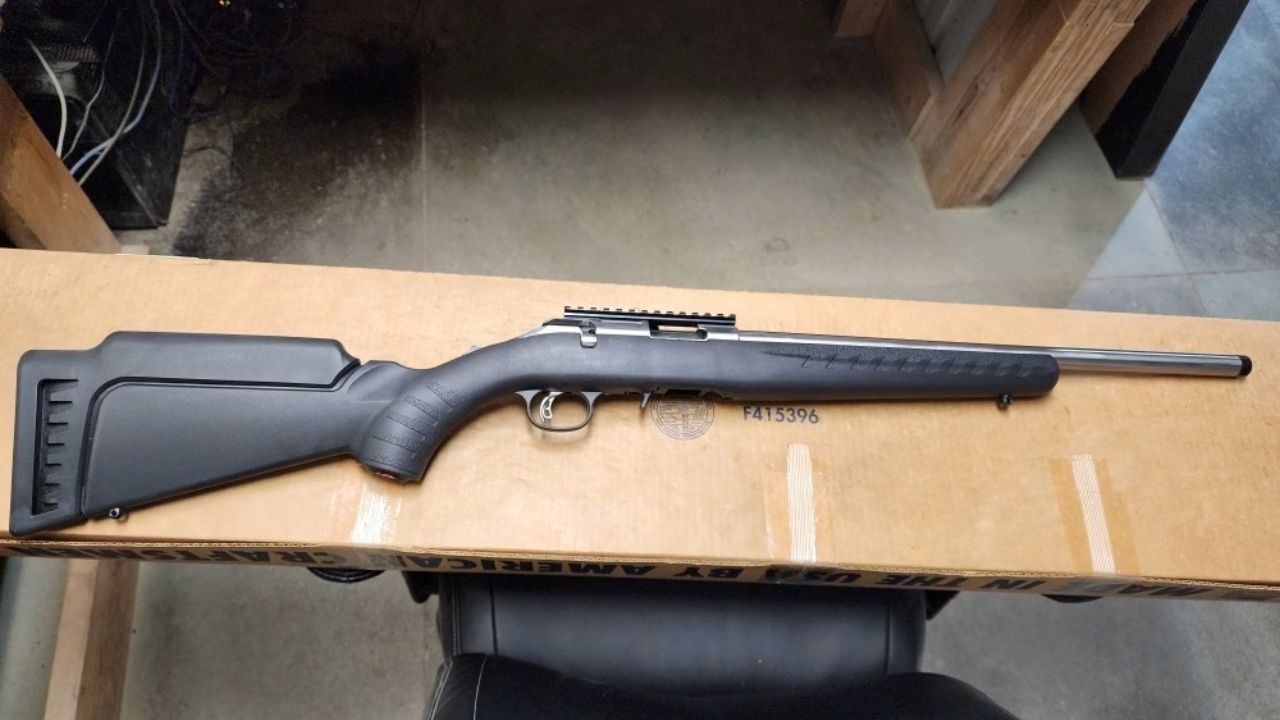
This one’s a little specific, but if you’ve run a stiff Ruger American Rimfire, you know what I mean. Some of them have a bolt lift that takes more effort than it should, especially when they’re new or dry.
On varmints, you want to stay in the scope and run the bolt without thinking. If the bolt makes you break your grip and yank, your follow-up window closes fast. A little smoothing over time helps, but out of the box they can be clunky.
5. Savage Axis (factory stock and recoil feel)
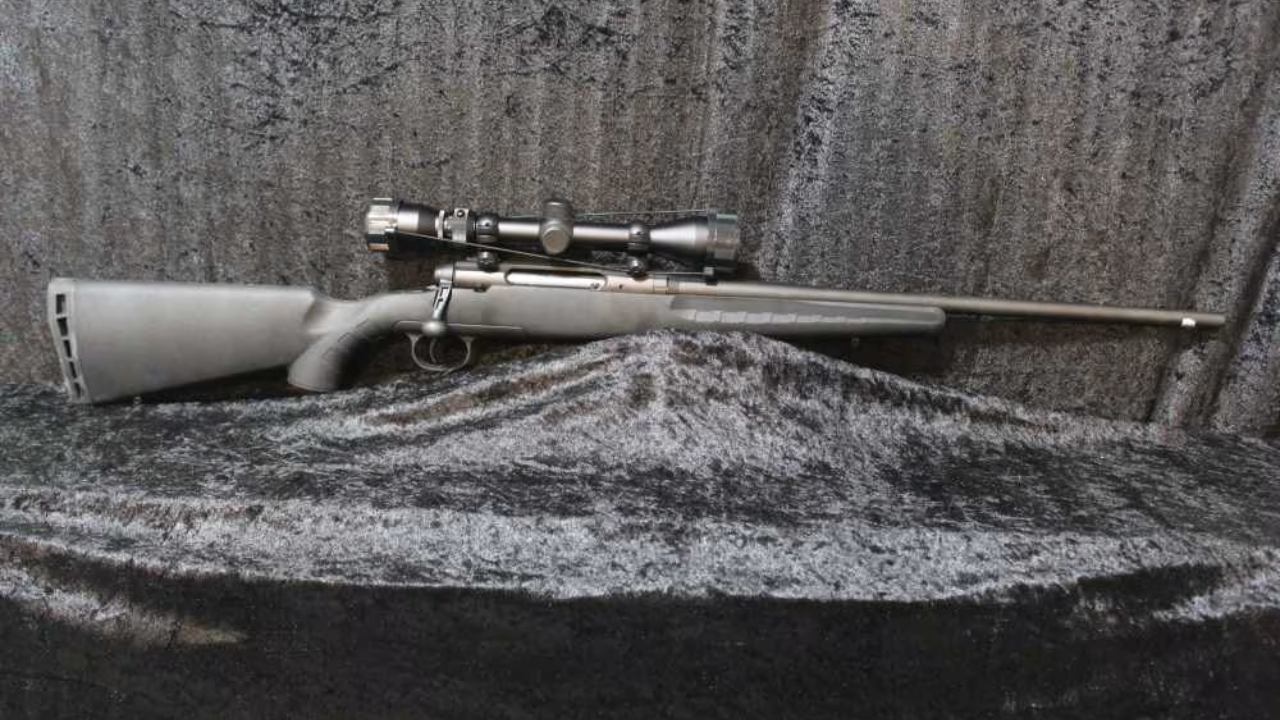
The Axis is a working-man rifle and I respect that. It kills deer every year, and plenty of them shoot better than their price tag suggests. The trouble is the factory stock on many Axis rifles feels flexy, and recoil can feel snappy in lighter versions.
That “snap” doesn’t just hurt your shoulder. It makes you blink, lose the animal in the scope, and start the whole process over. If you’ve got one, bedding it in your shoulder the same way every time matters more than usual.
6. Weatherby Vanguard (heavy sporter builds)

This is the opposite problem: not too light, but sometimes too much rifle. Vanguards are generally accurate and dependable, but they can get heavy fast once you add glass, steel rings, and a loaded magazine.
Weight can help recoil, but it can also slow you down when you’re trying to swing on a moving animal for shot two. If the rifle doesn’t come back on target naturally for you, you end up steering it instead of shooting it.
7. Winchester XPR (rougher bolt feel on some examples)
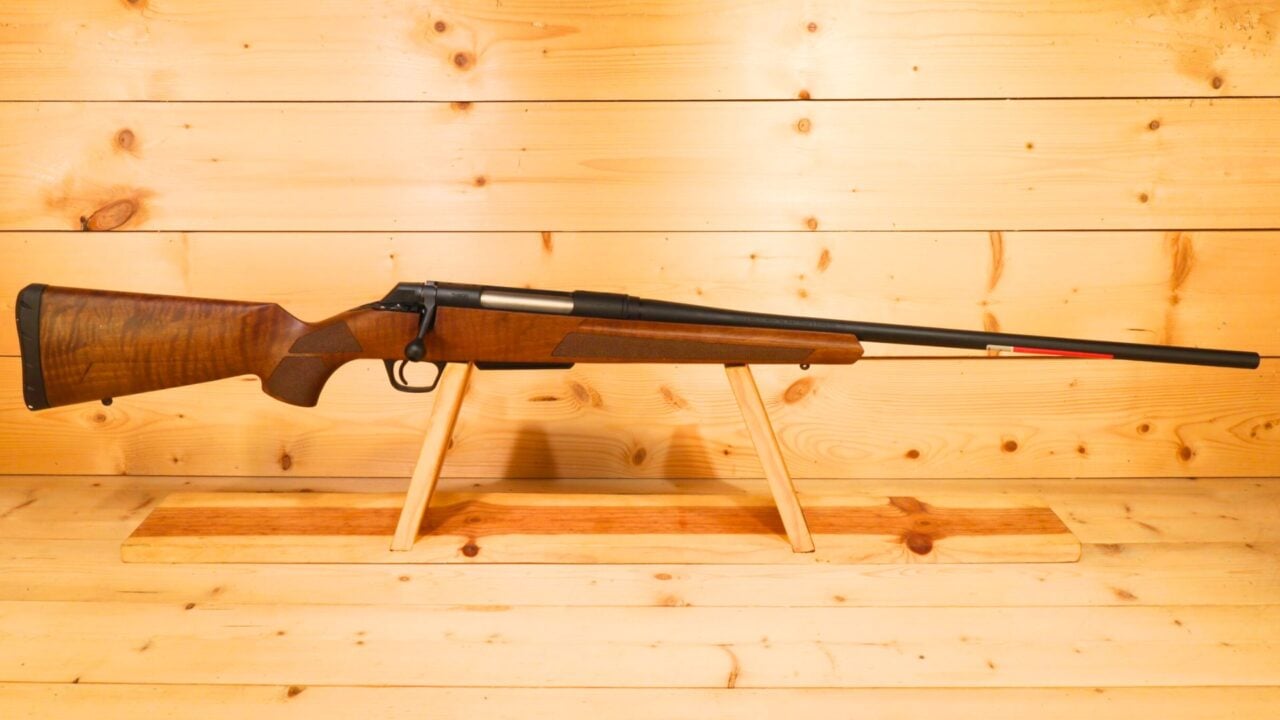
I’ve handled XPRs that cycled fine and others that felt like they needed another pass in the finishing department. When the bolt feels “catchy,” you start babying it, and that’s how you get half-feeds and hesitation.
Follow-up shots are about confidence in the cycle. If you’re thinking about whether the bolt will run smoothly, you’re not thinking about the shot. A good cleaning and lube helps, but some never get slick.
8. Ruger Mini-14 (older thin-barrel rifles as they heat)

Mini-14s are handy little carbines and I get why folks love them. But older thin-barrel models can start walking as they heat, and that can mess with your willingness to send shot two fast.
This isn’t a “minute of prairie dog” complaint. It’s about consistency. If your rifle shifts point of impact after a couple quick shots, you naturally slow down and try to “confirm” again, which defeats the whole purpose of a fast follow-up.
9. Marlin 336 (with a long throw and small lever)
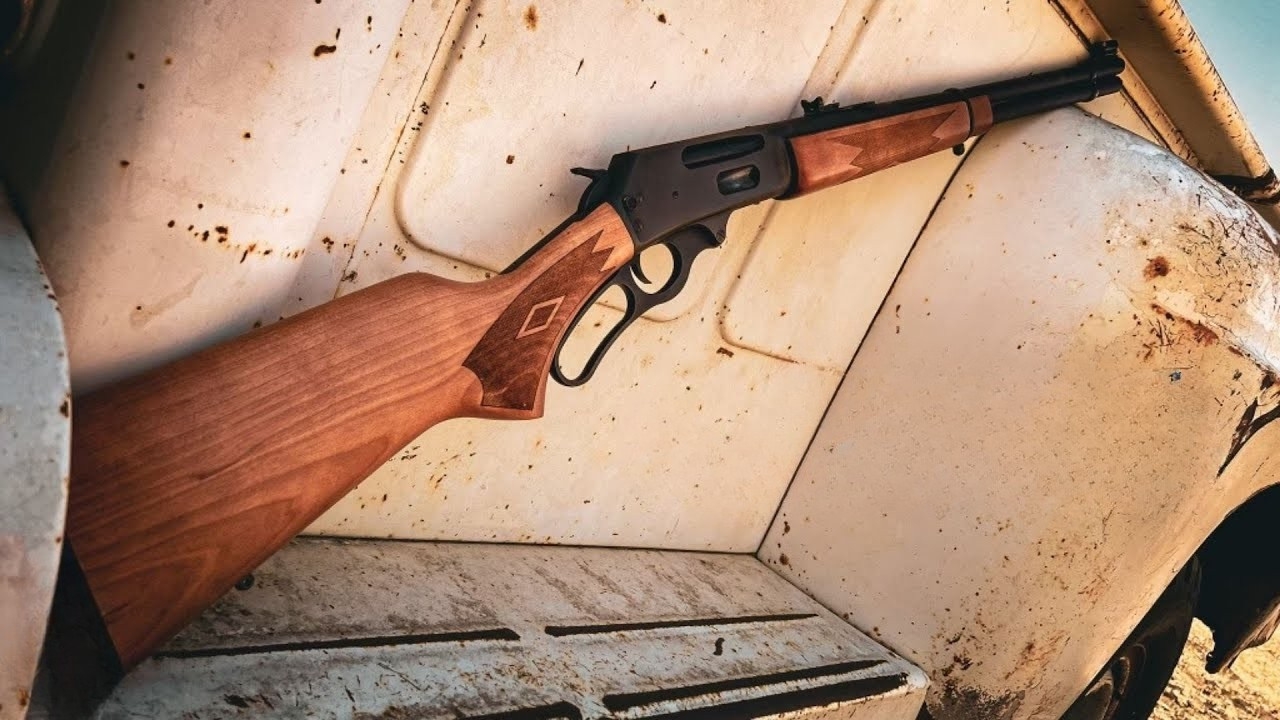
I love a 336, and I’ll still grab one in the thick stuff. But lever guns can punish sloppy technique. If you don’t run the lever like you mean it, you can short-stroke it, and then you’re standing there with a half-fed round and a lot of regret.
The throw is longer than most folks expect, and with gloves on it can get clumsy. When it’s smooth and you’re practiced, it’s fast. When you’re not, it’s slower than a bolt gun and twice as frustrating.
10. Henry Big Boy (heavy rifle, slow to get moving)
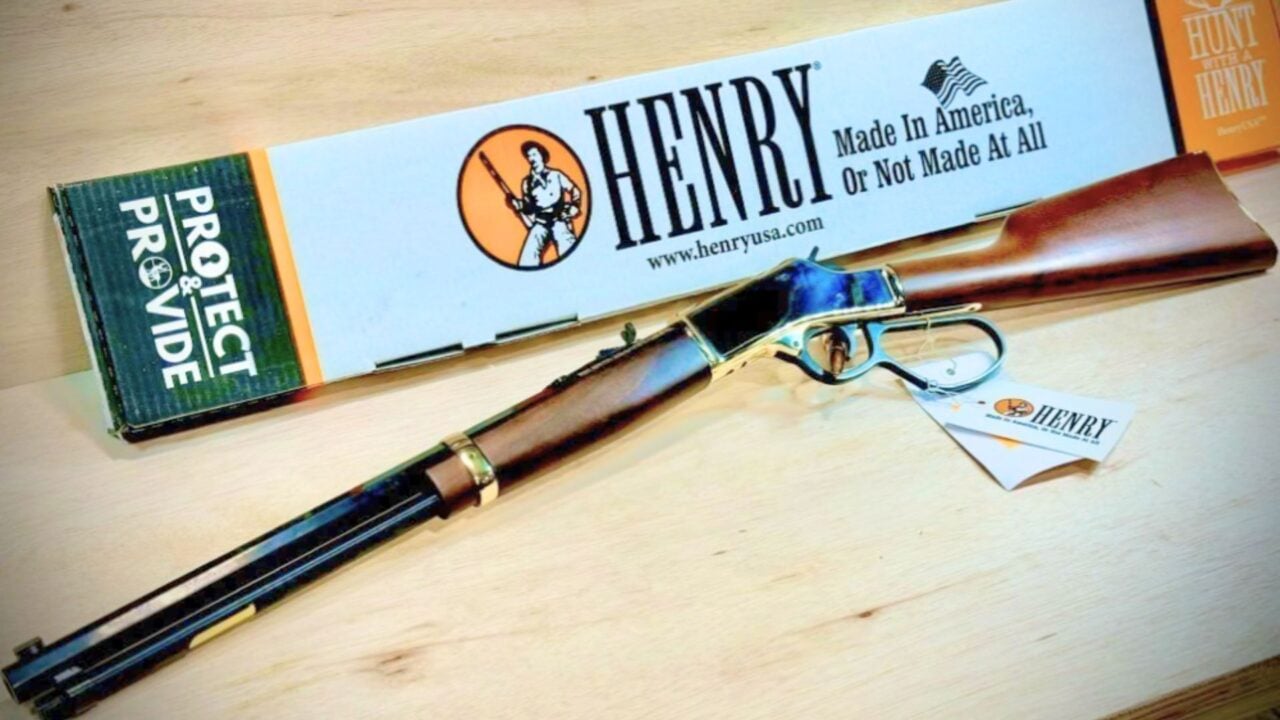
The Big Boy is pretty, and it’s built solid. It’s also heavy, and that weight sits between your hands in a way that doesn’t always feel quick. If you’re trying to transition to another animal or track a runner, it can feel like you’re swinging a fence post.
The action can be smooth, but follow-up shots aren’t only about cycling. They’re about getting the rifle back where it needs to be. Heavy lever guns can slow the whole process down, especially from awkward field positions.
11. Browning BLR (trigger feel during fast cycling)
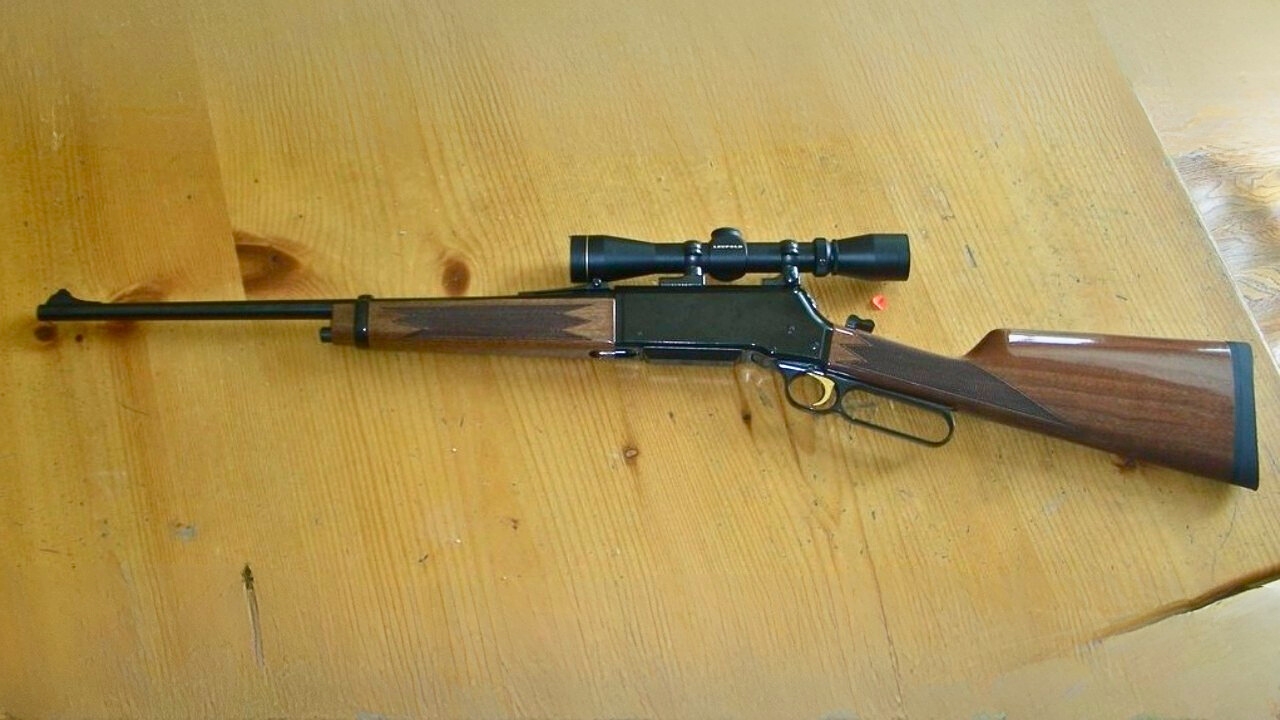
The BLR is a slick idea: lever action with a box magazine and modern cartridges. But some BLRs have a trigger that feels different than what most hunters are used to, and that matters when you’re trying to shoot quickly and cleanly.
If your trigger has more movement or a different break than your brain expects, you tend to snatch it on shot two. The BLR can be a great hunting rifle, but it rewards time behind it more than “pick it up once a year” guys want to admit.
12. Springfield Armory M1A (weight and sight recovery)

M1As are cool rifles, no doubt. But between the weight, the balance, and the way many are set up with optics, quick follow-up shots can turn into a wrestling match if you’re not used to it.
Iron sights can be fast if you train, but a lot of M1As wear scopes in mounts that sit higher than ideal. That can ruin cheek weld, and if your head is floating, your second shot takes longer than it should.
13. Ruger No. 1
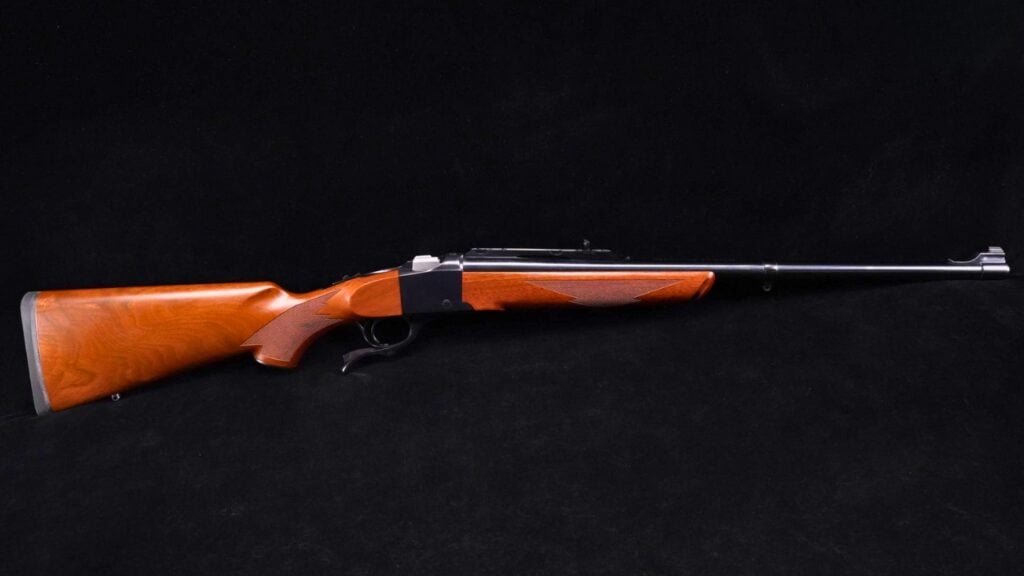

Single-shots are honest rifles. They also make you pay for every miss and every “almost.” A Ruger No. 1 is classy, accurate, and fun, but you are not getting a quick second round without breaking position and going to work.
For some hunting, that’s fine. For hogs, coyotes, or anything that tends to move after impact, it can be a bad choice. If you carry one, you’re basically deciding the first shot is the whole plan.
14. Thompson/Center Encore (switch-barrel single-shot realities)
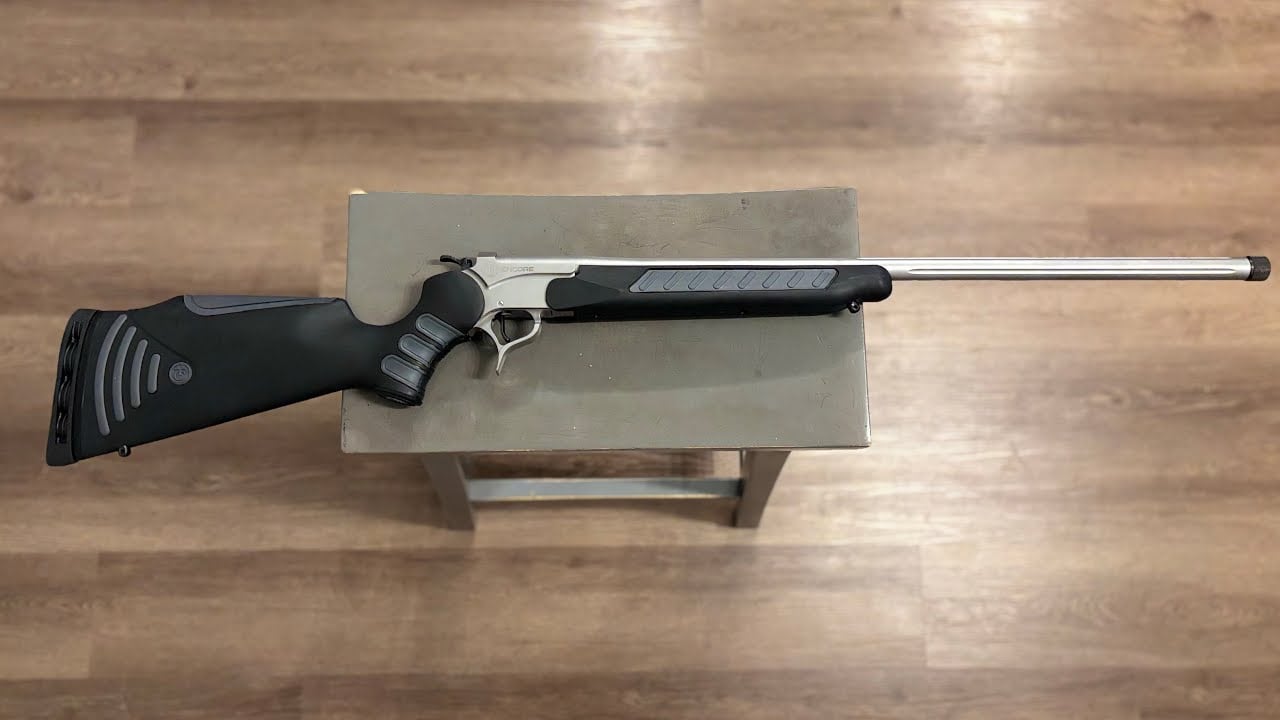
The Encore is another one that gets sold as do-it-all. It can do a lot, and the barrel options are tempting. But it’s still a break-action single-shot, and the follow-up shot is never going to be fast.
In cold weather, with gloves, trying to get another round out and back in can feel clumsy. It’s a great “one careful shot” tool. It’s not great when things get messy.
15. Mosin-Nagant 91/30

A Mosin can be fun, and some shoot surprisingly well. But the bolt lift can be stiff, the action can be sticky with certain ammo, and the ergonomics are straight out of another century.
If you’ve ever tried to run a Mosin hard, you know it’s not a smooth experience. Your sight picture goes away, the rifle shifts, and you’re basically re-acquiring the target every time.
16. Steyr Scout (great concept, polarizing in the hands)
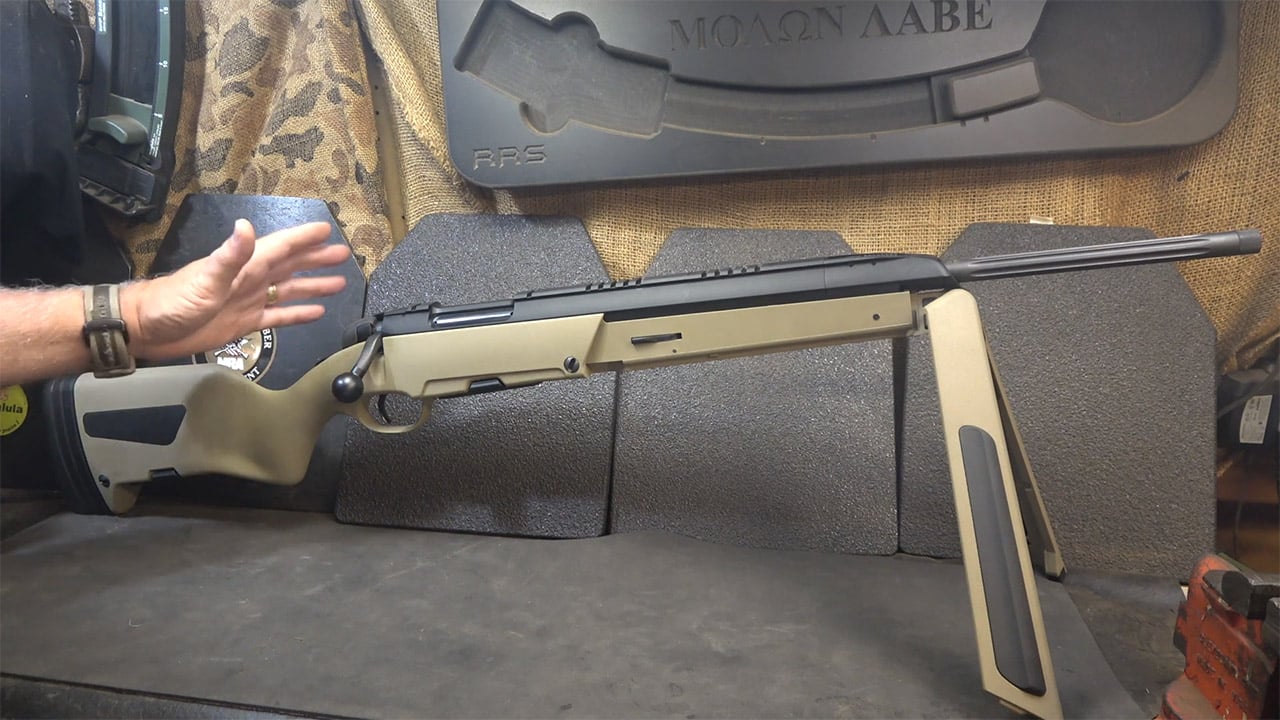
The Scout idea is solid: light, handy, practical. The problem is that the Steyr Scout’s layout—especially the stock feel and how some folks mount optics—doesn’t fit everyone. If it doesn’t fit you, you’ll fight it on recoil and you’ll fight it getting back on target.
Fit is personal, and this rifle proves it. When it clicks, it’s quick. When it doesn’t, it feels like you’re always a half-inch away from a natural cheek weld, and that slows down everything that comes after the first shot.
17. Ruger Precision Rifle (too much gun for quick field work)
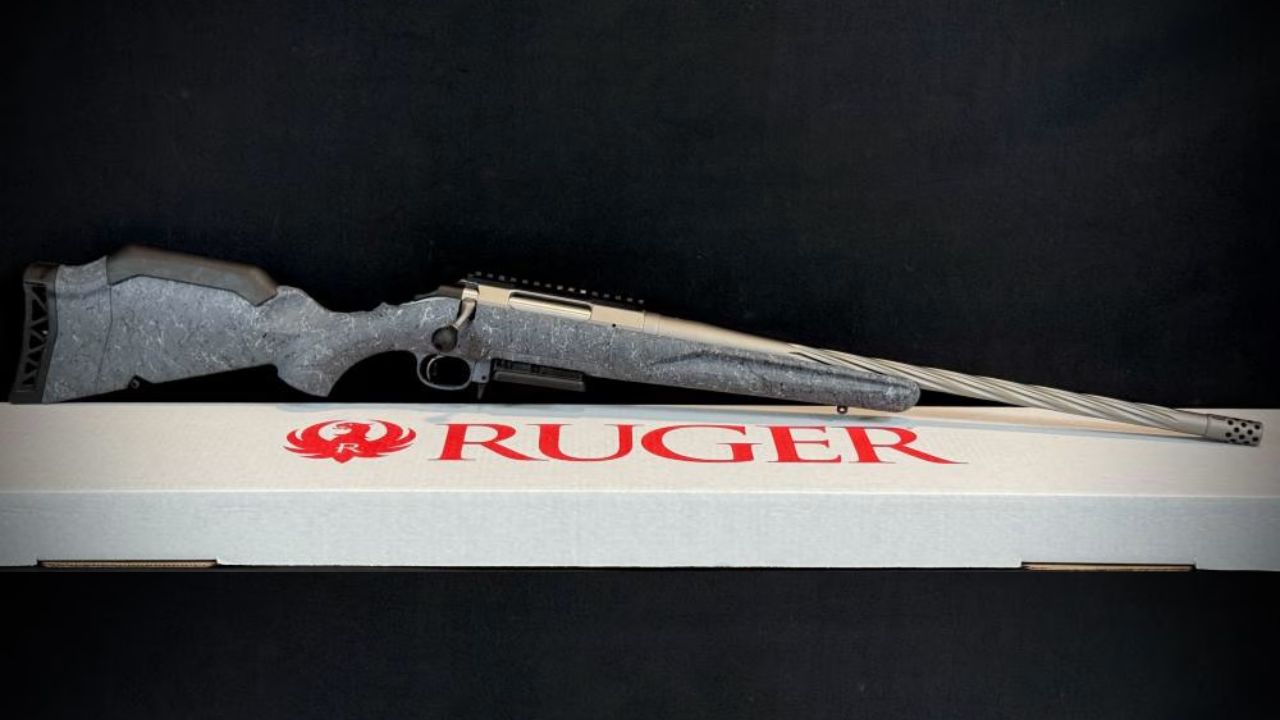
The Ruger Precision Rifle is built for a certain kind of shooting, and it does that well. But it’s heavy, it’s long, and it’s not what I’d call lively. In the field, it can be slow to move and awkward to run from improvised positions.
Follow-up shots aren’t only speed on the bolt. They’re speed on the whole system—getting the rifle onto the target, settling it, breaking the shot. The RPR is a great range tool that can feel like an anchor when the target is moving.
18. AR-10 pattern rifles (DPMS LR-308 style builds with harsh recoil impulse)

Not all .308 ARs are the same. Some are smooth as can be. Others have a recoil impulse that feels sharp and jumpy, especially with certain muzzle devices or lighter builds. That can bounce you out of the sight picture worse than you’d expect from a semi-auto.
Then there’s the reliability side. AR-10 pattern rifles don’t share the same standardization as AR-15s. If your mags are finicky or the gun is ammo-sensitive, your “easy second shot” turns into a malfunction check at the worst time.
19. Winchester Model 70 (pre-’64 style safety/bolt manipulation learning curve)
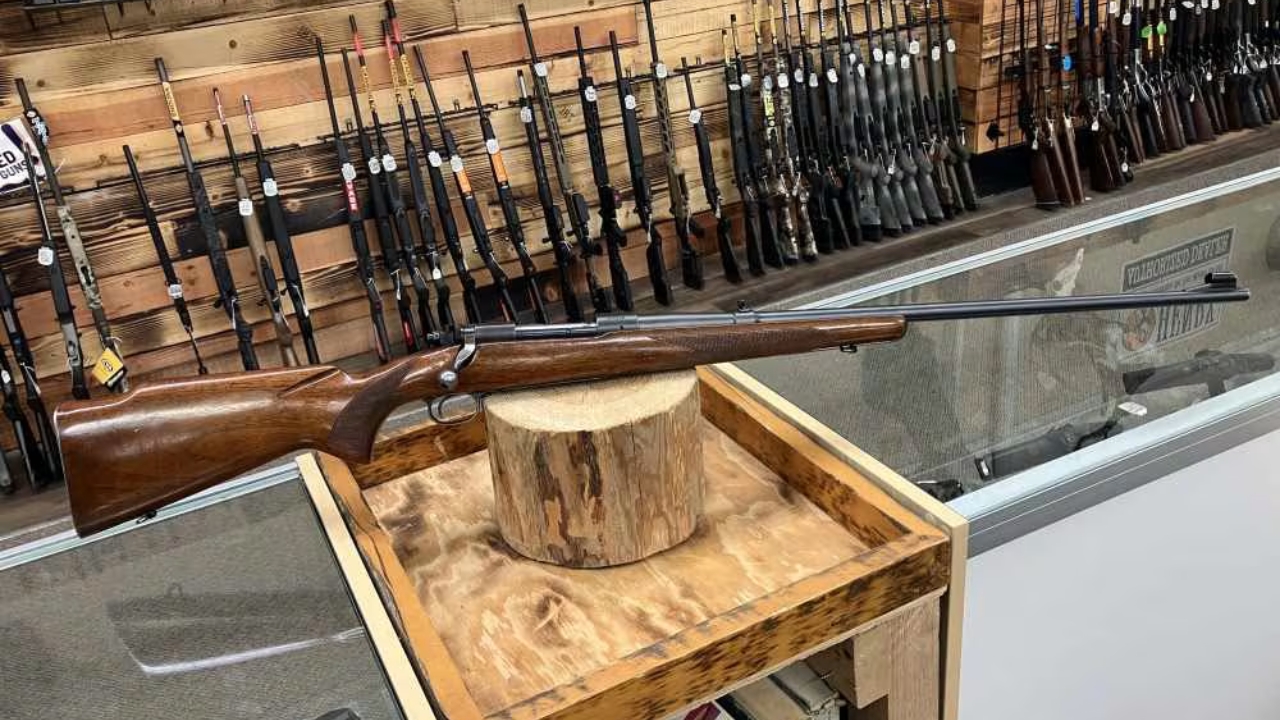
I’m not knocking the Model 70. It’s one of the great American hunting rifles. But if you didn’t grow up on it, the safety and bolt manipulation can take some getting used to, especially under stress.
Controlled-round feed is dependable, but you need to run the bolt with authority. If you’re timid with it, you can slow yourself down. With practice it’s a non-issue, but “classic” doesn’t always mean “fast for everyone right away.”
20. H&R Handi-Rifle
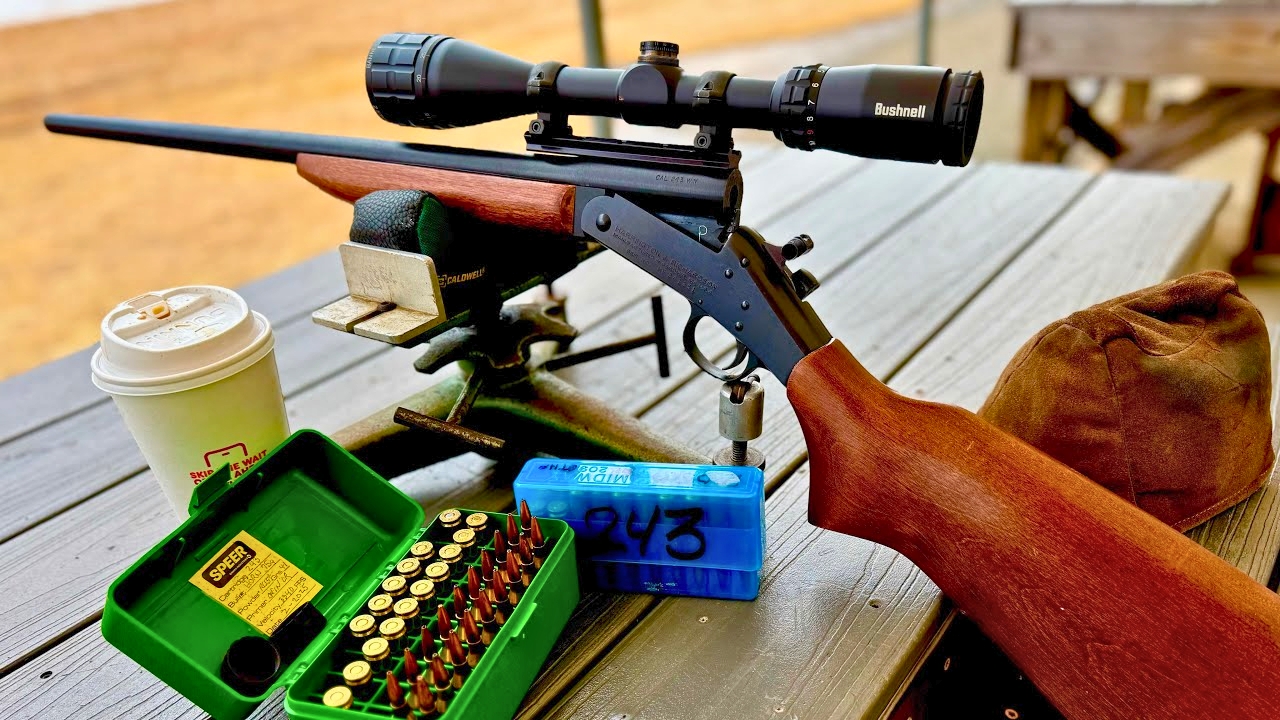
The Handi-Rifle is the definition of simple. It’s also the definition of slow on shot two. Break it open, extract, load, close, get back on target. That’s a lot of movement, and it’s a lot of time when an animal is headed for the timber.
I get why they’re popular: affordable, accurate enough, and straightforward. But if you choose one for hunting, you’re choosing patience. If you’re the kind of hunter who likes options when things don’t go perfect, this one can leave you wishing you brought something else.
The truth is, follow-up shots are part rifle and part shooter. A slick bolt, a stock that fits, a scope that stays put, and a rifle that doesn’t jump like a mule all buy you time when you don’t have much. If you’ve got a rifle on this list and you like it, keep it—just be honest about what it does well, and put in the range time so the second shot isn’t a surprise.
Like The Avid Outdoorsman’s content? Be sure to follow us.
Here’s more from us: