Photo credit: PNYprepper/Youtube
Spend enough time at a public range or leaning on the gun counter before deer season and you start noticing patterns. The same handful of models keep showing up half-cleaned in soft cases, half-sighted-in with mystery ammo, and then quietly traded off when the honeymoon ends. It’s not always because they’re “bad.” Most of the time it’s because they’re finicky, overpriced for what you get, hard to keep running, or they just don’t fit how experienced shooters actually use a gun.
This isn’t a hit list, and it’s not a brag either. It’s just a plain look at a handful of firearms that tend to frustrate folks who shoot a lot, train a little, and don’t have patience for gear that needs excuses.
1. Remington 710

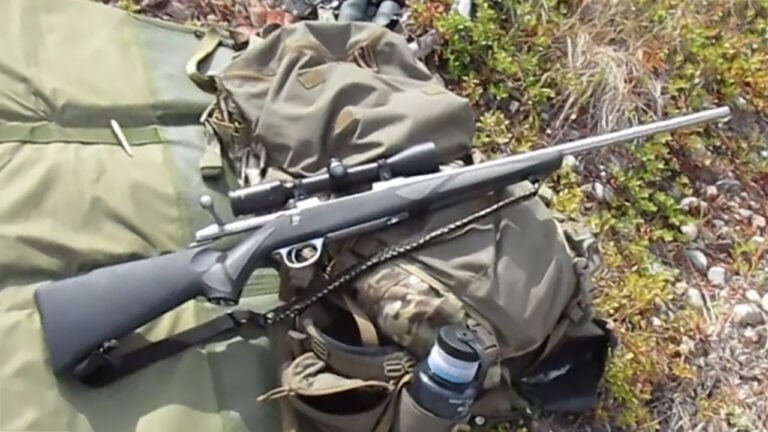
I’ve seen more than one of these show up as “the deer rifle that shot fine last year” and then suddenly won’t group worth a dime. The 710 was built to be a budget rifle, and it shows in the way the action feels and how the whole gun seems to loosen up over time.
When something does go wrong, you’re not dealing with the same parts ecosystem you get with more common bolt guns. Experienced shooters don’t like rifles that feel disposable, especially when they’re trying to trust one cold shot in November.
2. Remington 770
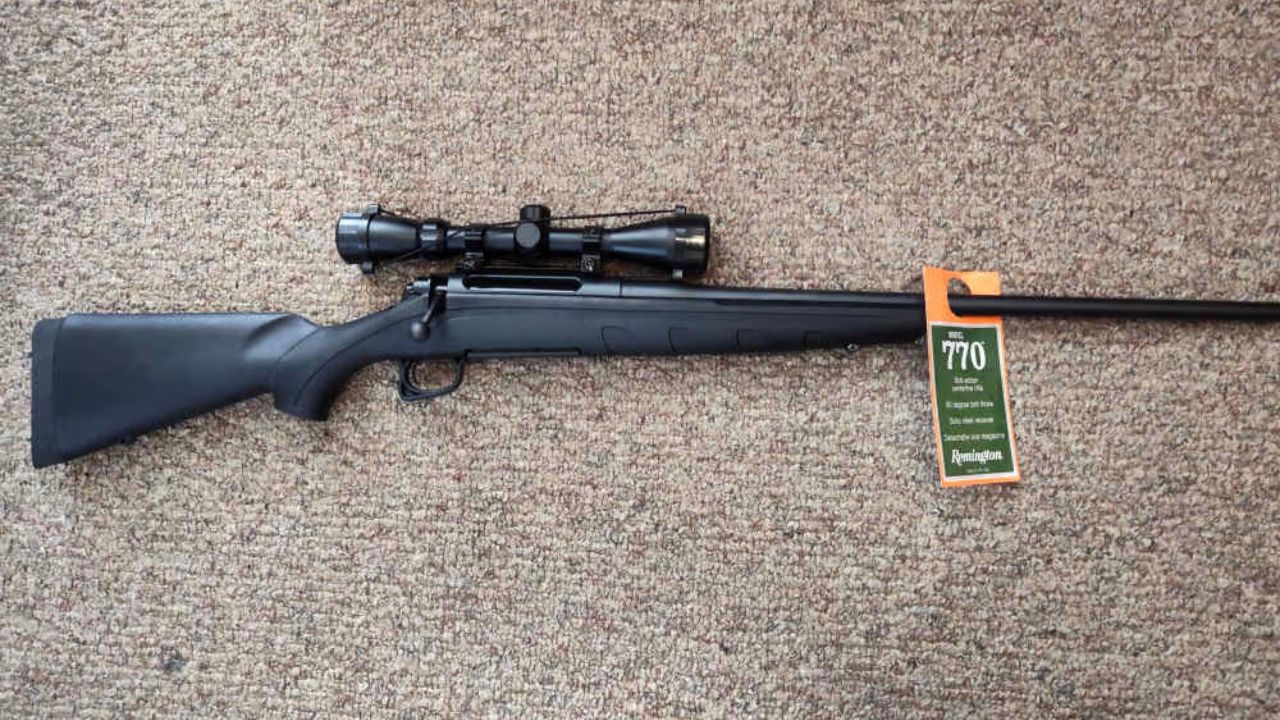
The 770 followed the same road as the 710, and it carried a lot of the same baggage. You’ll hear a guy say, “It’s fine for one box a year,” and I get that. But most experienced shooters don’t buy guns for the absolute minimum use case.
The magazines, the stock feel, the overall “hollow” vibe—none of it inspires confidence. If you ever decide to actually practice with it, it tends to punish you with inconsistency and little reliability gremlins.
3. Taurus Judge (Public Defender included)

This one sells itself on an idea: a revolver that can do a little of everything. In real life, it’s big, clunky, and the results on target are usually a letdown. The novelty wears off fast.
Experienced shooters also tend to be suspicious of anything that leans too hard on marketing instead of performance. If you want a revolver, a normal revolver does revolver things better. If you want a shotgun pattern, a real shotgun does that better too.
4. Taurus Curve
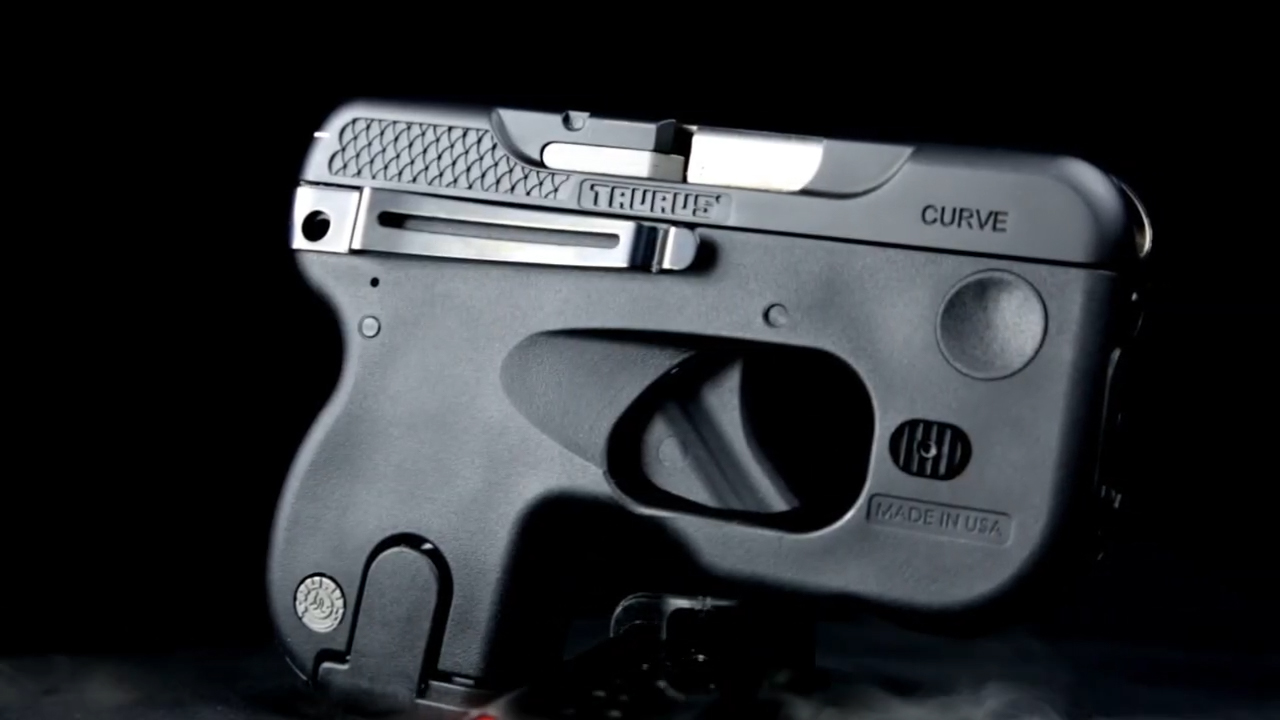
Every few years a “new carry concept” pops up, and this is one of the clearest examples of why most seasoned folks ignore the gimmick. The curved frame might tuck in close, but it’s awkward to shoot well, and shooting well is the whole point.
The built-in features sound handy until you realize you’re locked into one setup whether you like it or not. Experienced carriers tend to want proven holsters, proven sights, and controls that feel normal under stress.
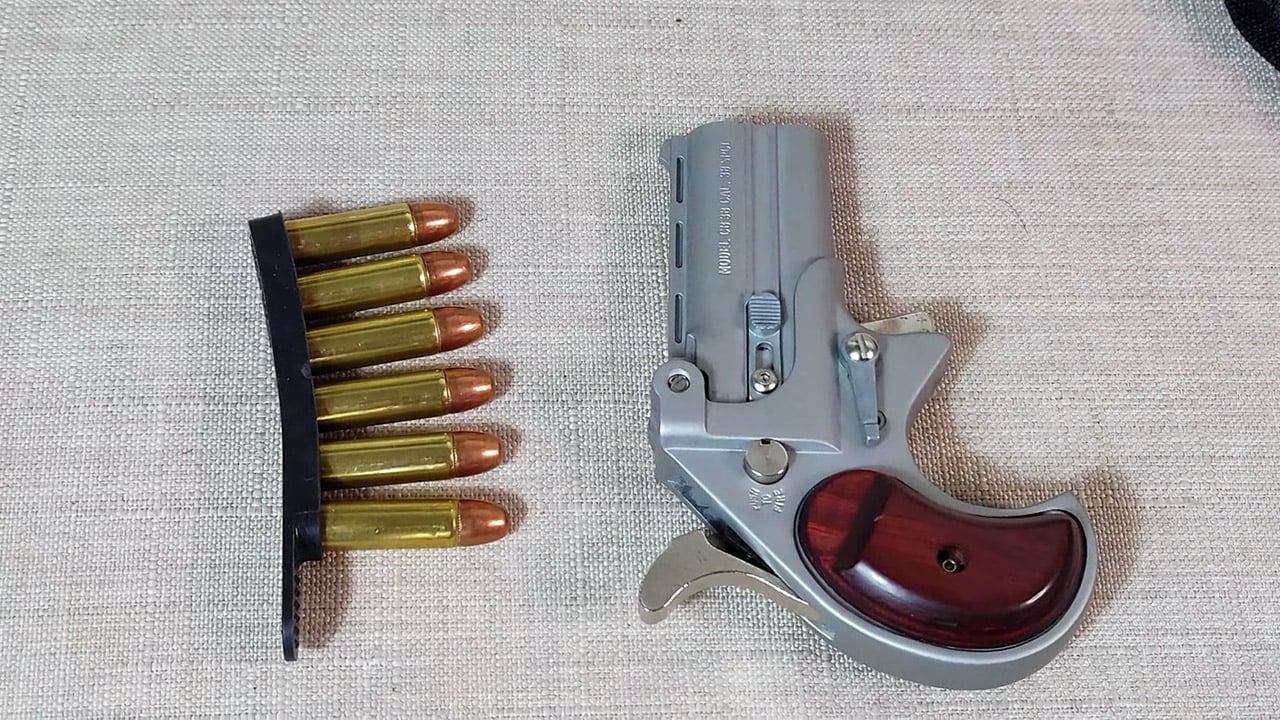
5. Cobra Big Bore Derringer
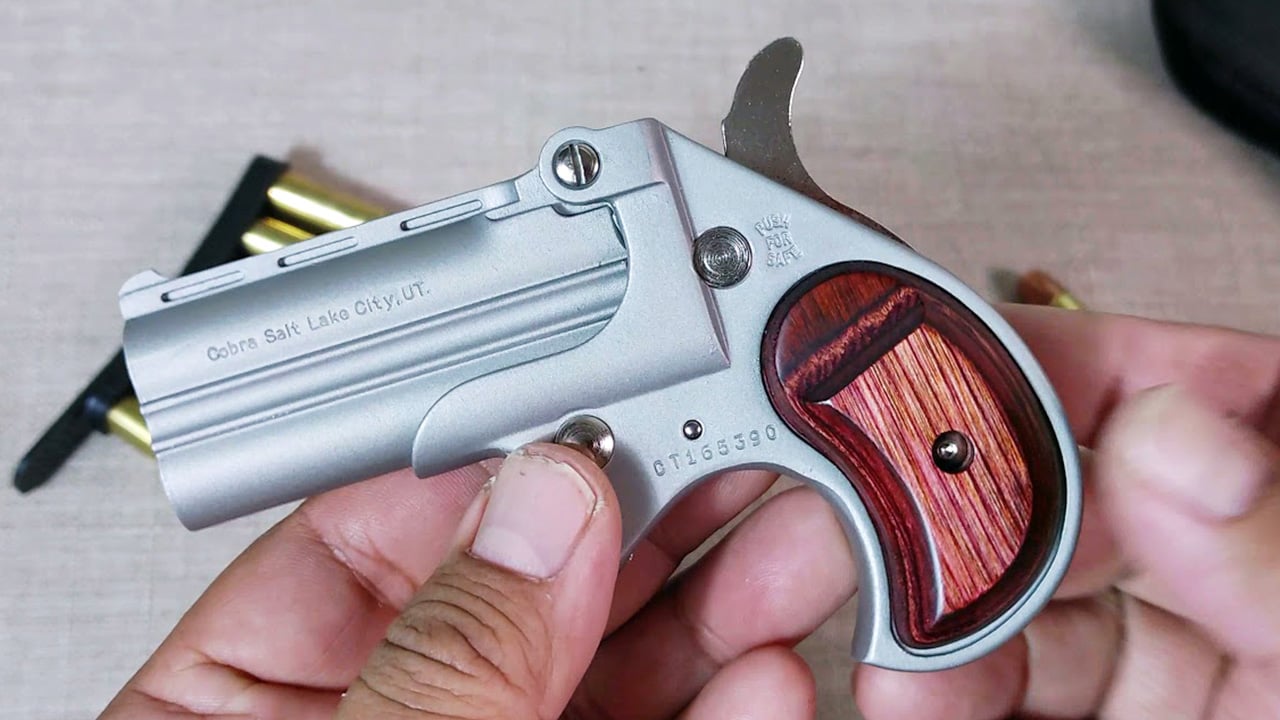
Yes, it’s small. Yes, it disappears in a pocket. And yes, it’s miserable to actually shoot, especially in the larger chamberings people buy them for. Two shots with stiff controls isn’t a serious plan for most shooters who’ve done any real training.
The derringer niche is mostly nostalgia and novelty. If your hands are cold, wet, or shaking, tiny guns with heavy triggers and harsh recoil stop being “cute” real quick.
6. SCCY CPX-2

SCCY pistols can run, and some owners have good luck. But the long, heavy trigger and the overall “budget compact” feel tends to push experienced shooters toward other options that are easier to run fast and accurately.
It’s not just about group size on a calm day. It’s about how the gun behaves when you’re tired, when your grip isn’t perfect, and when you’re trying to make hits quickly. That’s where a lot of these fall behind.
7. Kel-Tec PF-9

Kel-Tec deserves credit for pushing lightweight carry guns early, but the PF-9 is one of those pistols that can feel like work. It’s snappy, it’s not pleasant to practice with, and the controls aren’t everyone’s idea of intuitive.
Experienced shooters tend to avoid carry guns that discourage practice. If the gun beats you up, you’ll shoot it less. Then it’s not really doing its job.
8. Kel-Tec Sub-2000 (Gen 1 in particular)

On paper, a folding 9mm carbine that takes common magazines sounds like a winner. In real use, the ergonomics are odd, the sights are basic, and the whole package can feel like it was designed by a committee that never had to shoot it for an hour.
Plenty of them run fine. But experienced shooters often pass because there are better carbines that don’t feel like a compromise every time you shoulder it.
9. Hi-Point C9
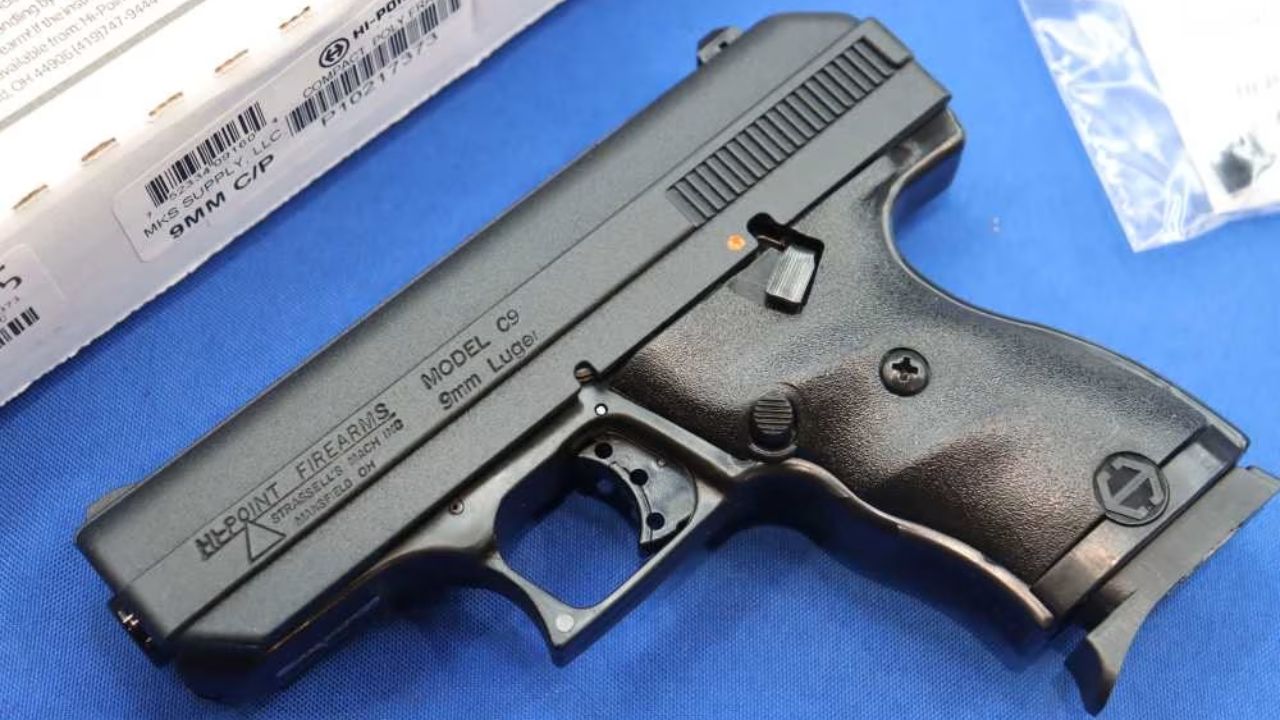
I’ve watched Hi-Points chug along when folks expected them to fail. The problem is, even when they run, they’re heavy, blocky, and awkward. A lot of experienced shooters don’t want “it worked today” as the bar for a defensive pistol.
They also tend to care about holster support, sight options, and long-term parts availability. The C9 is cheap up front, but it’s not the kind of platform most people build skill around.
10. Century Arms RAS47
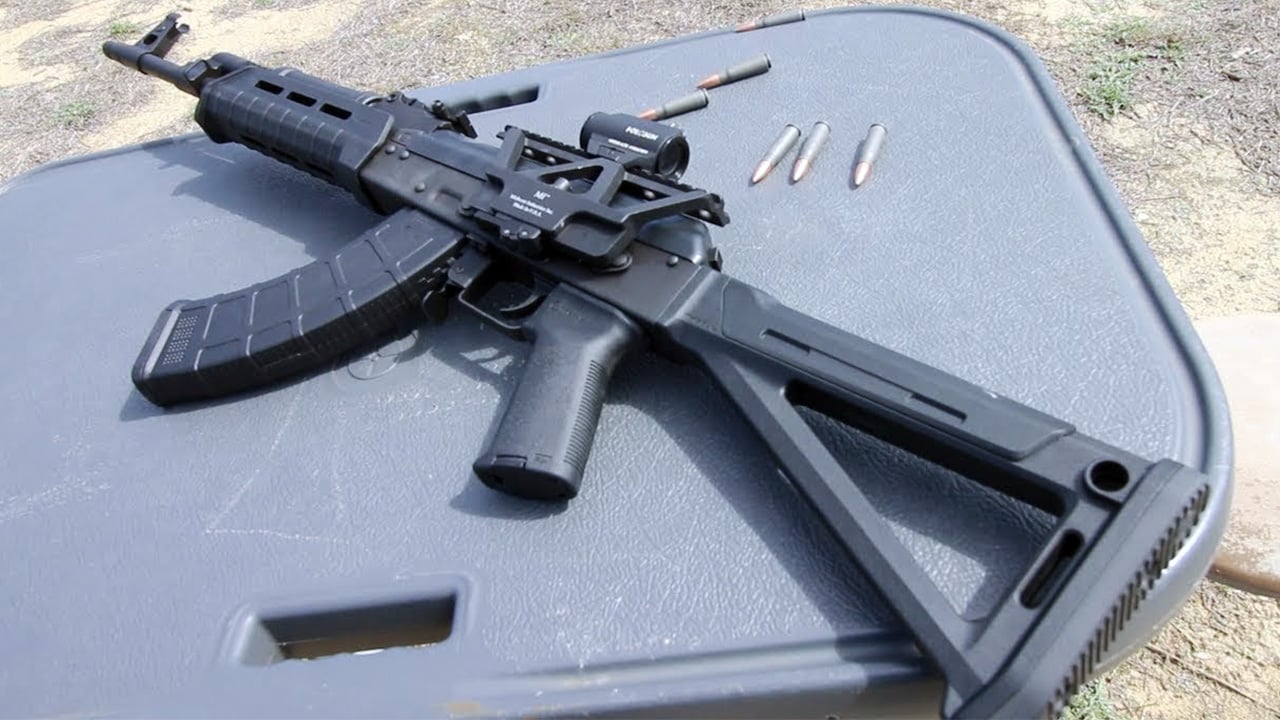
The AK world has some great rifles and some landmines. The RAS47 earned a reputation for premature wear issues that made high-volume shooters raise an eyebrow. If you mostly shoot a magazine a month, you might never notice.
But experienced shooters are exactly the folks who will notice. If you want an AK, most would rather spend smarter and start with a model that isn’t known for question marks.
11. I.O. Inc. AKM247
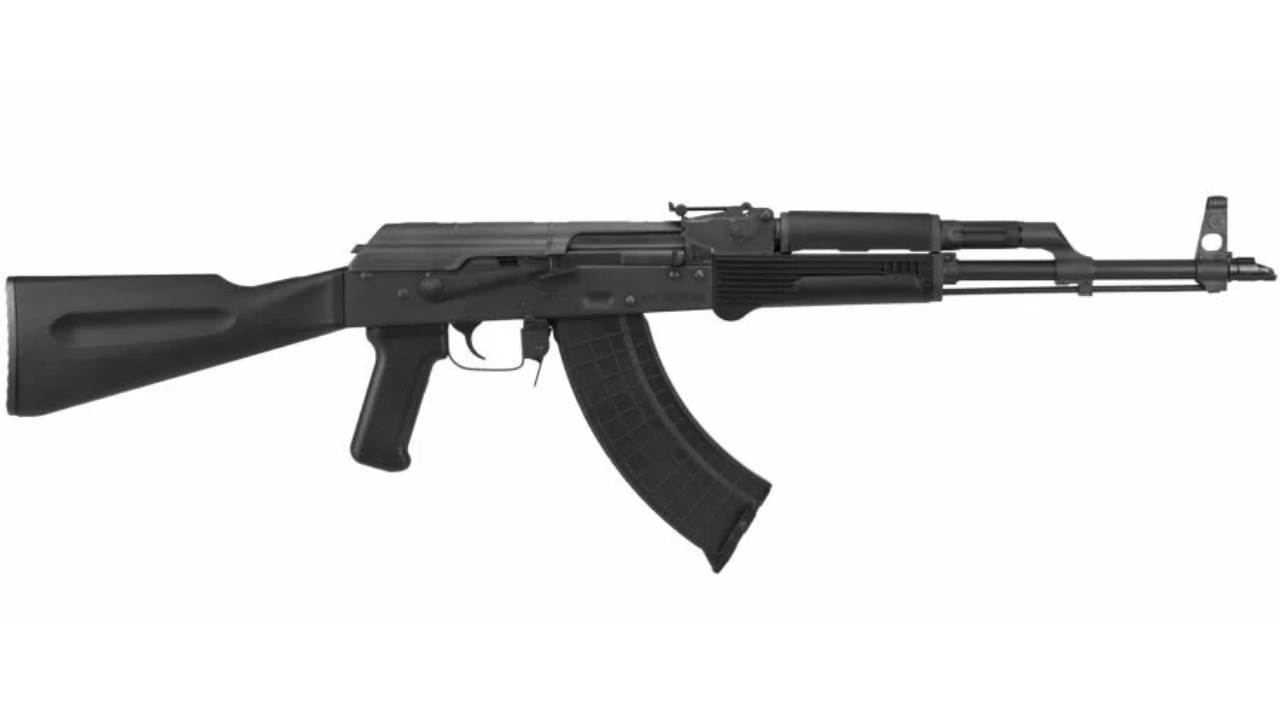
This is another AK that turned into a cautionary tale. Fit, finish, and parts quality were inconsistent enough that serious shooters largely stopped recommending them. Nothing burns confidence like a rifle that feels like a gamble.
AKs already require you to be a little choosy in the U.S. market. Folks who’ve been around the block tend to avoid the models with a track record of problems.
12. Ruger LCP (original .380)
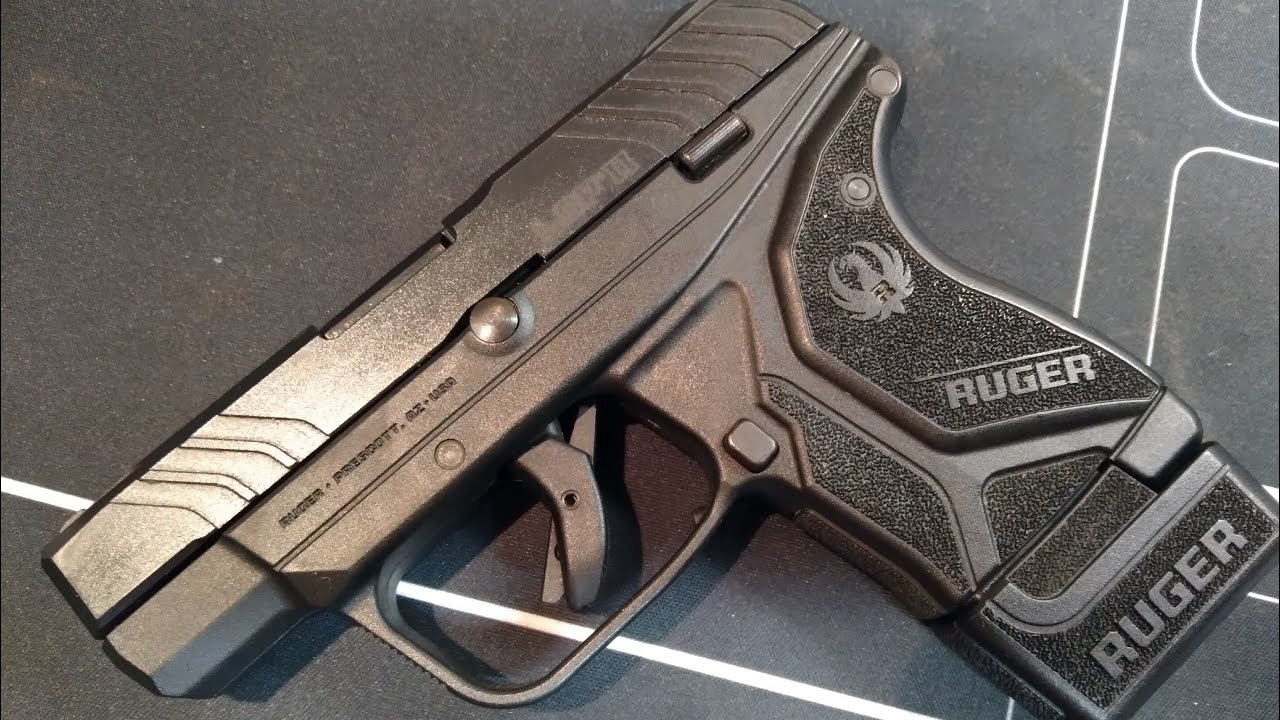
The original LCP sold by the truckload because it was truly pocketable, and it still fills that role. But the tiny sights and short grip make it harder to shoot well than many new gun owners expect.
Experienced shooters often steer people toward something only slightly larger that you can actually run with confidence. Pocket .380s have a place, but they’re a compromise, and pros don’t romanticize compromises.
13. Springfield Armory XD-S (early generations)

The XD-S is slim, and plenty of people carry them. Still, the recoil impulse in the smaller versions can be sharp, and the grip safety is one more moving part in a world where most shooters prefer simpler systems.
It’s also a pistol that can feel great in the hand and then feel less great once the timer comes out. Experienced shooters tend to pick carry guns that reward practice instead of punishing it.
14. Kimber Solo
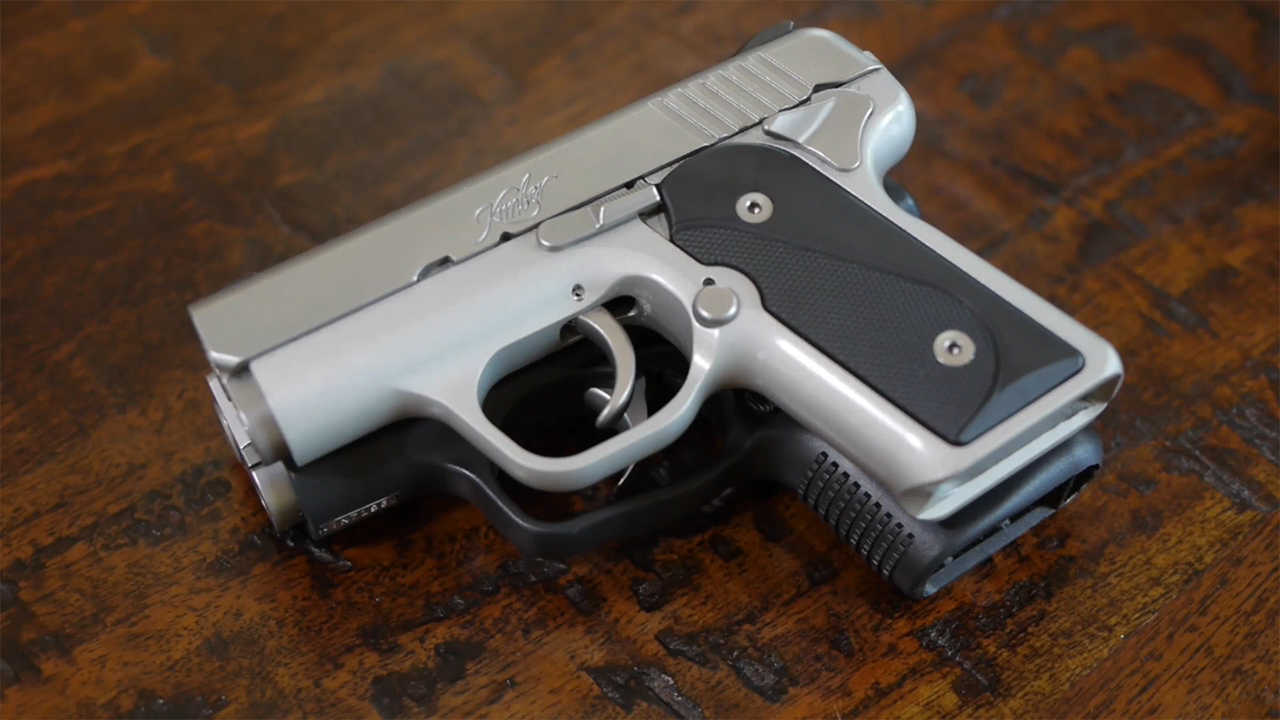
This one hurts because it should have been a home run: a small 9mm with good looks and a premium price tag. The problem is the Solo got a reputation for being ammo-picky and temperamental, which is the opposite of what you want in a defensive pistol.
When a gun costs that much, “it runs if you feed it exactly what it likes” doesn’t land well. Seasoned shooters usually want boring reliability, not a diva.
15. SIG Sauer Mosquito

Rimfire pistols can be finicky by nature, but the Mosquito has frustrated a lot of owners with reliability and ammo sensitivity. New shooters buy it because it looks like a “real” service pistol. Experienced shooters buy .22s that run.
When training time is limited, you don’t want to spend it clearing malfunctions that feel like they shouldn’t be happening. There are better .22 options that just chug along.
16. Walther P22
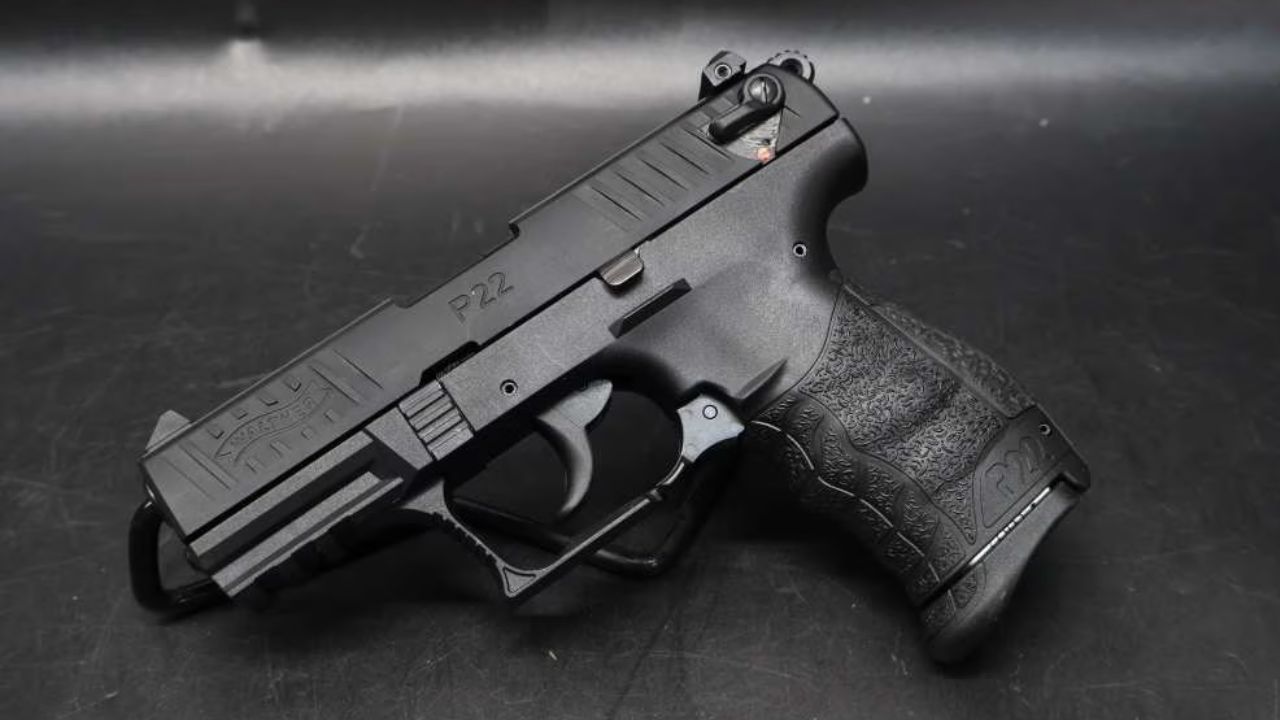
The P22 is another “fun gun” that can turn into a troubleshooting project. Some run great with the right ammo and mags. Others act like they’re allergic to being enjoyed.
Experienced shooters often prefer rimfires like the Ruger Mark series or a solid .22 conversion on a duty pistol frame. The goal is cheap practice, not cheap frustration.
17. Remington R51 (Gen 1)

The R51 comeback story was supposed to be a big deal. Instead, the early guns became known for problems that should never have made it out the door. When a design relaunch goes sideways, it tends to stick in shooters’ minds for a long time.
Experienced shooters don’t like being unpaid beta testers. Even if later versions improved, the first impression did real damage.
18. Mossberg 930 (early reliability-challenged examples)
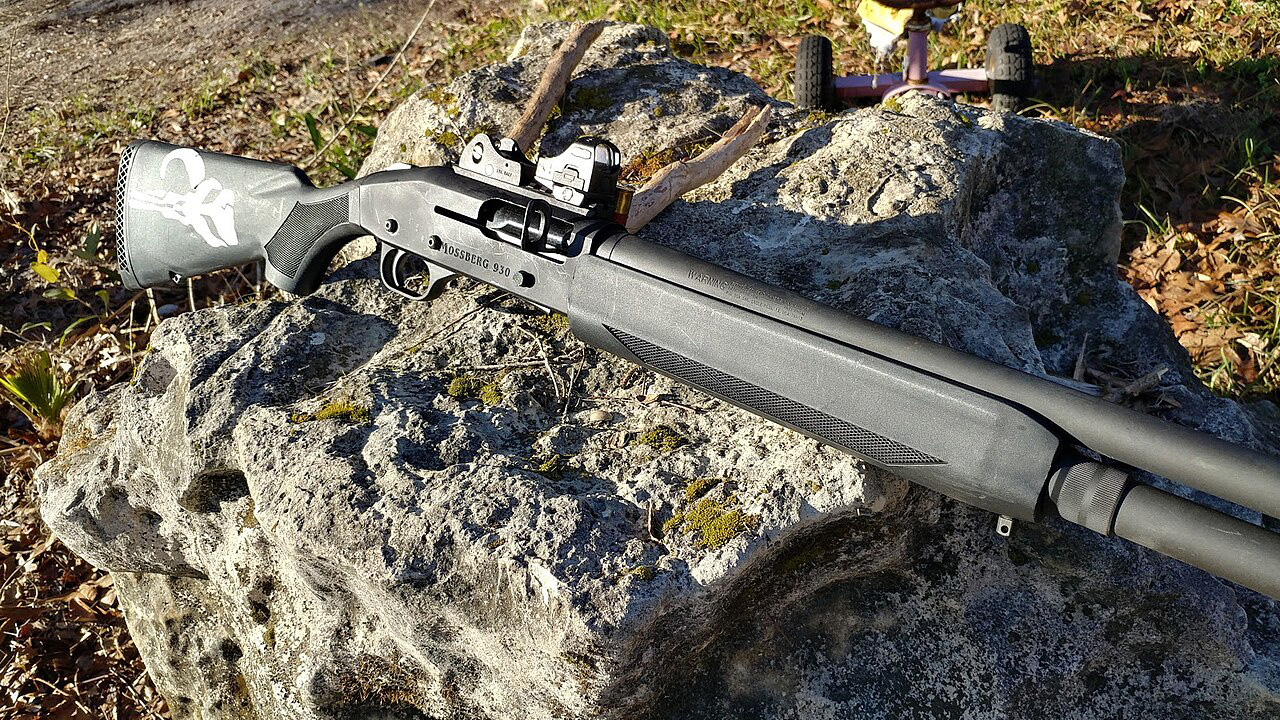
I’m not here to say every 930 is bad. I’ve seen some that run fine. I’ve also seen enough choke on cheap target loads, get sluggish when dirty, or act picky with certain shells that experienced shotgun folks start looking elsewhere.
When you’re buying a semi-auto shotgun for hunting or defense, “mostly reliable if you keep it spotless and feed it what it likes” is a tough sell. Pumps are simpler, and higher-end semis tend to be more forgiving.
19. Rossi Circuit Judge
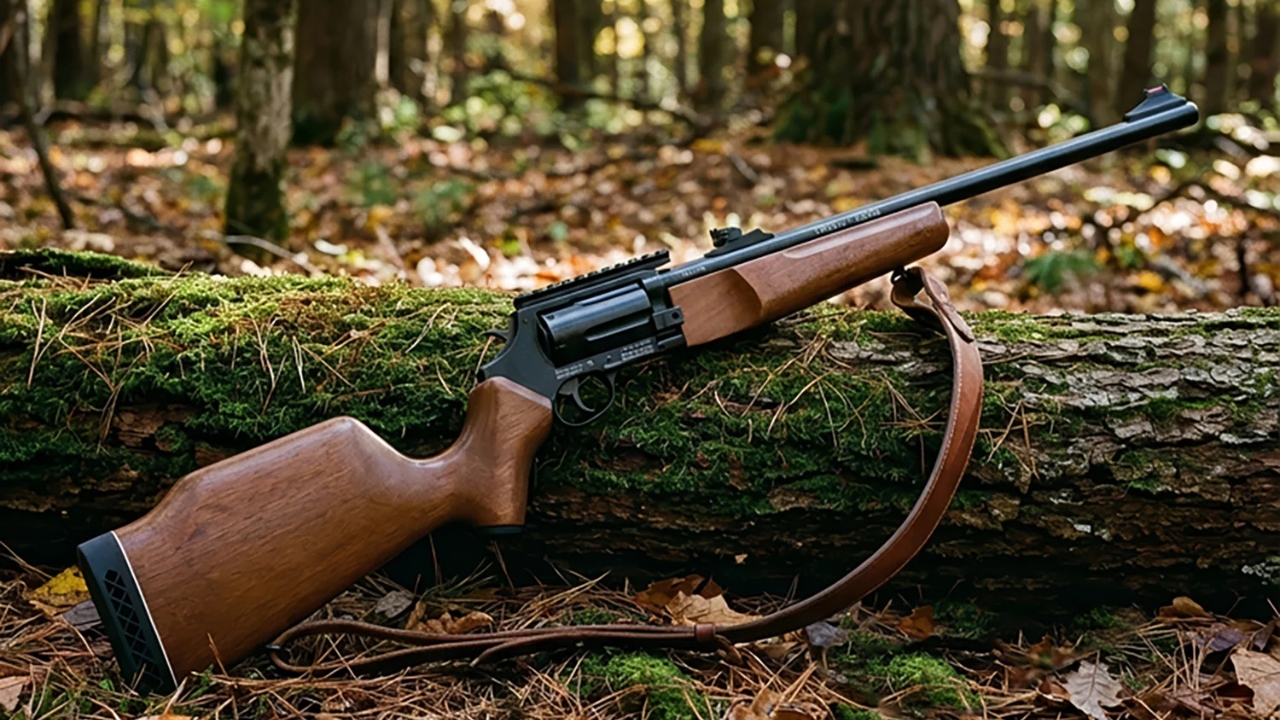
The revolving rifle idea is interesting until you start thinking about what you actually want a rifle to do. The Circuit Judge is heavy for what it is, the trigger can be rough, and accuracy is usually not the strong point folks hoped for.
It can be a fun woods gun for messing around, but experienced shooters generally don’t keep “fun, heavy, mediocre” rifles in the main rotation. Safe space is finite.
20. Smith & Wesson SD9VE
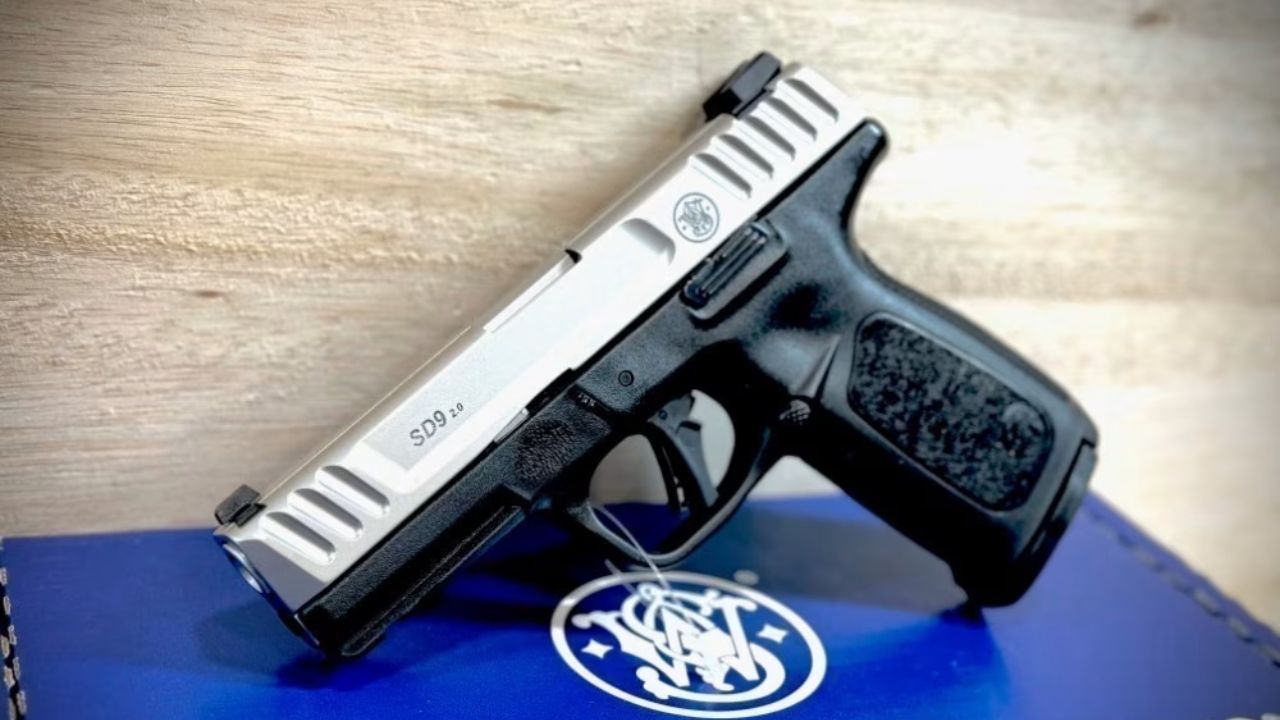
This one is controversial because the SD9VE can be a dependable pistol, and I’ve watched them run through classes. The reason experienced shooters often avoid them is the trigger. It’s heavy and mushy enough that it makes good shooting harder than it needs to be.
If you’re trying to build skill, a gun that fights you isn’t ideal. Most seasoned shooters would rather spend a little more on a pistol with better shootability and stronger aftermarket support.
The funny thing about “avoid lists” is that every one of these has a fan somewhere, and a few of them probably live in your safe right now. If yours runs and you shoot it well, that matters more than internet opinions. But if you’re about to spend hard-earned money on your next rifle, shotgun, or carry gun, pay attention to what experienced shooters do: they buy boring, proven stuff, they practice with it, and they don’t keep gear that needs constant forgiveness.
Like The Avid Outdoorsman’s content? Be sure to follow us.
Here’s more from us: