Photo credit: TheGearTester/Youtube
Gun companies love rolling out “new and improved” versions. New coatings, new springs, new triggers, new sights, new mags, new names. And sometimes it’s all legit progress.
But I’ve also watched plenty of “upgrades” turn a perfectly useful firearm into something fussier, heavier, pickier, harder to maintain, or just less pleasant to shoot. Most of these aren’t unsafe or junk across the board. They just got worse in the ways that matter when you’re carrying it all day, hunting in cold weather, or trying to get through a range session without chasing problems that didn’t exist before.
1. Remington 700 (Freedom Group-era “improvements”)

The Model 700 is a legend for a reason. Smooth enough, accurate enough, and supported by every stock and trigger maker on the planet. A plain 700 used to be the kind of rifle you could buy, bed, and hunt with for decades.
Then came years where “updated” manufacturing and cost-cutting left folks dealing with rougher actions, inconsistent fit, and a general feeling of “why does this new rifle feel worse than my uncle’s beat one?” Plenty of them still shoot, but the magic of that older polish wasn’t always there.
2. Remington 870 Express (late production)
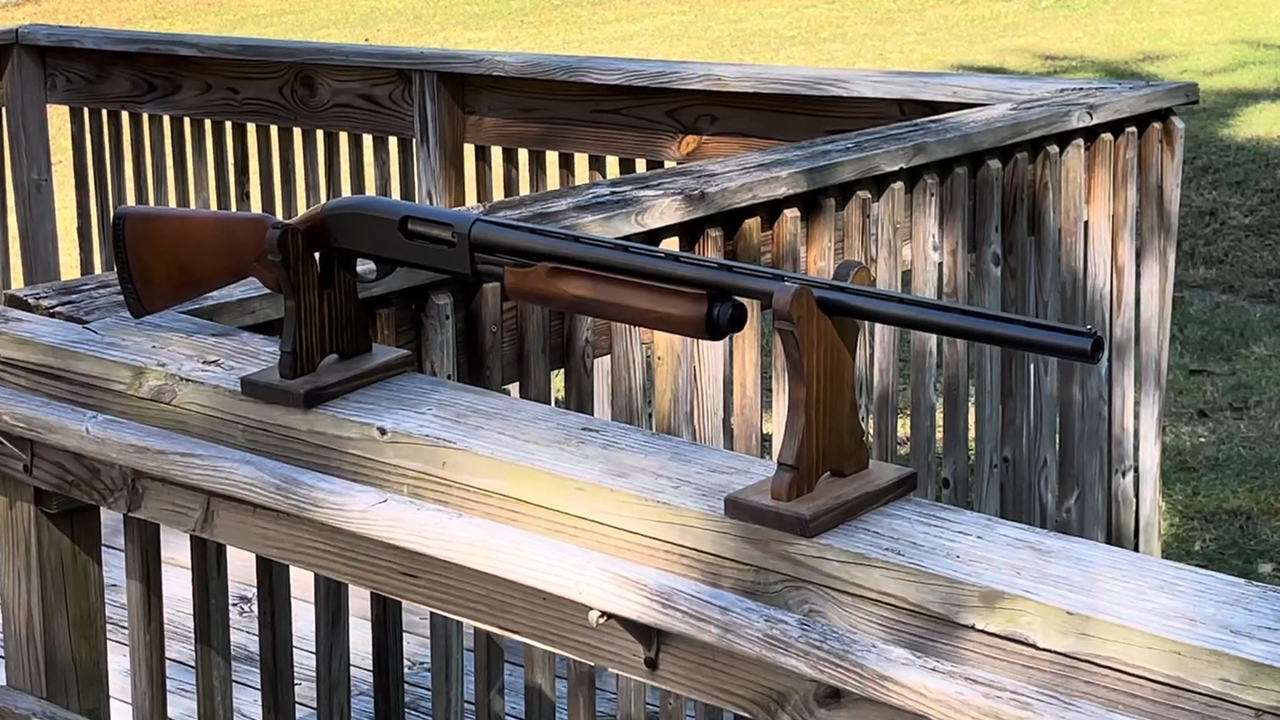
An old Wingmaster is like a good claw hammer: it just works. The Express line was supposed to be the working man’s version, and early ones were fine. Later on, rough chambers and thin finish started showing up more often.
The “budget improvement” idea backfired when guys started having extraction issues with cheap birdshot or light loads. It’s hard to trust a pump gun that makes you fight the fore-end when it’s cold and you’re wearing gloves.
3. Remington 7400 (and the long slide from the 740/742 family)
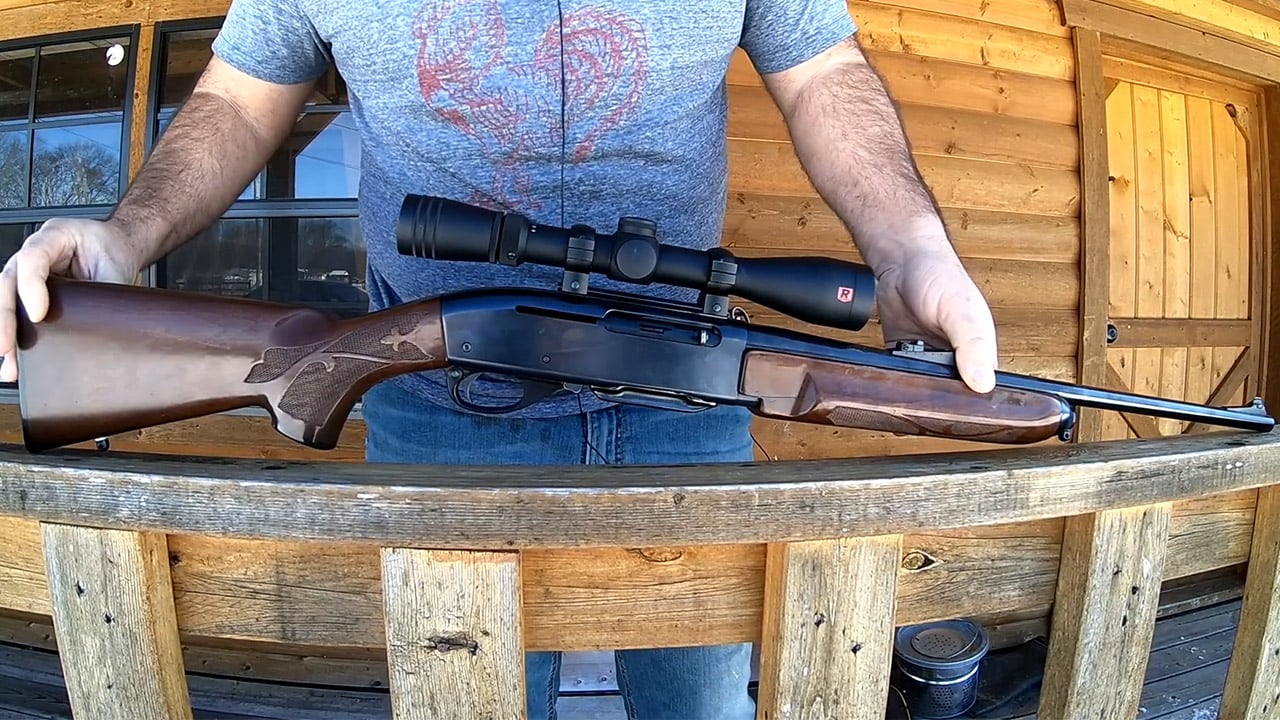
These semi-auto deer rifles put meat in freezers, no doubt. But every attempt to keep the basic design modern while staying affordable seemed to keep the same sore spots alive.
When they run, they’re handy in thick woods. When they don’t, you’re staring at a finicky system that’s not as easy to diagnose or maintain as a simple bolt gun. A “newer” one didn’t always mean a better one.
4. Marlin 336 (early “Remlin” years)

A good 336 carries like it belongs in your hands. Light, quick, and honest. When production changed hands, the idea was to keep the model rolling with modern processes.
Early on, the fit and finish problems were hard to ignore. Crooked sights, sharp edges, wood-to-metal gaps—stuff you notice the second you shoulder it at the gun counter. That one hurts because the 336 is supposed to be simple and right.
5. Marlin 1894 (QC hiccups in later runs)
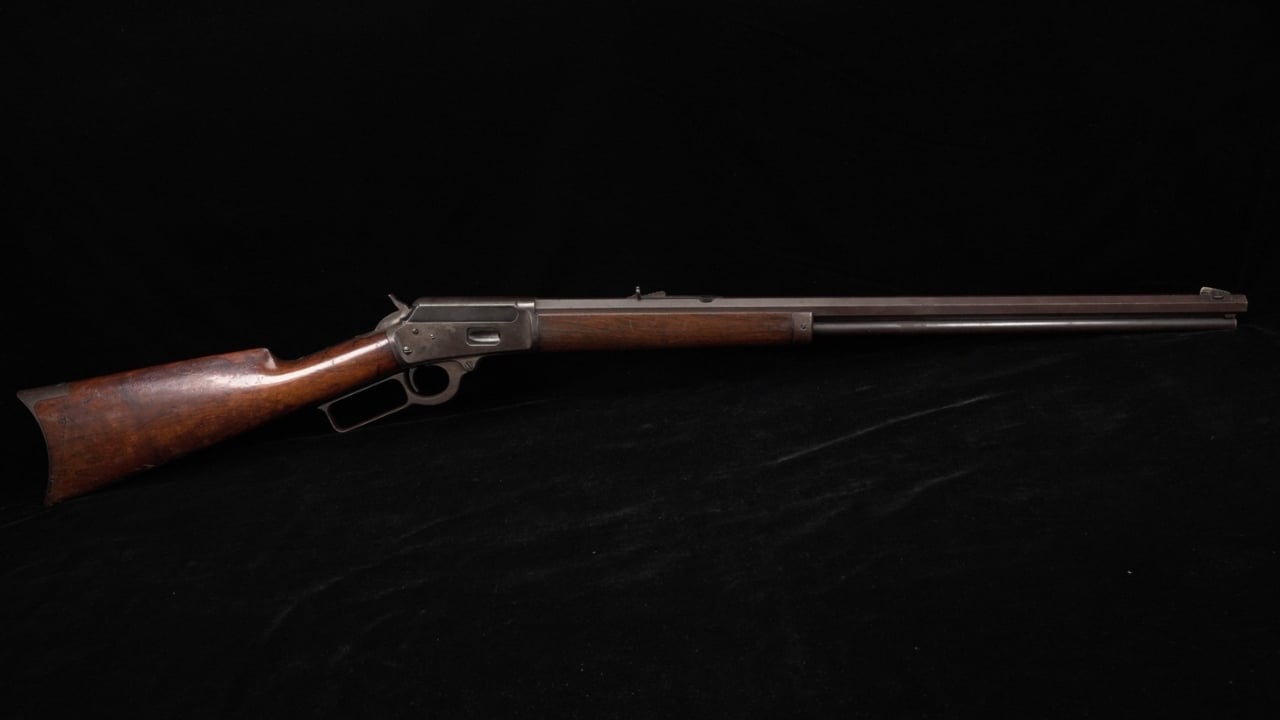
The 1894 in .357 or .44 is the kind of lever gun you grab for a truck, a saddle scabbard, or a walk through the timber. It’s not supposed to be a project.
When “updated” production brought timing issues and feeding complaints in some examples, it turned a fun, useful carbine into a gun you had to test harder than it deserved. Lever guns already have enough moving parts. They don’t need help being complicated.
6. Winchester Model 70 (post-’64 push-feed controversy)
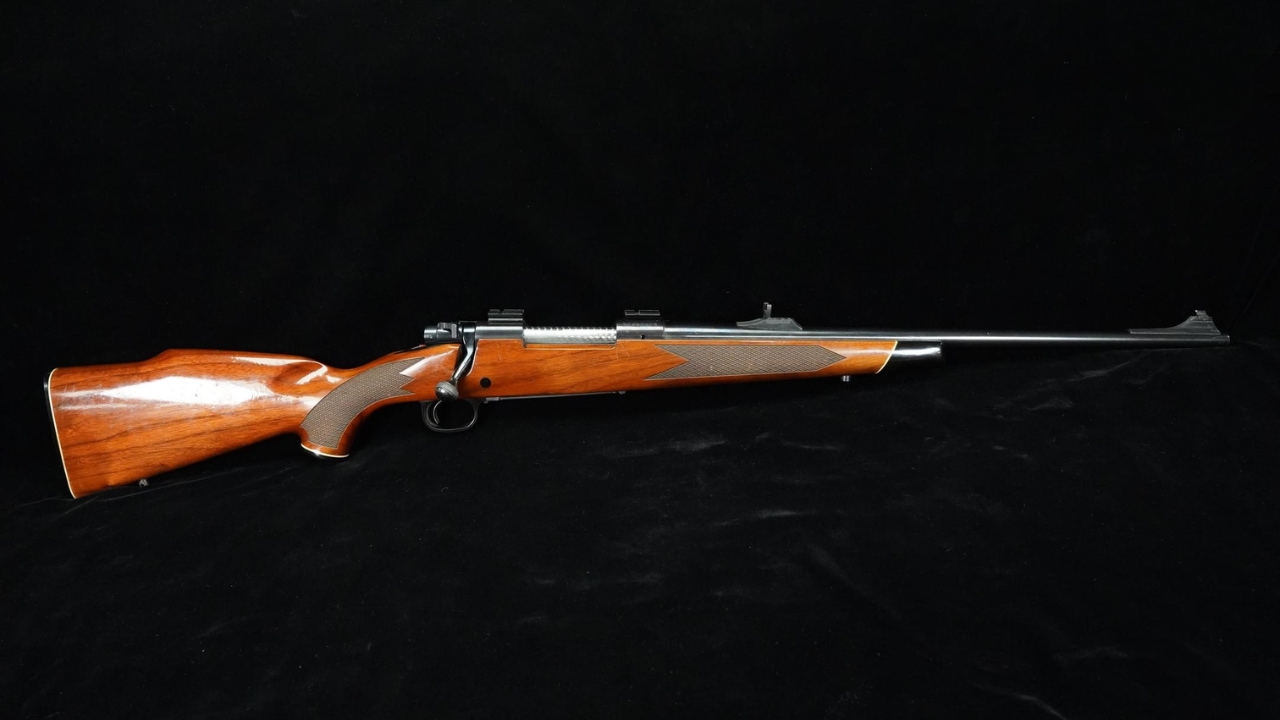
If you grew up around hunters, you’ve heard the talk. The pre-’64 Model 70 is treated like scripture, and anything after that gets side-eye. Winchester tried to modernize and streamline.
The push-feed change wasn’t automatically “bad,” but it wasn’t what loyal Model 70 folks wanted, and some of the cost-driven changes dulled the feel. Later versions came back strong, but that mid-century “improvement” is still a sore spot in camp conversations.
7. Ruger Mini-14 (older thin-barrel Ranch Rifle era)

Ruger did eventually improve the Mini’s accuracy, and newer ones are better. But for years, the Mini got dressed up with different stocks and sights while the skinny barrel heated up fast and started walking shots.
It was sold like a handy ranch rifle, and it is handy. Still, nothing is more frustrating than a rifle that prints fine for three shots and then opens up when you actually practice. A “tactical” look didn’t fix the core complaint.
8. Ruger 10/22 (certain “upgraded” takedown and boutique variants)
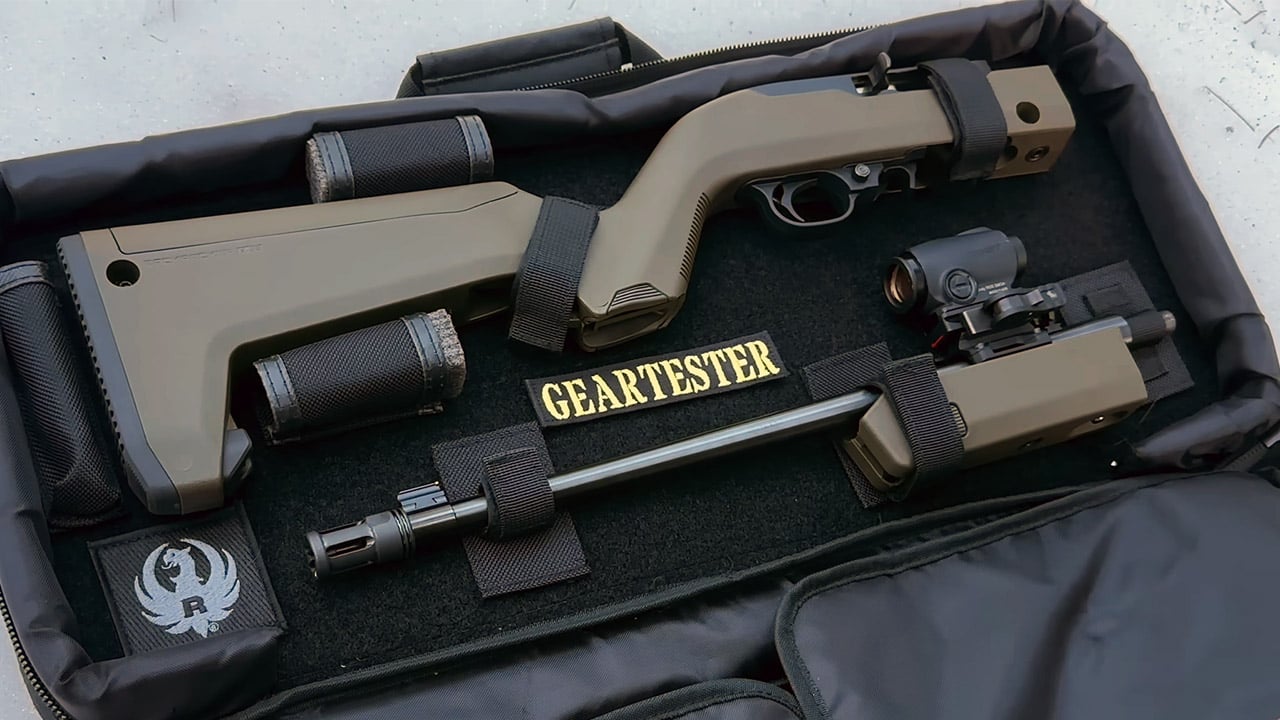
The basic 10/22 is one of the best utility .22s ever made. Throw it behind the truck seat, teach kids, whack pests, shoot cheap. Done.
Some newer variants add complexity and cost without giving you more reliability. The takedown is cool, but now you’re thinking about joint tension, repeatable zero, and extra points of looseness. For a rimfire you want to grab-and-go, simple is a feature.
9. Colt Python (2020 reintroduction, compared to the old standard)
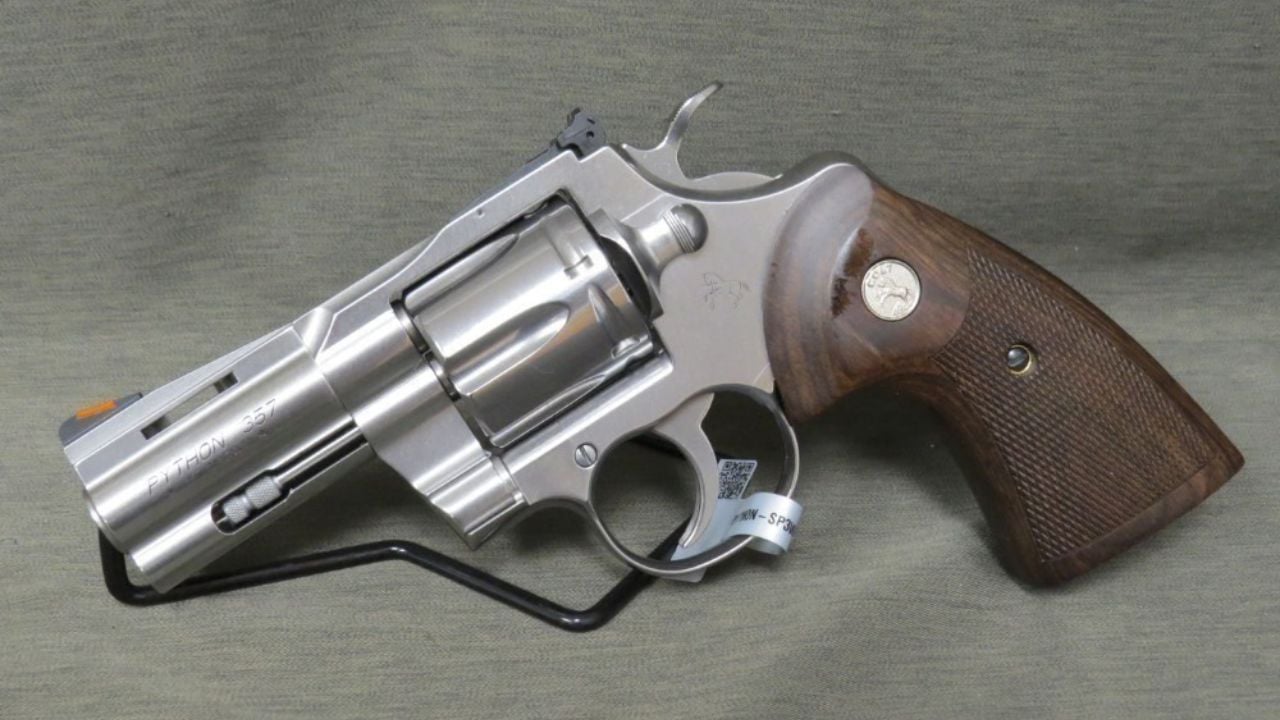
The modern Python is a solid revolver, and I’m glad Colt brought it back. But calling it an “improved” Python is where arguments start. The old ones had that silky, hand-fitted vibe that made the name mean something.
The new gun is more production-friendly. It’s strong. It shoots. Yet the feel isn’t the same, and the whole point of a Python to a lot of revolver guys is the feel. If you wanted “modern,” you might’ve bought something else.
10. Smith & Wesson Model 29/629 (endurance updates and the heavier feel)
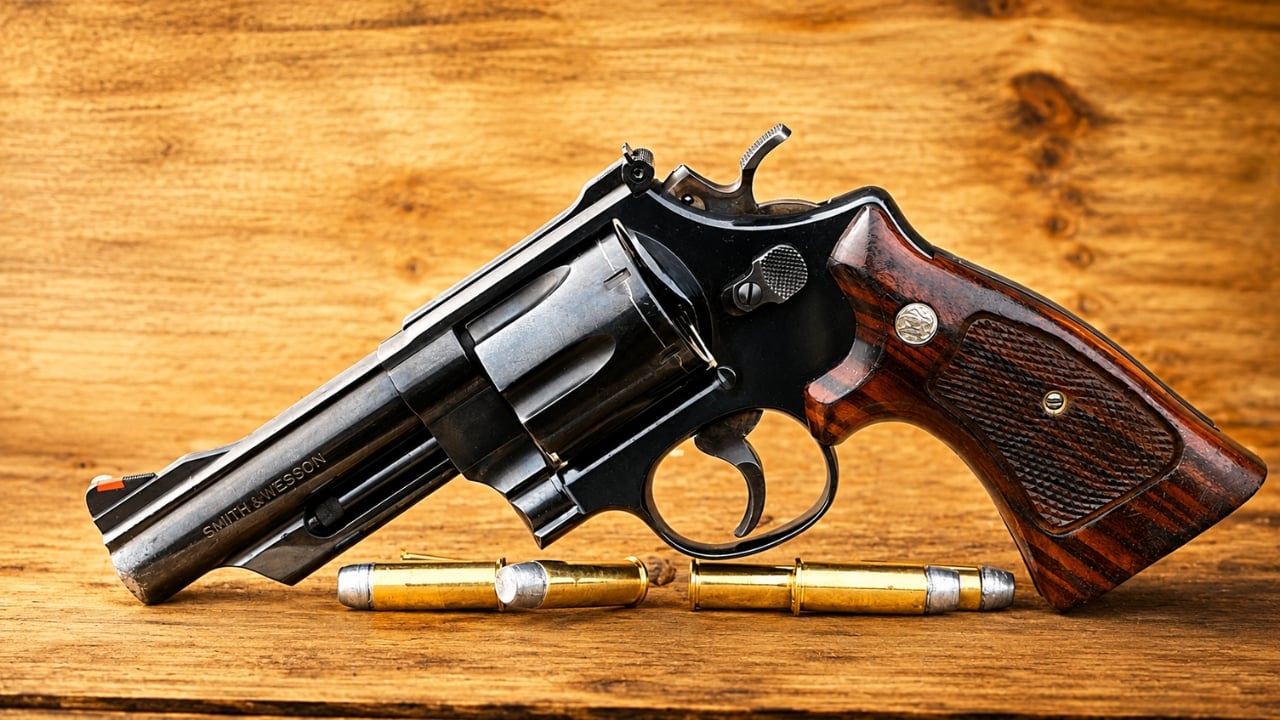
S&W tightened up .44 Mag durability over time, and that’s not a bad thing. But the more they “fixed” for hot loads and liability-era expectations, the more some of the older balance and trigger feel got left behind.
The newer guns can feel bulkier in the hand, and the lock-era drama didn’t help the mood either. If you’re packing a .44 for the woods, you notice ounces and you notice triggers.
11. Smith & Wesson J-Frame (internal lock versions)

A J-frame is supposed to be dead simple: small revolver, carry it, shoot it, clean it, repeat. Adding internal locks may have made sense in a boardroom, but it never felt like an “upgrade” to the guy buying a pocket revolver for real life.
Even when the lock never causes a problem, it bothers people because it’s one more thing you didn’t ask for on a defensive gun. And it changes buying habits. Folks hunt older ones for a reason.
12. Glock 19 Gen 4 (early recoil spring headaches)

The Glock 19 is the Toyota pickup of pistols. Then Gen 4 rolled out and, early on, some guns got picky with certain ammo because of the recoil spring setup.
Glock sorted it out, but it was a classic case of “we tried to improve it and introduced a new variable.” A carry gun shouldn’t be a science experiment. Most shooters just want boring reliability.
13. SIG Sauer P320 (early changes and the trust gap)
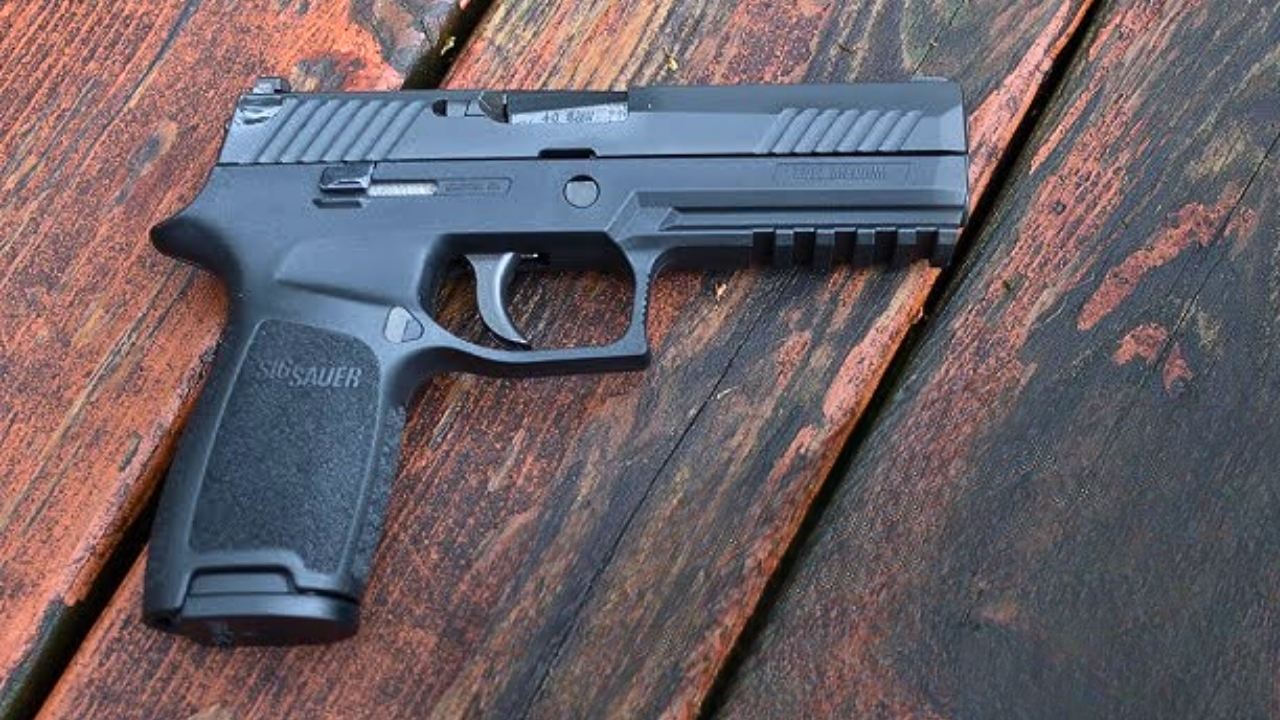
The P320 became a huge platform fast. Modular grip modules are genuinely useful, and the trigger feel is decent. But the early design changes and safety controversy left a stain that “improvements” didn’t quickly wash off for a lot of folks.
Even if you’re confident in the current version, that lingering doubt changes how people handle it, holster it, and talk about it. A defensive handgun lives and dies on trust, not marketing.
14. SIG Sauer P365 (very early production vs. later “fixed” versions)

The P365 changed the carry world. A lot of other guns got smaller because this one existed. Early on, though, there were issues that made the first wave feel like beta testers.
The later tweaks helped, but it’s a reminder that “new and improved micro-compact” often means you’re cramming performance into a tiny box. When they revise it, it can get better, but it can also get touchier if tolerances stack the wrong way.
15. Kimber 1911 (Series II firing pin safety era)
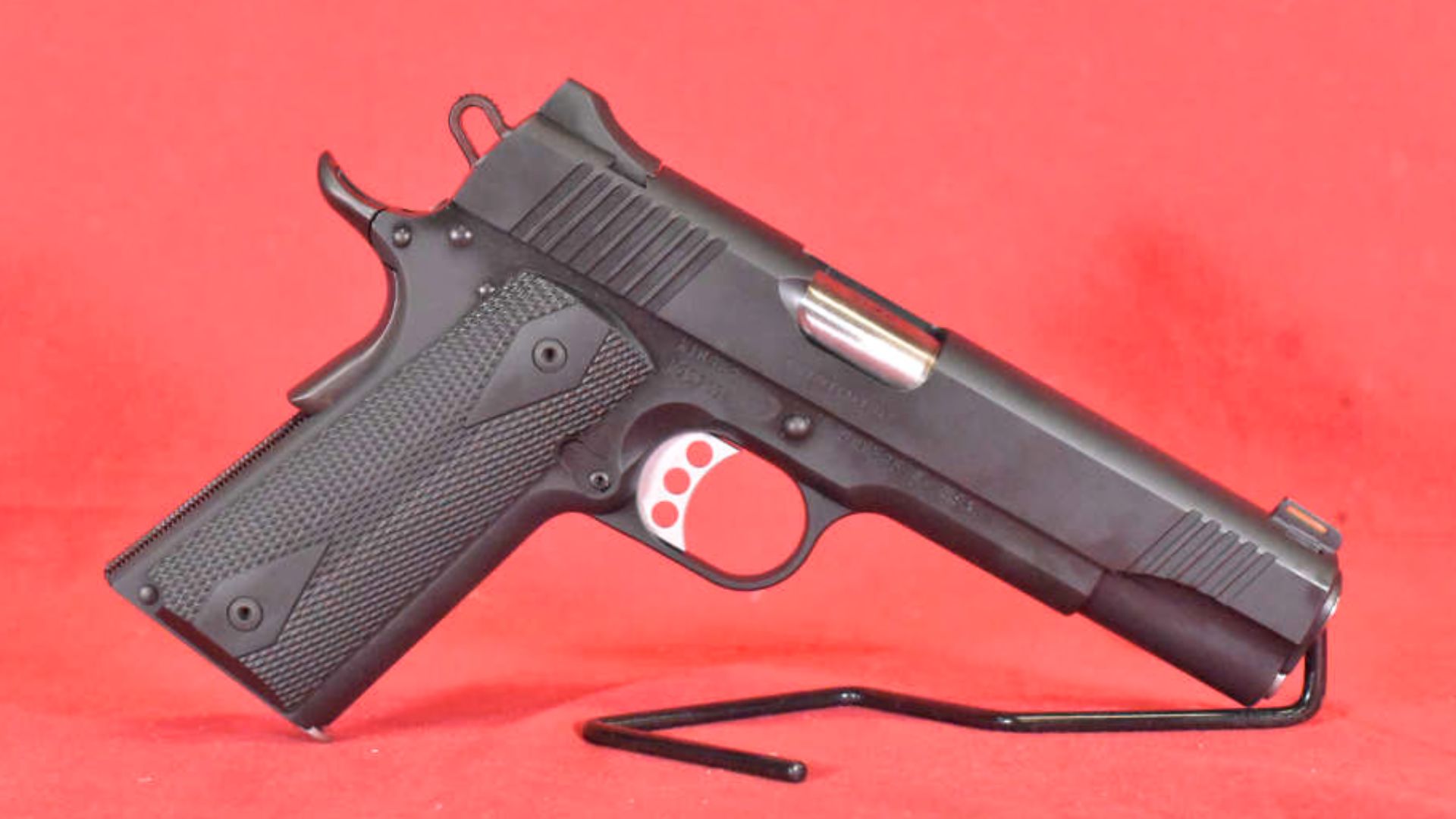
Kimber made some very good-looking 1911s that shot well. Then Series II brought the Swartz-style firing pin safety into the mix. The intent was safety and liability coverage.
The downside is it adds parts and timing that can get finicky if you don’t have a solid grip or if something’s slightly out. A 1911 already asks you to care about magazines, extractors, and springs. Adding one more system didn’t make the average owner’s life easier.
16. Springfield Armory M1A (newer production quirks)
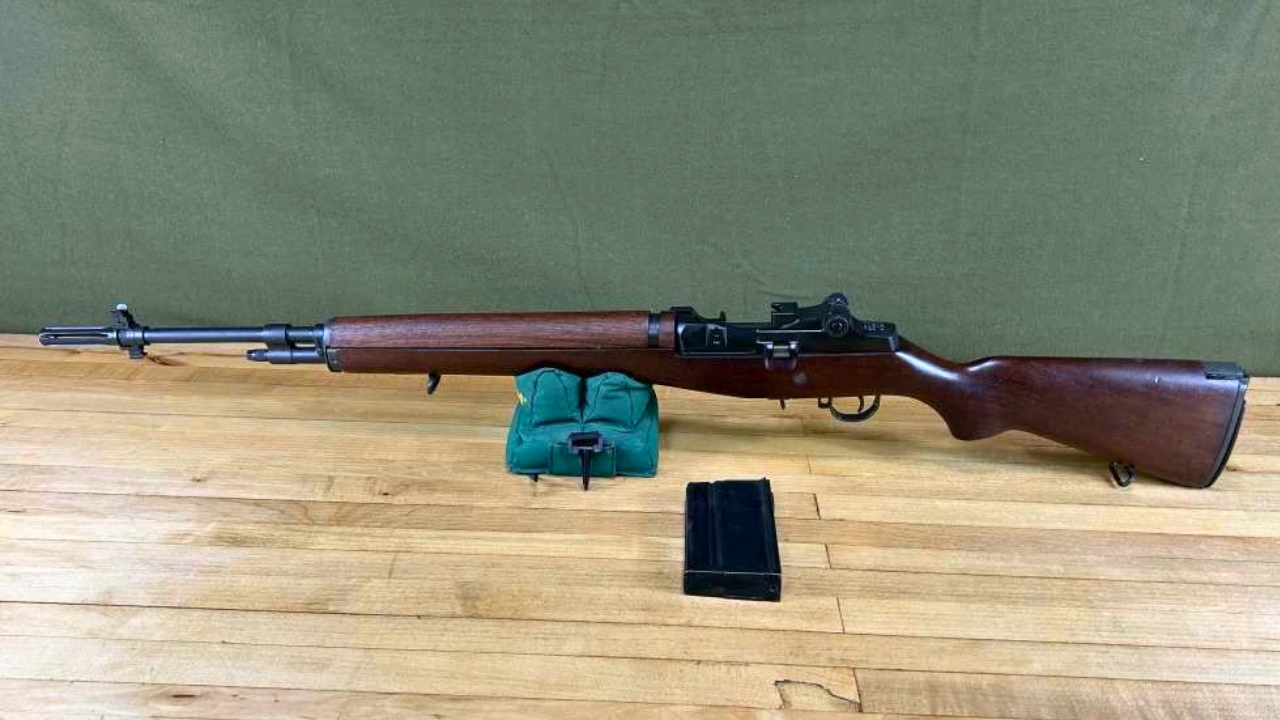
An M1A scratches an itch. It points well, it looks right, and it makes a satisfying thump on steel. Companies tried to keep it going with modern manufacturing, modern stocks, and various “tactical” trims.
Some newer examples have had complaints about inconsistent parts fit and accuracy expectations that don’t match the price tag. When you’re paying M1A money, you want it to run and group without a long troubleshooting phase.
17. Browning A-Bolt (to X-Bolt transition for some hunters)

The X-Bolt is a good rifle, but I’ve met more than a few hunters who still prefer the older A-Bolt’s feel and simplicity. The change brought new features and styling that looked modern on a rack.
In the woods, “improved” sometimes means different just to be different. If your A-Bolt fed slick and carried well, the newer rifle had to beat that, not just update it. Not everyone thinks it did.
18. Mossberg 500 (tactical variants that forgot what made it good)
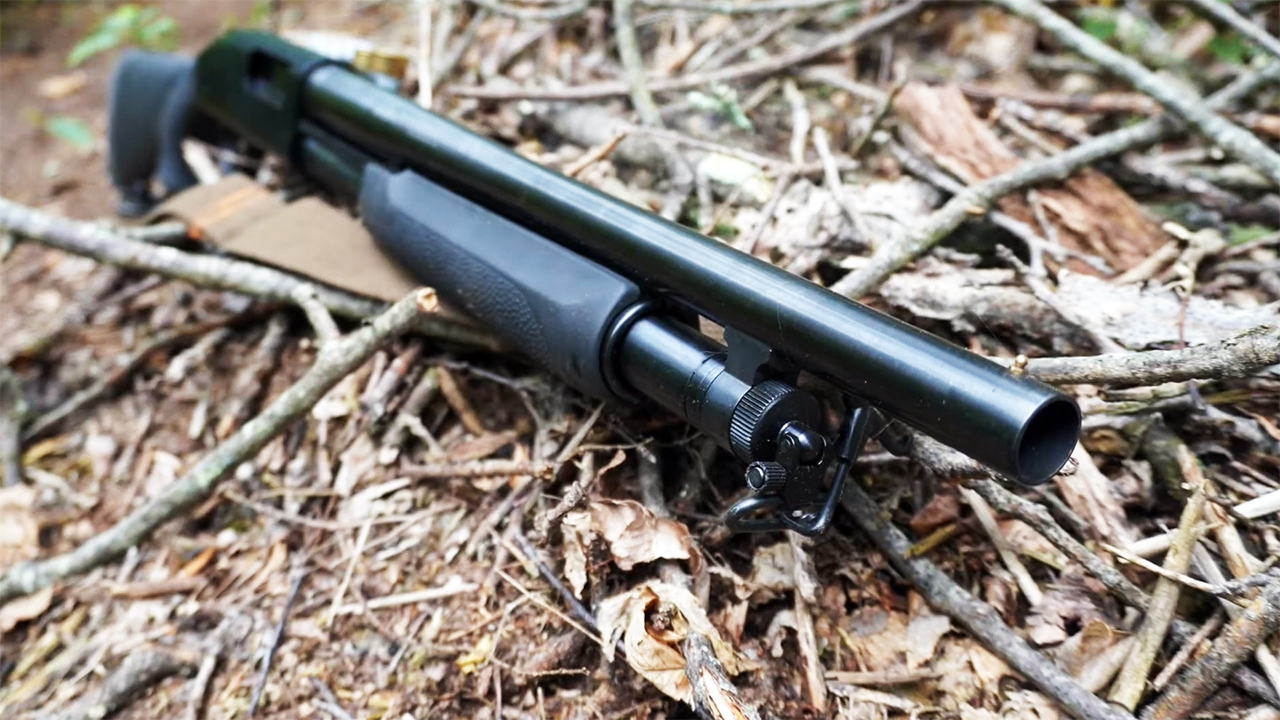
A plain Mossberg 500 is a working shotgun. It can ride in a closet, a farm truck, or a duck blind, and you don’t cry when it gets scratched. Then the tacticool versions started multiplying.
Heat shields, bulky forends, odd furniture, and extra weight can turn a handy pump into a clunky one. It’s not that accessories are evil. It’s that you can accidentally build a shotgun that handles worse than the plain-Jane model that started it all.
19. CZ 75 (Omega trigger system versions, depending on what you want)
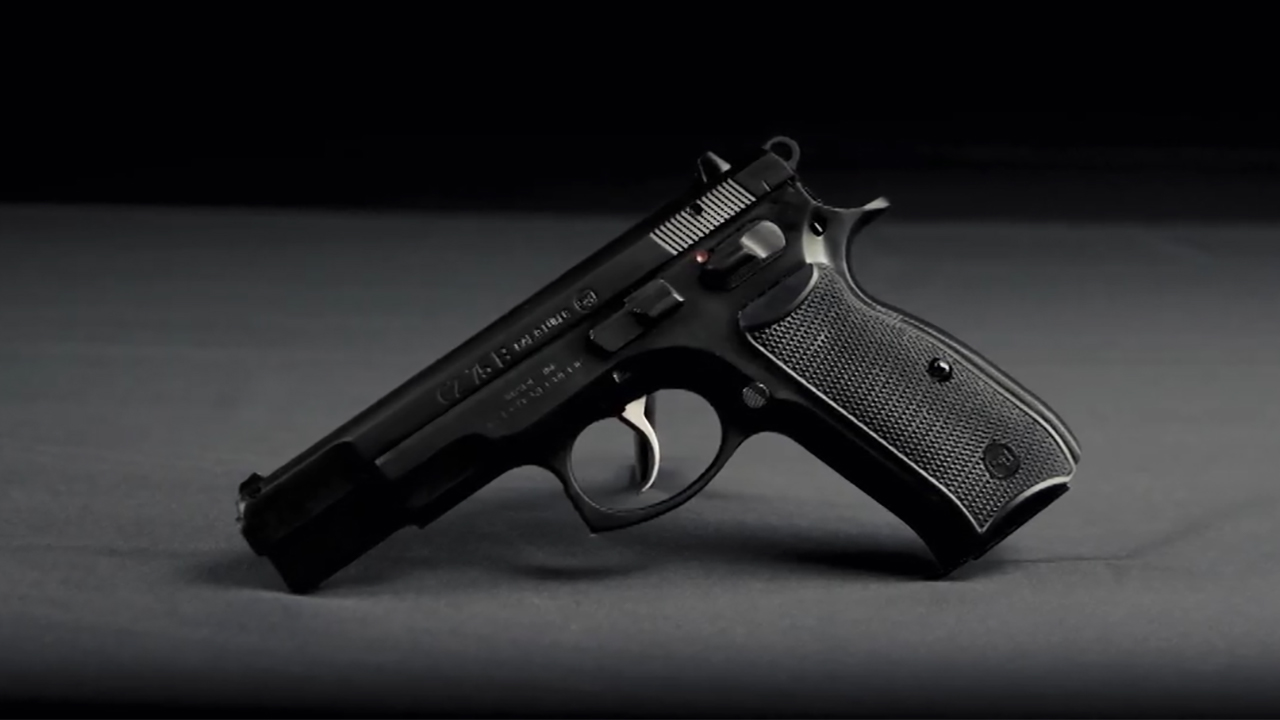
The CZ 75 has a loyal following because it feels like it was shaped for a human hand. The Omega system was meant to simplify internals and allow easier safety/decocker swaps.
Some shooters like it. Others swear the traditional system has a better trigger feel and a more “classic CZ” personality. When a pistol’s whole reputation is built on how it shoots and feels, a simplification can feel like a downgrade even if it’s easier to manufacture.
20. Beretta 92FS (accessory-rail and “modernized” spins)
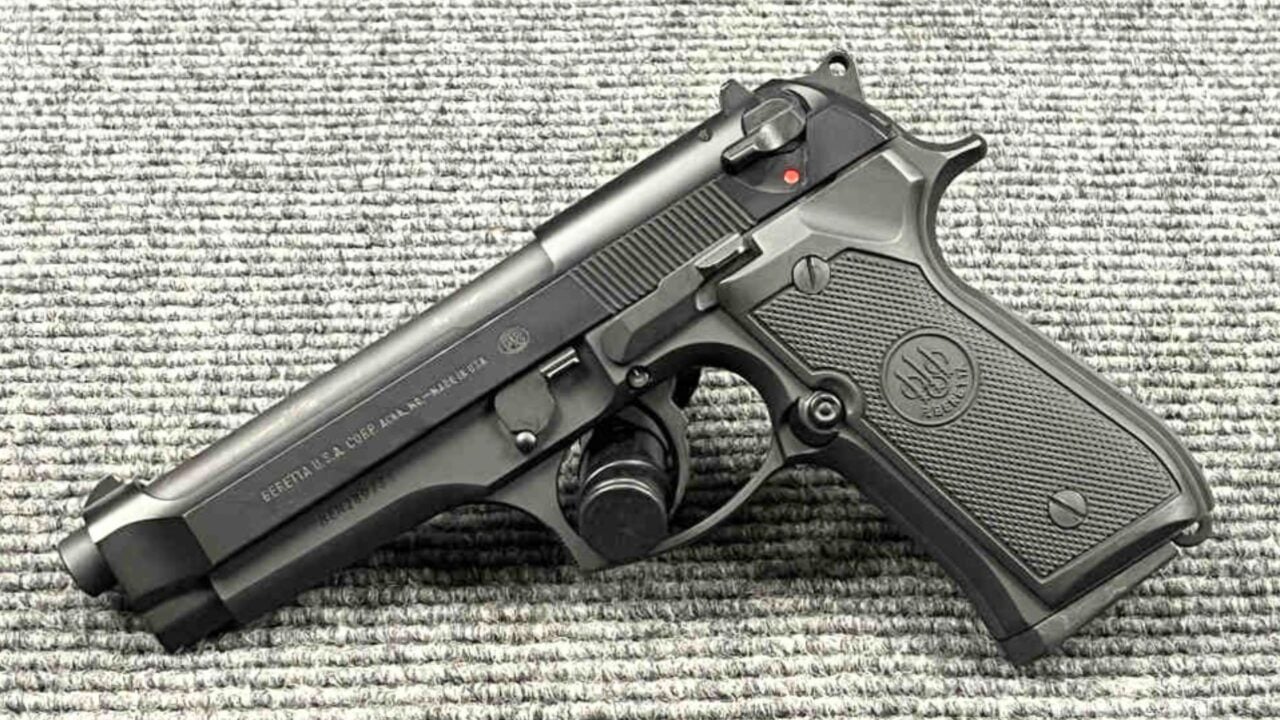
The 92 is big, smooth, and easy to shoot well. A lot of the newer variants tried to modernize it with rails, different grip shapes, and other tweaks to keep it current in a polymer world.
Rails add weight out front and change the way the gun carries, especially if you’re the rare person who actually totes a 92 around. Some of the “updated” versions also lose a bit of that classic balance that made the 92 such a soft shooter in the first place.
None of this means you should run out and dump every newer gun you own. It does mean you ought to be suspicious of “improvements” that fix problems you never had. The best test is simple: does it carry better, shoot better, and run more reliably for your use? If the answer is no, the older, plainer version starts looking pretty smart.
Like The Avid Outdoorsman’s content? Subscribe to our newsletter so you never miss an article.
Here’s more from us: